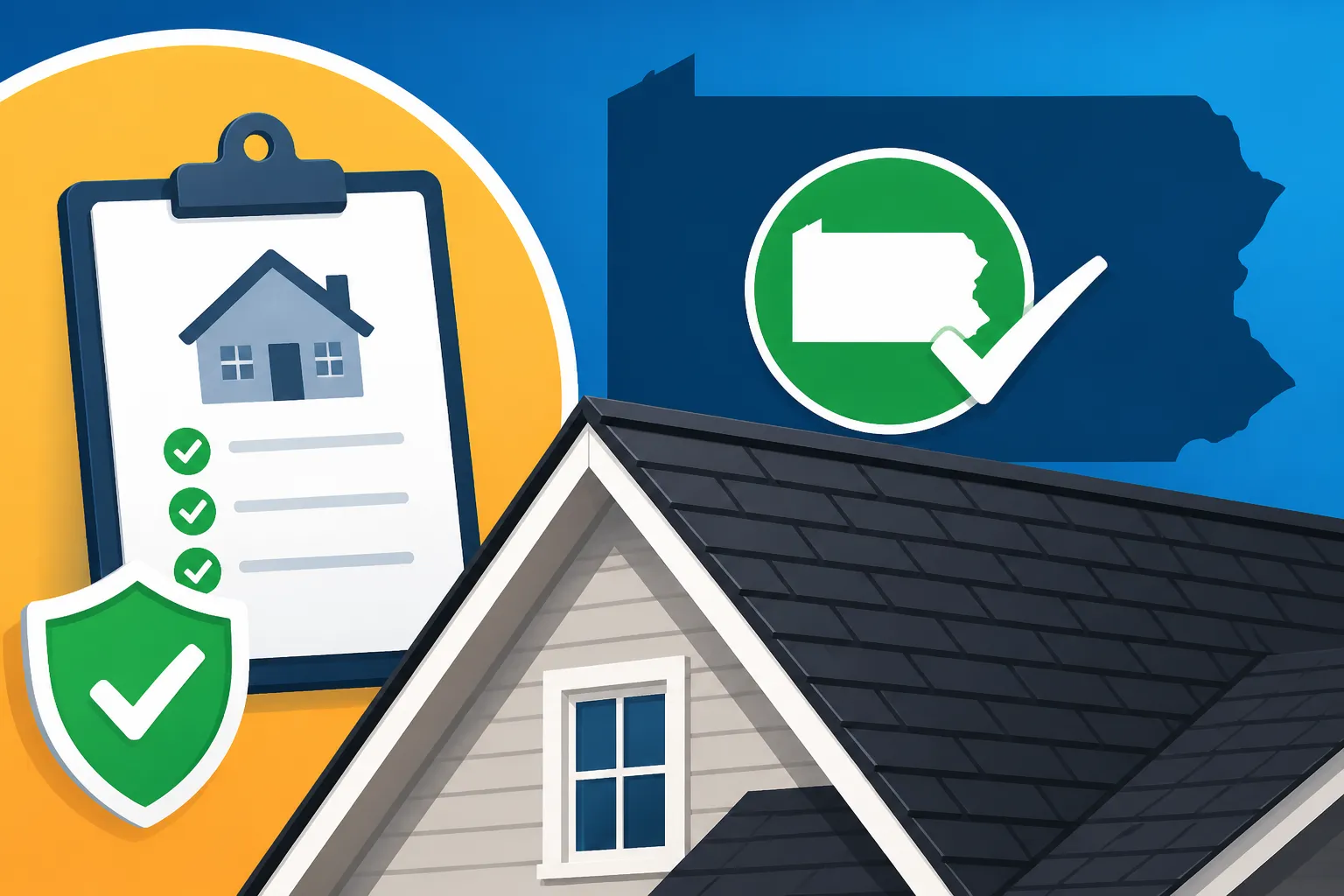
Do You Need a Roofing Permit in Pennsylvania
It’s easy to feel overwhelmed when facing a roof project, whether it’s a full replacement or a significant repair. Many homeowners in Pennsylvania find themselves asking, "Do I really need a permit for this?" The answer, unfortunately, isn't always a simple yes or no, and overlooking this crucial step can lead to costly delays, fines, and even bigger headaches down the road. This guide will help you understand the permit requirements for roofing work across the diverse landscape of Pennsylvania, ensuring you can confidently navigate the process.
The Essentials of Roofing Permits in Pennsylvania
Embarking on a roofing project without first understanding the permit requirements is like setting sail without a map – you might get lucky, but you're more likely to run aground. In Pennsylvania, the need for a roofing permit largely hinges on the scope of work you're planning. It's not just a formality; it's about ensuring your home's structural integrity and safety standards are met.
When a Permit is Absolutely Necessary
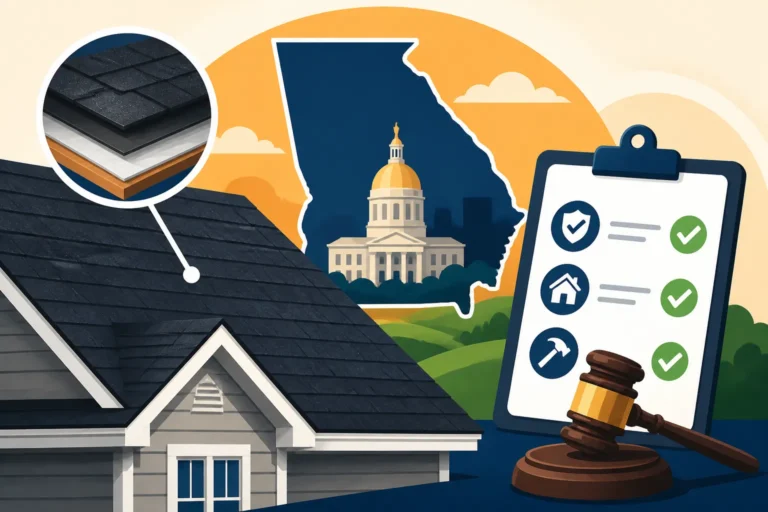
Let's cut right to it: when does the local municipality absolutely demand that you get a permit before any work even starts? Generally, if your roofing project involves a full tear-off and replacement, adding new layers of shingles, or making any structural changes to your roof, you'll need a permit. This isn't unique to Pennsylvania; it's standard practice in most places. A full roof replacement, for instance, means stripping the old roofing materials down to the deck and installing a brand-new system. This kind of extensive work always warrants a permit because it impacts the primary weather barrier of your home and ensures the new installation meets current building codes.
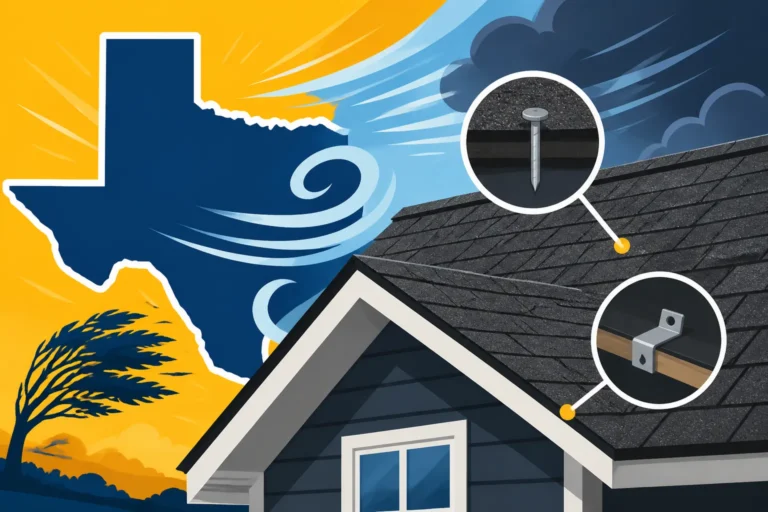
Consider a scenario where you're replacing an aging asphalt shingle roof that's seen better days. Even if you're replacing it with the exact same type of asphalt shingles, the sheer scale of the work triggers permit requirements. The reason? Inspectors want to verify that the underlying roof decking is sound, the new materials are installed correctly, and all components, from the underlayment to the flashing and ventilation, adhere to the state's Uniform Construction Code (UCC) as adopted by your local jurisdiction. This means they'll be checking things like proper nailing patterns for wind resistance and adequate ventilation to prevent moisture buildup.
Moreover, if you're planning to "roof over" existing shingles – meaning adding a new layer on top of an old one – a permit is usually required. Most Pennsylvania municipalities adhere to the building code that limits the number of shingle layers to two. If your home already has one layer and you're adding a second, you'll likely need a permit to ensure this limit isn't exceeded, which could otherwise place undue stress on your roof's structure and even lead to premature failure. Ignoring this could not only void your new roof's warranty but also make it harder to sell your home later on. You can read more about this in our guide on How Many Layers of Shingles Are Legal.
Repairs That Might Skip a Permit
Now, not every loose shingle or minor leak calls for a full permit application. Minor repairs, those that don't involve significant structural work or a substantial portion of the roof, often fall into the "permit-exempt" category. Think of it this way: if you're simply replacing a handful of missing shingles after a strong windstorm or patching a small, localized leak that doesn't impact the overall roof system, you likely won't need a permit. The key here is "minor" and "like-for-like" replacement.
For example, if a tree branch falls and damages a small section of shingles on your garage roof, and you're just replacing those few damaged shingles with identical ones, most municipalities would consider this a maintenance repair that doesn't require a permit. The same goes for fixing a small section of flashing around a chimney that has come loose. These are considered routine maintenance to prevent further damage, not a renovation or replacement of the entire roofing system.
However, be careful with your definition of "minor." What one homeowner considers a minor repair, a building official might see as something more substantial. If your "repair" involves replacing more than, say, 100 square feet of roofing material (which is about one roofing square) or making changes to the roof's structure, like adding a new vent or modifying a truss, you're almost certainly crossing into permit territory. It's always best to err on the side of caution and make a quick call to your local building department, just to confirm. This simple phone call can save you a lot of grief and potential penalties later.
Navigating Pennsylvania's Local Permit Landscape
Pennsylvania's building code landscape can feel a bit like a patchwork quilt. While there's a statewide framework, how it's applied and enforced can vary significantly from one town to the next. This means that what's required in Philadelphia might be different from what's needed in a small borough in the Poconos or a suburban township outside Pittsburgh.
State Regulations vs. Local Ordinances
At the heart of Pennsylvania's building regulations is the Pennsylvania Uniform Construction Code (UCC). This statewide code, which adopts model building codes like the International Residential Code (IRC), sets the minimum standards for construction, including roofing, across the Commonwealth. This is great because it provides a baseline of quality and safety for everyone. However, here's where it gets a little tricky: while the UCC provides the framework, its enforcement is largely delegated to local municipalities.
What this means for you, the homeowner, is that while the core requirements (like proper ventilation, shingle nailing, and underlayment specifications) are consistent statewide, the process of obtaining a permit, the fees involved, and even minor interpretations of the code can differ. Some larger cities, like Pittsburgh or Philadelphia, have their own established and often more stringent building departments and permit processes, sometimes with additional local amendments to the UCC. They might require more detailed drawings or longer review times. Smaller townships, on the other hand, might rely on third-party agencies to conduct inspections or have a simpler, more streamlined application process.
For instance, a homeowner in Scranton undertaking a roof replacement might find the permit fees and the number of required inspections differ slightly from a homeowner doing the same work in Erie. This isn't because the fundamental safety standards are different, but because the local administrative procedures are tailored to that specific community's resources and needs. This local variation is precisely why it’s so critical not to assume that what applied to your friend's roof in another county will apply to yours.
The Role of Your Municipality
Given this local variation, your specific municipality is your ultimate authority when it comes to roofing permits. The very first step, before you even get a quote, should be to contact your local municipal building department, township office, or city's planning department. They are the ones who will issue the permit, conduct the inspections, and ensure your project complies with all local and state building codes.
Think of them as the gatekeepers of construction standards in your area. You can usually find their contact information on your municipality's official website. Look for sections related to "building permits," "code enforcement," or "construction services." When you call, be prepared to clearly describe your project: Are you doing a full tear-off and replacement? Adding a second layer? Just fixing a small section? The more information you provide, the clearer their guidance will be.
They'll be able to tell you definitively whether a permit is required, what documentation you’ll need to submit, the associated fees (which can vary widely, from under $100 to several hundred dollars depending on the project size and location), and the general timeline for approval. Don't rely solely on what your contractor tells you, although a reputable contractor should be very familiar with local requirements. Ultimately, the responsibility for adhering to local regulations falls on the homeowner. By doing your due diligence upfront, you avoid potential delays or fines that can arise from unpermitted work. This simple step is an important part of How to Budget for a New Roof.
The Permit Application Process in Pennsylvania
So, you've confirmed that your roofing project needs a permit. What's next? The permit application process might seem daunting at first, but it's a structured series of steps designed to ensure your project is safe and compliant. A good roofing contractor will often handle much of this for you, but it's smart to know what's involved.
What Information You'll Need
When applying for a roofing permit in Pennsylvania, you'll typically need to provide a range of information about both your property and the planned work. This isn't busywork; it's to ensure the authorities have a complete picture of what's being done and who is doing it. Expect to provide:
- Property Owner Information: Your name, address, and contact details.
- Property Details: The legal address and sometimes the tax parcel number of your home.
- Contractor Information: This is crucial. You'll need the full name of your roofing contractor, their business address, contact information, and importantly, proof of their valid Pennsylvania contractor license and insurance certificates (liability and workers' compensation). This is why hiring Licensed and Insured Roofers: Why It Matters is non-negotiable. Many municipalities won't even process a permit application without a licensed contractor's details.
- Scope of Work: A detailed description of what you plan to do. For roofing, this would include whether it's a full tear-off and replacement, an overlay, or a partial repair. Specify the materials you'll be using (e.g., "GAF Timberline HDZ architectural shingles"), the estimated number of squares, and any other components like new underlayment, drip edge, or ventilation systems.
- Estimated Project Cost: This helps the municipality calculate permit fees, which are often based on the value of the work.
- Site Plan (sometimes): For roofing, this is less common unless structural changes are involved, but some municipalities might request a basic sketch showing the house footprint and roof area.
- Payment for Fees: Permit fees vary greatly by municipality and project scope but are mandatory at the time of application.
Gathering all this information can feel like a chore, but it's a vital part of protecting your investment and ensuring your project starts on the right foot. A reputable contractor, especially one experienced in your local area, will usually help you compile these details or even provide their specific information directly.
Steps to Take: From Application to Inspection
Once you've got all your ducks in a row, the permit process generally follows these steps:
- Application Submission: You or your contractor will submit the completed application form and all supporting documents to your local municipal building department. This can often be done in person, by mail, or increasingly, through online portals.
- Plan Review: A building official or plan reviewer will examine your application and proposed scope of work to ensure it complies with the Pennsylvania UCC and any local amendments. They'll look for things like proper material specifications, adherence to fire safety codes, and structural soundness. This review process can take anywhere from a few days to several weeks, depending on the complexity of the project and the workload of the department.
- Permit Issuance: Once the plans are approved, the permit is issued. You (or your contractor) will receive a physical permit document. This document, often a brightly colored placard, must be prominently displayed on your property during the entire roofing project. This signals to neighbors and inspectors that the work is authorized.
- Inspections: This is where the rubber meets the road. During the course of the project, your municipality will likely require at least one, if not two, inspections.
- Mid-Roof/Rough-In Inspection (if applicable): Sometimes, an inspector will want to see the roof decking after the old shingles are removed but before the new underlayment and shingles are installed. This allows them to verify the condition of the decking and ensure any necessary repairs (like replacing rotted plywood, which affects Roof Decking Replacement Cost) are made and inspected. They might also check the installation of ice and water shield.
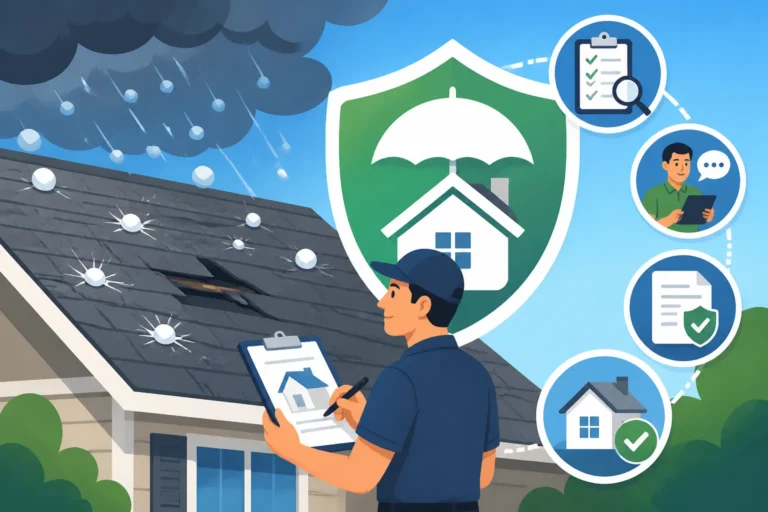
- Final Inspection: Once all the roofing work is complete, a final inspection is mandatory. The inspector will check the finished roof for proper shingle installation, flashing around chimneys and vents, drip edge, and adequate ventilation. They're ensuring everything matches the approved plans and complies with the UCC.
- Permit Closure: After the final inspection passes, the permit is officially closed, signifying that your roofing project has been completed according to all applicable codes. This record is important and can be a lifesaver if you ever sell your home or need to make an insurance claim down the line.
Remember, it's typically the responsibility of the contractor to schedule these inspections and be present when the inspector arrives. This is another reason why vetting your contractor thoroughly, perhaps using resources like Questions to Ask a Roofing Contractor Before Hiring, is so important.
The Consequences of Skipping a Permit
It might be tempting to bypass the permit process, especially if you're trying to save a little time or money. But cutting corners here can lead to a whole host of problems that are far more expensive and frustrating than the permit itself. The consequences of unpermitted work are real and can haunt you for years.
Financial and Legal Headaches
The immediate repercussions of skipping a roofing permit can hit you right in the wallet. If your municipality discovers that unpermitted work is being done, or has been completed, they can issue a stop-work order. This means all work must immediately cease, leading to project delays and potentially costing you extra in labor charges from your contractor sitting idle. Beyond that, you'll almost certainly face fines and penalties. These fines can range from a few hundred dollars to several thousand, often far exceeding the original permit fee. In some cases, you might even be required to tear off the newly installed roof just to allow for proper inspection of the underlying structure, which is a nightmarish scenario for any homeowner.
The legal ramifications extend beyond immediate fines. When you go to sell your home, unpermitted work can become a major hurdle. Home buyers and their lenders often require proof that all major renovations or replacements were done legally and according to code. If your new roof doesn't have a permit, it could hold up the sale, reduce your home's value, or even force you to retroactively get a permit and undergo inspections, which is usually a more complicated and expensive process. Some areas even require a Roof Certification for Home Sale that would flag unpermitted work.
Perhaps most concerning is the impact on your homeowners insurance. Most insurance policies require your home to be maintained and constructed according to local building codes. If your roof fails prematurely or sustains damage, and it's discovered that the replacement or significant repair was done without a permit, your insurance company could deny your claim, leaving you to pay for repairs or a full replacement out of pocket. Imagine a strong storm causing damage to your new, unpermitted roof; your carrier might simply say, "Sorry, but this work wasn't up to code, so we won't cover it." This is a significant risk that no homeowner wants to take, especially considering Does Insurance Cover Roof Replacement.
Safety and Quality Concerns
Beyond the financial and legal penalties, the core reason for building permits is safety and quality. When you obtain a permit, you're essentially getting an assurance from your local government that the work will be performed to a minimum standard. Without a permit, you lose that crucial oversight.
Substandard work becomes a very real possibility. An unscrupulous or inexperienced contractor might cut corners, use cheaper materials not up to code, or employ improper installation techniques (e.g., incorrect nailing, inadequate flashing). Without an inspector checking their work, you might not discover these issues until years down the line when leaks start appearing, shingles blow off in a minor storm, or even worse, structural problems develop. You can read about Signs of a Bad Roofing Job to know what to look for, but proactive inspection is always better.
Consider the example of roof ventilation. Proper attic ventilation is critical for extending the life of your roof, preventing ice dams in winter, and reducing heat buildup in summer. Building codes specify ventilation requirements. If a contractor installs a new roof without a permit, they might neglect to install adequate ventilation, leading to premature shingle aging, mold growth in the attic, and higher energy bills, all because there was no inspection to ensure compliance with Roof Ventilation Code Requirements.
Ultimately, the permit process is there to protect you, the homeowner, your family, and your investment. It ensures that your roof, a critical component of your home's envelope, is installed correctly and safely, providing the long-term protection you expect.
Working with Your Contractor on Permits
The relationship with your roofing contractor is paramount, and how they handle the permit process is a major indicator of their professionalism and reliability. While you, as the homeowner, are ultimately responsible for ensuring permits are secured, a reputable contractor will take the lead.
Who Should Pull the Permit
In almost every scenario, your roofing contractor should be the one to pull the permit. This isn't just a matter of convenience; it’s a professional expectation and often a requirement by local municipalities. Here's why:
- Expertise: Experienced contractors are intimately familiar with the local permit requirements, application forms, and inspection schedules in the areas they serve. They know what details to include, what fees to expect, and who to contact.
- Liability: When the contractor pulls the permit, it places a clear line of responsibility on them for adhering to the building codes and completing the work as described in the permit application. This is a vital aspect of their licensure and insurance.
- Efficiency: Contractors often have established relationships with building departments and can navigate the process more smoothly and efficiently than a homeowner who is new to it. They know the common pitfalls and how to avoid delays.
- Professional Standard: A contractor who insists you pull the permit, or suggests skipping it entirely, is a significant red flag. This can indicate they are either unlicensed, uninsured, or simply trying to avoid accountability. Never work with a contractor who pushes this responsibility onto you. This is a key aspect of How to Choose a Roofing Contractor.
When you're discussing your project with potential roofers, always ask them about their experience with permits in your specific municipality. A confident answer and a clear explanation of their process should put your mind at ease. Be wary of contractors who seem evasive or try to downplay the importance of permits.
What to Verify Before Work Begins
Even if your contractor assures you they'll handle the permit, it's still your job to verify that everything is in order before any shingles come off your roof. This simple step can save you immense stress and potential financial loss.
- Ask for Proof of the Permit: Don't just take their word for it. Request to see the actual permit document. It should be issued by your local municipality (e.g., "City of Pittsburgh Department of Permits, Licenses, and Inspections" or "Upper Merion Township Building Department"). Verify that the address, scope of work, and contractor details on the permit match your project.
- Ensure Proper Display: Once issued, the permit must be prominently displayed on your property, usually in a window or a clearly visible location near the front of the house. This makes it easy for inspectors to confirm authorization and means your contractor isn't trying to hide the fact that they have one.
- Confirm Licensing and Insurance: While you should have verified this during the hiring process, re-confirm your contractor's current Pennsylvania Home Improvement Contractor (HIC) license and their general liability and workers' compensation insurance. Make sure the insurance is current and covers your specific project dates. This is a critical step in How to Vet a Roofing Company. If a worker gets injured on your property and your contractor isn't properly insured, you could be held liable.
- Review the Contract: Ensure your roofing contract explicitly states that the contractor is responsible for obtaining all necessary permits and scheduling inspections. The contract should also detail the scope of work clearly, aligning with what will be submitted for the permit. Knowing What a Roofing Estimate Should Include and What to Include in a Roofing Contract will help you here.
By taking these proactive steps, you're not being overly cautious; you're being a smart homeowner. You're ensuring that your significant investment in a new roof is protected, that the work will be done safely and legally, and that you won't encounter any unpleasant surprises down the road.
Common Permit Requirements Comparison Table
To give you a clearer idea of when a permit is typically needed, here's a general comparison. Remember, this is a guideline, and local requirements in Pennsylvania can vary. Always check with your specific municipality.
| Type of Roofing Work | Typical Permit Requirement in PA | Common Reasons for Requirement |
|---|---|---|
| Full Roof Replacement | YES | Structural integrity, code compliance for new materials, decking inspection, ventilation. |
| Re-roof / Overlay | YES | Verification of existing layers (usually maximum two allowed), structural load, material compatibility. |
| Partial Roof Replacement | MAYBE (often YES) | If replacing more than a small percentage (e.g., 100 sq ft or 10% of total roof area), or if structural decking is impacted. |
| Minor Shingle Repair | NO | Replacing a few shingles, patching a small leak (no structural changes, limited area). |
| Structural Changes | YES | Any alteration to roof framing, adding dormers, skylights, or changes to roof pitch. |
| Adding New Vents | MAYBE (often YES) | Can impact roof structure, require flashing, and need to meet ventilation code. |
| Flashing Repair/Replace | NO | Typically considered a minor repair if no other extensive work is involved. |
Disclaimer
The information provided in this guide is for general informational purposes only and does not constitute legal or professional advice. Roofing permit requirements in Pennsylvania can vary significantly by municipality and are subject to change. Always consult directly with your local building department or a qualified roofing contractor to confirm specific permit requirements for your project. Relying solely on the information presented here without local verification is not recommended.