Roofing Codes and Regulations in Georgia
Facing a roof replacement or even a significant repair can feel like navigating a legal labyrinth, especially when you start digging into permits and local ordinances. It's frustrating enough dealing with the practicalities of hiring a contractor and choosing materials, let alone wondering if you're going to accidentally break a rule you didn't even know existed. This comprehensive guide is here to demystify the roofing codes and regulations specifically for homeowners in Georgia, helping you understand what's required to protect your home and your peace of mind.
Why Georgia's Roofing Codes Matter and Why They're So Confusing
When you're dealing with something as critical as your home's roof, you want to ensure it's built to last and meets safety standards. That's precisely why roofing codes exist – they're there to ensure structural integrity, protect against the elements, and ultimately keep you and your family safe. However, many homeowners find the whole concept of building codes incredibly confusing, and Georgia is no exception. It’s not a single, clear-cut set of rules, which can be a real headache.
The Patchwork Nature of Local Ordinances
One of the biggest sources of confusion in Georgia is that while there’s a state-level building code, many counties and cities adopt their own amendments or even entirely different code versions. The state of Georgia adopts the International Residential Code (IRC) with specific Georgia amendments, which provides a baseline for residential construction, including roofing. However, individual jurisdictions, like Fulton County, Cobb County, or the City of Atlanta, often have the authority to implement stricter requirements or additional regulations based on their local climate, population density, or specific concerns.
For instance, a homeowner in a coastal community like Savannah might find much more stringent wind resistance requirements for their roof than someone living inland in a place like Athens. These local variations mean that what's perfectly acceptable in one part of Georgia could be a non-starter just a few miles down the road. It forces homeowners to be diligent in verifying the specific codes enforced by their local building department, rather than relying solely on general state guidelines. This localized approach is intended to address unique challenges each area faces, but it certainly adds a layer of complexity for the average homeowner trying to do things by the book.
Protecting Your Home and Investment
Beyond just complying with the law, understanding and adhering to roofing codes is fundamentally about protecting your home and your long-term investment. A roof installed incorrectly or with substandard materials, even if it looks fine initially, can lead to costly problems down the line. Water intrusion, structural damage, and premature failure are all potential consequences of ignoring code requirements. Think of it this way: these codes are developed by experts to ensure a minimum standard of quality and safety.
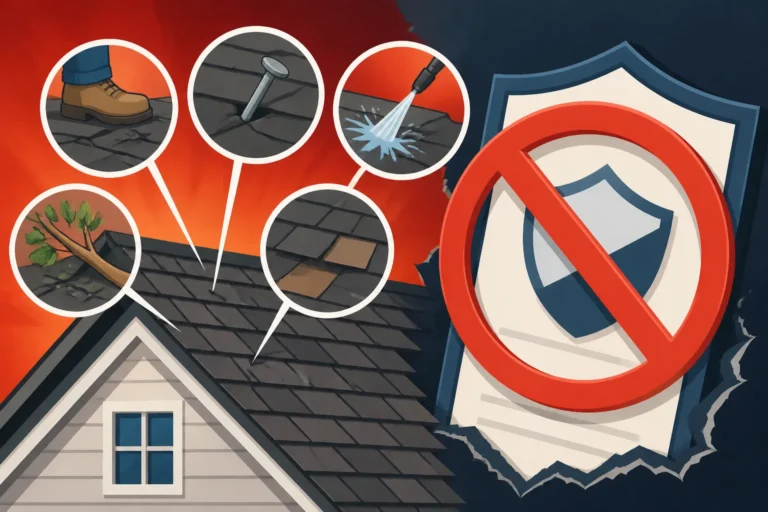
When a roof is installed to code, it's more likely to withstand Georgia's intense summer storms, high winds, and occasional hail. Moreover, if you ever need to file an insurance claim due to storm damage, your insurance company will expect your roof to have been installed in compliance with local codes. A roof that wasn't properly permitted or didn't meet code could complicate or even invalidate your claim, leaving you to shoulder the entire cost of repairs or replacement out of pocket. Ensuring your roofing project is code-compliant also preserves your home's value and provides peace of mind, knowing that your most vital protection against the elements is robust and reliable.
Key Georgia Roofing Regulations You Need to Know
Navigating the specifics of roofing regulations in Georgia can feel daunting, but understanding the core elements will set you on the right path. While local jurisdictions will always have the final say on precise requirements, several foundational regulations are almost universally applied, often derived from the state's adoption of the International Residential Code (IRC) with Georgia amendments.
Permits and Inspections: A Must-Have
One of the most non-negotiable aspects of any significant roofing project in Georgia is securing the proper permits and undergoing subsequent inspections. It's not just a suggestion; it's a legal requirement designed to ensure that the work performed meets safety and structural standards. For most roof replacements or substantial repairs that involve removing and replacing a significant portion of the existing roofing material, a permit will absolutely be necessary. You might be wondering, "Do You Need a Permit to Replace a Roof?" The short answer in Georgia is almost always yes.
The permit process typically involves submitting an application to your local building department, often accompanied by details about the scope of work, materials to be used, and sometimes even a diagram or plans. Once the permit is issued, it acts as official permission to start the work. During and after the installation, an inspector from the local municipality will visit your property to ensure the work is being done correctly and adheres to all applicable codes. These inspections are crucial checkpoints to prevent shoddy workmanship and ensure your roof will be safe and durable. Skipping this step can lead to hefty fines, delays, and even having to tear off and redo work, which is a headache no one wants. For a deeper dive into this, check out our guide on "Roofing Permits Explained".
Material Standards and Wind Uplift
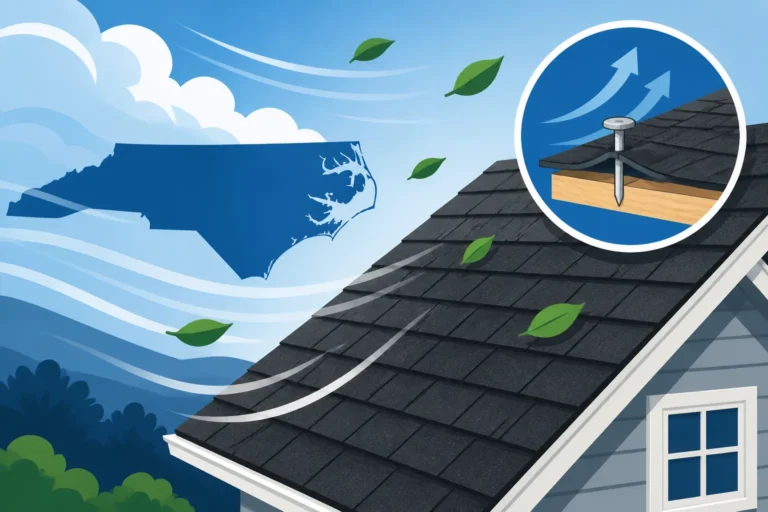
Georgia's climate, with its susceptibility to severe thunderstorms, hurricanes, and tropical storms, makes material standards and wind uplift requirements incredibly important. While asphalt shingles are a popular choice due to their versatility and affordability, they must meet specific performance criteria. Most jurisdictions will require shingles to meet certain ASTM standards (like ASTM D3462 for tear resistance or ASTM D3161 for wind resistance) and have a specified wind resistance rating. In coastal areas, particularly those designated as high-wind zones, these requirements become even more stringent.
For instance, counties along the Atlantic coast or those frequently impacted by hurricane remnants, like Glynn County or Chatham County, might require shingles rated for higher wind speeds, perhaps Class F (110 mph) or Class G (120 mph), or even mandate specialized nailing patterns or other enhanced installation techniques to improve resistance against wind uplift. Even inland areas, such as those around Atlanta, can experience significant straight-line winds, leading many local codes to adopt robust wind resistance standards. This focus on wind uplift helps prevent shingles from being torn off during a storm, protecting your home from water intrusion and further damage. It's always best to consult with your roofing contractor about the specific wind rating requirements for your exact location.
Underlayment and Ice & Water Shield Requirements
While Georgia isn't typically known for its heavy snowfall and ice damming issues like states further north, proper underlayment is still a critical component of code-compliant roofing. The underlayment acts as a secondary barrier against moisture intrusion, protecting your roof deck from water that might penetrate the primary shingle layer due to high winds, heavy rain, or shingle damage. Most Georgia codes will require a minimum of one layer of asphalt-saturated felt or synthetic underlayment over the entire roof deck.
In certain areas, particularly those with steeper roof pitches or where specific weather patterns might create vulnerabilities, there might be additional requirements for "ice and water shield." This self-adhering membrane is typically installed in vulnerable areas like valleys, around chimneys, skylights, and along eaves. Even if ice dams aren't a primary concern, its superior waterproofing capabilities make it invaluable in preventing leaks in high-risk spots during torrential downpours or wind-driven rain. For instance, in areas prone to flash flooding, some local codes might encourage or mandate extended use of ice and water shield. Your local building department or a reputable roofing contractor will be able to clarify the exact "Underlayment and Ice & Water Shield Requirements" for your property.
Navigating the Permit Process in Georgia
The permit process can seem like a bureaucratic maze, but it's a fundamental part of ensuring your roof replacement or major repair is done safely and correctly according to local standards. Understanding the steps involved and who is responsible for what can greatly reduce stress and prevent costly delays.
Who is Responsible for Pulling Permits?
This is a question many homeowners grapple with, and the answer, thankfully, often leans in your favor: typically, the licensed roofing contractor you hire is responsible for pulling the necessary permits. Reputable contractors are well-versed in the local building codes and the permit application process. They know exactly what documentation is required, how to fill out the forms correctly, and how to communicate with the local building department.
However, as a homeowner, you should always verify that the permit has been obtained before any work begins. Ask your contractor for the permit number and confirm it with your local municipality's building department. Never let a contractor pressure you into starting work without a permit or suggest that you, as the homeowner, pull the permit yourself, especially if you're uncomfortable with the process. While you can pull an owner-builder permit in many jurisdictions, it means you're assuming all liability and responsibility for ensuring the work meets code, which can be a huge burden if you're not an experienced builder. A professional contractor should always handle this aspect, as it's part of their responsibility to deliver a code-compliant installation. If a contractor tries to skirt this step, it's a major red flag, as detailed in our guide on "Who Pulls the Roofing Permit: You or the Contractor".
Typical Permit Costs and Timelines
The cost of a roofing permit in Georgia can vary significantly depending on your specific county or city and the estimated value of your roofing project. Generally, permit fees might range from a few hundred dollars to sometimes over a thousand dollars for larger, more complex roofs. These fees are usually calculated based on the project's valuation or a flat rate set by the local jurisdiction. For example, a permit for a smaller residential roof in a less populous county might be on the lower end, while a larger, multi-story home in a bustling area like Alpharetta or Sandy Springs could incur higher fees.
The timeline for permit approval also fluctuates. In some smaller towns, a permit might be issued within a few days. In larger metropolitan areas like Atlanta or surrounding Cobb or Gwinnett Counties, it could take a week or even two, especially during peak construction seasons when building departments are swamped. Expedited processing might be available in some areas for an additional fee, but it's not guaranteed. Your contractor should be able to give you a realistic estimate for both the cost and the turnaround time for your specific location. It’s important to factor this time into your overall project schedule and not rush the process, as proper permits ensure legitimate and safe work. For more on this, consult our resource on "Roofing Permit Cost and Process".
What Happens During a Roofing Inspection
Once the permit is issued and work commences, one or more inspections will typically be required. The number and type of inspections can vary, but generally, there will be a "dry-in" or "decking" inspection and a final inspection.
During the dry-in inspection, which usually happens after the old roof has been torn off and the new underlayment is installed but before the new shingles are laid down, the inspector will check the condition of the roof deck, ensure proper fastening of the underlayment, and verify that any necessary flashing or drip edge is correctly installed. They'll look for signs of rot, inadequate decking, or improperly sealed penetrations like vents and chimneys. This is a critical point because any issues found at this stage are much easier and less costly to correct than if the shingles were already installed.
The final inspection occurs after all roofing materials have been installed. The inspector will check for proper shingle application, correct ventilation, completion of flashing work, and overall compliance with the permit and code. They'll ensure that the work matches what was approved in the permit application. If everything passes, the permit will be closed, indicating that the work was completed according to code. If issues are found during either inspection, the contractor will be required to correct them and request a re-inspection until the work meets all standards. It’s a multi-step process designed for your protection.
Staying Compliant and Avoiding Headaches
Navigating roofing projects, particularly with all the associated codes and regulations, can be a source of significant stress for homeowners. The good news is that with the right approach and a reliable team, you can ensure compliance and avoid many common pitfalls.
Choosing a Knowledgeable Contractor
This cannot be stressed enough: the single most effective way to ensure your roofing project adheres to all Georgia codes and regulations is to hire a knowledgeable, reputable, and local roofing contractor. A contractor who regularly works in your specific area—whether it's Alpharetta, Macon, Augusta, or the greater Atlanta region—will be intimately familiar with the local building department's requirements, the latest code amendments, and the nuances of the permit process. They should be able to clearly explain the regulations that apply to your home and how their proposed work plan meets them.
When evaluating contractors, don't be afraid to ask direct questions: "Are you familiar with the most recent IRC amendments adopted by [Your City/County]?" "What are the specific wind uplift requirements for my property?" "Will you handle all permit applications and inspections?" Look for contractors who are licensed and insured (always verify this!) and have a strong track record of successful, code-compliant projects. They should also be transparent about their process for securing permits and scheduling inspections. Choosing a contractor who tries to cut corners or avoids discussing permits is a massive red flag. A true professional understands that compliance is non-negotiable and builds it into their service. Our guide on "How to Choose a Roofing Contractor" offers more in-depth advice on this crucial step.
Understanding Manufacturer Warranties and Code
While building codes set the minimum standards for a safe and durable roof, manufacturer warranties often have their own set of requirements that, if not followed, can void your coverage. Many shingle manufacturers, like GAF, Owens Corning, or CertainTeed, offer enhanced warranties that extend beyond material defects to cover workmanship, but these typically require the roof to be installed by a certified contractor using a complete system of their products, all in strict adherence to their installation guidelines and local building codes.
For example, a manufacturer might specify a certain nailing pattern or the use of their branded underlayment, starter shingles, and ridge caps to qualify for their highest-tier warranty. If a contractor deviates from these specifications, even if the work technically meets the minimum local building code, it could still jeopardize your manufacturer's warranty. This is why it's so important to discuss both local codes and manufacturer-specific requirements with your contractor. A good contractor will ensure that their installation practices not only comply with Georgia's building codes but also satisfy the criteria for your chosen shingle manufacturer's warranty, giving you comprehensive protection for your investment. Always get a clear explanation of what your warranty covers and how the installation will ensure its validity.
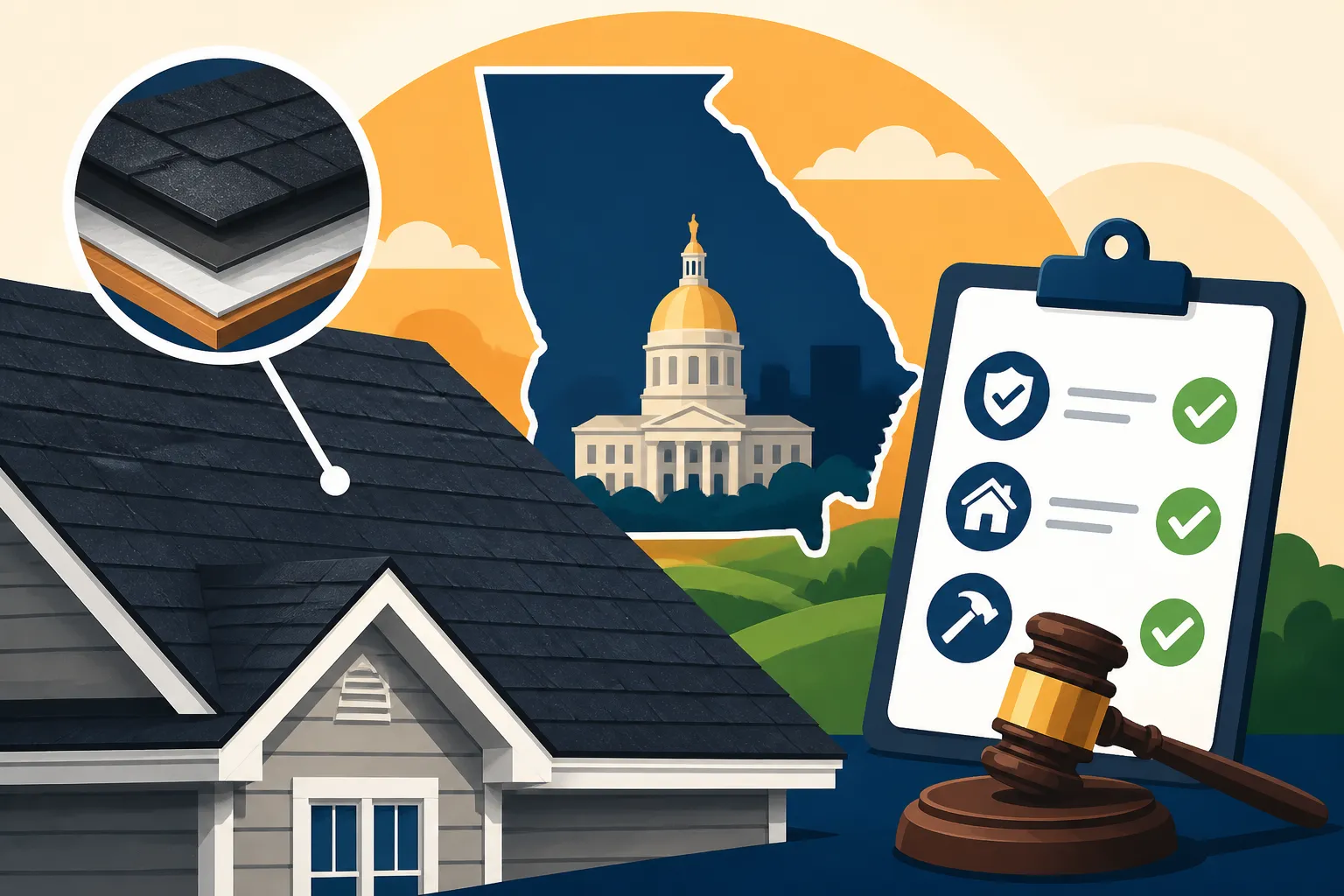
Roofing Code Compliance Checklist for Georgia Homeowners
To help you keep track of the key considerations, here's a handy checklist you can use when planning your roofing project in Georgia:
| Aspect | Key Compliance Points for Georgia |
|---|---|
| Permits & Inspections | – Confirm with your local city/county building department if a permit is required for your specific project (almost always for full replacement). – Ensure your chosen contractor obtains and displays the permit before work begins. – Verify scheduled inspections (dry-in/decking, final) and ensure they are passed. |
| Local Code Awareness | – Understand that local (city/county) codes often supplement or amend the state's adopted IRC with Georgia Amendments. – Ask your contractor to confirm their familiarity with your specific local jurisdiction's latest roofing codes. |
| Material Standards | – Ensure shingles meet applicable ASTM standards for durability and wind resistance. – Verify that shingles meet the specific wind speed ratings required for your geographical location in Georgia, especially in coastal or high-wind zones. |
| Underlayment | – Confirm the use of appropriate felt or synthetic underlayment over the entire roof deck as per code. – Check for requirements regarding ice and water shield in valleys, around penetrations, and along eaves, particularly in vulnerable areas. |
| Ventilation | – Ensure attic ventilation meets current energy efficiency and building codes to prevent heat/moisture buildup (e.g., proper ratio of intake to exhaust). |
| Flashing & Drip Edge | – Verify that all flashing (around chimneys, vents, walls, skylights) is installed correctly to prevent leaks. – Ensure drip edge is installed along all roof edges as required by code to protect the fascia and improve water runoff. |
| Manufacturer Warranty | – Discuss the specific requirements of your chosen shingle manufacturer's warranty with your contractor. – Ensure the installation method and system components meet warranty criteria to maintain coverage. |
| Contractor Credentials | – Verify the contractor is licensed and insured for work in Georgia. – Check references and reviews, ensuring they have a history of code-compliant work. |
This table serves as a helpful starting point, but remember that specific details can vary. Always engage in open communication with your contractor and, when in doubt, confirm details directly with your local building department.
Disclaimer
Please remember that building codes and regulations are subject to change and can vary significantly by specific county, city, or even neighborhood within Georgia. While this guide provides general information, it is not a substitute for professional legal advice or direct consultation with your local building department and a licensed roofing contractor. Always confirm the most current and specific requirements for your exact location before commencing any roofing project.