High-Wind Roofing Codes in North Carolina
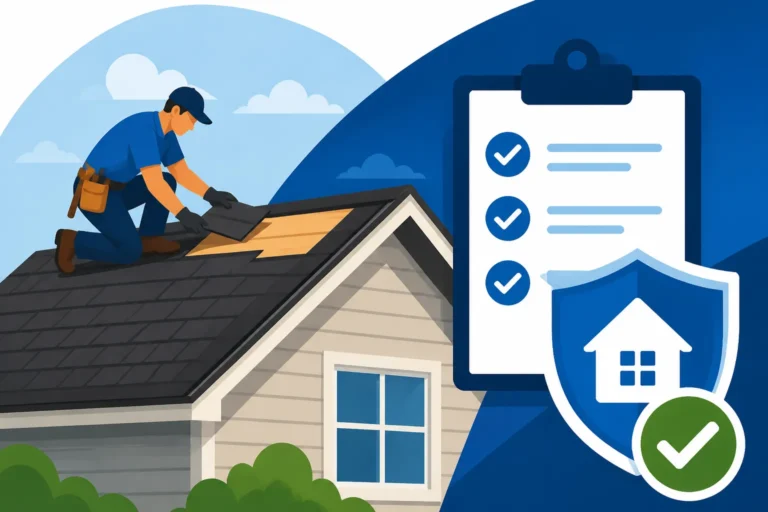
Getting a new roof is already a big decision, and then you start digging into the details, and suddenly you're drowning in a sea of confusing jargon about building codes, permits, and wind ratings. It’s enough to make anyone feel overwhelmed, especially when you live in a place like North Carolina where the weather can be, shall we say, enthusiastic. You want your home to be safe and secure, and that means understanding what makes a roof stand up to a real blow. This guide is here to untangle the complexities of high-wind roofing codes in North Carolina, helping you ensure your next roof isn't just pretty, but incredibly robust.
Understanding North Carolina's High-Wind Landscape
North Carolina is a beautiful state, no doubt, but its diverse geography also means it experiences a wide range of intense weather events. From the stunning Outer Banks to the majestic Blue Ridge Mountains and everything in between, homeowners here contend with unique challenges that directly impact how their roofs need to be constructed. It's not just a matter of slapping on some shingles; it's about building a resilient system capable of withstanding the forces of nature that are, unfortunately, a regular part of life here.
The Threat of Hurricanes and Tropical Storms
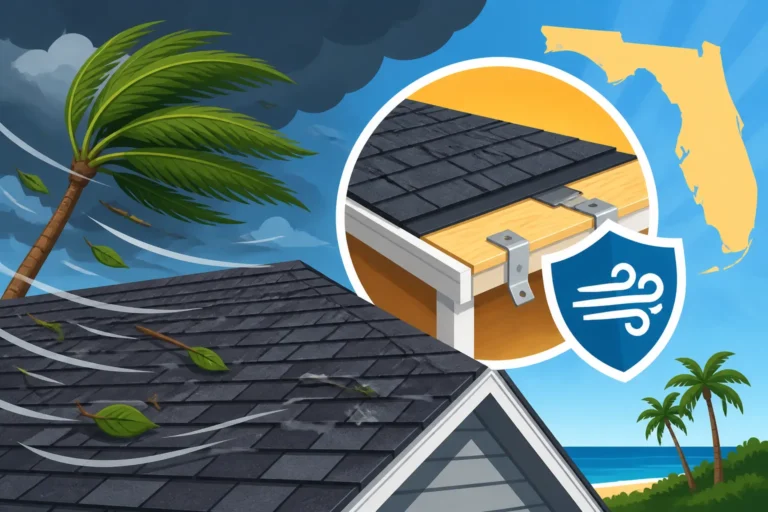
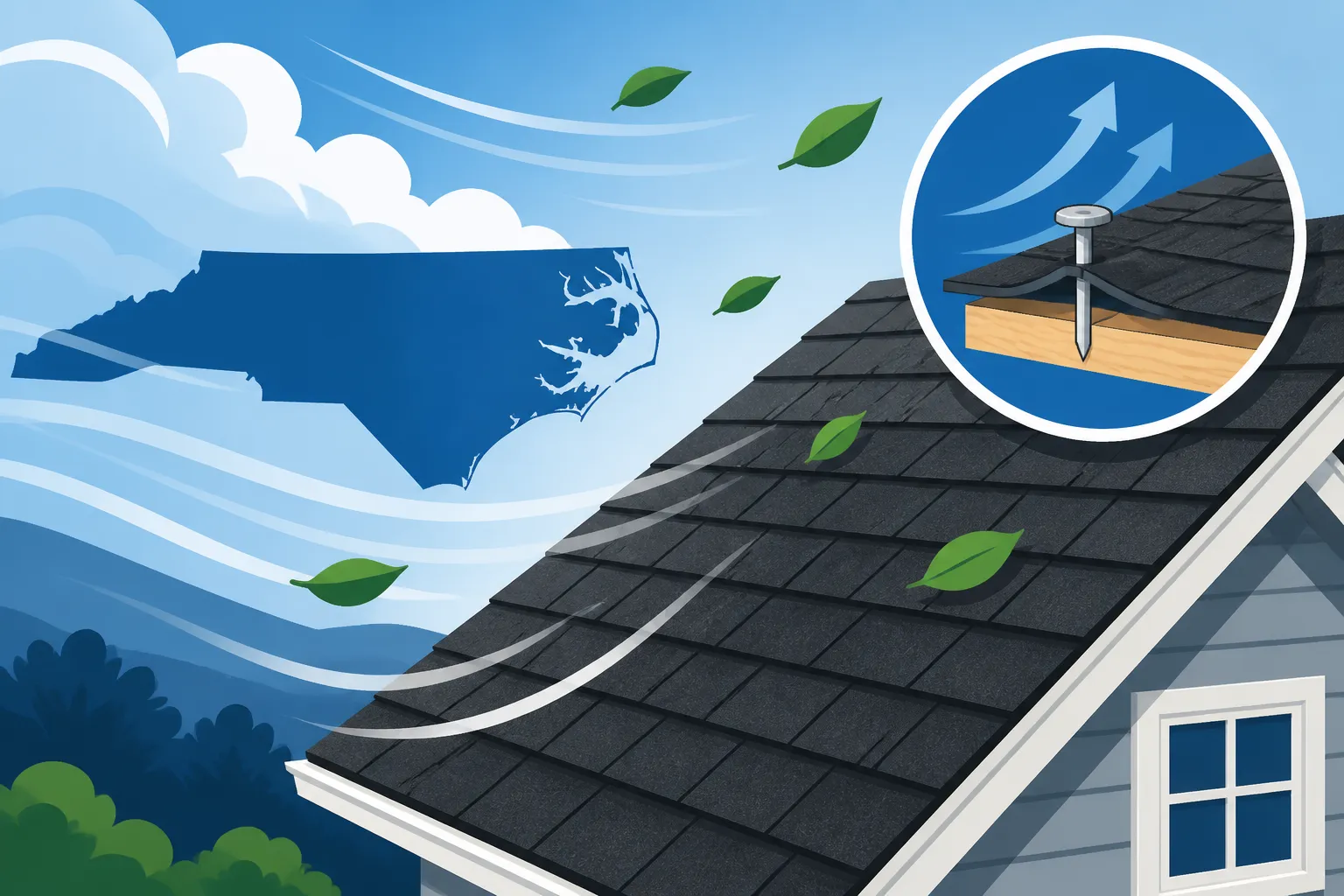
When most people think of high winds in North Carolina, their minds immediately go to the coast. And for good reason! Our extensive coastline, particularly in areas like Wilmington, Morehead City, and the string of barrier islands known as the Outer Banks (think places like Hatteras and Nags Head), is a direct target for hurricanes and tropical storms. These aren't just a gentle breeze; we're talking about sustained winds that can peel shingles off roofs like a banana, send debris flying, and expose your home to devastating water damage. We've seen it time and again with storms like Florence and Dorian, where communities faced immense devastation, and homes with inadequate roofing often bore the brunt of the destruction.
The coastal counties operate under some of the strictest building codes in the state, specifically tailored to combat these powerful cyclonic events. These codes don't just recommend stronger roofs; they often mandate them, recognizing the direct and frequent exposure to extreme wind uplift pressures. This means specialized nailing patterns, higher-rated shingles, and meticulous installation practices become not just best practices, but legal requirements to protect life and property. It's a critical difference that homeowners in these regions absolutely must understand when planning any roof work.
Inland Wind Concerns and Severe Thunderstorms
Now, if you're living further inland, say in Raleigh, Charlotte, or Asheville, you might think you're immune to "high-wind concerns." That's a common misconception that can lead to costly mistakes. While you might not face the direct brunt of a Category 3 hurricane, North Carolina's interior is no stranger to significant wind events. Severe thunderstorms, which are incredibly common during our spring and summer months, can produce straight-line winds strong enough to cause widespread damage. These powerful downbursts can mimic the force of a weak tornado, tearing off sections of roofs, snapping trees, and causing considerable property damage.
Furthermore, tornadoes, while less frequent than thunderstorms, are a very real threat across the entire state. Tornadoes can occur virtually anywhere in North Carolina, and their localized, intense rotational winds are among the most destructive forces a roof can face. Building codes, even in inland areas, are designed to address these varying wind loads, acknowledging that every home in North Carolina has some level of exposure to significant wind. So, whether you're by the beach or nestled in the Piedmont, a robust, code-compliant roof is essential for your home's long-term protection.
Key High-Wind Roofing Code Requirements in North Carolina
North Carolina, like many states, primarily bases its residential building codes on the International Residential Code (IRC), but with specific amendments that address our unique climate and hazards. When it comes to high winds, these amendments are absolutely critical, focusing on how every component of your roofing system contributes to its overall resistance. It’s not just about the shingles; it’s about the entire assembly working together as a fortified shield.
Shingle Nailing Patterns and Fasteners
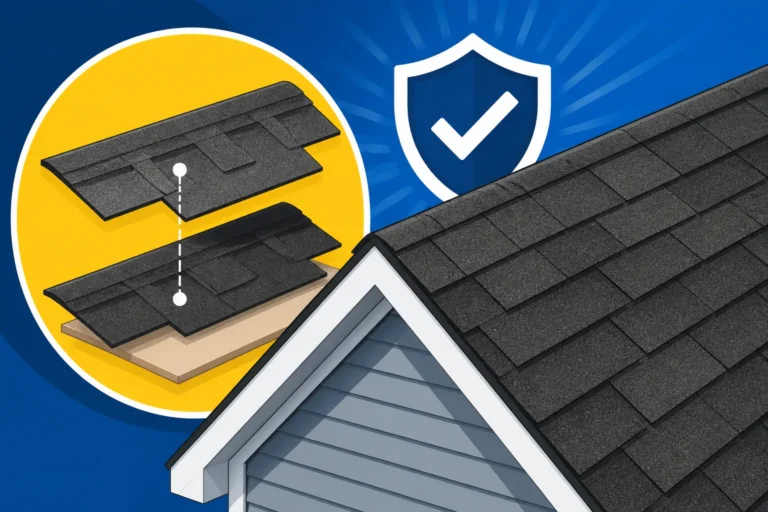
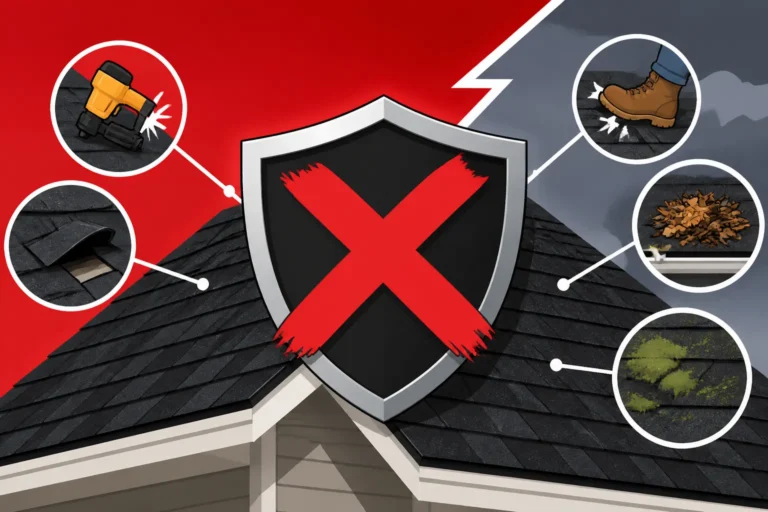
This is where the rubber meets the road, or rather, where the nail meets the shingle. The most common vulnerability of an asphalt shingle roof in high winds is the failure of the shingles to remain attached to the roof deck. North Carolina's high-wind codes often dictate stricter nailing patterns than what might be considered standard in less windy regions. While a 4-nail pattern is common for many shingles, in designated high-wind zones or when using certain shingle types, a 6-nail pattern per shingle is frequently required. Each nail needs to be placed precisely within the shingle's nailing strip, generally about 5/8" to 1" from each end and evenly spaced. Improper placement, or "high nailing," where the nail is too high on the shingle, can render the shingle virtually useless in a strong gust.
Beyond the number of nails, the type of fastener also matters. Roofing nails should be corrosion-resistant, typically galvanized steel, and long enough to penetrate through the shingle and the roof deck, ideally by at least ¾ inch. This ensures maximum pull-through resistance. Using staples, which are generally not permitted for asphalt shingle installation in most modern building codes due to their inferior wind resistance, is a major red flag. A properly nailed shingle, according to these stricter codes, forms a much stronger bond with the roof, significantly reducing the chance of uplift and detachment during a wind event. You can learn more about this critical detail in our guide on High-Wind Nailing Explained.
Underlayment and Ice-and-Water Shield Specifications
While shingles are your primary defense, the underlayment acts as a crucial secondary barrier, especially in windy conditions where shingles might be compromised. North Carolina's building codes mandate the use of underlayment across the entire roof deck, but in high-wind zones, the specifications often become more stringent. This usually means a durable synthetic underlayment, which offers superior tear resistance and waterproofing compared to traditional felt paper, is often preferred or required. A robust underlayment can buy you precious time, preventing water from infiltrating your attic even if some shingles are lost during a storm.
Furthermore, areas susceptible to ice dams (which can surprisingly occur in parts of North Carolina, particularly in the mountains) and, more broadly, areas of concentrated water flow or high wind uplift, require specialized protection. This is where ice-and-water shield comes in. While the name suggests ice protection, its self-adhering, watertight properties make it invaluable in high-wind areas. NC codes often require ice-and-water shield along eaves, valleys, and around penetrations like chimneys and skylights. This provides an extra layer of waterproofing where water is most likely to pool or force its way in under wind-driven rain, even if your primary shingle layer fails partially. Our article on Underlayment Explained: Synthetic vs Felt delves deeper into these important components.
Drip Edge and Flashing Requirements
Often overlooked but absolutely essential for a high-wind-resistant roof are the proper installation of drip edge and flashing. The drip edge is a metal strip installed along the edges of your roof, under the underlayment at the eaves and over it at the rake edges. In high-wind scenarios, it prevents wind from getting under the edge of your roof covering and lifting the entire system. North Carolina codes are very particular about drip edge installation, often requiring it on all roof edges to protect the fascia and prevent wind-driven rain from penetrating the roof decking. It's a small detail that makes a huge difference in the longevity and wind resistance of your roof. For more on this, check out Drip Edge: What It Does.
Flashing, typically made of metal, creates a watertight seal where the roof plane meets other structures like chimneys, vent pipes, and walls. These are naturally vulnerable points on any roof. In high-wind situations, poorly installed or inadequate flashing can be ripped away or allow wind-driven rain to funnel directly into your home. North Carolina codes require specific types and installation methods for flashing – like step flashing along walls and apron flashing around chimneys – to ensure these critical junctions remain sealed even against powerful gusts and heavy, wind-blown rain. Proper flashing is non-negotiable for a truly resilient roofing system.
Navigating Wind Resistance Ratings and Certifications
When you're shopping for new shingles, it's easy to get caught up in colors and styles. But in North Carolina, especially with our challenging weather, the wind resistance rating of the shingle itself is paramount. These aren't just marketing boasts; they're based on rigorous testing and are often directly tied to local building code requirements. Understanding these ratings helps you choose a shingle that's truly up to the task of protecting your home.
ASTM Wind Resistance Standards
The primary way asphalt shingles are rated for wind resistance is through standards set by the American Society for Testing and Materials (ASTM). For high-wind areas, you'll typically encounter two key standards:
- ASTM D3161: This standard tests a shingle's resistance to straight-line winds. Shingles are typically rated as Class A, C, or F, with Class F being the highest, meaning they can withstand winds up to 110 mph for a sustained period without blowing off. Many parts of North Carolina, particularly coastal areas, will require shingles meeting at least ASTM D3161 Class F.
- ASTM D7158: This is a more stringent standard, especially relevant for truly high-wind zones. Shingles tested under D7158 receive ratings of Class G (up to 90 mph), Class H (up to 120 mph), or Class M (up to 150 mph). In our state's most hurricane-prone regions, you'll often find requirements for shingles meeting ASTM D7158 Class H or even Class M, depending on the specific wind design criteria for that area.
These ratings are a critical indicator of a shingle's inherent ability to stay put. Leading manufacturers like GAF, Owens Corning, and CertainTeed all offer a range of shingles designed to meet or exceed these high-wind standards. For instance, many architectural shingles, due to their heavier weight and robust construction, often naturally qualify for higher wind ratings. Always check the product specifications and ensure they align with your local code requirements.
Impact-Resistant Shingles and Class 4 Ratings
While impact resistance might sound like it's solely about hail, Class 4 impact-resistant shingles actually offer significant benefits in high-wind environments as well. These shingles are designed to withstand the force of objects impacting the roof, and that often translates to enhanced durability against wind-borne debris, which is a major concern during hurricanes and severe thunderstorms. Imagine a tree branch or even a piece of siding from a neighbor's house being flung through the air – a Class 4 shingle has a much better chance of resisting puncture and damage compared to a standard shingle.
In some parts of North Carolina, particularly hail-prone regions or those with elevated wind risks, local codes or even insurance providers might encourage or offer incentives for installing Class 4 shingles. For example, in states prone to hail, like Texas or Colorado, Class 4 shingles are often heavily incentivized by insurance companies. While North Carolina is not primarily a hail-prone state across its entirety, the benefits of added durability against all forms of storm damage, including wind-driven impacts, make them a smart investment. It's worth asking your contractor about the advantages of these tougher shingles, especially since Do Class 4 Shingles Lower Insurance Premiums is a real possibility in many cases. Our guide on Impact-Resistant Shingles: How They Work provides even more detailed information.
Here’s a quick overview of common ASTM wind resistance ratings:
| ASTM Standard | Class Rating | Wind Speed Resistance | Typical Application |
|---|---|---|---|
| ASTM D3161 | Class F | 110 mph | Common for many regions; often a minimum in NC's general areas |
| ASTM D7158 | Class G | 90 mph | Less common for high-wind areas; may not meet NC requirements |
| ASTM D7158 | Class H | 120 mph | Frequently required in NC's designated high-wind/coastal zones |
| ASTM D7158 | Class M | 150 mph | For extreme wind exposure, often coastal areas with highest risk |
How Local Jurisdictions Influence High-Wind Codes
While North Carolina adopts a statewide building code, it's crucial to understand that local jurisdictions have the authority to implement amendments and stricter requirements based on their specific environmental factors. This means that high-wind roofing codes aren't a one-size-fits-all across the state; what's mandatory in the Outer Banks might be an upgrade (or not even considered) in a landlocked county. This localized nuance is why engaging with knowledgeable local professionals and understanding your specific municipal requirements is so critical.
Coastal vs. Inland Municipalities
The most significant divergence in high-wind codes is, unsurprisingly, between coastal and inland areas. Coastal counties and cities, often those designated as Hurricane Susceptible Areas (HSAs), typically adhere to much more rigorous standards. For instance, towns like Emerald Isle in Carteret County or Nags Head in Dare County will have extremely strict wind design requirements for new construction and roof replacements. This often translates to mandates for higher-rated shingles (like ASTM D7158 Class H or M), more extensive use of ice-and-water shield, and very specific nailing and attachment methods for all roofing components to withstand hurricane-force winds. These areas might also require special roof-to-wall attachment enhancements, which, while not directly roofing material, impact the roof's overall stability.
In contrast, inland municipalities, such as those in the Piedmont (e.g., Greensboro, Winston-Salem) or the Mountains (e.g., Asheville), will still have high-wind considerations but might not have the same extreme mandates as the coast. They'll typically require shingles that meet at least ASTM D3161 Class F, along with standard drip edge and underlayment requirements. However, even these areas are increasingly recognizing the threat of severe thunderstorms and tornadoes, and some might adopt local amendments that encourage or require enhanced wind resistance. It's never safe to assume that because you're not on the coast, you don't need to worry about wind codes. Every homeowner in NC should be mindful of their specific locality's requirements.
Permitting and Inspections for High-Wind Compliance
This is perhaps the most critical administrative step in ensuring your roof meets high-wind codes: the permitting and inspection process. For any significant roofing work, especially a full replacement, a permit is almost always required in North Carolina. This isn't just bureaucratic red tape; it's the mechanism by which your local building department ensures that the work performed on your home adheres to all relevant codes, including those for high-wind resistance. If you're wondering if you need a permit, our article Roofing Permits Explained can offer a lot of clarity.
Once a permit is issued, it triggers a series of inspections by local building officials at various stages of the roofing process. For high-wind compliance, inspectors will often verify:
- Underlayment Installation: Proper coverage, overlap, and type of underlayment, including ice-and-water shield in required areas.
- Decking Integrity: Ensuring the roof deck itself is sound and properly fastened to the rafters or trusses.
- Nailing Patterns: Crucially, checking that shingles are installed with the correct number and placement of nails for the wind zone.
- Flashing and Drip Edge: Proper installation and sealing of all metal components.
Skipping the permit and inspection process is a massive risk. Not only can it lead to fines and forced removal of non-compliant work, but it also means your roof might not be built to withstand the winds it's expected to face, leaving your home vulnerable. Furthermore, without proper documentation of code-compliant work, future insurance claims related to wind damage could be jeopardized, and selling your home could become an issue. Always ensure your contractor pulls the necessary permits and schedules all required inspections.
Choosing a Contractor for High-Wind Code Compliance
Finding a reliable roofing contractor is paramount, and it becomes even more critical when you're dealing with specific code requirements like those for high winds in North Carolina. You're not just looking for someone who can put shingles on; you need a professional who understands the nuances of local building codes and manufacturer specifications to ensure your roof is not only aesthetically pleasing but also structurally sound against the elements. A good contractor will be your partner in navigating these complexities. Our comprehensive guide on How to Choose a Roofing Contractor offers general advice, but for high-wind areas, there are specific considerations.
Verifying Expertise and Certifications
When seeking a contractor in North Carolina, especially in areas prone to high winds, it’s not enough for them to just be "licensed and insured." You need to look for verifiable expertise in high-wind installations. Ask prospective contractors about their experience specifically with high-wind projects in your local area. They should be intimately familiar with the specific amendments to the North Carolina Building Code that apply to your municipality or county. Don't be shy about asking direct questions like: "What specific nailing patterns do you use for high-wind zones?" or "Are your crews trained on the latest ASTM D7158 installation methods?"
Beyond general experience, look for contractors who hold manufacturer certifications. Programs like GAF's Master Elite, Owens Corning's Platinum Preferred Contractor, or CertainTeed's SELECT ShingleMaster signify that the contractor has met stringent criteria, including ongoing training directly from the shingle manufacturer on proper installation techniques, especially those designed for enhanced wind resistance. These certifications often unlock enhanced warranties, which can be invaluable in high-wind areas. A certified contractor is much more likely to install your roof according to the rigorous standards required to validate both local codes and manufacturer warranties. This ensures your roof isn't just up to code but built to last against North Carolina's challenging winds.
Understanding Warranties and Installation Standards
A roof is a significant investment, and its warranty is your long-term protection. However, when it comes to high-wind performance, standard warranties often have very specific clauses. Manufacturer warranties, like those from Atlas, Malarkey, or IKO, typically offer a wind warranty (e.g., up to 130 mph or 150 mph for certain product lines) that depends entirely on the shingles being installed according to their exact specifications. This includes the correct nailing pattern, the use of starter shingles, and proper sealing. If a contractor cuts corners on installation and doesn't adhere to these standards, even the highest-rated shingle's wind warranty can be voided. Our article on What Voids a Shingle Warranty details many common pitfalls.
Beyond the manufacturer's product warranty, a reputable contractor should also provide a solid workmanship warranty. This covers any issues arising from the installation itself, ensuring that if a shingle blows off due to improper nailing, for example, the contractor stands behind their work. When comparing bids, scrutinize both types of warranties. Ask questions about the wind speed coverage, the duration, and what actions might void them. A contractor confident in their high-wind installation practices will typically offer a robust workmanship warranty, often for 5-10 years or even longer, providing you with peace of mind that your home is truly protected against whatever North Carolina weather throws its way. You can learn more about the differences in Roofing Warranty: Workmanship vs Manufacturer.
Disclaimer
The information provided in this article is intended for general guidance and informational purposes only and does not constitute professional advice. Building codes and regulations, including those related to high-wind roofing, are subject to change and vary significantly by jurisdiction. Always consult with a qualified, licensed roofing contractor and your local building department in North Carolina to obtain the most current and accurate information pertaining to your specific project and location. We recommend getting multiple estimates and thoroughly vetting any contractor you consider for roofing work.