Impact-Resistant Shingles: How They Work
It’s incredibly frustrating to deal with the aftermath of a severe hailstorm, seeing your beautiful roof riddled with dents and missing granules, knowing that expensive repairs or even a full replacement might be looming. Many homeowners in hail-prone regions like Texas, Colorado, or even parts of the Midwest understand this pain all too well. This comprehensive guide will walk you through exactly how impact-resistant shingles work, giving you a deep understanding of this durable roofing solution and how it can protect your home and wallet.
What Are Impact-Resistant Shingles?
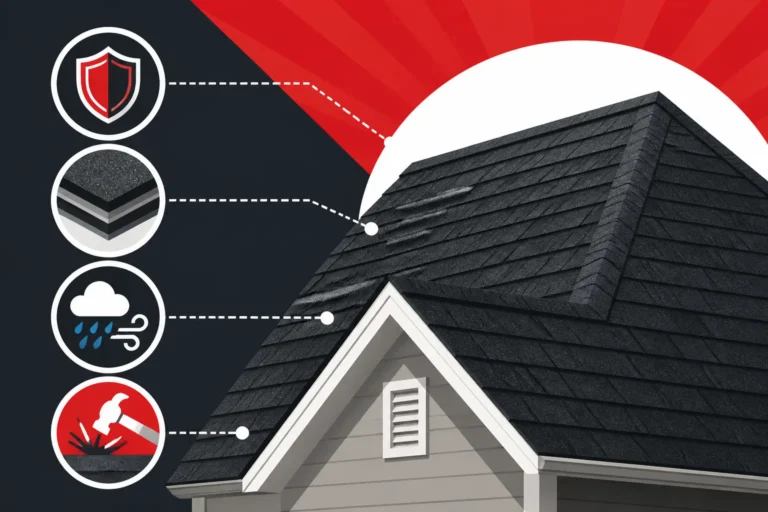
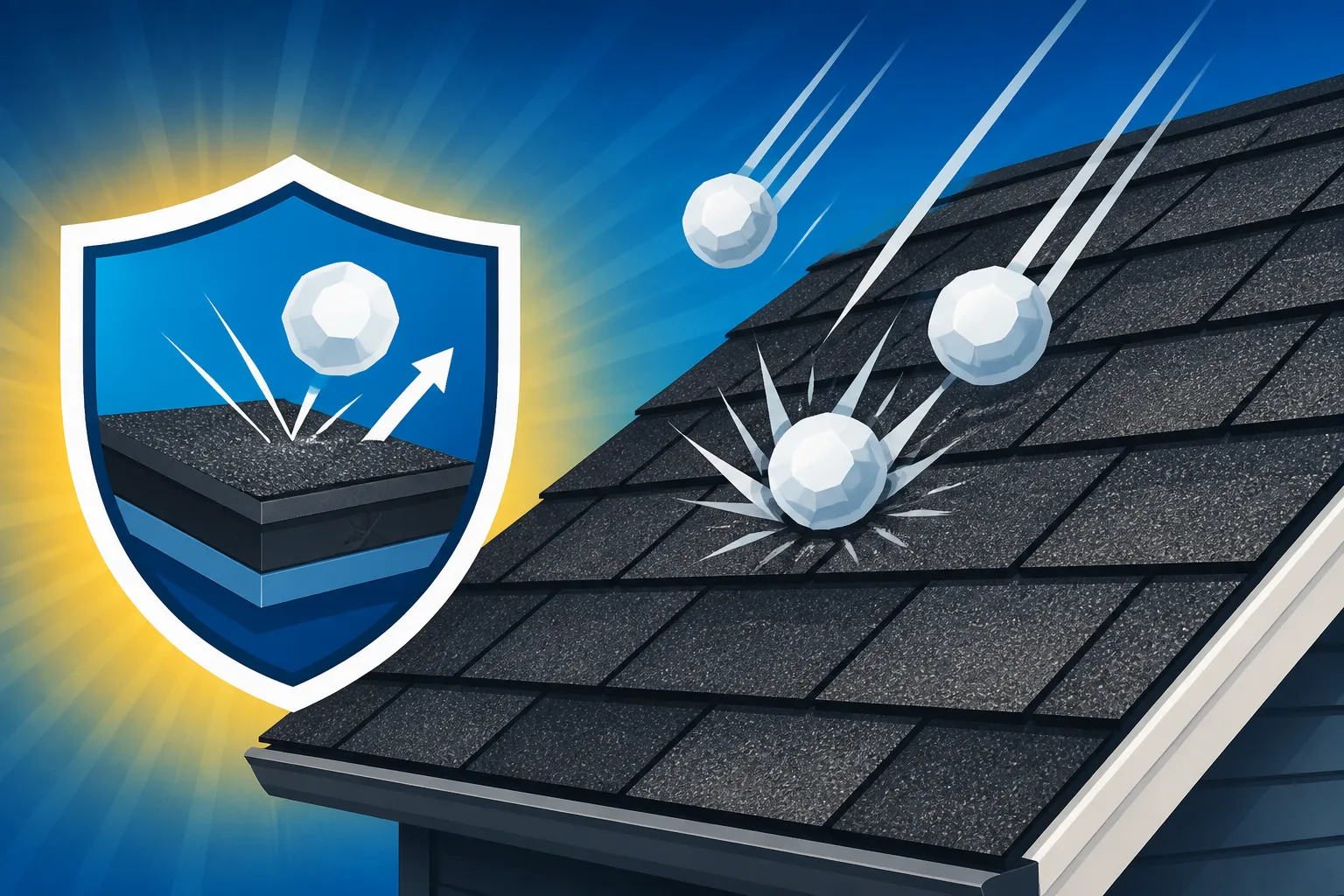
When you hear "impact-resistant shingles," it's easy to picture something invincible, like a superhero shield for your home. While they're not quite bulletproof, these shingles are specifically engineered to withstand sudden, forceful impacts much better than traditional asphalt shingles. Think about the severe weather we’ve been experiencing more frequently – hailstones the size of golf balls, even softballs, pelting homes and leaving behind a path of destruction. This is exactly the kind of scenario where impact-resistant shingles shine. They aren't just a marketing gimmick; they're a carefully designed product built to mitigate some of Mother Nature's worst attacks.
Beyond Standard Asphalt Shingles
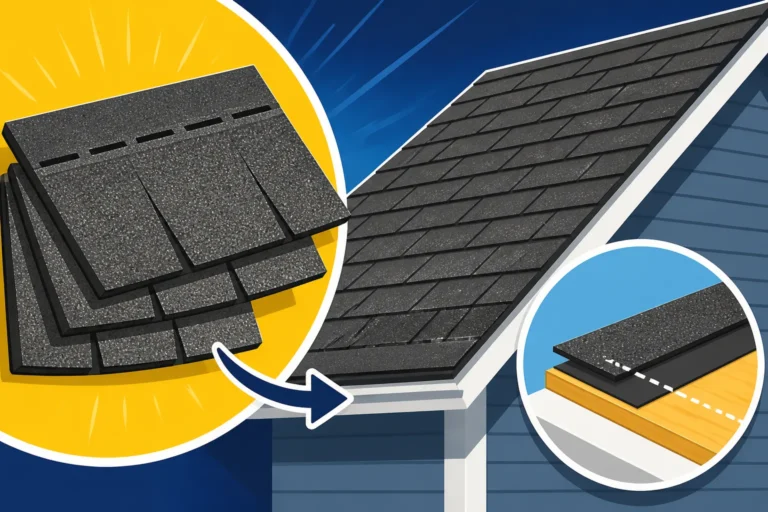
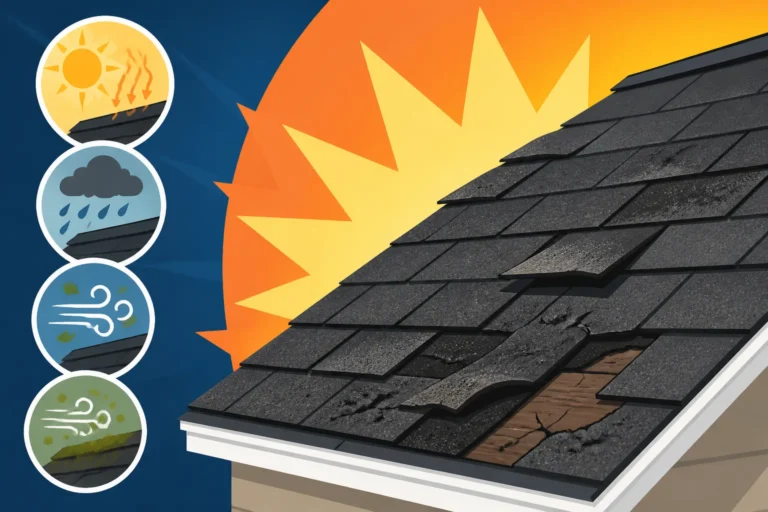
Traditional asphalt shingles, while effective for general protection, have limits when it comes to direct, hard impacts. Their core is usually a fiberglass mat coated with asphalt and topped with ceramic granules. When a large hailstone hits, these granules can be dislodged, exposing the underlying asphalt to UV rays and moisture, leading to premature aging and leaks. The mat itself can also fracture, creating weak spots. Impact-resistant shingles, on the other hand, incorporate enhanced materials and manufacturing processes that fundamentally change how they react to force. They're designed to absorb and dissipate impact energy, minimizing the damage that would typically occur with a conventional shingle.
Imagine a typical asphalt shingle as a hard candy shell. Hit it with a hammer (or a hailstone), and it cracks and shatters. Now, picture an impact-resistant shingle more like a gummy bear – it might deform or dent slightly, but it bounces back, absorbing the energy without catastrophic failure. This difference in resilience is what sets them apart and provides homeowners with a far greater degree of protection and peace of mind.
Common Misconceptions
There are a few myths floating around about impact-resistant shingles that need to be cleared up. First, they are not impervious to all damage. While they offer superior protection against hail and other impacts, extreme events like massive, jagged hailstones or falling trees can still cause damage. The goal is to reduce the likelihood and severity of damage, not eliminate it entirely. You might still see minor cosmetic dents, but the critical structural integrity that prevents leaks is far more likely to remain intact.
Another misconception is that they look significantly different or are only available in a limited range of styles. This couldn't be further from the truth. Leading manufacturers like GAF, Owens Corning, and CertainTeed offer impact-resistant versions of their popular architectural and designer shingles, meaning you don't have to sacrifice curb appeal for enhanced durability. They come in a wide array of colors and profiles, allowing homeowners to achieve their desired aesthetic while enjoying advanced protection. This means you can still get that beautiful, dimensional look you love while your home benefits from a tougher shield.
The Science Behind Impact Resistance
The real magic of impact-resistant shingles lies in their internal composition and how they're constructed. It's not just about making them "thicker"; it's about making them smarter, using advanced materials and techniques to create a more resilient barrier. The engineering behind these shingles focuses on two main areas: modifying the asphalt itself and reinforcing the shingle's internal structure and surface. These innovations work together to provide a robust defense system against impacts that would otherwise compromise a standard roof.
Modified Asphalt Formulations
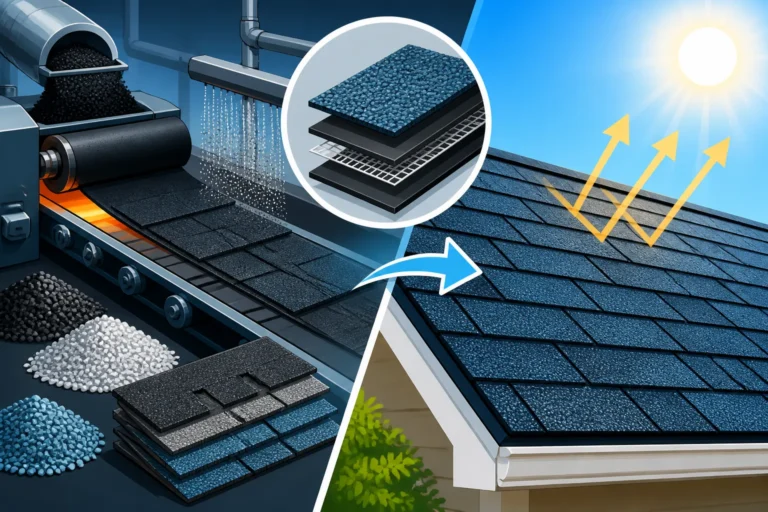
One of the key innovations in impact-resistant shingles is the use of modified asphalt. Traditional asphalt is somewhat rigid when cured. Impact-resistant shingles often incorporate rubberizing polymers, such as styrene-butadiene-styrene (SBS), directly into the asphalt blend. This creates a shingle that is more flexible, elastic, and rubber-like, even in colder temperatures. When a hailstone strikes an SBS-modified shingle, the shingle can flex and absorb the impact energy rather than cracking or allowing granules to be easily dislodged.
Think of it like the difference between hitting a hard piece of plastic and a rubber ball. The plastic might crack, but the rubber ball deforms and then springs back. This increased elasticity is crucial for resisting hail damage. This specially formulated asphalt also tends to have better thermal shock resistance, meaning it's less prone to cracking due to rapid temperature changes, which can contribute to overall shingle longevity. These advanced materials also contribute to the shingle's ability to resist cracking from the everyday expansion and contraction that a roof experiences due to temperature fluctuations, extending the overall service life of the roof.
Reinforced Mats and Granules
Beyond the asphalt itself, impact-resistant shingles often feature a stronger fiberglass mat core. This mat provides the foundational strength of the shingle. In impact-resistant versions, this mat might be thicker, denser, or incorporate more robust fibers, making it less likely to tear or fracture when subjected to stress. This internal reinforcement helps hold the shingle together even under significant force, preventing widespread cracking or separation of layers.
Furthermore, the ceramic granules applied to the surface of these shingles can also play a role. While standard granules protect against UV degradation, some impact-resistant shingles may use specially bonded granules or a higher density of granules that are more resistant to dislodgement upon impact. For example, some manufacturers might embed granules more deeply or use a proprietary adhesive that creates a stronger bond, ensuring they stay in place to protect the asphalt layer beneath. This enhanced granule adhesion, combined with the flexible asphalt and reinforced mat, forms a multi-layered defense system, ensuring that your roof can stand up to extreme weather conditions.
Understanding Class 4 Rating
When you're looking into impact-resistant shingles, you'll almost certainly hear the term "Class 4." This isn't just a fancy label; it's a specific designation from Underwriters Laboratories (UL) that signifies a shingle's superior ability to withstand impact. For homeowners, understanding this rating is crucial because it’s the benchmark for true impact resistance and often comes with tangible benefits, particularly concerning insurance.
The UL 2218 Test Explained
The Class 4 rating comes from a rigorous test procedure developed by Underwriters Laboratories, known as UL 2218, "Impact Resistance of Residential Roofing Materials." Here's how it works: a steel ball, 2 inches in diameter (about the size of a billiard ball or large egg), is dropped from a height of 20 feet onto various points of a shingle. For a shingle to achieve a Class 4 rating, it must withstand two impacts in the same spot, followed by two more impacts in a nearby spot, all without showing signs of cracks, tears, or fractures. This process is repeated on multiple areas of several shingle samples.
This test simulates the kinetic energy of large hailstones. A standard shingle would likely crack or suffer significant damage during this test. A Class 4 rated shingle, however, is designed to absorb and deflect this energy. Passing this test signifies a shingle's exceptional ability to protect your home's structural integrity from severe weather events. It's a testament to the advanced materials and manufacturing that go into these roofing products, offering a much higher level of protection than shingles with lower impact ratings (Class 1, 2, or 3, which involve smaller steel balls dropped from lower heights). If you want to know How Class 4 Shingles Are Made, it's all about this rigorous testing and engineering process.
| Impact Resistance Class | Steel Ball Diameter (Inches) | Drop Height (Feet) | Outcome for Class |
|---|---|---|---|
| Class 1 | 1.25 | 12 | No cracking |
| Class 2 | 1.5 | 15 | No cracking |
| Class 3 | 1.75 | 17 | No cracking |
| Class 4 | 2.0 | 20 | No cracking |
Note: The test is performed on multiple points on both the front and back of the shingle samples.
Insurance Benefits and Discounts
Perhaps one of the most compelling reasons for homeowners to consider Class 4 impact-resistant shingles is the potential for significant insurance benefits. In many states, especially those prone to hail, insurance companies offer discounts on homeowners' premiums for roofs with a Class 4 rating. This is because a more resilient roof means fewer claims for hail damage, which saves the insurance company money in the long run.
The exact discount can vary widely by insurer and location, but it's not uncommon to see savings of 10% to 20% or even more on the dwelling portion of your policy. For example, in states like Texas, Colorado, and Oklahoma, where hail damage is a major concern, these discounts are often actively promoted. Before you commit to a roof replacement, it's always a good idea to contact your insurance provider and inquire about their specific policies regarding Class 4 shingles. Over the lifespan of your roof, these annual savings can add up considerably, offsetting a portion of the Class 4 Shingle Roof Cost and making the initial investment even more attractive. Many homeowners use platforms like Modernize to find contractors who are familiar with these products and the associated insurance benefits. Understanding Does Insurance Cover Roof Replacement in the context of upgrades like Class 4 shingles can significantly influence your financial planning for a new roof.
Benefits Beyond Durability
While their primary function is to resist impact, impact-resistant shingles bring a host of other advantages to the table that make them a smart long-term investment for any homeowner. These aren't just one-trick ponies; their enhanced construction contributes to overall roof health and performance in multiple ways, offering protection beyond just a hailstorm.
Enhanced Wind Resistance
The same advanced polymer-modified asphalt and reinforced mats that give impact-resistant shingles their hail-deflecting properties also contribute to superior wind resistance. The added flexibility means these shingles are less brittle and more pliable, making them better equipped to withstand strong uplift forces that can tear traditional shingles right off your roof. When strong winds sweep across your roof, they create suction that can lift and peel shingles. The stronger bond and more flexible nature of impact-resistant shingles help them stay adhered and intact, even in gusts that would send lesser shingles flying.
Many Class 4 impact-resistant shingles also meet higher wind resistance ratings (like 130 mph) than standard shingles, offering an extra layer of defense against high winds, especially in coastal or tornado-prone areas. This means less worry about Signs of Roof Wind Damage after a severe storm. This extended protection against multiple types of severe weather makes them an excellent choice for a wide range of climates, not just those experiencing frequent hail.
Extended Lifespan
Given their robust construction and resilience to damage, it's no surprise that impact-resistant shingles often boast a longer lifespan compared to their conventional counterparts. By resisting hail, wind, and even thermal stress more effectively, these shingles suffer less wear and tear over time. Fewer cracks, less granule loss, and better adhesion mean the protective layers of the shingle remain intact for a longer period, fending off the elements and UV radiation.
While a standard architectural asphalt shingle might offer a 25-30 year lifespan, many premium impact-resistant options come with warranties extending to 40, 50, or even "lifetime" (prorated) durations. This extended durability not only defers the future cost of a roof replacement but also maintains your home's protective envelope for decades. It's an investment in the long-term health and value of your home, ensuring that your roof performs reliably for years to come. Understanding how long an asphalt roof lasts will highlight just how significant the lifespan extension can be with impact-resistant materials.
Installation and Maintenance Considerations
While impact-resistant shingles offer superior protection, their effectiveness is heavily reliant on proper installation. Even the best materials can fail if not put in correctly. Furthermore, while they require less repair due to weather, they still benefit from periodic checks to ensure optimal performance over their extended life. It's not a "set it and forget it" solution entirely, but rather a robust system that still thrives with a little attention.
Specialized Installation Techniques
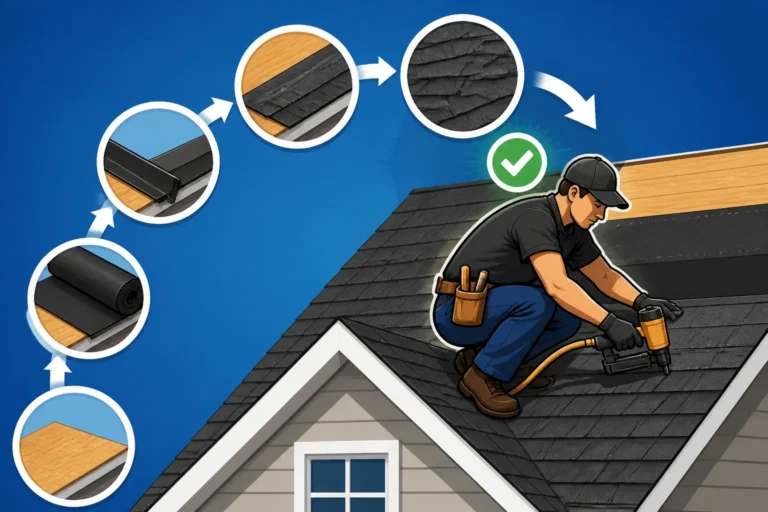
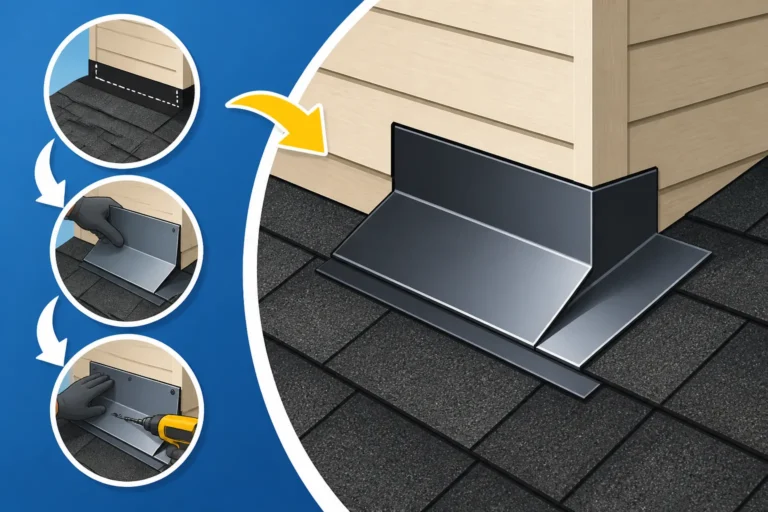
Because impact-resistant shingles are often thicker and sometimes heavier than standard shingles, their installation can require a slightly different approach. While the basic steps of How Asphalt Shingles Are Installed: Step by Step remain similar, an experienced roofing contractor will understand the nuances. For instance, some manufacturers might recommend specific nailing patterns, types of fasteners, or adhesives to maximize the shingle's wind and impact resistance. This is particularly true for higher-end architectural or designer impact-resistant shingles, where precise alignment and secure fastening are critical for both performance and aesthetics.
It's absolutely vital to choose a qualified, reputable contractor who is experienced with installing impact-resistant roofing systems. Many manufacturers offer certification programs for contractors who demonstrate expertise in their products. Working with a Manufacturer-Certified Roofers Explained contractor ensures that the installation adheres to the manufacturer's strict guidelines, which is often a prerequisite for the full validity of your material warranty. A professional installation ensures that you get the full benefit of your investment and that your roof system performs as intended for decades. Platforms like Modernize can help connect you with vetted professionals in your area.
Ongoing Care and Inspections
Even with their enhanced durability, impact-resistant roofs are not maintenance-free. Regular inspections, ideally once a year or after any major storm, are still recommended. A thorough Roof Inspection: What They Check can catch minor issues before they escalate, such as debris accumulation in valleys, clogged gutters, or damage from non-weather-related sources like falling branches or satellite dish installations. While these shingles are tough, they can't stop everything.
Clearing leaves and other organic matter off your roof helps prevent moisture buildup and potential algae or moss growth, which can shorten the lifespan of any roof, even impact-resistant ones. If you live in an area with a lot of trees, trimming branches back from your roof will reduce the chances of impact damage from falling limbs and prevent squirrels or other critters from gaining easy access. Being proactive with these small maintenance tasks will help ensure your impact-resistant roof provides maximum protection and lasts for its full intended lifespan, protecting your investment for decades to come.
Choosing the Right Impact-Resistant Shingle
The market for impact-resistant shingles has grown significantly, offering a range of options from various manufacturers. This is great for homeowners, as it means more choices and competitive pricing, but it can also make the decision-making process feel a bit overwhelming. Taking the time to compare brands, understand warranties, and consider your local climate are all critical steps to ensure you select the perfect shingle for your home.
Comparing Brands and Warranties
When it comes to impact-resistant shingles, you'll find offerings from major players like GAF, Owens Corning, CertainTeed, and Malarkey, among others. Each brand has its proprietary technology and features. For example, GAF's Armorshield II line utilizes an SBS-modified asphalt blend, while Owens Corning's TruDefinition Duration FLEX shingles leverage their unique "SureNail Technology" with an SBS polymer for enhanced flexibility and durability. CertainTeed offers their Belmont® series, which combines the aesthetics of natural slate with robust impact resistance. It's worth comparing specific products from these brands, looking at their detailed specifications, available colors, and design profiles.
Beyond the shingle itself, pay close attention to the Roofing Warranty: Workmanship vs Manufacturer. Most impact-resistant shingles come with excellent manufacturer warranties, often covering material defects for a significant period. However, the quality of the installation warranty from your contractor is equally important. A comprehensive warranty package, combining strong material protection with solid coverage for the installation, offers the best peace of mind. Ask your contractor for specifics on both. The Impact-Resistant Shingle Cost can vary quite a bit between brands and product lines, so make sure you're comparing apples to apples when looking at estimates.
Considering Your Local Climate
While impact-resistant shingles are excellent for hail-prone areas, their benefits extend to other climates too. If you live in a region with extreme temperature fluctuations, the flexibility of the modified asphalt can reduce the risk of thermal cracking. In areas experiencing high winds, the enhanced adhesion and flexibility are invaluable. For instance, Roofing Cost in Hail-Prone States like Colorado or Oklahoma often reflect the higher demand and availability of Class 4 products due to the clear financial benefits they offer against frequent storm damage.
Before making a final decision, take a moment to consider your specific local weather patterns. Does your area experience harsh winters with heavy ice and snow? Or scorching summers with intense UV exposure? While impact-resistant shingles are generally well-rounded, some specific product lines might offer additional features like cool roof technology for hot climates or advanced algae resistance for humid regions. Discuss these factors with your chosen roofing contractor, as they will have local expertise and can guide you toward the best solution for your home's unique needs. Choosing a highly-rated local expert through platforms like Modernize can ensure you get tailored advice.
Investing in Your Home's Future
Deciding to install impact-resistant shingles is more than just choosing a roofing material; it's an investment in the long-term protection and value of your home. The upfront Asphalt Roof Replacement Cost: Complete Breakdown for these specialized shingles can be a bit higher than traditional options, often adding a few dollars per square to your Roof Cost Per Square: What You'll Pay. However, the benefits quickly outweigh this initial expense, especially when you consider potential insurance premium reductions, reduced repair costs, and the enhanced longevity of your roof.
Imagine the scenario: a severe hailstorm rolls through your neighborhood. While your neighbors are scrambling to get How to Get Multiple Roofing Estimates Fast and dealing with damaged roofs, you have the peace of mind knowing your impact-resistant roof has weathered the storm, likely emerging with minimal or no significant damage. This not only saves you money and hassle but also protects your property from potential water intrusion and other secondary damage that can occur with a compromised roof.
Furthermore, a durable, high-performance roof adds significant value to your home. Should you decide to sell in the future, a relatively new Class 4 impact-resistant roof can be a major selling point, signaling to potential buyers that the home is well-maintained and resilient against severe weather. It's a tangible asset that can distinguish your property in the market. When considering How to Choose a Roofing Contractor, always prioritize those with experience in these advanced systems to ensure a proper installation that maximizes your investment.
The Long-Term Value Proposition
While the initial Impact-Resistant Shingle Cost might seem like a hurdle, it's essential to look at the total cost of ownership over the lifespan of the roof. Consider a homeowner in Denver, Colorado, a region known for its frequent hail. A standard architectural shingle might cost $3.50 per square foot installed, while a Class 4 impact-resistant shingle might be $4.25 per square foot. On a 2,000 square foot roof (20 squares), this is an initial difference of about $1,500.
However, if that homeowner receives a 15% discount on their annual homeowner's insurance premium, saving $200 a year, the extra cost is recouped in less than eight years. Over the 30-50 year lifespan of the roof, these savings could total thousands of dollars. More importantly, the avoidance of even one major hail damage claim could save them thousands in deductibles, potential increases in premiums, and the immense stress and inconvenience of living through a roof replacement. It’s truly about proactive protection versus reactive repairs.
Making an Informed Decision
Ultimately, choosing impact-resistant shingles is a decision to proactively protect your home and finances. It’s about leveraging modern roofing technology to build a more resilient home, especially crucial in today's unpredictable weather patterns. Don't let the technical jargon overwhelm you; focus on the core benefits: superior protection, potential insurance savings, and a longer-lasting roof. Take the time to speak with experienced local roofers, compare estimates, and get a clear understanding of the products and warranties available. With the right information and a skilled contractor, you can make a choice that will serve your home well for decades to come.
Disclaimer
Please note that this article is intended for informational purposes only and does not constitute professional roofing, insurance, or financial advice. Always consult with a qualified roofing contractor, your insurance provider, and a financial advisor before making significant decisions about your home's roofing system. Local building codes, climate conditions, and individual insurance policies can vary greatly.