Roof Inspection: What They Check
The thought of your roof needing attention can be really daunting, especially when you're not sure what's going on up there. You might see a few granules in the gutters or wonder about that little spot on the ceiling, but figuring out the actual health of your roof feels like a mystery. This comprehensive guide is here to demystify the professional roof inspection process, breaking down exactly what experienced inspectors look for to give you clarity and confidence about your home's most important protector.
Why a Professional Roof Inspection Matters
When it comes to your home, the roof is truly your first line of defense against Mother Nature. It protects everything and everyone inside, yet it's often out of sight, out of mind—until a problem arises. Waiting for a visible leak or severe damage is like waiting for your car to break down on the highway before you get an oil change. A professional roof inspection isn't just about finding existing problems; it's a proactive step that can save you a significant amount of stress and money in the long run.
Peace of Mind and Proactive Maintenance
Let's be honest, staring up at your roof from the ground isn't going to give you the full picture. Even a pair of binoculars won't cut it. A trained eye, equipped with the right safety gear, can spot nuances and early warning signs that the average homeowner would completely miss. These professionals are looking for things like subtle shifts in shingle alignment, minor granule loss that indicates wear, or the beginning stages of moss growth that could trap moisture. Catching these small issues early means they can often be addressed with simple, affordable repairs before they escalate into major, costly headaches. Think of it as a wellness check for your home, ensuring that what seems fine from the street truly is sound and ready to face the elements. It’s about being proactive rather than reactive.
Uncovering Hidden Issues
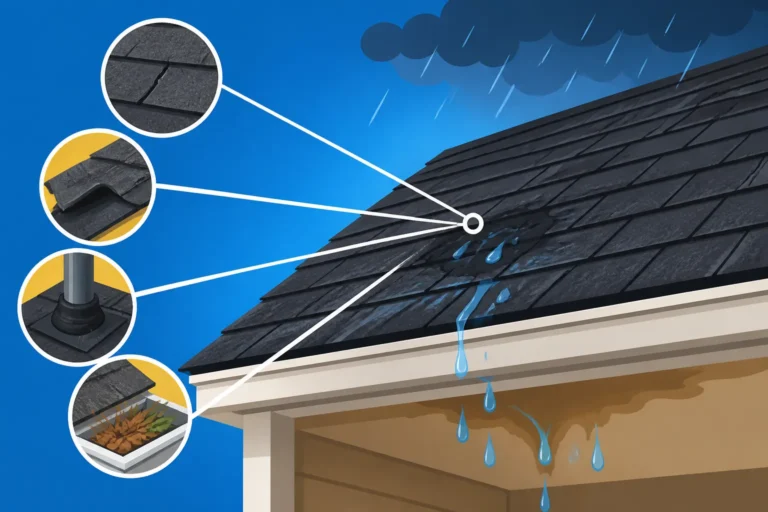
One of the biggest benefits of a professional inspection is its ability to uncover those sneaky, hidden problems that lurk beneath the surface or in less obvious areas. Water damage, for instance, rarely shows itself directly on the roof until it's quite advanced. Instead, it might manifest as subtle staining in your attic, soft spots on your roof decking, or compromised flashing around a chimney or vent pipe. These are the kinds of issues that can silently wreak havoc, leading to structural damage, mold growth, and eventually, expensive repairs. An inspector doesn't just walk the surface; they delve into the details, often checking your attic space for ventilation issues or signs of water intrusion that would be impossible to see from outside. This thoroughness is crucial because many major roof failures start as small, unaddressed problems.
The Core Components a Roof Inspector Examines
When a certified professional arrives to inspect your roof, they're not just glancing at the shingles. They're performing a methodical assessment of your entire roofing system, from top to bottom, looking at every component that contributes to its integrity and performance. This systematic approach ensures no critical detail is overlooked, no matter how small.
Shingles: The First Line of Defense
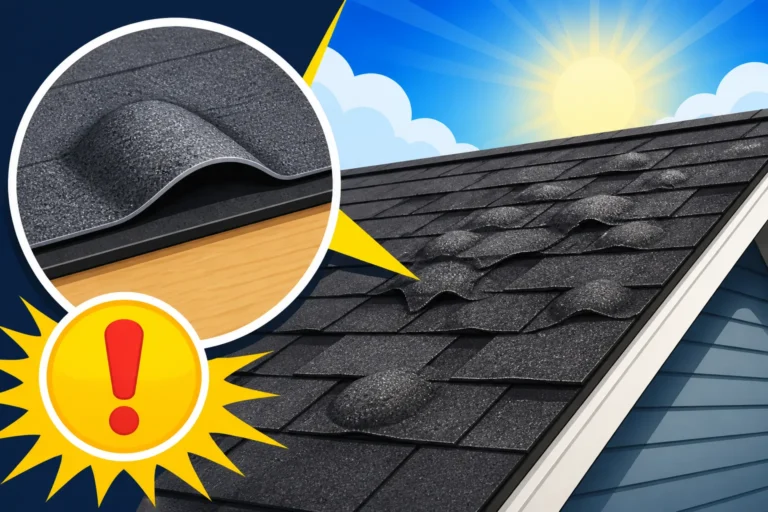
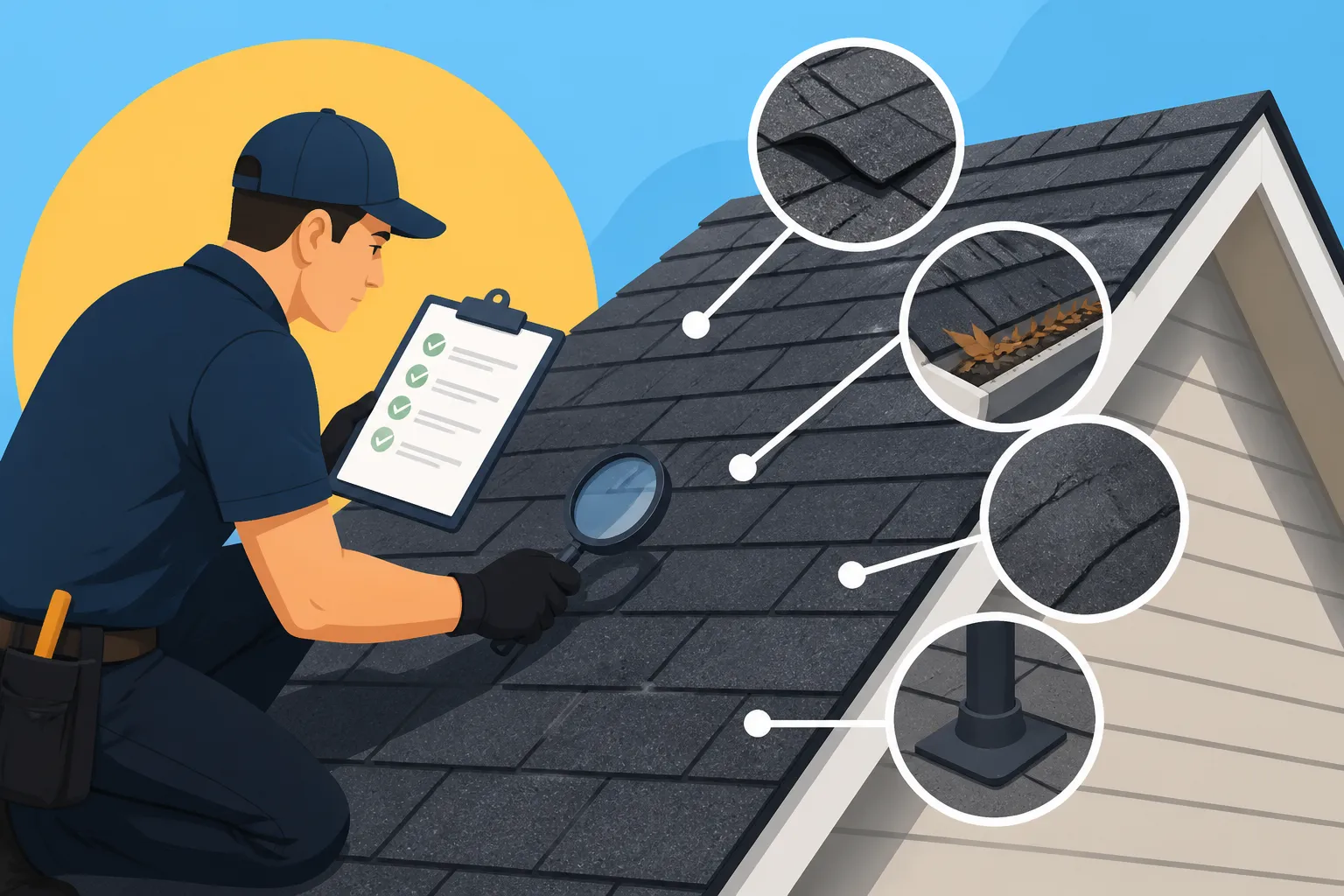
The shingles are the most visible part of your roof and often the first thing people notice, but an inspector goes far beyond a casual glance. For asphalt roofs, they'll meticulously examine the condition of individual shingles, looking for a host of specific issues. Are they curling at the edges, indicating they're drying out and losing flexibility? Do you see signs of blistering shingles, where trapped moisture or volatile materials beneath the surface are causing bubbles? Granule loss is another huge red flag; those tiny, stone-like particles protect the asphalt from UV rays, and significant loss means the shingle is deteriorating rapidly. The inspector will also check for missing shingles, which can leave your underlayment exposed, or cracked shingles, which are prime entry points for water. They'll also pay close attention to the nailing patterns, ensuring shingles are properly fastened to withstand wind uplift, which is crucial for the overall wind resistance of your roof. For example, if your shingles are older, say 15 years old, an inspector might observe more widespread granule loss and increasing brittleness, which are clear Signs You Need a New Roof.
Flashing and Penetrations: Vulnerable Spots
While shingles cover the vast majority of your roof, the areas where the roof meets other structures are often the most vulnerable to leaks. These are known as penetrations and transition points, and they require specialized sealing called flashing. An inspector will meticulously check the flashing around chimneys, skylights, vent pipes, and wall intersections. They're looking for signs of rust, corrosion, dislodged pieces, or improper installation. Step flashing, for instance, needs to be correctly woven into siding and shingles, and counter-flashing on chimneys must be sealed effectively. Even a tiny crack or separation in the sealant around a vent pipe can allow water to seep in, leading to significant damage over time. The condition of caulk and sealants is also critical; these materials degrade over time due to UV exposure and temperature fluctuations, and a diligent inspector will note any areas needing resealing or replacement.
Gutters, Soffits, and Fascia: Beyond the Roof Surface
A professional roof inspection isn't solely confined to the roof surface itself. The adjacent components, like gutters, soffits, and fascia, play crucial roles in diverting water and protecting your home's exterior and attic. Inspectors will check gutters for blockages caused by leaves, debris, or even shingle granules, which can lead to water overflowing and damaging fascia boards or siding. They'll also look for proper slope, ensuring water drains efficiently rather than pooling. The fascia, the board running along the edge of your roof, will be examined for rot, peeling paint, or signs of water staining, often indicators of gutter issues or ice dam problems. Soffits, located underneath the eaves, are checked for proper ventilation openings, which are essential for attic air circulation, and for any signs of animal entry or deterioration. These components work together as a system, and a failure in one can easily impact the others, making their thorough inspection vital.
Assessing the Roof Deck and Structural Integrity
The shingles get all the glory, but the unsung hero of your roofing system is the roof deck, the wooden sheathing that supports everything above it. A truly comprehensive inspection delves into the condition of this foundational layer and the structural elements beneath it, often requiring a peek into your attic. Without a sound roof deck, even the most expensive, perfectly installed shingles won't perform as they should.
Signs of Decking Damage
An inspector will look for signs that the roof deck itself might be compromised. This is often done from the roof surface, where they might feel for soft spots or spongy areas underfoot. These soft spots are clear indicators of moisture intrusion and rotting wood. From the attic, they'll be able to see the underside of the decking, looking for water stains, mold growth, or areas where the wood appears deteriorated or discolored. They'll also check for proper fastening of the decking to the rafters or trusses. If there's significant damage, it can compromise the ability of roofing nails to hold securely, which is critical for shingle adhesion, especially in high winds. Replacing rotten roof decking can add to the overall Asphalt Roof Replacement Cost: Complete Breakdown, making early detection all the more valuable.
Attic Inspection for Ventilation and Leaks
The attic is a treasure trove of information about your roof's health. During an attic inspection, the professional will look for direct evidence of leaks, such as water stains on the insulation, rafters, or the underside of the roof deck. They'll trace these stains to their source whenever possible. Beyond leaks, they'll meticulously assess your attic ventilation system. Proper ventilation is absolutely critical for the longevity of your roof and the energy efficiency of your home. They'll check if soffit vents are clear and unobstructed, if ridge vents are properly installed and functioning, and if there are any signs of excessive heat or moisture buildup. Poor attic ventilation can lead to a host of problems, including premature shingle aging, increased energy bills, and even the formation of ice dams in colder climates. Understanding How Roof Ventilation Works is key to maintaining a healthy, long-lasting roof.
Identifying Damage Types and Their Severity
One of the main goals of a professional roof inspection is to accurately categorize any damage found and assess its severity. This information is crucial when deciding whether a repair is sufficient or if a full roof replacement is needed. Inspectors are trained to differentiate between normal wear and tear and damage caused by specific events, which can be critical for insurance claims.
Storm Damage: Hail and Wind
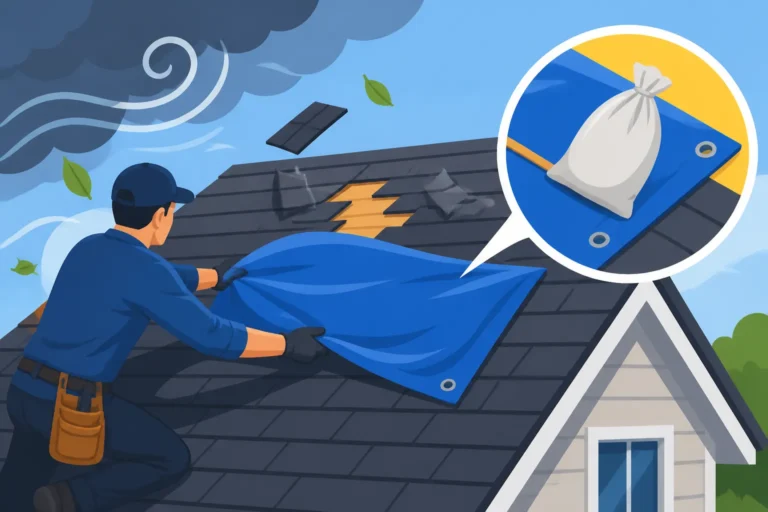
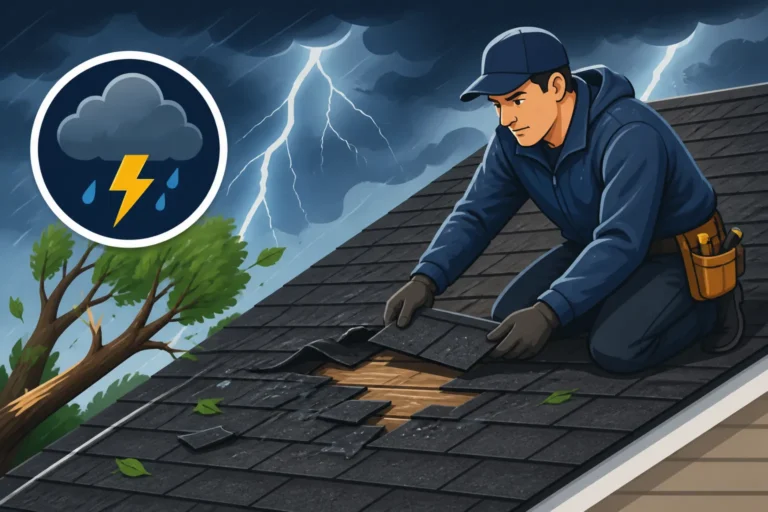
Storm damage is often subtle and can be incredibly difficult for an untrained eye to spot. An inspector will know exactly what to look for when assessing Signs of Roof Hail Damage. Hail impacts can bruise or crack the shingle's asphalt mat, dislodge granules, and even create circular "bruises" that soften over time, making the shingle more susceptible to further damage. On the other hand, wind damage often manifests as lifted, creased, or missing shingles, particularly along the eaves, rakes, and ridge lines. Inspectors look for torn seals, bent shingles, or even debris embedded in the roof surface. They'll often take photos and meticulously document the affected areas, which is vital information if you need to file an insurance claim. This careful documentation can make all the difference in getting your claim approved.
Age-Related Wear and Tear
Even the best asphalt roofs have a lifespan, typically 15 to 30 years depending on the shingle type and local conditions. As a roof ages, it naturally shows signs of wear and tear. Inspectors will evaluate the overall condition of the shingles, looking for widespread granule loss, significant curling, or brittleness across the entire roof surface. They'll assess how many years left on your roof, taking into account its age and current condition. A roof nearing the end of its life, say a 20-year-old roof with widespread issues, might exhibit a combination of all these factors. When this kind of widespread, age-related deterioration is present, repairs become less cost-effective and a full replacement is often the more prudent option. It’s important to understand How Long an Asphalt Roof Lasts in your specific climate.
Installation Defects
Unfortunately, not all roof problems are due to age or storms; sometimes, the issue stems from improper installation from the start. An experienced inspector can spot these red flags. Common installation defects include improper nailing (nails driven too deep, not deep enough, or in the wrong location), insufficient underlayment, incorrect flashing around penetrations, or improper starter shingle application. These issues might not cause immediate leaks but can significantly shorten the roof's lifespan and make it vulnerable to wind and water intrusion. For instance, if High-Wind Nailing Cost Premium was overlooked, shingles might easily lift in a moderate storm. Detecting these defects early is crucial because if you have a workmanship warranty, addressing these issues sooner rather than later can ensure your warranty remains valid.
Code Compliance and Warranty Considerations
Beyond just checking for physical damage, a professional roof inspection also delves into the less visible, but equally critical, aspects of building codes and warranty requirements. Ensuring your roof meets these standards is paramount for both safety and financial protection. These considerations can often be overlooked by less experienced contractors or DIY enthusiasts.
Local Building Code Adherence
Every municipality has specific building codes that dictate how a roof must be installed or repaired. These codes are in place for your safety and the longevity of your home. A professional inspector is knowledgeable about the latest local building codes, which can vary significantly even from one county to the next. They'll check aspects like the number of shingle layers, proper underlayment installation, ventilation requirements, and appropriate flashing materials. For instance, in areas prone to hurricanes or high winds, there are often stricter codes for shingle fastening and wind resistance ratings. Failing to meet these codes could not only lead to issues during a home sale but also potentially void your homeowner's insurance in the event of damage. Before any work begins, it’s always wise to understand Roofing Building Codes: What to Know for your specific region.
Manufacturer Warranty Validation
Most asphalt shingle manufacturers, like GAF, Owens Corning, and CertainTeed, offer extensive warranties on their products, often ranging from 25 years to a lifetime. However, these warranties often come with specific stipulations regarding installation. Many manufacturers require that their products be installed by a Manufacturer-Certified Roofers Explained to qualify for enhanced warranties. An inspector can verify if the components of your roofing system are from the same manufacturer (a full system approach) and if the installation appears to align with their guidelines. Improper installation, even minor deviations, can sometimes What Voids a Shingle Warranty, leaving you without protection if the shingles fail prematurely. A good inspection will highlight any issues that might jeopardize your warranty coverage, giving you the chance to address them.
What to Expect from a Comprehensive Inspection Report
After the physical inspection is complete, the inspector won't just give you a verbal rundown. A truly professional service will provide you with a detailed, written report that serves as a crucial document for your records, potential insurance claims, or future roofing projects. This report is your roadmap to understanding your roof's condition.
Detailed Findings and Recommendations
The inspection report should be thorough and easy to understand, even for homeowners without a deep roofing background. It will typically include a clear summary of the roof's overall condition, detailed observations of specific issues found (e.g., "granule loss on north-facing slope," "damaged flashing around chimney"), and often photographic evidence to illustrate these points. The report will also outline any code violations or warranty concerns. Crucially, it won't just identify problems; it will provide actionable recommendations. These might range from minor maintenance tasks, like cleaning gutters or resealing a vent pipe, to more significant repairs, like replacing a section of damaged decking, or ultimately recommending a full roof replacement. This level of detail empowers you to make informed decisions. Many homeowners find using a service like Modernize helpful in connecting with reputable inspectors who provide these comprehensive reports.
Repair vs. Replace Guidance
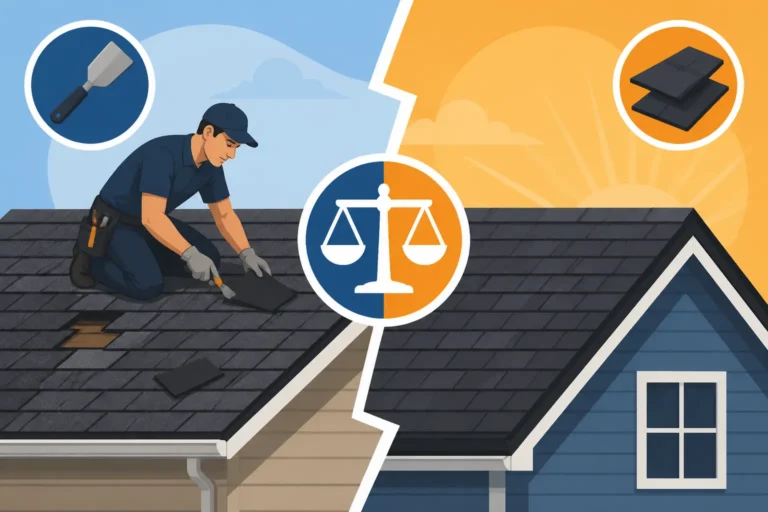
One of the most valuable aspects of a comprehensive inspection report is the clear guidance on whether your roof needs repairs or a full replacement. This decision can be complex, weighing factors like the extent and type of damage, the age of the roof, and your budget. The inspector's report will offer an expert opinion on this critical choice. For instance, if the damage is localized to a small area and the rest of the roof is in good condition and relatively young, a repair might be recommended. However, if there are widespread issues, significant age-related deterioration, or structural concerns, the report will likely lean towards a replacement. This guidance is essential because it helps you avoid wasting money on repairs when a replacement is inevitable, or conversely, ensures you're not pressured into a costly replacement when a repair would suffice. Ultimately, the report provides a strong basis for you to determine Roof Repair vs Replacement: How to Decide confidently.
Common Roof Problems Identified by Inspectors
Roof inspectors are experts at spotting the usual suspects when it comes to roof degradation. Understanding what they frequently find can give you a better idea of what to expect during your own inspection.
| Problem Type | Common Indicators | Inspector's Focus | Severity Implication |
|---|---|---|---|
| Granule Loss | Bald spots, excessive granules in gutters, faded shingles | Extent, pattern (widespread vs. localized), age of roof | Minor (early wear) to Severe (end of life) |
| Curling/Cupping | Shingle edges turning up or down, brittle feel | Uniformity across roof, location (sun exposure), underlying ventilation | Moderate (aging) to Severe (moisture damage, nearing end of life) |
| Cracked Shingles | Vertical or horizontal cracks, brittle texture | Location (stress points), pattern (thermal cycling vs. impact), age | Moderate (aging) to Severe (water entry points) |
| Missing Shingles | Exposed underlayment, visible gaps | Number, location, reason (wind damage, sealant failure) | Moderate to Severe (immediate leak risk) |
| Damaged Flashing | Rust, bent metal, separations, cracked sealant | Around chimneys, vents, skylights, valleys, walls; integrity of seals | Severe (high risk of active leaks) |
| Moss/Algae Growth | Dark streaks, green patches, damp areas on shingles | Extent, underlying moisture issues, shade exposure | Minor (aesthetic) to Moderate (moisture retention, shingle degradation) |
| Nail Pops | Raised nails, small bumps in shingles | Pattern, underlying decking issues, improper nailing during installation | Minor to Moderate (potential leak, shingle lifting) |
| Ponding Water | Standing water on low-slope areas, debris buildup | Drainage issues, sagging deck, clogged gutters | Moderate to Severe (structural stress, accelerated wear) |
| Attic Issues | Water stains, mold, poor ventilation, animal droppings | Insulation condition, vent blockages, signs of entry points | Moderate to Severe (structural damage, health risks, energy loss) |
Hiring the Right Professional for Your Roof Inspection
Choosing who performs your roof inspection is just as important as the inspection itself. You want someone knowledgeable, thorough, and trustworthy. A good inspector offers impartiality and expertise, providing you with an accurate assessment rather than just trying to sell you a new roof.
Qualifications and Experience
When looking for a roof inspector, prioritize qualifications and experience. Look for inspectors who are certified by reputable organizations or who have a strong background in roofing. Many reputable roofing contractors also offer inspection services. It's wise to choose someone with specific experience in asphalt roofing, as they'll be intimately familiar with the nuances of these materials. Don't be afraid to ask about their training, how long they've been performing inspections, and if they carry liability insurance. An experienced inspector will have seen a wide array of roof issues and will be able to accurately diagnose problems that might stump a less seasoned professional. Sometimes, connecting through a platform like Modernize can help you find vetted professionals in your area.
What to Ask Before Hiring
Before you commit to an inspector, have a few key questions ready. Ask about the scope of their inspection: Will they go into the attic? Do they walk the entire roof? What kind of report will you receive? How long will the inspection take? Also, inquire about their pricing structure and whether the inspection fee can be credited towards any subsequent repair work (though for an impartial inspection, often a standalone fee is preferred). It’s also crucial to ask for references or check online reviews to gauge their reputation. A good inspector will be transparent and happy to answer all your questions, providing you with confidence in their service. These questions are similar to those you'd ask when you're thinking about How to Choose a Roofing Contractor for a full replacement or major repair.
Disclaimer
Please remember that the information provided in this guide is for general informational purposes only and does not constitute professional advice. Roofing issues can be complex and dangerous. Always consult with a qualified and licensed roofing professional for specific advice, inspections, and repairs related to your home's roof. Local building codes and regulations can vary significantly, and an expert will ensure compliance and safety.