How Class 4 Shingles Are Made
Choosing a new roof is a huge decision, and with so many options out there, it’s easy to feel overwhelmed, especially when you start hearing terms like "Class 4 impact resistance." You want a roof that can stand up to whatever Mother Nature throws at it, particularly if you live in an area prone to harsh weather like hail. This guide is here to pull back the curtain on exactly how those incredibly tough Class 4 shingles are made, giving you a clear understanding of the technology protecting your home.
Demystifying Class 4 Impact Resistance
When you hear "Class 4," it sounds official, and it is! But what does it actually mean for the shingles protecting your home? It's not just a fancy marketing term; it's a specific rating earned through rigorous testing, and it directly relates to how well your roof can withstand serious abuse from things like hail.
What Does "Class 4" Really Mean? The UL 2218 Standard
At its core, a Class 4 rating refers to a shingle's ability to resist impact damage, specifically from hail. This isn't just a claim made by manufacturers; it's verified by an independent testing body, Underwriters Laboratories (UL), under their UL 2218 standard. Think of UL as the referee ensuring products meet certain safety and performance benchmarks.
The UL 2218 test is quite dramatic. Roofing materials are subjected to steel balls of varying sizes dropped from significant heights, simulating the impact of hail. For a shingle to earn the coveted Class 4 rating, it must withstand the impact of a 2-inch steel ball dropped from a height of 20 feet, twice in the same spot, without showing any signs of cracking or tearing. Imagine a golf-ball sized piece of hail hitting your roof at high speed – a Class 4 shingle is designed to shrug that off. This is a much higher bar than the tests for Class 1, 2, or 3 shingles, which involve smaller steel balls or less severe drops. The science behind these tests helps ensure that when a manufacturer advertises Class 4 protection, they've truly proven its resilience.
Why Class 4 Matters for Homeowners
For homeowners, especially those living in states known for severe weather, such as Texas, Colorado, or parts of the Midwest, Class 4 shingles offer a significant advantage. The most obvious benefit is superior protection against hail damage, which can lead to costly repairs and even full roof replacements. Many of us have seen the aftermath of a severe hailstorm: pitted shingles, damaged gutters, and the headache of dealing with insurance claims. With a Class 4 roof, the likelihood of your shingles sustaining damage from typical hailstorms is drastically reduced.
Beyond physical protection, there's a financial incentive as well. Many insurance companies offer discounts on homeowner's insurance premiums for homes protected by Class 4 rated roofs. This isn't just a minor perk; these savings can be substantial, often ranging from 10% to 30% annually, depending on your insurer and location. It's a testament to how much insurance companies trust the durability of these shingles to reduce their own payout risks. Getting an estimate for a new roof with Class 4 shingles and then inquiring about potential insurance savings is always a smart move. When you're looking for qualified roofing professionals who understand these nuances and can properly install such advanced materials, platforms like Modernize can be a valuable resource for connecting with local, reputable contractors.
The Core Components of a Resilient Shingle
To truly understand "How Class 4 Shingles Are Made", we need to look at the individual ingredients. It's not just one magical component; it's a sophisticated combination of materials that are carefully engineered to create a tougher, more resilient roofing solution.
The Fiberglass Mat Foundation
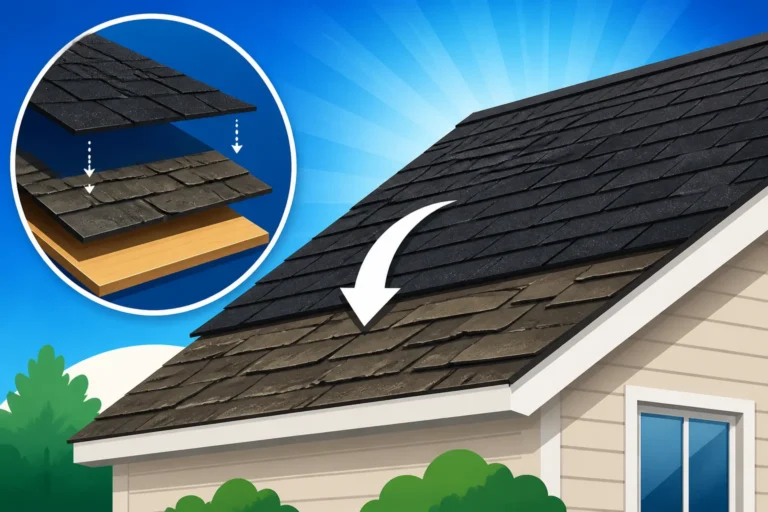
Every asphalt shingle, whether it's a basic 3-tab or a robust architectural shingle, starts with a fiberglass mat. This mat serves as the backbone of the shingle, providing structural integrity and dimensional stability. Think of it as the skeleton that holds everything else together. It's made from spun glass fibers that are bonded together to form a strong, lightweight, and non-porous base.
For Class 4 shingles, while the fundamental fiberglass mat is similar to standard shingles, there might be subtle differences in its density or the way it’s woven. A more robust mat can contribute to the overall tear strength and stability of the shingle, which is crucial when it's subjected to impacts. The quality of this initial layer is paramount because it's what prevents the shingle from stretching, shrinking, or deforming under stress, and it’s the canvas upon which all other protective layers are built. A strong, consistent mat helps ensure the entire shingle system performs as intended.
Specialized Asphalt Formulations
The asphalt layer is where much of the magic happens in a Class 4 shingle. Standard asphalt provides waterproofing and helps embed the granules. However, for impact-resistant shingles, manufacturers use specially formulated asphalt blends that are far more flexible and resilient. This isn't your grandma's driveway asphalt; it's a high-performance material engineered for extreme conditions.
One common enhancement is the addition of polymers, which are essentially long chains of molecules that improve the asphalt's elastic properties. These polymers can be styrene-butadiene-styrene (SBS) modified asphalt or other proprietary blends. SBS-modified asphalt, for example, gives the shingle a rubber-like quality. When hail strikes, instead of the rigid asphalt cracking, the modified asphalt can absorb the impact energy, flex, and then return to its original shape. This "bounce-back" capability is critical for preventing damage. This enhanced flexibility also makes the shingles more resistant to cracking in cold weather and more stable in hot temperatures, contributing to a longer lifespan. Understanding these advanced materials helps demystify the Architectural Shingle Construction Explained process.
Impact-Resistant Granules and Additives
The visible top layer of ceramic granules on any asphalt shingle protects it from UV rays, adds color, and provides fire resistance. But on Class 4 shingles, these granules and other additives play an even more active role in impact resistance.
While standard granules are durable, Class 4 shingles often incorporate specialized granules that are tougher or are applied with unique techniques. Some manufacturers might use granules that have a harder ceramic coating or are specifically shaped to deflect impact more effectively. Furthermore, beneath or within the granule layer, additional impact-absorbing additives might be integrated. These could be small rubber particles, denser mineral fillers, or other proprietary materials that help dissipate the energy from an impact. The goal is to create a multi-layered defense system where the granules, the modified asphalt, and any specialized additives all work in concert to absorb and distribute the force of an incoming hailstone. This significantly reduces the chances of the shingle cracking, bruising, or losing granules – common signs of damage on less robust shingles.
Here's a quick comparison of the key components between standard and Class 4 shingles:
| Component | Standard Asphalt Shingle | Class 4 Impact-Resistant Shingle |
|---|---|---|
| Fiberglass Mat | Standard density, provides basic structure | Often higher density or specific weave for enhanced tear strength |
| Asphalt | Oxidized asphalt, provides waterproofing & adhesion | Polymer-modified (e.g., SBS), highly flexible, elastic, impact-absorbing |
| Surface Granules | Ceramic-coated for UV protection & color | Tougher ceramic granules, possibly specialized shapes, or embedded impact-absorbing additives |
| Underlayment Support | Typically felt or synthetic underlayment | Often paired with premium synthetic underlayment for full system integrity |
| Adhesive Strips | Basic thermal sealing strips | Enhanced sealant for superior wind resistance (often part of overall design) |
The Manufacturing Process: Building Durability Layer by Layer
Understanding the individual components is one thing, but witnessing how they all come together in the factory is truly illuminating. The process for Class 4 shingles involves meticulous steps, often with specialized machinery and quality control measures that go above and beyond those for standard shingles.
The Saturation and Coating Stages
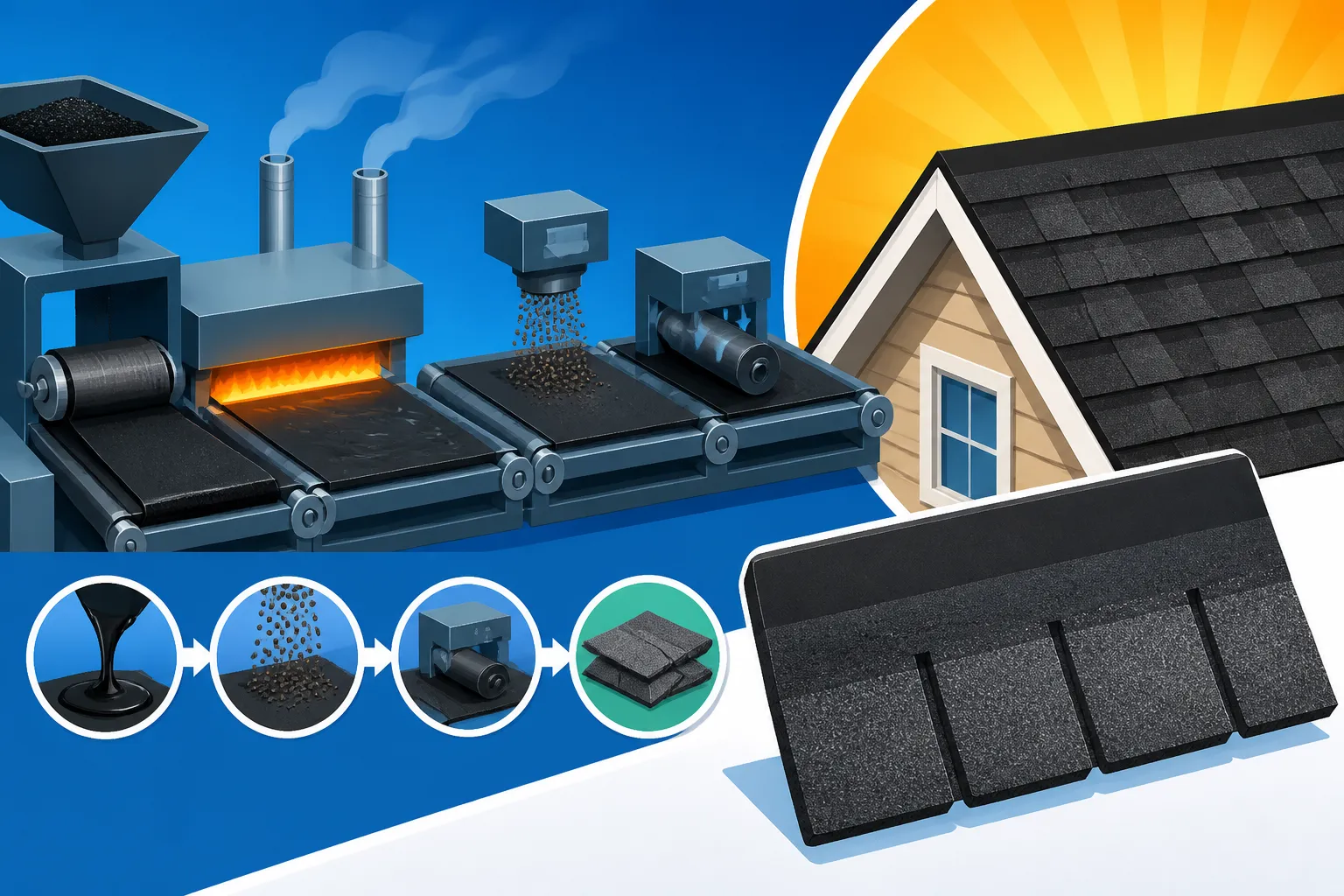
The manufacturing process begins with the enormous rolls of fiberglass mat. This mat is first fed through a giant "saturator," a tank filled with liquid asphalt. Here, the mat is completely impregnated with a base layer of the specialized asphalt formulation. This isn't just a surface coating; the asphalt saturates the fibers, making the mat waterproof and creating the foundation for the shingle's flexibility. This initial saturation is critical for the shingle's overall durability and water resistance, setting the stage for its ability to withstand impact.
After saturation, the mat moves to the coating stage, where thicker layers of the polymer-modified asphalt are applied to both the top and bottom surfaces. This is where the shingle gains its bulk and much of its resilient properties. The precise thickness and consistency of this coating are carefully controlled to ensure uniform protection across every shingle. The modified asphalt, with its enhanced elasticity, begins to give the shingle its ability to flex and absorb energy, which is a cornerstone of its Class 4 rating. This process is far more advanced than how many basic shingles are made, emphasizing the specialized approach for impact resistance.
Granule Application and Compression
Once the asphalt coating is applied, the shingle web moves to the granule application stage. This is where the decorative and protective ceramic granules are embedded. For Class 4 shingles, this process is particularly important. A combination of tougher, specialized granules and sometimes impact-absorbing additives are broadcast onto the still-hot, tacky asphalt surface. These granules are applied under immense pressure and heat, ensuring maximum adhesion and embedding.
The way granules are applied and the specific types used can vary by manufacturer, but the goal is the same: to create a robust, protective surface that can deflect hail and protect the underlying asphalt. Some advanced Class 4 shingles, like certain lines from Owens Corning or GAF, might use unique granule blends that enhance not only impact resistance but also features like algae resistance or cool roof properties. The high degree of compression during this stage ensures that the granules form a dense, protective layer, making it incredibly difficult for hail to dislodge them or penetrate to the core of the shingle. This embedding process is what helps ensure that granule loss, a common sign of wear, is minimized. If you want to dive deeper into the full process, you can explore How Asphalt Shingles Are Installed: Step by Step for what happens once they reach your home.
Shaping, Cutting, and Quality Control
After the granules are firmly embedded, the continuous sheet of shingle material moves to the cooling and cutting stations. It's cooled down, which helps set the asphalt and granules, and then precisely cut into individual shingles or into large, multi-shingle strips, depending on the shingle type (e.g., architectural or 3-tab). During this phase, critical elements like the sealant strips, which help bond shingles together once installed on a roof, are also activated or applied.
But the manufacturing journey doesn't end with cutting. Throughout the entire process, and especially at the end, rigorous quality control checks are performed. Samples are often pulled from the production line and subjected to further testing beyond the initial UL 2218 certification. This might include adhesion tests, tear strength tests, and additional impact simulations to ensure consistency. Manufacturers are highly invested in maintaining their Class 4 rating, so they invest heavily in these checks. Any shingle that doesn't meet the strict standards is typically recycled. This meticulous attention to detail ensures that every Class 4 shingle leaving the factory performs exactly as promised, providing homeowners with the peace of mind that comes from knowing their roof is truly built to last. Many homeowners find it helpful to connect with roofing professionals through services like Modernize to discuss these quality differences and installation specifics.
The Added Layer of Innovation and Standards
It's not just about the basic components and manufacturing steps; continuous innovation and adherence to stringent industry standards play a massive role in the evolution and performance of Class 4 shingles. Manufacturers are constantly pushing the envelope to make these products even better.
Beyond Basic Impact Resistance: Other Integrated Benefits
While the primary focus of a Class 4 rating is impact resistance, the advanced materials and manufacturing processes often bestow other significant benefits upon these shingles. For instance, the polymer-modified asphalt that gives Class 4 shingles their flexibility also makes them exceptionally resistant to high winds. Many Class 4 shingles come with impressive wind warranties, often exceeding 130 mph, because their enhanced adhesion and flexibility help them stay put in severe storms. This is a huge consideration, especially in regions prone to hurricanes or strong gusts.
Furthermore, many Class 4 shingles integrate technologies that prevent algae growth, such as copper-containing granules that inhibit dark streaks on your roof. You'll also find "cool roof" technologies in some Class 4 lines, designed to reflect more sunlight and reduce heat absorption, which can lower your home's cooling costs. So, when you invest in a Class 4 shingle, you're often getting a comprehensive package of durability that extends far beyond just hail protection, addressing issues that can lead to What Makes Shingles Fail Early.
Leading Manufacturers and Their Approaches
Several major roofing manufacturers produce excellent Class 4 rated shingles, each with their own proprietary technologies and brand-specific features. For instance, GAF offers their Armorshield II line, featuring an SBS polymer-modified asphalt formula for enhanced flexibility and impact resistance. Owens Corning provides their Duration FLEX shingles, which also utilize an SBS polymer blend for superior pliability and hail protection. CertainTeed’s NorthGate shingles are another popular option, known for their rubberized asphalt that creates a more durable and flexible shingle.
While the underlying principle of using advanced, flexible materials is consistent, each brand has its unique twists and patented technologies. These innovations are often the result of extensive research and development aimed at improving shingle performance and longevity in various climates. When comparing different brands of Class 4 shingles, it’s worth asking your contractor about these specific features and how they might benefit your home. Learning about GAF Timberline HDZ Features Explained or Owens Corning Duration Features Explained can highlight these distinctions. Choosing a reputable, manufacturer-certified installer, often found through resources like Modernize, ensures that these advanced shingles are installed correctly to maximize their performance and warranty coverage.
Installation Matters as Much as Manufacturing
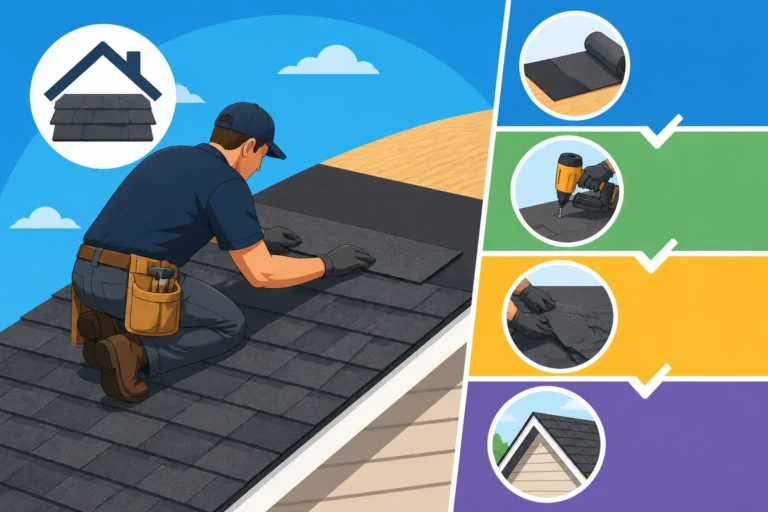
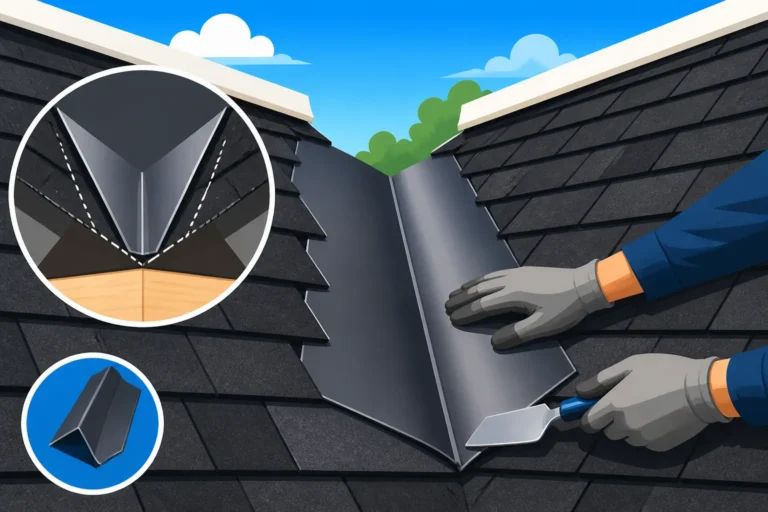
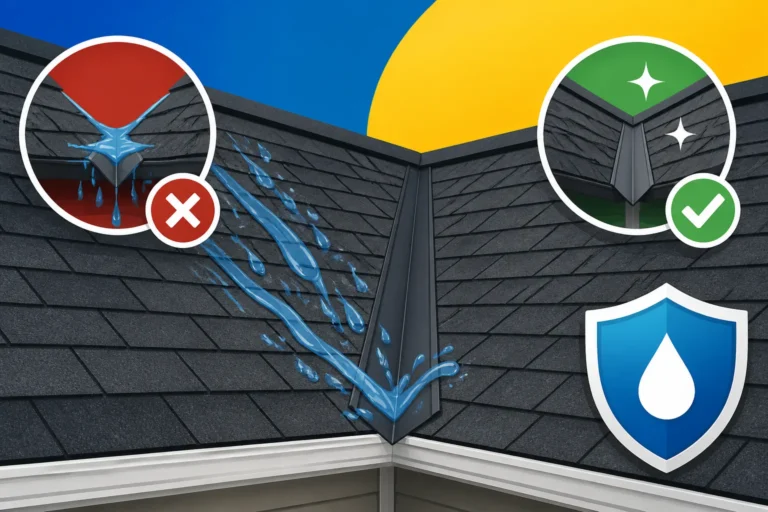
Even the best Class 4 shingles won't perform to their full potential if they aren't installed correctly. The manufacturing process ensures a high-quality product, but proper installation by a skilled roofing contractor is equally vital. This includes correct nailing patterns, appropriate underlayment choices, and meticulous attention to detail around flashing, valleys, and other vulnerable areas. A poorly installed Class 4 roof could still leak or suffer damage that a properly installed standard roof wouldn't. This is why when considering an upgrade to impact-resistant shingles, choosing a contractor with a proven track record of quality workmanship is paramount. Your Class 4 roof is only as good as its installation.
The Future of Impact-Resistant Roofing
The journey of the Class 4 shingle is far from over. As climate patterns shift and severe weather events become more frequent in many regions, the demand for even tougher, more resilient roofing materials continues to grow. Manufacturers are consistently investing in research and development to enhance these products further, incorporating new polymers, granule technologies, and innovative adhesive systems.
We're likely to see advancements that not only improve impact resistance but also integrate seamlessly with other emerging home technologies. Imagine shingles that are even lighter yet stronger, or those that have integrated smart sensors to detect damage or monitor performance. The core principles of flexible asphalt and protective granules will likely remain, but the methods and materials used will continue to evolve, offering homeowners increasingly sophisticated options to protect their most valuable asset. The future of roofing is durable, sustainable, and smarter, and Class 4 shingles are a leading example of that ongoing evolution.
Disclaimer
Please remember that while Class 4 shingles offer superior impact resistance, no roofing material is entirely impervious to extreme forces of nature. The performance of any roofing system can be affected by installation quality, specific weather conditions, and proper maintenance. Always consult with a qualified roofing professional for a thorough assessment of your home's needs and to ensure compliance with local building codes and warranty requirements.