How Overlay Roofing Works
Homeowners are always looking for ways to cut costs, and the idea of "overlay roofing" — putting new shingles right over your old ones — often seems like a tempting shortcut. But while it might save a few dollars upfront, this approach can lead to a host of headaches and bigger expenses down the road. This guide will walk you through exactly how overlay roofing works, its specific process, and why it’s usually not the best long-term solution for your home.
Understanding Overlay Roofing: What It Really Means
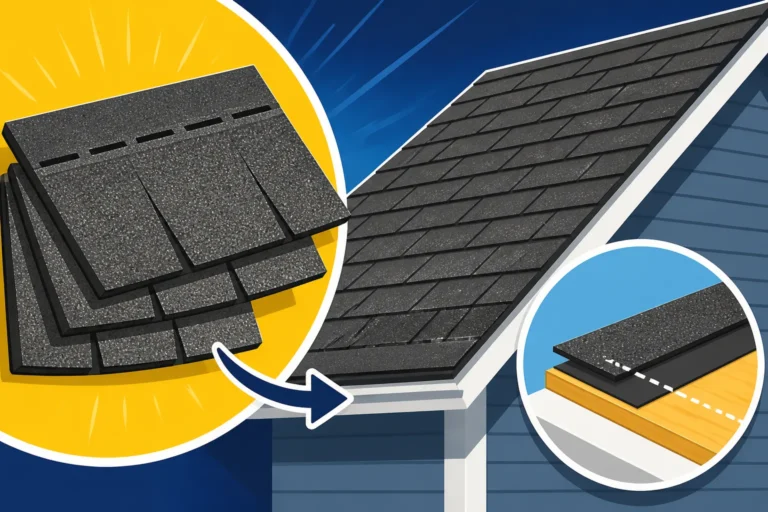
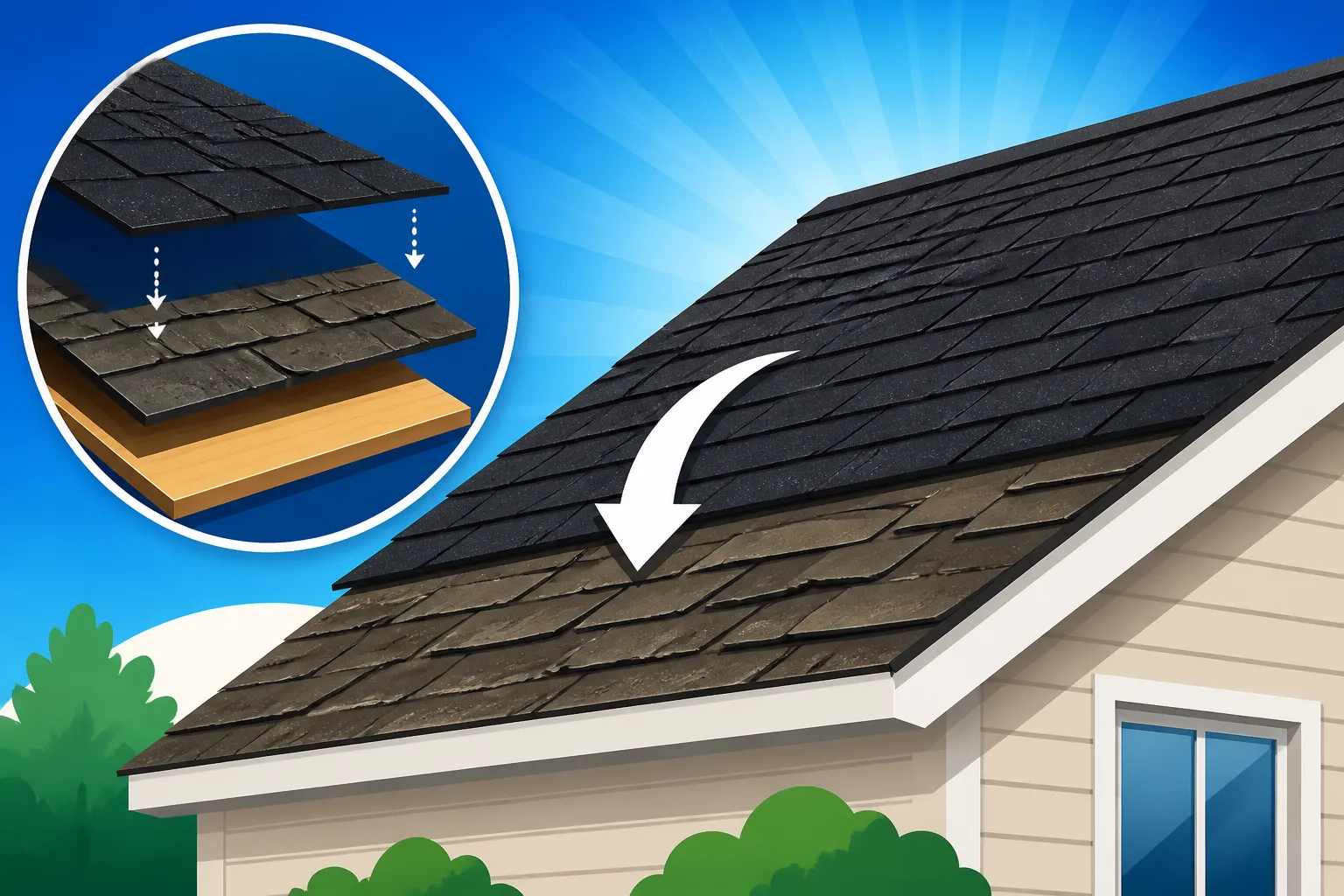
When we talk about overlay roofing, or a "roof over," we're referring to the practice of installing a new layer of asphalt shingles directly on top of an existing shingle roof, without first removing the old materials. It's an approach that appeals to many because it seems simpler, quicker, and less expensive initially, as it bypasses the labor and disposal costs associated with tearing off the old roof.
The Basic Concept: Layering Shingles
The core idea is straightforward: instead of stripping everything down to the bare roof deck, you essentially use your old roof as a new foundation for the fresh shingles. A contractor might come in, secure any loose shingles on the existing roof, address minor repairs, and then proceed to lay the new layer right on top. This sounds great in theory, especially when budget is a major concern. You avoid the messy tear-off, the dumpsters, and the extra labor hours, which can shave off a noticeable chunk of the immediate bill. However, what you save in the short term, you often pay for later, sometimes many times over.
Think of it like putting a fresh coat of paint over peeling, cracked paint without scraping and priming first. Sure, it looks good for a bit, but those old problems beneath will eventually show through, and often, the new layer won't adhere properly or last as long. This is especially true if you're working with an older roof that might have hidden issues like moisture damage or rot. While some homeowners search for ways to cut costs, it’s worth understanding the implications. For a full breakdown of different roofing options, you might want to look at a guide on the process of a full roof replacement.
When Overlaying is Technically Permitted
Now, here's where it gets a little tricky, because in some situations, overlaying is technically permitted by building codes. Most local building codes, including those adopted from the International Residential Code (IRC), generally allow for a maximum of two layers of asphalt shingles on a roof. This "two-layer rule" is the primary reason why some contractors still offer overlays.
However, just because it's allowed doesn't mean it's a good idea. The permission comes with some very strict caveats:
- Original Roof Condition: The existing roof must be relatively flat, stable, and in good structural condition. If it has significant dips, humps, or widespread damage, an overlay is a no-go.
- No Underlying Issues: There should be no signs of rot, mold, or extensive water damage on the existing shingles or the roof deck beneath. The moment you cover up these problems, you accelerate their decay, creating a breeding ground for more severe issues.
- Proper Adhesion: The new shingles need to adhere properly to the old ones. This can be challenging if the existing surface is uneven, granular, or has substantial moss or algae growth.
- Ventilation: The existing roof ventilation system must be adequate, and the overlay shouldn't impede it. Adding a second layer can sometimes trap more heat and moisture in the attic if not properly managed.
It's crucial to check local regulations, as some municipalities might have stricter rules or even prohibit overlays entirely due to past issues or specific climate conditions. When considering a roofing project, resources like Modernize can help connect you with reputable contractors who are knowledgeable about local codes and best practices. They can confirm if an overlay is even an option in your area and, more importantly, whether it’s a wise one for your specific home.
The Difference from a Full Tear-Off
To truly understand overlay roofing, it helps to contrast it with a full roof replacement, often referred to as a "tear-off." The difference is fundamental:
| Feature | Overlay Roofing (Re-Roof) | Full Tear-Off (Roof Replacement) |
|---|---|---|
| Old Roof Removal | No removal; new shingles installed over existing ones. | All existing roofing materials are stripped down to the bare deck. |
| Cost (Initial) | Generally lower due to reduced labor and disposal fees. | Generally higher due to labor for tear-off and debris removal. |
| Project Duration | Quicker, often completed in 1-2 days for a standard home. | Longer, typically 2-4 days or more depending on complexity. |
| Deck Inspection | Minimal or no inspection of the roof deck. | Full inspection and repair/replacement of damaged decking possible. |
| Warranty Validity | Often voids manufacturer warranties due to improper installation. | Full manufacturer and workmanship warranties are typically valid. |
| New Roof Lifespan | Potentially reduced due to underlying issues and uneven surface. | Maximized lifespan as new roof is installed on a perfect foundation. |
| Structural Impact | Adds significant weight, potentially stressing the roof structure. | Replaces weight; no added structural stress. |
| Identification of Issues | Hidden issues (rot, leaks) remain undetected and worsen. | Allows for detection and repair of all underlying problems. |
A full tear-off is more involved and expensive upfront, but it addresses the root of any potential problems by giving contractors a clear view of the structural integrity of your roof deck. This allows them to replace any damaged components, ensure proper sealing and ventilation, and install the new roofing system from scratch on a pristine surface. This foundational work is critical for the long-term health and performance of your new roof, making a guide on how a roof replacement works truly invaluable. Many experts, including those you might find through platforms like Modernize, strongly advocate for tear-offs precisely because they guarantee a clean slate and superior longevity.
The Step-by-Step Process of Overlay Roofing (When Done)
While a full tear-off is almost always the preferred method for a new asphalt roof, it’s worth understanding the process of an overlay for completeness. When an overlay is performed, typically under the guidance of a contractor who believes the existing roof meets the stringent criteria for this method, there are still specific steps involved to ensure the new layer has the best chance of performing adequately.
Preparation and Minor Repairs
Before any new shingles are laid, the existing roof needs to be prepared. This isn't a comprehensive overhaul, but rather a superficial tidying up to create a somewhat stable base for the new layer.
- Securing Loose Shingles: Any existing shingles that are loose, curling, or lifting will be nailed down or cemented flat. This prevents significant bumps or uneven areas that could telegraph through the new layer.
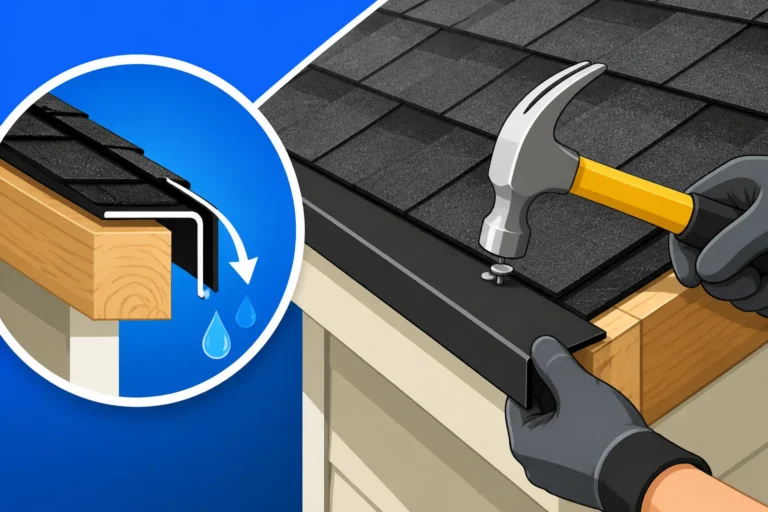
- Cutting Back Edges: The perimeter of the existing roof, particularly at the eaves and rakes, might have the original shingles overhanging slightly. These edges are often trimmed back to allow the new drip edge and starter shingles to be installed correctly without creating a bulky, uneven lip.
- Addressing Minor Flaws: Small, localized repairs might be made, such as patching tiny holes or flattening out minor waves. However, significant damage, widespread rot, or structural sagging is typically beyond the scope of an overlay preparation and should immediately flag the need for a full tear-off.
- Cleaning Debris: The roof surface will be swept clean of loose granules, leaves, and any other debris that could interfere with the adhesion of the new shingles.
It's important to remember that this "preparation" is minimal. It doesn't allow for an inspection of the crucial roof decking underneath, which is where many problems like rot or structural weaknesses truly lie. This oversight is one of the primary reasons why this method often leads to premature failure.
Installing the New Shingle Layer
Once the existing roof is deemed "ready," the new shingles are installed directly on top. This process largely mirrors a standard asphalt shingle installation, but with the added complexity of working over an uneven, pre-existing surface.
- Underlayment (Optional/Limited): In many overlay situations, contractors will skip adding new underlayment, as it would sit on top of the old shingles and the original underlayment. If new underlayment is used, it’s laid over the old shingles, adding further bulk. However, some areas, like valleys or around penetrations, might still get new ice and water shield for added protection. Understanding the role of underlayment explained: synthetic vs felt is vital for any roofing project.
- Starter Shingles: New starter shingles are installed along the eaves and rake edges, just as they would be for a new roof. These provide a critical initial layer for water shedding and wind resistance.
- Laying Field Shingles: The main body of shingles is then laid, typically starting from the bottom edge and working upwards, overlapping each course according to the manufacturer's specifications. The challenge here is ensuring proper nailing and alignment when the surface beneath isn't perfectly flat. Shingles should be nailed into solid wood, but with an existing layer below, it’s harder to hit the roof deck consistently. This makes the crucial step of how asphalt shingles are installed: step by step more complicated and potentially less secure.
- Hip and Ridge Caps: Finally, hip and ridge cap shingles are installed at the peaks and hips of the roof, providing a finished look and crucial protection for these vulnerable areas.
The entire process is usually faster than a full tear-off because there’s no initial removal phase, leading to reduced labor hours and quicker completion. However, this speed often comes at the expense of quality and durability.
Flashing and Ventilation Adjustments
One of the trickiest aspects of overlay roofing involves flashing and ventilation components. These are critical for preventing leaks and ensuring proper airflow in the attic, and an overlay can complicate them significantly.
- Flashing Issues: Existing flashing around chimneys, vent pipes, skylights, and in valleys is designed for a specific roof height and angle. When a new layer of shingles is added, the roof effectively becomes thicker. This means the existing flashing might no longer extend high enough to provide adequate protection against water penetration, creating vulnerabilities. Often, contractors will try to "extend" existing flashing or install new pieces over the old, which can compromise the watertight seal.
- Ventilation Height: Ridge vents, box vents, and other attic ventilation components also sit at a specific height relative to the roof plane. Adding a new layer of shingles raises this plane, potentially burying the lower edge of some vents or reducing their effectiveness by creating new obstructions. This can lead to decreased airflow, trapping heat and moisture in the attic, which can further accelerate the degradation of the roof deck and the new shingles.
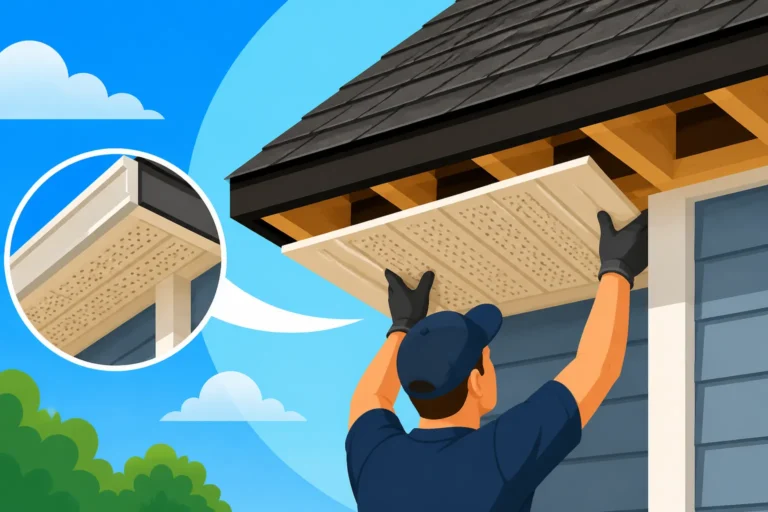
- Drip Edge: While new drip edge is usually installed, it’s placed over the old shingles. This can create an awkward, bulky edge that doesn't effectively direct water away from the fascia as intended, especially if the underlying edge wasn't perfectly flush.
These challenges with flashing and ventilation are significant. They demonstrate how an overlay often "paper-overs" rather than truly solves, existing or potential issues, ultimately reducing the effectiveness of the entire roofing system.
The Hidden Downsides and Risks of Overlay Roofing
While the allure of cost savings is strong with overlay roofing, the reality is that it often introduces a slew of hidden problems and risks that can far outweigh any initial savings. These issues compromise the roof's performance, shorten its lifespan, and can even invalidate warranties or lead to significant structural damage.
Compromised Longevity and Performance
One of the most immediate and significant downsides of overlay roofing is the impact on the new roof's lifespan and overall performance.
- Reduced Lifespan: Asphalt shingles are designed to lie flat and evenly on a smooth, solid surface. When installed over an existing layer of shingles, the new layer is inherently installed on an uneven, undulating surface. This unevenness prevents the new shingles from laying perfectly flat, which can compromise their sealant strips from activating properly and makes them more susceptible to wind uplift and water penetration. Instead of getting 20-30 years out of your new architectural shingles, you might only see 10-15 years of effective life.
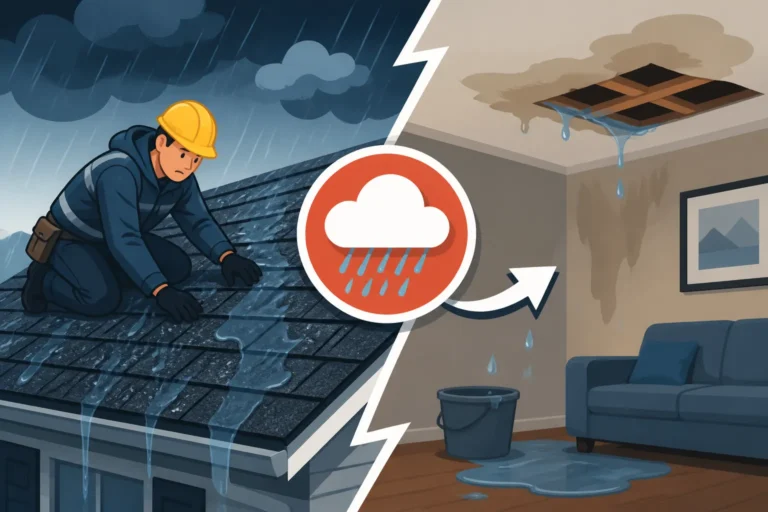
- Trapped Moisture: An old roof, even if seemingly sound, can harbor moisture or have areas where water has seeped in over time. By simply covering it up, you trap this moisture. This creates an ideal environment for mold, mildew, and rot to flourish between the layers and in the roof deck itself. This trapped moisture significantly accelerates the degradation of both the old and new shingles, and more importantly, the structural components beneath.
- Thermal Issues: Two layers of shingles act as additional insulation, which sounds good in theory. However, this added mass can trap more heat in the attic, especially in warmer climates. Excessive attic heat can cause the new shingles to "bake," leading to premature curling, cracking, and granule loss. It also increases your home's cooling costs, negating any perceived energy savings.
Imagine buying a brand new car and immediately noticing the paint job is uneven because it was sprayed over old rust spots. You wouldn't expect that paint to last, nor would you feel good about the underlying issues that are still there, festering. That's essentially what an overlay does to your roof.
Structural Concerns and Added Weight
Another major, often overlooked, issue with overlay roofing is the significant additional weight it places on your home's structure.
- Excessive Weight on Roof Deck: A single layer of asphalt shingles can weigh between 200 and 400 pounds per "square" (a 100 square foot area). Adding a second layer essentially doubles this weight. For a typical 2,000 square foot home, that could mean an additional 4,000 to 8,000 pounds of dead weight on your roof deck and underlying framing.
- Risk of Sagging and Structural Damage: Most residential roof structures are designed to safely bear a certain load, including snow, wind, and the weight of a single layer of roofing material. Doubling that weight can stress the rafters, trusses, and ceiling joists beyond their design limits, potentially leading to sagging rooflines, cracked ceilings inside your home, and even structural failure over time. This risk is particularly high for older homes where the original framing might already be weakened or not built to modern load-bearing standards.
- Compromised Sheathing: The roof decking, or sheathing, is what the shingles are nailed to. If this decking has any hidden rot or damage, adding a second heavy layer will only exacerbate the problem, causing further deterioration and weakening the entire system. Addressing a problem like the roof decking replacement cost is much easier when all the old layers are removed.
This structural stress is a silent killer, slowly weakening your home from the top down. It’s a gamble that few homeowners would knowingly take if they understood the full implications.
Warranty Voiding and Insurance Implications
This is a critical area where homeowners can get burned by overlay roofing, often without realizing it until it's too late.
- Voided Manufacturer Warranties: The vast majority of reputable asphalt shingle manufacturers, like GAF, Owens Corning, and CertainTeed, require their products to be installed according to their specific guidelines to qualify for a warranty. These guidelines almost universally stipulate installation on a clean, dry, properly prepared roof deck. Installing shingles over an existing layer typically voids the manufacturer's warranty immediately. This means if your new shingles fail prematurely due to a manufacturing defect, you’ll have no recourse with the company. Understanding what voids a shingle warranty is paramount.
- Insurance Coverage Issues: Homeowner's insurance policies also often have clauses related to proper installation and maintenance. If your roof is damaged in a storm or by other perils, and your insurance adjuster discovers it's an overlay that was installed against code or manufacturer recommendations, they might deny your claim entirely. This leaves you completely on the hook for the entire cost of repairs or replacement, which could be tens of thousands of dollars.
- Resale Value: While not strictly a financial risk, an overlay roof can significantly impact your home's resale value. Home inspectors will flag an overlay, and savvy buyers will often demand a full tear-off and replacement before purchasing, or at least use it as a major negotiating point for a lower price.
The peace of mind that comes with a valid warranty and full insurance coverage is invaluable. An overlay strips you of both, leaving you vulnerable to potential financial ruin.
Difficulty in Future Repairs and Replacements
Finally, an overlay roof creates a compounding problem for any future work that needs to be done.
- More Complex and Expensive Repairs: If a leak develops or shingles are damaged on an overlay roof, repairs become significantly more challenging and expensive. Identifying the source of a leak is harder when there are two layers of material to contend with. Replacing damaged shingles is also tougher because the underlayer makes the roof thicker and less pliable.
- Mandatory Tear-Off for Next Replacement: When it's finally time to replace your overlay roof, you will almost certainly be forced to do a full tear-off. Remember the "two-layer rule"? Most codes won't allow a third layer. This means you'll have to pay for the removal and disposal of two layers of old shingles, which will be a much bigger, dirtier, and more expensive job than if you had done a single tear-off initially. The cost of roof tear-off and disposal will be considerably higher with multiple layers.
The initial savings of an overlay are often just a deferral of cost, which then comes back with interest. It's like borrowing from your future self, but with extra fees and complications.
Why a Full Tear-Off is Generally Recommended
Given all the potential pitfalls and long-term costs associated with overlay roofing, it’s clear why a full tear-off is almost universally recommended by roofing professionals, building codes, and manufacturers as the superior method for replacing an asphalt shingle roof. It ensures a high-quality, long-lasting, and worry-free roofing system.
Thorough Deck Inspection and Repair
The primary and most significant advantage of a full tear-off is the opportunity it provides to thoroughly inspect and address the condition of the roof deck.
- Exposing the Roof Deck: By removing all existing roofing materials down to the bare plywood or OSB sheathing, the contractors get a clear, unobstructed view of the roof’s true foundation. This allows them to identify any hidden issues that would remain concealed under an overlay.
- Detecting and Repairing Damage: They can check for rot, water damage, mold, structural weaknesses, or pest infestations in the roof decking. If rotten or damaged sections are found, they can be properly cut out and replaced with new, sound decking. This critical step ensures that the new roofing system is installed on a solid and healthy foundation, preventing future problems and prolonging the life of your roof. This helps to prevent larger issues down the line, ensuring your roof isn't just a band-aid solution.
- Ensuring a Flat Surface: A clean roof deck provides a perfectly flat and even surface for the new shingles. This is crucial for proper shingle adhesion, uniform appearance, and optimal performance against wind and weather.
Without a full tear-off, you're essentially building a brand new roof on a foundation whose condition is unknown, which is a gamble no homeowner should take. For a deeper dive into the importance of this step, check out this guide on why tear-off is usually better than overlay.
Maximizing New Roof Performance and Warranty
A full tear-off allows for the installation of a complete, modern roofing system that performs optimally and qualifies for the best possible warranties.
- Proper Underlayment and Flashing: With a bare deck, contractors can install a new, high-quality synthetic or felt underlayment and ice and water shield directly onto the sheathing. This forms a critical secondary barrier against moisture intrusion. New flashing can be custom-fitted around all penetrations (chimneys, vents, skylights) to ensure watertight seals that account for the new roof's dimensions.
- Optimal Shingle Performance: When new shingles are installed on a smooth, clean surface, they lay perfectly flat, allowing their sealant strips to properly activate under the sun's heat. This creates a monolithic, wind-resistant barrier that performs as designed by the manufacturer, maximizing their lifespan and effectiveness.
- Valid Manufacturer Warranties: Because the installation adheres to manufacturer specifications, your new roof qualifies for their comprehensive warranties, including material and sometimes labor coverage. This provides invaluable protection and peace of mind for decades to come. When you decide on a new roof, understanding the nuances of manufacturer warranty registration is a must.
- Improved Ventilation: A tear-off also allows for a comprehensive assessment and upgrade of your attic ventilation system. Proper ventilation is essential for preventing heat and moisture buildup in the attic, which can extend the life of your roof, prevent mold, and improve your home's energy efficiency.
Choosing a full tear-off is an investment in your home's long-term health, safety, and energy efficiency, backed by solid warranties.
Long-Term Cost-Effectiveness
While the upfront cost of a full tear-off is higher, it almost always proves to be more cost-effective in the long run.
- Avoidance of Hidden Costs: By addressing all underlying issues during the tear-off, you avoid the significant future expenses of repairing leaks, structural damage, or premature roof failure that are common with overlays. Imagine the cost of extensive interior water damage from a leak that could have been prevented with a proper deck inspection!
- Extended Roof Life: A properly installed roof on a sound deck will last for its full intended lifespan, typically 20-30 years for architectural asphalt shingles. An overlay, by contrast, might only last 10-15 years, meaning you'll need another roof replacement much sooner, effectively paying for two roofs in the time one well-installed roof would have lasted. This makes understanding how long an asphalt roof lasts crucial.
- Enhanced Home Value: A new roof installed with a full tear-off is a significant asset to your home, enhancing its curb appeal, structural integrity, and resale value. Potential buyers will appreciate a properly installed roof with a transferable warranty, often willing to pay more for that peace of mind.
- Insurance Savings: In some areas, upgrading to a new, code-compliant roof with improved wind or hail resistance can even lead to slight reductions in homeowners insurance premiums.
When looking for reputable contractors who prioritize quality and long-term value, consider reaching out to services like Modernize. They can connect you with local, vetted roofing professionals who understand the importance of a proper tear-off and can provide detailed estimates for a comprehensive roof replacement. This ensures you're making an informed decision that benefits your home for decades, not just years.
Questions to Ask About Overlay Roofing
Navigating the complexities of roofing can feel overwhelming, especially when faced with different installation methods. If a contractor ever suggests or you're considering an overlay roof, it's absolutely crucial to ask very specific questions to ensure you fully understand the implications and risks. Don't be afraid to push for detailed answers.
Contractor and Code Compliance
These questions help you gauge the contractor's understanding and adherence to best practices and local regulations.
- "Why do you recommend an overlay for my home specifically, rather than a full tear-off?" A reputable contractor should be able to articulate clear, justifiable reasons, demonstrating that they've thoroughly assessed your existing roof and not just defaulted to the cheaper option. Be wary if their primary reason is solely "to save money" without addressing the structural integrity or long-term performance.
- "What specific local building codes apply to overlay roofing in my area, and how will you ensure compliance?" Every municipality has its own set of rules. Your contractor should be intimately familiar with these, especially regarding the maximum number of shingle layers allowed. In many places, the "two-layer" rule is strict, and violating it can lead to fines and forced removal. You should also verify if a roofing permit is needed, and if so, who pulls it. Resources like a guide on roofing permits explained can shed more light on this.
- "How will you address flashing around chimneys, vents, and valleys to prevent leaks with the added roof thickness?" This is a critical point of failure for overlay roofs. The contractor should have a detailed plan for re-flashing or extending existing flashing properly to accommodate the new layer. Generic answers or simply saying "we'll seal it" are red flags.
- "What steps will you take to ensure the new shingles lay flat and properly adhere to the existing roof?" They should explain their preparation process, including securing loose shingles and ensuring a clean, debris-free surface. If they don't seem concerned about the unevenness of the underlying layer, that's a problem.
Remember, a good contractor prioritizes the long-term health of your roof over a quick, cheap fix. They should be transparent about the pros and cons and align with established roofing building codes: what to know.
Warranty and Insurance Considerations
These questions are vital for protecting your investment and ensuring you have recourse if something goes wrong.
- "Will a manufacturer's warranty be provided for the new shingles, and will it be valid with an overlay installation?" Get this in writing. As discussed, most manufacturers' warranties are voided by an overlay. If a contractor claims otherwise, ask for documentation from the shingle manufacturer explicitly stating their warranty covers overlay installations. If they can't provide it, assume your warranty will be void.
- "What is the workmanship warranty for this overlay installation, and for how long is it valid?" Even if the manufacturer's warranty is void, a reputable contractor should offer their own workmanship warranty. Understand what it covers (e.g., leaks due to installation errors) and for how long.
- "How might an overlay roof affect my homeowner's insurance policy or future claims?" While a contractor isn't an insurance expert, they should be aware of the general implications. It's best to call your insurance provider directly to confirm if an overlay would impact your coverage or the payout for future claims. This step is non-negotiable for your financial protection.
- "How will this overlay impact the expected lifespan of my new roof compared to a full tear-off?" They should be honest about the reduced longevity. If they claim it will last just as long, they are likely misrepresenting the facts.
By asking these thorough questions, you equip yourself with the knowledge to make the best decision for your home. While the immediate savings of an overlay can be enticing, the potential long-term costs, risks, and headaches rarely make it a worthwhile choice. If you're struggling to find honest answers or feel pressured, using a service like Modernize can help you connect with qualified, transparent professionals who can provide clear, comprehensive information and estimates for all your roofing options.
Disclaimer
Please note that the information provided in this article is intended for general informational purposes only and does not constitute professional advice. Roofing projects involve inherent risks and complexities, and specific requirements can vary significantly based on location, building codes, and individual property conditions. Always consult with a qualified, licensed, and insured roofing contractor for personalized advice, inspections, and estimates before undertaking any roofing work. They can assess your specific situation, provide accurate information regarding local regulations, and ensure the work is performed safely and correctly.