How Impact-Resistant Shingles Are Made
It’s a truly disheartening moment when you look up at your roof after a severe hailstorm or a heavy-wind event and see the tell-tale signs of damage—missing granules, dents, or even outright punctures. The frustration of dealing with a compromised roof, not to mention the potential leaks and costly repairs, is a reality many homeowners in storm-prone areas face all too often. This guide is dedicated to pulling back the curtain on one of the most effective solutions to this problem: impact-resistant asphalt shingles. We're going to dive deep into exactly how these robust roofing materials are engineered and manufactured to stand up against Mother Nature's fiercest blows, offering you a clearer understanding of what makes them such a valuable investment for your home's protection.
The Unseen Battle: Why Impact Resistance is a Roofing Game Changer
For too long, homeowners have accepted that a certain level of roof damage after a severe storm was simply inevitable. You’d cross your fingers, hope for the best, and then call your insurance company if the worst happened. But the truth is, a damaged roof isn't just about superficial blemishes; it's a critical compromise to your home's primary line of defense. Understanding why shingles need to be impact-resistant goes far beyond aesthetics.
The Costly Reality of Hail and Debris Damage
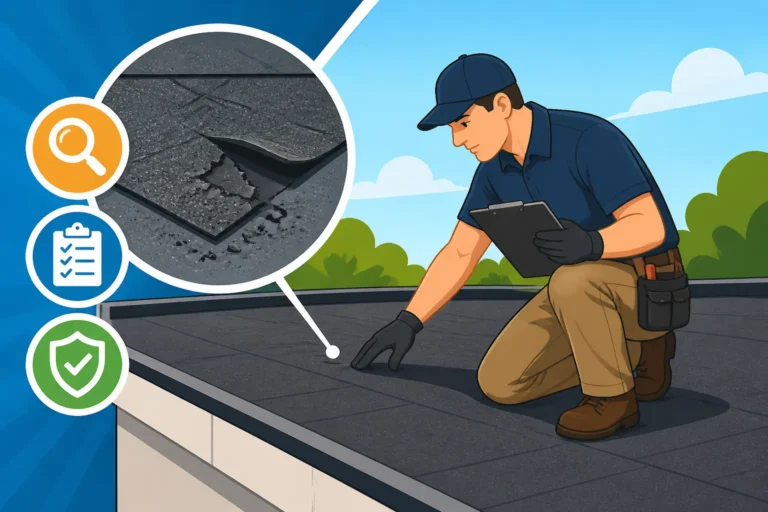
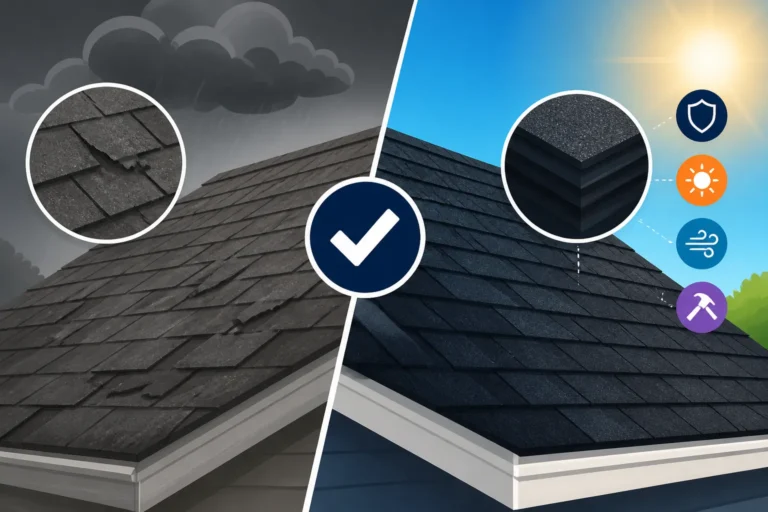
Imagine a hailstorm ripping through your neighborhood. It's not just a loud noise; it's hundreds, maybe thousands, of tiny projectiles hammering your roof at high speeds. These aren't soft little ice pellets; depending on their size, hail can be as destructive as rocks or golf balls. In places like Dallas, Texas, or Denver, Colorado, hail damage is an annual threat, causing millions of dollars in insurance claims every year. When regular asphalt shingles take a direct hit, the granules, which are essential for UV protection and waterproofing, are dislodged, exposing the asphalt mat beneath. This often leads to bruising, cracking, or even punctures in the shingle itself.
Similarly, high winds can turn tree branches and other airborne debris into destructive missiles. A falling branch, even a small one, can easily tear through a standard shingle. The cost isn't just the immediate repair or replacement of a few shingles. Over time, these small areas of damage become entry points for water, leading to leaks, rot in your roof decking, and even structural issues inside your attic and home. The financial toll quickly escalates, from minor repairs to a full roof replacement, not to mention the headaches of dealing with contractors and insurance claims. This is where the inherent strength of impact-resistant shingles truly shines.
Beyond Aesthetics: Structural Integrity and Longevity
While visible dents and granule loss are concerning, the deeper issue with impact damage is how it compromises the functional integrity of your roofing system. A roof isn't just a covering; it's a complex system designed to shed water, protect against weather, and contribute to your home's energy efficiency. When shingles are compromised by impact, their ability to perform these vital functions diminishes significantly. Exposed asphalt rapidly degrades under UV light, becoming brittle and prone to further cracking. Water can seep into the underlying layers, saturating the underlayment and eventually reaching the roof deck. This can lead to mold, mildew, and costly rot, which can affect the structural stability of your entire roof.
Moreover, impact damage often shortens the overall lifespan of your roof. Even if individual damaged shingles are repaired, the cumulative effect of multiple impacts can weaken the entire system, leading to premature aging and the need for a full replacement much sooner than anticipated. For instance, if you have a 15-year-old roof designed to last 25 years but it's hit by a major hailstorm every few years, its actual serviceable life might be closer to 18-20 years. Investing in impact-resistant shingles, especially those classified as Class 4, can significantly extend your roof’s life, delay the need for a full replacement, and provide superior protection against the elements, saving you money and stress in the long run.
The Science Behind Impact-Resistant Shingles
So, what exactly makes these shingles so much tougher than their standard counterparts? It's not magic; it's a combination of advanced materials and smart engineering that fortifies every layer of the shingle.
Core Materials and Layering Strategies
At their heart, impact-resistant shingles still rely on asphalt, but it's the kind of asphalt and what's added to it that makes all the difference. Manufacturers often use a modified asphalt, meaning it's been blended with polymers—tiny, flexible plastic-like materials. Think of it like adding rubber to asphalt; this makes the asphalt more elastic, allowing it to absorb impact energy rather than cracking or shattering. Common polymers used include Styrene-Butadiene-Styrene (SBS), a synthetic rubber polymer. Shingles made with SBS-modified asphalt are often called "rubberized" asphalt shingles for good reason.
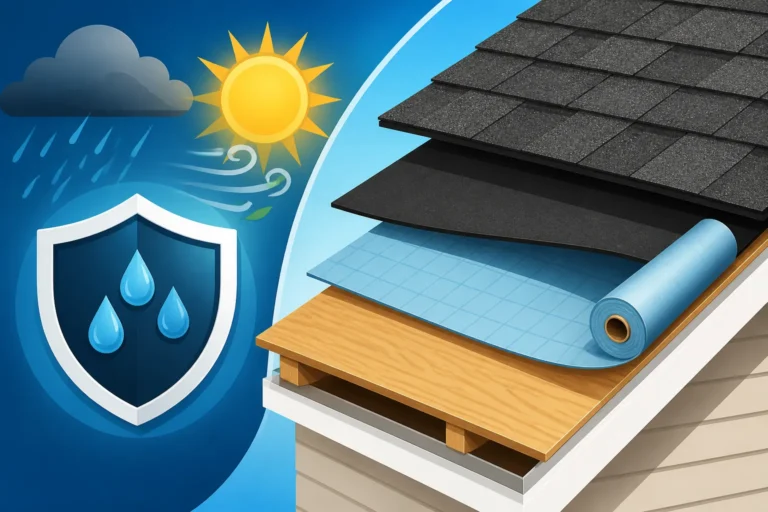
Beyond the asphalt itself, the layering strategy is crucial. Standard shingles have a fiberglass mat, an asphalt coating, and a granule surface. Impact-resistant shingles take this a step further. They often feature a thicker, heavier fiberglass mat, which provides a more robust foundation. This mat is then thoroughly saturated with the polymer-modified asphalt, creating a more cohesive, flexible, and resilient core. This enhanced asphalt layer is what allows the shingle to "give" a little when struck, distributing the force of impact over a larger area rather than concentrating it at a single point.
Reinforcement Technologies
Some manufacturers integrate additional reinforcement layers or technologies directly into the shingle. For example, certain advanced impact-resistant shingles might incorporate a woven reinforcement mat or a specially designed fabric layer within the asphalt coating. This internal "skeleton" provides extra tensile strength and helps prevent tearing or splitting, even if the shingle is severely bent or impacted. These reinforcement layers are strategically placed to maximize the shingle's ability to resist punctures and tears, much like rebar strengthens concrete.
Another approach involves specialized adhesive strips or redesigned shingle profiles that enhance the overall structural integrity of the roof system. When properly installed by a certified professional, these features contribute to a roof's ability to withstand high winds, which often accompany hail, keeping the individual shingles firmly in place and preventing impact damage from leading to shingle detachment. Many homeowners use platforms like Modernize to find experienced contractors who understand these installation nuances for optimal performance.
Granule Innovation
The surface granules are more than just for color; they are a critical component for UV protection and, in impact-resistant shingles, for resisting physical damage. While all shingles have ceramic granules embedded in the asphalt, impact-resistant shingles might use larger, more angular, or specially coated granules. These granules are pressed more deeply and more densely into the modified asphalt layer, providing a tougher, more durable surface.
Some manufacturers even incorporate specialized "adhesive" granules or a unique blend of granules that are more resistant to shedding upon impact. When a hailstone hits, the elastic nature of the modified asphalt combined with the robustly embedded granules helps to absorb the blow and prevent the granules from being dislodged, maintaining the shingle's protective barrier. This granule technology ensures that the critical top layer remains intact, prolonging the shingle's ability to protect your home.
The Manufacturing Process: From Raw Material to Robust Roof
The journey of an impact-resistant shingle from raw materials to a finished product on your roof is a fascinating one, involving precise engineering and controlled processes.
Asphalt Blending and Polymer Infusion
It all starts with the asphalt, which arrives at the manufacturing plant in large quantities. Unlike standard shingles, which use oxidized asphalt, impact-resistant shingles often begin with a special blend of asphalt that is then mixed with polymers like SBS. This blending process is crucial. The asphalt and polymers are heated and carefully combined in industrial mixers, ensuring a homogenous mixture. The goal is to achieve a consistent, rubberized compound that maintains its flexibility across a wide range of temperatures—from scorching summer heat to freezing winter cold. This polymer-infused asphalt is the secret sauce that gives these shingles their unique ability to flex and rebound rather than crack when subjected to sudden force.
Mat Saturation and Coating Application
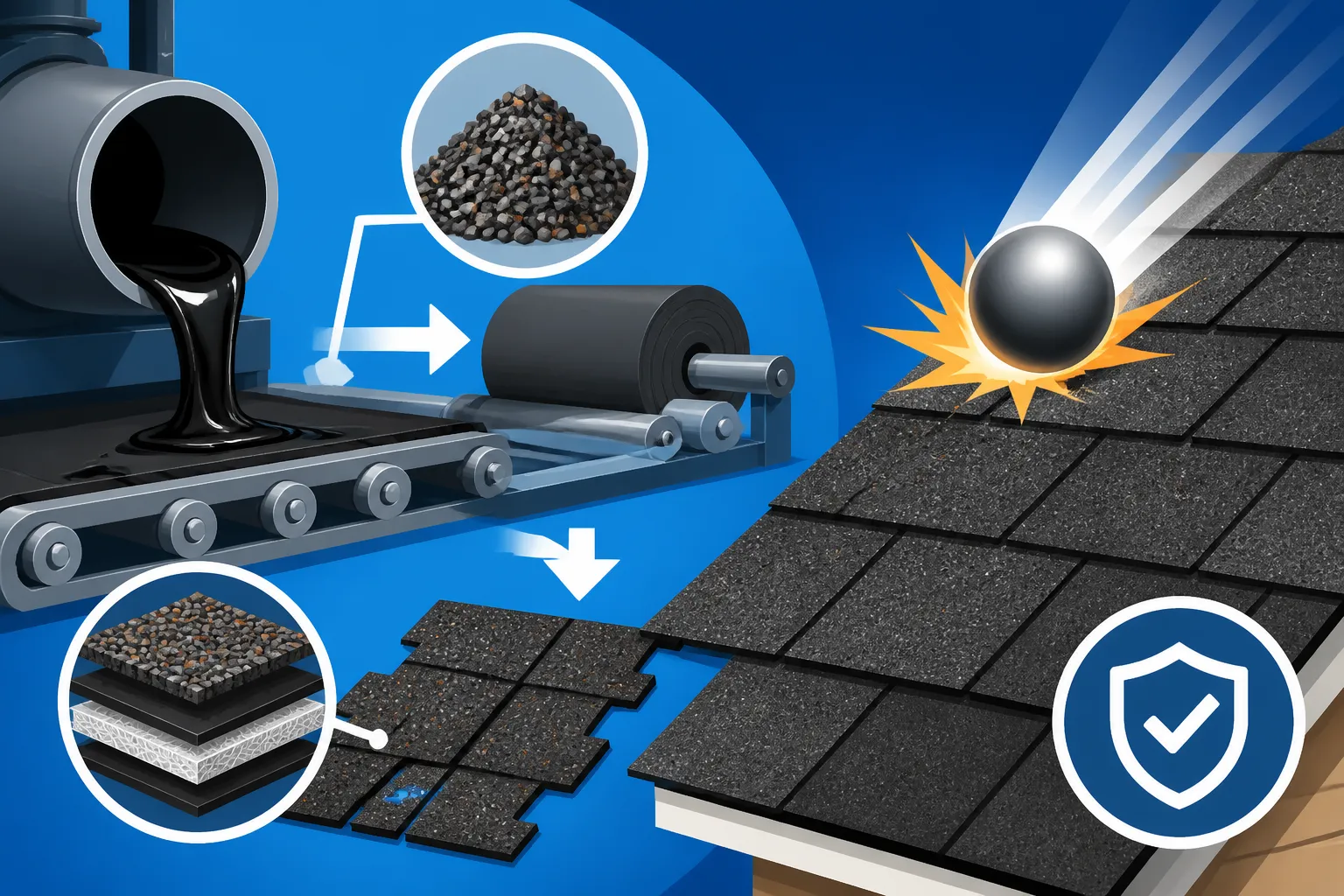
Next, a continuous roll of fiberglass mat—the skeletal core of the shingle—is fed through large machines. This mat acts as the substrate, providing stability and strength. As the fiberglass mat travels along the production line, it passes through tanks of the heated, polymer-modified asphalt. The mat is completely saturated, ensuring that every fiber is encased in the protective, flexible asphalt mixture. This saturation process is vital for the shingle's waterproofing and overall durability.
After saturation, a layer of the modified asphalt coating is applied to both sides of the mat. This coating is thicker and more resilient than what you'd find on a conventional shingle. It's this robust coating, combined with the polymer modification, that helps the shingle absorb impact without fracturing. The precise application of this coating is critical to achieving uniform impact resistance across the entire shingle.
Granule Embedding and Curing
Once the asphalt coating is applied, the colorful, ceramic-coated granules are deposited onto the top surface of the shingle sheet. For impact-resistant shingles, these granules might be specially selected for their hardness and shape, and they are often embedded with greater density and pressure. The granules are essentially pressed into the soft, warm asphalt, becoming deeply anchored. This embedding process is designed to maximize granule adhesion, ensuring they stay put even under severe stress from hail or debris. The back of the shingle typically receives a finer mineral surfacing to prevent sticking during packaging and installation.
Finally, the continuous sheet of material moves through a cooling and curing process. As it cools, the asphalt hardens, permanently bonding the granules and locking in the shingle's structural integrity. The large sheet is then cut into individual shingles or shingle strips, packaged, and prepared for distribution. This entire process, from raw material blending to final packaging, is meticulously controlled to ensure each shingle meets stringent quality and performance standards, making it ready to protect homes across the country. Companies like GAF and Owens Corning invest heavily in these precise manufacturing steps to deliver reliable, impact-resistant products.
Testing and Classification: Ensuring Real-World Performance
It's one thing to design a shingle to be tough, but another to prove it. That's where rigorous testing and standardized classifications come into play.
The UL 2218 Impact Resistance Standard
When you hear about impact-resistant shingles, especially "Class 4" shingles, it's usually in reference to the UL 2218 standard. This is the industry-recognized test for measuring the impact resistance of roofing materials. Developed by Underwriters Laboratories (UL), this standard simulates the impact of hail by dropping steel balls of various sizes from different heights onto the shingle.
Here's how it generally works:
- A specific weight of steel ball is dropped from a set height onto a shingle samples.
- The test is conducted at various points on the shingle, including along the edges and in the center.
- After the impact, the shingle is inspected for signs of cracking (both visible and hidden) on both the front and back surfaces.
- The highest class (Class 4) signifies the greatest resistance. For a shingle to achieve a Class 4 rating, it must withstand the impact of a 2-inch steel ball dropped from a height of 20 feet without showing signs of cracks.
The UL 2218 classification system helps homeowners and contractors understand the relative strength of different shingles. While a Class 1 shingle offers some resistance, a Class 4 shingle provides the highest level of protection, which is particularly beneficial in areas prone to severe hailstorms. This certification is a critical indicator of a shingle's real-world performance potential. Knowing what this means can greatly influence your decision when comparing various options, as highlighted in our guide on 3-Tab vs Architectural Shingle Cost Compared.
Real-World Scenarios and Manufacturer Guarantees
While the UL 2218 test is a controlled environment, manufacturers go to great lengths to ensure their impact-resistant shingles perform exceptionally in real-world scenarios. They consider factors beyond just direct impact, such as the shingle's flexibility in cold weather (when asphalt becomes more brittle), its ability to resist granule loss over time, and its overall durability against the combined assault of wind, rain, and UV radiation. Many manufacturers, like Malarkey and Atlas, conduct their own extensive field testing and simulate harsh weather conditions to validate their products' resilience.
One of the most compelling reasons to choose impact-resistant shingles is the potential for insurance benefits. Many insurance companies offer discounts on premiums for homes outfitted with Class 4 impact-resistant roofs, especially in hail-prone regions. This is because these roofs significantly reduce the risk of costly claims. This makes the initial investment even more attractive, as you're not just buying protection; you're also potentially saving money on your insurance policy over the life of the roof. You can often explore these cost-saving options and find certified installers through services like Modernize, helping you to connect with professionals who can guide you through the process. Understanding these benefits is crucial for homeowners asking, "Is an Asphalt Shingle Roof Worth the Money?"
Below is a table summarizing the UL 2218 Impact Resistance Classification:
| UL 2218 Class | Steel Ball Diameter | Drop Height | Performance Requirement | Typical Impact Resistance |
|---|---|---|---|---|
| Class 1 | 1.25 inches | 12 feet | No cracking | Minimal |
| Class 2 | 1.5 inches | 15 feet | No cracking | Moderate |
| Class 3 | 1.75 inches | 17.5 feet | No cracking | High |
| Class 4 | 2.0 inches | 20 feet | No cracking | Superior |
This table illustrates the increasing levels of impact resistance, with Class 4 offering the most robust protection. Always ensure any shingle marketed as "impact resistant" has a verifiable UL 2218 rating. Remember, a higher class typically means a more durable and longer-lasting roof, especially in areas frequently hit by severe weather. This can directly impact your Roof Replacement Cost by Pitch and ultimately the overall value and protection of your home. It's also wise to read about How to Read and Compare Roofing Estimates to ensure you're getting the right product for your needs.
When considering a roof replacement or upgrade, asking about impact-resistant options is a smart move, particularly if you live in an area known for severe weather. You might also want to explore how specific products, like GAF Timberline HDZ Features Explained, incorporate impact-resistant technology. Always work with a reputable contractor who understands local building codes and can properly install these advanced materials to ensure you get the full benefits and warranty coverage. Consulting guides like How to Choose a Roofing Contractor can help you find the right professional for the job. Don't forget that How Many Years Left on Your Roof can be significantly impacted by the type of shingle you choose, making impact-resistant shingles a worthwhile long-term investment. Additionally, researching topics such as Do Class 4 Shingles Lower Insurance Premiums can reveal additional financial advantages. It's all about making informed decisions for your home's future. For more on the specifics of how these types of shingles perform, check out our piece on "How Class 4 Shingles Resist Hail." Learning about What Makes Shingles Fail Early can further emphasize the importance of choosing durable materials like impact-resistant shingles. Finally, understanding the Cost of an Impact-Resistant Roof Upgrade will help you budget effectively for this crucial home improvement.
Disclaimer
Please remember that while this guide offers comprehensive information, it is intended for educational purposes only. Always consult with a qualified and licensed roofing professional for specific advice tailored to your home's needs and local building codes. Roofing work can be dangerous and should only be undertaken by experienced contractors.