Roof Replacement Cost by Pitch
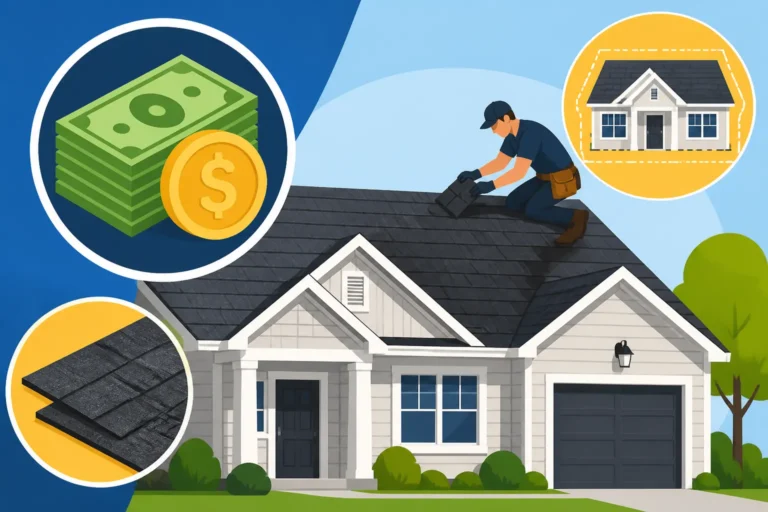
One of the biggest headaches when planning a roof replacement is trying to understand why costs can swing wildly from one house to the next. It’s not just about the size of your home; often, the unsung hero (or villain, depending on your wallet!) is your roof's pitch. Homeowners frequently feel blindsided by "steep roof premiums" without truly grasping what that even means. This comprehensive guide will break down exactly how your roof's slope impacts every facet of your asphalt roof replacement cost, helping you anticipate expenses and ask the right questions.
Understanding What Roof Pitch Really Means for Your Wallet
When a roofer talks about "roof pitch," they're referring to the steepness or slope of your roof. It's usually expressed as a ratio, like "6/12" or "8/12." This isn't just a technical detail; it's a fundamental factor that influences almost every line item in your roofing estimate, from how much labor is needed to the type of safety equipment required. Many homeowners are completely unaware of this, leading to budget surprises.
Defining Roof Pitch: Rise Over Run
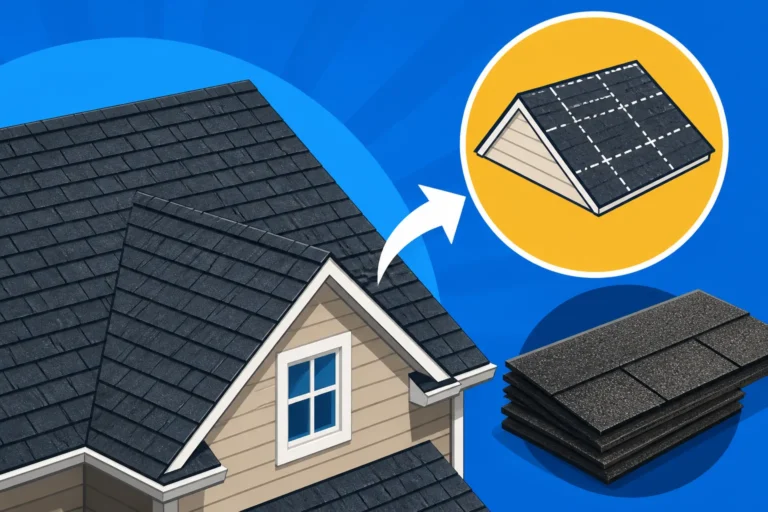
To truly wrap your head around roof pitch, let’s think about it simply: it’s the ratio of the vertical rise of your roof to its horizontal span, usually measured over a 12-inch run. So, if your roof rises 6 inches for every 12 inches it extends horizontally, you have a 6/12 pitch. This measurement is crucial because it dictates how easy or difficult it will be for roofers to work on your home. A low-slope roof, perhaps a 2/12 or 3/12, feels much safer and more walkable than a formidable 10/12 or 12/12 pitch, which can feel like climbing a wall. Knowing your roof pitch is one of the first steps in understanding your potential roof replacement cost by pitch.
Why Steeper Pitches Are More Expensive: Safety and Accessibility
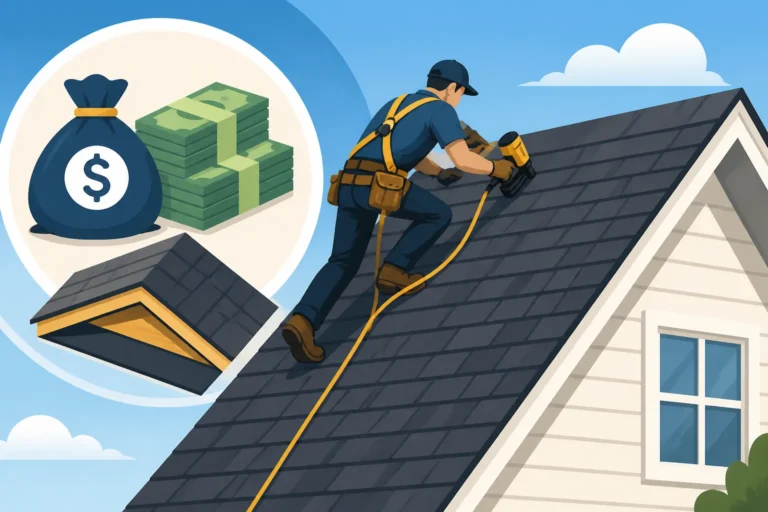
It might seem obvious, but it bears repeating: the steeper your roof, the more challenging and hazardous the work becomes. Imagine trying to walk across a flat floor versus scaling a steep hill – the latter requires more effort, more caution, and more specialized gear. Roofers working on steep pitches face increased risks of falls, and every single shingle, tool, and piece of debris has to be handled with extreme care to prevent it from sliding off. This isn't just about the contractor’s safety; it's about protecting your property, landscaping, and even your neighbors from falling materials. These inherent difficulties translate directly into higher labor costs, more specialized equipment needs, and often, longer project timelines. The added complexity often leads to a notable steep roof cost premium.
Measuring Your Roof's Pitch: A Homeowner's Guide
You don't need to be a professional roofer to get a general idea of your roof's pitch, although a professional will always take precise measurements. For a basic understanding, you can use a level and a tape measure.
- Safety First: Only attempt this if it's safe to do so. If your roof is high, extremely steep, or you're uncomfortable on ladders, please leave it to the pros. Your safety is paramount.
- Access the Roof Safely: Use a sturdy ladder and have someone spot you if possible.
- Place the Level: Once safely on the roof, place a 12-inch level horizontally against the underside of a shingle, parallel to the roof's edge.
- Measure the Gap: With the level held perfectly horizontal, measure the vertical distance from the 12-inch mark on the level down to the roof surface. This measurement, in inches, is the "rise."
- Calculate the Pitch: If your level is 12 inches long, the number of inches you measured vertically is your first number in the pitch ratio (e.g., if you measured 6 inches, it's a 6/12 pitch). If you're struggling to accurately measure, don't fret. Reputable roofing contractors will always include their measurements and findings in their detailed roofing estimates.
How Roof Pitch Significantly Impacts Labor Costs
The biggest driver of increased cost for steeper roofs almost always comes down to labor. It’s simply harder, riskier, and more time-consuming for the crew. Contractors need to factor in everything from specialized safety gear to the sheer physical toll on their workers when tackling a high-pitch project.
Increased Safety Measures and Time Requirements
Working on a low-slope roof (anything from 2/12 to 4/12) is generally straightforward. Workers can move around with relative ease, and basic fall protection might suffice. But as soon as you hit a 5/12 pitch and above, things change dramatically. Roofers need to deploy extensive safety equipment: full-body harnesses, safety ropes, anchor points, and elaborate staging setups to prevent falls. This isn't optional; it's a non-negotiable part of job site safety and local building codes. Setting up these safety systems takes significant time before any actual roofing work even begins, and dismantling them at the end also adds to the clock. This extra time, along with the equipment rental or purchase, directly inflates the labor portion of your bill. It’s a crucial aspect of understanding how much roofers charge per hour for complex jobs.
Physical Demands and Crew Size
Think about walking up a long staircase versus walking on flat ground. Now imagine doing that all day, carrying heavy bundles of shingles, pulling up tools, and constantly maintaining balance. Steeper roofs are physically exhausting. The continuous uphill work, the need for careful foot placement, and the sheer exertion mean that roofers tire out faster. This can lead to a few scenarios: either the job takes longer with the same crew, or the contractor needs to deploy a larger crew to maintain a reasonable pace, or both. More crew members and more hours translate directly to higher labor costs. Sometimes, the contractor might even need to bring in more experienced, higher-paid roofers who specialize in steep-slope work, further bumping up the price.
Specialized Skills for Steep Roofs
Not all roofers are equally comfortable or skilled on very steep pitches. Installing shingles correctly on a high-pitch roof requires a meticulous hand, excellent balance, and often, specific techniques to ensure proper alignment and watertight seals. For instance, some shingle manufacturers like GAF or Owens Corning might have specific nailing patterns or fastening requirements that become even more critical on a steep slope to maintain wind resistance and warranty validity. Contractors often have a core team for standard projects and a specialized crew or foreman for steeper roofs, reflecting the premium for expertise. If your roof has a particularly intricate design in addition to its steep pitch, such as many valleys, dormers, or hips, the specialized skill requirement becomes even more pronounced, impacting the overall asphalt roof replacement cost.
Impact of Pitch on Materials and Equipment
While labor is often the primary cost driver for steep roofs, the pitch can also influence material needs, waste, and the type of equipment necessary for the job. These might seem like smaller details, but they add up quickly.
Material Waste and Handling Challenges
Working on a steep roof means gravity is constantly working against you. Shingles are heavy and can be unwieldy, especially on an incline. It’s much easier for a shingle to slip and get damaged, or for a cut piece to slide down the roof and be lost or broken. This means contractors often have to order a slightly higher percentage of waste materials for steeper roofs compared to low-slope projects. For example, a standard waste factor might be 10-15%, but for a very steep roof, it could jump to 15-20% or even more. Beyond this, simply getting the materials onto the roof is a greater challenge. Instead of simply walking bundles up, roofers might need to haul them with ropes, use specialized lifts, or even employ a crane for direct material placement, all of which add to both the material cost (due to waste) and the labor cost (due to handling).
Specialized Equipment Needs: From Staging to Cranes
Imagine trying to paint a wall from a ladder versus an entire floor from the ground. Steep roofs demand more than just basic ladders and toolbelts. They often necessitate extensive scaffolding or roofing jacks to create temporary, flat work surfaces for the crew. These "staging" areas provide safer footing, a place to temporarily rest tools, and a spot to stack bundles of shingles without them sliding off. Setting up, moving, and dismantling this staging is time-consuming and labor-intensive. For extremely high or steep roofs, especially those over multiple stories, a contractor might need to rent a crane or a telehandler to safely and efficiently get materials onto the roof and remove debris. The cost of renting such heavy machinery, along with the trained operators, can significantly increase the overall project expense. This is a common part of the multi-story roof cost premium equation.
Underlayment and Fastening for Steep Slopes
While all asphalt roofs require underlayment, the application can be more challenging on steeper slopes. Synthetic underlayment, which offers better grip and durability than traditional felt, might be preferred or even required by some manufacturers for steeper pitches. Moreover, the number and type of fasteners (nails) can also be affected. Many shingle warranties, especially those offering enhanced wind resistance, specify a higher nailing pattern (e.g., 6 nails per shingle instead of 4) for high-wind areas or steeper pitches. This means more nails, more effort, and more time for installation. For a truly robust system, especially in regions prone to heavy rain or snow, ice and water shield might be extended further up the roof than standard requirements, adding to material costs.
Cost Breakdown by Common Roof Pitch Ranges
To give you a realistic idea, let's explore how different roof pitch ranges generally translate into pricing. Keep in mind these are averages, and your local market, choice of materials, and contractor will influence the final figure.
Low-Slope Roofs (2/12 to 4/12): Easier Access, Different Materials
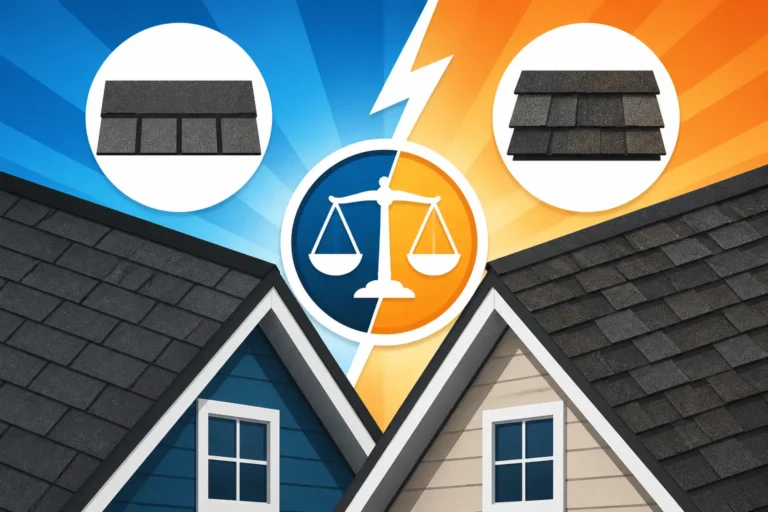
Roofs with pitches between 2/12 and 4/12 are often considered "low-slope." While they are easier for roofers to walk on and require fewer specialized safety measures, they come with their own unique set of considerations. Standard asphalt shingles, particularly 3-tab shingles, are typically not recommended for pitches below 4/12 due to insufficient drainage. Water can sit on the shingles, leading to accelerated wear, algae growth, and potential leaks.
For pitches below 4/12, contractors often recommend different roofing systems entirely, such as modified bitumen (roll roofing), EPDM (rubber roofing), or TPO (thermoplastic polyolefin) membranes. These materials are designed for minimal slope and offer superior waterproofing. While the labor might be less intensive than on a very steep shingle roof, these specialized materials can sometimes be more expensive per square foot than standard asphalt shingles. However, if your existing low-slope roof currently has asphalt shingles, a reputable contractor would likely recommend switching to a more appropriate low-slope roofing material to ensure longevity and prevent future problems. Expect the overall cost per square to be moderate, driven by material choice rather than complex labor.
Moderate Pitches (5/12 to 8/12): The Sweet Spot
This range, from 5/12 to 8/12, represents the most common residential roof pitches. This is often considered the "sweet spot" for asphalt shingle installation. For roofers, these pitches offer a good balance: they're steep enough to provide excellent water runoff and utilize gravity to their advantage, but not so steep that they become overly dangerous or require extreme measures.
Labor costs in this range are typically standard. Roofers can usually navigate these slopes with proper fall protection but without needing extensive scaffolding or specialized climbing gear for every section. Material waste is manageable, and installation speeds are generally efficient. This means you'll likely see the most competitive pricing for asphalt shingle replacement within this pitch range. Most architectural shingles, like those from CertainTeed Landmark or Owens Corning Duration, are ideal for these pitches, offering a great balance of aesthetics, durability, and cost-effectiveness. When comparing roofing estimates, this pitch range often aligns with the average roof replacement cost this year.
Steep Pitches (9/12 to 12/12): Significant Cost Increase
Once your roof hits the 9/12 pitch mark and goes up to 12/12 (a 45-degree angle, often called a "full pitch"), you're firmly in "steep roof" territory, and the costs will definitely reflect that. This is where the labor premium becomes very pronounced. Imagine standing on a ladder and trying to work on a roof that feels like a wall in front of you – every movement is deliberate, every tool must be secured, and every shingle must be carefully placed to prevent it from sliding down.
Roofers will spend considerable time setting up elaborate safety systems, including toe boards, roof jacks, and extensive harnesses. Material delivery will likely require more effort, potentially involving hoists or even cranes. The pace of work slows down significantly because of the inherent difficulty and safety precautions. You can expect labor costs for these pitches to be 20% to 50% higher than those for moderate pitches, depending on the specific pitch and the complexity of the roof design. This is a crucial factor if you're evaluating how much does an asphalt shingle roof cost for a home with a prominent, steep roofline.
Very Steep Pitches (12/12+): Specialist Work and Premium Pricing
Roofs with a pitch greater than 12/12 are considered "very steep" or "extreme." These are far less common in residential construction but do exist, often on A-frame homes, certain Victorian styles, or custom-built properties. At this level, roofing becomes highly specialized, almost like mountaineering. Few general roofing companies are equipped or experienced enough to tackle these projects safely and efficiently.
Contractors who take on these jobs will typically charge a significant premium, often 50% to 100% higher for labor compared to a moderate pitch. The project will take much longer, require extensive and robust scaffolding, and likely involve highly skilled, experienced crews. Material waste might be higher, and specialized techniques are often needed to ensure the shingles stay in place during installation and for the lifetime of the roof. If your home boasts such a dramatic roofline, be prepared for a substantial investment, and definitely seek out contractors with a proven track record on similar projects. Finding a reputable roofer for such a specific project is key.
Here's a quick summary of how pitch affects cost:
| Roof Pitch Range | Description | Workability for Roofers | Expected Cost Impact (Labor & Safety) | Material Handling/Waste | Typical Material Considerations |
|---|---|---|---|---|---|
| 2/12 – 4/12 | Low-Slope | Walkable, but prone to water retention | Minimal extra labor, but specialized materials | Standard | Modified Bitumen, EPDM, TPO (not std asphalt shingles) |
| 5/12 – 8/12 | Moderate | Easily walkable, good traction | Standard labor costs | Standard | Standard asphalt shingles (3-tab, architectural) |
| 9/12 – 12/12 | Steep | Difficult to walk, requires toe boards | 20-50% higher labor, extensive safety | Increased | Architectural, designer shingles often preferred |
| 12/12+ | Very Steep / Extreme | Hazardous, requires harnesses, ropes | 50-100%+ higher labor, significant staging | Significantly Increased | High-quality architectural or specialty shingles |
Factors Beyond Pitch That Influence Your Roof Replacement Cost
While roof pitch is a huge factor, it's never the only one. Many other elements can drive your roof replacement cost up or down. A good contractor will detail all of these in your estimate, but it's smart to be aware of them yourself.
Roof Complexity: Valleys, Dormers, and Skylights
Even if you have a moderately pitched roof, complexity can quickly elevate the price. A simple, unobstructed gable roof (like a basic ranch home) is far less expensive to re-roof than a sprawling home with multiple hips, valleys, dormers, chimneys, and skylights. Each of these features introduces cutting, flashing, and sealing work that takes more time and skill.
- Valleys: These are the internal angles where two roof slopes meet. They require careful waterproofing with special flashing or woven shingle techniques, which are labor-intensive. The cost of a roof with multiple valleys will be higher due to the increased materials and meticulous installation required to prevent leaks.
- Dormers and Chimneys: Any protrusion through the roof requires intricate flashing to ensure a watertight seal. This is detailed work that adds time and materials.
- Skylights: Similar to chimneys, skylights need precise flashing and care during shingle installation around their perimeters.
- Multiple Layers: If your existing roof has multiple layers of shingles, a full tear-off will be necessary, which adds significantly to labor and disposal costs. The cost of roof tear-off and disposal can vary widely.
All these elements add to the overall labor hours and potentially specialized materials, which will be reflected in your final price.
Number of Stories on Your Home
It might seem indirect, but the number of stories your home has plays a significant role in your roof replacement cost. It's not just about the height of the roof itself, but how easily materials and debris can be moved. A single-story ranch home is inherently easier and safer to work on than a two- or three-story house, even if they have the same roof pitch.
Think about it:
- Material Delivery: Getting heavy bundles of shingles up to a third-story roof takes more time, more equipment (like ladder hoists), and more manpower than lifting them onto a single-story roof.
- Debris Removal: Similarly, safely bringing down old shingles and waste from a multi-story home is a slower, more careful process. Debris chutes might be necessary, and protecting your landscaping from falling debris becomes an even bigger concern.
- Safety: While safety is paramount on any roof, the stakes are higher on multi-story homes. Fall protection systems need to be more robust, and the consequences of a fall are much more severe. This further explains the multi-story roof cost premium.
Property Accessibility and Landscaping
Sometimes, the biggest challenge has nothing to do with the roof itself, but with the surrounding property. If your home is situated on a small lot with dense landscaping, fencing close to the house, or difficult access for large trucks and dumpsters, it can impact the project cost.
- Tight Spaces: If the contractor can't easily position a dumpster or material delivery truck near the house, materials might need to be hand-carried further, and debris might need to be removed in smaller batches, increasing labor time.
- Sensitive Landscaping: Mature trees, delicate flower beds, or an expensive patio beneath the eaves require extra care and protection. Contractors will spend more time covering these areas with tarps and ensuring no damage occurs, adding to their time and material cost for protective measures. They might even need to bring in specialized equipment like cranes if a traditional ladder or hoist won't work due to obstructions.
- Steep Driveways/Hills: Access for heavy equipment and material trucks can be challenging if your home is located on a steep hill or has a particularly winding, narrow driveway. This can make logistics more difficult and add to the overall project duration.
Getting an Accurate Estimate for Pitched Roofs
Navigating the world of roofing quotes can feel overwhelming, especially when trying to decipher how roof pitch is factored in. But with the right approach and a clear understanding of what to look for, you can ensure you get an accurate and fair estimate. This is where finding a trusted partner, like a contractor from the Modernize network, can really make a difference. They often understand the nuances of various roof types and pitches.
The Importance of On-Site Inspections
In today's digital age, it's tempting for contractors to offer "satellite estimates" based on aerial measurements. While these can provide a preliminary ballpark figure, they simply cannot replace a thorough, in-person inspection, especially for roofs with significant pitch. A satellite image can tell you the square footage and a rough pitch, but it won't reveal:
- The true condition of your existing roof: Are there multiple layers? Is there underlying damage to the roof decking that needs repair?
- Precise flashing requirements: Are all the valleys, chimneys, and skylights in good shape, or will new flashing be needed? The cost of new flashing and drip edge can add up.
- Property-specific challenges: Is there a tricky access point? Delicate landscaping? Overhead power lines? These details drastically affect labor and equipment needs.
- Attic ventilation issues: A contractor can assess your attic for proper ventilation, which is crucial for shingle longevity, especially on steep roofs where heat can build up.
A good contractor will always want to get on your roof and into your attic for a detailed assessment before providing a solid quote. This is the only way to truly understand the scope of work and account for all variables related to your specific roof replacement cost by pitch.
Comparing Quotes and Understanding Line Items
Once you have a few estimates in hand, the real work begins: comparing them. Don't just look at the bottom line. A lower price isn't always the best deal, and a higher price doesn't automatically mean quality. You need to understand how to read and compare roofing estimates thoroughly.
Look for estimates that:
- Clearly itemize costs: This should include materials (shingles, underlayment, flashing, vents, etc.), labor, permit fees, debris removal, and any unforeseen contingencies.
- Specify materials: What brand and type of shingles are they proposing (e.g., GAF Timberline HDZ, Owens Corning Duration)? What kind of underlayment (synthetic vs. felt)?
- Detail the scope of work: Does it include a full tear-off? Repair of decking? What kind of warranty is offered (manufacturer and workmanship)?
- Address your specific pitch: Does the estimate explicitly mention a "steep roof premium" or detail the extra safety and labor costs associated with your roof's pitch? If not, ask for clarification.
If one quote is significantly lower than the others, be wary. It might indicate corners being cut, hidden costs, or a lack of understanding of the complexities of your roof's pitch. Conversely, a higher quote might be justified by superior materials, more comprehensive warranties, or a contractor with specialized experience in steep roofs.
Working with Experienced and Certified Contractors
When dealing with a roof replacement, especially one involving a steep pitch, the expertise of your contractor is paramount. You want a team that not only knows how to install shingles but also understands the intricacies of working safely and efficiently on challenging slopes.
- Manufacturer Certifications: Look for contractors who are certified by major shingle manufacturers like GAF (e.g., Master Elite), Owens Corning (Platinum Preferred), or CertainTeed (SELECT ShingleMaster). These certifications mean the contractor has met rigorous standards for quality, training, and customer service, and often allows them to offer enhanced manufacturer warranties. This also ensures they follow specific installation guidelines, which are crucial on steep roofs.
- Proof of Insurance and Licensing: Always verify that your contractor is fully licensed and insured (liability and workers' compensation). This protects you from financial responsibility if there's an accident on your property or if the work is shoddy.
- References and Reviews: Check online reviews (Google, BBB, platforms like Modernize) and ask for references from previous steep-roof projects. A reputable contractor will be happy to provide them.
- Clear Communication: Choose a contractor who communicates clearly, answers all your questions patiently, and makes you feel confident in their ability to handle your specific roof challenges.
By taking these steps, you'll be much better equipped to select a contractor who can deliver a high-quality, safe, and efficient roof replacement, regardless of your roof's pitch. Understanding the full process of how a roof replacement works will also help you immensely.
Disclaimer
Please remember that this article provides general information and estimates. Actual costs for roof replacement can vary significantly based on your specific location, local labor rates, chosen materials, the complexity of your roof, and current market conditions. Always obtain multiple detailed quotes from qualified, licensed, and insured roofing contractors before making any decisions.