How Cool-Roof Shingles Are Made
Have you ever walked into your home on a scorching summer day and felt like your attic was a sauna? It’s a common frustration, especially if you live in a sunny climate, and often the culprit is your roof absorbing and radiating heat directly into your living space. This guide is all about shedding light on how "cool-roof" shingles are made, explaining the innovative technology behind them that helps keep your home cooler and potentially lowers those dreaded energy bills.
Understanding the Challenge of Roof Heat
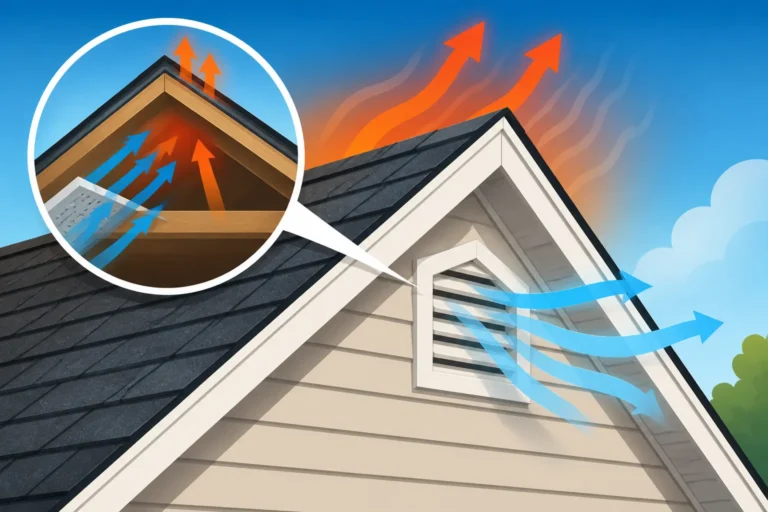
For decades, traditional asphalt shingles, especially darker ones, have been amazing at protecting our homes from the elements. But they come with a significant drawback: heat absorption. When the sun beats down, a standard dark roof can reach temperatures upwards of 150-180 degrees Fahrenheit, turning your attic into an oven. This intense heat doesn't just stay in the attic; it radiates into the rooms below, forcing your air conditioning system to work overtime, often inefficiently, just to maintain a comfortable temperature.
The Oven Effect: How Traditional Roofs Trap Heat
Think about wearing a black shirt on a sunny day versus a white one. The black shirt absorbs more sunlight and feels much hotter, right? The same principle applies to your roof. Traditional asphalt shingles, by their very nature, are designed to absorb solar radiation. While this can be a benefit in colder climates, helping to melt snow and ice, it's a major energy drain in warmer regions. The asphalt and darker pigments in the granules readily soak up visible and near-infrared light, which converts directly into heat.
This absorbed heat then conducts through your roof deck and into your attic. If your attic isn't properly insulated or ventilated, that heat has nowhere to go but down into your living space. This creates a relentless cycle, making your home feel perpetually warm and uncomfortable. We often talk about How Roof Colors Affect Temperature and the significant difference lighter shades can make, but cool-roof technology takes this a step further, allowing even darker colors to perform like lighter ones.
The Energy Bill Burden in Hot Climates
The consequences of this "oven effect" are most keenly felt in your wallet. In places like Phoenix, Arizona, or Orlando, Florida, where summers are long and intense, a significant portion of your monthly utility bill can be attributed to cooling costs. Your HVAC system runs almost non-stop, consuming vast amounts of electricity trying to battle the heat seeping in from above. This isn't just an inconvenience; it's a real financial burden that many homeowners face year after year.
Beyond the individual household, there's a broader environmental impact known as the "urban heat island effect." Cities, with their dense concentration of dark roofs and asphalt surfaces, tend to be significantly hotter than surrounding rural areas. This increased ambient temperature further exacerbates cooling demands, leading to more energy consumption, higher greenhouse gas emissions, and even affecting local weather patterns. It's a complex problem that innovative solutions, like cool-roof shingles, are designed to address. When you're thinking about ways to save, learning How to Get a Lower Roofing Quote for a cool roof can offer long-term financial benefits.
The Science Behind Cool-Roof Technology
So, if traditional shingles are heat sponges, how do cool-roof shingles manage to defy this common problem? It all comes down to some pretty clever science and advanced material engineering. These aren't just "white" shingles, although light colors certainly help. Modern cool roofs, often including products from leading manufacturers, leverage specialized properties to reflect solar energy and release absorbed heat more efficiently.
Reflectivity vs. Emissivity: The Key Principles
At the core of cool-roof technology are two main principles: solar reflectance and thermal emissivity.
- Solar Reflectance (SR): This measures how much solar energy (including visible light, ultraviolet, and near-infrared) is immediately reflected away from the roof surface. A high SR means less heat is absorbed. Think of a mirror reflecting sunlight – that's high reflectance. Traditional dark shingles might have an SR of 0.05-0.10 (reflecting only 5-10% of solar energy), while cool-roof shingles can achieve SR values of 0.25 to over 0.70, reflecting a significant portion of the sun's energy.
- Thermal Emissivity (TE): This measures how effectively a surface can radiate, or "emit," heat that it has absorbed. Even the best cool roofs absorb some heat. A high TE means that any heat absorbed is quickly released back into the atmosphere rather than being transferred into the building below. Imagine a hot object cooling down quickly – that's high emissivity. Cool-roof shingles often have TE values above 0.70, meaning they're excellent at shedding heat.
The combination of high solar reflectance and high thermal emissivity is what makes a cool roof truly effective. This blend of characteristics ensures that not only does less heat get absorbed in the first place, but whatever heat does make its way in is quickly dissipated. If you're looking for more details, we have a whole guide on How Cool-Roof Shingles Reflect Heat.
Specialized Granules: The Heart of the Innovation
The secret ingredient in most cool-roof asphalt shingles lies within their granules. These aren't your typical, run-of-the-mill shingle granules; they are highly engineered. Traditional granules are made from crushed rock coated with ceramic pigments that primarily provide color. Cool-roof granules, however, use advanced, highly reflective pigments. These pigments are designed to reflect the non-visible portions of the solar spectrum, particularly the infrared light, which is responsible for much of the heat gain.
What's really exciting is that these specialized granules allow manufacturers to create cool-roof shingles in a wider array of colors, even darker shades. Gone are the days when "cool roof" automatically meant a stark white or very light gray roof. Thanks to these pigments, you can have a deep gray or even a dark brown shingle that still meets cool-roof standards and performs significantly better than a traditional shingle of the same color. Brands like GAF, Owens Corning, and CertainTeed have invested heavily in developing these granule technologies, pushing the boundaries of what's possible in asphalt roofing. For those interested in the foundational components of their roof, understanding Roof Anatomy: Parts of an Asphalt Shingle Roof helps illustrate where these innovations fit in.
Step-by-Step: How Cool-Roof Shingles Are Manufactured
Understanding the science is one thing, but seeing how these innovative materials come together in a manufacturing plant is truly fascinating. The process of making cool-roof shingles builds upon the traditional asphalt shingle manufacturing process but incorporates critical steps to ensure their superior thermal performance.
Core Materials and Advanced Coatings
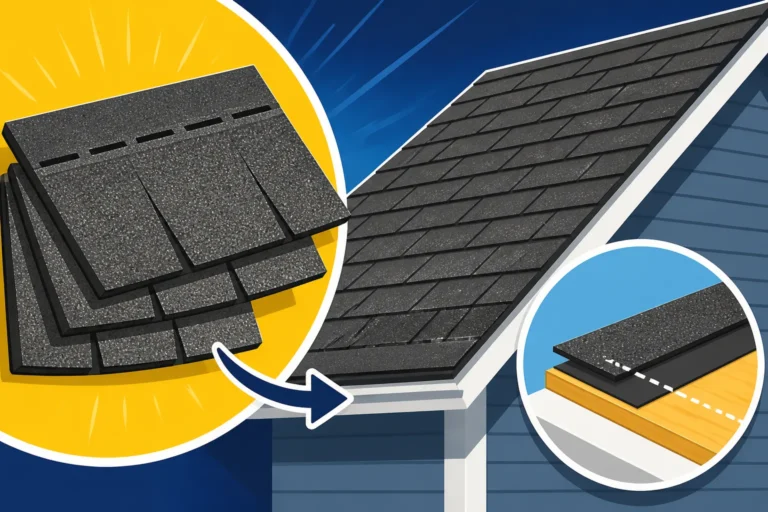
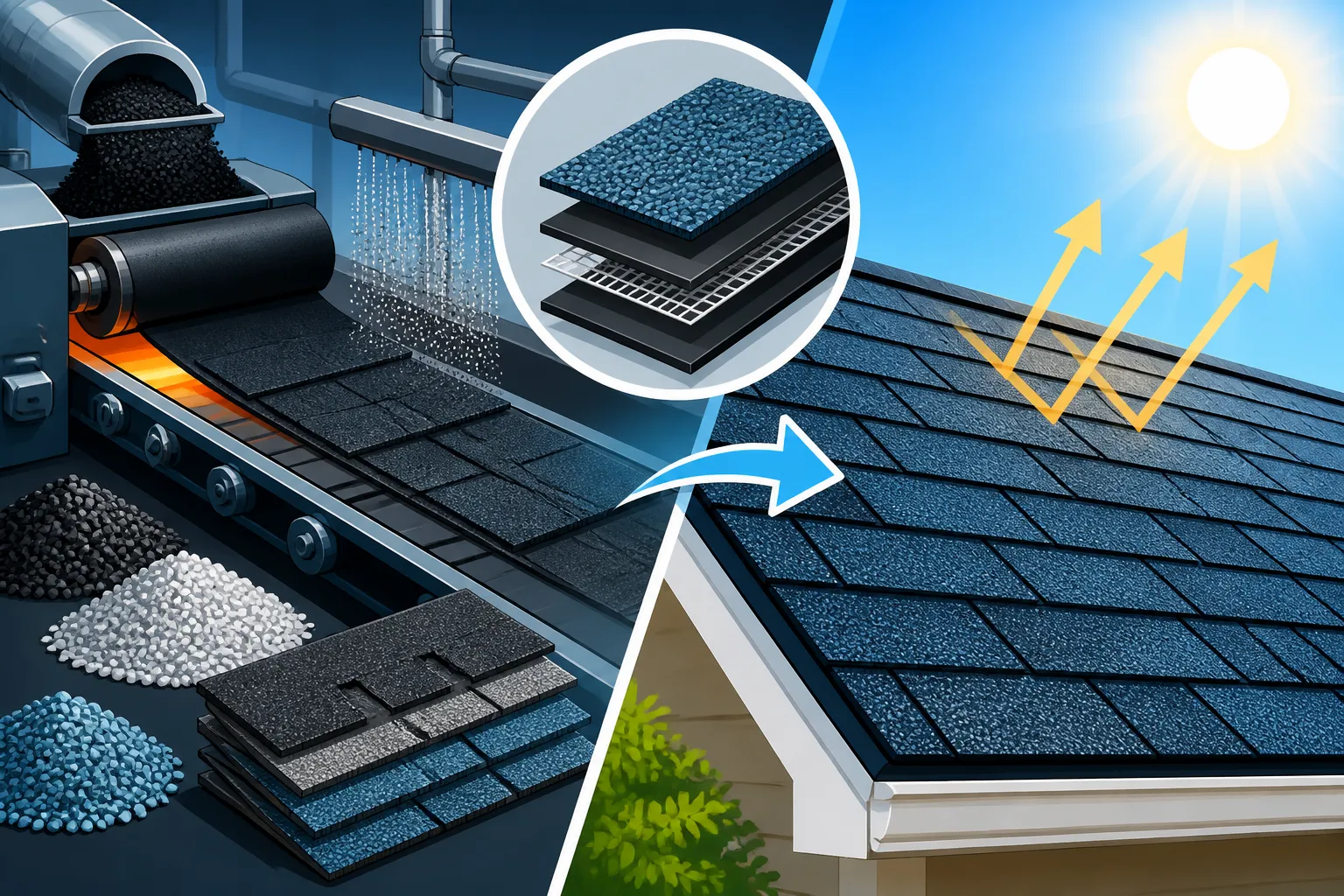
The journey of a cool-roof shingle begins much like any other asphalt shingle: with a fiberglass mat. This mat forms the core, providing strength and stability to the shingle. This fiberglass mat is then run through a saturator, where it's infused and coated with asphalt. The asphalt serves multiple purposes: it waterproofs the shingle, acts as an adhesive for the granules, and adds flexibility. For cool-roof shingles, the quality and formulation of this asphalt base are often optimized for durability and sometimes even enhanced with polymers to improve flexibility and weather resistance.
Next comes the crucial element: the advanced coating. This is where the magic of reflectivity truly comes alive. The asphalt layer is generously coated with the specialized, highly reflective mineral granules we discussed earlier. These granules are precisely formulated with inorganic pigments that are designed to reflect solar radiation, particularly the infrared wavelengths that contribute most to heat buildup. This isn't just a surface-level coating; the granules are embedded firmly into the asphalt, ensuring they stay put for the lifespan of the shingle. The selection of these granules is meticulous, often involving proprietary blends developed by major manufacturers.
Precision Granule Application and Adhesion
The application of these granules is a critical stage. The asphalt-coated mat moves along a conveyor system, and various colors of reflective granules are precisely dropped onto the wet asphalt surface. For architectural or dimensional shingles, this layering creates the varied texture and depth that mimics natural wood shakes or slate. The amount and distribution of the granules are carefully controlled to ensure uniform coverage and consistent performance across the entire shingle.
Following the granule application, a heavy roller presses the granules firmly into the hot asphalt. This process ensures excellent adhesion, preventing premature granule loss which can diminish the shingle's protective qualities and reflective properties. A portion of the top surface is often left bare for the self-sealing strip, which activates once the shingles are installed on a roof and exposed to solar heat, bonding the layers together. This precise application and strong adhesion are vital for the long-term effectiveness of the cool-roof technology, ensuring that the reflective properties remain intact throughout the shingle's life. Considering How Asphalt Shingles Are Installed: Step by Step reveals how the self-sealing strips work in conjunction with the manufacturing process.
Quality Control and Performance Testing
Once the granules are set, the continuous sheet of roofing material is cut into individual shingles. But before they leave the factory, these cool-roof shingles undergo rigorous quality control and performance testing. Manufacturers are keen to ensure that their products meet specified solar reflectance and thermal emissivity values. This often involves specialized equipment that measures these optical properties under controlled conditions.
Beyond thermal performance, the shingles are tested for durability, wind resistance, fire rating, and their ability to withstand the elements, just like any other high-quality asphalt shingle. They are exposed to simulated rain, wind, and temperature extremes. This extensive testing ensures that not only do they perform as "cool roofs" but also provide the robust, long-lasting protection homeowners expect from their roofing investment. It’s this meticulous process that guarantees the enhanced performance and durability of products like those from GAF, Owens Corning, and CertainTeed, allowing them to offer comprehensive Roofing Warranties: Manufacturer vs Workmanship.
| Feature | Standard Asphalt Shingle | Cool-Roof Asphalt Shingle |
|---|---|---|
| Primary Goal | Weather Protection, Aesthetics | Heat Reflection, Weather Protection |
| Solar Reflectance (SR) | Low (0.05 – 0.20) | High (0.25 – 0.70+) |
| Thermal Emissivity (TE) | Moderate (0.75 – 0.85) | High (0.85 – 0.95) |
| Granule Type | Standard ceramic pigments | Highly reflective, specially formulated pigments |
| Color Range | Full spectrum, darker absorbs more | Wide spectrum, including darker "cool" shades |
| Surface Temperature | Very High (150-180°F+) | Significantly Lower (100-120°F+) |
| Impact on Energy Bills | Can increase cooling costs | Can reduce cooling costs by 7-15% |
| Urban Heat Island Effect | Contributes to | Mitigates |
Benefits Beyond Lower Energy Bills
While lower energy bills are a major draw, the advantages of installing cool-roof shingles extend far beyond simply cutting down your monthly utility expenses. These innovative roofing solutions contribute to a more comfortable home, a healthier environment, and can even offer financial incentives that make the initial investment even more attractive. Many homeowners find that the long-term gains make the Cool-Roof Shingle Cost well worth it.
Extending Roof Lifespan and Reducing Heat Island Effect
One significant, often overlooked, benefit of cool-roof shingles is their potential to extend the overall lifespan of your roof. Constant exposure to extreme heat causes asphalt shingles to expand and contract repeatedly. This thermal cycling is a major factor in premature aging, leading to cracking, curling, and granular loss. By keeping the roof surface cooler, cool-roof shingles reduce this thermal stress, which can translate to a longer-lasting roof. This means you might get more years out of your investment before needing a full How Long Asphalt Shingles Last assessment or replacement.
Furthermore, cool roofs play a crucial role in combating the urban heat island effect, especially in densely populated cities. By reflecting more sunlight and emitting less heat, these roofs contribute to lowering ambient air temperatures in urban areas. This isn't just about comfort; lower city temperatures can reduce smog formation, improve air quality, and even lessen heat-related illnesses during peak summer months. It's a localized environmental benefit that has a ripple effect throughout the community.
Rebates, Incentives, and Environmental Impact
The push for energy efficiency and sustainable building practices has led to a variety of incentives for homeowners who choose cool-roof options. Depending on where you live, you might be eligible for local utility rebates, state tax credits, or even federal programs designed to encourage energy-efficient home improvements. For instance, in California, which has stringent Title 24 building codes, cool roofs are often a requirement or a highly incentivized upgrade. Even organizations like ENERGY STAR and the Cool Roof Rating Council (CRRC) provide ratings and resources that can help you identify eligible products and access these benefits. When you're working with a reputable company, they often partner with services like Modernize to help homeowners explore these options.
From an environmental standpoint, reducing energy consumption directly translates to a smaller carbon footprint. Less demand on power grids means fewer fossil fuels burned, resulting in lower greenhouse gas emissions. It's a tangible way for homeowners to contribute to environmental sustainability, making their homes not just more comfortable and cost-effective, but also more eco-friendly. When you're considering a new roof, working with a knowledgeable contractor through a platform like Modernize can help ensure you select shingles that not only perform well but also qualify for any available incentives, maximizing your return on investment.
Disclaimer
Please remember that the information provided in this article is for general guidance and informational purposes only. While we strive to offer accurate and up-to-date content, roofing projects can vary significantly based on location, local building codes, specific product choices, and contractor expertise. Always consult with certified roofing professionals and local authorities for advice tailored to your specific situation before making any decisions related to your roof.