What Is Fascia and Why It Matters
It can be incredibly frustrating to discover a problem with your roof, especially when it's a part you didn't even know existed! Many homeowners overlook components like fascia, only realizing their importance when they start to rot, peel, or show signs of wear. This guide aims to demystify fascia, explaining exactly what it is, why it's such a critical part of your roofing system, and how to keep it in top shape to protect your home.
Understanding What Fascia Really Is
Fascia is one of those unsung heroes of your home's exterior, often blending into the background until it cries for attention. It’s a crucial element that ties your entire roofing system together, both functionally and aesthetically. Without it, your home would be much more vulnerable to the elements, and frankly, it wouldn't look nearly as finished.
Defining Fascia in Your Home's Architecture
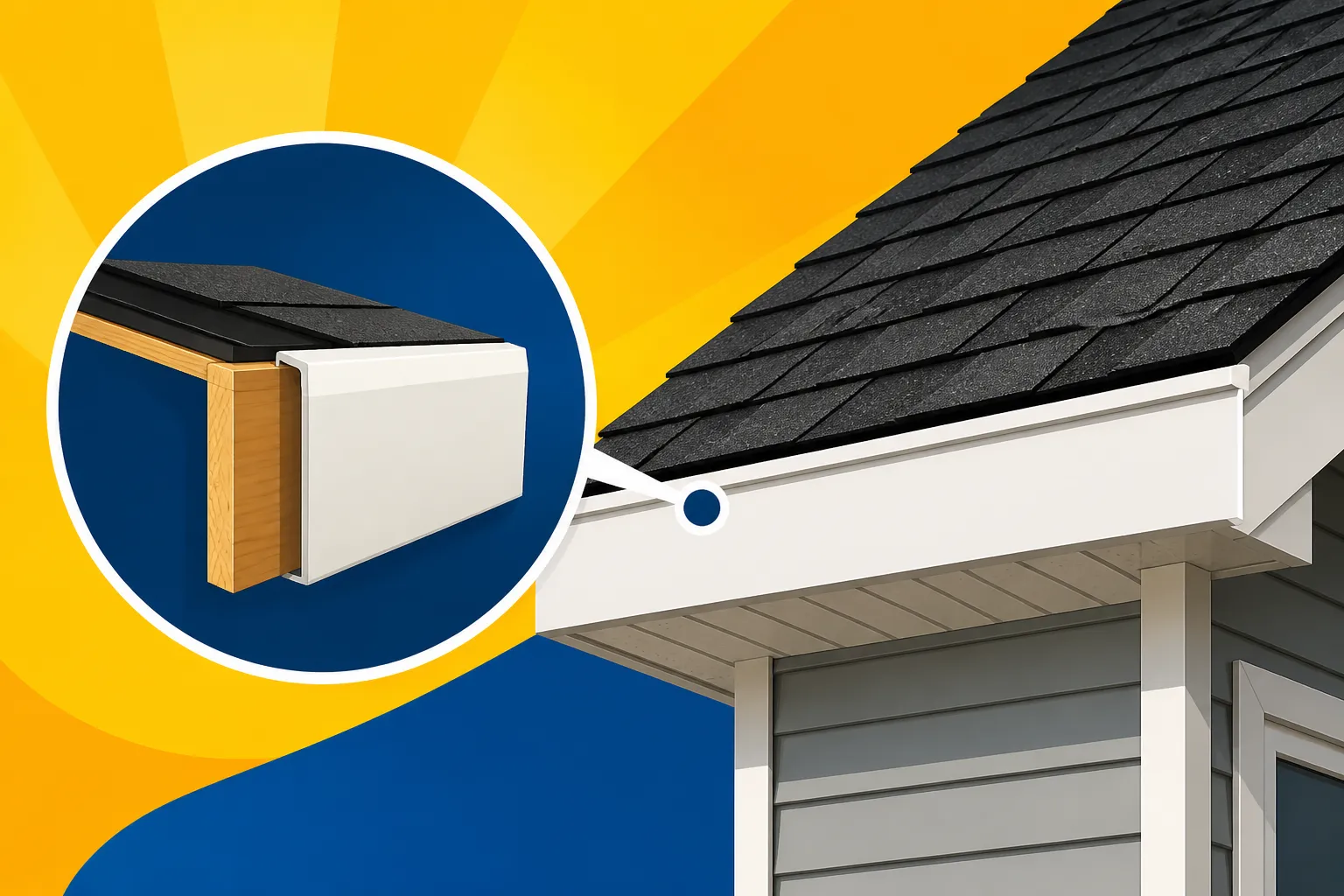
Simply put, fascia is the long, straight board that runs along the lower edge of your roof. It's mounted directly to the bottom ends of your roof trusses or rafters, right where the roof overhangs the wall. Think of it as the trim piece that caps off the edge of your roofline, forming a smooth barrier between the roof and the outside world. It's the point to which your gutters are typically attached, making it a critical support system for diverting rainwater away from your home.
You see fascia every day, even if you don't consciously recognize it. When you look up at your house from the street, that clean, vertical board beneath the roof shingles and above the soffit (if you have one) is the fascia. It can be made from various materials, but its primary function remains the same: to create a finished look and provide a robust barrier. It’s often painted to match or complement your home's trim, contributing significantly to your home's curb appeal.
Its Indispensable Role in the Roofing System
Fascia isn't just for looks; it plays several vital roles in the overall health and longevity of your roof. Firstly, it provides a finished surface where the roof meets the exterior walls, sealing off the attic and the ends of the rafters from moisture, pests, and the general wear and tear of weather. Without this protective barrier, rainwater would run directly down the rafter tails, leading to rot in the structural components of your roof and potentially inviting critters like birds, squirrels, or insects into your attic space.
Secondly, the fascia board is the primary attachment point for your gutters. A sturdy, well-maintained fascia is essential for your gutters to remain securely fastened and function correctly. Imagine the weight of a gutter full of water, or worse, ice and snow during a harsh winter. If the fascia is rotted or compromised, it can't hold that weight, leading to sagging gutters, improper drainage, and further water damage to your home's foundation and siding. The fascia works in tandem with other roofing components like the drip edge, which directs water from the roof shingles into the gutters, ensuring a complete and effective water diversion system. Understanding the entire system, from Roof Anatomy: Parts of an Asphalt Shingle Roof to how each component works, is key to appreciating the fascia's role.
Why Fascia Matters So Much for Your Home
When you're thinking about roofing, your mind probably jumps straight to shingles or maybe even the underlayment. But ignoring the fascia is like overlooking the foundation of a house – it's there for a reason, and its integrity is non-negotiable for the long-term health of your home. A strong fascia board provides protection, structural support, and even a significant boost to your home’s aesthetic appeal.
Protecting Your Home from the Elements and Pests
One of the most critical functions of fascia is to act as a shield against water, wind, and pests. The ends of your roof rafters are exposed to the elements, and without fascia covering them, they would quickly deteriorate. This is especially true for moisture. When rain or melting snow cascades off your roof, the fascia helps direct it into the gutters, preventing it from soaking into the eaves and causing rot. If water seeps behind damaged fascia, it can lead to extensive damage to the roof decking and even the framing of your house, creating costly repairs down the line.
Beyond water, fascia also acts as a barrier against persistent pests. Birds, bats, squirrels, and various insects are always looking for warm, dry places to nest, and an exposed rafter end or a gap in your fascia makes for an inviting entry point into your attic. Once these creatures get in, they can cause insulation damage, chew through wiring, and leave behind unsanitary messes. Think of the fascia as the bouncer at the club, keeping unwanted guests out and your home protected. This protective aspect is a crucial part of what makes a roofing system durable and helps extend the life of your entire How Long an Asphalt Roof Lasts.
Supporting Gutters and Overall Roof Integrity
The symbiotic relationship between your fascia and your gutters cannot be overstated. The fascia board is literally the backbone for your entire gutter system. Gutters, particularly when filled with water, leaves, or heavy snow, can exert significant stress. If your fascia is soft, rotted, or improperly installed, it simply won't be able to bear that weight. This can lead to gutters pulling away from the house, bending, or even collapsing entirely.
When gutters fail, water isn't properly diverted away from your home. Instead, it can spill over the sides, drenching your siding, pooling around your foundation, and potentially infiltrating your basement or crawl space. This can cause everything from mildew and mold growth to serious structural damage to your home's foundation. A compromised fascia, therefore, doesn't just put your gutters at risk; it threatens the very stability of your home. During a full How a Roof Replacement Works: The Full Process, a good contractor will always inspect and replace damaged fascia to ensure the new gutters have a solid anchor.
Enhancing Curb Appeal and Home Value
Let's not forget the aesthetic contribution of fascia. While often a functional component, it also plays a significant role in the visual appeal of your home. It provides a clean, finished line where the roof meets the walls, giving your house a polished and well-maintained appearance. Peeling paint, rot, or visible gaps in your fascia can make an otherwise beautiful home look neglected and uncared for.
A well-maintained fascia, often painted to complement your home's exterior color scheme, contributes to a sharp, crisp roofline. This instantly boosts your home's curb appeal, which is particularly important if you're considering selling. Potential buyers often make snap judgments based on first impressions, and a pristine roofline speaks volumes about how well the home has been cared for. Think of it as the frame around a beautiful painting – it enhances the overall picture. When considering improvements, knowing the Roof Replacement ROI Explained, including the impact of exterior elements like fascia, can help you make informed decisions.
Common Fascia Problems and How to Spot Them
Even though fascia is designed to be tough, it's constantly exposed to the elements, making it vulnerable to various forms of damage. Recognizing these issues early can save you a lot of headache and money down the road. Ignoring them, on the other hand, can quickly lead to much bigger, more expensive problems that go beyond just a simple fascia repair.
Key Signs of Damage to Look For
The most common signs of fascia damage are often visual, making them relatively easy to spot if you know what you’re looking for. One of the first indicators is peeling or blistering paint. This isn't just an aesthetic issue; it's often a sign that moisture is trapped beneath the paint, or that the fascia board itself is becoming saturated. If you see areas where the paint is flaking off, exposing raw wood, or bubbling up, it's time for a closer inspection.
Another tell-tale sign is soft or rotten wood. You can often check for this by gently pressing on the fascia board with a screwdriver or even your finger (if it's safely accessible from the ground or a ladder). If the wood feels spongy, crumbles easily, or has dark, discolored patches, it's likely suffering from rot. This often happens near leaky gutters or where water repeatedly splashes onto the board. Beyond rot, keep an eye out for cracks, gaps, or holes. These can be entry points for water and pests, compromising the integrity of both the fascia and your attic space. Sometimes, you might even see evidence of pest activity directly, like chewed wood or nesting materials poking out. These can be clear Signs You Need a New Roof, or at least a significant repair.
Causes of Fascia Deterioration
Fascia deterioration is primarily caused by constant exposure to environmental factors, coupled with potential issues in other parts of your roofing system. The biggest culprit, by far, is water. Overhanging branches that drip onto the fascia, clogged gutters that overflow, or even improper Drip Edge: What It Does, can all contribute to constant moisture exposure. Wood fascia, in particular, will absorb this water, leading to swelling, warping, and eventually, rot. In humid climates, moisture damage can accelerate, especially if the fascia isn't regularly painted and sealed.
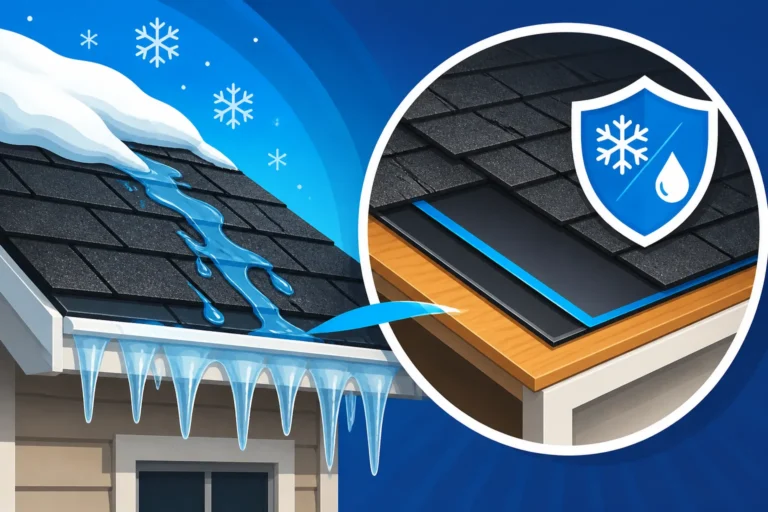
Sunlight and extreme weather also play a role. UV rays can break down paint and sealants, leaving the underlying material exposed. Freeze-thaw cycles can cause small cracks to expand, allowing more water intrusion. Pest infestations can also directly damage fascia boards, with rodents and insects chewing their way through to create nests or access your home. Finally, poor installation or using unsuitable materials can predispose fascia to early failure. For instance, using untreated wood in a high-moisture area without adequate protection will inevitably lead to problems.
Addressing Fascia Issues During a Roof Replacement
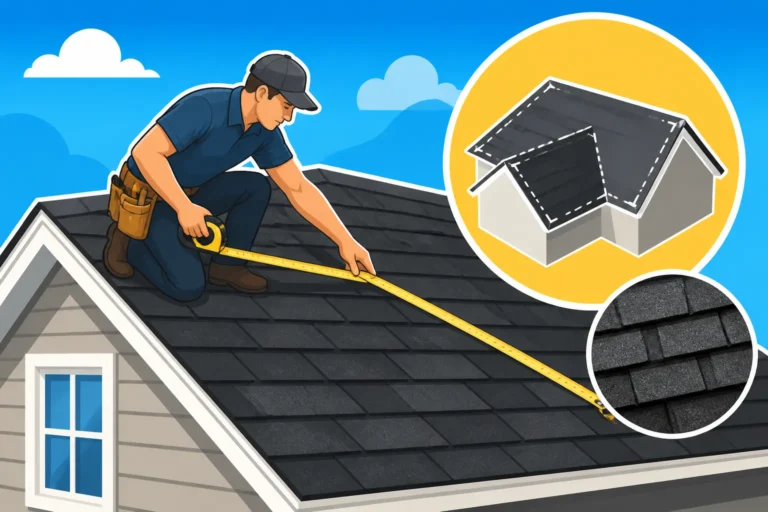
If you're already facing a full roof replacement, it's the absolute best time to address any fascia issues. A reputable roofing contractor, like those you might find through resources such as Modernize, will typically include a thorough inspection of your fascia, soffits, and other trim components as part of their assessment. If they find signs of rot, damage, or deterioration, they will almost always recommend replacing the affected sections, or even the entire fascia, along with the new roof.
Attempting to put new shingles on a roof with compromised fascia is a bit like building a house on a shaky foundation – it just doesn't make sense. Not only would it jeopardize the integrity of your new roof and gutter system, but it would also leave your home vulnerable to water intrusion and pests, negating much of the benefit of a new roof. Replacing fascia during a roof project is usually more cost-effective than doing it as a separate job later, as the crew and equipment are already on-site. This ensures that every element of your roofing system is in top condition to protect your home for decades to come.
Choosing the Right Fascia Material and Installation
Once you've identified that your fascia needs attention, the next step is to decide on the best materials and ensure a proper installation. This isn't a one-size-fits-all decision, as different materials offer distinct advantages and disadvantages in terms of cost, durability, and aesthetics. Making an informed choice now can save you from future headaches and ensure your home is well-protected.
Popular Fascia Materials and Their Pros and Cons
The market offers a variety of materials for fascia boards, each with its own set of characteristics. Understanding these will help you choose what's best for your home and budget.
- Wood:
- Pros: Traditional aesthetic, easily paintable, widely available, relatively inexpensive upfront. Common types include pine, cedar, or redwood.
- Cons: Requires regular painting and maintenance, highly susceptible to rot, warping, and pest damage, especially in humid climates. Its natural properties mean it will degrade over time without diligent care.
- Vinyl:
- Pros: Low maintenance, never needs painting, resistant to rot and pests, durable, and comes in various colors.
- Cons: Can crack or become brittle in extreme cold or heat, colors can fade over time, less rigid than wood, and can be more expensive than basic wood.
- Aluminum:
- Pros: Extremely durable, completely impervious to rot and insects, low maintenance, lightweight, and can be custom-bent to fit. Excellent at protecting the underlying wood fascia.
- Cons: Higher upfront cost, can dent upon impact, and while available in colors, custom painting isn't usually an option once installed.
- Fiber Cement:
- Pros: Very durable, resistant to rot, pests, and fire, holds paint well, and offers a substantial look similar to wood.
- Cons: Heavy, labor-intensive to install (often requiring specialized tools), and typically has a higher material and installation cost.
When making your choice, consider your local climate, your budget, and how much maintenance you're willing to commit to. For many homeowners, balancing cost with longevity and minimal upkeep is a top priority.
| Fascia Material | Upfront Cost (per linear foot) | Durability | Maintenance Requirements | Aesthetic Appeal | Common Issues |
|---|---|---|---|---|---|
| Wood | $1 – $3 | Moderate | High (paint every 3-5 years) | Classic, natural, easily customizable | Rot, warp, pest damage, peeling paint |
| Vinyl | $2 – $6 | Good | Low (occasional cleaning) | Clean, modern, uniform | Brittle in cold, can fade, less rigid |
| Aluminum | $5 – $10 | Excellent | Very Low (occasional cleaning) | Sleek, smooth, modern | Dents, higher initial cost |
| Fiber Cement | $6 – $12 | Excellent | Moderate (paint every 10-15 years) | Substantial, resembles painted wood | Heavy, complex installation, higher cost |
Note: Costs are estimates and can vary significantly by region and contractor.
The Installation Process for Optimal Protection
Proper fascia installation is absolutely critical, regardless of the material you choose. It's not a job for the inexperienced DIYer, as precision and proper sealing are paramount to its effectiveness. Here's a general overview of what a professional installation entails:
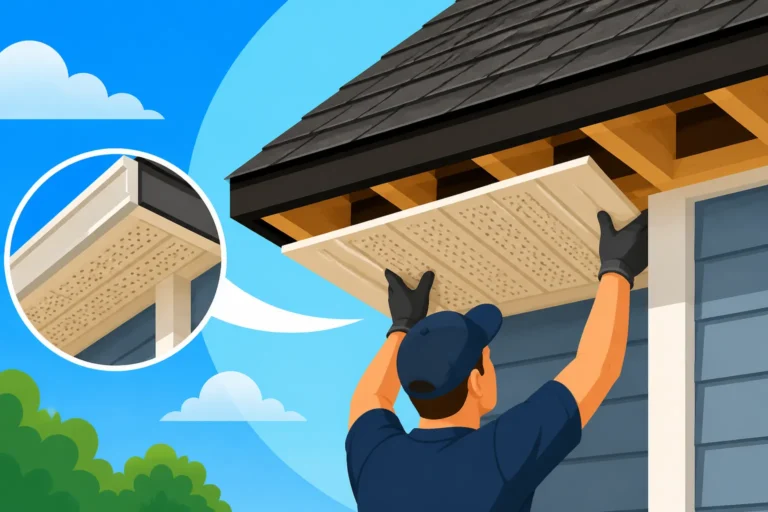
- Preparation and Removal: First, any old, damaged fascia is carefully removed. This is also the time when the underlying rafter tails and sub-fascia (if present) are inspected for rot or damage. Any compromised wood needs to be replaced or repaired before new fascia can go up. This step is also crucial for things like Roof Decking Replacement Cost.
- Soffit Integration: If your home has soffits (the horizontal panels under the eaves), they must be properly installed or reinstalled to meet the new fascia. Good integration here ensures proper attic ventilation, prevents pest entry, and creates a seamless look. This is part of the larger discussion of Soffit and Fascia Explained.
- Fascia Board Installation: The new fascia boards are cut to size and securely fastened to the ends of the rafters. Nails or screws are used, typically placed at regular intervals to ensure a strong hold. Proper alignment and levelness are crucial for both aesthetics and the correct functioning of your gutters.
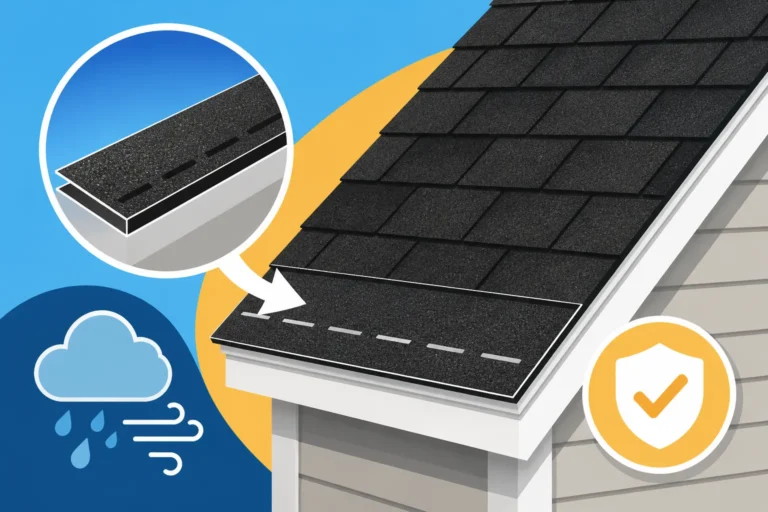
- Drip Edge Installation: After the fascia, the drip edge is installed along the roof's edge, over the fascia, to direct water away from the fascia and into the gutters. This is a small but mighty component, often overlooked but vital for comprehensive water protection.
- Gutter Attachment: Once the fascia and drip edge are in place, the gutters are securely attached to the fascia board. This requires strong fasteners and proper pitch to ensure water flows efficiently to the downspouts.
- Finishing Touches: For wood or fiber cement fascia, this would involve priming and painting. For vinyl or aluminum, it's usually just a matter of ensuring all seams are tight and clean.
Hiring a reputable roofing contractor is key to a long-lasting, problem-free fascia. They have the experience, tools, and knowledge of local building codes to ensure the job is done right. Resources like Modernize can help you connect with qualified professionals in your area.
Maintenance Tips to Prolong Fascia Life
Even with the most durable materials and expert installation, a little maintenance goes a long way in extending the life of your fascia and preventing costly repairs.
- Keep Gutters Clean: This is probably the single most important maintenance tip. Clogged gutters are the primary cause of fascia damage. Regularly clean leaves, debris, and shingle granules from your gutters to ensure water flows freely. Consider installing gutter guards to reduce the frequency of cleaning.
- Inspect Regularly: Make it a habit to walk around your house a couple of times a year, perhaps in the spring and fall, to visually inspect your fascia. Look for peeling paint, discoloration, cracks, gaps, or signs of pest activity. After heavy storms, perform a quick check for any immediate damage.
- Address Leaks Promptly: If you notice any roof leaks or gutter leaks, get them repaired immediately. Even a small, persistent drip can quickly lead to extensive fascia rot. Ignoring a leak now means a much bigger expense later. This applies to identifying When to Repair a Roof Leak vs Replace the Roof.
- Repaint or Reseal as Needed: If you have wood or fiber cement fascia, keep up with painting and sealing. These coatings protect the material from moisture and UV damage. A fresh coat of paint every few years (or as recommended by the paint manufacturer) is a small investment that offers significant protection.
- Trim Overhanging Branches: Trees with branches hanging over your roof can drop leaves and debris into your gutters, and during strong winds, branches can scrape against or even break your fascia. Keep these trimmed back to prevent damage.
- Control Pests: If you suspect pest activity near your roofline, address it swiftly. Professional pest control can eliminate the problem and prevent further damage to your fascia and home structure.
By being proactive with these simple maintenance tasks, you can significantly prolong the life of your fascia, keep your entire roofing system functioning optimally, and protect your home from unnecessary damage.
Disclaimer
Please note that this article is intended for informational purposes only and should not be considered professional advice. Always consult with a qualified and licensed roofing contractor for specific recommendations and services related to your home's roof and fascia. Roofing projects can be complex and may involve safety risks, building codes, and insurance considerations.