What Is Soffit and Why It Matters
As homeowners, we often think about the big, obvious parts of our roof – the shingles, maybe the gutters – but there's a whole supporting cast of components that work tirelessly behind the scenes to protect our homes. One of the most overlooked, yet incredibly vital, elements is the soffit. If you’ve ever found yourself wondering what that strip under your roof’s edge actually does, or why a contractor might bring it up, you’re not alone. Understanding your soffit is key to grasping the full picture of your home's health and how to prevent costly issues down the line.
What Exactly is Soffit, Anyway?
Let's demystify it right away. The soffit is the finished surface underneath the eave of your roof. Think of the eaves as the part of your roof that overhangs your house walls. The soffit is the material that bridges the gap between the siding or brick wall of your house and the edge of the roofline, often meeting up with the fascia board (the vertical board that caps the ends of your rafters). It's essentially the underside of that overhang, creating a neat, enclosed look.
Many homeowners don't give the soffit a second thought because it’s not as visually prominent as the roof itself. However, its placement is strategic, designed to protect your home from the elements and support crucial ventilation. Without it, you'd see exposed rafters, making your home vulnerable and unfinished. Over the years, soffits have evolved from simple wooden boards to more durable, low-maintenance materials like vinyl and aluminum, which have become incredibly popular.
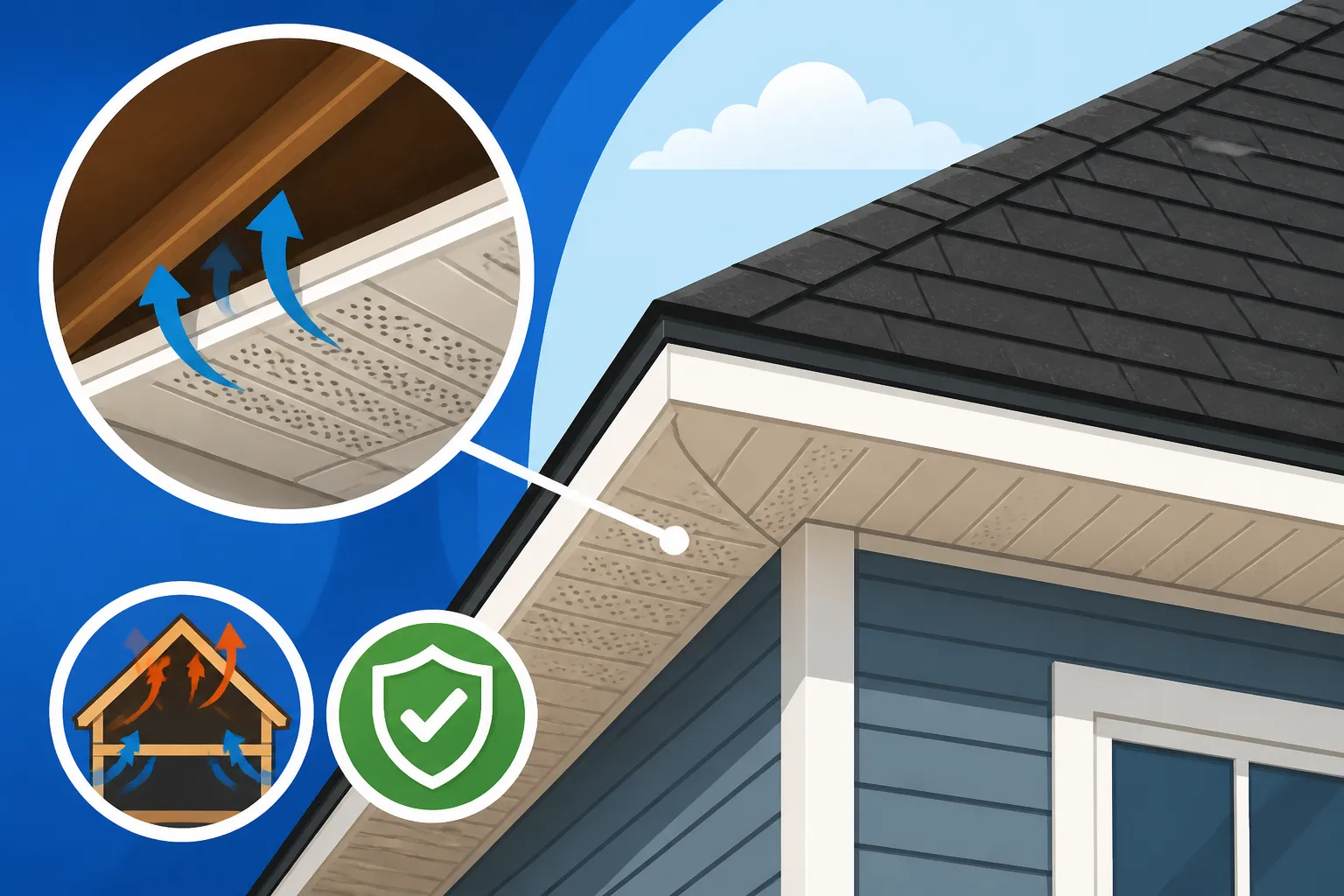
Beyond just aesthetics, the type of material and whether it's vented or non-vented profoundly impacts its function. You might see solid soffit that's purely decorative or vented soffit, which has small perforations or slots. These vents are the real workhorses, allowing air to circulate into your attic. When you're considering a roof replacement project, discussing your soffit with your contractor, especially if you're looking at improving your home's overall energy efficiency, is a conversation worth having.
The Crucial Role Soffit Plays in Your Home's Health
It's easy to dismiss the soffit as just another piece of trim, but its contribution to the longevity and well-being of your home is far greater than its unassuming appearance suggests. This often-overlooked component is absolutely essential for a healthy roof and a well-protected house.
Ventilation: The Unsung Hero of Your Attic
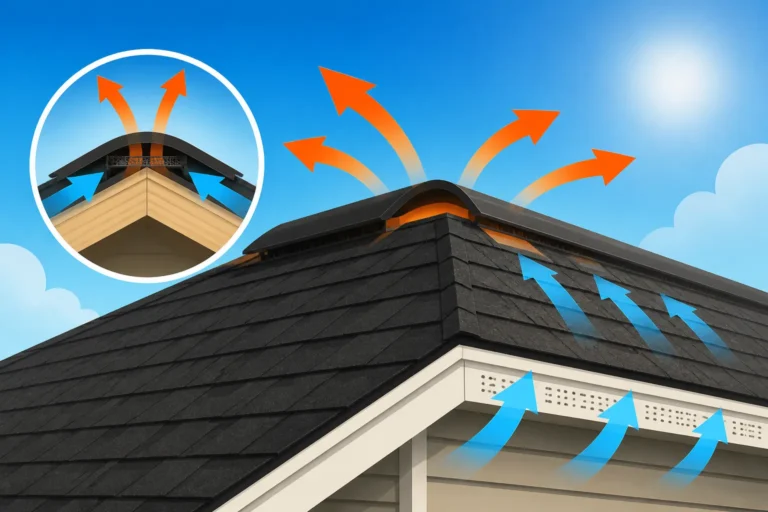
The primary, and arguably most critical, function of your soffit is to provide intake ventilation for your attic. Imagine your attic as the "lungs" of your house. For them to breathe properly, they need a continuous flow of fresh air. This is where those little vents in your soffit come in. They allow cooler, drier air from outside to enter the attic space.
This intake air works in tandem with exhaust vents, typically located at the ridge of your roof (like a ). As warm, moist air naturally rises in the attic, it escapes through the exhaust vents, pulling in fresh air from the soffit vents below. This creates a continuous airflow, preventing a multitude of issues. Without adequate airflow, heat can build up, essentially baking your shingles from below and drastically shortening their lifespan. It can also lead to rampant moisture accumulation, which invites mold, mildew, and wood rot. So, while you might be focused on the new shingles, remember that the entire system, including your soffit, determines how long that investment truly lasts.
Proper attic ventilation isn't just about protecting your roof; it has a direct impact on your home's energy efficiency. In the summer, a well-ventilated attic helps dissipate scorching heat, keeping your upper living spaces cooler and reducing the strain on your air conditioning system. In the winter, it helps prevent moisture buildup that can lead to damaging ice dams and soggy insulation, which also compromises your home’s ability to retain heat. Understanding how this intricate system works together, from the soffit to the ridge, is key to truly protecting your home.
Protecting Your Home from the Elements and Pests
Beyond ventilation, the soffit acts as a crucial barrier against external threats. Its continuous surface underneath the eaves forms a protective shield around the perimeter of your home, safeguarding vulnerable areas. Think about it: without soffit, the exposed rafter tails and attic spaces would be wide open to the whims of Mother Nature and opportunistic critters.
During heavy rains, especially those driven by strong winds, the soffit prevents water from blowing up into the attic space or running down the inside of your exterior walls. It directs runoff away from your house, working with your gutters and fascia to maintain a dry and healthy exterior. Without this protection, moisture could seep into the roof decking and framing, leading to expensive repairs for rotten wood.
Moreover, soffits are an excellent deterrent for pests. Birds, squirrels, raccoons, and insects like wasps love to find small, dark, sheltered spaces to build nests or establish colonies. An intact soffit with properly screened vents effectively blocks these unwanted guests from gaining access to your attic. Imagine the headache and cost of removing a squirrel family or a massive wasp nest from your attic – the soffit helps prevent these scenarios, saving you significant hassle and expense. It truly is a vital part of your home's overall defense mechanism, contributing to the structural integrity and cleanliness of your attic and roof.
Common Soffit Problems and What They Mean for Your Roof
Even though soffits are designed to be durable, they're constantly exposed to the elements and can fall victim to wear and tear over time. Recognizing the signs of distress in your soffit isn't just about cosmetic appeal; it's a critical step in identifying potential underlying issues that could be affecting your entire roofing system.
Signs of Damaged or Failing Soffit
One of the most immediate visual cues of a failing soffit is peeling paint, cracks, or holes. If your soffit is painted wood, cracking or peeling paint isn't just an aesthetic issue; it indicates moisture intrusion. Cracks and holes, regardless of material, are direct entry points for water and pests. Sagging sections are another major red flag, often signaling water damage or deterioration of the underlying framing, or simply that the soffit material itself has degraded and lost its structural integrity.
Another glaring sign is pest infestation. If you start hearing scurrying in your attic, or notice birds or insects frequently entering and exiting through specific points under your eaves, it's highly likely that your soffit has been compromised. Rodents can chew through various soffit materials, and loose panels create inviting openings. Not only are pests a nuisance, but they can cause significant damage to wiring, insulation, and even structural components within your attic.
Beyond the visible, keep an eye out for water stains on your exterior walls directly beneath the eaves. This often suggests that the soffit and fascia aren't effectively diverting water, leading to overflow or leaks that trickle down the side of your house. And don't forget your energy bills! A significant increase in heating or cooling costs could indicate compromised attic ventilation due to blocked or damaged soffit vents. This means your attic is trapping heat or moisture, forcing your HVAC system to work overtime. Regular
is a proactive way to catch these issues early.
The Domino Effect: How Soffit Issues Impact Your Entire Roofing System
Ignoring damaged or failing soffit is like ignoring a small crack in a dam – eventually, the whole structure can be compromised. Soffit problems have a direct and often detrimental "domino effect" on your entire roofing system, accelerating its decline and leading to more expensive repairs.
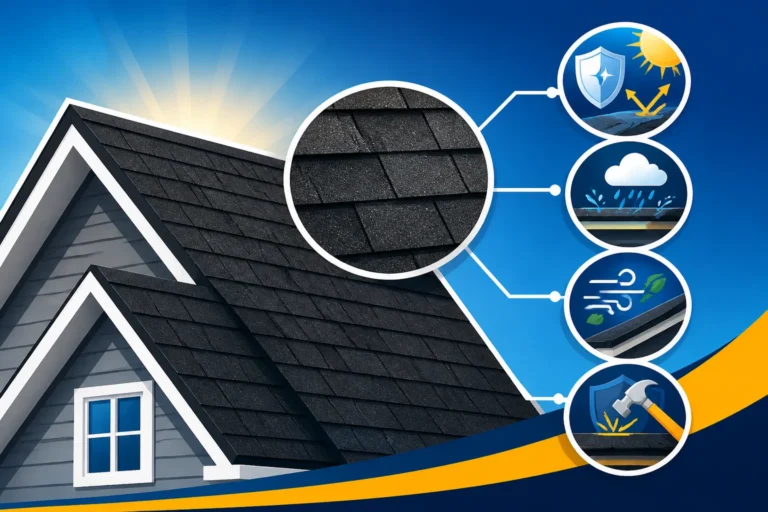
The most critical impact is on ventilation. If your vented soffit becomes blocked with debris, damaged, or simply wasn't installed correctly, the vital intake airflow to your attic is cut off. This lack of proper attic ventilation leads to extreme temperature fluctuations. In summer, your attic becomes an oven, cooking your shingles from the underside. This intense heat causes the asphalt shingles to break down faster, losing their protective granules and curling prematurely. You might find yourself needing a
much sooner than expected, simply because your soffit wasn't doing its job.
Moreover, poor ventilation traps moisture in the attic. This humid environment creates a breeding ground for mold and mildew, which can damage your roof decking and attic insulation. Rotted roof decking is a serious structural issue that will require costly replacement during your next roof project. Furthermore, trapped moisture in colder climates contributes to the formation of ice dams, where melting snow refreezes at the eaves, backing up under shingles and causing leaks into your home. A reliable contractor, perhaps found through a service like Modernize, would always emphasize the importance of a complete system, including healthy soffit, when discussing
to prevent these cascading failures. The soffit truly is a small part with a huge impact on your roof's overall longevity and performance.
Maintaining Your Soffit for Long-Term Roof Performance
Just like any other part of your home's exterior, your soffit benefits greatly from regular attention and proactive care. A little bit of maintenance can go a long way in preventing major headaches and extending the life of your entire roof system.
Regular Inspection and Cleaning
Making soffit inspection a routine part of your home maintenance is incredibly important. You don't need to be a roofing expert, but knowing what to look for can help you spot issues before they escalate. A simple visual check a couple of times a year – perhaps in the spring and fall – can reveal a lot. Stand back and look along your roofline, checking for any sagging, missing panels, holes, or visible damage. If you have vented soffits, make sure the openings aren't clogged with leaves, spiderwebs, or insect nests. You can often clear minor blockages from the ground with a broom or a gentle stream from a garden hose.
For a closer look, especially if you suspect issues, it might be worth investing in a professional roof inspection. A seasoned inspector can safely get up close, identify subtle signs of wear, check the integrity of the vents, and assess for any underlying structural issues that might not be visible from the ground. They can also provide insights into your overall attic ventilation system, ensuring it's balanced and effective. While some minor cleaning can be a DIY task, always prioritize safety when working at heights.
Repairing and Replacing Damaged Soffit
When you do discover damage, the question often becomes: can I repair it, or does it need to be replaced? For small, isolated issues like a single cracked panel or a minor hole, a repair might be feasible. However, if you see widespread sagging, multiple damaged sections, or signs of extensive moisture or pest intrusion, it's almost always a better long-term solution to consider replacing a larger section or even the entire soffit. Trying to patch significant damage often leads to recurring problems because the underlying cause (like water damage to the framing) hasn't been addressed.
This is definitely a job where professional help is invaluable. A skilled roofing or exterior contractor understands the nuances of soffit installation, ventilation requirements, and how to seamlessly integrate new materials with existing ones. They can assess the extent of the damage, determine the root cause, and recommend the best course of action. When you're ready to tackle a repair or replacement, finding a reputable contractor is crucial. Platforms like Modernize can connect you with experienced professionals in your area who specialize in exterior renovations and roofing, ensuring you get quality workmanship.
Furthermore, consider upgrading your soffit if your current system is old or inadequate. For instance, if you have non-vented soffit and notice issues with attic heat or moisture, upgrading to a fully vented system can significantly improve your home's energy efficiency and
. This small change can have a profound impact on your home's comfort and the lifespan of your roof.
| Soffit Material Type | Pros | Cons |
|---|---|---|
| Vinyl | Affordable, low maintenance, wide colors | Can sag in extreme heat, less rigid |
| Aluminum | Very durable, weather-resistant, rigid | Can dent, limited color options |
| Wood | Classic aesthetic, paintable, strong | Requires regular painting/staining, prone to rot/pests |
| Fiber Cement | Durable, fire-resistant, paintable | Heavier, more difficult to install, higher cost |
Disclaimer
This article is intended for informational purposes only and does not constitute professional advice. Roofing work can be complex and dangerous. Always consult with a qualified and licensed roofing contractor for inspections, repairs, or replacements to ensure safety and compliance with local building codes.