When to Repair a Roof Leak vs Replace the Roof
There’s nothing quite like the heart-stopping moment you discover a roof leak. That tell-tale drip, the spreading water stain on your ceiling, or even a sudden deluge during a storm – it instantly transforms a peaceful home into a source of anxiety. The immediate question isn't just how to stop it, but what it means for your wallet and your home's future. Is this a simple, quick fix, or are you looking at a major project like a full roof replacement? This comprehensive guide will help you decipher the signs, weigh your options, and make an informed decision between patching up a leak and investing in a brand-new asphalt roof.
Understanding the Anatomy of a Roof Leak
Before you can even begin to consider repairing or replacing, you need to understand what causes these frustrating leaks in the first place and how to pinpoint their origin. It’s not always as straightforward as you might think.
Common Causes of Roof Leaks
Roof leaks rarely happen without a reason, and often, the cause can be traced back to a few common culprits. Knowing these can help you better assess the situation when you find yourself dealing with water intrusion.
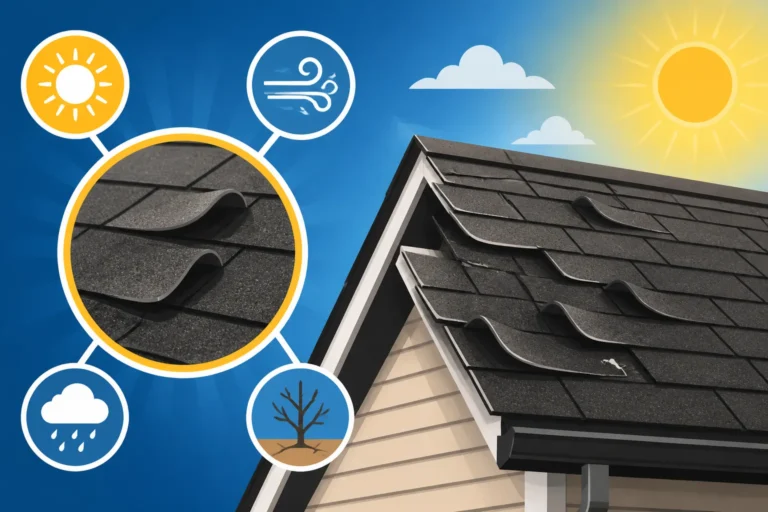
One of the most frequent reasons for a leak is damaged or missing shingles. This often happens due to severe weather, like high winds ripping them off or hail causing impact damage. Over time, even without extreme weather, asphalt shingles can simply wear out. Their protective granules shed, they become brittle, and they might start to curl or crack, leaving the underlying layers exposed to the elements. Imagine a shingle that's been baked by the Texas sun for twenty years – it's lost its flexibility and its ability to shed water effectively, becoming a prime candidate for failure. Improper installation can also play a role, where shingles might be nailed incorrectly, allowing water to seep beneath them from day one.
Another major source of leaks stems from issues with flashing. Flashing is essentially a waterproof barrier, typically made of metal, installed in areas where the roof meets other structures, like chimneys, skylights, or vent pipes. These are critical transition points on your roof. If the sealant around the flashing cracks, if the metal itself corrodes, or if it was never installed correctly to begin with, water can easily find its way into your home. Think about a recent heavy downpour in Seattle; if the flashing around your skylight isn't perfectly sealed, that rain isn't going to roll off harmlessly – it's going to pool and penetrate.
Less common, but equally problematic, is underlayment failure. The underlayment is the protective barrier laid over your roof decking before the shingles go on. It's an extra layer of defense against water penetration. If this material degrades over time, gets punctured during installation or subsequent repairs, or if it wasn't properly overlapped and sealed, it can allow water that breaches the shingles to reach your roof deck and attic. This is a particularly insidious leak source because it's completely hidden until the damage becomes extensive.
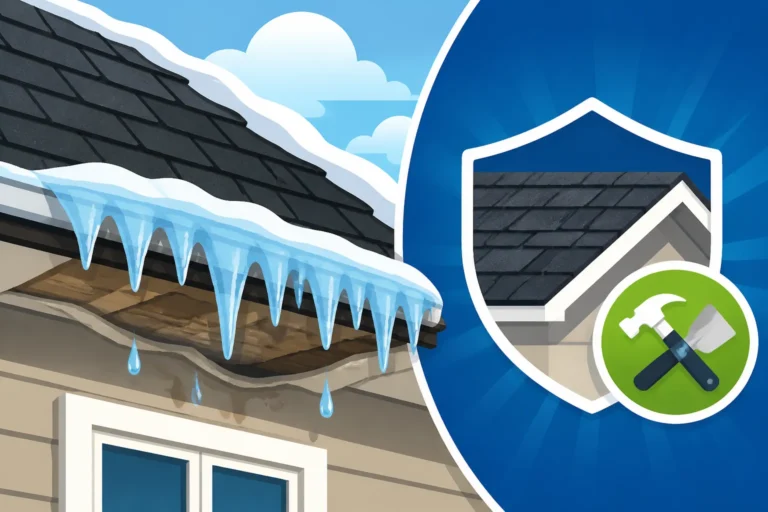
Finally, in colder climates, ice dams can be a significant cause of leaks. This occurs when melting snow refreezes at the colder edges of your roof, typically over the eaves. This ice buildup creates a dam that prevents subsequent melting snow from draining off the roof. The water then backs up, sometimes several feet, under your shingles and underlayment, where it can seep into your attic and walls. This is a classic winter headache for homeowners in places like Minnesota, often causing damage far from the initial point of the ice dam. Clogged gutters can also exacerbate this, causing water to overflow and soak into fascia boards, potentially leading to rot and leaks.
How to Identify the Source of a Leak
Finding the exact source of a roof leak can feel like detective work, especially since water often travels along rafters and ceilings before it finally shows itself. The drip you see might be several feet away from where the water is actually entering your roof system.
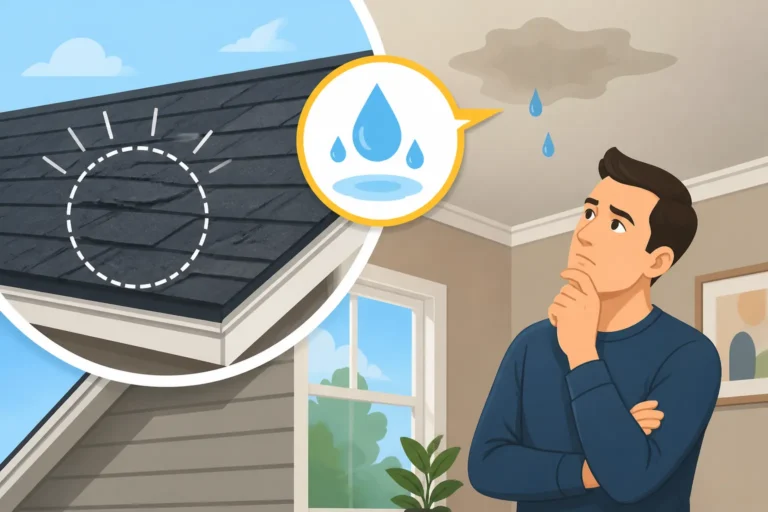
Your first line of investigation typically starts inside your home, by looking for water stains on ceilings, walls, or in the attic. If you see a stain on your living room ceiling, don't assume the leak is directly above it. Grab a flashlight and head into your attic, if accessible. Look for darker stains on the underside of your roof deck, on the rafters, or on the insulation. Follow these trails up the slope of the roof. Water flows downhill, so the actual entry point will almost always be higher up than where you see the stain or drip. You might even spot visible drips or areas of persistent moisture, indicating active water intrusion. Pay close attention to areas around pipes, vents, chimneys, and skylights in the attic, as these are common leak points.
Once you have a general idea of the area from the inside, a careful exterior inspection can help confirm the source. This is where safety is paramount. If you're not comfortable on a ladder or on your roof, or if your roof has a steep pitch, it's always best to call a professional. But if you can safely inspect, look for obvious signs of damage directly above the area you identified in the attic. This might include missing or cracked shingles, damaged flashing around a chimney, or excessive granule loss that has exposed the shingle's asphalt layer. Sometimes, you might even see daylight peeking through a small hole in your roof, especially if you're in the attic on a sunny day. Remember that if you're experiencing a leak, it's always smart to check your attic after a rainstorm to see the active path of the water, which makes identifying the entry point much easier.
Factors Influencing Your Decision to Repair or Replace
Once you've identified a leak, the big question looms: should you repair it or replace the entire roof? This isn't a simple coin toss; several critical factors come into play, each demanding careful consideration. It’s about more than just the immediate fix; it’s about the long-term health and stability of your home.
Age and Condition of Your Current Roof
Perhaps the most significant factor in your decision-making process is the age and overall condition of your existing roof. An asphalt shingle roof, on average, lasts between 20 to 30 years, though this can vary depending on the type of shingle, installation quality, and local climate. If your roof is, say, 10 years old and experiences an isolated leak due to a single storm-damaged shingle, a repair is usually the most logical and cost-effective solution. However, if that same leak appears on a roof that's 25 years old, a red flag should immediately go up. One leak on an aging roof is often a symptom of widespread deterioration, indicating that the entire system is nearing the end of its functional life.
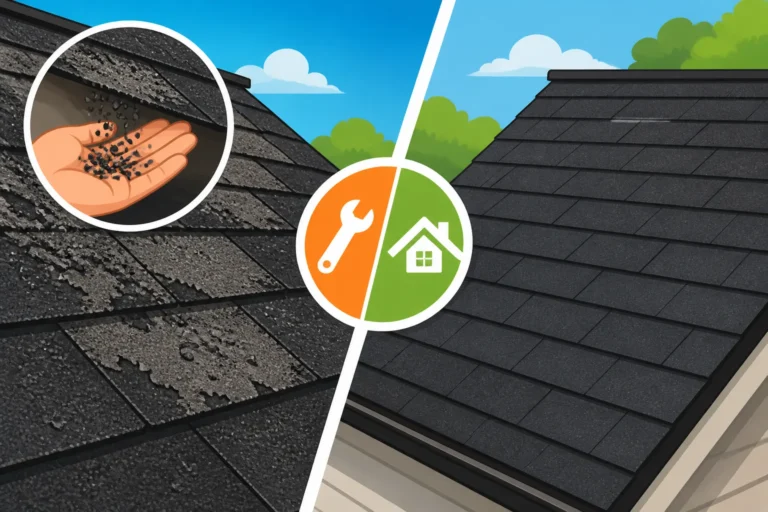
You need to look beyond just the leak itself. Are there other Signs You Need a New Roof developing across the entire surface? This might include significant granule loss, where the protective gritty surface of the shingles has worn away, leaving the black asphalt exposed. Are your shingles curling, either at the edges (cupping) or in the middle (clawing)? Are they brittle and easily breakable? Do you see widespread cracking, blistering, or dark streaks of algae that seem to be covering large sections? If your roof is showing these signs of general wear and tear in multiple areas, patching a single leak might just be a temporary reprieve before another one pops up elsewhere. It's like putting a bandage on a wound that requires surgery – it might hold for a bit, but the underlying problem remains. Consider the overall structural integrity; if large sections appear compromised, then replacement often offers better long-term value and peace of mind. For more insights on this, you might find our guide on How Long Does an Asphalt Roof Last helpful.
Extent and Location of the Leak
The nature of the leak itself also heavily influences the repair vs. replacement debate. Is it a small, isolated leak, or is it a symptom of widespread water intrusion?
A small, isolated leak, perhaps from a single misplaced nail or a tiny puncture from a falling branch, is often an ideal candidate for a repair, especially if the surrounding shingles are in good condition. For instance, if you live in a mild climate like San Diego and a small branch falls on your roof during a rare windstorm, causing a pinhole leak that affects a mere square foot of decking, a skilled roofer can easily patch that area, replace a few shingles, and seal it up. The damage is contained, and the repair is localized. In such cases, replacing an entire roof would be an unnecessary expense.
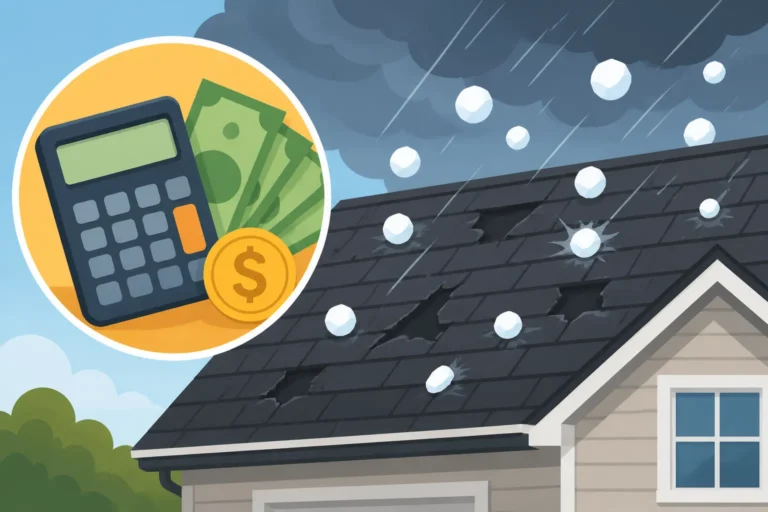
However, if you're dealing with widespread damage or multiple leaks, the calculus changes dramatically. If a severe hailstorm has battered your roof across several slopes, leading to numerous impact points and potential water entry, simply repairing individual spots can become a costly and never-ending endeavor. Similarly, if you discover leaks around multiple vents, or a large section of your roof valley is compromised and letting in water, these aren't isolated incidents. These scenarios suggest a systemic failure that warrants a more comprehensive solution. Furthermore, the location of the leak matters. A leak in the middle of a straightforward roof slope might be easier to fix than a persistent leak around a complex chimney or a tricky roof valley, which are inherently more vulnerable areas. The more complex and widespread the leakage, the more likely a full replacement will be the more effective, albeit pricier, long-term solution.
Budget and Financial Planning
Let's be real, a major factor in any home repair decision is almost always money. The immediate cost of a roof repair can range from a few hundred dollars for a simple shingle replacement to a couple of thousand for more complex flashing or decking repairs. This is often far more palatable than the substantial investment required for a full roof replacement, which can easily range from $8,000 to $30,000 or more, depending on your home's size, roof pitch, and material choices.
While the initial sticker shock of a replacement is undeniable, it’s crucial to consider this within the framework of long-term value and financial planning. If your roof is already on its last legs, continually pouring money into repairs might be akin to throwing good money after bad. You might fix one leak today, only for another to appear next month, and then another the month after. These cumulative repair costs can quickly add up, approaching or even exceeding the cost of a new roof, without giving you the benefit of a fresh warranty or improved home value.
On the other hand, if your roof has plenty of life left, a targeted repair is a smart financial move. You save significant capital and extend the useful life of your existing roof system. It’s also worth exploring Roof Financing Options Explained if a replacement is truly needed but your immediate funds are tight. Many homeowners find that budgeting for a new roof, even with payment plans, provides better financial stability and fewer unexpected costs down the line than constant reactive repairs. Our guide on How to Budget for a New Roof can provide a detailed breakdown of planning for this significant investment.
Scenarios Where a Roof Repair Makes Sense
While a full roof replacement is a significant investment, it's not always the necessary or most logical choice. There are many common situations where a targeted repair is not only sufficient but also the smartest financial and practical decision. Understanding these scenarios can save you a lot of unnecessary stress and expense.
Isolated Damage on a Younger Roof
One of the clearest instances where a repair is the go-to solution is when you have isolated damage on a relatively younger roof. Imagine your asphalt shingle roof is only 7 to 10 years old, well within its prime. A severe thunderstorm rolls through, bringing unusually strong gusts of wind that manage to rip off a handful of shingles on one section of your roof. Or perhaps a small, heavy tree branch falls during the storm, puncturing a localized area. In these cases, the vast majority of your roof remains in excellent condition, with plenty of life left.
A skilled roofing contractor can easily match the existing shingles (most reputable manufacturers offer consistent color batches for years) and replace only the damaged sections. This might involve replacing a few dozen shingles, repairing a small section of roof decking, and ensuring the underlying layers are intact. This kind of minor repair is quick, cost-effective, and fully restores the integrity of that specific area without requiring a massive undertaking. The key here is "isolated" – the damage isn't indicative of widespread wear, and the surrounding roofing materials are still performing optimally.
Another example could be a minor issue with a sealant around a single pipe vent. If the sealant has simply cracked due to sun exposure, a roofer can clean the area, apply new sealant, and potentially replace the vent cap. This is a targeted fix for a specific, small problem on an otherwise healthy roof.
Temporary Fixes and Emergency Situations
Sometimes, the immediate goal isn't a permanent solution, but rather to stop the bleeding and prevent further damage. This is where temporary fixes and emergency repairs come into play. After a major storm, like a hurricane sweeping through Florida or a severe hailstorm in Oklahoma, many homes can suffer significant roof damage. If you have a gaping hole, a completely torn-off section of shingles, or a major breach that's letting water pour into your home, you need an immediate solution.
In such crisis situations, a professional roofer might offer tarping a roof as a temporary measure. This involves covering the damaged section with heavy-duty tarps, securely fastened to prevent water intrusion. This isn't a long-term fix, but it's invaluable for protecting your home's interior and belongings while you arrange for a more permanent repair or replacement, especially if waiting for insurance adjusters or material delivery. We have an article discussing How to Temporarily Stop a Roof Leak which goes into more detail.
Similarly, a contractor might perform a rapid patching of a small hole or a quick re-sealing of a lifted shingle edge to buy you time. These aren't meant to last for years, but they are crucial for preventing extensive water damage to your attic, ceilings, and walls during subsequent rainfall. These emergency repairs are almost always a better option than letting water continue to compromise your home's structure.
Matching Shingle Considerations
The aesthetic impact of a repair is a real concern for many homeowners, and the ability to find matching shingles often makes a repair a much more appealing option than a full replacement. If your roof is relatively new, say less than 10-15 years old, there’s a good chance you or your contractor can source shingles that are a close enough match in color and style to blend in seamlessly. Most major manufacturers like GAF, Owens Corning, and CertainTeed maintain consistent color lines for a reasonable period.
Imagine you have a beautiful architectural shingle roof that’s only eight years old, and a windstorm dislodges some shingles on one slope. If your contractor can get the exact same make and model of shingle in the same color, the repaired section will fade and blend with the existing roof over time, especially after a few seasons of sun exposure. The difference will be negligible, maintaining your home's curb appeal. This is far more desirable than having a visibly mismatched patch on an otherwise pristine roof.
However, if your roof is older, say 18-20 years old, or if the original shingle color has faded significantly, finding a perfect match can become extremely challenging, if not impossible. Shingle colors often undergo subtle shifts, and older products might even be discontinued. In such cases, a repair might result in a highly noticeable, mismatched patch that detracts from your home's appearance. Here, the aesthetic compromise of a noticeable repair might push you towards considering a full replacement, especially if you prioritize a uniform look for your home.
When a Full Roof Replacement Becomes Inevitable
While repairs are excellent for isolated issues, there comes a point for every roof when patching things up is no longer a viable or cost-effective solution. This is when a full roof replacement transitions from being a daunting prospect to a necessary and ultimately beneficial investment.
Widespread Damage or Multiple Leaks
One of the most compelling reasons for a complete roof overhaul is when you're battling widespread damage or experiencing multiple leaks. This isn't just one pesky drip; it's a series of issues that pop up like a game of "whack-a-mole." You fix a leak near the chimney, and then a month later, water starts showing up near a skylight. A few weeks after that, you notice a stain on the ceiling in an entirely different part of the house. This pattern is a clear indicator that the entire roofing system is compromised.
Imagine living in a region prone to severe weather, like the hail-prone areas of Colorado. After years of small, localized hailstorms, your roof might look okay from a distance, but upon closer inspection, it's a patchwork of bruises and micro-cracks across many, if not all, of its slopes. Each repair only addresses a tiny fraction of the problem, leaving countless other vulnerable spots. When damage is pervasive, meaning it covers a significant portion of the roof surface, or when leaks are occurring in several different locations, continuing to make individual repairs becomes a financial drain and a source of constant stress. At this point, you're not extending the life of your roof; you're just delaying the inevitable, and potentially allowing more extensive and costly damage to accrue to your home's interior structure. Our guide, Roof Repair vs Replacement: How to Decide, delves deeper into these tipping points.
Aging Roof Beyond Its Service Life
Every material has a lifespan, and asphalt shingles are no exception. If your asphalt roof is aging beyond its typical service life, which is generally 20-30 years for most architectural shingles, a full replacement is almost always the most sensible course of action. Even if you've only experienced one or two leaks, the simple fact is that the materials are nearing the end of their functional existence.
An old roof will display several tell-tale signs: persistent and significant granule loss, where the protective mineral surface has eroded away, exposing the brittle asphalt or fiberglass mat beneath. You'll often see widespread curling, cupping, or clawing of shingles, meaning they've lost their flat, protective shape and are no longer effectively shedding water. The shingles might also be incredibly brittle, cracking or breaking easily if you were to walk on them (which you shouldn't, unless you're a professional). Imagine an older roof in a hot, sunny state like Arizona; years of intense UV exposure can accelerate this aging process, leaving the shingles dry, cracked, and unable to protect your home. At this stage, a leak isn't a random event; it's a clear signal that the entire roof system has lost its protective capabilities. Patching up an old, brittle shingle will likely only exacerbate existing weaknesses, as adjoining shingles are just as likely to fail soon. For a deeper look at the lifespan and failure signs, refer to our article on How Long Does an Asphalt Roof Last.
Structural Concerns and Underlayment Issues
Sometimes, the leak you're seeing is merely the tip of a much larger, more concerning iceberg related to structural concerns and underlayment issues. If a leak has gone unnoticed for an extended period, or if it's been a chronic problem, the water can penetrate beyond the shingles and underlayment, reaching the roof decking itself. This often leads to rot and decay in the plywood or OSB sheathing that forms the base of your roof.
You might notice sagging sections of your roof from the exterior, or visible water stains and soft spots on the roof deck from inside your attic. If you press on the attic side of the roof deck and it feels spongy or crumbles, that's a serious sign of rot. This kind of extensive water damage to the underlying structure is not something a simple shingle repair can fix. The integrity of your entire roof system relies on a solid deck. Trying to lay new shingles over rotted decking is like building a house on a sinking foundation – it's destined to fail and will likely void any new shingle warranty.
Furthermore, if the underlayment has failed comprehensively, either due to age, improper installation, or extensive water exposure, it can no longer serve as that crucial secondary barrier. This often necessitates a full tear-off to replace the damaged decking and install new, robust underlayment before any new shingles go down. In scenarios involving significant structural compromise or widespread underlayment failure, a full replacement, including any necessary Roof Decking Replacement Cost, is not just recommended, but essential for the long-term safety and stability of your home.
The Cost Equation: Repair vs. Replacement
Money matters, and understanding the financial implications of a roof repair versus a full replacement is critical. It’s not just about the initial outlay, but also the long-term value, potential savings, and return on investment.
Breaking Down Repair Costs
When you're facing a roof leak, the immediate appeal of a repair is often its comparatively lower upfront cost. Repair costs can vary significantly depending on the nature and extent of the damage. A very minor repair, such as replacing a few wind-damaged shingles on an easily accessible part of the roof, might only run you a few hundred dollars. This would cover the basic labor, the cost of the replacement shingles, and any minor sealant or nail work. For homeowners in smaller homes in, say, suburban Ohio, this can be a welcome relief.
However, repair costs can quickly escalate. If the leak involves damaged flashing around a chimney or skylight, the complexity of removing old flashing, preparing the surface, and installing new metal flashing and sealants can push costs into the $500 to $1,500 range. Should the leak have penetrated the roof decking, requiring minor decking repairs, the cost will naturally increase further, adding materials like plywood or OSB and more labor. Remember, emergency repairs, especially those needed after hours or on weekends, often come with a premium due to their urgent nature. For instance, if a tree limb damages your roof in the middle of a torrential downpour in Atlanta, you'll likely pay more for that immediate tarping and assessment than for a planned repair. It's also worth noting that if your repair involves extensive coordination, like replacing Cost to Replace a Roof and Gutters Together, the price can jump up.
Understanding Replacement Costs
On the other end of the spectrum is a full roof replacement, which is a far more significant investment. The national average cost for an asphalt shingle roof replacement can range anywhere from $8,000 to $30,000 or more, with many homeowners falling into the $12,000-$18,000 range. This comprehensive price tag covers a multitude of components and services.
First, there's the tear-off of the old roof, which involves removing all existing shingles, underlayment, and often the old flashing. Then comes disposal of all that debris, which can be substantial. Next, the installation of new underlayment, often synthetic felt or ice and water shield in vulnerable areas, is critical. After that, the new shingles themselves are laid, followed by new flashing around all penetrations, new ridge caps, and often new or upgraded vents to ensure proper attic ventilation. Finally, the labor involved in all these steps is a major part of the cost.
Factors that heavily influence the final price include the size of your roof (measured in "squares," where one square equals 100 square feet), the pitch or steepness of your roof (steeper roofs require more specialized equipment and slower work, increasing labor costs), and the type of asphalt shingle you choose (3-tab are cheapest, architectural are mid-range, and luxury designer shingles are most expensive). Location also plays a huge role; an asphalt roof replacement in New York City will likely cost more than one in rural Arkansas. For a detailed breakdown of what contributes to the overall expense, check out our articles on How Much Does an Asphalt Shingle Roof Cost and Roof Cost Per Square: What You'll Pay. Also, don't forget the often-overlooked Cost of Roof Tear-Off and Disposal.
Long-Term Value and ROI
While the upfront cost of a replacement might seem daunting, it's crucial to view it as an investment in the long-term value and integrity of your home. A new roof significantly boosts your home's value and dramatically enhances its curb appeal. If you're planning to sell your home in the next 5-10 years, a new roof is often one of the top features buyers look for and are willing to pay a premium for, as it removes a major future expense for them. It signals to potential buyers that the home has been well-maintained and is structurally sound.
Beyond resale value, a new roof offers immediate, tangible benefits. You'll gain better protection against the elements for decades to come, reducing the stress of worrying about leaks with every storm. Modern roofing materials and proper installation can also lead to improved energy efficiency. A well-ventilated attic and a new, properly installed roof system can help regulate attic temperatures, potentially lowering your heating and cooling bills, especially if you opt for cool-roof shingles in warmer climates.
Furthermore, a full replacement typically comes with a comprehensive manufacturer warranty on the shingles (often 20-50 years) and a workmanship warranty from your contractor (typically 5-10 years). This provides incredible peace of mind, knowing that your investment is protected. Compare this to repeated, piecemeal repairs on an aging roof, where you might have no warranty and diminishing returns on your spending. A new roof is not just an expense; it’s an upgrade that pays dividends in protection, aesthetics, and long-term financial stability.
Navigating Insurance Claims for Roof Leaks and Replacements
Dealing with a roof leak is stressful enough without adding the complexities of insurance claims into the mix. Understanding what your homeowners insurance might cover and how to navigate the claims process can significantly impact your financial burden.
What Your Homeowners Insurance Might Cover
The big question everyone has: Does insurance cover roof replacement or repair? The answer is often "it depends." Homeowners insurance is generally designed to cover damage that is sudden and accidental, specifically caused by perils listed in your policy. This commonly includes damage from:
- Sudden storms: Wind, hail, lightning, falling trees or branches. If a severe thunderstorm tears off shingles or a hailstorm pummels your roof, leading to a leak, this is usually covered.
- Other unexpected events: Fire, vandalism, or certain types of sudden collapses.
However, there are crucial exclusions to be aware of. Homeowners insurance typically does not cover:
- Damage due to wear and tear: If your roof is old and simply deteriorated over time, leading to a leak, this is almost always considered a maintenance issue and not covered.
- Neglect or lack of maintenance: If you haven't maintained your roof, and a small, fixable issue escalated into a major leak because it was ignored, insurance will likely deny the claim.
- Pest damage: Unless specified, damage from rodents or insects chewing through your roof isn't standard coverage.
- Water damage from rising water: Flooding from the ground up is covered by flood insurance, not standard homeowners insurance.
It's also essential to understand your policy's specifics, especially regarding your deductible (the amount you pay out of pocket before insurance kicks in) and whether your policy covers Actual Cash Value (ACV) or Replacement Cost Value (RCV). ACV policies pay out the depreciated value of your roof, meaning an older roof will get you less money, leaving you to cover a larger portion of the replacement cost. RCV policies pay to replace your roof with new materials, minus your deductible, offering much better coverage. If you're unsure about your coverage, pull out your policy or call your insurance agent to clarify.
The Claim Process and Documentation
If you suspect your leak is due to a covered peril, acting quickly and methodically is key to a successful insurance claim.
- Stop Further Damage: Immediately take steps to mitigate further damage. This might involve placing buckets, moving furniture, or temporarily tarping the damaged area. Do not make permanent repairs until the adjuster has inspected the damage, unless absolutely necessary to prevent severe secondary damage (and if you do, document everything with photos).
- Document Everything: This is perhaps the most critical step. Take clear, well-lit photos and videos of the exterior roof damage (missing shingles, hail dents, fallen branches) and the interior damage (water stains, drips, damaged drywall). Note the date and time you discovered the damage. Keep a detailed log of all communications with your insurance company and contractors.
- Contact Your Insurer: Report the damage to your insurance company as soon as possible. They will typically assign an adjuster to inspect your property.
- Get Estimates: Obtain at least two to three detailed estimates from reputable roofing contractors. These estimates should clearly itemize all costs for repair or replacement, including materials, labor, and any required tear-off and disposal. Make sure the estimates reflect the extent of the damage you documented. Many homeowners find that using a platform like Modernize can connect them with local, vetted roofing professionals who are experienced in handling insurance claims and can help provide the necessary documentation.
- Meet with the Adjuster: Be present during the adjuster's inspection. Share your documentation and point out all areas of damage, both interior and exterior. Ensure they see the full scope of the problem.
- Review the Settlement: Carefully review the settlement offer from your insurance company. Make sure it's fair and covers the true cost of repairs or replacement as per your contractor's estimates. If it's an ACV policy, understand the depreciation amount.
Potential Pitfalls and Denials
Even with meticulous documentation, insurance claims can be tricky, and denials are a real possibility. Understanding common reasons for a denied claim can help you avoid them or successfully appeal them.
One of the most frequent reasons for a claim denial is damage attributed to age or lack of maintenance. If the adjuster determines that your roof was simply too old and deteriorated to withstand a minor storm, they might argue that the damage wasn't "sudden and accidental" but rather an inevitable consequence of wear and tear. This is why regular roof inspections and maintenance are so important; they provide evidence that you've been proactive in preserving your roof's condition.
Another pitfall is late reporting. Insurance policies often have strict deadlines for reporting damage. If you wait too long after a storm to file a claim, the insurer might argue that the damage isn't verifiable or could have occurred later.
If your claim is denied, don't despair immediately. You often have the right to appeal the decision. This might involve:
- Submitting additional evidence: Perhaps a second, more thorough inspection by an independent roofing expert or public adjuster who can provide a detailed report contradicting the insurance company's findings.
- Reviewing your policy: Double-check the exact wording of your policy for coverage details that might have been overlooked.
- Engaging a public adjuster or attorney: For complex or high-value claims, a public adjuster works for you (not the insurance company) to negotiate a fair settlement. An attorney might be necessary if negotiation fails.
Navigating insurance can be a headache, but with proper documentation, prompt action, and an understanding of your policy, you can significantly improve your chances of a favorable outcome.
The Importance of Professional Assessment and Quotes
When water is leaking into your home, the temptation to panic or attempt a quick DIY fix can be strong. However, for something as critical as your roof, professional expertise is not just recommended, it's essential. A thorough assessment and carefully considered quotes are your best defense against further damage and costly mistakes.
Why DIY is Rarely the Answer for Leaks
Let's be brutally honest: while a leaky faucet might be a fun weekend project, a leaking roof is an entirely different beast. DIY roof repair is rarely the answer, especially for anything beyond a superficial, easily accessible issue. First and foremost, there are significant safety risks involved. Climbing onto a roof, especially one that might be wet, damaged, or steeply pitched, can lead to serious falls and injuries. Even a slight misstep on a ladder can result in a hospital visit, far outweighing any potential savings.
Beyond the immediate danger, there's the high probability of misdiagnosis. As we discussed, the visible leak inside your home might be far from the actual entry point on your roof. Without the experience and tools of a professional, you might fix the wrong spot, leaving the real problem to continue silently causing damage. This also leads to improper fixes that can lead to larger, more expensive problems down the line. Using the wrong materials, failing to properly seal seams, or incorrect nailing patterns can not only fail to stop the leak but can also create new vulnerabilities. Imagine trying to patch a small section of an old roof, only to crack surrounding brittle shingles, creating new leak points.
Moreover, attempting DIY repairs can easily void existing manufacturer warranties on your shingles. Most warranties require professional installation and repair to remain valid. If you perform a shoddy repair, and then a major defect or issue arises that would have been covered by warranty, you could be out of luck, leaving you fully responsible for a costly replacement. For peace of mind and genuine protection, leave the roofing work to those who do it every day.
Choosing the Right Roofing Contractor
Finding a reputable and skilled roofing contractor is paramount to ensuring your leak is properly addressed, whether through repair or replacement. This isn't a decision to rush.
Start by looking for contractors with proper licensing and insurance. A licensed contractor demonstrates they meet industry standards, and comprehensive insurance (general liability and workers' compensation) protects you from financial responsibility if there's an accident or damage to your property during the job. Ask for proof of both and verify them. Next, seek out references from past clients and check online reviews on platforms like the Better Business Bureau, Google, and Yelp. Don't just look for five-star reviews; pay attention to how contractors respond to negative feedback.
Another strong indicator of a quality contractor is manufacturer certifications. Companies like GAF (Master Elite), Owens Corning (Platinum Preferred), and CertainTeed (SELECT ShingleMaster) offer special certifications to contractors who meet rigorous training and installation standards. These certifications often allow contractors to offer enhanced warranties that are not available through uncertified roofers. For example, a GAF Master Elite contractor can offer special warranties that cover both materials and the contractor's workmanship for an extended period. This provides an extra layer of protection for your investment. Our guide, How to Choose a Roofing Contractor, provides a deep dive into vetting potential pros.
Finally, always insist on comprehensive, written estimates. A professional contractor will visit your home, thoroughly inspect the roof, and provide a detailed breakdown of the proposed work, materials, timeline, and cost. Avoid any contractor who gives you a verbal estimate or pressures you to sign a contract on the spot. Websites like Modernize can be a valuable resource, connecting you with pre-vetted, qualified roofing professionals in your local area, making the search for trustworthy help much smoother.
Reading and Comparing Estimates
Once you've received several estimates, the real work of comparison begins. Don't just look at the bottom line. A good estimate should be detailed and transparent, covering all aspects of the job. Our guide on How to Read and Compare Roofing Estimates offers a full walkthrough, but here are the key takeaways:
- Scope of Work: Does the estimate clearly define everything included? For a replacement, this should list the tear-off of existing layers, disposal fees, installation of new underlayment (including ice and water shield), the specific shingle type and brand (e.g., GAF Timberline HDZ), new flashing around all penetrations (chimney, vents, skylights), and ventilation components (ridge vents, soffit vents). For a repair, it should specify the exact area, number of shingles, and any decking or flashing work.
- Materials: Look for specific brand names and product lines. Is it a generic shingle, or a high-quality, warrantied product? Are all necessary accessories (starter strips, ridge caps, nails) also specified?
- Labor Costs: While often combined with materials, ensure there's clarity on what labor entails. Does it include cleanup? What about protection for your landscaping?
- Permits: Will the contractor pull all necessary local building permits? This is crucial for compliance and often required by code.
- Warranty Information: What kind of workmanship warranty does the contractor offer? What is the manufacturer's warranty on the specific shingles being installed? Understand what each covers and for how long.
- Payment Schedule: A reputable contractor will not ask for 100% payment upfront. A reasonable deposit (10-30%) is typical, with payments tied to project milestones.
When comparing, be wary of estimates that are significantly lower than others. This can be a red flag, indicating shortcuts, inferior materials, or hidden fees. Ask questions about anything unclear. A good contractor will take the time to explain every line item and ensure you understand exactly what you're paying for. Choosing the lowest bid blindly is a common mistake that can lead to headaches and additional costs down the road.
Proactive Measures to Extend Roof Life and Prevent Future Leaks
Prevention is always better than cure, especially when it comes to your roof. Taking proactive steps can significantly extend the lifespan of your asphalt roof and minimize the chances of future leaks, saving you thousands in potential repairs or premature replacement.
Regular Roof Inspections and Maintenance
Just like your car, your roof benefits immensely from regular inspections and maintenance. Don't wait until you see a leak inside your home to think about your roof. Aim for annual or bi-annual inspections, ideally in the spring and fall.
These inspections can be performed safely from the ground with binoculars, or by a professional who can get up close. What are you looking for? Keep an eye out for missing, cracked, or curling shingles. Check for excessive granule loss in your gutters, which indicates the shingles are losing their protective layer. Look for any debris, such as fallen branches or leaves, that might be accumulating on your roof, especially in valleys or around chimneys, as this can trap moisture and cause damage. Critically, ensure your gutters and downspouts are clear and free-flowing. Clogged gutters prevent proper drainage, causing water to back up and potentially seep under your shingles or rot fascia boards. Trimming overhanging trees can also significantly reduce the risk of branches falling on your roof during storms and prevent leaves from clogging gutters. A little proactive effort goes a long way in spotting small issues before they become major problems. For comprehensive tips, check out our guide on Roof Maintenance to Avoid Replacement.
Ensuring Proper Ventilation and Drainage
Many homeowners don't realize how crucial proper ventilation and drainage are to their roof's health and longevity. It's not just about shedding water off the surface; it's about what happens underneath.
Adequate attic ventilation is paramount. A properly ventilated attic allows hot, humid air to escape and cooler, drier air to enter. Without it, heat and moisture can build up. In summer, this superheated air bakes your shingles from underneath, accelerating their aging process and making them brittle, leading to premature curling and cracking. In winter, trapped moisture can condense, leading to mold, mildew, and even rot in your roof deck and rafters. Ridge vents, soffit vents, and other attic ventilation systems work together to create a continuous airflow. If your attic feels like a sauna in summer or has signs of moisture, your ventilation might be inadequate. Our article on How Roof Ventilation Works explains the mechanics in detail.
Equally important is efficient drainage. This means ensuring your gutters are properly sloped and free of debris, directing rainwater away from your foundation. Functional downspouts should guide water clear of your home. Any areas where water pools on your roof, or where it backs up against your fascia or siding, are potential leak points. Even subtle issues with drainage can cause persistent moisture problems that degrade shingles, underlayment, and even the roof decking over time.
Understanding and Maximizing Your Warranty
Your roof isn't just a collection of materials; it's an investment protected by warranties, and understanding them is a powerful proactive measure. Most new asphalt roofs come with two main types of warranties:
- Manufacturer Warranty: This covers the shingles themselves against manufacturing defects. The length varies by shingle type (e.g., 20, 25, 30, 50 years, or "lifetime"). These warranties often cover material replacement but might be prorated as the roof ages, meaning the payout decreases over time. However, many manufacturers, like GAF with their Golden Pledge Warranty or Owens Corning with their Platinum Protection Roofing System Limited Warranty, offer enhanced, non-prorated coverage if the entire roofing system (shingles, underlayment, ventilation, etc.) is installed by a certified contractor.
- Workmanship Warranty: This is provided by your roofing contractor and covers the quality of their installation work. If a leak occurs due to improper installation (e.g., incorrect nailing, flashing errors), the contractor is responsible for fixing it. These typically range from 5 to 10 years, though some certified contractors offer longer terms.
Maximizing your warranty involves a few key steps:
- Choose a certified contractor: As mentioned, this is often the gateway to the best, most comprehensive warranties.
- Ensure proper installation: A good warranty is only as good as the installation it protects.
- Register your warranty: Many manufacturer warranties require you to register your new roof within a certain timeframe to be valid. Your contractor should help you with this.
- Understand what voids your warranty: Improper repairs, pressure washing, or installing additional layers over existing shingles (if not allowed by code) can void your coverage.
By being diligent about inspections, ensuring proper ventilation and drainage, and fully understanding and registering your roof's warranties, you're not just preventing leaks; you're actively preserving your home's integrity and value for decades to come. This proactive approach turns a potentially stressful future into one of security and peace of mind.
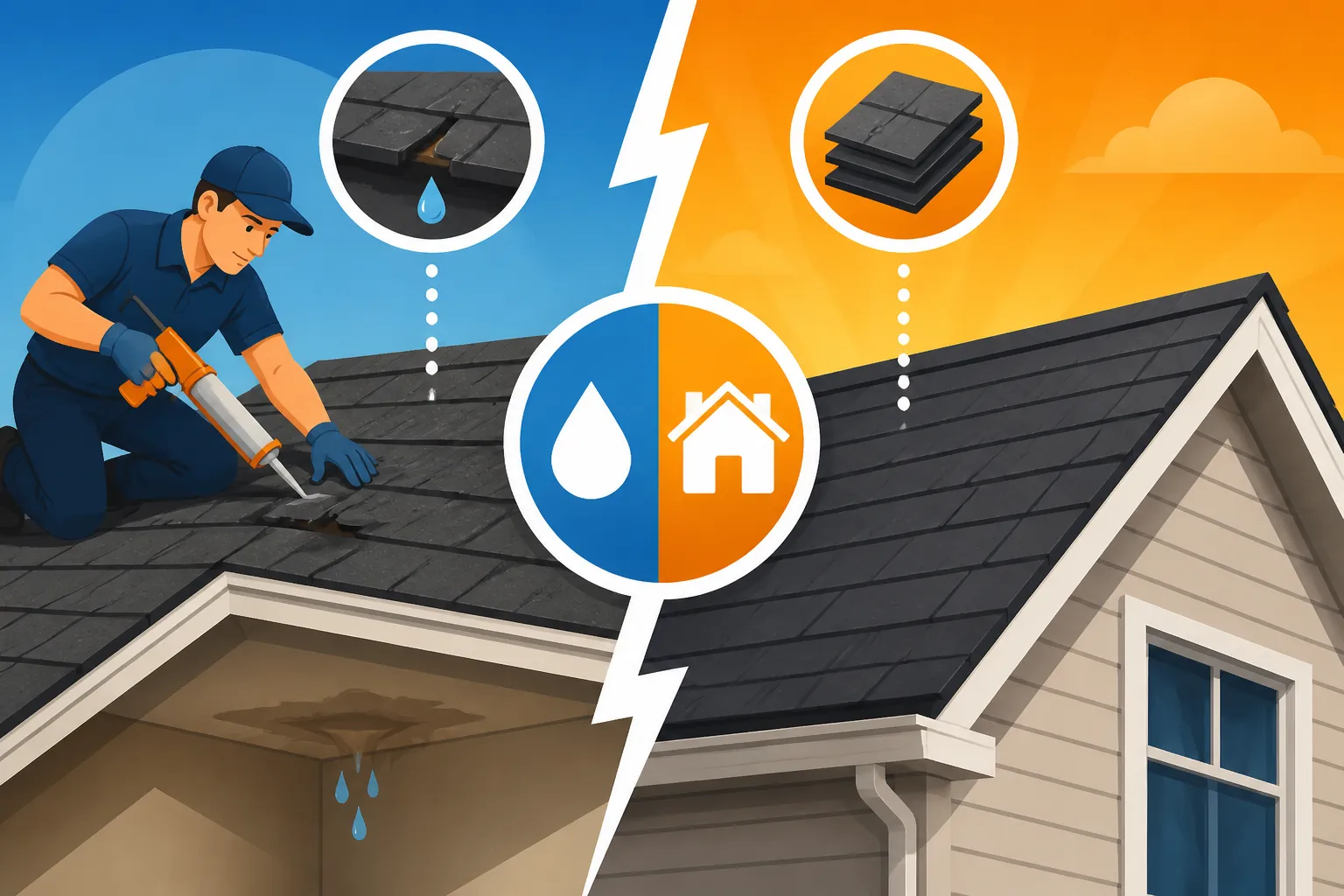
Comparison: Roof Repair vs. Replacement
To help you visualize the core differences and make a more informed choice, here's a comparative table outlining the key aspects of roof repair versus a full roof replacement.
| Feature | Roof Repair | Roof Replacement |
|---|---|---|
| Initial Cost | Typically hundreds to a few thousand dollars | Typically $8,000 – $30,000+ |
| Longevity | Extends life of specific damaged area | Provides 20-30+ years for the entire roof system |
| Scope | Addresses localized, isolated damage | Comprehensive overhaul of entire roof system |
| Timeframe | Usually 1-3 days | Usually 3-7 days (depending on roof size & complexity) |
| Home Value | Minimal immediate impact | Significant boost in curb appeal and resale value |
| Warranty | Often limited to repaired area, no new full warranty | Full manufacturer & workmanship warranty for entire roof |
| Energy Efficiency | Minimal change | Potential for improved efficiency with new materials & ventilation |
| Ideal For | Young roofs, isolated storm damage, minor leaks, emergency fixes | Old roofs (beyond 18-20 years), widespread damage, multiple leaks, structural concerns |
| Aesthetic Impact | May result in mismatched shingle color on older roofs | Uniform, fresh appearance across entire roof |
Disclaimer
Please note that the information provided in this article is intended for general guidance and informational purposes only. Every roofing situation is unique, and local building codes, weather conditions, and material costs can vary significantly. Always consult with a qualified, licensed, and insured roofing professional for a thorough inspection, accurate assessment, and personalized recommendations for your specific home and situation. Do not attempt hazardous roof inspections or repairs without proper training and safety equipment.