How Much Does an Asphalt Shingle Roof Cost
The realization that your roof might need replacing can hit you like a ton of bricks – or, more accurately, like a downpour in your attic. You know it's a big investment, and the burning question on everyone's mind is always, "How much is this going to cost?" It's a valid concern, filled with unknowns and potential budget worries. This comprehensive guide is here to shed light on all the factors that contribute to the cost of an asphalt shingle roof, helping you understand the numbers and budget wisely.
Understanding the Average Cost of an Asphalt Shingle Roof
When you start digging into roof replacement costs, you’ll quickly find a dizzying array of numbers. It’s enough to make anyone’s head spin! The truth is, there's no single, fixed price for an asphalt shingle roof because so many variables come into play. However, understanding the averages can give you a solid starting point for your budgeting journey.
National Averages and Regional Variations
Nationally, homeowners can generally expect to pay anywhere from $9,000 to $20,000 for a full asphalt shingle roof replacement on an average-sized home. That’s a pretty wide range, right? This broad spectrum accounts for everything from a modest 3-tab shingle roof on a small ranch house to a high-end architectural shingle system on a larger, more complex home. The key thing to remember is that this is just a baseline. Your actual cost will depend heavily on where you live and the specifics of your home.
Think about it: the cost of living varies dramatically across the country, and roofing is no different. In bustling urban centers or states with high labor costs, like California or parts of New New York, you might see prices lean towards the higher end of that range. Conversely, in regions with a lower cost of living or less demand for skilled labor, like some areas in the Midwest or Southern states, your project might come in closer to the lower average. For instance, an Asphalt Roof Replacement Cost in Texas might differ significantly from an Asphalt Roof Replacement Cost in New York. Local material suppliers, the prevalence of storm damage (which can spike demand), and local permitting fees all play a role in these regional differences. It’s always a good idea to research average costs specific to your zip code, perhaps using a tool like the one offered by Modernize, which connects you with local professionals who understand your market.
The "Per Square" Breakdown
To really get a handle on roofing costs, you need to understand the term "square." In roofing, a "square" isn't a geometric shape; it's a unit of measurement equal to 100 square feet. So, if your roof is 2,000 square feet, that’s 20 squares. This unit is fundamental because most roofing materials are priced per square, and contractors often bid labor based on squares as well.
Breaking down the cost per square can help demystify the overall estimate. Generally, asphalt shingle roofing can range from $300 to $700+ per square installed. This figure encompasses both the materials and the labor for installation. Let’s say you have a 20-square roof. At $500 per square, your total would be $10,000 for the basics. However, this "per square" cost is influenced by the type of shingle you choose (more on that in a moment), the complexity of your roofline, and the specific components included in the roofing system. Understanding the Roof Cost Per Square: What You'll Pay helps you compare bids more accurately and anticipate the overall budget for your project.
Key Factors Influencing Asphalt Shingle Roof Costs
Understanding the national averages is one thing, but pinpointing what drives your specific cost is another. Many elements come together to form the final price tag of an asphalt shingle roof replacement. These factors can swing your total significantly, so it’s crucial to be aware of them.
Shingle Type and Quality
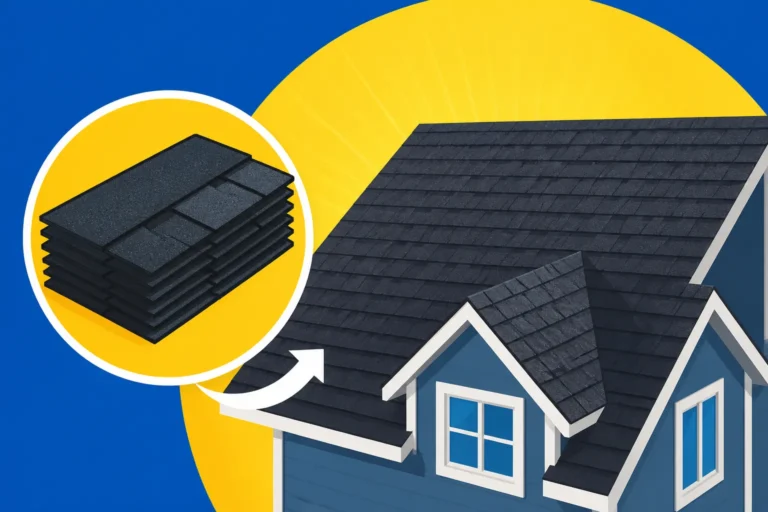
Not all asphalt shingles are created equal, and their differences in manufacturing, durability, and appearance directly impact their cost. Choosing the right shingle type is one of the biggest decisions you'll make that affects your budget.
- 3-Tab Shingles: These are the most economical option. They are flat, single-layer shingles designed to look like three separate tabs. While they offer basic protection and come at a lower price point—often ranging from 3-Tab Shingle Roof Cost of $75 to $120 per square for materials—they tend to have a shorter lifespan, typically 15-20 years, and a less robust wind resistance rating compared to other types. They offer a classic, flat look that some homeowners prefer for its simplicity.
- Architectural (Dimensional) Shingles: These are by far the most popular choice today. Also known as Architectural Shingle Roof Cost, they are multi-layered, creating a thicker, more dimensional appearance that mimics the look of wood shakes or natural slate. They are more durable, offering better wind and hail resistance, and typically come with longer warranties (25-30 years or more). Material costs usually fall between $100 and $200 per square. Their aesthetic appeal and enhanced performance make them a fantastic value proposition for most homes.
- Luxury (Designer) Shingles: At the top tier, you’ll find luxury or Designer Shingle Roof Cost. These are heavyweight, often custom-designed shingles that offer the most intricate designs and textures, closely mimicking high-end materials like slate or cedar shakes, but with the durability and lower maintenance of asphalt. They provide superior protection, aesthetic appeal, and the longest warranties, often 40-50 years or even lifetime. Material costs can easily range from $150 to $300+ per square. Brands like GAF Grand Sequoia or CertainTeed Presidential Shake are examples of luxury options.
Beyond the basic types, you can also opt for specialized shingles. For instance, Impact-Resistant Shingle Cost or Class 4 Shingle Roof Cost are designed to withstand severe weather, like hailstorms, and might even qualify you for insurance discounts in some regions. Cool-Roof Shingle Cost are designed with granules that reflect more sunlight, potentially lowering attic temperatures and energy bills. These specialized features add to the material cost but can offer long-term benefits and enhanced protection. For a deeper dive, check out our comparison of 3-Tab vs Architectural Shingle Cost Compared.
Roof Size, Pitch, and Complexity
The actual physical characteristics of your roof play a massive role in the overall cost. It's not just about the total square footage; it's about how much work is involved in navigating that space.
- Size: Naturally, a larger roof requires more materials and more labor hours, driving up the total cost. A Cost to Replace a Roof on a 1,500 sq ft House will inherently be less than a Cost to Replace a Roof on a 3,000 sq ft House, assuming similar complexity. However, sometimes there can be slight economies of scale on very large roofs, as contractors can be more efficient.
- Pitch (Steepness): This is a huge factor in labor costs. A low-slope roof is easier and safer to work on. As the pitch increases, the job becomes more challenging and dangerous for roofers, often requiring specialized safety equipment and more careful maneuvering. This translates directly into a Steep Roof Cost Premium. For example, a roof with a 7/12 pitch (meaning it rises 7 inches for every 12 inches it runs horizontally) will cost more to install than a 4/12 pitch. We have a detailed guide on Roof Replacement Cost by Pitch that explains this further.
- Complexity: Think of complexity as the "architectural interestingness" of your roof. A simple, flat, or low-pitch gable roof with few interruptions is the least expensive to replace. However, many homes have multiple valleys, dormers, skylights, chimneys, and other penetrations. Each of these features requires careful cutting of shingles, precise flashing installation, and more time and skill from the roofing crew. More complex roofs generate more waste and require more meticulous craftsmanship, all of which add to the labor cost.
Labor Rates and Contractor Expertise
The people doing the work are a significant part of your roofing investment. Labor costs account for a substantial portion of the total, often 40-60%. This is where the local market conditions and the specific contractor you choose really come into play.
- Regional Labor Rates: Just like overall averages, labor rates are subject to regional economic conditions. A roofer in California's Bay Area will command higher wages than one in rural Alabama. Demand also plays a role; if a major storm has recently hit your area, skilled labor will be in high demand, and prices may temporarily increase.
- Contractor Expertise and Reputation: You might encounter a wide range of quotes for what seems like the same job. Often, this difference boils down to the contractor's experience, reputation, and the quality of their crew. Highly reputable, experienced contractors with certified teams (e.g., GAF Master Elite or Owens Corning Platinum Preferred) might charge a bit more, but they often provide superior workmanship, better warranties, and peace of mind. They also typically carry proper licensing and insurance, which protects you from liability if someone gets hurt on your property. This is why knowing How Much Roofers Charge Per Hour isn't enough; you need to consider the value they bring. Trying to cut corners by hiring an unlicensed or inexperienced crew is one of the riskiest ways to save money, as it can lead to costly mistakes down the line. It's truly worth investing in a reputable professional, and platforms like Modernize can help you find them by connecting you with vetted local experts.
- Project Management: A good contractor doesn't just install shingles; they manage the entire project, including permits, material delivery, debris removal, and communication. This overhead is built into their labor rates but ensures a smooth, efficient, and code-compliant job.
Diving Deeper into Material Costs
While labor is a substantial part of the bill, the materials themselves represent a significant portion of what you'll pay. It's not just the shingles; it's an entire system designed to protect your home.
Shingles: The Main Event
As we touched on earlier, the type of shingle you select is paramount in determining your material cost. Let's look at some more specific material cost ranges (per roofing square):
- 3-Tab Shingles: Typically, material-only costs for 3-tab shingles range from $75 to $120 per square. These are a practical, budget-friendly choice that provides basic weather protection.
- Architectural Shingles: For architectural (also known as dimensional) shingles, you're usually looking at $100 to $200 per square for materials. Brands like GAF Timberline HDZ, Owens Corning Duration, and CertainTeed Landmark Pro are popular architectural options that offer excellent value, durability, and a wide array of colors and styles.
- Luxury Shingles: If you're aiming for a premium look, luxury shingles can cost anywhere from $150 to $300+ per square for materials alone. Brands such as GAF Grand Sequoia and CertainTeed Presidential Shake are fantastic examples, mimicking natural materials with enhanced performance.
Beyond the base price, factors like specific colors can sometimes influence cost (darker or specialty colors might be slightly more), as can the warranty offered by the manufacturer. Often, premium shingles come with better standard warranties, providing a longer period of coverage for defects. Understanding these differences is key to calculating your Asphalt Roof Replacement Cost: Complete Breakdown.
Underlayment, Flashing, and Other Essential Components
A roof is much more than just shingles. It’s a complex system of layers, each playing a critical role in waterproofing and protection. These components, while perhaps less glamorous than the shingles themselves, are non-negotiable and add to the material cost.
- Underlayment: This layer goes directly over your roof deck before the shingles. It provides an extra barrier against moisture. Traditionally, felt paper was used, but synthetic underlayments are now very popular due to their durability, lighter weight, and superior moisture resistance. The Synthetic vs Felt Underlayment Cost varies, with synthetic options typically costing more upfront but offering better performance. Expect to pay around $50-$100 per square for synthetic underlayment materials.
- Ice and Water Shield: In colder climates or in areas prone to ice dams, building codes often require an ice and water shield. This is a self-adhering, waterproof membrane applied to vulnerable areas like eaves, valleys, and around penetrations. It's a crucial defense against water infiltration from ice buildup or wind-driven rain. Material costs for ice and water shield typically range from $2 to $4 per linear foot or more for larger rolls.
- Flashing: Metal flashing is essential for directing water away from critical areas of your roof, such as chimneys, skylights, vent pipes, and wall intersections. It’s often made of galvanized steel, copper, or aluminum. High-quality, properly installed flashing is vital for preventing leaks. The Cost of New Flashing and Drip Edge will depend on the number of penetrations and linear feet required, but it's a small but mighty part of the overall material budget.
- Drip Edge: This metal flashing is installed along the edges of your roof, preventing water from getting underneath the shingles and fascia board. It protects the roof edge and helps direct water into your gutters. Drip edge is typically priced per linear foot, often around $1.50 to $3 per linear foot for materials.
- Ventilation: Proper attic ventilation is critical for extending the life of your roof and improving energy efficiency. This includes ridge vents, soffit vents, and sometimes static or powered vents. The Cost of Ridge Vent Installation is a common component of a full roofing system, with materials for ridge vents usually around $3-$6 per linear foot. Adequate ventilation prevents heat and moisture buildup, which can prematurely age your shingles and lead to mold or mildew.
- Starter Shingles and Hip & Ridge Caps: These specialized shingles are installed at the eave edges and along the hips and ridges of your roof. They provide a finished look and crucial protection against wind uplift and water infiltration at these vulnerable points. Their cost is usually factored into the overall shingle estimate but are distinct components.
Here's a quick overview of estimated material costs for an average 20-square roof (2,000 sq ft), illustrating how choices add up:
| Component | 3-Tab Shingle (Budget) | Architectural Shingle (Mid-Range) | Luxury Shingle (Premium) |
|---|---|---|---|
| Shingles (per sq) | $75 – $120 | $100 – $200 | $150 – $300 |
| Underlayment (per sq) | $50 – $100 | $50 – $100 | $50 – $100 |
| Ice & Water Shield (approx for 20ft eaves, 2 valleys) | $300 – $600 | $300 – $600 | $300 – $600 |
| Flashing & Drip Edge (approx) | $400 – $800 | $400 – $800 | $400 – $800 |
| Vents (e.g., ridge vent) | $300 – $600 | $300 – $600 | $300 – $600 |
| Total Materials (approx. for 20 sq) | $3,000 – $5,400 | $3,600 – $7,000 | $4,600 – $9,000 |
Note: These are material-only estimates and can vary widely based on brand, region, specific roof features, and market conditions.
The Labor Side of the Equation
While shingles and other materials are tangible items you can see and touch, a huge chunk of your roofing investment goes towards the skilled labor required to remove the old roof and install the new one correctly. This is where expertise, efficiency, and safety all factor into the cost.
Tear-Off and Disposal Costs
Unless you're building a brand-new home, a significant portion of the labor involves removing your old roof. This is known as a "tear-off," and it's almost always recommended over roofing over existing shingles. A Cost of Roof Tear-Off and Disposal typically ranges from $2 to $5 per square foot, or approximately $1,000 to $2,500 for an average 2,000 square foot roof.
- Why a Tear-Off is Essential: Removing the old roof allows the contractor to inspect the roof deck thoroughly. They can identify and replace any rotten, water-damaged, or compromised plywood or OSB, ensuring a solid foundation for your new roof. Skipping this step can lead to a shorter lifespan for your new roof and potential structural issues.
- Number of Layers: The cost of a tear-off increases if you have multiple layers of old shingles. Building codes in most areas limit the number of shingle layers to two, sometimes even one, so a full tear-off is often legally required. Removing two or more layers is more labor-intensive and generates more waste, pushing up both labor and disposal fees.
- Disposal Fees: Once the old shingles and debris are torn off, they need to be properly disposed of. This usually involves renting a dumpster and paying landfill fees. These costs are typically included in the tear-off estimate and can vary based on local regulations, weight of the debris, and the dumpster size needed. Environmentally conscious homeowners might also inquire about recycling options for old asphalt shingles, which are becoming more common in some regions.
Installation Labor and Crew Size
The core of the labor cost lies in the skilled installation of the new roofing system. This process is meticulous and physically demanding, involving multiple steps and specialized tools.
- Complexity Dictates Time: As mentioned before, the complexity of your roof significantly impacts the labor hours. A simple gable roof can be completed much faster than a multi-level roof with numerous dormers, valleys, and skylights. Each cut, each piece of flashing, and each sealant application takes time and precision.
- Team Efficiency: A well-organized and experienced roofing crew can complete a job efficiently, which can ultimately save you money on labor hours. A typical crew might consist of 4-8 workers, depending on the project size. A professional team will ensure proper shingle nailing patterns (crucial for warranty validity and wind resistance), precise flashing installation, and thorough cleanup.
- Safety Measures: Roofing is inherently dangerous work. Reputable contractors invest in safety equipment, training, and protocols to protect their crew. These safety measures, while adding a marginal cost, are essential and prevent costly accidents or liability issues for homeowners.
- Comprehensive System Installation: Labor isn't just for nailing shingles. It includes installing the underlayment, ice and water shield, drip edge, starter shingles, proper ventilation systems (like How Ridge Vent Is Installed), hip and ridge caps, and meticulous flashing around all penetrations (such as Chimney Flashing Explained or skylight flashing). Every component must be installed correctly for the roof to perform as a complete, watertight system. This is a primary reason why Roofing Material Cost vs Labor Cost is often quite balanced.
For an average 2,000 square foot roof, labor costs for installation (after tear-off) can range from $3,000 to $8,000, but again, this is highly variable depending on the factors listed above, and can be even higher for complex projects.
Hidden Costs and Potential Upgrades
Just when you think you have a handle on the budget, a few unexpected items can pop up. It's not always a contractor trying to gouge you; sometimes, these are truly unforeseen issues or beneficial upgrades worth considering. Being prepared for these "hidden costs" is a smart part of budgeting for a new roof.
Unexpected Repairs and Decking Issues
The most common and often frustrating hidden cost emerges after the old shingles are torn off: damaged roof decking. The roof deck, typically made of plywood or OSB, is the structural layer beneath your underlayment and shingles.
- Rotted or Damaged Decking: If the previous roof had leaks, poor ventilation, or was simply very old, the decking underneath could be soft, rotted, or otherwise compromised. This cannot be overlooked. New shingles need a solid, secure surface to be properly fastened. Replacing damaged sections of the roof deck is a non-negotiable step to ensure the integrity and longevity of your new roof. Roof Decking Replacement Cost typically runs about $3 to $10 per square foot for materials and labor, depending on the type of decking and the extent of the damage. A few sheets can quickly add hundreds, or even thousands, to the final bill.
- Fascia and Soffit Repairs: Sometimes, water damage extends beyond the decking to the fascia boards (the boards running along the roofline, often supporting the gutters) or soffits (the underside of the eaves). These repairs are usually identified during the initial inspection but might only be fully assessed after tear-off.
- Structural Concerns: In rare cases, more significant structural issues with the rafters or trusses might be discovered. These are usually symptoms of long-standing water damage or original construction flaws. Such repairs can be substantial, often requiring a general contractor in addition to your roofer.
A good roofing contractor will include a contingency for minor decking repairs in their estimate or clearly outline how additional decking will be charged. This transparency is crucial, and it’s a key question to ask when you How to Read and Compare Roofing Estimates.
Warranties, Permits, and Other Fees
Beyond the core materials and labor, several other costs contribute to the final price, some of which are essential, while others are optional upgrades.
- Permits: Almost all roof replacements require a building permit from your local municipality. This isn't just red tape; it ensures that your new roof meets local building codes and standards for safety and quality. The Roofing Permit Cost and Process varies significantly by location, from less than $100 to several hundred dollars. Your contractor should handle pulling the permit and scheduling inspections, but the cost will be passed on to you. Failing to get a permit can lead to fines, difficulties selling your home, or even issues with insurance claims down the road.
- Warranties: Shingle manufacturers offer warranties against material defects, and many contractors provide workmanship warranties. However, enhanced or Extended Roof Warranty: Worth the Cost options often come with an additional charge. For instance, some manufacturers like GAF or Owens Corning offer upgraded "system warranties" that cover not just the shingles but the entire roofing system (underlayment, vents, flashing, etc.) for a longer period, sometimes even lifetime, and include labor coverage if a manufacturing defect causes failure. These enhanced warranties typically require that all components are from the same manufacturer and installed by a certified contractor. While they add to the upfront cost, they offer significant peace of mind.
- Dumpster Rental and Disposal: While often included in the tear-off cost, occasionally a separate line item might appear for dumpster rental or additional disposal fees, especially if the job generates more waste than initially estimated.
- Home Protection and Cleanup: A professional roofing crew will take extensive measures to protect your landscaping, siding, and other property during the tear-off and installation. This includes laying tarps, using plywood to shield windows, and meticulous cleanup afterwards, often with magnetic sweeps to pick up stray nails. While these services don't appear as separate line items, the labor and equipment involved are factored into the overall project cost.
- Special Equipment: If your roof is exceptionally steep or high, your contractor might need to rent specialized lifting equipment, scaffolding, or safety gear, which can add to the project cost. This is often covered by the Multi-Story Roof Cost Premium.
Being aware of these potential extras, often categorized as Hidden Costs in a Roof Replacement, allows you to discuss them with your contractor upfront and avoid unwelcome surprises.
Navigating Estimates and Saving Money
Getting a new roof is a big decision, and it’s easy to feel overwhelmed by the process and the price tag. But by being proactive, asking the right questions, and leveraging available resources, you can navigate estimates confidently and even find ways to save without compromising quality.
How to Get and Compare Accurate Quotes
This is perhaps the most critical step in managing your roofing budget. You wouldn’t buy a car after looking at just one dealership, and you shouldn’t commit to a roof replacement after one estimate.
- Get Multiple Quotes: Always aim for at least three detailed estimates from different reputable roofing contractors. This allows you to compare not just the bottom-line price, but also the scope of work, material specifications, and warranty offerings.
- Look for Detail: A good estimate should be more than just a single price. It should break down costs for materials (shingles, underlayment, flashing, vents), labor (tear-off, installation), permits, and any other associated fees. It should clearly state the type and brand of shingles, underlayment, and other components to be used. This level of detail is essential for How to Read and Compare Roofing Estimates effectively.
- Inquire About the Full System: Ask if the estimate includes a complete roofing system, with all necessary components like starter strips, hip and ridge cap shingles, ice and water shield (where applicable), and proper ventilation. Sometimes, a low bid might be missing crucial elements that you'll end up paying for later.
- Check Credentials: Before even considering a quote, ensure the contractors are licensed, insured (liability and workers' compensation), and have a strong local reputation. You can often find reputable contractors through platforms like Modernize, which vet their network. Ask for references and check online reviews.
- Understand Warranties: Compare not just the overall price, but also the warranties offered – both the manufacturer's warranty on materials and the contractor's warranty on workmanship. A cheaper bid with a poor warranty can cost you more in the long run.
Strategies for Reducing Your Overall Cost
While you don't want to cut corners on something as vital as your roof, there are smart ways to potentially reduce the overall expense or make it more manageable.
- Timing Your Replacement: If your roof isn’t an emergency, consider scheduling the replacement during the off-peak season. For many areas, this means late fall or early spring. During these times, contractors might have more availability and could offer slightly more competitive pricing compared to the busy summer months. However, be mindful of weather conditions, as extreme cold or heat can make installation more challenging.
- Consider Shingle Tiers: If budget is a primary concern, evaluate if you truly need luxury shingles. High-quality architectural shingles often provide an excellent balance of durability, aesthetics, and cost-effectiveness. Discuss the pros and cons of different options with your contractor.
- Leverage Insurance: If your roof damage is due to a recent storm (hail, high winds), your homeowner’s insurance might cover a significant portion, or even all, of the replacement cost. Be sure to understand your policy and follow the proper steps for filing a claim. Our guide on Does Insurance Cover Roof Replacement can provide invaluable insights. It's important to document damage thoroughly and contact your insurer promptly.
- Explore Financing Options: A roof replacement is a major investment, and many homeowners don't have the cash readily available. Many roofing companies offer Roof Financing Options Explained, including deferred interest plans or low-interest loans. You can also look into home equity loans or lines of credit from your bank. Comparing these options can help you find a payment plan that fits your budget.
- DIY Minor Prep Work: While you should never attempt to DIY roofing installation, you might be able to save a tiny bit by handling minor prep work yourself, like clearing your yard of outdoor furniture or trimming back small branches around the house. Discuss this with your contractor first to ensure it actually helps and doesn't hinder their process.
Is an Asphalt Shingle Roof a Good Investment?
After sifting through all the costs, the fundamental question remains: is an asphalt shingle roof a worthwhile investment for your home? The answer, unequivocally, is yes. A new roof is not just a necessary repair; it's a critical component of your home's protection, energy efficiency, and overall value.
Longevity and Durability
One of the most compelling reasons to invest in a quality asphalt shingle roof is its proven longevity and durability. Modern asphalt shingles, especially architectural and luxury varieties, are engineered to withstand decades of harsh weather.
- Expected Lifespan: While 3-tab shingles typically last 15-20 years, architectural shingles boast a lifespan of 25-30 years, and luxury shingles can last 40-50 years or even longer with proper installation and maintenance. Factors like climate, tree coverage, and proper ventilation (such as How Proper Ventilation Extends Roof Life) will influence How Long Does an Asphalt Roof Last, but generally, you can expect long-term protection.
- Weather Resistance: Asphalt shingles are designed to shed water, resist wind uplift, and protect against hail and UV degradation. Higher quality shingles come with superior wind ratings and, for impact-resistant varieties, a Class 4 rating for hail, providing a robust shield against the elements.
- Low Maintenance: Compared to other roofing materials, asphalt shingles are relatively low maintenance. Occasional inspections, gutter cleaning, and promptly addressing any minor issues can help maximize their lifespan.
Investing in a new asphalt shingle roof provides peace of mind, knowing that your most valuable asset is protected from the top down.
Resale Value and ROI
Beyond protection, a new roof is one of the home improvements that offers excellent return on investment (ROI), significantly boosting your home's curb appeal and market value.
- Enhanced Curb Appeal: A fresh, attractive roof dramatically improves your home's exterior appearance. It can make an older home look rejuvenated and provide a significant boost to its curb appeal, which is crucial if you're planning to sell. A worn, stained, or damaged roof can be a major deterrent for potential buyers.
- Strong ROI: Real estate studies consistently show that a roof replacement is one of the top home improvements for ROI. While specific figures can vary by region and market, homeowners often recoup a substantial portion of their investment, sometimes 60-80% or even more, at resale. This means that if you spend $15,000 on a new roof, your home's value could increase by $9,000 to $12,000. For a deeper understanding, review our article on Roof Replacement ROI Explained.
- Buyer Confidence: A new roof provides immense confidence to prospective buyers. They won't have to worry about a major expense shortly after purchasing the home, making your property more attractive and easier to sell. A transferable warranty on a new roof is also a huge selling point.
- Energy Efficiency: A new, properly insulated and ventilated roof system can also improve your home's energy efficiency, leading to lower heating and cooling costs over time. This is particularly true if you upgrade to cooler-rated shingles or improve attic ventilation during the replacement.
Ultimately, an asphalt shingle roof is a foundational investment in your home's safety, comfort, and financial value. While the upfront cost can feel daunting, the long-term benefits in protection, durability, and increased property value make it a wise decision for any homeowner.
Disclaimer
Please remember that all cost estimates and figures provided in this guide are approximations based on national averages and current market data. Actual costs for your asphalt shingle roof replacement will vary significantly based on your specific location, chosen materials, roof complexity, contractor rates, and any unforeseen issues. Always obtain multiple detailed quotes from licensed and insured professionals for accurate pricing.