3-Tab Shingle Roof Cost
Trying to figure out how much a new roof will set you back can feel like navigating a maze blindfolded, especially when you're just starting to look at options like 3-tab shingles. You want durability and protection without breaking the bank, but the price tags can vary wildly, leaving you wondering what's truly a fair deal. This comprehensive guide is here to demystify the cost of a 3-tab shingle roof, breaking down every component so you can budget with confidence and make an informed decision for your home.
Understanding What 3-Tab Shingles Are
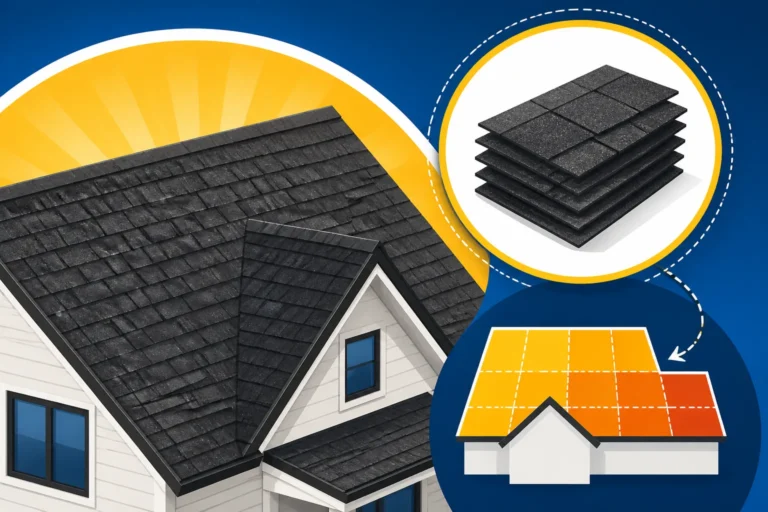
Before we dive into the numbers, let's get on the same page about what 3-tab shingles actually are. These are the classic, flat, single-layer asphalt shingles you've probably seen on countless homes. They get their name from their design: each shingle strip has three distinct tabs cut into it, giving the appearance of three separate pieces once installed. For years, they were the standard and a go-to for many homeowners and builders alike.
The Distinctive Look and Construction
Unlike their more modern counterparts, 3-tab shingles have a very uniform, often flat appearance. When they're laid, they create a clean, repetitive pattern across your roof. This isn't just about aesthetics; their construction is relatively simple. They're typically made from a fiberglass mat coated with asphalt and topped with ceramic granules. This straightforward design is a big reason why they've historically been the most economical option available. Think of them as the reliable, no-frills sedan of the roofing world – they get the job done efficiently and without excessive cost.
The individual tabs on each shingle are what create the traditional, layered look. While they are a single piece, the cut-outs give the illusion of multiple smaller shingles. This design isn't just for show; it's part of how they shed water and protect your home. However, their single-layer nature means they're thinner and generally lighter than other shingle types, which directly impacts their durability and lifespan, something we'll explore further as we discuss costs.
Why They Stand Out in the Market
3-tab shingles have always been celebrated for their affordability and ease of installation. If you're looking for a budget-friendly roofing solution that still offers decent protection, they often come out on top. They're lightweight, which means less stress on your roof's framing and often easier for roofers to handle, potentially reducing labor costs compared to heavier materials. This also makes them a popular choice for smaller structures like sheds or garages where cost is a primary concern.
However, their "standing out" often comes with a caveat. While cost-effective, they typically don't offer the same level of wind resistance, impact resistance, or aesthetic appeal as architectural shingles. They are a practical choice, perfect for homeowners who prioritize upfront savings and are looking for a functional roof without the bells and whistles. Knowing these characteristics is crucial when you're weighing your options and trying to understand your overall How Much Does an Asphalt Shingle Roof Cost investment.
Breaking Down the Average Cost of 3-Tab Shingle Roofs
When you start researching roof replacement, the numbers can feel overwhelming. For 3-tab shingles, you're generally looking at a lower price point compared to architectural or designer shingles. However, "average" is a tricky word because so many variables come into play. Let's dig into the typical ranges you might encounter and what goes into those figures.
General Price Range for Installation
On average, a 3-tab asphalt shingle roof replacement typically falls somewhere between $4,000 and $12,000 for an average-sized home (around 1,700 to 2,000 square feet). Now, that's a pretty wide range, right? This variance largely depends on your geographic location, the complexity of your roof, and the specific contractor you choose. For instance, replacing a roof in a bustling metropolitan area like Boston or Seattle might be on the higher end due to higher labor costs and demand, whereas a rural area in the Midwest might see prices closer to the lower end of that spectrum.
It's also important to remember that this range usually includes both materials and labor, as well as the tear-off of your old roof and disposal of debris. Some contractors might present estimates in different ways, so it's vital to get a clear breakdown. You'll want to ask pointed questions about what is included, especially when you're comparing bids from different companies. A reputable platform like Modernize can help you find local contractors who provide detailed, transparent estimates, helping you navigate these initial pricing hurdles.
Cost Per Square for Materials and Labor
Roofing costs are often discussed in "squares," which is a unit of measurement equivalent to 100 square feet. This can be confusing if you're not in the industry, but it's a standard way roofers calculate material needs and labor estimates. For 3-tab shingles, you can expect material costs to range from roughly $50 to $100 per square. This cost is primarily for the shingles themselves, though it can sometimes include basic starter shingles and ridge caps.
When you factor in labor, which often includes the tear-off, installation of underlayment, flashing, and the shingles themselves, the installed cost for 3-tab shingles typically ranges from $250 to $450 per square. This comprehensive per-square cost is what most homeowners will be quoted for a complete replacement. So, if your roof is 20 "squares" (2,000 square feet), you could be looking at an installed cost between $5,000 and $9,000, before any unexpected issues like damaged decking. Understanding this "per square" pricing is key to comparing your Roof Cost Per Square: What You'll Pay against various quotes.
Let's look at a quick table to illustrate the breakdown:
| Cost Component | Average Cost per Square (Materials Only) | Average Cost per Square (Installed) | Notes |
|---|---|---|---|
| 3-Tab Shingles | $50 – $100 | $250 – $450 | Includes shingles, underlayment, flashing, labor, tear-off, disposal |
| Architectural Shingles | $100 – $180 | $350 – $600 | Heavier, more durable, offers better aesthetics and wind resistance |
| Designer Shingles | $180 – $400+ | $600 – $1000+ | Premium aesthetics, high durability, often Class 4 impact rated |
Note: These are average ranges and can fluctuate based on location, contractor, and current material prices.
Factors Influencing Your 3-Tab Shingle Roof Project Cost
It's never as simple as just the price of the shingles, is it? Several key factors can significantly sway the final cost of your 3-tab shingle roof replacement. Being aware of these elements helps you understand why one quote might differ from another and prepares you for potential additional expenses.
Roof Size and Complexity
The most obvious factor is the size of your roof. A larger roof simply requires more materials and more labor hours, driving up the total cost. However, it's not just about square footage. The complexity of your roof plays a massive role. A simple gable roof on a ranch-style home will be far less expensive to re-roof than a multi-story house with many peaks, valleys, dormers, and skylights. Each additional angle, break, or penetration (like chimneys or vents) adds time and specialized labor.
For instance, a roof with many valleys requires more intricate cutting and flashing work, which takes longer and uses more materials, adding to your overall Cost of a Roof with Multiple Valleys. Similarly, dormers require careful shingle cutting and flashing around their perimeters to ensure watertight seals. All these complexities mean more attention to detail, more skilled labor, and more time on the job site, which directly translates to higher costs.
Existing Roof Condition and Tear-Off Needs
What's underneath your old shingles can also impact the price. If you currently have only one layer of shingles, the tear-off process is usually straightforward. However, if your roof has multiple layers of old shingles, the removal becomes more intensive, requiring more labor, more disposal fees, and potentially increasing the Cost to Remove Two Layers of Shingles. Most building codes limit the number of shingle layers to two, with some areas strictly enforcing a single-layer rule, meaning a full tear-off is mandatory.
Furthermore, if your underlying roof decking (the plywood or OSB sheathing) is rotted, water-damaged, or otherwise compromised, it will need to be replaced. This adds to both material and labor costs. A roofer will usually discover this during the tear-off process. While you hope for the best, it's wise to budget a contingency for potential Roof Decking Replacement Cost – it's a common "hidden cost" in a roof replacement.
Labor Costs and Regional Differences
Labor is a significant portion of any roofing project, and it varies greatly depending on your location and the specific contractor. Highly skilled roofers in areas with high demand or a higher cost of living will naturally charge more per hour or per square. For example, if you're getting an asphalt roof replacement in California, you might expect higher labor rates than in a state like Ohio or Michigan.
The availability of roofing crews also impacts pricing. In regions prone to severe weather events, demand for roofers can skyrocket after a storm, driving up prices temporarily. The type of roofing company also matters; a larger, established company with extensive insurance and warranties might charge more than a smaller, less experienced crew, but often provides greater peace of mind. Knowing the Regional Labor Rates for Roofing in your specific area can help you assess if a quote is reasonable.
Additional Components and Upgrades
A complete roofing system involves more than just shingles. You'll need underlayment, drip edge, flashing, and ventilation. While standard options for these are usually included in basic quotes, opting for upgrades can increase the cost. For example, synthetic underlayment offers better protection and durability than traditional felt underlayment and comes with a higher price tag. Similarly, upgrading to more robust metal flashing or adding new attic ventilation can add to the total.
Ice and water shield, a critical component in colder climates or areas prone to ice dams, is often required by code around eaves, valleys, and penetrations. This specialized membrane is more expensive than standard underlayment. Furthermore, if your roof has a steep pitch, roofers may charge a Steep Roof Cost Premium due to the increased safety measures and specialized equipment required to work on such angles. All these small decisions add up, so be sure to discuss each component with your contractor.
Comparing 3-Tab Shingles to Other Shingle Options
When you're making a big investment like a new roof, it's natural to explore all your options. While 3-tab shingles are often the most budget-friendly choice upfront, it's crucial to understand how they stack up against other popular asphalt shingle types, particularly architectural and designer shingles. This comparison goes beyond just price, delving into durability, aesthetics, and long-term value.
3-Tab vs. Architectural Shingles
This is perhaps the most common comparison homeowners face. Architectural shingles, also known as dimensional or laminate shingles, are a significant upgrade from 3-tab in both appearance and performance. They are constructed with multiple layers of asphalt and granules, giving them a thicker, more textured, and often more random appearance that mimics natural wood shakes or slate tiles. This multi-layered design makes them heavier and more durable than 3-tab shingles.
| Feature | 3-Tab Shingles | Architectural Shingles |
|---|---|---|
| Appearance | Flat, uniform, repetitive pattern | Textured, dimensional, varied look |
| Construction | Single layer of asphalt and granules | Multiple layers of asphalt and granules |
| Weight | Lighter (around 200-250 lbs per square) | Heavier (around 250-400 lbs per square) |
| Durability | Good, basic protection | Excellent, enhanced protection |
| Wind Resistance | Typically 60-80 mph | Typically 110-130 mph+ |
| Lifespan | 15-20 years (manufacturers often offer 25-year limited warranties) | 25-30 years (manufacturers often offer 30-50 year or lifetime limited warranties) |
| Cost | $50 – $100 per square (materials) | $100 – $180 per square (materials) |
As you can see, architectural shingles offer superior wind resistance, a longer lifespan, and a more aesthetically pleasing look for a moderate increase in cost. Many homeowners feel the extra investment is well worth it for the added curb appeal and peace of mind. If you're comparing your options, check out our guide on 3-Tab vs Architectural Shingle Cost Compared for a deeper dive.
Why Designer and Impact-Resistant Shingles Cost More
Moving up the ladder, you'll find designer (or luxury) shingles and impact-resistant shingles. These represent the premium end of the asphalt shingle market, and their higher price tags reflect enhanced performance and aesthetics. Designer shingles are essentially a super-premium version of architectural shingles, offering even more complex designs, deeper textures, and often a higher granule count for extreme durability and a very distinctive look. They can dramatically enhance a home's curb appeal and typically come with the best warranties.
Impact-resistant shingles, often rated Class 4 for hail resistance (the highest rating), are specifically engineered to withstand severe weather. They are made with modified asphalt or reinforced with a polymer blend, allowing them to absorb impacts from hail and debris without cracking or fracturing. While they may look like architectural shingles, their internal composition is designed for resilience. These shingles are particularly popular in hail-prone regions like Colorado or Texas, and in some areas, installing them can even lead to Do Class 4 Shingles Lower Insurance Premiums.
The added cost for both designer and impact-resistant shingles stems from their advanced materials, more complex manufacturing processes, and superior performance characteristics. They are an investment in longevity, extreme durability, and often, a significant boost in property value and aesthetics. While a 3-tab roof might cost $5,000 to $9,000 for a typical home, a designer or Class 4 impact-resistant roof could easily cost upwards of $10,000 to $20,000 or more, depending on the specifics.
Getting Accurate Quotes for Your 3-Tab Roof
Getting a new roof is a big decision, and comparing quotes can be one of the most stressful parts of the process. You want to make sure you're getting a fair price for quality work, but how do you know what to look for? It's not just about the bottom line; it's about transparency, detail, and understanding what you're actually paying for.
The Importance of Multiple Estimates
Never, ever settle for just one estimate. This is perhaps the most crucial piece of advice when planning any home improvement project, especially a roof replacement. You should aim to get at least three detailed quotes from different, reputable roofing contractors. Why three? Because it gives you a solid basis for comparison. You'll see the range of pricing, get different perspectives on the scope of work, and learn about various approaches to the job. One contractor might suggest a certain type of underlayment, while another might offer an upgrade for a slight additional cost.
Comparing multiple estimates allows you to spot outliers – a quote that's suspiciously low or astronomically high compared to the others could be a red flag. The lowest bid isn't always the best, as it might indicate skipped steps, inferior materials, or a lack of proper insurance. Conversely, the highest bid isn't automatically the best quality either; it could simply be overpriced. Platforms like Modernize can be a great starting point for connecting with pre-vetted contractors in your area, making it easier to gather these crucial estimates. Don't rush this part of the process; it's an investment in your home's future.
What a Detailed Estimate Should Include
When you receive an estimate, it shouldn't just be a single number. A truly professional and transparent roofing contractor will provide a comprehensive document outlining every aspect of the project. Here's what you should expect to see:
- Detailed Scope of Work: A clear description of everything that will be done, from tear-off to final cleanup. This should specify the number of layers being removed, any decking repair, and the installation of all roofing components.
- Material Breakdown: Itemized list of all materials, including the specific brand and type of 3-tab shingles (e.g., GAF Marquis WeatherMax, Owens Corning Supreme), underlayment, drip edge, flashing, ventilation products, and fasteners.
- Labor Costs: How labor is calculated (per square, per hour, or a flat fee) and what it includes.
- Permit Fees: Confirmation of who will pull the necessary permits and the estimated cost. Understanding the Roofing Permit Cost and Process is essential.
- Warranty Information: Details on both the manufacturer's warranty for the shingles and the contractor's warranty for their workmanship. Make sure you understand the difference between a Roofing Warranty: Workmanship vs Manufacturer.
- Payment Schedule: A clear breakdown of when payments are due (e.g., deposit, progress payments, final payment upon completion).
- Insurance and Licensing: Proof of the contractor's licensing and insurance (liability and workers' compensation).
- Cleanup and Disposal: What steps will be taken to protect your property during the job and how debris will be removed and disposed of.
If an estimate is lacking in detail, don't hesitate to ask for clarification. A reputable contractor will be happy to answer your questions and provide all the necessary information. Our guide on How to Read and Compare Roofing Estimates offers even more tips.
Identifying Potential Hidden Costs
Even with a detailed estimate, "hidden costs" can sometimes crop up. These aren't usually malicious, but rather unforeseen issues discovered once the old roof is torn off. Being prepared for them mentally and financially can save you a lot of stress.
Common hidden costs include:
- Unexpected Decking Repair: As mentioned earlier, damaged or rotted plywood/OSB decking is a frequent discovery. The cost for this is typically charged per sheet.
- Additional Flashing or Venting Needs: Sometimes, a contractor might uncover that existing flashing is inadequate or that your attic ventilation is insufficient, requiring upgrades not initially visible from the exterior.
- Unforeseen Structural Issues: In older homes, severe water damage might have compromised rafters or trusses, necessitating structural repairs before the new roof can go on safely. This is rare but possible.
- Pest Damage: Discovering active pest infestations (termites, carpenter ants) in the roof structure once shingles are removed.
- Increased Disposal Fees: If more layers of shingles or damaged decking are found than anticipated, disposal costs can increase.
Always ask your contractor about their process for handling unforeseen issues and what their charges would be for common add-ons like decking replacement. A good contractor will discuss these possibilities upfront and get your approval before proceeding with any extra work. Having a small contingency fund (5-10% of the total project cost) specifically for these surprises is always a smart move to avoid major budgetary shocks. These are some of the Hidden Costs in a Roof Replacement that homeowners often overlook.
Is a 3-Tab Shingle Roof the Right Choice for Your Home?
Deciding on the right roofing material involves weighing various factors beyond just the initial cost. While 3-tab shingles offer undeniable advantages, they also come with certain limitations. It's about finding the balance that best suits your budget, climate, aesthetic preferences, and long-term goals for your home.
Pros of Choosing 3-Tab Shingles
There are several compelling reasons why 3-tab shingles remain a viable and popular option for many homeowners:
- Affordability: This is, by far, their biggest selling point. If you're working with a tight budget or looking for the most economical way to get a new, functional roof, 3-tab shingles are typically the least expensive asphalt shingle option. This can be especially appealing for homeowners of starter homes, rental properties, or those looking to sell their home in the near future where a full premium roof might not yield enough return on investment.
- Lightweight: Their single-layer construction makes them lighter than architectural or designer shingles. This means less stress on your existing roof structure and, in some cases, it might even be possible to install them over a single existing layer (though a full tear-off is almost always recommended for better performance and warranty validation). The lighter weight can also translate to slightly lower labor costs as they are easier to handle.
- Simple Installation: 3-tab shingles are generally simpler and quicker to install compared to more complex dimensional shingles. This streamlined process can contribute to shorter project timelines and, again, lower labor expenses.
- Classic Aesthetic: For homes with a traditional architectural style, the flat, uniform appearance of 3-tab shingles can be quite appropriate. They offer a clean, unassuming look that blends well with many older homes or simpler designs where a highly textured roof might look out of place. They come in a variety of standard colors, allowing for some personalization.
Ultimately, if upfront cost savings are your primary concern, and you live in an area with moderate weather conditions, 3-tab shingles can provide reliable, basic protection for your home.
Cons and Considerations for 3-Tab Shingles
However, it's equally important to understand the downsides before committing to 3-tab shingles:
- Lower Durability and Shorter Lifespan: Because they are a single-layer product, 3-tab shingles are thinner and less robust than their multi-layered counterparts. This means they are more susceptible to wear and tear from weather elements. While manufacturers might offer a 25-year limited warranty, the actual functional lifespan often ranges from 15 to 20 years, especially in harsh climates. For more on this, consider reading up on How Long an Asphalt Roof Lasts.
- Inferior Wind Resistance: 3-tab shingles typically have a lower wind resistance rating, often rated for winds up to 60-80 mph. In comparison, many architectural shingles can withstand winds of 110-130 mph or more. If you live in an area prone to strong winds or hurricanes, 3-tab shingles might not provide adequate protection, leaving your home vulnerable to damage and potentially voiding insurance coverage more quickly.
- Less Aesthetic Appeal: While some appreciate their classic look, many homeowners find 3-tab shingles to be less visually appealing than architectural or designer options. Their flat profile doesn't offer the same depth, texture, or "pop" that can significantly boost curb appeal. If you're looking to enhance your home's exterior or increase its resale value, a more dimensional shingle might be a better investment.
- Fewer Color and Style Options: While basic colors are available, the variety of textures and unique styles is much more limited compared to the vast selection offered by architectural and designer shingles.
- Prone to Damage: Being thinner, they can be more prone to cracking, curling, and granule loss over time, especially with exposure to extreme temperatures and UV radiation. This can lead to more frequent small repairs and potentially a faster decline in overall roof health.
When making your decision, think about your home's location and typical weather patterns. If you're in a hurricane zone or a region with frequent hail, investing in a more robust shingle type could save you a lot of headaches (and money) down the line. If you're considering selling your home in the next few years, assess whether a more premium roof would genuinely add to your home's market value in your specific neighborhood.
Long-Term Value and Maintenance
While the initial cost of 3-tab shingles is lower, it's essential to consider the long-term value. A shorter lifespan means you might need another roof replacement sooner, potentially negating some of the initial savings. You'll also want to factor in potential maintenance. While all roofs need maintenance, 3-tab roofs might show signs of wear earlier. Regular roof inspections are crucial to catch issues like curling or missing shingles early.
If you're looking for a roof that will offer extended protection, enhance your home's aesthetics, and provide a longer warranty period, investing in architectural or designer shingles might be the more cost-effective choice over the lifespan of your home. However, for sheer affordability and basic, reliable coverage, 3-tab shingles still hold their ground in the asphalt roofing market.
Disclaimer
Please remember that the cost estimates and information provided in this guide are general averages. Actual costs for your specific roofing project can and will vary based on your geographic location, local labor rates, the specific contractor you choose, current material prices, the complexity of your roof, and any unforeseen issues encountered during the installation process. Always obtain multiple detailed quotes from licensed and insured roofing professionals and discuss all aspects of your project before making a final decision.