Asphalt Roof Replacement Cost in Illinois
Facing the prospect of replacing your asphalt roof in Illinois can feel overwhelming, especially with the fluctuating costs and regional differences across the state. You're probably wondering what a fair price even looks like, and how to avoid getting taken for a ride. This comprehensive guide will walk you through the typical asphalt roof replacement cost in Illinois, breaking down the factors that influence pricing, what to expect in an estimate, and practical advice to help you budget wisely for your upcoming roofing project.
Understanding the Average Asphalt Roof Replacement Cost in Illinois
Let's get right to it: the cost of replacing an asphalt roof in Illinois can vary significantly, typically ranging from $7,000 to $20,000, with a statewide average often landing somewhere between $10,000 and $15,000. Of course, these are broad strokes, and your specific project could fall outside this range depending on a myriad of factors. For a more general understanding of how costs are calculated, you might find our guide on How Much Does an Asphalt Shingle Roof Cost] helpful.
It's important to remember that Illinois is a diverse state, from the bustling urban sprawl of Chicago to the quieter, more rural communities downstate. Labor rates, material availability, and even local permit fees can all contribute to regional price variations. What you pay in Naperville might be different from what a homeowner in Peoria or Springfield experiences.
Regional Cost Variations Across Illinois
The cost of roofing isn't a one-size-fits-all number, and Illinois is a prime example of why. Urban areas, especially around Chicagoland, tend to have higher labor costs due to a higher cost of living and increased demand. Roofing companies operating in areas like Schaumburg, Joliet, or Evanston often face higher operational expenses, which are reflected in their pricing. Meanwhile, communities in downstate Illinois, such as Champaign, Rockford, or Bloomington, might see slightly lower labor rates, though material costs tend to remain fairly consistent statewide.
For instance, a standard architectural shingle roof on a modest 1,500 sq ft home could cost you upwards of $13,000-$18,000 in the greater Chicago area, while the same project in a less populated region like Carbondale might come in closer to $9,000-$14,000. It's not just about the city size, but also local market competition and even the prevalence of storm damage, which can spike demand and prices.
How House Size Impacts Your Bill
Naturally, the larger your roof, the more materials and labor will be required, directly impacting your overall cost. Roofing contractors typically measure roofs in "squares," where one square equals 100 square feet. A larger house means more squares, more shingles, more underlayment, and more time for the crew to complete the job.
Here’s a general idea of how house size translates to roofing costs in Illinois for an average architectural shingle installation, excluding complex features:
| House Size (Sq Ft) | Estimated Roof Area (Squares) | Average Cost Range in Illinois |
|---|---|---|
| 1,000 | 10-12 | $7,000 – $11,000 |
| 1,500 | 15-18 | $10,000 – $14,000 |
| 2,000 | 20-24 | $13,000 – $18,000 |
| 2,500 | 25-30 | $16,000 – $22,000 |
| 3,000+ | 30+ | $19,000 – $28,000+ |
Keep in mind that factors like roof pitch, complexity, and number of stories will further refine these estimates. For a more detailed look, consider reading our post on Cost to Replace a Roof by House Size].
Key Factors Influencing Roofing Costs in Illinois
The sticker shock of a new roof can be tough, but understanding what goes into that final figure can help you make sense of it all. It's not just about the shingles; many different components contribute to the total asphalt roof replacement cost.
Shingle Type and Quality
The type of asphalt shingle you choose is one of the most significant cost drivers. You essentially have three main categories:
- 3-Tab Shingles: These are the most economical option, offering a flat, uniform appearance. They are also the lightest and generally have the shortest lifespan. While cheaper upfront, they might not offer the best long-term value, especially in Illinois' varied weather. You can learn more about their specific costs in our article, 3-Tab Shingle Roof Cost].
- Architectural (Laminate/Dimensional) Shingles: These are by far the most popular choice in Illinois. They are thicker, heavier, and offer a multi-dimensional, textured look that mimics natural wood shakes or slate. They provide better wind and impact resistance than 3-tab shingles and come with longer warranties. Brands like GAF Timberline HDZ and Owens Corning Duration are incredibly popular choices in Illinois due to their durability and aesthetic appeal. Explore more about their pricing in our guide on Architectural Shingle Roof Cost].
- Designer (Luxury) Shingles: These are the premium option, designed to replicate the appearance of natural slate or cedar shakes with exceptional detail. They are the heaviest, most durable, and offer superior protection and curb appeal, but come at a higher price point. If you're looking for that high-end look and maximum longevity, these are your go-to.
The quality of the shingle also ties into its warranty. A shingle with a 50-year limited lifetime warranty will naturally cost more than one with a 25-year warranty, reflecting its expected performance and durability. Given Illinois's unpredictable weather, with its severe winters, hot summers, and potential for hail and strong winds, investing in higher quality, impact-resistant shingles can be a wise decision.
Roof Complexity and Pitch
Imagine trying to work on a sprawling ranch-style roof versus a steep, multi-level Victorian home with numerous dormers and valleys. The latter is inherently more complex and time-consuming.
- Roof Pitch (Steepness): A steeper roof requires more specialized equipment, safety measures, and slower work, all of which add to labor costs. If your roof has a pitch greater than 7/12 (meaning it rises 7 inches for every 12 inches it runs horizontally), expect to see a "steep roof cost premium" added to your estimate.
- Roof Design Elements: Features like skylights, chimneys, multiple valleys, dormers, and intricate angles all increase the labor involved in cutting, flashing, and sealing around these elements. Each penetration and break in the roofline adds complexity and time, and thus cost. For example, flashing around a chimney or multiple skylights requires meticulous work to ensure watertight seals, which drives up the labor component of your bill.
Labor Costs in Illinois
Labor is often the largest single component of your roof replacement cost, typically accounting for 40-60% of the total. In Illinois, labor rates can fluctuate based on the region, the season, and the specific contractor's expertise. Highly reputable, certified contractors often charge more, but they also bring experience, proper insurance, and warranties that are worth every penny.
Average hourly rates for roofers in Illinois can range from $45 to $75 per hour per worker, but most contractors will give you a project-based quote rather than an hourly breakdown. These costs also include the tear-off of your old roof, the installation of the new materials, and clean-up. Remember that the "crew" isn't just one person; it's a team of skilled individuals working together.
Necessary Underlayment and Accessories
A new roof isn't just shingles; it's a complete system designed to protect your home. Modern building codes, especially in states like Illinois with freeze-thaw cycles, often mandate certain protective layers.
- Underlayment: This material goes between your roof deck and your shingles, acting as an extra layer of protection against moisture. Options range from traditional felt paper to more advanced synthetic underlayments, which are lighter, stronger, and more water-resistant. Synthetic options are usually preferred for their durability and performance.
- Ice and Water Shield: Critical for Illinois winters! This self-adhering membrane is installed along eaves, valleys, and around penetrations (like chimneys and vents) to prevent ice dams from backing up water under your shingles and causing leaks. Building codes in many parts of Illinois require ice and water shield installation, especially in areas prone to heavy snow and freezing temperatures.
- Flashing: This metal material is installed in critical areas like valleys, around chimneys, skylights, and vent pipes to divert water. Proper flashing is essential for preventing leaks.
- Ventilation: A properly ventilated attic is crucial for the longevity of your roof and your home's energy efficiency. Ridge vents, soffit vents, and other attic ventilation systems help regulate temperature and moisture, preventing issues like mold growth and premature shingle aging. If your current ventilation is inadequate, a contractor will likely recommend upgrades, which will add to the overall cost.
- Drip Edge: This metal flashing is installed along the edges of your roof to direct water away from the fascia and into the gutters, protecting your roof decking and preventing water damage to your home's exterior.
Each of these components adds to the material cost and the labor required for installation, but they are absolutely essential for a durable, long-lasting roof.
Permitting and Inspection Fees
Yes, you need a permit! In Illinois, nearly all roof replacements require a building permit from your local municipality. This isn't just bureaucratic red tape; it ensures that your new roof meets local building codes and safety standards. The cost of a permit varies by city and county. For example, in Chicago, a residential roofing permit might cost a few hundred dollars, while in smaller towns, it could be less.
When you work with a reputable roofing contractor, like those found through platforms like Modernize, they will typically handle the permit application process for you. This is a huge relief, as navigating local government offices can be a headache. Once the permit is issued, local inspectors will usually conduct at least one inspection (often a final inspection) to ensure the work was done correctly and up to code. Make sure your contractor includes the permit fee in your estimate. Ignoring permit requirements can lead to fines, difficulties with insurance claims, and even issues when selling your home down the line. To dive deeper into this topic, check out our article on Do You Need a Permit to Replace a Roof].
Breaking Down Your Roofing Estimate: What to Look For
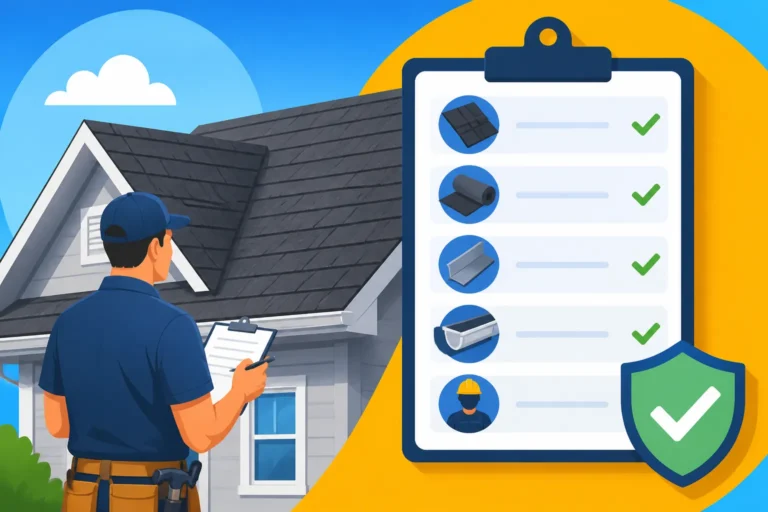
Receiving a roofing estimate can be a confusing experience, especially if it’s packed with industry jargon. A good estimate, however, should be clear, detailed, and transparent, outlining every aspect of the job. Understanding what you're looking at will empower you to compare bids effectively and ensure you're getting a fair deal. You might want to refer to our guide on How to Read and Compare Roofing Estimates] for a more general overview.
The Major Cost Categories
When you get an estimate for an asphalt roof replacement in Illinois, it should typically break down into a few key areas:
- Materials: This includes all the components going onto your roof: shingles (main, starter, hip & ridge caps), underlayment (synthetic or felt), ice and water shield, drip edge, flashing metals, and any new vents (ridge, soffit, etc.). The brand, quality, and quantity of each item will be listed. For example, you might see "GAF Timberline HDZ Architectural Shingles" and "GAF FeltBuster Synthetic Underlayment."
- Labor: This covers the cost of the crew to perform the work, including tear-off, installation of new components, and clean-up. This is usually presented as a single line item, but it represents the collective effort and skill of the roofing team. The complexity of your roof will heavily influence this portion.
- Disposal/Dumpster Fees: Removing old shingles and other roofing debris requires a dumpster, and then the waste needs to be properly disposed of. This cost is often included in the labor section but should be clearly itemized or mentioned. In Illinois, disposal costs can vary, and environmental regulations can also play a role.
- Permits and Inspections: As discussed, the cost for the necessary permits will be included here.
- Contingency/Miscellaneous: Some estimates might include a small contingency line item for unforeseen issues, like discovering rotten decking after the old shingles are removed. While this shouldn't be a large percentage, it's a realistic reflection of potential surprises.
It's crucial to get multiple estimates, preferably three to five, from local, reputable roofing contractors in Illinois. This allows you to compare not just the bottom line, but also the scope of work and the materials proposed. Don't automatically go with the cheapest bid; sometimes a significantly lower price can signal cut corners or a lack of proper insurance.
Hidden Costs to Watch Out For
Even with a detailed estimate, there can sometimes be unexpected costs that catch homeowners off guard. Being aware of these can help you ask the right questions upfront.
- Damaged Roof Decking: This is a big one. Your roof deck is the plywood or OSB sheeting beneath your underlayment and shingles. If it's old, water-damaged, or rotted, it will need to be replaced, and this is typically an extra cost not included in the initial estimate. Contractors often can't fully assess the decking until the old shingles are removed. Expect to pay anywhere from $70-$100 per sheet of plywood/OSB replaced, including labor.
- Additional Layers: If your roof has multiple layers of old shingles (sometimes a previous contractor just roofed over the existing layer), removing these extra layers will increase labor time and disposal costs. Many Illinois municipalities only allow one or two layers of shingles, so tear-off is often unavoidable. Our article on Cost to Remove Two Layers of Shingles] provides more insight.
- Steep Pitch or High Heights: While often factored in, confirm that any premium for a particularly steep or multi-story home is explicitly stated.
- Unforeseen Structural Issues: Though rare, discovering a compromised rafter or other structural issue during tear-off would necessitate repairs beyond the scope of a standard roof replacement.
- Specialty Flashing: If your home has unique architectural features or very old, intricate flashing that needs custom work, this can add to the cost.
Always ask your contractor about their process for handling unforeseen issues and what their protocol is for communicating additional costs. A trustworthy contractor will always get your approval before proceeding with any extra work.
Navigating Financing and Insurance for Your Illinois Roof
For many Illinois homeowners, a full roof replacement is a significant investment that requires careful financial planning. Understanding your options for paying for the project, and how your insurance might factor in, can alleviate a lot of stress.
Insurance Claims and Storm Damage
Illinois is no stranger to severe weather. Hailstorms, strong winds, and heavy snow can all inflict damage that warrants an insurance claim. If your roof damage is due to a sudden, unforeseen event like a storm, your homeowners insurance policy might cover a substantial portion, if not all, of the replacement cost.
Here’s a general rundown of how it works:
- Assess Damage: After a storm, safely inspect your roof for obvious signs of damage like missing shingles, hail indentations, or punctures.
- Contact Your Insurance Company: File a claim as soon as possible. Your insurer will send an adjuster to inspect the damage.
- Get a Contractor's Estimate: It's highly recommended to have a reputable roofing contractor, perhaps one found through Modernize, inspect your roof before the insurance adjuster arrives. They can provide an expert assessment of the damage and a detailed estimate. Many contractors are experienced in working with insurance claims and can help you navigate the process.
- Compare and Coordinate: Your contractor's assessment can be invaluable when discussing the damage with your insurance adjuster. Ensure both parties agree on the scope of repairs or replacement needed.
- Understand Your Payout: Most policies cover "Replacement Cost Value" (RCV), meaning they'll pay to replace your roof with new materials, minus your deductible. Some older policies might offer "Actual Cash Value" (ACV), which factors in depreciation, meaning you'll get less. Confirm your policy details.
Keep in mind that insurance won't cover routine wear and tear or poor maintenance. It's for sudden, accidental damage. If you're concerned about whether your specific damage is covered, our article, Does Insurance Cover Roof Replacement], might offer clarity.
Financing Options for Your New Roof
If your roof replacement isn't covered by insurance, or if you simply prefer to pay over time, several financing options are available to Illinois homeowners:
- Home Equity Line of Credit (HELOC) or Home Equity Loan: These options leverage the equity in your home, often offering lower interest rates since your home serves as collateral. The interest paid on these can sometimes be tax-deductible.
- Contractor Financing: Many roofing companies partner with third-party lenders to offer financing plans directly to their customers. These can range from deferred interest promotions (e.g., "no interest if paid in 12 months") to longer-term loans with fixed interest rates. Be sure to understand all terms and conditions, as rates can vary.
- Personal Loan: Banks and credit unions offer unsecured personal loans. While they might have higher interest rates than home equity options, they don't require collateral and can be approved quickly.
- Cash-Out Refinance: If you have significant equity and other needs for cash, a cash-out refinance allows you to refinance your mortgage for more than you owe, taking the difference in cash to pay for your roof.
Before committing to any financing, compare interest rates, terms, and any associated fees. Always ensure you're comfortable with the monthly payments and the total cost over the loan's lifetime. A new roof is an investment that increases your home's value and protects it, so exploring these options can make the upfront cost more manageable. You can get a deeper understanding of these options by reading our article on Roof Financing Options Explained].
Finding the Right Roofing Contractor in Illinois
Choosing the right roofing contractor is paramount to ensuring a successful and stress-free roof replacement. This is where research and diligence really pay off. A qualified contractor will not only install your roof correctly but also ensure all permits are pulled and the project adheres to local Illinois building codes.
Key Qualities of a Reputable Illinois Roofer
When you're sifting through potential contractors, whether you're in Chicago, Aurora, or Springfield, keep these critical qualities in mind:
- Licensed and Insured: This is non-negotiable. In Illinois, roofing contractors are required to be licensed by the Illinois Department of Financial and Professional Regulation (IDFPR). They also need to carry general liability insurance and workers' compensation insurance. Ask for proof of both, and verify them. If a contractor isn't properly insured and an accident occurs on your property, you could be held liable.
- Local Presence: Hire a local Illinois contractor. They are familiar with regional building codes, weather challenges, and have an established reputation within the community. Be wary of "storm chasers" who appear after a severe weather event, offer exceptionally low prices, and then disappear when problems arise.
- Experience and Expertise: Look for contractors with a solid track record, especially with asphalt shingle installations. Ask how long they've been in business and if they have experience with the specific shingle type you're interested in.
- Manufacturer Certified: Many top shingle manufacturers like GAF, Owens Corning, and CertainTeed offer certification programs for contractors (e.g., GAF Master Elite, Owens Corning Platinum Preferred). These certifications indicate that the contractor has met rigorous standards for quality, training, and customer service, and often allows them to offer enhanced manufacturer warranties.
- Transparent Communication and Detailed Estimates: A good contractor will communicate clearly, answer all your questions patiently, and provide a comprehensive, easy-to-understand estimate that breaks down all costs.
- Positive References and Reviews: Check online reviews on platforms like Google, Yelp, and the Better Business Bureau. Ask for references from past clients and follow up on them. This gives you insight into their professionalism, workmanship, and reliability.
- Solid Warranty: A reputable contractor will offer a workmanship warranty (covering their installation) in addition to the manufacturer's warranty on the materials. Understand what each warranty covers and for how long.
Platforms like Modernize can be an excellent starting point for connecting with pre-vetted, licensed, and insured roofing professionals in your specific Illinois area. They simplify the process of getting multiple quotes from trusted contractors. Taking the time to properly vet your contractor is the best way to ensure your investment is protected and your new roof is installed to last. You can find more advice in our guide on How to Choose a Roofing Contractor].
Disclaimer
The cost estimates provided in this article are general averages and can vary significantly based on your specific location within Illinois, the chosen materials, the complexity of your roof, and the contractor you hire. These figures are intended for informational purposes only and should not be considered a fixed quote. Always obtain multiple detailed estimates from licensed and insured local roofing contractors for an accurate assessment of your specific project.