What a Roofing Estimate Should Include
Getting a new roof or a major repair can feel like a daunting task, and one of the biggest headaches is sifting through confusing, jargon-filled estimates. You’re trying to make a huge financial decision for your home, and all you want is a clear, straightforward breakdown of what you’re paying for. It's frustrating when you receive bids that seem to speak a different language, leaving you wondering if you're comparing apples to oranges or worse, falling prey to hidden costs. This guide is here to demystify the roofing estimate, walking you through every crucial detail it should include so you can compare bids confidently and ensure you're getting exactly what you need.
The Core Essentials: Contractor Details and Project Scope
Before you even get to the numbers, a solid roofing estimate starts with clear identification and a comprehensive overview of the work itself. Without these fundamental pieces, you're essentially looking at a vague promise, not a reliable plan. This section forms the bedrock of trust and accountability, ensuring you know exactly who is doing the work and precisely what they intend to do.
Full Contractor Information and Credentials
A reputable roofing contractor will never shy away from putting all their cards on the table. The estimate should prominently feature their complete business name, physical address (not just a P.O. box), phone number, and email. This isn't just for contact; it's about verifying their legitimacy. You should also see their state-issued contractor's license number clearly listed. Different states have different requirements, but a license signals that they meet certain professional standards. For example, in states like Florida or California, where strict licensing is common, this is a non-negotiable.
Beyond just a license number, ask for proof of insurance – specifically general liability and workers' compensation. This is incredibly important for your protection. If a worker gets injured on your property or there's accidental damage during the project, their insurance should cover it, not your homeowner's policy. Any contractor who hesitates to provide these details or claims they aren't necessary is a major red flag. Platforms like Modernize can often help you vet contractors by providing access to verified professionals who meet these essential criteria, streamlining your search for a trustworthy team. Knowing How to Choose a Roofing Contractor is essential, and verifying their credentials is the very first step.
Detailed Scope of Work
This is where the contractor lays out the entire plan, step by meticulous step. A vague "install new roof" just won't cut it. You need specifics, starting with whether it’s a full tear-off or a re-roofing over existing shingles. A full tear-off, while more expensive due to the Cost of Roof Tear-Off and Disposal, is generally recommended as it allows for inspection of the roof deck and ensures a proper foundation for the new system. The estimate should explicitly state which approach they plan to take.
Following that, every stage of the project should be outlined. This includes preparation (e.g., protecting landscaping, setting up debris removal), the removal of old roofing materials, inspection and potential repair or Roof Decking Replacement Cost, installation of new underlayment (synthetic vs. felt, for example), the application of ice and water shield in vulnerable areas, installation of new drip edge, flashing around chimneys and vents, and finally, the actual shingle installation. A good estimate won't leave you guessing; it will describe each phase in detail, making it clear what actions the crew will perform and why. This level of transparency helps you understand the full process and anticipate what to expect on installation day.
Digging Deeper: Your Roofing System's Components and Quality
Once you know who is doing what, the next crucial element is what materials they're using. The quality and type of materials chosen will directly impact the longevity, performance, and overall cost of your new roof. A comprehensive estimate doesn't just list "shingles"; it delves into the specifics of each component.
Shingle Type, Brand, and Color Selection
The shingles themselves are arguably the most visible and protective part of your roof, and their details must be crystal clear in the estimate. It should specify the exact type of shingle (e.g., 3-tab, architectural, designer), the manufacturer (e.g., GAF, Owens Corning, CertainTeed, Malarkey), the product line (e.g., GAF Timberline HDZ, Owens Corning Duration), and even the specific color you've chosen. For example, a quote that simply says "architectural shingles" is insufficient. It should instead read something like "GAF Timberline HDZ, Charcoal color, Architectural Shingles." This level of detail ensures you're getting the exact product you discussed and makes it easier to compare estimates from different contractors.
Different shingle types offer varying aesthetics, durability, and warranties, which significantly influence the overall How Much Does an Asphalt Shingle Roof Cost. Architectural shingles, for instance, are a popular choice for their dimensional look and enhanced durability compared to traditional 3-tab shingles. If you're considering an upgrade, such as Impact-Resistant Shingle Cost or cool-roof shingles designed for energy efficiency, these features must be itemized. The estimate should also confirm the shingle’s warranty period and any specific wind or algae resistance ratings if applicable. This ensures there are no surprises when the materials arrive on site.
Underlayment, Flashing, and Ventilation Components
Your roof is a system, and the shingles are just one part of it. The underlayment, flashing, and ventilation components are critical for protecting your home from water damage and promoting proper airflow in your attic, yet they are often overlooked by homeowners. The estimate needs to specify the type of underlayment to be used (e.g., synthetic felt or traditional asphalt-saturated felt) and its thickness or weight. Modern synthetic underlayments, while potentially increasing Synthetic vs Felt Underlayment Cost, offer superior protection and tear resistance.
Similarly, all flashing components should be detailed. This includes new step flashing, counter flashing around chimneys, and valley flashing. Whether they plan to reuse existing flashing (a cost-cutting measure that often leads to future problems) or install brand-new, corrosion-resistant flashing should be explicitly stated. You'll also want to see what ventilation components are included. A properly ventilated attic is vital for extending the life of your roof and regulating attic temperatures. The estimate should specify the type of vents (e.g., ridge vents, box vents, soffit vents) and the quantity or linear footage. For instance, a quote should say "Installation of continuous ridge vent" rather than just "ventilation." All these elements contribute significantly to the overall performance and longevity of your new roofing system, making their clear inclusion in the estimate non-negotiable. The Cost of Ridge Vent Installation should be itemized if included.
Decoding the Dollars: Understanding the Cost Breakdown
The financial aspect is, understandably, a major focus for homeowners. A truly helpful estimate goes beyond a single bottom-line number and provides a transparent breakdown of all associated costs. This allows you to see where your money is going and identify any potential "hidden costs in a roof replacement" before they become a surprise.
Material vs. Labor Costs
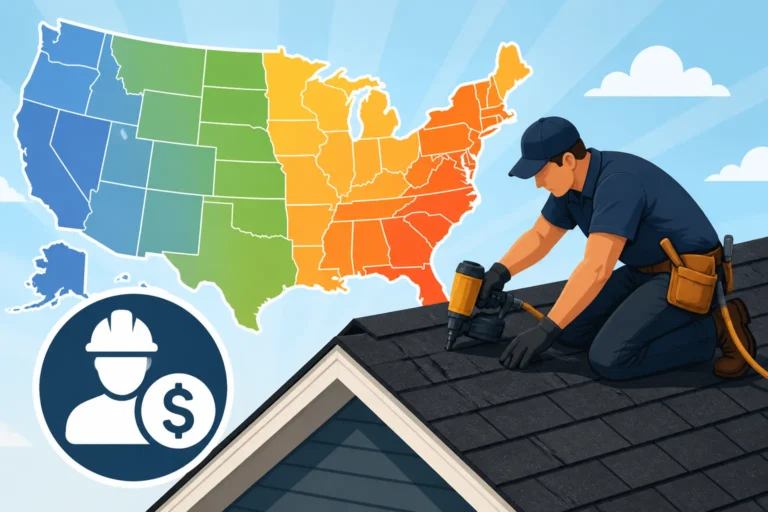
A professional estimate will clearly differentiate between the cost of materials and the cost of labor. This separation is vital because it helps you understand the value of each component. For instance, if you're comparing two bids and one is significantly lower, seeing the breakdown might reveal that they're proposing cheaper materials or underestimating the labor required. Typically, material costs make up a substantial portion of the overall project, with labor varying based on factors like roof pitch, complexity, and regional rates.
For example, on a straightforward single-story ranch home in a moderate climate, labor might account for 40-50% of the total, while materials comprise the rest. However, on a multi-story home with a steep pitch and many dormers, labor costs could climb higher. Knowing the breakdown empowers you to ask targeted questions if you see a discrepancy. If a contractor bundles everything into one "material and labor" line item, it makes it nearly impossible to evaluate the fairness of their pricing or compare it effectively with other bids. This transparency is crucial for understanding your Roofing Material Cost vs Labor Cost.
Permitting, Disposal, and Warranty Information
Beyond the direct costs of materials and labor, several other essential items contribute to the total price and should be clearly listed. First, permitting. Most municipalities require a permit for roof replacement to ensure the work adheres to local building codes. The estimate should state whether the contractor will pull the permit and include the associated fees. If they tell you a permit isn't necessary or suggest you pull it yourself, be wary – that could lead to issues down the line. Understanding Do You Need a Permit to Replace a Roof is key to staying compliant.
Second, disposal costs for the old roofing materials. A thorough estimate will include the cost of renting a dumpster and properly disposing of the old shingles and debris. This can be a significant expense, especially for a full tear-off. You don't want to be left with a pile of old shingles in your driveway because disposal wasn't factored in.
Finally, warranty information needs to be detailed. This usually includes two main types: the manufacturer's warranty on the materials and the contractor's warranty on their workmanship. A robust manufacturer warranty, especially if it's a "system warranty" that covers all components from a single brand like CertainTeed or Owens Corning, offers peace of mind. The estimate should specify the duration and coverage of both warranties. Some manufacturers offer enhanced warranties if a certified contractor installs the complete roofing system. For example, a GAF Master Elite Contractor can offer stronger warranties than a general contractor. Make sure the estimate explains how to register your warranty and what steps are needed to keep it valid. A clear understanding of your Roofing Warranty: Workmanship vs Manufacturer is non-negotiable.
Beyond the Paper: What to Ask and What to Avoid
Receiving multiple estimates is just the first step. The real work begins when you start comparing them and vetting the contractors. Don't be afraid to ask probing questions; a good contractor will appreciate your diligence and be happy to provide thorough answers. Being prepared can save you a lot of grief and money in the long run.
What to Watch Out For in a Poor Estimate
Unfortunately, not all estimates are created equal, and some can be red flags in themselves. Be extremely cautious of estimates that are overly vague or lack the detailed breakdown discussed above. If it's just a single line item for "new roof" with a total price, you're not getting enough information to make an informed decision. Similarly, watch out for estimates that are significantly lower than all others you've received. While a great deal can be tempting, a price that's too good to be true often hides corners being cut, substandard materials, or uninsured labor. This isn't just a concern for the quality of the job, but also for your liability.
Another red flag is a contractor who pressures you to sign immediately or offers a "today-only" discount. Reputable companies understand that a roof replacement is a major investment and homeowners need time to consider their options. An estimate that doesn't mention disposal of old materials, doesn't specify underlayment or flashing, or provides no details on how the work will be performed should also give you pause. These omissions often indicate a lack of transparency or, worse, a plan to perform work that doesn't meet current building codes. Learning Roofing Contractor Red Flags to Avoid is just as important as knowing what to look for.
Empowering Questions for Your Contractor
Once you have the estimates in hand, it's time to engage with the contractors. Don't hesitate to ask specific questions about anything that isn't clear or that you want further explanation on. Here are some key questions you should pose:
- "Can you walk me through each line item on this estimate and explain what it covers?" This helps clarify any jargon.
- "What exact products will you be using, including the brand, model, and specific colors for shingles, drip edge, and any other visible components?" Get it in writing.
- "What is your project timeline, from start to finish, and how do you handle potential weather delays?"
- "How will you protect my property, including landscaping, driveways, and gutters, during the project?"
- "What is your debris cleanup process, and how will you ensure all nails are removed from my property?"
- "Can you provide proof of your general liability and workers' compensation insurance?" Always ask for current certificates.
- "What steps do you take to ensure compliance with all local building codes and do you pull the necessary permits?"
- "What is your payment schedule, and what deposit do you require upfront?" Be wary of contractors asking for 50% or more upfront.
- "What kind of warranty do you offer on your workmanship, and what does the manufacturer's warranty cover?" Ask for copies of the warranty documents.
- "Do you have any references I can contact, and where can I see examples of your previous work?"
By asking these Questions to Ask a Roofing Contractor Before Hiring, you'll not only gain a clearer understanding of your estimate but also get a better feel for the contractor's professionalism, experience, and commitment to customer satisfaction. Remember, the goal is to make an informed decision, and a truly professional roofing company will be happy to answer all your questions thoroughly.
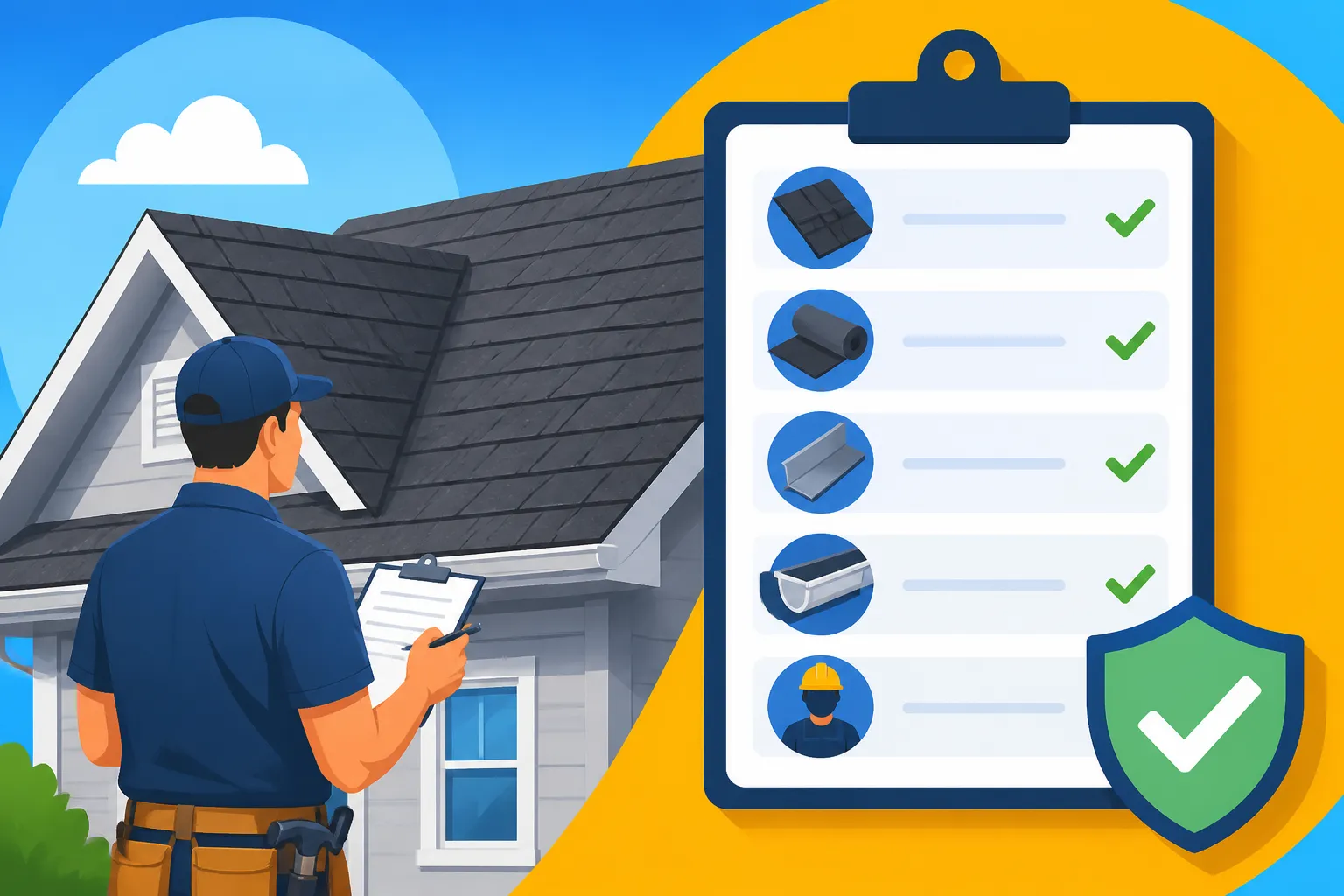
Roofing Estimate Must-Haves Checklist
To help you keep track, here’s a handy table summarizing the essential elements every good roofing estimate should include:
| Category | Essential Details to Look For | Why It Matters |
|---|---|---|
| Contractor & Credentials | Full Business Name, Address, Phone, Email | Legitimacy, contact |
| State Contractor's License Number | Compliance, professionalism | |
| Proof of General Liability & Workers' Comp Insurance | Your protection from damage/injuries | |
| Project Scope | Tear-Off vs. Overlay (specifics) | Foundation of new roof, cost impact |
| Detailed Step-by-Step Installation Process | Transparency, understanding the work | |
| Debris Removal & Site Cleanup Plan | No unexpected messes left behind | |
| Materials & Components | Shingle Type (3-tab, architectural), Brand, Product Line, Color | Quality, aesthetics, warranty implications |
| Underlayment Type (synthetic, felt), Weight/Thickness | Water protection, roof longevity | |
| Ice & Water Shield Application Areas (eaves, valleys) | Critical for leak prevention in vulnerable spots | |
| Drip Edge, Flashing (type, material, new/reused) | Water diversion, leak prevention | |
| Ventilation Components (ridge vents, box vents, soffit vents – type & quantity) | Attic health, shingle lifespan, energy efficiency | |
| Cost Breakdown | Separate Material Costs | Value assessment, comparison |
| Separate Labor Costs | Understanding installation investment | |
| Permit Fees | Legal compliance, avoiding fines | |
| Waste Disposal/Dumpster Fees | Ensures proper removal of old materials | |
| Sales Tax (if applicable) | Total financial picture | |
| Warranty Information | Manufacturer's Material Warranty (duration, coverage) | Protection against defective products |
| Contractor's Workmanship Warranty (duration, coverage) | Protection against installation errors | |
| Warranty Registration Details | Ensures your warranty is valid | |
| Payment Terms | Deposit Amount & Schedule (e.g., % down, progress payments, final payment) | Financial planning, managing cash flow |
Disclaimer
Please note that this article provides general information and recommendations. Roofing requirements, building codes, and costs can vary significantly based on your specific location, the complexity of your roof, and the current market conditions. Always consult with multiple licensed and insured local roofing professionals to get accurate estimates and advice tailored to your home's needs.