Roof Replacement and Home Value
The thought of replacing your roof can feel like a daunting task, can't it? It’s not just about the upfront cost; it’s about wondering if that significant investment will actually pay off when it comes time to sell your home. Many homeowners struggle with this exact question: will a new asphalt roof truly add value, or is it merely a necessary expense? This comprehensive guide will explore how a roof replacement impacts your home’s market value, what return on investment you can realistically expect, and how to make strategic decisions to enhance your property’s appeal and worth.
The Tangible Boost a New Roof Brings to Your Home's Value
When a potential buyer pulls up to your home, their eyes immediately scan the exterior, and the roof is a dominant feature they simply can't miss. A new roof signals far more than just aesthetics; it projects peace of mind, robust protection, and most importantly, it tells buyers they won't have to face a major, costly expense right after moving in. But beyond this critical first impression, what kind of financial impact does that pristine new asphalt roof truly have on your property's market value?
Understanding Return on Investment (ROI)
Let's get realistic about ROI when it comes to a roof replacement. This isn't quite like adding a new bathroom or remodeling a kitchen, where you might see a 70-80% return on investment in terms of added value. A roof replacement is often categorized as a "recoupment" project. This means you typically recover a substantial portion of your initial investment in resale value, often in the range of 60-70%, but it's rarely about making a pure profit. Instead, it’s about preventing a loss in value and making your home marketable in the first place.
Imagine trying to sell a house with a visibly deteriorating roof—curling shingles, missing pieces, or dark streaks of algae. Buyers will either walk away instantly or demand a significant price reduction, which often far exceeds the cost of a new roof. For instance, if you spend $20,000 on a new roof, your home's value might increase by $12,000-$14,000. While not a dollar-for-dollar gain, that $20,000 project ensures your home can sell at its full potential, rather than being devalued by $25,000 or more due to a dilapidated roof. Without that crucial update, an older roof can even make a home ineligible for conventional financing, making it an incredibly difficult sell. To understand typical expenses, you might want to look into the full breakdown of your Asphalt Roof Replacement Cost: Complete Breakdown.
Curb Appeal and First Impressions
There’s no getting around it: we all tend to form opinions based on appearances, and homes are no exception. The roof, being such a prominent visual component, plays a colossal role in your home's curb appeal. A faded, curling, or moss-covered roof practically screams "major deferred maintenance" to anyone considering your property. Conversely, a clean, modern, and sturdy new asphalt roof sends a powerful message of diligent care and quality. It reassures prospective buyers that the current owner has invested in maintaining the property, fostering greater confidence in the home's overall condition. This psychological advantage can often accelerate sales and potentially lead to more attractive offers.
Picture driving through any neighborhood. Which houses truly stand out in a positive light? More often than not, it's those with well-maintained exteriors, and that absolutely includes the roof. A fresh roof isn't merely functional; it's a significant aesthetic upgrade. Choosing the right shingle style and color can profoundly transform your home's appearance, helping it distinguish itself in a competitive market. For example, opting for architectural shingles instead of basic 3-tab shingles can immediately elevate its perceived value, providing a more dimensional and upscale look. If you're pondering the visual and cost differences, our guide on 3-Tab vs Architectural Shingle Cost Compared can be very helpful. Many homeowners find it beneficial to use platforms like Modernize to connect with experienced roofing professionals who can offer expert guidance on these crucial aesthetic and functional decisions, ensuring their investment aligns with local buyer expectations.
Insurance, Financing, and Buyer Confidence
Beyond the visual impact for buyers, a new roof carries significant practical implications for their ability to purchase your home. Insurance companies are increasingly scrutinizing homes with older roofs, particularly those exceeding 15-20 years in age. They might outright refuse coverage, impose substantial deductibles, or charge excessively high premiums. This can become a monumental roadblock for buyers attempting to secure homeowners insurance, which is almost universally a prerequisite for mortgage approval. A new roof, especially one accompanied by a robust warranty, simplifies the insurance process for new owners, making your home a far more appealing prospect.
Lenders also pay close attention to the roof's condition. A house with an aging or damaged roof could be flagged for mandatory repairs before a loan can close, potentially delaying the sale or even causing it to collapse entirely. Presenting a home with a brand-new roof eliminates these anxieties for buyers, instilling confidence that they won't face immediate, expensive repairs or frustrating insurance complications. This peace of mind often translates into a smoother transaction and a stronger negotiating position for you as the seller. For more insights on how your roof and insurance intertwine, read our article on Does Insurance Cover Roof Replacement.
Key Factors Influencing Your Roof Replacement ROI
While a new roof almost invariably contributes positively to your home’s saleability and prevents significant devaluation, the precise percentage of your investment that you recoup can vary considerably. Numerous factors play into this, ranging from the specific type of shingles you select to your geographical location. Understanding these variables can empower you to make more astute decisions when it’s time for an upgrade.
Shingle Type and Quality
The specific asphalt shingles you choose can undeniably influence how much value a new roof adds. While basic 3-tab shingles are functional and cost-effective, they typically don't offer the same aesthetic appeal or long-term durability as architectural or designer shingles. Architectural shingles, often called dimensional shingles, boast a thicker, more textured appearance that skillfully mimics natural wood shakes or slate, all without the higher cost or intensive maintenance requirements. They generally offer superior durability and come with better wind resistance ratings. Although they represent a slightly higher upfront investment, their enhanced curb appeal and extended lifespan can lead to a more favorable return when you eventually sell your home.
Beyond visual appeal, consider performance. Impact-resistant shingles (often Class 4 rated) can translate into notable insurance premium reductions in areas frequently affected by hail, a benefit that can be a major selling point for future homeowners. Similarly, cool-roof shingles, engineered to reflect more solar heat, can be highly attractive to buyers in warmer climates who prioritize energy efficiency. Investing in higher quality shingles from trusted manufacturers like GAF, Owens Corning, or CertainTeed often includes more comprehensive manufacturer warranties, which are a valuable asset to transfer to a new homeowner. If you're considering the various options and their costs, our detailed guide on Impact-Resistant Shingle Cost is an excellent resource.
Overall Condition of Your Home
It's important to recognize that a brand-new roof on a home that is otherwise neglected—perhaps with peeling exterior paint, an untended yard, or severely outdated interiors—might not deliver the stellar ROI you’re hoping for. Buyers tend to evaluate the property as a complete package. A beautiful new roof will certainly help, but if it merely highlights other significant deficiencies, its impact on the overall sale price might be less pronounced. The most substantial returns typically occur when the roof replacement complements an already well-maintained home.
Think of it this way: a sparkling new diamond set in a tarnished ring might not radiate its full brilliance. If your roof is the only major update your home has seen in years, prospective buyers might still perceive a substantial amount of work ahead and factor those anticipated costs into their offer. However, if your home is generally well-kept and the roof was the final major item on your list, then the new roof truly completes the picture, affirming the property’s excellent overall condition and enabling you to command a stronger asking price. Understanding How Long an Asphalt Roof Lasts can help you time these crucial updates effectively.
Local Market Conditions and Buyer Expectations
The specific real estate market in your area wields significant influence over your roof replacement’s return on investment. In a booming seller’s market, buyers might be more inclined to overlook an older roof, or they might be so eager to secure a home that they simply accept it. Conversely, in a buyer’s market, where there's a greater abundance of available properties, a new roof becomes a crucial differentiator. Buyers in such conditions have more choices, and they are generally less willing to take on immediate, costly repairs.
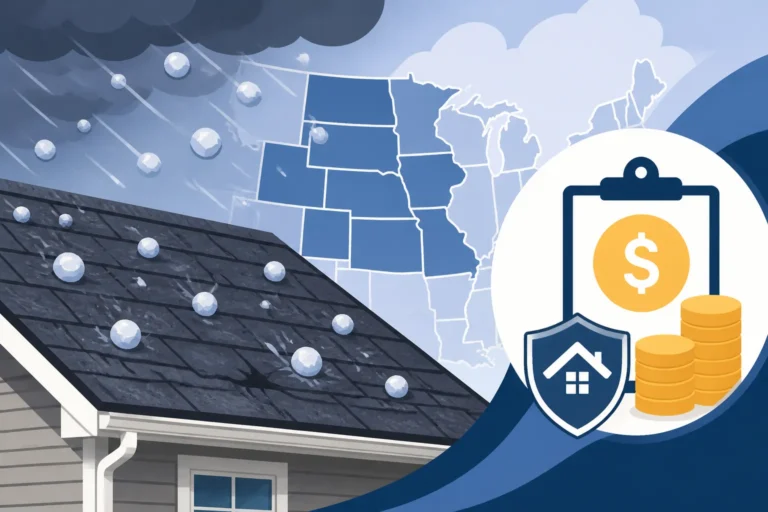
Furthermore, consider the prevailing standards in your neighborhood. If most comparable homes in your area feature newer roofs, then yours will likely need one simply to remain competitive. However, if new roofs are a rarity, yours could become a standout feature. In regions prone to severe weather, such as areas experiencing frequent hail in Colorado or hurricane activity in Florida, a newly installed, robust roof with excellent wind ratings is not merely a desirable feature; it’s a critical expectation. Homebuyers in these climates are often willing to pay a premium for the added security and peace of mind that a resilient roofing system provides. For current insights on regional expectations and to connect with local professionals, platforms like Modernize can be incredibly valuable. To get a sense of regional costs, check out our guide on Asphalt Shingle Roof Cost by State.
Maximizing Your Roof Replacement Value
So, you’ve decided that a new roof is a sound investment for your home’s value. Now, how do you ensure you achieve the best possible return on that investment? It’s not simply about installing shingles; it involves making a series of smart, strategic choices throughout the entire process.
Choosing the Right Contractor and Materials
This step is absolutely critical. A subpar installation, even if it uses the highest quality materials, is almost guaranteed to lead to premature problems and costly repairs down the road, which will effectively negate any value added. Therefore, it is imperative to seek out a licensed and insured roofing contractor who boasts a solid track record, stellar references, and proper manufacturer certifications (such as GAF Master Elite or Owens Corning Platinum Preferred). These certifications often enable contractors to offer enhanced warranties that are a significant selling point for potential buyers. A comprehensive warranty, covering both materials and workmanship, represents a valuable transferable asset to the new homeowner.
Do not fall into the trap of simply selecting the cheapest bid. While cost is undeniably an important consideration, the quality of workmanship and materials should always take precedence. Obtain multiple, highly detailed estimates and meticulously compare them. Ensure that the estimates encompass all essential components of a complete roofing system, including proper underlayment, drip edge, flashing, and adequate ventilation. Cutting corners on these foundational elements will inevitably cost you more in the long run and diminish your home's appeal to discerning buyers. For guidance on selecting the right professional, consult our article on How to Choose a Roofing Contractor, and for understanding the nuances of coverage, check out Roofing Warranty: Workmanship vs Manufacturer.
Timing Your Replacement Strategically
If you are contemplating selling your home within the next few years, proactively replacing an aging roof can be a transformative decision. Avoid waiting until a persistent leak forces your hand, or until a home inspector flags a failing roof during a sale contingency, which can place you in an extremely stressful and disadvantageous negotiation position. Having a new roof installed before listing your property allows you to proudly market it as a key feature, rather than grappling with it as a potential repair liability.
Take into consideration the current age of your existing roof. If it is approaching the typical end of its lifespan (which is generally around 20-25 years for asphalt shingles), replacing it a year or two prior to selling allows you ample time to enjoy the benefits and avoid any last-minute crises. A new roof also provides a clean, updated foundation for undertaking other minor exterior cosmetic updates, which further enhances overall curb appeal. Our guide on Roof Age: When to Start Planning Replacement offers more insights on this timing.
Highlighting the Investment in Your Listing
Once that beautiful new roof is meticulously installed, do not let it be an unmentioned, silent hero! Make certain that your real estate agent prominently features the new roof in your home's online listing description, accompanying photos, and during all open houses and private showings. Be sure to provide clear documentation of the installation date, the name of the contractor, and any transferable warranties that come with your new roofing system.
Prospective buyers genuinely appreciate transparency and tangible proof of significant investment. Specifically mention the type of shingles used (for example, "brand-new architectural shingles installed in 2023"), any special features that were included (such as "Class 4 impact-resistant shingles for potential insurance savings"), and explicitly state that the warranty is transferable. Providing this level of detailed information effectively builds trust and helps to thoroughly justify your asking price. A well-crafted and informative listing can transform what might seem like a major household expense into a compelling and attractive reason for buyers to confidently choose your home over others.
Table: Estimated ROI for Various Home Improvements
Here's a quick look at how a roof replacement stacks up against other common home improvement projects in terms of value recoupment.
| Home Improvement Project | Average Cost (Approx.) | Average Resale Value Recouped (ROI) | Key Benefits for Home Value |
|---|---|---|---|
| Asphalt Roof Replacement | $15,000 – $25,000 | 60% – 70% | Essential protection, curb appeal, buyer confidence, insurance savings |
| Garage Door Replacement | $1,500 – $4,000 | 93% – 95% | High curb appeal, security, energy efficiency |
| Manufactured Stone Veneer | $10,000 – $12,000 | 90% – 92% | Exterior aesthetic upgrade, premium feel |
| Minor Kitchen Remodel | $20,000 – $30,000 | 70% – 80% | Modernization, functionality, central hub |
| Bathroom Remodel | $20,000 – $25,000 | 60% – 70% | Modernization, comfort, hygiene |
| Window Replacement | $15,000 – $25,000 | 60% – 70% | Energy efficiency, soundproofing, curb appeal |
Note: These figures represent national averages and can fluctuate significantly based on your specific region, current market conditions, and the precise quality of materials and labor involved.
When an Old Roof Becomes a Liability
Sometimes, the decision to replace your roof isn't solely driven by a desire to boost your home's market value; it's about proactively preventing a substantial loss in value. An old, failing roof isn't just an unsightly feature; it's a potential disaster waiting to happen, capable of severely impacting your home's marketability and ultimately, your financial bottom line.
The Cost of Deferred Maintenance
You might be tempted to think that postponing a roof replacement is a smart way to save money, but in reality, it often leads to the exact opposite outcome. An aging roof is inherently more vulnerable to leaks, which can rapidly escalate into extraordinarily costly interior damage. Imagine ruined ceilings, saturated insulation, damaged drywall, and potentially even significant structural issues if those leaks are not addressed promptly. These internal repairs are typically far more expensive and disruptive to rectify than a proactive, planned roof replacement.
What's more, a roof that is conspicuously past its prime will almost certainly be red-flagged during any thorough home inspection. Savvy buyers will then seize upon this as significant leverage to negotiate a considerably lower sale price, or even worse, demand that you replace the entire roof before they will agree to close the deal. Being compelled into a rushed replacement under the pressure of a looming contract deadline means you'll have less time to properly vet contractors and could end up paying higher, expedited costs. This is an incredibly stressful and financially unfavorable situation that no homeowner wants to experience when selling. For details on common warning signs, check out Signs You Need a New Roof.
Uninsurability and Mortgage Roadblocks
As previously highlighted, older roofs can present a formidable obstacle for obtaining homeowners insurance. If your roof is deemed excessively old or significantly damaged, many insurers may decline to provide coverage, thereby making it impossible for your prospective buyer to secure a mortgage. The vast majority of lenders require conclusive proof of adequate homeowners insurance before they will approve a loan. This isn't a minor inconvenience; it has the power to bring a home sale to an abrupt and complete halt.
Some insurance carriers might offer coverage for an older roof but often include a restrictive "actual cash value" clause for the roof component. This means that in the unfortunate event of damage, they will only pay out the depreciated value of the old roof, rather than the full cost of a brand-new replacement. This again shifts a substantial financial burden onto the new homeowner, making your property considerably less attractive when compared to homes featuring newer, fully insured roofs. Installing a new roof effectively eliminates this major financial risk for the next owner, positioning your property as a much "safer" and more appealing investment for them. For example, in coastal regions like Florida, securing homeowners insurance for roofs older than 10-15 years is notoriously challenging, frequently leading to significant difficulties in selling older homes unless a full roof replacement is undertaken.
Disclaimer
This article is intended solely for general informational purposes and should not be construed as professional advice. Roofing costs, potential ROI figures, and specific local regulations can vary significantly based on numerous factors. It is always recommended to consult with qualified roofing contractors, experienced real estate professionals, and your insurance provider for personalized guidance tailored to your unique situation.