Asphalt Roof Replacement Cost in Texas
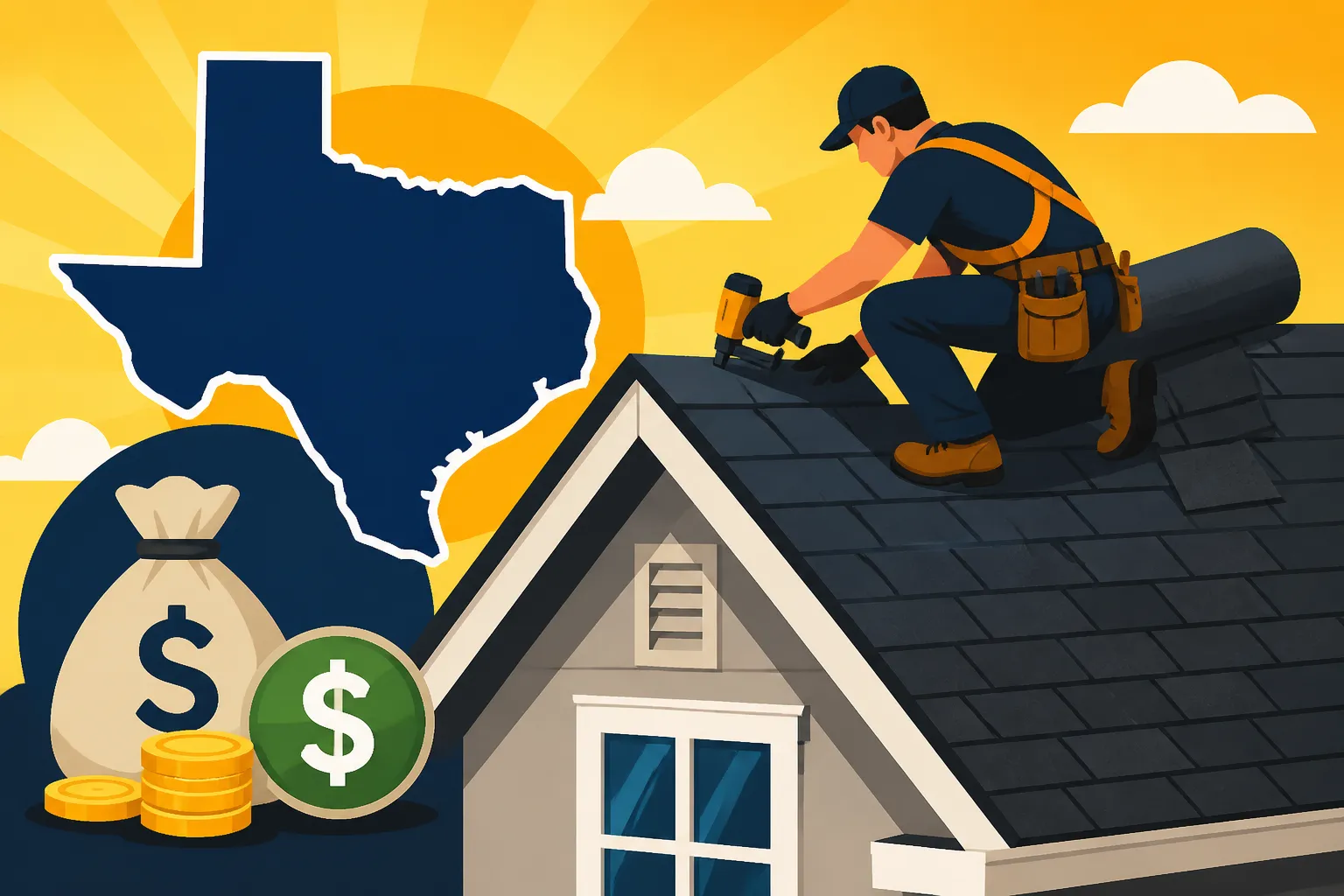
Let’s be real, facing a roof replacement can feel like a punch to the gut, especially when you start wondering about the price tag. And if you live in a vast state like Texas, with its unique weather patterns and diverse housing markets, pinning down an exact "asphalt roof replacement cost" can seem like finding a needle in a haystack. This guide is here to cut through the confusion, offering a realistic look at what you can expect to pay for a new asphalt roof in the Lone Star State, helping you budget wisely and confidently.
The Real Deal on Asphalt Roof Replacement Costs in Texas
When it comes to replacing your asphalt roof in Texas, the first thing to understand is that there isn't one single price. This isn't like buying a gallon of milk where the cost is pretty standard across the street. We're talking about a significant home improvement project, and its price tag is a mosaic of many individual pieces. From the scorching summers to the occasional hailstorms, and even the sheer size of our state, many factors play into the final figure.
Understanding the Average Range
So, what's a typical homeowner in Texas looking at? Based on current market data, a complete asphalt roof replacement in Texas can generally range anywhere from $9,500 to $20,000, with many homeowners seeing averages closer to $12,000 to $18,000 for a standard-sized home. Of course, this is a broad spectrum, and your specific project could fall outside of it.
For a clearer picture, let's break it down further by the common "square" measurement in roofing. A "square" is 100 square feet of roofing material. In Texas, you might expect to pay between $400 and $700 per roofing square, fully installed. So, if you have a 2,000 sq ft roof (which is 20 squares), you're looking at that range multiplied by 20. But remember, this per-square cost includes materials, labor, and other components, and it varies based on all the factors we're about to dive into. Understanding the true Roof Cost Per Square: What You'll Pay is essential for any homeowner.
This average range is a useful starting point, but it's crucial not to anchor your expectations solely to it. Think of it as a helpful benchmark, not a definitive quote. A charming 1,500 sq ft ranch home in San Antonio with a simple gable roof will naturally cost less than a sprawling 3,000 sq ft two-story in Dallas with multiple dormers and a steep pitch.
Why Texas Costs Can Fluctuate So Much
Why such a wide range? Texas is immense, both geographically and economically. What's considered standard in one part of the state might be a premium in another.
- Regional Differences: Major metropolitan areas like Houston, Dallas-Fort Worth, Austin, and San Antonio often have higher labor costs due to higher living expenses and greater demand for skilled trades. You might find slightly lower prices in more rural areas or smaller cities like Lubbock or Amarillo, though even then, quality roofers are in high demand.
- Storm Season Impact: Texas is no stranger to severe weather, especially hail and high winds. After a significant storm, the demand for roofing services skyrockets. This surge in demand can lead to higher prices for both materials and labor as contractors are stretched thin. It's not uncommon for costs to temporarily increase in affected areas.
- Material Availability: While asphalt shingles are widely available, specific types, colors, or brands (like certain GAF Timberline HDZ or Owens Corning Duration lines) might have different lead times and pricing depending on supplier stock and logistics across the vast state.
- Building Codes: Different municipalities in Texas may have varying building codes and permit requirements, which can affect the scope and cost of the work. Some areas, particularly those prone to hurricanes or high winds along the coast, might require specific high-wind nailing patterns or more robust underlayment, adding to the expense. Staying compliant with Roofing Codes and Regulations in Texas is non-negotiable for a safe and durable roof.
Key Factors Driving Your Texas Roof Replacement Estimate
Dissecting a roofing estimate can feel overwhelming. It's not just the shingles themselves; it's a whole system. Understanding the components that contribute to the overall Asphalt Roof Replacement Cost: Complete Breakdown will empower you to ask the right questions and make informed decisions.
Roof Size and Complexity
This is perhaps the most obvious cost driver. The larger your roof, the more materials and labor it will require. But it's not just about square footage; it's also about the shape.
- Square Footage: A 2,000 square foot roof typically equates to 20 "squares" in roofing terms. This is the baseline for material and labor calculations.
- Roof Pitch (Steepness): A steep roof is inherently more dangerous and labor-intensive to work on. Roofers need specialized safety equipment, and the work takes longer. This "steep roof premium" can add 10-25% to the labor costs. If your roof has a low slope, it might simplify the job, but often requires different installation techniques for optimal drainage.
- Architectural Features: Dormers, skylights, chimneys, valleys (where two roof planes meet), and multiple roof planes all add complexity. Each of these features requires custom cutting of shingles, additional flashing (metal or rubber seals), and more intricate labor, increasing both material waste and installation time. A house with many peaks and valleys, for example, will cost more than a simple box-shaped home of the same square footage. You can get a better sense of how different house sizes impact cost by looking at the Cost to Replace a Roof by House Size.
Material Choices and Quality
The type of asphalt shingle you choose has a direct and substantial impact on your total cost. Texas weather, in particular, often makes certain upgrades a wise investment.
- 3-Tab Shingles: These are the most economical option, offering a flat, uniform appearance. They are typically thinner and have a shorter lifespan (15-20 years) compared to other types. They might be suitable for a shed or garage, but for a primary residence, most Texans opt for something more robust.
- Architectural (Dimensional) Shingles: These are the most popular choice in Texas and nationwide. They are thicker, offer a more ثلاث-dimensional look, mimicking wood shakes, and come with longer warranties (typically 25-30 years). Brands like GAF (Timberline series) and Owens Corning (Duration series) are very common. Their superior durability and aesthetic appeal make them a fantastic value. The 3-Tab vs Architectural Shingle Cost Compared clearly shows why many homeowners prefer the latter.
- Designer (Luxury) Shingles: These are the premium option, offering the highest level of durability and a sophisticated aesthetic, often mimicking slate or cedar shakes. They are the thickest, heaviest, and most expensive, but also boast the longest lifespans (30-50 years) and best warranties.
- Impact-Resistant Shingles (Class 4): Given Texas's propensity for hail, investing in Class 4 impact-resistant shingles is a decision many homeowners make. These shingles are designed to withstand hail impacts much better than standard shingles, potentially saving you from future repairs and even qualifying you for insurance discounts. While they come with a higher upfront cost, the long-term benefits in a hail-prone state can be substantial.
- Cool Roof Shingles: With Texas's intense summer heat, cool roof shingles, designed to reflect more sunlight and absorb less heat, can be an attractive option. They can help reduce attic temperatures and potentially lower your energy bills, but also come at a premium price.
Labor and Regional Economic Differences
The hands that install your roof are a critical part of the cost equation. Their expertise, the size of the crew, and local economic conditions all play a role. The Asphalt Roof Labor Cost Explained in detail how this portion of your bill is calculated.
- Roofer Experience and Reputation: Highly experienced, reputable contractors often charge more, but they bring invaluable expertise, efficiency, and peace of mind. They usually have certified installers (e.g., GAF Master Elite, Owens Corning Platinum Preferred) which can also affect your warranty coverage.
- Local Wage Rates: Labor costs can vary widely across Texas. A roofer in Houston or Austin might charge higher hourly rates than one in a smaller town, simply because the cost of living and operating a business is higher in those metropolitan areas. Expect labor to make up a significant portion, often 40-60%, of your total roofing bill.
- Crew Size and Efficiency: A well-organized crew can complete a roof replacement efficiently, potentially saving you on labor hours. However, rushing the job can lead to mistakes. A good contractor balances speed with quality.
Tear-Off, Decking, and Underlayment Needs
Sometimes, the "hidden" costs are the ones that catch homeowners off guard. These preparatory and foundational elements are crucial for a long-lasting roof.
- Roof Tear-Off and Disposal: Most Texas cities require a complete tear-off of old shingles before installing new ones, especially if you already have multiple layers. This process involves labor to remove the old material, dumpster rental, and disposal fees. If your current roof has two layers, it will naturally cost more to remove and dispose of than a single layer. Knowing the Cost of Roof Tear-Off and Disposal is vital for accurate budgeting.
- Roof Decking Replacement: When the old shingles are removed, the contractor will inspect the roof decking (the plywood or OSB sheathing beneath the underlayment). If there's any rot, water damage, or structural issues, sections of the decking will need to be replaced. This is an additional cost per sheet of decking, plus labor. It's often impossible to know the extent of decking damage until the old roof is removed, making this a common surprise cost. Get familiar with Roof Decking Replacement Cost to anticipate this potential expense.
- Underlayment: A high-quality underlayment (synthetic felt or ice and water shield) is essential for an asphalt roof system. While ice and water shield is more critical in colder climates, it's still highly recommended in valleys, around chimneys, and along eaves in Texas to provide an extra barrier against wind-driven rain and potential ice formation during rare freezes. The type and amount of underlayment chosen will affect the overall material cost.
Navigating the Process: Getting Accurate Quotes in Texas
You’ve got a handle on the factors, but how do you translate that into a reliable estimate for your home in Texas? The key is diligent research and smart engagement with local professionals.
Finding Reputable Texas Roofers
This step cannot be overstated. A good contractor will not only provide a fair price but will also ensure the job is done right, protecting your investment. Start by seeking out local roofers with strong reputations.
- Check Licenses and Insurance: In Texas, roofing contractors generally aren't required to hold a statewide license, though some cities, like Houston and Dallas, do have local licensing requirements. Regardless, always verify that any contractor you consider has proper liability insurance and workers' compensation. This protects you if something goes wrong on your property. Knowing the Roofing Contractor License Requirements in Texas for your specific city is crucial.
- Read Reviews and Ask for References: Online reviews on platforms like Google, Yelp, and the Better Business Bureau can offer insights into a contractor's service quality. Don't hesitate to ask for references from recent customers and, if possible, drive by to see some of their completed work.
- Utilize Vetted Services: Sometimes, the sheer volume of choices can be paralyzing. Using a service like Modernize can simplify the process by connecting you with pre-vetted, local roofing contractors in Texas who are qualified and available for your project. This can save you a lot of time and legwork in your search for How to Find a Good Roofer in Texas.
- Look for Manufacturer Certifications: Contractors who are certified by shingle manufacturers (e.g., GAF Master Elite, Owens Corning Platinum Preferred) often demonstrate a higher level of training and professionalism, and can offer enhanced warranty options that uncertified roofers cannot.
What to Look for in a Roofing Estimate
Once you've narrowed down your choices, getting detailed estimates is the next critical step. Don't settle for a handshake and a round number. A good estimate is a comprehensive document.
- Detailed Breakdown: A proper estimate should itemize everything: material costs (shingle type, underlayment, flashing, vents, nails, etc.), labor costs (tear-off, installation), permit fees, dumpster rental, and disposal. There shouldn't be any vague "miscellaneous" charges.
- Scope of Work: The estimate should clearly outline what will be done. Does it include chimney flashing replacement? Gutter removal and reinstallation? What about roof ventilation upgrades? All these specifics affect the overall What Drives Asphalt Roofing Costs Up or Down.
- Warranty Information: Clarify both the manufacturer's warranty on the shingles and the contractor's warranty on their workmanship. Understand the terms, duration, and what might void them.
- Payment Schedule: Reputable contractors typically require a reasonable deposit (e.g., 10-30%) upfront to cover initial material costs, with payments scheduled at different project milestones, not full payment upfront.
- Get Multiple Bids: Always get at least three detailed quotes from different reputable Texas roofing companies. This allows you to compare not just prices, but also the scope of work, materials proposed, and professionalism of each contractor. This is crucial for How to Read and Compare Roofing Estimates effectively and identify any Hidden Costs in a Roof Replacement.
Local Regulations and Permits
Ignoring permits and local building codes is a mistake that can lead to costly headaches down the road. It's a fundamental part of a legitimate roof replacement in Texas.
- Permit Requirements: Most cities and counties in Texas require a roofing permit for a full roof replacement. This ensures that the work complies with local building codes, enhancing safety and structural integrity. For example, cities like Dallas, Houston, and Austin have specific requirements and processes for obtaining roofing permits.
- Cost and Process: Permit fees are typically a small portion of the overall project cost, usually a few hundred dollars. Your roofing contractor should be responsible for pulling the necessary permits, not you. This is a good indicator of a professional and compliant operation.
- Inspections: After the new roof is installed (and sometimes during the process, like after tear-off), a municipal inspector will review the work to ensure it meets all codes. Passing this inspection is crucial for the legality of your roof and for future home sales.
By taking these steps, you'll be well-equipped to navigate the asphalt roof replacement process in Texas, securing a quality roof at a fair price. Services like Modernize can certainly help streamline the initial search for qualified professionals, but ultimately, your informed decisions are your best defense against unexpected costs and subpar work.
Average Asphalt Roof Replacement Costs in Key Texas Cities
Here's a generalized look at how asphalt roof replacement costs might vary across some major Texas cities. Keep in mind these are averages for a standard residential roof (approx. 20-25 squares) and can change based on the specific factors discussed above.
| Texas City | Average Cost Range (Standard Architectural Shingles) | Notes |
|---|---|---|
| Houston | $13,000 – $22,000 | Higher demand, potential for hurricane-related code requirements. |
| Dallas | $12,500 – $21,000 | Strong market, frequent hail events drive impact-resistant choices. |
| Austin | $14,000 – $23,000 | Higher cost of living and strong demand for contractors. |
| San Antonio | $11,500 – $19,000 | More competitive pricing than Austin, but still robust market. |
| Fort Worth | $12,000 – $20,000 | Similar to Dallas, influenced by DFW metroplex costs. |
| El Paso | $10,000 – $17,000 | Generally lower labor costs due to regional economy. |
| Lubbock | $10,500 – $18,000 | Affected by storm damage frequency, competitive market. |
This table provides a snapshot, but always remember that your specific property and choices will dictate the final price.
Disclaimer
Please remember that the information provided in this article is intended for general guidance and informational purposes only. Roofing costs are subject to dynamic market conditions, including material price fluctuations, regional labor rates, and specific project requirements. We recommend consulting with multiple qualified, local roofing contractors to obtain accurate and personalized estimates for your specific asphalt roof replacement project. Always verify licenses, insurance, and references before hiring any contractor.