What Drives Asphalt Roofing Costs Up or Down
The dread of needing a new roof is real, and for many homeowners, the biggest headache isn't the work itself, but the overwhelming question: "How much is this actually going to cost me?" It feels like a guessing game, with numbers flying around that can make your head spin. You're not alone in feeling this way. Understanding what drives asphalt roofing costs up or down is key to budgeting effectively and feeling confident in your investment, and this guide is here to shed light on every variable.
Shingle Type and Material Quality
One of the most significant factors influencing the total cost of your asphalt roofing project is, unsurprisingly, the shingles themselves. It's not just about color; it's about their composition, durability, and the features they offer. Different types of asphalt shingles come with vastly different price tags, and choosing the right one for your home involves balancing aesthetics, performance, and budget.
3-Tab vs. Architectural vs. Designer Shingles
Let's talk about the foundational differences in asphalt shingles. For decades, the classic 3-tab shingle was the standard. These are flat, single-layer shingles that create a very uniform look on your roof. They are typically the most budget-friendly option, but they also tend to have the shortest lifespan and are less resistant to high winds. They're a perfectly fine choice for many homes, especially if you're working with a tighter budget or if your home's style truly suits their traditional appearance. You can often find them at a lower price point, which makes them appealing initially, but it's important to consider their long-term performance.
Stepping up from 3-tab, we enter the realm of architectural shingles, also known as dimensional shingles. These are a game-changer for curb appeal. They are multi-layered, giving them a thicker, more textured appearance that mimics the look of natural wood shakes or slate, without the hefty price tag or maintenance. This layered construction also provides enhanced durability and wind resistance compared to 3-tab shingles, often coming with longer warranties. Because of their superior aesthetics and performance, architectural shingles are significantly more popular today and typically represent a moderate cost increase, but offer excellent value for money. If you're wondering about the direct comparison, dive into our guide on 3-Tab vs Architectural Shingle Cost Compared.
Then there are designer, or luxury, shingles. These are the premium end of the asphalt shingle spectrum, offering highly specialized designs that can replicate the look of natural slate, cedar shakes, or even European tiles with incredible realism. They are the thickest, heaviest, and most durable asphalt shingles available, often boasting the longest warranties and superior performance against extreme weather. While they come with the highest material cost, their unique aesthetic can dramatically boost your home's curb appeal and resale value. Brands like CertainTeed's Presidential Shake series or GAF's Grand Sequoia are prime examples, providing unparalleled beauty and protection. These are often chosen for custom homes or properties where a distinctive, high-end look is desired.
Shingle Features and Enhancements
Beyond the basic type, many asphalt shingles come with special features and enhancements that add to their cost but also significantly boost their performance and longevity. These aren't just fancy add-ons; they're investments in your roof's resilience and efficiency.
One of the most sought-after enhancements is impact resistance, often rated as Class 4. These shingles are designed to withstand hail and other impacts much better than standard shingles, which can be a huge benefit if you live in a hail-prone region. While they cost more upfront, installing Class 4 shingles can often lead to reduced homeowners insurance premiums, effectively paying for themselves over time. This is a crucial consideration for homeowners in states like Colorado, Texas, or Oklahoma, where severe hailstorms are a regular occurrence. The added peace of mind alone can be worth the extra expense, knowing your roof is better protected against sudden, violent weather events.
Another increasingly popular feature is "cool roof" technology. These shingles are designed with special granules that reflect more sunlight and absorb less heat than traditional shingles, which can lead to lower attic temperatures and reduced cooling costs during hot summer months. While the initial investment is higher, the long-term energy savings, especially in sunny climates like Florida or Arizona, can be substantial. For environmentally conscious homeowners or those looking to reduce their carbon footprint, cool-roof shingles are an excellent option. Similarly, many shingles now come with algae resistance, featuring copper granules that inhibit the growth of unsightly black streaks (Gloeocapsa magma algae). If you've ever dealt with these streaks making your roof look dirty and old prematurely, you know the value of this feature. It's a small upgrade in cost that makes a big difference in maintaining your roof's aesthetic appeal for years.
Brand Recognition and Manufacturer Tier
Just like with cars or appliances, the brand of shingle you choose can also influence the cost. Major manufacturers like GAF, Owens Corning, and CertainTeed dominate the asphalt shingle market, and they offer a range of products across all price points, from entry-level 3-tab to high-end designer shingles. Generally, shingles from these established brands tend to be a bit pricier than lesser-known or generic brands, but this often comes with benefits like more extensive research and development, stricter quality control, and stronger warranty programs.
For example, a homeowner might choose GAF Timberline HDZ architectural shingles not just for their appearance but also for their WindProven Limited Warranty that removes the maximum wind speed limit when installed with specific GAF accessories. Similarly, Owens Corning Duration shingles are well-regarded for their SureNail Technology, which provides superior grip and resistance to nail pull-through. These proprietary technologies and robust warranty offerings give homeowners a sense of security that can justify a higher initial investment. It’s not just about the shingle itself, but the entire roofing system and the assurance that comes with a trusted name. Sometimes, paying a little more for a reputable brand means you’re buying into decades of experience and a commitment to standing behind their products, which can save you headaches and money down the road.
Roof Size, Shape, and Structural Complexity
It probably goes without saying, but the sheer size of your roof, coupled with its architectural intricacies, plays a huge role in the final cost. A larger roof naturally requires more materials and more labor hours, but it’s the complexity that often catches homeowners by surprise. Simple, straightforward roofs are much faster and easier to work on than those with numerous angles, peaks, and penetrations.
Total Square Footage and Roof Pitch
The most straightforward metric for roofing cost is the total square footage of your roof. Roofers typically quote prices per "square," which is an area equivalent to 100 square feet. So, a larger roof means more squares, more shingles, more underlayment, and more labor, directly increasing your overall cost. Our guide on Roof Cost Per Square: What You'll Pay delves deeper into this measurement. However, it’s not just the flat surface area that matters. The pitch, or steepness, of your roof also heavily influences labor costs. A low-slope roof (like those on many ranch-style homes) is easier and safer for roofers to work on, often allowing them to move quickly and efficiently.
Conversely, a steep-pitch roof—think of those charming Victorian homes or modern A-frames—requires specialized equipment like scaffolding, harnesses, and safety ropes. This slows down the installation process significantly, as workers must take extra precautions to maintain their balance and prevent falls. This added safety measure and slower pace translate directly into higher labor costs, sometimes commanding a "steep roof premium" that can add 10-25% or more to the labor portion of your bill. It’s simply more dangerous and physically demanding work, and contractors factor that into their pricing. Always get a clear understanding of how your roof's pitch will impact your Asphalt Roof Labor Cost Explained.
Roof Layout: Valleys, Dormers, Chimneys, and Skylights
Beyond size and pitch, the architectural features of your roof dramatically increase its complexity and, consequently, the cost. Every valley, dormer, chimney, and skylight represents a penetration or a change in direction where standard shingle laying cannot simply continue. These areas require meticulous cutting of shingles, specialized flashing, and careful sealing to prevent leaks. Think about it: a straight run of shingles is relatively quick to install. But when you hit a valley, the crew has to cut each shingle precisely to fit the angle, install a specialized valley lining, and ensure a watertight seal. This is painstaking work that takes time and skill.
Dormers and chimneys are even more complex. They involve custom flashing installations (step flashing, counter flashing, apron flashing) around their bases, which must be perfectly integrated with the shingles to create a seamless, watertight barrier. Skylights, similarly, require precise cutting and flashing. Each of these features adds several hours of skilled labor, plus the cost of the specialized flashing materials themselves, which are often made of aluminum or copper. A home with multiple dormers, a large chimney, and several skylights could see its overall roofing cost increase by thousands of dollars compared to a similarly sized, but simpler, roof. It’s a necessary expense to ensure your roof remains watertight and functions as it should.
Multi-Story Homes and Accessibility Challenges
The height of your home also plays a practical role in roofing costs. A single-story ranch home is generally easier and safer for roofing crews to access. They can often stage materials and debris removal directly around the house without major logistical hurdles. However, when you're dealing with a two-story, three-story, or even a split-level home, accessibility becomes a significant factor.
Getting materials up to the roof (shingles, underlayment, tools) and getting old debris down safely requires more effort, equipment, and time. This might involve using a crane to hoist bundles of shingles, setting up extensive scaffolding, or even renting specialized conveyors. Each of these logistical challenges adds to the labor hours and potentially the equipment rental costs. Furthermore, multi-story homes often mean a greater risk for workers, which can contribute to higher insurance costs for the roofing company, ultimately reflected in your quote. If your home has a particularly challenging layout, like a steep slope on a multi-story structure, expect these accessibility factors to be even more pronounced in your final estimate. It's all part of the reality of getting a durable, properly installed roof on a more challenging structure. Our guide on Cost to Replace a Roof by House Size touches on how these factors can compound.
Labor Costs and Installation Variables
Beyond the materials themselves, the labor involved in tearing off the old roof and installing the new one represents a significant portion of your total roofing expense. This isn't just a flat rate; it's influenced by a myriad of factors, from where you live to the specific challenges of your roof. Hiring a professional, skilled crew is paramount to a long-lasting roof, and their expertise comes with a fair price.
Regional Labor Rates and Crew Expertise
Labor costs for roofing can vary dramatically depending on your geographic location. Just like the cost of living, wages for skilled tradespeople fluctuate from state to state and even between urban and rural areas within the same state. For instance, roofing labor rates in bustling metropolitan areas like Los Angeles or New York are typically much higher than in smaller towns in, say, Arkansas or Iowa. This is due to a combination of higher operating costs for businesses, increased demand for skilled labor, and a higher cost of living that requires workers to earn more to sustain themselves.
Beyond location, the expertise and reputation of the roofing crew also factor into labor costs. Highly skilled, experienced roofers who specialize in complex installations or who are certified by specific manufacturers (like GAF Master Elite or Owens Corning Platinum Preferred contractors) often command higher hourly rates. This isn't just about paying more for a name; it's about investing in quality workmanship. These crews are less likely to make mistakes that could lead to costly repairs down the road, and they often work more efficiently, which can actually save you time and hassle. Our piece on Asphalt Roof Labor Cost Explained breaks down how these rates are calculated.
Installation Challenges: Steep Roofs, Weather, and Time of Year
We touched on roof pitch earlier, but it bears repeating: a steep roof significantly increases labor costs. It's simply harder, slower, and more dangerous work. Roofers need to move cautiously, use specialized safety equipment, and employ different techniques to ensure shingles are properly installed without slipping or damaging themselves. This premium for working on challenging pitches is standard across the industry.
Furthermore, weather conditions during installation can impact labor efficiency. While professional roofers are equipped to work in a range of conditions, extreme heat, cold, or unexpected rain showers can slow down a project. For instance, asphalt shingles need warmer temperatures to properly seal their adhesive strips. Installing in very cold weather might require special measures or could delay the full sealing process. Also, working on a roof during a heatwave in Phoenix or a brutal winter day in Minnesota is physically taxing and requires more breaks, slowing progress. While you can't control the weather, scheduling your roof replacement during milder seasons can sometimes lead to a smoother, faster project, though contractors may be busiest (and thus slightly higher priced) during these peak seasons.
Contractor Reputation and Manufacturer Certification
The specific roofing contractor you choose is a huge determinant of your overall cost and, more importantly, the quality of your finished roof. Reputable contractors, those with a proven track record, proper licensing and insurance, and positive customer reviews, generally charge more than fly-by-night operations. This premium reflects their commitment to quality, adherence to building codes, comprehensive insurance coverage (which protects you if there’s an accident), and reliable customer service. They invest in their crews' training, high-quality tools, and offer robust warranties on their workmanship.
Many leading shingle manufacturers, such as GAF and Owens Corning, offer certification programs for roofing contractors. Becoming a "certified" or "preferred" contractor involves meeting stringent criteria, including financial stability, proper insurance, and consistent training in the manufacturer's installation best practices. While these certified contractors might have slightly higher labor rates, they can often offer enhanced manufacturer warranties that are not available from uncertified installers. These extended warranties can cover material defects and even workmanship for many years, offering invaluable peace of mind. When you're comparing bids, it's not just about the lowest price; it's about evaluating the long-term value and protection offered by the contractor. Many homeowners use platforms like Modernize to find certified, reputable contractors in their area, ensuring they connect with trusted professionals.
Existing Roof Removal and Disposal
Before your beautiful new asphalt shingles can be installed, the old roof often needs to come off. This process, known as a "tear-off," is a messy, labor-intensive, and critical phase of any roof replacement, and it adds a distinct cost component to your project. Ignoring or underestimating the cost of tear-off and disposal can lead to unpleasant surprises on your final bill.
Number of Existing Shingle Layers and Tear-Off Complexity
The biggest factor influencing the cost of removing your old roof is how many layers of shingles are currently on your house. Historically, some homes had new shingles installed directly over the old ones, a practice known as "roofing over." While this saves money on tear-off initially, it adds significant weight to your roof deck and often hides underlying issues. Many local building codes now restrict the number of shingle layers allowed, typically to one or two, meaning a full tear-off is often unavoidable if you have multiple layers. The more layers there are, the more labor is required to remove them, and the more debris needs to be hauled away.
A single layer tear-off is relatively straightforward, but imagine two or even three layers of old, brittle shingles, all nailed down over decades. Each layer means more nails to pull, more material to pry up, and more sweat equity from the crew. This complexity directly translates into increased labor time and a higher overall cost for the tear-off portion of the project. Furthermore, if the old shingles are adhered tightly or have multiple layers of tar, it can make removal even more challenging and time-consuming.
Disposal Fees and Waste Management
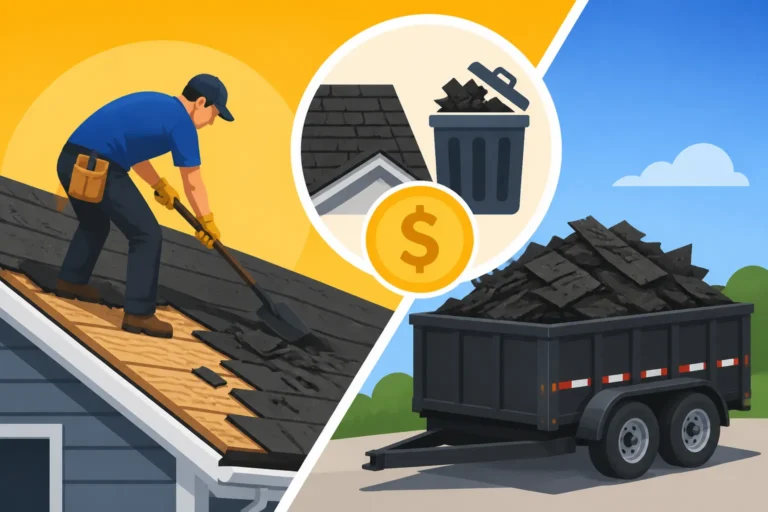
Once those old shingles are torn off, they don't just magically disappear. They become construction debris that needs to be properly disposed of, and this is where disposal fees come into play. The cost of waste management is a significant part of the tear-off expense. Roofing contractors typically rent large dumpsters or roll-off containers, which are then filled with the old shingles, underlayment, nails, and any other waste generated during the removal process. The size of the dumpster and the number of trips needed depend on the size of your roof and the number of layers being removed.
Disposal fees vary by region and landfill costs. In some areas, there are specific fees for construction and demolition waste, and these costs can fluctuate. Environmentally conscious homeowners might also inquire about recycling options for old asphalt shingles, which are available in some areas and can sometimes slightly reduce landfill fees, though processing costs might still apply. Regardless, accounting for the cost of haul-away and disposal is essential when budgeting for your new roof. Neglecting this line item can lead to sticker shock when the final invoice arrives. To get a detailed understanding, check out our guide on Cost of Roof Tear-Off and Disposal.
Unexpected Discoveries During Tear-Off
This is where the "expect the unexpected" adage truly applies. While a contractor can make an educated guess about the condition of your roof decking and underlying structure based on a visual inspection, the full truth often isn't revealed until the old shingles are completely removed. This is a common source of cost overruns and homeowner frustration.
It’s not uncommon to discover sections of rotted or water-damaged plywood or OSB decking that were hidden beneath the old shingles, especially around leak-prone areas like valleys, chimneys, or skylights. There might also be soft spots, signs of insect damage, or even structural issues with the rafters or trusses that need to be addressed before new shingles can be installed. When these discoveries are made, the contractor will stop work, show you the damage, and provide an estimate for the necessary repairs. While this adds to the overall cost and can delay the project timeline, these repairs are absolutely critical. Installing new shingles over compromised decking is like building a house on a shaky foundation – it's a recipe for premature failure and costly problems down the road. A reputable contractor will always bring these issues to your attention, ensuring your new roof has a solid base.
Roof Decking and Structural Integrity
The foundation of any good roof is solid, sound decking. The shingles, underlayment, and other components all rely on the integrity of the roof deck to provide a secure base and properly function. When the old roof is removed, the condition of this decking is thoroughly inspected, and any necessary repairs or replacements can significantly impact the final cost of your asphalt roofing project.
Repairing or Replacing Damaged Plywood or OSB Decking
Once the old shingles are off, the roof decking, typically made of plywood or oriented strand board (OSB), is exposed. This is the moment of truth. Even if your roof wasn't actively leaking, years of moisture exposure, humidity, or even minor leaks can lead to soft spots, rot, or delamination in the decking. These damaged sections cannot simply be roofed over; they must be removed and replaced to ensure the new shingles have a stable, flat, and nail-holding surface. Installing new shingles over compromised decking is a guarantee for future problems, including sagging, lifted shingles, and premature roof failure.
The cost of repairing or replacing decking depends on the extent of the damage. A few sheets here and there will add a moderate cost, covering materials (new plywood or OSB) and the labor to cut out the old and install the new. However, if a significant portion of your roof decking is compromised, the cost can escalate considerably. Contractors will typically charge per sheet for replacement decking, plus the associated labor. It's an essential, albeit sometimes unexpected, expense. You can get a deeper understanding of these costs by reading our article on Roof Decking Replacement Cost.
Addressing Rafter, Truss, or Framing Issues
Sometimes, the issues go even deeper than the decking. While less common, a tear-off can reveal more severe structural problems with the underlying rafters, trusses, or other framing elements. This might be due to long-standing, severe leaks that have compromised the structural wood, improper initial construction, or even pest infestations (like termites or carpenter ants) that have weakened the wood over time. Signs of such damage include sagging rooflines, visible bowing of rafters in the attic, or heavily discolored and crumbling wood.
Addressing these structural issues is not typically within the scope of a standard roofing contract and often requires the expertise of a general contractor or a structural engineer. This means additional costs for specialized labor, materials (new lumber, sistering existing rafters), and potentially even engineering consultations. While this can be a daunting discovery, it's absolutely crucial for the safety and long-term stability of your home. A reputable roofing contractor will identify these issues and help you understand the next steps, often coordinating with other professionals to ensure the structural integrity of your roof is restored before the new roofing system is installed.
Code Upgrades and Structural Reinforcement
Building codes are constantly evolving, especially in areas prone to severe weather like hurricanes or high winds. When you replace your roof, local building codes usually require that the new installation meets current standards. This means that if your home was built decades ago, certain aspects of your roof's structure or decking might need to be upgraded to meet contemporary requirements. For example, some areas now mandate stronger nailing patterns for decking, specific types of hurricane clips, or thicker plywood if the existing material doesn't meet minimum structural ratings.
In older homes, it's not uncommon to find that the existing roof deck simply isn't robust enough for modern standards or to support the weight of newer, heavier architectural or designer shingles. In such cases, the contractor might need to add extra blocking, reinforce existing rafters, or completely re-deck certain sections of the roof with thicker, stronger materials. These code-mandated upgrades, while adding to the upfront cost, are designed to make your roof more resilient and safer, especially against severe weather. They are non-negotiable for obtaining a permit and ensuring your home passes inspection, ultimately providing you with a safer and more durable roofing system.
Essential Roofing Components and Upgrades
While the shingles get all the glory, a complete and effective asphalt roofing system relies on a host of other critical components working in harmony. These elements, though often out of sight, are vital for waterproofing, ventilation, and overall longevity. Opting for higher-quality versions or specific upgrades in these areas will certainly increase your overall cost, but they represent a wise investment in your roof's long-term performance and your home's protection.
Underlayment and Ice & Water Shield Selection
Beneath your shingles lies the underlayment, a crucial layer of protection that acts as a secondary barrier against moisture. Traditional felt underlayment is still available and is the most economical choice. However, modern synthetic underlayments have become increasingly popular for their superior tear resistance, waterproofing capabilities, and longer lifespan. They are more durable during installation and offer better protection if shingles are temporarily compromised. Choosing synthetic underlayment will add to your material costs, but many homeowners find the enhanced protection worthwhile, especially in harsh climates.
Even more critical in colder regions is the ice and water shield. This self-adhering, waterproof membrane is installed along eaves, in valleys, around chimneys, and other vulnerable areas prone to ice damming or severe water runoff. It creates an impenetrable barrier that prevents water from backing up under shingles and seeping into your home. While it's a definite cost adder, often mandated by building codes in colder states, it's a non-negotiable investment against devastating water damage. Think of it as an insurance policy for the most vulnerable parts of your roof. Different brands and thicknesses are available, with premium options offering even greater elasticity and adhesion for ultimate protection.
Flashing, Drip Edge, and Venting Systems
These often-overlooked components are the unsung heroes of your roofing system. Flashing, typically made of aluminum or galvanized steel, is installed around all penetrations (chimneys, skylights, vent pipes) and in valleys to prevent water intrusion. Higher-quality, thicker gauge metal or even copper flashing will cost more but offers superior durability and a longer lifespan. Similarly, drip edge, installed along the eaves and rakes of your roof, directs water away from your fascia and protects the edge of your roof deck. While standard aluminum drip edge is common, heavier gauge options or pre-finished colors can slightly increase costs but improve aesthetics and longevity.
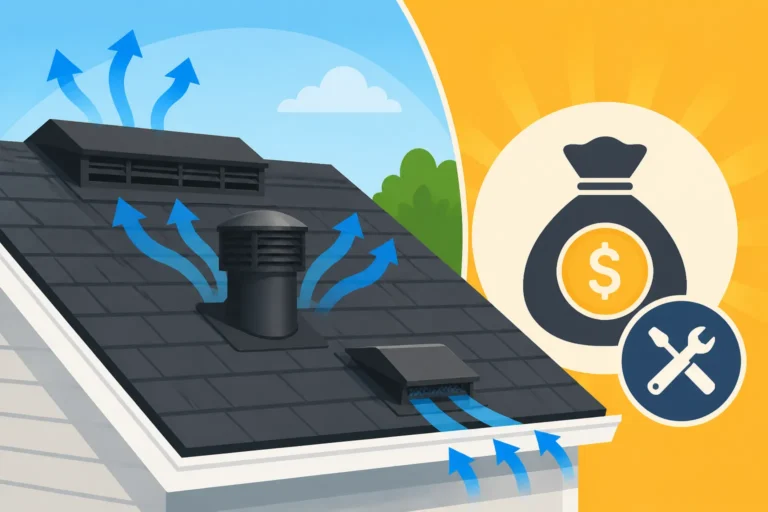
Proper attic ventilation is also paramount for roof health and energy efficiency. An unventilated or poorly ventilated attic can trap heat and moisture, leading to premature shingle aging, increased energy bills, and potential mold growth. Installing effective ventilation, such as continuous ridge vents paired with soffit vents, ensures a balanced airflow. While a Cost of Ridge Vent Installation will add to your project, it’s a vital investment in your roof's lifespan and your home's comfort. Upgrading from basic box vents to a more efficient, discreet ridge vent system will be more expensive but offers superior performance and a cleaner roofline.
Enhanced Warranties and Protection Packages
Many leading shingle manufacturers offer extended or enhanced warranty options when you install a complete roofing system, including their proprietary shingles, underlayment, starter strips, ridge cap shingles, and vents. These "system warranties" often provide significantly longer coverage for both materials and workmanship (when installed by a certified contractor) than a basic shingle-only warranty. For example, GAF's Golden Pledge Warranty or Owens Corning's Platinum Protection Limited Warranty can extend coverage for many decades, sometimes even transferring to a new homeowner.
These enhanced warranties typically come with an additional cost, either as part of a premium material package or as a separate fee. However, they offer a tremendous amount of protection and peace of mind. Knowing that both your materials and the contractor's installation work are covered for 25, 30, or even 50 years against defects is a powerful incentive for many homeowners. It's a premium investment that hedges against future problems and significantly adds to the long-term value and marketability of your home. When you’re looking to find a qualified contractor for your roofing project, Modernize can help you connect with professionals who can offer these robust warranty options.
Geographic Location and Local Market Dynamics
It's a simple truth in real estate, and it applies to roofing too: location, location, location. Where you live plays a surprisingly significant role in how much you'll ultimately pay for an asphalt roof replacement. This isn't just about regional material costs; it encompasses labor rates, local regulations, and even the prevailing climate.
Cost Differences Across States and Metro Areas
Roofing costs are far from uniform across the United States. The same asphalt shingle roof that costs $15,000 in a rural area of Georgia might easily run you $25,000 or more in a densely populated city like Boston or Seattle. This disparity is primarily driven by regional variations in the cost of living, which directly impacts labor wages, and the local supply chain. In areas with higher labor costs and steeper taxes, roofing contractors need to charge more to cover their overhead and pay their skilled crews a living wage.
Furthermore, different regions face different climatic challenges, which can influence material choices and installation practices. For instance, coastal areas prone to hurricanes often have stricter building codes that mandate more robust, high-wind-rated shingles and specialized nailing patterns, adding to both material and labor costs. Similarly, states in the "hail belt" may see higher demand for Class 4 impact-resistant shingles. These regional demands and specific climate considerations contribute to the overall Asphalt Shingle Roof Cost by State. It’s why you can’t simply compare a quote from Florida with one from Michigan and expect them to be the same, even for the same house size.
Local Regulations, Permits, and Building Codes
Every city and county has its own set of building codes and permit requirements, and these can add both time and cost to your roofing project. Before any work begins, most jurisdictions require a roofing permit, ensuring that the work adheres to local safety and structural standards. The cost of this permit varies widely, from a nominal fee to several hundred dollars, and it often includes mandatory inspections at different stages of the project. Our guide Do You Need a Permit to Replace a Roof explains this further.
Beyond the permit fee, local building codes can dictate specific installation methods or material requirements. For example, some codes might require specific ice and water shield coverage, particular types of roof ventilation, or even minimum wind resistance ratings for shingles. If your existing roof doesn't meet these current standards, your contractor will need to bring it up to code, which can involve additional materials and labor that weren't part of the original structure. These regulations are designed to enhance safety and durability, but they undeniably contribute to the final price tag. Neglecting to pull a permit or adhere to codes can lead to fines, stop-work orders, and even invalidate your homeowners' insurance or warranty down the line.
Supply Chain Fluctuations and Material Availability
The roofing industry, like many others, is susceptible to global and local supply chain dynamics. The cost of asphalt, fiberglass mats, and other raw materials used in shingle manufacturing can fluctuate based on oil prices, demand, and production capacity. Economic conditions, natural disasters affecting manufacturing plants, or even global shipping delays can impact the availability and cost of roofing materials.
When material demand is high and supply is tight, prices naturally increase. For example, during periods of widespread storm damage, there's a surge in demand for roofing materials, which can drive up costs across the board, even in areas not directly affected by the storms. Local availability also plays a role. If a specific shingle color or type has to be special-ordered or shipped from a distant warehouse, it can incur additional freight charges and potentially delay the project. A good contractor will keep you informed about potential material availability issues and price changes, helping you understand how these market forces might influence your project timeline and budget.
The Impact of Unexpected Issues and Project Management
Even with the most meticulous planning, roofing projects can sometimes uncover unforeseen challenges or lead to decisions that impact the final price. Understanding how these elements contribute to the overall cost, and how effective project management can mitigate them, is crucial for a smooth and transparent experience.
Hidden Damage and Unforeseen Repairs
We've touched on this before, but it's worth reiterating: the biggest wild card in any roof replacement budget is the potential for hidden damage. Until the old shingles are completely stripped away, it's impossible to know the true condition of the underlying roof deck, flashing, or even parts of the structural framing. Discoveries like widespread rot in the plywood, damaged rafters from long-term leaks that went unnoticed, or compromised flashing around chimneys or vent pipes are not uncommon.
When such hidden damage is found, the contractor will typically document it, show it to you, and provide a change order for the necessary repairs. While this adds to the cost and can cause temporary delays, these repairs are non-negotiable for the longevity and structural integrity of your new roof. Skipping them would be like painting over rust – it might look good for a moment, but the underlying problem will quickly resurface. Budgeting for a contingency fund, say 10-15% of your initial estimate, is a smart way to prepare for these potential unforeseen expenses, ensuring you're not caught completely off guard.
Change Orders and Project Scope Creep
Another factor that can drive up costs is the dreaded "change order." This occurs when you, the homeowner, decide to alter the scope of the project after the initial contract has been signed, or when unforeseen conditions necessitate a change. Perhaps you initially opted for a standard felt underlayment but then decided you want the superior protection of a synthetic one. Or maybe you realize during the tear-off that your attic ventilation is inadequate and decide to upgrade from static vents to a continuous ridge vent system. These are all valid and often beneficial upgrades.
However, each change requires additional materials, labor, and potentially a revision to the project timeline. While a good contractor will provide a clear, detailed change order outlining the new costs, making numerous or significant changes throughout the project can complicate logistics and add to the final bill. Having a clear vision of what you want from the outset and discussing all potential upgrades during the initial consultation can help minimize change orders and keep your project on track and within budget. Understanding What Drives Asphalt Roofing Costs Up or Down in this context is key to avoiding surprises.
Financing Options and Payment Structures
The way you choose to pay for your roof replacement can also subtly influence its perceived or actual cost. While paying cash upfront might save you interest fees, not everyone has tens of thousands of dollars readily available. Many homeowners opt for financing options, such as home equity loans, personal loans, or contractor-specific financing programs. These financing options come with interest rates and repayment terms that will add to the overall amount you pay over time.
For instance, some contractors partner with financial institutions to offer special financing, sometimes with low or even 0% APR for an introductory period, which can make the upfront cost more manageable. However, it's crucial to understand all terms and conditions, including deferred interest clauses. Homeowners might also consider exploring whether their homeowners' insurance will cover any portion of the roof replacement, especially if it's due to storm damage. Navigating Roof Financing Options Explained or determining Does Insurance Cover Roof Replacement can save you significant money and stress. Carefully evaluating these payment structures and associated interest rates is an important part of understanding the true total cost of your roofing investment. A reputable contractor, possibly one found through Modernize, will typically be transparent about available financing options and help you understand how different payment structures impact your budget.
Comprehensive Cost Factors at a Glance
To make it easier to see how all these variables interact, here's a table summarizing the main factors that influence asphalt roofing costs.
| Cost Factor | Description | Impact on Cost | Examples of Cost Drivers |
|---|---|---|---|
| Shingle Material | Type, quality, and features of asphalt shingles | High | Architectural vs. 3-tab, Class 4 impact resistance, cool-roof technology |
| Roof Size & Complexity | Total area, pitch, number of features (valleys, dormers, chimneys, skylights) | High | Larger footprint, steep pitch, multiple dormers, complex roofline |
| Labor Rates | Regional wages, crew expertise, installation challenges | High | High-cost-of-living area, specialized skills for steep roofs, certified crews |
| Tear-Off & Disposal | Removal of old shingles and waste disposal | Medium | Multiple existing shingle layers, high local landfill fees |
| Decking/Structural Repair | Repair or replacement of damaged plywood/OSB, rafters, trusses | Variable | Widespread rot, hidden structural damage, code upgrades |
| Underlayment | Secondary weather barrier beneath shingles | Low-Medium | Synthetic vs. felt, ice & water shield coverage |
| Flashing & Drip Edge | Metal components protecting edges and penetrations | Low-Medium | Copper flashing, custom fabrication, extensive penetrations |
| Venting System | Attic ventilation components (ridge vents, soffit vents, etc.) | Low-Medium | Upgrading from static vents to continuous ridge vents |
| Warranty Upgrades | Enhanced manufacturer or workmanship warranties | Low | Extended full system warranties, transferable options |
| Permits & Inspections | Local government fees and oversight for code compliance | Low | Jurisdiction-specific fees, additional inspections for complex projects |
| Access & Safety | Requirements for accessing roof and ensuring crew safety | Medium | Multi-story home, difficult terrain, extensive scaffolding needs |
| Market Conditions | Supply chain, demand, raw material costs | Variable | Post-storm material shortages, rising asphalt prices |
It's clear that while the shingle choice is significant, many other factors contribute to the total How Much Does an Asphalt Shingle Roof Cost. Getting multiple detailed estimates, like those provided by contractors found via Modernize, will help you understand your specific project's cost breakdown. Remember, the cheapest option isn't always the best when it comes to protecting your home.
Final Considerations for Your Roofing Investment
Undertaking an asphalt roof replacement is a significant home improvement project, and understanding the myriad factors that influence its cost is the first step toward a successful outcome. It's not just about the sticker price; it's about the long-term value, durability, and peace of mind you gain. Rushing into a decision without fully grasping these elements can lead to unexpected expenses, subpar quality, or even regret down the road.
Remember, the lowest bid isn't always the smart choice. Often, a significantly lower price might indicate shortcuts in materials, inadequate insurance, or a lack of experience from the contractor. A well-installed roof from a reputable contractor using quality materials is an investment that will protect your home for decades, enhance its curb appeal, and potentially increase its resale value. Take the time to compare bids thoroughly, ask questions about every line item, and understand what you're truly getting for your money. Our guide on How to Read and Compare Roofing Estimates can be an invaluable resource here. By doing your homework, you'll ensure that your new asphalt roof is a source of pride and protection for years to come.
Disclaimer
Please note that the information provided in this article is intended for general guidance and informational purposes only. Roofing costs can vary significantly based on your specific location, the unique characteristics of your home, the materials chosen, and current market conditions. Always consult with multiple licensed and insured roofing professionals to obtain accurate estimates and personalized advice for your project. Prices and availability of materials and services are subject to change.