How to Find a Good Roofer in Texas
The sheer number of roofing contractors popping up after a severe storm in Texas can make your head spin, and finding a trustworthy one feels like searching for a needle in a haystack. Homeowners often grapple with uncertainty, worried about scams, shoddy workmanship, or getting ripped off when their roof needs attention. This guide will walk you through the essential steps and specific considerations for homeowners in the Lone Star State, ensuring you connect with a reputable professional who protects your home and investment.
Understanding Texas Roofing Regulations and Licensing
One of the biggest frustrations for homeowners in Texas, especially when dealing with roofing issues, is the often-confusing landscape of contractor licensing. Unlike many other states that have statewide requirements, Texas takes a more localized approach, which can unfortunately open the door to less scrupulous operators. It’s a common misconception that all contractors are regulated equally, but when it comes to roofing in Texas, you need to be extra vigilant.
The Lack of State-Level Licensing for Roofers
Let's get this out of the way upfront: there is no statewide licensing board for general roofing contractors in Texas. This fact alone can be incredibly frustrating and confusing for homeowners who are simply trying to find a qualified professional. It means that theoretically, anyone can claim to be a roofer and start a business without having to pass a state exam, demonstrate financial stability, or provide proof of experience to a state authority. This lack of oversight makes it even more critical for you, the homeowner, to do your due diligence and thoroughly vet every potential contractor you consider. It’s why you hear so many stories about fly-by-night operations, particularly after major weather events. They swoop in, do quick, often subpar work, and then vanish, leaving homeowners with no recourse.
This isn't to say all Texas roofers are unregulated or unreliable; far from it! Many operate with the utmost professionalism and integrity. But the system means you have to be the one to ensure they meet your standards. When you’re looking for a roofer, it’s not enough to just assume they’re licensed. You need to dig deeper into what certifications and local registrations they do possess. Understanding these nuances is the first step in finding a reliable roofer. For more detailed information, you can explore specific Roofing License Requirements in Texas.
Local Permitting and Registration Requirements
While the state doesn't license roofers, many individual cities and counties across Texas do have their own local registration or permitting requirements. These local rules are your first line of defense and provide a layer of accountability that the state does not. For instance, a roofer working in Houston, Dallas, or San Antonio might need to register with the city, carry specific insurance, and pull permits for certain types of work. This ensures that the work complies with local building codes, which are designed for safety and structural integrity.
Always ask a prospective roofer about the local permits they will pull for your project. A reputable contractor will be well-versed in these requirements and will include the permitting process as part of their service. They'll know exactly what's needed for your specific municipality, whether it's for a simple repair or a full How a Roof Replacement Works: The Full Process. If a contractor tells you that a permit isn't necessary for a significant job, or suggests you pull the permit yourself, consider that a major red flag. It often indicates they might not be properly registered, or they're trying to skirt inspections, which could leave you liable if something goes wrong. Always verify with your local city or county building department to understand what permits are required for your specific roofing project.
Vetting Potential Roofers: Beyond the Basic Quote
Finding a good roofer involves much more than just collecting a few estimates and picking the cheapest one. In a state like Texas, where storm damage is unfortunately common and the roofing industry can be competitive, careful vetting is absolutely crucial. You need to ensure the person working on your home isn't just skilled, but also reliable, transparent, and properly equipped to handle any issues that might arise. This is where your detective hat comes on!
Checking Credentials and Insurance
Even without a statewide license, there are non-negotiable credentials every reputable Texas roofer should possess. The most critical are insurance policies: general liability and workers' compensation. General liability insurance protects you, the homeowner, if the contractor causes damage to your property during the roofing process. Imagine a scenario where a roofer accidentally drops a stack of shingles through your attic ceiling or damages your landscaping. Without general liability insurance, you could be left footing the bill for repairs.
Workers' compensation insurance is equally vital. Roofing is a dangerous job, and accidents can happen. If a worker is injured on your property and the contractor doesn't have workers' comp, you, as the homeowner, could potentially be held responsible for their medical bills and lost wages. It sounds scary, and it is – which is why demanding proof of both types of insurance is not just recommended, it's essential. Ask for current certificates of insurance directly from their insurance carrier, not just a copy the roofer provides. Make sure the policy is active and covers the full duration of your project. This is one of the most important Questions to Ask a Roofing Contractor Before Hiring. Remember, being properly insured protects you from unforeseen financial burdens. For a deeper dive into this, check out Licensed and Insured Roofers: Why It Matters.
Reviews, References, and Reputation
In today’s digital age, a contractor’s reputation precedes them. Start your search by looking for roofers with a strong local presence and positive feedback. Online review platforms like Google, Yelp, and the Better Business Bureau (BBB) are invaluable resources. Look for consistent positive feedback, but also pay attention to how a contractor responds to negative reviews. A professional company will often address concerns constructively, showing they care about customer satisfaction. Be wary of companies with only five-star reviews, as this can sometimes be a sign of manipulation.
Beyond online reviews, ask for local references – specifically, names and contact information for homeowners in your area whose roofs they've recently completed. A good roofer will be happy to provide these. When you call these references, ask specific questions:
- Were they satisfied with the quality of the work?
- Was the project completed on time and within budget?
- Was the crew respectful and clean?
- How did the contractor handle any unexpected issues or challenges?
This firsthand feedback is incredibly powerful. You might even drive by a few of these completed projects to see the quality of work for yourself. Finding a company with a proven track record in your community, like those you might find through platforms such as Modernize, which connect homeowners with vetted local pros, can provide a significant peace of mind. For more insights on how to assess their standing, read our guide on Roofing Contractor Reviews to Trust in Texas.
Manufacturer Certifications and Warranties
Another strong indicator of a roofer’s commitment to quality and ongoing training is their manufacturer certifications. Major shingle manufacturers like GAF, Owens Corning, and CertainTeed offer advanced certification programs for contractors who meet stringent criteria. These programs often require roofers to undergo specific training, adhere to strict installation guidelines, and maintain high standards of customer service and business practices.
For example, a GAF Master Elite Contractor or an Owens Corning Platinum Preferred Contractor can offer enhanced warranties that provide better coverage than a standard manufacturer warranty. These extended warranties often cover not just the materials but also the contractor's workmanship, which is a huge benefit for homeowners. Why does this matter? Because improper installation, even with the best materials, can lead to premature roof failure. A manufacturer-certified roofer understands the nuances of the product and installs it to factory specifications, ensuring the warranty remains valid. Always ask about the specific warranties they offer – both for materials and their workmanship. This demonstrates their confidence in their own work and the products they install.
Getting and Comparing Estimates in Texas
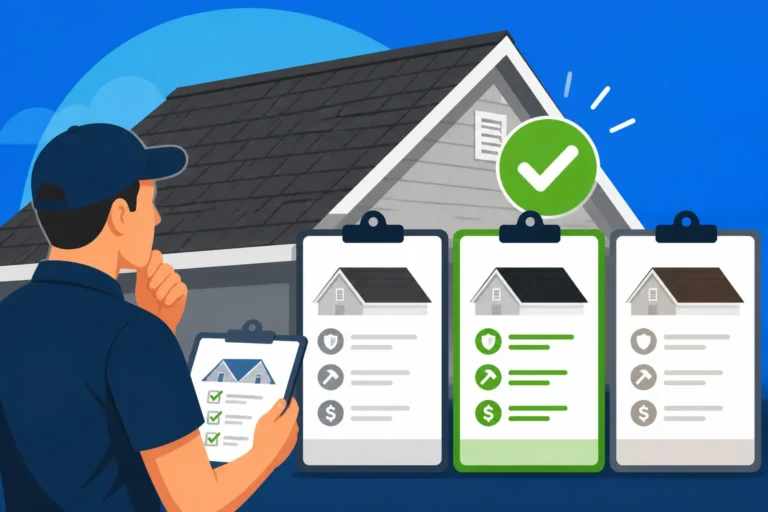
Once you’ve narrowed down your list to a few reputable roofers, the next step is to obtain detailed estimates. This stage is crucial for understanding the scope of work, comparing prices accurately, and avoiding any unpleasant surprises down the line. It's not just about the bottom line; it's about transparency and ensuring you're getting value for your money.
Comprehensive Quotes and Avoiding Hidden Costs
Never settle for a vague estimate written on a napkin. A truly professional roofer will provide a comprehensive, written quote that breaks down every aspect of the job. This document should detail:
- Materials: Specify the type of shingles (e.g., architectural shingles, 3-tab, impact-resistant), brand (e.g., GAF Timberline HDZ, Owens Corning Duration), color, and all other components like underlayment, drip edge, flashing, and ventilation. The quote should clearly state if new decking will be installed or repaired.
- Labor: Itemize labor costs for tear-off, installation, and cleanup.
- Scope of Work: Clearly outline what’s included (e.g., removal of existing layers, full installation of a new system, hauling away debris) and what isn’t.
- Permits: Confirmation that all necessary local permits will be pulled by the contractor.
- Warranty Information: Details on both material and workmanship warranties.
- Payment Schedule: A clear breakdown of when payments are due.
One common frustration for homeowners is encountering unexpected costs during the project. A detailed estimate helps you identify potential Hidden Costs in a Roof Replacement upfront. Ask clarifying questions about anything you don't understand. For example, will they charge extra if more than one layer of old shingles needs to be removed? What about unforeseen issues like rotted decking? A good contractor will discuss these contingencies with you beforehand. Remember, the goal isn't necessarily the lowest price, but the best value from a transparent and reliable contractor. Using a service like Modernize can help you gather competitive, detailed bids from qualified local roofers, making the comparison process much smoother. Don't be shy about asking for specific details – you're making a significant investment. Learning How to Read and Compare Roofing Estimates is a skill every homeowner needs.
The Contract and Payment Terms
After reviewing estimates, the next critical step is to scrutinize the contract. This legally binding document protects both you and the contractor, so ensure every detail is meticulously outlined. A solid roofing contract should mirror the comprehensive estimate and leave no room for ambiguity. It should clearly define the project timeline, including start and estimated completion dates, and any factors that might cause delays (like severe weather).
Pay close attention to the payment schedule. It's perfectly normal for a reputable roofer to ask for an upfront deposit, usually 10-30% of the total project cost, to cover initial material procurement. However, be extremely wary of any contractor who demands 50% or more upfront, or full payment before any work has even begun. This is a classic red flag, especially in Texas where storm chasers often operate this way. A typical payment schedule might involve a deposit, a progress payment once materials arrive or a significant portion of work is completed, and a final payment upon satisfactory completion and your final inspection.
Additionally, ensure the contract includes provisions for lien waivers. A lien waiver is a document from the contractor and their subcontractors/suppliers that gives up their right to place a lien on your property if they are not paid. This protects you from being held responsible if your contractor fails to pay their suppliers or crew. Review our guide on Roofing Contract: What to Look For to fully prepare yourself for this important step. Never sign a contract you don’t fully understand or one that feels rushed.
Recognizing Red Flags and Protecting Yourself
In Texas, with its frequent severe weather and lack of statewide roofing contractor licensing, homeowners are unfortunately prime targets for unscrupulous individuals and fly-by-night operations. Knowing what to look for and, more importantly, what to avoid, can save you a world of stress, money, and heartache.
Spotting Storm Chasers and Scams
After a major hailstorm or wind event sweeps through a Texas town – think areas like Fort Worth, Austin, or Dallas-Fort Worth after a severe storm – you'll often see an influx of out-of-state contractors, commonly known as "storm chasers." They go door-to-door, offering free inspections and promising quick fixes. While not all out-of-state contractors are bad, many storm chasers employ aggressive sales tactics and prioritize speed over quality.
Here are some classic red flags to watch out for:
- Door-to-Door Solicitation: While some legitimate local businesses may canvass, be suspicious of unsolicited offers, especially if they claim to have "just finished a job down the street" and noticed damage on your roof that you weren't aware of.
- Pressure to Sign Immediately: If a contractor pressures you into signing a contract on the spot, perhaps claiming a "limited-time offer" or that materials prices are about to skyrocket, walk away. A reputable contractor will give you time to consider your options.
- Cash-Only Deals or Large Upfront Payments: As mentioned, huge upfront payments or demands for cash-only deals are major warning signs. This makes it difficult to track payments and offers no recourse if they disappear.
- No Local Presence or Physical Address: Be wary of contractors with only a P.O. Box or a temporary local phone number. Look for a business with a long-standing physical address in your community.
- Offering to Cover Your Deductible: This practice is illegal in Texas. If a roofer offers to waive your deductible or inflate the estimate to cover it, they are asking you to participate in insurance fraud, which could lead to severe penalties for you.
When facing these kinds of situations, trust your gut. If something feels off, it probably is. Protect yourself by knowing Roofing Contractor Red Flags to Avoid and understanding How to Avoid Roofing Scams. Always take your time, do your research, and get multiple quotes from verified local contractors.
Understanding Roofing Warranties
A roof is a significant investment, and its warranty is your long-term protection. It's crucial to understand the different types of warranties available and what they cover. Generally, there are two main types:
- Manufacturer's Warranty: This covers the materials themselves – the shingles, underlayment, and other components – against defects. Standard manufacturer warranties typically cover materials for a certain period (e.g., 25-50 years for architectural shingles) but often don't cover labor or improper installation.
- Workmanship Warranty: This warranty is provided by the roofing contractor and covers the quality of their installation work. This is incredibly important because even the highest quality shingles won't perform if installed incorrectly. A good workmanship warranty should last at least 5-10 years, though some top-tier contractors offer longer periods, especially if they are manufacturer-certified.
It's vital to get both warranties in writing and understand their terms and conditions, including what might void them (e.g., improper ventilation or subsequent alterations to the roof). Ask your contractor how to register your manufacturer's warranty and what steps you need to take to keep both warranties valid. Knowing the specifics of your Roofing Warranty: Workmanship vs Manufacturer can save you a lot of grief if issues arise years down the line. A reliable roofer stands behind their work and will ensure you have comprehensive protection for your new roof.
| Vetting Checklist for a Texas Roofer | What to Look For | Why It Matters |
|---|---|---|
| Local Presence | Established physical address, local phone number | Indicates stability, accountability, and accessibility for future issues. |
| Insurance Proof | Current certificates for General Liability & Workers' Comp | Protects you from property damage and worker injury liability. |
| Local Registration/Permits | Knowledge of, and commitment to pull, local city/county permits | Ensures work meets local building codes; avoids legal issues for homeowner. |
| References | 3-5 recent local customers you can contact | Provides firsthand insight into their quality of work and customer service. |
| Online Reputation | Positive reviews on BBB, Google, Yelp; professional responses | Shows commitment to client satisfaction and problem resolution. |
| Detailed Estimate | Itemized list of materials, labor, scope, payment terms | Prevents hidden costs and misunderstandings; ensures transparency. |
| Comprehensive Contract | Matches estimate, includes timeline, lien waivers, warranty details | Legal protection for both parties; clarifies expectations and responsibilities. |
| Manufacturer Certifications | GAF Master Elite, Owens Corning Platinum Preferred, etc. | Indicates advanced training, quality installation, and often better warranties. |
| Warranty Details | Clear understanding of both material and workmanship warranties | Long-term protection for your investment against defects and faulty installation. |
| Payment Schedule | Reasonable deposit (10-30%), progress payments | Avoids scams; shows contractor's financial stability. |
Disclaimer
Please remember that this article provides general information and recommendations. Roofing regulations, building codes, and insurance policies can vary by specific location within Texas and are subject to change. Always consult with local authorities, licensed professionals, and your insurance provider to confirm the most current and accurate information for your particular situation.