How to Find an Emergency Roofer
Suddenly discovering a leak in your ceiling during a torrential downpour or waking up to a tree branch through your roof after a fierce storm is undeniably one of the most stressful homeownership nightmares. The immediate panic sets in: Who do I call? How fast can they get here? How much will this cost? This guide is designed to cut through that panic, providing clear, actionable steps on exactly how to find a reliable emergency roofer when time is of the essence.
Understanding Roofing Emergencies and Why Speed Matters
When it comes to your roof, some problems can wait for a scheduled appointment, but others demand immediate attention. Ignoring an urgent roofing issue, even for a few hours, can escalate a manageable problem into a catastrophic one, leading to much higher costs and extensive damage throughout your home.
What Constitutes a Roofing Emergency?
It's crucial to distinguish between a regular repair and a true emergency. A couple of missing shingles on a sunny, calm day might be a priority, but it's not an emergency. A roofing emergency is any situation that compromises the immediate integrity of your home's protective envelope, allowing water intrusion or posing a safety risk.
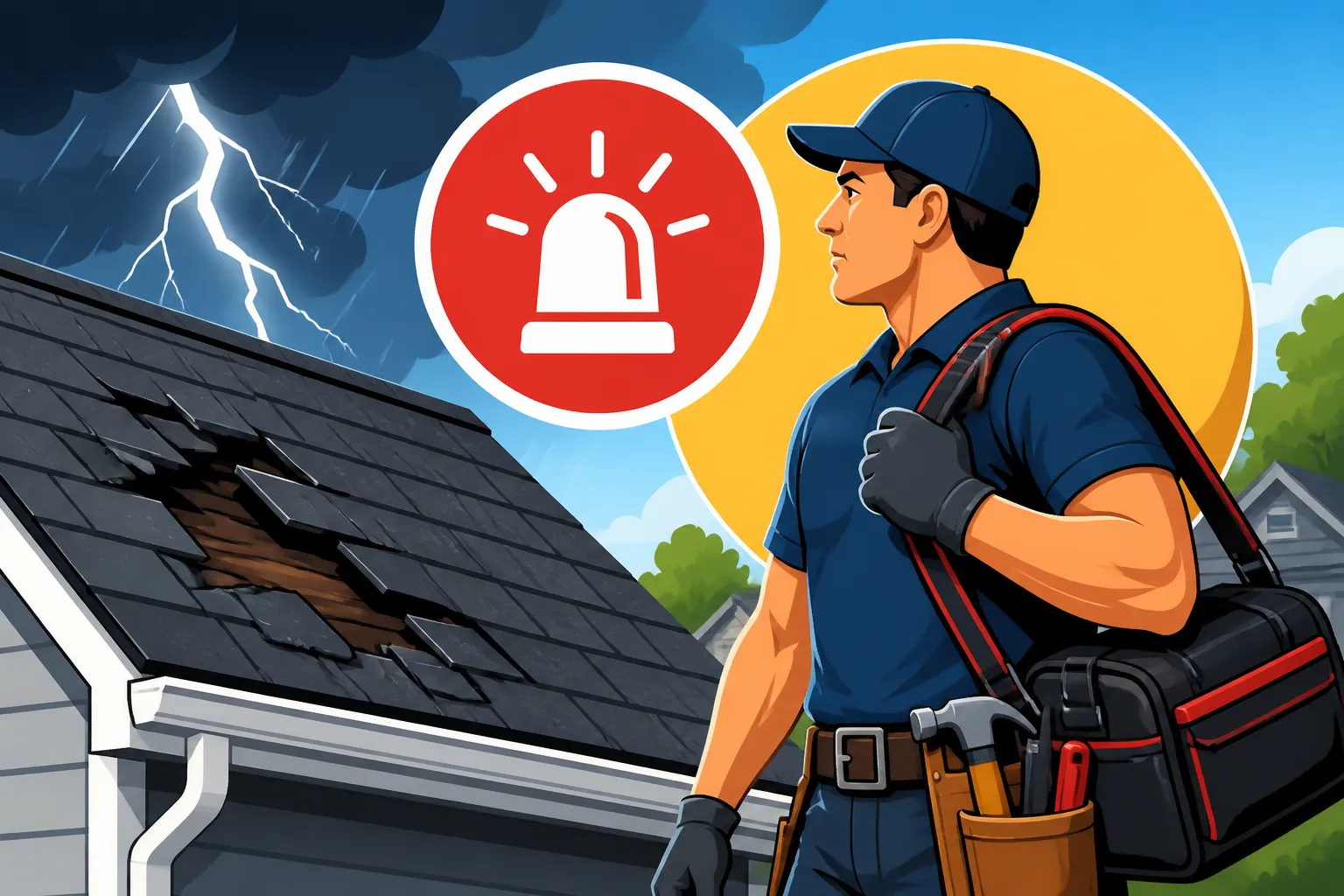
Think about these common scenarios: a tree limb has fallen and punctured your roof, creating an open hole to the elements. Or perhaps a severe hailstorm has left your shingles utterly shredded, and water is actively dripping into your living room. Maybe a powerful windstorm ripped off a large section of shingles, exposing the underlayment and decking, making your home vulnerable to the next gust or rain shower. These are not minor issues; they are active threats that require immediate intervention to prevent further damage. If you're seeing water inside your house, if there are large holes, or if structural components are exposed, you are absolutely in an emergency situation.
The Immediate Risks of Delay
Delaying emergency roof repairs carries a host of risks, each potentially more damaging and costly than the last. The most obvious risk is water damage. Water seeping into your attic can quickly saturate insulation, damage drywall, stain ceilings, and even ruin flooring and furniture. What starts as a small leak can become a cascade of interior destruction. This isn't just cosmetic; prolonged moisture can lead to serious structural issues, compromising the integrity of your home's framing and even leading to rot in your roof decking.
Beyond visible water damage, moisture trapped within your home's structure creates a perfect breeding ground for mold and mildew. Mold can spread rapidly, becoming a significant health hazard, particularly for those with allergies or respiratory issues. Removing mold can be an incredibly invasive and expensive process, often requiring specialized remediation teams. Furthermore, exposed electrical wiring from water damage creates a severe fire hazard. A quick response not only protects your property but, more importantly, ensures the safety of your family. You might be surprised to learn about some other Hidden Costs in a Roof Replacement that can arise from these delays.
Initial Steps When a Roofing Emergency Strikes
When panic sets in, it's easy to feel overwhelmed. But taking a few calm, deliberate steps immediately after discovering a roofing emergency can make a world of difference in mitigating damage and preparing for professional help.
Prioritizing Safety and Damage Control
Your first priority should always be safety. If there's a serious breach in your roof, especially if water is near electrical outlets or fixtures, the power to that area (or your entire home) should be shut off at the main breaker. This eliminates the risk of electrocution. Next, focus on damage control inside your home. Place buckets or tarps under active leaks to catch dripping water and protect your belongings. If a ceiling appears to be bulging with water, it might be beneficial to carefully puncture it with a screwdriver or similar tool to allow the water to drain into a bucket. This can prevent a larger, uncontrolled collapse of saturated drywall.
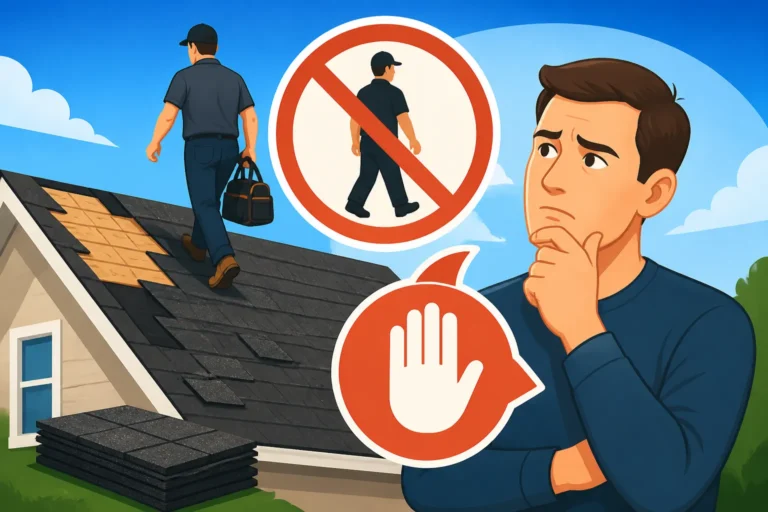
Avoid going onto the roof yourself, especially if it's still storming or the roof appears structurally compromised. The risk of falling or causing further damage simply isn't worth it. Instead, focus on gathering information from a safe vantage point and making temporary internal fixes until an expert arrives. While this is a guide for finding an emergency roofer, it's important to know How to Temporarily Stop a Roof Leak with simple household items, if safe to do so from the interior.
Documenting the Damage for Insurance
Before any repairs begin, take extensive photos and videos of all damage, both inside and outside your home. This documentation is absolutely critical for your insurance claim. Get close-up shots of missing shingles, holes, water stains on ceilings, damaged walls, and any ruined personal property. Capture wide shots to show the extent of the damage. Note the date and time, and if possible, capture timestamps on your photos.
Keep a detailed log of events, including when the damage occurred, what actions you took, and who you contacted. This information will be invaluable when you speak with your insurance adjuster. Many homeowners wonder, Does Insurance Cover Roof Replacement? The answer often depends heavily on proper documentation and the nature of the damage. A clear, well-documented record will help expedite your claim and ensure you receive the maximum coverage you're entitled to.
Strategies for Finding a Reliable Emergency Roofer
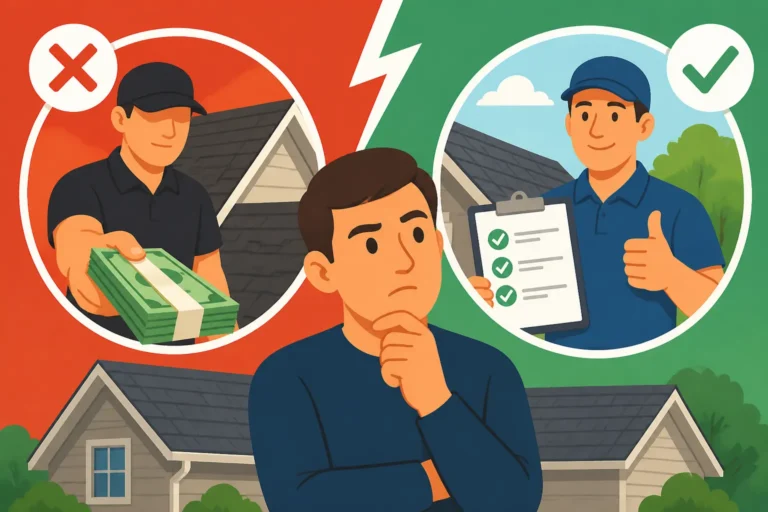
Finding an emergency roofer feels like a race against time, but it's essential not to panic and hire the first name you see. A reliable contractor can mean the difference between a quick fix and a long-term headache.
Leveraging Local Resources and Referrals
When you're in a pinch, word-of-mouth can be surprisingly effective. Reach out to neighbors, friends, or family who have recently had roof work done, especially if they've dealt with storm damage. They might have a trusted contact for a reputable local roofer who offers emergency services. Local community groups on social media platforms can also be a goldmine for quick recommendations, as neighbors often share experiences with local businesses. Be specific in your request: "Looking for an emergency roofer who can respond quickly to a leak."
Local hardware stores or building supply centers can also be good resources, as they often have relationships with contractors in the area. While they might not directly recommend one, they can sometimes point you toward companies known for reliable service. This kind of grassroots research helps you tap into established reputations, which is vital when you don't have time for extensive vetting. Remember, finding a good contractor is key to a successful outcome, so consider our guide on How to Choose a Roofing Contractor.
Online Search and Verification
In today's digital age, your smartphone is your best friend during an emergency. Start with a quick online search for "emergency roofer near me" or "24-hour roofing repair [your city, state]". Look for companies with high ratings and recent positive reviews, particularly those mentioning quick response times for emergencies. Platforms like Google Maps, Yelp, and the Better Business Bureau (BBB) are excellent places to start. Pay attention to any negative reviews and how the company responded – a company that addresses concerns professionally often indicates a commitment to customer service.
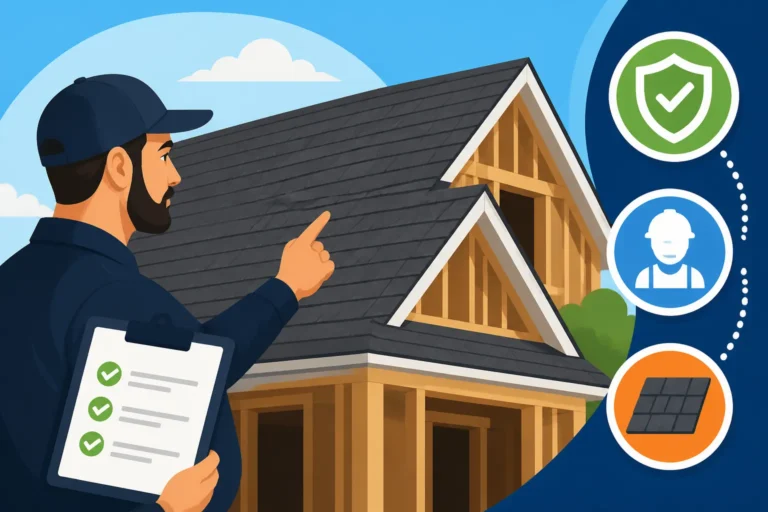
Once you have a few potential candidates, quickly verify their credentials. This includes checking their licensing and insurance. In many states, you can look up contractor licenses online through a state's licensing board. For example, in Florida, you'd check with the Department of Business and Professional Regulation. Never work with an uninsured contractor, especially in an emergency; it puts you at tremendous risk if an accident occurs on your property. Companies that are transparent about their licensing and insurance status, often directly on their website, are usually more trustworthy. You can also utilize platforms like Modernize to connect with pre-screened local contractors who specialize in emergency repairs, saving you precious time in vetting.
What to Ask Potential Emergency Contractors
When you finally get an emergency roofer on the phone, you'll want to ask several crucial questions to ensure they're the right fit for your immediate needs and long-term repair. First, inquire about their estimated response time. In an emergency, minutes can matter. Ask if they charge a separate emergency service fee, as this is common for after-hours or immediate call-outs.
Clarify their process for emergency work. Will they provide temporary tarping or repairs first, then follow up with a detailed estimate for permanent repairs? Ask for proof of their liability insurance and workers' compensation insurance. Reputable companies will have these readily available, and a refusal or hesitation is a major red flag. Discuss payment options for emergency services – do they require payment upfront, or can it be billed through insurance? Also, ask if they are experienced with handling insurance claims, as this can streamline the process for you. For more insights, refer to our comprehensive list of Questions to Ask a Roofing Contractor Before Hiring.
| Feature | Standard Roof Repair | Emergency Roof Repair |
|---|---|---|
| Response Time | Scheduled appointment, typically days-weeks | Immediate, often within hours |
| Primary Goal | Permanent, comprehensive fix | Stop active damage, make safe, temporary seal |
| Cost Structure | Itemized quote for planned work | Emergency call-out fee, higher labor rates |
| Scope of Work | Specific repairs, planned component replacement | Tarping, sealing leaks, debris removal |
| Insurance Claim | Can be handled as part of standard process | Critical documentation, often urgent claim |
| Contractor Vetting | Extensive research, multiple bids | Rapid assessment, focus on availability & credentials |
What to Expect from an Emergency Roofing Service
Understanding the typical process of an emergency roofing service can help manage your expectations and ensure you get the most effective immediate relief. It’s a bit different from a planned roof replacement.
Emergency Tarping and Temporary Repairs
When an emergency roofer arrives, their primary goal is to stop the immediate threat of water intrusion and make the area safe. This almost always involves emergency roof tarping. They will typically use heavy-duty tarps, often reinforced, and secure them tightly to your roof to cover damaged areas. This isn't a long-term solution, but it's incredibly effective at preventing further water damage while you wait for permanent repairs. Expect them to also clear any hazardous debris, such as fallen branches, from your roof.
They might also perform other temporary fixes, like sealing small holes or exposed areas with roofing cement or flashing tape. The focus here is containment and protection, not aesthetics or a complete, durable repair. This initial service buys you time and prevents the interior of your home from becoming further compromised, which is invaluable. For more details on this crucial first step, check out our guide on Emergency Roof Tarping Explained.
Transitioning from Emergency to Permanent Solutions
Once the immediate threat is contained with temporary repairs, the emergency roofer will typically provide you with an assessment of the full scope of damage. This is where the transition to a permanent solution begins. They will detail what permanent repairs are needed, whether it's replacing a section of shingles, repairing flashing, or even recommending a full roof replacement if the damage is extensive enough to warrant it.
This is also when you'll start working closely with your insurance company. The emergency roofer can often provide the necessary documentation and communicate directly with your adjuster, helping to streamline the claims process. They will then schedule a more comprehensive repair or replacement, often providing a detailed estimate for the next phase of work. Platforms like Modernize can help ensure a smooth hand-off from emergency service to comprehensive repair by connecting you with contractors who are experienced in both. Knowing How a Roof Replacement Works: The Full Process can help you understand the next steps.
Understanding Emergency Service Costs
It's important to be prepared for the fact that emergency roofing services typically come at a higher cost than standard, scheduled repairs. This premium reflects the urgency, after-hours work, and specialized equipment or staffing required for immediate response. You can expect an emergency call-out fee, and labor rates might be higher for work performed outside of normal business hours.
The total cost will depend on the extent of the emergency work (e.g., how large an area needs tarping, how much debris needs removal) and the complexity of accessing the damaged area. While it's an added expense, consider it an investment in preventing far more costly damage to your home's interior and structure. Many homeowners' insurance policies will cover emergency tarping and repairs, especially if the damage was caused by a sudden, unforeseen event like a storm, but always confirm this with your provider. Don't be afraid to ask for a clear breakdown of costs for the emergency service, and remember that this initial cost is separate from the eventual permanent repair or replacement, which will be estimated later.
Disclaimer
Please remember that the information provided in this article is intended for general guidance and informational purposes only, and does not constitute professional advice. Always consult with a qualified and licensed roofing contractor for specific advice tailored to your situation and local building codes. Roofing work can be dangerous; never attempt repairs without proper training and safety equipment.