Roofer Won’t Finish the Job: What to Do
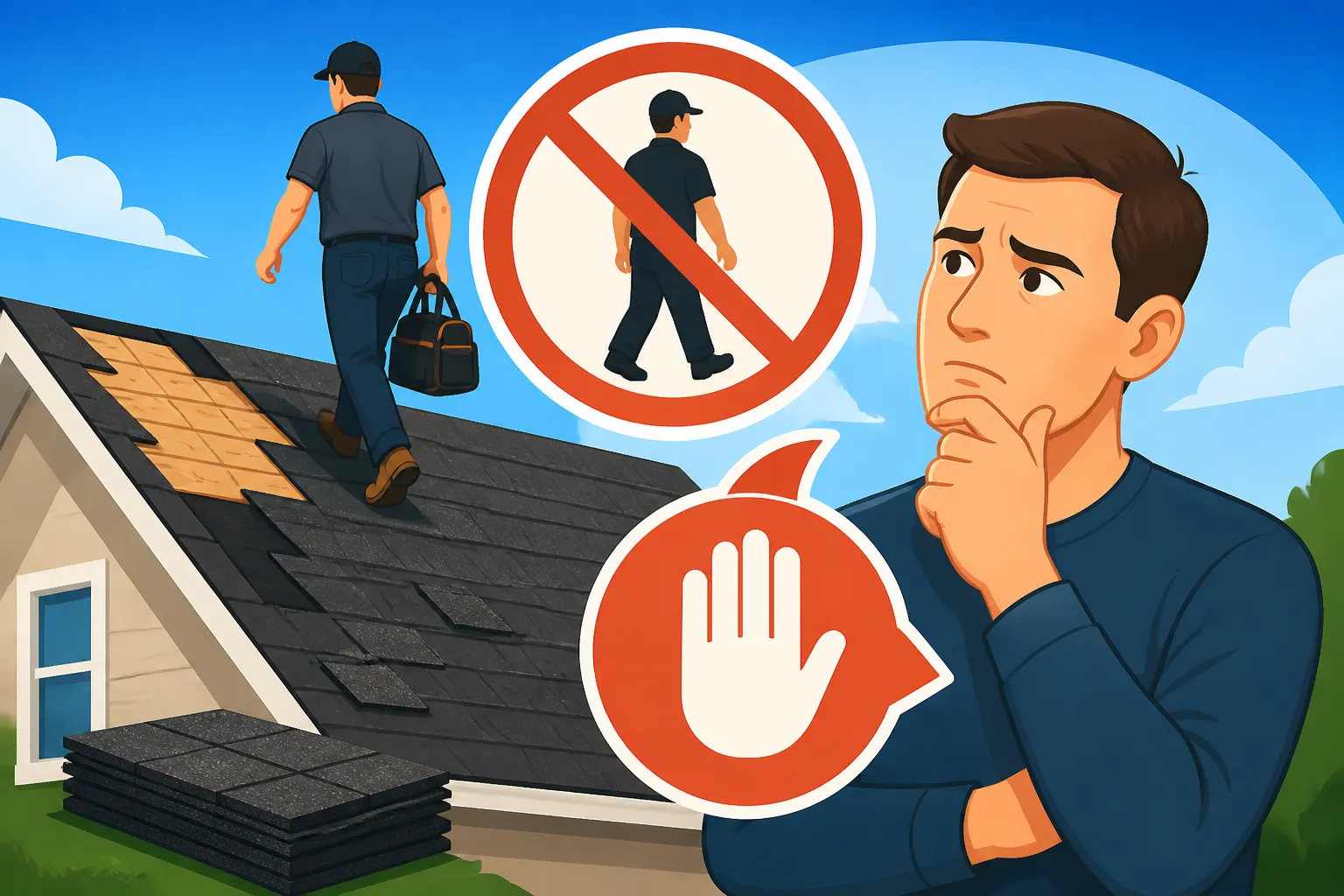
It's an absolute nightmare scenario that no homeowner ever wants to face: your roofing project grinds to a halt, the crew disappears, and you're left with an unfinished, exposed roof and a lot of questions. The frustration and anxiety can be overwhelming, but you're not alone. This guide will walk you through the essential steps to take when a roofer won't finish the job, helping you protect your home, understand your options, and get your asphalt roofing project completed.
The Immediate Aftermath: What to Do When Work Stops
When your roofing crew packs up and doesn't return, or the project suddenly goes quiet without explanation, it's natural to feel a mix of panic and anger. But taking calm, deliberate steps right away is crucial. Your primary goal at this stage is to understand the situation, protect your property from further damage, and gather the necessary information to move forward effectively.
Reviewing Your Contract and Communication Records
The very first thing you should do is pull out that roofing contract you signed. I know, it's probably buried under a pile of other important papers, but find it. This document is your roadmap and your first line of defense. Look for clauses related to project timelines, payment schedules, dispute resolution, and contractor responsibilities. Does it specify deadlines for completion? Does it outline what happens if the contractor defaults on their obligations? Knowing precisely what your contract says is paramount, as it forms the legal basis of your agreement.
Alongside the contract, gather every piece of communication you've had with the contractor. This includes emails, text messages, written notes from phone calls, and even social media messages if those channels were used. These records will provide a chronological timeline of events, including any promises or agreements made outside the formal contract. For instance, if they promised a specific completion date in a text message, that's a vital piece of information. Make sure to note down dates, times, and brief summaries of conversations. This meticulous record-keeping helps to build a clear, undeniable picture of what transpired, which can be invaluable if you need to escalate the situation.
Documenting the Current State of Your Roof and Property
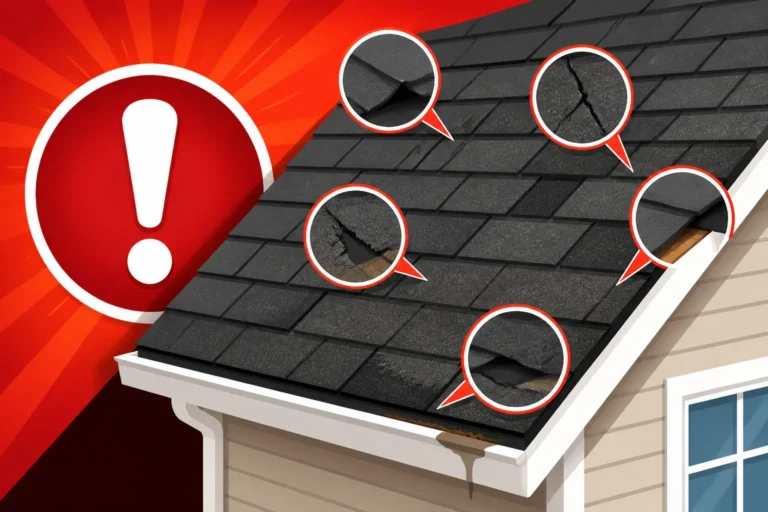
Before you do anything else, grab your phone or camera and start documenting everything. I cannot stress this enough: take pictures and videos of the entire situation. Capture the current state of your roof, paying close attention to any incomplete work, exposed areas, or materials left behind. Get close-ups of specific issues, like improperly installed shingles, exposed roof decking, or incomplete flashing, and also take wide shots that show the overall progress (or painful lack thereof) of the project.
Don't forget to document your yard and surrounding property as well. If debris was left behind, if there’s damage to landscaping, or if tools and equipment are just sitting there, photograph it all. This visual evidence is invaluable if you end up in a dispute, providing undeniable proof of the project's status and any collateral issues. You might think, "Oh, I'll remember this," but believe me, when stress is high, specific details can easily blur. Keep all these photos and videos organized with dates and descriptions.
Initiating Professional Communication with the Contractor
It’s tempting to immediately send an angry message or call repeatedly, but maintaining a professional and measured demeanor is always in your best interest. Start by sending a formal, written communication – preferably a certified letter with a return receipt requested – to the contractor. This creates a legal record that they received your message, leaving no room for denial. In this letter, clearly state that work has stopped, reference the specific clauses in your contract, and respectfully ask for an explanation and a projected timeline for resuming and completing the work. Give them a reasonable deadline to respond, say, 3-5 business days.
Follow up with emails and phone calls, but always summarize phone conversations in an email afterward. Something like, "Following up on our call today, my understanding is that [Contractor Name] will resume work by [Date] and complete the installation of the [specific components]. Please confirm if this is correct." This consistent communication strategy builds a robust paper trail. You want to give them every reasonable opportunity to explain or rectify the situation before escalating it. Sometimes, there might be a legitimate, albeit poorly communicated, reason for the delay – an unforeseen illness, a material shortage, or a sudden equipment breakdown. However, a truly reputable contractor would proactively communicate such issues to you.
Understanding Why a Roofer Might Stop Work
While it might feel deeply personal and infuriating when a contractor disappears, there are often underlying reasons for the sudden halt in work, some legitimate and some less so. Understanding these potential causes can help you strategize your next steps and prepare for the various outcomes, even if it doesn't make the situation any less frustrating.
Financial Instability or Bankruptcy of the Company
This is unfortunately one of the most common and devastating reasons for a project to grind to a halt. The roofing company might be experiencing severe financial difficulties, perhaps they've overextended themselves, mismanaged funds, or are simply going out of business. In some cases, a contractor might take your deposit and then find themselves unable to afford the materials or labor for your specific job because they're using your money to finish another, older project – a dubious practice sometimes referred to as 'robbing Peter to pay Paul'.
If they've filed for bankruptcy, the situation becomes a much more complex legal issue. Your chances of recovering funds or getting them to complete the work diminish significantly, and you might become just one of many creditors. It's a tough pill to swallow, but recognizing this possibility early can help you manage your expectations and explore options like pursuing their bond if the contractor is bonded. Understanding Roofing Deposit and Payment Schedule can give you a better idea of what is considered a normal upfront payment and whether an excessive initial deposit might have been a red flag for a company experiencing cash flow problems.
Unforeseen Site Conditions, Permits, or Inspection Problems
Sometimes, the issue isn't malicious but a genuine, unforeseen hurdle. For example, during the initial roof tear-off, your contractor might discover extensive rotten roof decking or significant structural damage that wasn't apparent during the preliminary inspection. This requires additional work, materials, and potentially a change order, which can stall the project if not agreed upon promptly and properly. Alternatively, perhaps the initial permit application was incomplete, or a city inspector failed the work at a certain stage, requiring corrections and delaying further progress.
Navigating Roofing Permits: Who Pulls Them is crucial here. If the contractor was explicitly responsible for pulling the permit and there's an issue with it, the fault typically lies with them to resolve it. However, if the permit process is delayed by the city's bureaucracy, or if unexpected structural issues are found that require a revised permit, these can cause genuine, albeit incredibly frustrating, delays. A good, ethical contractor communicates these issues transparently, explains the impact on the timeline and cost, and offers clear solutions. A less scrupulous one might simply disappear, hoping the problem resolves itself or that you won't notice.
Subcontractor Disputes and Labor Issues
Many roofing companies don't do all the work with their own in-house crew. They often rely on subcontractors for specific tasks like shingle installation, flashing work, or even site cleanup. If there's a dispute between your main contractor and their subcontractors – perhaps over payment, quality of work, or scheduling conflicts – your project can easily get caught in the crossfire. This is particularly common if the main contractor hasn't paid their subs as agreed, leading the subcontractors to walk off the job in protest.
Labor shortages are also a very real issue in many trades, including roofing, especially in busy seasons or after major storms. If a key crew member becomes unavailable, or if the contractor suddenly loses their experienced team, they might struggle to find qualified replacements quickly, particularly if they're trying to keep their costs down. This is where researching your contractor's reputation and stability, perhaps by checking their reviews and history on platforms like Modernize, becomes essential. You want a company that has a reliable, consistent workforce, not one that's constantly scrambling for temporary laborers.
Table: Common Reasons for Stalled Roofing Work and Initial Actions
| Reason for Stalled Work | Initial Action to Take | Key Document to Review | Potential Next Step |
|---|---|---|---|
| Contractor Disappears | Send certified letter requesting explanation/timeline. | Original Contract, Communication Log | Contact licensing board, consumer protection. |
| Financial Issues | Document contractor's non-responsiveness; research company status. | Payment Records | File claim against bond, explore legal options. |
| Permit/Inspection Hold-up | Request detailed explanation from contractor; check local permit office. | Permit Application, Contract | Follow up with contractor, verify with authorities. |
| Subcontractor Dispute | Ask contractor for clarity and a resolution plan. | Contract | Consider mediation if internal resolution fails. |
| Unforeseen Damage (e.g., rotten decking) | Demand formal change order, clear communication on costs/timeline. | Contract, Initial Estimate | Negotiate change order, if acceptable, sign; if not, dispute. |
| Material Delays | Request verifiable proof of delays and new estimated arrival time. | Contract, Material Orders | Consider alternative materials if available and agreed upon. |
Navigating Legal Avenues and Dispute Resolution
When direct communication breaks down and repeated attempts to resolve the issue directly with the contractor fail, it's time to consider more formal and legal approaches. This isn't about being overly aggressive right away, but about diligently protecting your rights and your significant investment in your home.
Filing a Formal Complaint with Licensing Boards and Consumer Protection
In many states, roofing contractors are required to be licensed and often bonded. This licensing provides a crucial mechanism for recourse when things go wrong. Start by contacting your state's contractor licensing board or equivalent regulatory agency. Many states, such as California with its Contractors State License Board (CSLB) or Florida with the Department of Business and Professional Regulation (DBPR), have specific processes for homeowners to file complaints. These boards can investigate claims of shoddy work, abandonment, or breach of contract, and they may impose disciplinary actions on the contractor, which can include fines or license suspension.
Beyond licensing boards, consumer protection agencies (like the Better Business Bureau or your state's Attorney General's office) can also be valuable resources. While they might not have the direct power to force a contractor to complete work or pay damages, they can mediate disputes, put significant public pressure on the contractor, and add to their public record, which can deter future misconduct. Learn How to File a Complaint Against a Roofer to understand the step-by-step process involved in your area. This formal complaint process is often a necessary prerequisite before pursuing more intensive legal action, demonstrating that you made a good-faith effort to resolve the issue through established channels.
Exploring Mediation and Arbitration Clauses
Go back to your contract once more. Does it include specific clauses for mediation or arbitration? Many modern construction contracts do. Mediation involves a neutral third party facilitating a discussion between you and the contractor to help you both reach a mutually agreeable solution. It's often non-binding, meaning you don't have to agree to anything if a satisfactory resolution isn't found. Arbitration, on the other hand, involves a neutral third party hearing both sides of the dispute and then making a binding decision, which is legally enforceable, much like a court judgment.
Both mediation and arbitration are typically faster and considerably less expensive than traditional court battles. They can be particularly useful if the core dispute is about the quality of the work, the amount of money owed for incomplete work, or the cost of repairs needed to fix previous errors. Before agreeing to either, ensure you fully understand the implications. With binding arbitration, you often give up your right to sue in court, so make sure you're comfortable with that trade-off. It’s always wise to consult with an attorney specializing in construction law before entering into these alternative dispute resolution processes.
Considering Small Claims Court or Legal Action
If all other avenues fail, legal action might be your only remaining path to recover your losses. For disputes involving smaller monetary sums, small claims court can be a viable option. The maximum monetary limits for small claims vary significantly by state and even by county (e.g., in Texas, it's typically up to $20,000; in New York, it ranges from $5,000 to $10,000 depending on the specific court). The process is designed to be accessible to individuals without requiring legal representation, though obtaining legal advice is always recommended, especially if the situation is complex. You'll need to present your comprehensive evidence, including your contract, all communication records, photographic and video evidence, and any estimates for completing the outstanding work.
For larger sums or more intricate contractual disputes, you will likely need to hire an attorney to file a lawsuit in a higher court. This route is considerably more expensive and time-consuming but may be necessary to recover significant financial losses or address severe breaches of contract. Your lawyer can help you pursue claims against the contractor directly, and potentially against their bond or insurance if they have them. Remember that having a clear, detailed contract outlining What to Include in a Roofing Contract will be an invaluable asset if you are forced to go down this legal path.
Finding a New Contractor to Finish the Job
Once you’ve exhausted all reasonable attempts with the original contractor or made the difficult decision to cut ties completely, the daunting task of finding someone new to pick up where another left off begins. This isn't just about hiring any roofer; it's often about finding a specialist in crisis resolution who is willing and able to tackle an incomplete or problematic project.
Thoroughly Assessing the Incomplete Work
Before any new contractor can give you an accurate and fair estimate, they need to know exactly what they're walking into. This requires a comprehensive, detailed assessment of the existing incomplete work. Was the underlayment properly installed? Are the starter shingles correctly placed and nailed? Is the roof deck compromised by previous work or exposure? You'll need a new, reputable roofing company to conduct a thorough, on-site inspection. Be prepared for them to potentially find issues with the previous contractor's work, even if it looks okay to your untrained eye.
This assessment will form the absolute basis of their bid. They need to understand not just what's missing from the job, but also what existing work needs to be fixed, redone, or removed due to improper installation. They'll meticulously check for proper flashing installation around chimneys and vents, correct nailing patterns for shingles, and overall adherence to local building codes. You might even consider hiring a third-party, independent roof inspector (one not affiliated with any roofing company) to provide an unbiased report. This objective report can also serve as powerful, credible evidence if you pursue legal action against the original contractor.
Seeking Specialized Contractors for Remedial Work
It’s a blunt truth that not all roofing contractors are eager to take over an unfinished job, especially if there's a mess to clean up or previous shoddy work to correct. It's often more complex, time-consuming, and carries more liability than simply starting fresh on a new roof. Therefore, you'll need to specifically seek out contractors who have experience with remedial work or are known for their problem-solving skills in difficult situations. When you reach out, specifically ask potential new roofers if they have a track record of finishing projects started by others.
When looking for a new contractor, apply all the lessons you learned from your first, negative experience. Research them even more thoroughly. Check their licenses, insurance, and read reviews on multiple platforms like Google, Yelp, and platforms such as Modernize, which connects homeowners with reliable local contractors. Don't be afraid to ask probing Questions to Ask a Roofing Contractor Before Hiring. Get at least three detailed bids for the completion work. These bids should meticulously itemize the scope of work, including any necessary repairs or tear-offs of improperly installed components by the previous roofer. Be completely transparent about the situation – explain clearly and factually why the previous contractor left – so they can properly assess the risk and scope of the job.
Protecting Yourself with the New Agreement
With the fresh wound of a failed project, it's natural to be wary. Use this valuable, albeit painful, experience to create an even stronger, more protective contract with your new roofer. Ensure the new agreement clearly defines the scope of work for completion, explicitly states that it's a "take-over" project, and details any corrective work needed from the previous job. Include a clear and well-defined payment schedule tied to measurable milestones (e.g., 25% after deck inspection and any necessary repairs, 50% after underlayment and flashing installation, and the final 25% upon final completion and your satisfactory inspection). Avoid large upfront payments unless absolutely necessary, and always ensure the new contractor is Licensed and Insured Roofers: Why It Matters by verifying their credentials directly.
Don't forget to clearly address warranties. Will the new contractor warranty the entire roof, even the parts they didn't initially install? Or only their specific portion of the work? Clarify this crucial point in writing within the contract. Also, discuss how any existing materials left behind by the previous contractor will be handled – will they be used, disposed of, or incorporated into the new bid? A meticulous, comprehensive contract here can prevent future headaches and provide you with significant peace of mind.
Preventative Measures for Future Roofing Projects
Learning from difficult experiences is tough, but it's undoubtedly the best way to avoid repeating them. When it comes to something as critical and expensive as your home's roof, prevention is always, always better than facing the cure of an abandoned project. Taking the right steps upfront can save you untold stress, time, and money.
Thorough Vetting of Potential Contractors Before Hiring
The single most important step you can take to prevent a project from stalling is to meticulously vet any contractor you consider for your asphalt roofing project. This goes far beyond just getting a quick quote. Start by diligently checking their licensing and insurance status with your state and local authorities. A truly legitimate and professional contractor should carry both general liability insurance (to cover damages to your property) and worker's compensation insurance (to cover injuries to their crew). If they don't, you could unfortunately be held liable if someone gets injured on your property. This is why understanding Should Your Roofer Be Bonded and Insured is so critically important.
Look for contractors with a strong, established local presence and a long track record of successful projects. Check online reviews on multiple platforms (e.g., Better Business Bureau, Google, Yelp, Angie's List). Don't just read the glowing ones; pay particular attention to how they handle any negative feedback or complaints – their response often speaks volumes about their professionalism. Ask for a list of recent references and actually call every single one of them. If possible, drive by some of their recently completed projects to assess the quality of their work firsthand. Look for manufacturer certifications (like GAF Master Elite, Owens Corning Platinum Preferred, or CertainTeed SELECT ShingleMaster), which indicate they've met stringent training and installation standards set by leading shingle manufacturers. These certifications often come with enhanced warranty options, which is a huge bonus for homeowners. Be vigilant and avoid Roofing Contractor Red Flags to Avoid, such as overly pushy sales tactics, vague contracts, or immediate demands for large upfront payments. Utilizing services like Modernize can help streamline this vetting process by connecting you with pre-screened, reputable professionals.
Implementing Staggered Payment Schedules and Escrow Accounts
Never, ever pay for the entire roofing job upfront. This is one of the biggest and most common mistakes homeowners make, and it leaves you with absolutely no leverage if the contractor defaults or abandons the project. A standard, responsible payment schedule typically involves an initial deposit (usually 10-30% to cover materials mobilization and initial labor costs, sometimes slightly higher for highly specialized or custom materials), followed by progress payments tied to specific, measurable milestones (e.g., after the old roof is torn off and new decking is installed, after underlayment and flashing are completed), and a final payment only after the work is fully completed to your satisfaction and you've conducted a thorough final inspection. This entire topic is thoroughly covered and explained in Roofing Deposit and Payment Schedule.
For larger, more expensive projects, consider using an escrow account. With an escrow service, your payments are held by a neutral third party and released to the contractor only when agreed-upon milestones are met and verified. This setup provides a layer of protection for both you and the contractor, ensuring funds are available but only disbursed upon satisfactory progress. While it adds a small administrative fee, the peace of mind and financial security can be well worth it. Always ensure your contract meticulously specifies these payment milestones, leaving absolutely no room for ambiguity or dispute.
Maintaining Clear Communication and Setting Realistic Expectations
Throughout the entire roofing project, maintain open, consistent, and clear lines of communication with your chosen contractor. Establish a primary point of contact within their company and agree on how often you'll receive updates, especially regarding progress, potential delays, or unforeseen issues. Don't be afraid to ask questions, even if you think they might seem trivial. If something seems off, if the work isn't progressing as expected, or if you simply have concerns, voice them immediately, and always, always follow up in writing (email is usually sufficient). A truly good and professional contractor will appreciate your engagement and be responsive to your queries, understanding that it's your home and your significant investment.
It's also crucial to set realistic expectations about timelines and potential challenges. Roofing projects are inherently subject to variables like adverse weather delays, unexpected material availability issues, or even minor unforeseen structural discoveries once the old roof is removed. A reputable and experienced contractor will communicate these potential challenges proactively during the bidding process and keep you informed if they actually occur. If a contractor promises an impossibly fast timeline, refuses to discuss potential delays, or seems overly dismissive of your concerns, these are significant red flags. A clear, comprehensive contract that outlines How to Read and Compare Roofing Estimates and realistic project expectations will ensure everyone involved is on the same page from day one, drastically reducing the chances of miscommunication and subsequent abandonment. Engaging with trusted platforms like Modernize can help connect you with vetted professionals who consistently uphold these high standards of communication and transparency.
Disclaimer
Please remember that the information provided in this guide is intended for general informational purposes only and does not constitute legal, financial, or professional roofing advice. Every roofing project and contractual situation is unique, and local laws and regulations vary significantly by jurisdiction. We strongly recommend consulting with a qualified legal professional specializing in contract or construction law, as well as a licensed and reputable roofing contractor, for advice tailored to your specific circumstances. We are not liable for any actions taken based on the information presented herein.