How to Find a Good Roofer in Minnesota
Finding a reliable roofer in Minnesota can feel like a daunting task, especially with our challenging weather patterns that demand durable solutions. You need someone trustworthy, experienced, and knowledgeable about local conditions, not just a quick-fix artist. This guide will walk you through everything you need to know to confidently choose an excellent asphalt roofing contractor right here in Minnesota, ensuring your home is protected for years to come.
Navigating Minnesota's Unique Roofing Landscape
Minnesota’s climate is notorious for its extremes, and your roof bears the brunt of it all. From heavy snow loads and relentless ice dams in winter to powerful thunderstorms and occasional hail in summer, our roofs face constant challenges. This isn't just about curb appeal; it's about safeguarding your home and family. Choosing a roofer who understands these specific regional pressures is paramount.
The Impact of Extreme Weather on Roof Longevity
Think about a typical Minnesota winter: feet of snow piling up, then melting, then refreezing into thick ice. This cycle puts immense stress on your roofing materials. Shingles can crack, buckle, or even come loose under these conditions. And let’s not forget the summer hail that can bruise or even puncture shingles, leading to leaks you might not notice until it’s too late. A good Minnesota roofer doesn’t just install shingles; they install a system designed to withstand these specific trials. They'll know about proper attic ventilation to prevent ice dams and how to secure shingles to resist high winds blowing off Lake Superior or across the vast plains. This kind of nuanced understanding comes from local experience.
Understanding Local Building Codes and Permits
It’s not enough for a roofer to know how to install a roof; they also need to know the rules of the game here in Minnesota. Building codes can vary not just by state, but by county and even city. For instance, what might be acceptable in Rochester could differ slightly from Minneapolis or St. Paul. Many municipalities in Minnesota require permits for roof replacements, and there are often specific requirements for underlayment, ventilation, and even the type of fasteners used.
A reputable contractor will be well-versed in these local regulations and will handle the permit acquisition process for you. If a contractor tells you a permit isn't necessary for a full roof replacement in an area where it clearly is, that’s a major red flag. They might be trying to cut corners, which could lead to issues down the road with inspections, insurance claims, or even when you try to sell your home. Always ask about permits and ensure they are pulled before work begins. For more details on this, you might want to read our article on Roofing Permits Explained.
Essential Qualities of a Top-Tier Minnesota Roofing Contractor
When you’re entrusting someone with the protection of your home, you want more than just a handyman with a ladder. You need a professional. In Minnesota, where roofing jobs can be particularly demanding due to the climate, certain credentials and characteristics are non-negotiable.
Licensing, Insurance, and Certifications
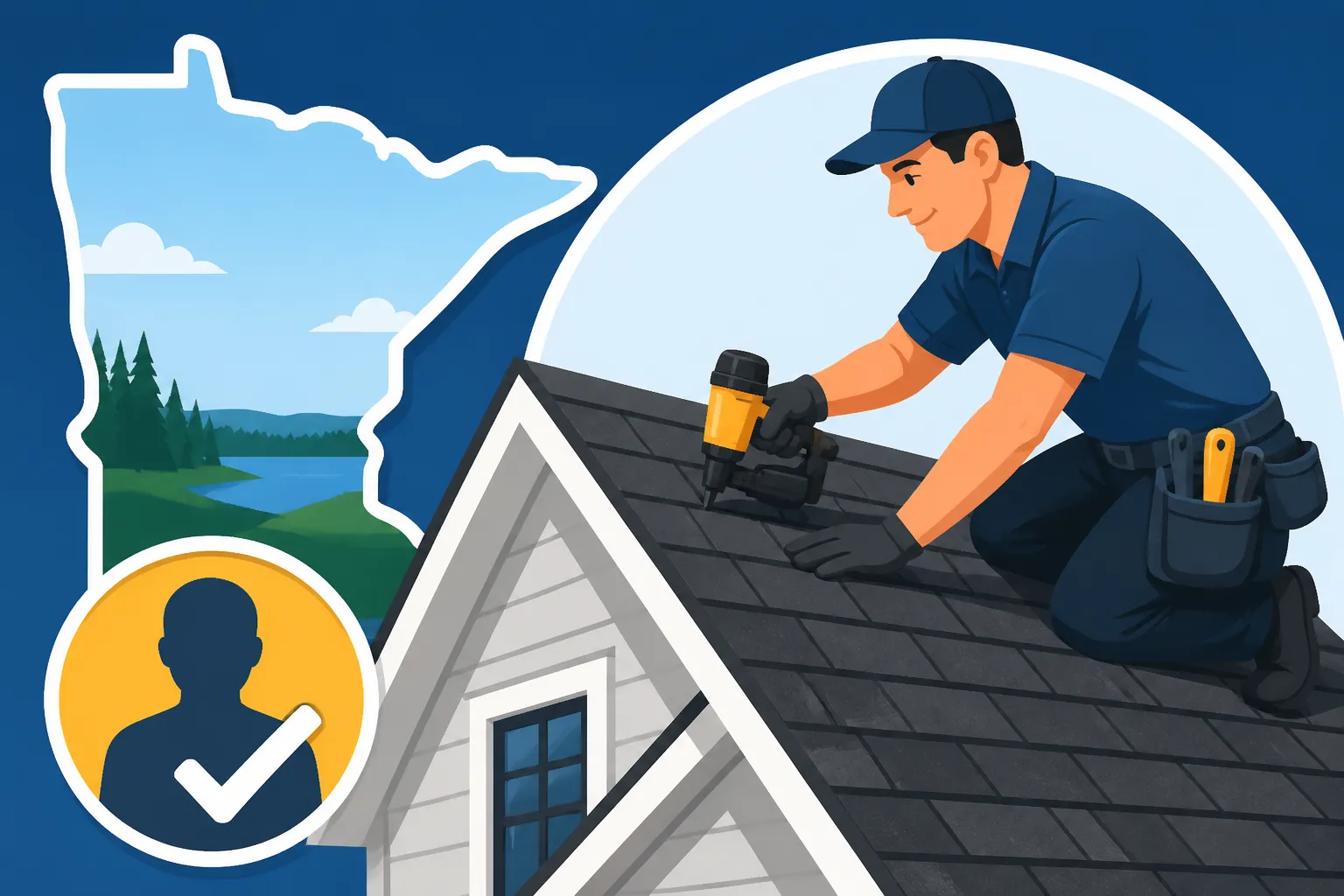
First and foremost, a reputable roofer in Minnesota must be licensed and insured. In Minnesota, residential building contractors, remodelers, and roofers need a license from the Department of Labor and Industry (DLI) if their work exceeds a certain dollar amount (currently $15,000) or if they hold themselves out as a builder. Many local municipalities, like those in the Twin Cities metro area, also require local registration or licensing.
- Licensing: Ask for their Minnesota DLI license number and verify it on the DLI’s website. This ensures they meet state-mandated qualifications and are accountable.
- Insurance: They should carry both workers' compensation insurance and general liability insurance. Workers' comp protects their employees if they get injured on your property, preventing you from being liable. General liability protects your property from damage caused by the contractor or their crew. Don't just take their word for it; ask for a certificate of insurance directly from their insurance provider. This is critical for your peace of mind and financial protection. Our guide on Licensed and Insured Roofers: Why It Matters explains this further.
- Manufacturer Certifications: Beyond state licensing, look for contractors who hold certifications from major shingle manufacturers like GAF, Owens Corning, or CertainTeed. These certifications (like GAF Master Elite or Owens Corning Platinum Preferred Contractor) mean the manufacturer has vetted the contractor, confirming their expertise and commitment to quality installation practices. It also often unlocks extended warranty options that a non-certified installer cannot offer.
Local Reputation and References
In a state like Minnesota, word-of-mouth still carries a lot of weight. A contractor’s reputation in the community is a strong indicator of their reliability and quality of work.
- Online Reviews: Check platforms like Google, the Better Business Bureau (BBB), Yelp, and even industry-specific sites. Look for consistent positive feedback and how the company responds to any negative reviews. Are they dismissive, or do they actively try to resolve issues? This shows their commitment to customer service.
- Local References: Ask for a list of recent customers in your area whom you can contact. A good contractor will be happy to provide these. When you call these references, ask about their overall experience, communication, adherence to timelines, cleanup, and whether they’d hire the contractor again. It’s also helpful to drive by and look at the roofs installed if the homeowners are comfortable with that. Platforms like Modernize can help you find local, reputable contractors and read reviews compiled from various sources, making the vetting process a bit smoother.
- Physical Address: Be wary of contractors who only have a P.O. Box or an out-of-state number. A legitimate local business will have a physical office in Minnesota, even if it's a smaller setup. This provides accountability and assures you they won't simply disappear after the job is done.
Experience with Asphalt Roofing Systems
While other roofing materials exist, asphalt shingles are by far the most popular in Minnesota. You want a roofer who specializes in or has extensive experience with asphalt systems, not someone who only occasionally does them.
- Specific Shingle Types: Ask about their experience with different types of asphalt shingles, such as architectural (also known as dimensional) or designer shingles. Each type has specific installation requirements and benefits. A roofer who can explain the pros and cons of, say, a GAF Timberline HDZ versus an Owens Corning Duration shingle for your home and climate demonstrates a higher level of expertise.
- Full System Knowledge: A great roofer understands that a roof is more than just shingles. It's a complete system, including underlayment, flashing, ventilation, and drip edge. They should be able to explain how each component works together to protect your home. For example, they should be well-versed in the specific requirements for ice and water shield installation in Minnesota, which is crucial for preventing ice dam damage.
Navigating the Bidding and Contracting Process
Once you’ve identified a few promising contractors, the next step is to get detailed estimates. This is where many homeowners feel overwhelmed, but with the right approach, you can compare offers confidently.
Getting Multiple Detailed Estimates
Never settle for just one bid. Aim to get at least three, and ideally four or five, comprehensive estimates. This not only gives you a price range but also allows you to compare the scope of work, materials, and proposed timelines. Online services like Modernize can connect you with multiple pre-vetted local roofers, streamlining the process of getting competitive quotes.
When a contractor comes to your home, they should conduct a thorough inspection of your existing roof, attic, and surrounding areas. This isn't just a quick glance. They should measure the roof, inspect for damage, check ventilation, and assess the decking. A detailed estimate should include:
- Scope of Work: Clearly outlines everything included, from tear-off and disposal of old materials to installation of new shingles, underlayment, flashing, and vents. It should specify the number of layers being removed, if applicable, as Cost to Remove Two Layers of Shingles can significantly impact the total.
- Material Specifications: Brand, type, color, and specific product names for shingles (e.g., GAF Timberline HDZ), underlayment (e.g., synthetic vs. felt), ice and water shield, and any other components.
- Timeline: Projected start and completion dates.
- Cleanup Plan: How they will protect your property and clean up debris.
- Warranty Information: Both the manufacturer's warranty and the contractor's workmanship warranty. This is crucial for long-term peace of mind. Our guide on Roofing Warranty: Workmanship vs Manufacturer can help you understand the differences.
- Total Cost: A clear breakdown of costs, not just a lump sum. This allows you to understand What Drives Asphalt Roofing Costs Up or Down.
What to Look For in a Roofing Contract
The contract is your legal protection, so don't rush through it. Read every line carefully. A comprehensive roofing contract should mirror what was in the detailed estimate and include specific provisions relevant to a major home improvement project.
- Clarity and Detail: The contract should clearly specify the exact materials to be used, the full scope of work, project timeline, and all costs. There should be no vague language or hidden fees.
- Payment Schedule: A clear payment schedule is vital. It’s common for contractors to ask for a deposit, but usually not more than 10-30% upfront. Be extremely wary of any contractor demanding 50% or more upfront, or full payment before work begins. Payments should typically be tied to project milestones.
- Change Order Process: What happens if unforeseen issues arise, like rotted decking discovered during tear-off? The contract should outline a clear process for change orders, requiring your written approval before any additional work or costs are incurred. This helps avoid Hidden Costs in a Roof Replacement.
- Lien Waivers: Upon final payment, the contractor should provide a lien waiver, protecting you from claims by subcontractors or material suppliers who might not have been paid by the contractor.
- Insurance Information: Reiterate the insurance details here. It should state that the contractor is fully insured with general liability and workers' compensation coverage.
Payment Schedules and Warranties
Understanding the payment schedule and warranties is paramount. As mentioned, a reasonable deposit is standard, but large upfront payments are not. Many contractors will ask for progress payments, such as a percentage after materials are delivered, and the final payment upon satisfactory completion of the job and final inspection.
Warranties are often overlooked but are incredibly important. You’ll typically get two types:
- Manufacturer’s Warranty: Covers the materials themselves (the shingles). This can range from 20 years for 3-tab shingles to 50 years or even a lifetime for architectural or designer shingles. These often have different levels of coverage (e.g., non-prorated for the first few years, then prorated).
- Workmanship Warranty: Provided by the contractor, covering the quality of their installation. This usually ranges from 1 to 10 years, though some certified contractors offer longer warranties (e.g., 25 years or more) when installing a full manufacturer-certified system. Ask specific Questions to Ask About Roofing Warranties to ensure you understand the coverage.
Red Flags and How to Avoid Roofing Scams
Unfortunately, the roofing industry, especially after major storms, can attract unscrupulous individuals. Being vigilant can save you a lot of heartache and money.
Spotting Unscrupulous Contractors
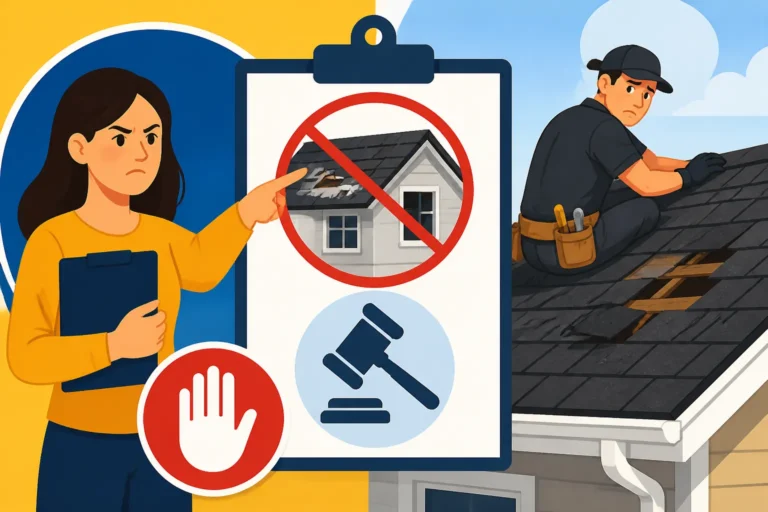
In Minnesota, especially after a severe hail or wind storm, you might see "storm chasers" descend on neighborhoods. These contractors often come from out of state, work quickly, and then leave, making it impossible to hold them accountable if problems arise. Here are some red flags to watch out for:
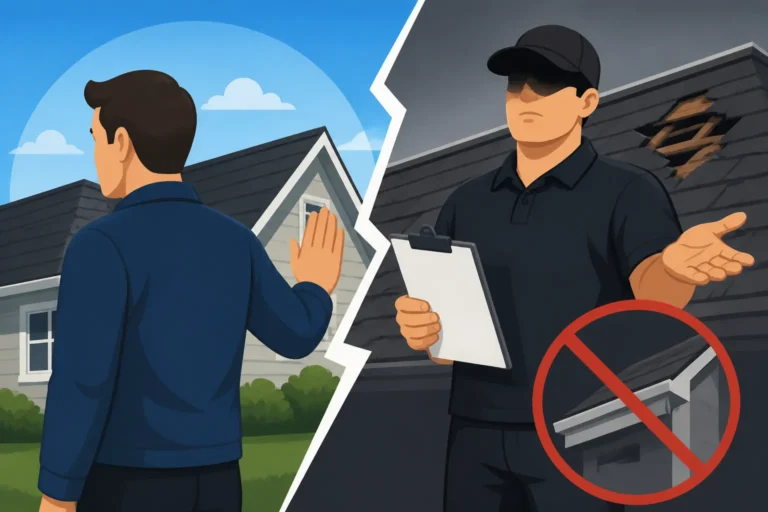
- Door-to-Door Sales Pressure: Be wary of roofers who show up unannounced and pressure you into signing a contract immediately, especially if they claim to have noticed damage from the street. A good contractor provides a professional consultation, not a high-pressure sales pitch.
- Cash-Only Deals: Any contractor insisting on cash payments or offering a deep discount for cash should raise alarms. This is often a sign they're trying to avoid taxes or insurance, which leaves you exposed.
- Extremely Low Bids: While getting a good deal is appealing, an estimate significantly lower than others often indicates cut corners—either with materials, labor, or insurance. Remember, you usually get what you pay for, especially with a critical home component like a roof. Our article on Why the Lowest Roofing Bid Is Risky delves into this.
- No Written Contract: Never, ever agree to work without a detailed, written contract. Oral agreements are nearly impossible to enforce.
- Lack of Local Presence: As discussed earlier, a P.O. Box or a generic cell phone number with no local address is a major warning sign.
- Unsolicited Materials or Offers: Be cautious if someone drops off materials or starts work without your explicit agreement.
Consumer Protection Resources in Minnesota
If you encounter issues, Minnesota has resources to help:
- Minnesota Department of Labor and Industry (DLI): This is where you can verify licenses and file complaints against licensed contractors. Their website provides a licensee search tool that is invaluable.
- Better Business Bureau (BBB): The BBB allows you to check a company's rating and customer reviews, and you can file a formal complaint if necessary.
- Minnesota Attorney General's Office: For more serious issues, especially those involving potential fraud, the Attorney General’s office can offer guidance and assistance.
- Local Law Enforcement: If you suspect outright fraud or theft (e.g., a contractor took a large deposit and disappeared), contact your local police department.
By staying informed and doing your due diligence, you can avoid common pitfalls and secure a high-quality, long-lasting asphalt roof for your Minnesota home.
| Checklist for Vetting a Minnesota Roofer | Yes/No | Notes |
|---|---|---|
| Active MN DLI License (if applicable) | Verify license number on DLI website. | |
| Proof of General Liability Insurance | Request certificate directly from insurer. | |
| Proof of Workers' Compensation Insurance | Essential to protect yourself from liability. | |
| Physical Local Business Address | Avoid P.O. Boxes or out-of-state companies. | |
| Positive Online Reviews (consistent) | Check Google, BBB, Yelp, Modernize, etc. | |
| Minimum 3 Local References Provided | Speak to past customers, drive by homes if possible. | |
| Manufacturer Certified (GAF, OC, CT, etc.) | Indicates higher standards, often better warranties. | |
| Detailed, Written Estimate | Itemized list of materials, labor, scope, timeline, cleanup. | |
| Clear Payment Schedule | Reasonable deposit (10-30%), payments tied to milestones. | |
| Comprehensive Written Contract | Includes warranties, change order process, lien waivers. | |
| Knowledge of MN Building Codes/Permits | Confirms they'll handle permits correctly. | |
| No High-Pressure Sales Tactics | Trustworthy contractors don't rush you. | |
| Willingness to Answer All Questions | A good sign of transparency and professionalism. |
Final Thoughts on Choosing Your Roofer
Finding a good roofer in Minnesota isn't about luck; it's about preparation and asking the right questions. Whether you're dealing with the aftermath of a severe storm or simply looking to replace an aging roof, taking the time to vet contractors thoroughly will pay dividends in the long run. Don’t be afraid to be assertive in your inquiries; after all, it’s your home and your investment. A reliable, professional roofer will appreciate your diligence and will be happy to provide all the information you need to make an informed decision. By following these guidelines, you'll be well on your way to a secure, well-installed asphalt roof that stands up to whatever Minnesota weather throws its way.
Disclaimer
Please remember that while this guide provides extensive information, local regulations and market conditions can change. Always verify current licensing, insurance requirements, and building codes with relevant authorities in your specific Minnesota municipality or the Minnesota Department of Labor and Industry before making any decisions. This content is for informational purposes only and does not constitute professional advice.