How to Read Roofing Contractor Reviews
It's incredibly frustrating when your roof needs attention, and you're left sifting through countless online reviews, trying to figure out which roofing contractor is actually trustworthy. Every company seems to boast five stars, yet you know a leaky roof can mean significant trouble for your home. This guide is here to cut through the noise, teaching you how to read roofing contractor reviews with a critical eye, identify genuine professionalism, and ultimately find the right expert for your asphalt roofing needs.
The Double-Edged Sword of Online Reviews: Why You Can't Just Trust the Star Rating
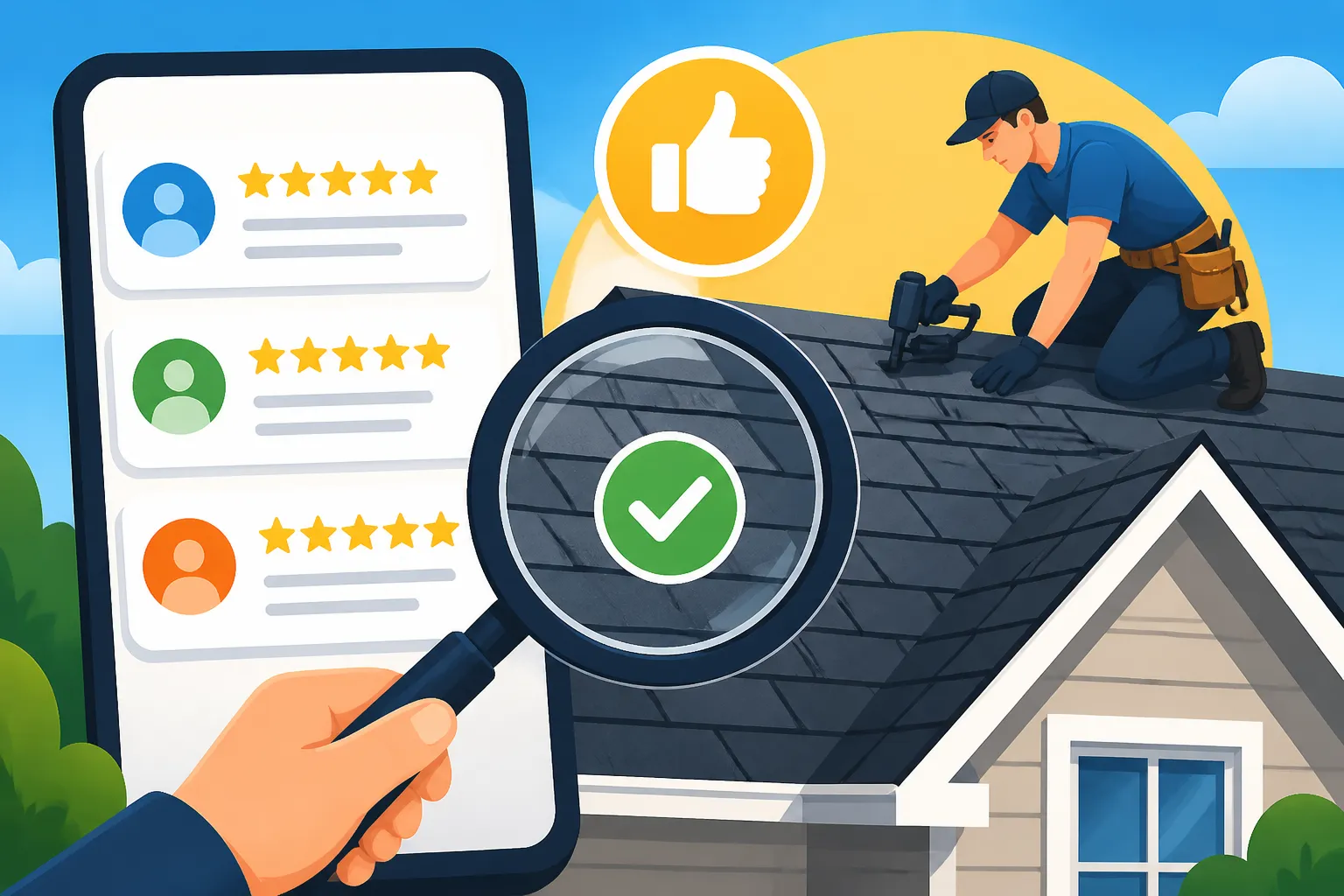
We've all been there: faced with a list of contractors, and the first thing we do is scan the star ratings. A quick glance tells you who's supposedly "good" and who's "bad." But here's the honest truth – relying solely on that average star rating is like judging a book by its cover. It's a starting point, yes, but it barely scratches the surface. The world of online reviews is complex, filled with genuine praise, legitimate complaints, and unfortunately, a fair bit of noise or even manipulation.
Think about it: who usually leaves reviews? Often, it's people who had an exceptionally good experience or an exceptionally bad one. The vast middle ground of "it was fine, they did the job" sometimes gets overlooked. Moreover, some platforms are easier to game than others, and a contractor might actively solicit reviews from friends or family, or worse, pay for them. So, while a high star rating might draw you in, it's the details within those reviews, and where you find them, that truly matter. It’s essential to go beyond the summary score and dive deep into the narratives.
Understanding Different Review Platforms
Not all review platforms are created equal, and where a review is posted can tell you a lot about its potential credibility. Some platforms have stricter verification processes, while others are more open, which can lead to a wider range of review quality.
- Google Reviews: These are often the first place people look because they’re tied directly to a business's Google My Business profile. They're highly visible and accessible. While generally reliable, they can be susceptible to fake reviews, both positive and negative, especially if a business is new or operates in a competitive market. Look for accounts with multiple reviews, not just one five-star rave.
- Yelp: Yelp has a notoriously aggressive algorithm that filters out reviews it deems "unhelpful" or suspicious, which can sometimes frustrate legitimate businesses whose genuine reviews get hidden. However, this often means the reviews that do stick are generally considered more trustworthy by users.
- Angi (formerly Angie's List): Historically, Angi was a subscription-based service, which meant reviewers were often paying customers and thus, arguably, more invested in leaving honest feedback. Now, it's free, and while still a solid resource, the verification standards might have shifted slightly. They often require more detailed project information.
- Better Business Bureau (BBB): The BBB isn't a review site in the traditional sense; it's more about business accreditation and resolving disputes. However, businesses can have customer reviews, and importantly, you can see if complaints have been filed and how the company responded. A good BBB rating, coupled with transparent complaint resolution, speaks volumes.
- Manufacturer Websites: Many reputable shingle manufacturers, like GAF, Owens Corning, and CertainTeed, certify contractors who meet specific training and quality standards. These manufacturers often list certified contractors on their websites, sometimes including homeowner reviews specific to the manufacturer's products. This can be particularly useful as it links the review directly to a product and installation standard. For example, if you're looking for a GAF Master Elite Contractor, their site might have reviews specifically for GAF installations.
Spotting Red Flags in Review Patterns
Beyond the platform, the reviews themselves can have subtle (or not-so-subtle) red flags. It takes a bit of detective work, but it's worth the effort when you're making such a significant investment in your home.
- Too Many Perfect Scores, Too Fast: If a company suddenly rockets from a few reviews to dozens of five-star ratings in a short period, be wary. This could indicate a concerted effort to boost their online presence, possibly through illegitimate means. A gradual accumulation of reviews over time is more natural and believable.
- Vague or Generic Praise: Look out for reviews that sound like they were written by a bot or someone who didn't actually have work done. Phrases like "Great service!" or "Highly recommend!" without any specifics about the project, the crew, or the communication are less helpful. Real customers tend to share details, even small ones, about their experience.
- Identical Phrasing: If several reviews use the exact same wording or very similar sentence structures, that's a huge red flag. It suggests copy-pasting or a coordinated effort to create fake reviews. Real people write differently.
- No Negative Reviews At All: While a perfect record sounds appealing, it's often unrealistic. Even the best companies have an off day or a client with unreasonable expectations. A few less-than-perfect reviews, especially if the company responded professionally and constructively, can actually lend more credibility to their overall profile. It shows they're human and willing to address issues.
For instance, imagine you're searching for roofers in your area on a site like Modernize. You might see a company with a stellar 4.9-star rating from 150 reviews. That looks great on the surface. But if you dig in and find that 50 of those reviews popped up in the last month, all using similar, non-specific language, it's time to pump the brakes. You're better off with a company that has a 4.5-star rating over several years with detailed, varied feedback.
Deciphering the Details: What to Look for in Positive Reviews
Once you've screened for obvious red flags, it's time to zero in on the content of the genuine reviews. A high star rating is merely an invitation; the real gold is in the narrative. Specificity is your best friend here. What are people actually saying about their experience?
Specificity and Project Details
Generic praise is nice, but it doesn't tell you much about how a contractor operates. You want to see reviews that dive into the specifics of the project. Did they describe the type of roof work done? Was it a full asphalt roof replacement or a smaller repair job? Did they mention specific challenges, like a steep roof pitch or multiple valleys, and how the contractor handled them?
For example, a review that says, "XYZ Roofing replaced our entire asphalt shingle roof, including new decking, and handled the complex flashing around our two skylights perfectly. The crew was efficient and left the yard spotless," is infinitely more valuable than "Great job!" This level of detail confirms that the reviewer was a real customer and gives you insight into the contractor's capabilities for a complete roof system. These kinds of details can also give you a better sense of the overall roof cost per square: what you'll pay or even how a roof replacement cost by pitch might affect the project.
Communication and Professionalism
A roofing project can be disruptive, and clear communication is paramount. Look for reviews that highlight the contractor's communication style and professionalism from the initial consultation to project completion.
- Initial Contact and Estimates: Did the contractor respond promptly to inquiries? Was the estimate clear, detailed, and easy to understand? Did they take the time to explain the scope of work and answer all questions, just as you would expect when getting how to get roofing quotes and compare them? A good review might say, "The estimator, Mark, was very thorough and answered all our questions about the different shingle options, like 3-tab vs architectural shingle cost compared, without any pressure."
- Project Management: How well did the contractor manage the timeline and keep the homeowner informed? Were there unexpected delays, and if so, how were they communicated? Look for reviews praising proactive updates and transparent handling of any issues.
- Crew Behavior: A professional crew is respectful of your property and your family. Reviews often mention if the workers were courteous, mindful of noise, and kept the site clean. "The team was incredibly polite, and they made sure to clean up every single nail and shingle wrapper at the end of each day." This indicates a company that respects your home and follows best practices for cleanup, which is a significant part of the overall job.
Quality of Work and Longevity
Ultimately, you want a roof that's installed correctly and will last. While you can't assess longevity from a recent review, you can look for comments on the apparent quality of work.
- Attention to Detail: Did the roofers pay attention to details like proper flashing around chimneys and vents, or the installation of drip edge? Reviews mentioning precise shingle alignment, secure fastening, and a watertight finish are strong indicators.
- Problem Resolution: Even the best contractors might encounter unexpected challenges or minor issues. What truly sets a great contractor apart is how they handle these problems. Did they address concerns promptly and effectively? A review stating, "We noticed a small issue with a loose shingle a week after installation, and they sent someone out the very next day to fix it without hassle," speaks volumes about their commitment to customer satisfaction and roofing warranty: workmanship vs manufacturer support. This is also a good indicator of how they handle signs of a bad roofing job.
Consider a scenario where you’re browsing reviews for companies in Atlanta, Georgia. You find one review for "Atlanta Peak Roofing" that mentions, "They were so quick and affordable for our 1,800 sq ft house, but didn't even mention the difference between synthetic and felt underlayment cost." Now, compare that to another review for "Southeastern Roof Solutions" which reads, "Southeastern did an amazing job on our new asphalt roof! They went over every detail, from the benefits of certain impact-resistant shingles given the recent hail storms, to ensuring all roofing permits were properly pulled by their team." The second review clearly indicates a higher level of thoroughness and professionalism, something you'd definitely want in a contractor.
Learning from the Less-Than-Perfect: Analyzing Negative Reviews
It's tempting to dismiss any contractor with negative reviews, but that would be a mistake. As mentioned, very few businesses have a flawless record. What's crucial is how you interpret those lower ratings and complaints. They can be incredibly revealing, often more so than glowing five-star reviews, about a company's true character and operational integrity.
Understanding the Nature of the Complaint
When you encounter a negative review, don't just read the headline; dig into the specifics. What exactly was the problem?
- Misunderstandings vs. Negligence: Was the issue a miscommunication about expectations or a genuine failure in workmanship or customer service? Sometimes, a customer might leave a negative review because they didn't fully understand the terms of the roofing contract, or perhaps they expected a level of service beyond what was agreed upon. Other times, it's a clear case of shoddy work, missed deadlines, or unresponsiveness, which are significant roofing contractor red flags to avoid.
- Minor Grievances vs. Major Issues: Is the complaint about a trivial matter, like a slightly delayed start time on one day, or is it about structural problems, leaks, or a refusal to honor a warranty? A minor hiccup, especially if addressed, is far less concerning than a recurring complaint about persistent roof leaks after installation.
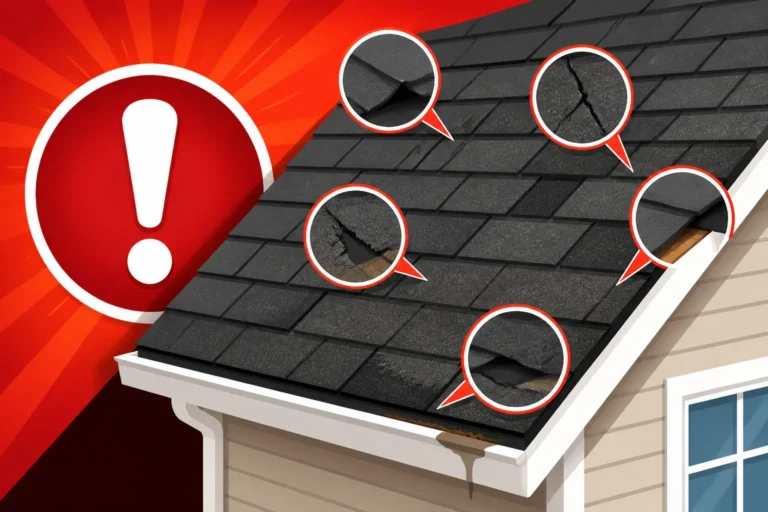
- One-Off vs. Pattern: Look for patterns. If multiple reviews mention the same problem – say, poor cleanup, aggressive sales tactics, or unexpected charges – that's a serious red flag. A single complaint about a specific crew member might be an isolated incident that the company has since addressed. This is where researching signs of a bad roofing job can also give you insight.
The Contractor's Response Matters Most
This is perhaps the most critical aspect of evaluating negative feedback. How did the roofing contractor respond to the criticism?
- Professional and Empathetic: A good contractor will respond calmly, acknowledge the customer's frustration, and express a willingness to resolve the issue. They won't get defensive or try to blame the customer. Their response should show they're listening and taking the feedback seriously.
- Action-Oriented: Does the response indicate concrete steps taken to rectify the problem? Did they offer a solution, invite the customer to discuss it further offline, or explain how they've improved their process? For example, "We are sorry to hear about the delay. We've since implemented new communication protocols to ensure better updates for our clients, and we'd love to make things right for you," is a strong, proactive response.
- No Response at All: This is a major red flag. A company that ignores negative feedback or doesn't bother to engage with dissatisfied customers demonstrates a lack of accountability and poor customer service. It suggests they either don't care or are too disorganized to manage their online reputation effectively.
Consider a negative review for "Reliable Roofers of Orlando" where a customer complains about an unexpected additional charge not mentioned in the initial estimate. If Reliable Roofers responds with, "We apologize for any miscommunication. Our standard practice is to detail all potential additional costs, and we are reviewing our estimating process. Please contact us directly so we can clarify this charge and find a resolution," that shows a commitment to improvement. If their response is, "You should have read the fine print!," or worse, no response at all, you know to steer clear. This kind of interaction also offers insights into potential hidden costs in a roof replacement and how transparent a company truly is.
Table: What to Look For in Roofing Contractor Reviews
| Category | Positive Review Indicators | Negative Review Red Flags |
|---|---|---|
| Specificity | Detailed descriptions of work (e.g., "replaced entire roof, flashing around chimney," "installed GAF Timberline HDZ"), names of staff mentioned. | Vague complaints ("bad service," "rip-off") without context; no project details. |
| Communication | Proactive updates, clear explanations, responsive to calls/emails, transparent estimates. | Unanswered calls, ghosting, uncommunicated delays, unexpected charges. |
| Professionalism | Courteous crew, neat work site, respectful of property, punctual, handled permits. | Disrespectful staff, messy work, property damage, ignored safety. |
| Quality of Work | Durable results, no leaks, attention to detail, proper installation techniques. | Persistent leaks, shoddy installation, premature failures, mismatched materials. |
| Problem Solving | Quick and effective resolution of issues, honored warranty, willing to fix mistakes. | Unresolved complaints, defensive responses, blaming customer, no follow-up. |
| Pricing | Transparent, competitive, no hidden fees, adhered to original quote. | Bait-and-switch pricing, large upfront payment requests (a major roofing red flag: asking for full payment upfront), exorbitant hidden costs. |
| Overall Pattern | Consistent positive themes over time, varied phrasing, reasonable number of reviews. | Sudden influx of identical 5-star reviews, multiple similar complaints, no negative reviews. |
Going Beyond the Browser: Other Ways to Vet a Roofer
Reading online reviews is a fantastic first step, but it shouldn't be your only one. To truly feel confident in your choice, you need to broaden your search and combine online feedback with offline verification. Think of reviews as clues that lead you to further investigation.
Check Licensing and Insurance
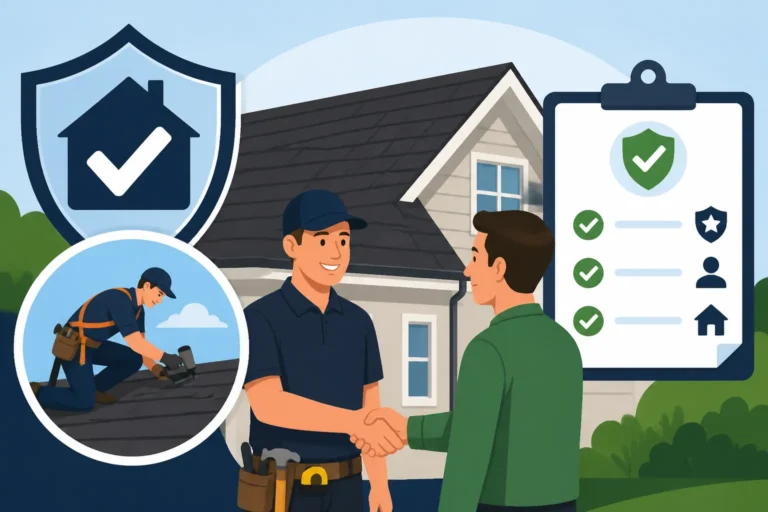
This is non-negotiable and often overlooked by homeowners who rely too heavily on online sentiment. A legitimate roofing contractor must be properly licensed and insured. Without these, you could be liable for accidents on your property or left with no recourse if the work is faulty.
- State and Local Licensing Boards: Every state has different requirements, but most have some form of contractor licensing. For example, in Florida, contractors must be licensed by the Department of Business and Professional Regulation (DBPR). You can usually search their database by license number or company name. A quick check reveals if their license is active and if there are any disciplinary actions.
- Verify Insurance: Ask for certificates of insurance for both general liability and workers' compensation. Then, actually call the insurance provider to verify that the policies are current and cover the scope of work. Don't just take a paper copy at face value. This step is critical because if a worker gets injured on your property and the contractor isn't insured, you could be on the hook. This ties directly into understanding why licensed and insured roofers: why it matters is such a critical consideration.
Manufacturer Certifications
Many leading asphalt shingle manufacturers offer special certifications to contractors who meet stringent standards for training, installation quality, and customer service. These aren't just fancy titles; they often come with extended warranties that you wouldn't get otherwise.
- What They Mean: Companies like GAF (Master Elite Contractors), Owens Corning (Platinum Preferred Contractors), and CertainTeed (SELECT ShingleMaster) have programs that ensure their certified installers are experts in their products. These certifications mean the contractor has been vetted by the manufacturer, trained in proper installation techniques for their specific shingles (such as GAF Timberline HDZ features explained), and typically maintains high standards.
- Warranty Benefits: Often, choosing a manufacturer-certified roofer unlocks enhanced warranty options that cover both materials and workmanship for a longer period. This provides an extra layer of protection and peace of mind. Checking for these certifications and what they mean for your roofing warranty: workmanship vs manufacturer is a smart move.
References and Portfolio
Good contractors are proud of their work and should be able to provide references and show you examples of past projects.
- Customer References: Ask for contact information for recent clients. When you call them, ask specific questions about their experience: Was the project completed on time and within budget? Was cleanup thorough? Would they hire the contractor again? This is a great way to verify what you're reading in online reviews.
- Visit Past Projects: If possible, ask if you can drive by local homes where the contractor has recently completed a roof. Seeing their work in person, even from the street, can give you a better sense of their craftsmanship and the quality of their installations.
For instance, after finding a few promising contractors through a service like Modernize, you'd then go through these steps. Let's say you're in Dallas, Texas. You'd check the Texas Department of Licensing and Regulation (TDLR) website for their license, call their insurer to verify coverage, and then ask them for three recent references. Only after all these checks line up with positive online reviews should you feel comfortable moving forward with an in-person consultation.
Piecing It All Together: Making Your Final Decision
At this point, you've done your homework. You've sifted through countless reviews, identified red flags, appreciated the detailed praise, analyzed how negative feedback was handled, and verified credentials beyond the internet. Now comes the moment of truth: making an informed decision.
Synthesizing Information and Trusting Your Gut
It's about finding consistency across all the different sources of information you've gathered. Do the positive reviews align with what the contractor told you during your consultation? Does their professionalism in person match the descriptions in online feedback?
- Look for Consistency: If a contractor has excellent online reviews, a strong BBB rating with no unresolved complaints, current licensing and insurance, and glowing references, you're likely on the right track. Inconsistencies – like a perfect online score but no proof of insurance, or vague references – should give you pause.
- Trust Your Instincts: After meeting with several contractors and getting multiple estimates, you'll develop a sense of who you feel most comfortable with. Did they listen to your concerns? Did they seem genuinely invested in your project, or were they just trying to close a deal? That gut feeling, backed by solid research, is invaluable. Remember, a good contractor will spend time answering your questions to ask a roofing contractor before hiring.
Comparing Multiple Bids and Contractors
Never settle for just one estimate. Getting at least three bids allows you to compare not only prices but also the scope of work, material recommendations, and the overall professionalism of different companies.
- Beyond the Bottom Line: While cost is important, the cheapest bid isn't always the best. A significantly lower price might indicate shortcuts, inferior materials, or a lack of proper insurance. Focus on value: what are you getting for your money, and how confident are you in the contractor's ability to deliver? This is crucial when considering why the lowest roofing bid is risky.
- Detailed Estimates: A reputable contractor will provide a comprehensive, written estimate that clearly breaks down material costs, labor, permits, cleanup, and warranty information. Be wary of vague "lump sum" bids. Make sure you understand what a roofing estimate should include.
By meticulously reading reviews, verifying credentials, checking references, and comparing bids, you empower yourself to make a confident decision. Your asphalt roof is a critical component of your home's protection and value, so taking the time to choose the right contractor, based on genuine insights, is an investment that truly pays off in the long run.
Disclaimer
Please remember that the information provided in this guide is for general informational purposes only and does not constitute professional advice. Always consult with a qualified and licensed roofing contractor for specific recommendations and services related to your home and local building codes. Roofing projects involve inherent risks, and professional expertise is essential for safety and compliance.