How to Choose a Roofer for a New Build
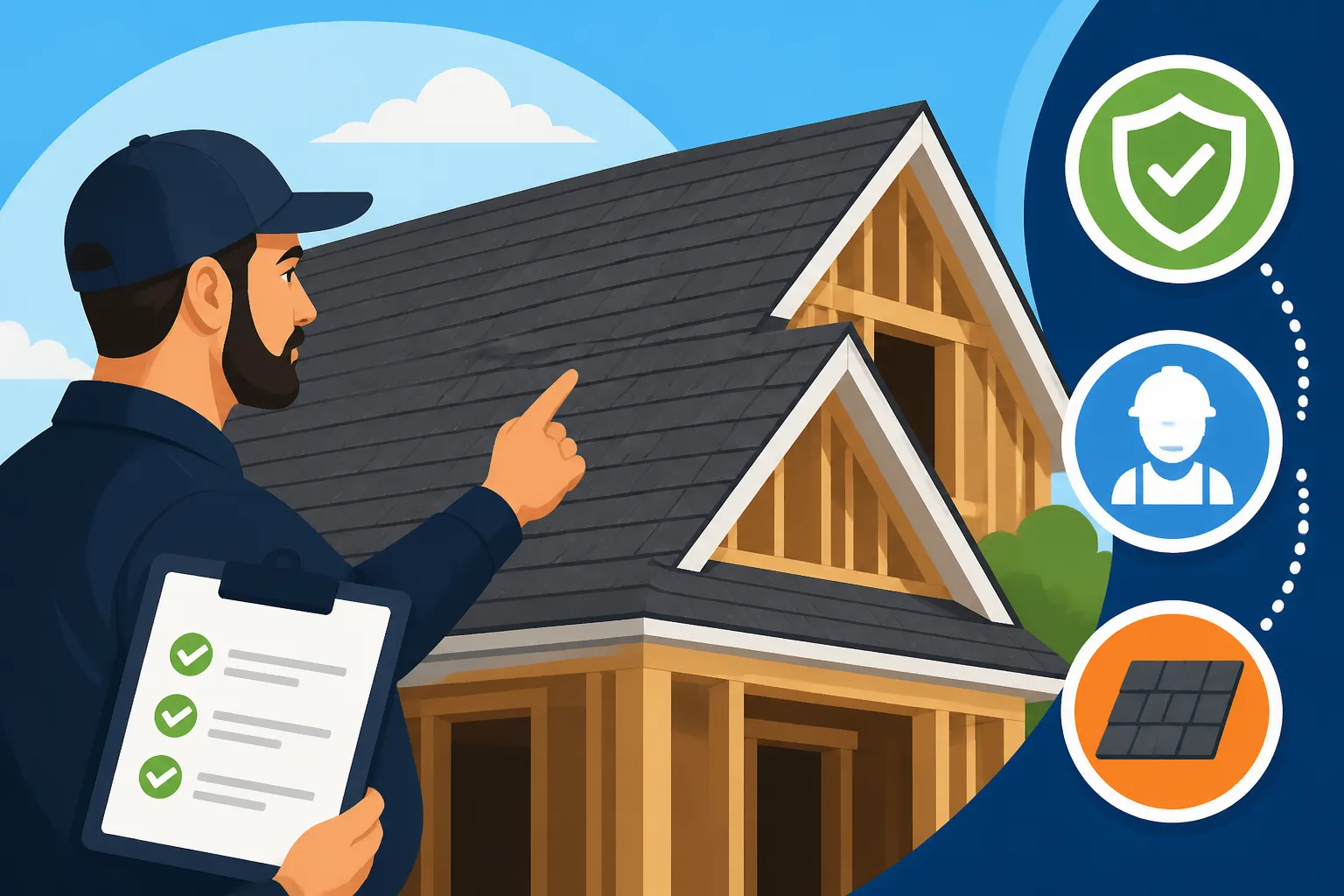
Building a new home is an incredibly exciting journey, but it comes with a dizzying array of decisions, and one of the most critical is selecting the right roofer. Many homeowners get overwhelmed by the sheer number of choices and the technical jargon, often leading to anxiety about making the wrong call. This guide is here to cut through the confusion and help you confidently choose a reliable roofing contractor for your brand-new build, ensuring your home gets the solid, protective cover it deserves from day one.
Why Choosing the Right Roofer for a New Build is Different
When you're building a home from the ground up, every component needs to work together seamlessly, and the roof is no exception. It’s not just another item on a checklist; it's the primary protector of your entire investment. The considerations for a new build roof are distinctly different from those for a simple repair or even a replacement on an existing home, primarily because you're starting with a blank slate, but also because of the intricate dance between various construction trades.
More Than Just a Repair Job
Replacing an old roof on an existing house often involves removing what's there and putting something similar back. While still a significant undertaking, a new build presents a unique opportunity and challenge. You're not just fixing a leak or covering up wear and tear; you're integrating a brand-new, long-term system into a structure that's designed for decades of performance. This means making choices about materials, ventilation, and underlayment that will impact your home's energy efficiency, curb appeal, and longevity right from the start.
For instance, on a new build, you have the chance to implement advanced roofing systems, like a full GAF roofing system or an Owens Corning Total Protection Roofing System, ensuring every component from the starter shingles to the ridge vents works in harmony. This isn't just about throwing shingles on; it's about engineering a complete weather barrier. The decisions made now will affect things like attic temperature, moisture control, and even your home's structural integrity over its entire lifespan. Getting it wrong early can lead to costly problems down the road that are much harder to address once the house is finished and landscaped.
The Importance of Collaboration
In a new construction project, your roofer isn't an isolated entity. They are an integral part of a larger team, working alongside your general contractor, carpenters, HVAC technicians, and often even electricians. This requires a contractor who excels not just at roofing, but also at communication and coordination. Imagine the chaos if the roofer arrives before the framing is complete, or if their schedule clashes with the window installers.
A good new build roofer understands the flow of construction and can seamlessly integrate their work into the overall project timeline. They'll know when to show up, how to protect other installed components, and how to work safely and efficiently without hindering other trades. This collaborative spirit is essential to avoid delays, budget overruns, and potential conflicts on the job site. They should be comfortable reviewing architectural plans, adhering to precise specifications, and making suggestions that benefit the overall construction, not just their specific part of the job.
Key Qualities to Look for in a New Build Roofing Contractor
When you're building a dream home, you don't want to entrust its crowning glory to just anyone. You need a contractor with specific expertise and a proven track record in new construction. It’s about finding someone who understands the nuances of a virgin installation rather than just quick fixes.
Experience with New Construction
This might seem obvious, but not all roofing companies specialize in new builds. Many excellent roofers primarily handle repairs or replacements on existing homes. While their skills are undoubtedly valuable, new construction often involves different scheduling demands, material handling, and coordination challenges. You want a roofer who has substantial experience working on active construction sites, not just re-roofing projects.
Ask potential contractors for examples of new homes they've roofed in your area. Can they provide references from general contractors or homeowners who built custom homes? Look for a company that can speak confidently about working with blueprints, understanding new building codes, and integrating with the overall construction schedule. Their experience should reflect a clear understanding of the full build process, from the initial framing to the final punch list, ensuring your roof installation is a smooth part of that journey. They should be able to articulate how they plan for material delivery, site cleanliness, and safety on a bustling construction site, rather than just a standalone residential property.
Licensing, Insurance, and Bonding
This is non-negotiable for any roofing project, but especially critical for a new build where multiple trades are often on site simultaneously. A legitimate roofer will be fully licensed in your state and local municipality, possess adequate liability insurance, and carry workers' compensation for their crew.
- Licensing: Verify their license with your state's contractor licensing board. This confirms they meet minimum standards of competence and professionalism. For example, in Florida, contractors must be licensed by the Department of Business and Professional Regulation.
- Insurance: Request certificates of insurance for both general liability and worker's compensation. General liability protects your property from damage caused by the roofing company. Worker's compensation protects you from being liable if a roofer gets injured on your property. Imagine if an uninsured worker falls off your new roof during construction—that could turn your dream home into a financial nightmare. Our article on Licensed and Insured Roofers: Why It Matters dives deeper into these crucial protections.
- Bonding: While not always required for residential projects, a bond offers an extra layer of financial protection, ensuring that if the contractor fails to complete the job or pay subcontractors, you are covered. For larger, new build projects, this can be an important consideration.
Always verify these documents directly with the issuing authority or insurance carrier, not just by looking at a copy the contractor provides.
Manufacturer Certifications
Manufacturer certifications are a strong indicator of a roofer's commitment to quality and ongoing training. Companies like GAF, Owens Corning, and CertainTeed offer advanced certification programs for contractors who consistently meet high standards of workmanship and adhere to specific installation protocols. These aren't just fancy badges; they come with tangible benefits, primarily enhanced warranties.
For example, a GAF Master Elite® Contractor or an Owens Corning Platinum Preferred Contractor can offer extended, non-prorated warranties on materials and workmanship that are typically not available from uncertified roofers. This means that if something goes wrong with your roof due to a manufacturing defect or installation error, you have a much stronger safety net. These certifications ensure that the roofer is trained directly by the manufacturer on the proper installation techniques for their specific products, leading to a more durable and reliable roof system. Our guide on Manufacturer-Certified Roofers Explained provides more insight into how these certifications benefit homeowners. When you’re building new, having that superior warranty from the start can provide immense peace of mind.
Strong Communication and Project Management
A new build is a symphony of moving parts, and good communication is the conductor. You need a roofer who communicates proactively, clearly, and consistently with you and your general contractor. This includes providing regular updates, addressing concerns promptly, and coordinating their schedule to avoid conflicts with other trades.
A contractor with strong project management skills will:
- Provide a detailed schedule: They should outline their proposed timeline for material delivery, installation, and cleanup, and how it aligns with your overall construction schedule.
- Coordinate with other trades: They should be comfortable communicating directly with your general contractor and other subcontractors to ensure a smooth workflow.
- Be accessible: You should feel comfortable reaching out with questions, and they should respond in a timely manner. Nothing is more frustrating than a contractor who goes radio silent in the middle of a build.
In the fast-paced environment of a new home construction, a roofer who can manage their segment of the project efficiently and openly can prevent significant headaches and delays for the entire build. They understand that their work impacts the painting schedule, the landscaping, and even when you can move in, so clear communication isn't just a nicety, it's a necessity.
The Vetting Process: Questions to Ask and Red Flags to Watch For
Vetting a roofer for a new build isn't a casual conversation; it's a series of structured inquiries designed to reveal their competence, reliability, and suitability for your specific project. You need to be thorough and unwavering in your pursuit of the right fit.
Essential Questions During the Interview
Don't be shy about asking direct and detailed questions. This is your investment, and you deserve complete transparency. Here's a list of crucial questions to ask potential contractors:
- "How many new construction roofing projects do you complete annually, and can you provide specific examples or addresses of recent builds?" This helps gauge their actual experience.
- "How do you typically coordinate your schedule and material deliveries with the general contractor and other trades on a new build site?" Their answer should demonstrate an understanding of construction logistics.
- "What type of roofing system do you recommend for our home's design and local climate, and why?" A good roofer will offer insights beyond just putting on basic shingles.
- "Can you walk us through your proposed installation process for our specific roof design, including details about underlayment, ventilation, and flashing?" This shows their attention to detail.
- "What steps do you take to ensure site safety and cleanliness during a new construction project, particularly around other active trades?" Safety is paramount on a job site.
- "What is your communication protocol throughout the project? Who will be our main point of contact?" Clear communication channels are vital.
- "Can you provide proof of your licenses, general liability insurance, and workers' compensation?" As we discussed, this is non-negotiable.
Our guide on Questions to Ask a Roofing Contractor Before Hiring offers an even more extensive list to prepare you for these crucial interviews. Remember, a confident and transparent contractor will welcome these questions.
Reviewing Proposals and Contracts
Once you've narrowed down your choices, you'll start receiving proposals. It's not enough to just look at the bottom line. You need to meticulously review every detail to ensure you're comparing apples to apples and that everything you discussed is in writing.
A comprehensive proposal should include:
- Detailed Scope of Work: What exactly is being installed? This includes the specific type and brand of shingles, underlayment, drip edge, flashing materials, ventilation, and any other components of the roofing system.
- Material Specifications: Exact product names, colors, and manufacturers. Don't settle for vague descriptions.
- Project Timeline: Start and completion dates, contingent on weather and other factors.
- Payment Schedule: Clearly defined milestones for payments, typically a deposit, subsequent payments as work progresses, and a final payment upon satisfactory completion. Never pay for the entire project upfront.
- Warranty Information: Both the manufacturer's warranty and the contractor's workmanship warranty should be outlined.
- Cleanup and Debris Removal: A plan for keeping the site clean and removing all roofing debris.
Be wary of proposals that are too brief or lack specific details. If one bid is significantly lower than others, ask why. Sometimes it means they've cut corners, used inferior materials, or simply don't understand the full scope of a new build. Our article on How to Read and Compare Roofing Estimates can give you a deeper understanding of what to look for, and Roofing Contract: What to Look For will help you identify what constitutes a solid, protective agreement. Ensure the contract includes provisions for potential change orders and how they will be managed and priced.
Checking References and Online Reviews
This step is critical for gaining insight into a contractor's real-world performance. Don't just rely on the references they provide; also do your own research.
- Contractor-Provided References: When you call the references, ask specific questions about the roofer's timeliness, communication, quality of work, adherence to budget, and how they handled any unforeseen issues. For new builds, try to get references from general contractors they’ve worked with, as this speaks directly to their collaborative capabilities.
- Online Reviews: Check platforms like Google, Yelp, and the Better Business Bureau. Look for patterns in reviews – both positive and negative. Are there recurring complaints about poor communication, missed deadlines, or shoddy workmanship? Pay attention to how the contractor responds to negative feedback; a professional company will often try to resolve issues publicly. Websites like Modernize can also connect you with reputable roofers in your area and often provide access to customer reviews. Our piece on How to Check Roofer Reviews and References offers more strategies for this vital step.
Common Red Flags to Avoid
Knowing what not to do is just as important as knowing what to do. Be vigilant for these warning signs that could indicate a less-than-reputable contractor:
- Unsolicited Door-to-Door Sales: While less common for new builds, any aggressive, uninvited sales tactics should be a red flag.
- Pressure to Sign Immediately: A trustworthy contractor won't rush you into a decision. Take your time to review everything.
- No Physical Address or Local Presence: Be wary of contractors who only operate out of a P.O. box or whose online presence is minimal. A reputable company has a physical office and is invested in the local community.
- Demanding Full Payment Upfront: A reasonable deposit (typically 10-30%) is normal, but paying for the entire job before any work begins is a huge risk.
- Lack of Licensing or Insurance Proof: As mentioned, this is a deal-breaker. If they can't or won't provide verifiable documents, walk away.
- Extremely Low Bids: While a good deal is nice, a bid significantly lower than others often means compromised quality, unmentioned costs, or a lack of understanding of the true scope of work. It could indicate they plan to cut corners on materials, labor, or simply don't have enough experience to accurately price a new build.
For a deeper dive into these warning signs, check out our article on Roofing Contractor Red Flags to Avoid. Staying alert to these issues can save you a world of trouble and expense.
Here’s a helpful table to summarize the key aspects when vetting a roofer for your new build:
| Aspect | What to Look For | Why It Matters |
|---|---|---|
| Experience | Specific projects in new residential construction. | Different demands than repairs; expertise in full system builds. |
| Licenses & Insurance | Valid state license, general liability, worker's comp. | Protects you from legal and financial liabilities. |
| Certifications | Manufacturer-specific (GAF, Owens Corning, CertainTeed). | Ensures quality installation, often provides extended warranties. |
| Communication | Clear, proactive, and timely responses. | Critical for coordinating with other trades and avoiding delays. |
| Proposal Detail | Comprehensive, itemized list of materials and labor. | Ensures transparency, accurate comparisons, and no hidden costs. |
| References | From general contractors and new homeowners. | Insights into their performance on similar projects. |
| Online Reviews | Consistent positive feedback, professional responses. | Reflects overall customer satisfaction and problem-solving skills. |
| Warranty | Strong manufacturer and workmanship guarantees. | Long-term protection for your investment. |
Understanding Costs and Warranties for New Builds
Cost is always a primary concern for any new home construction. While you’re aiming for quality, understanding the components of roofing costs and the nuances of new build warranties will help you budget effectively and protect your investment.
Comprehensive Cost Breakdown
The cost of roofing a new build is influenced by several factors, many of which are similar to a replacement project but with some key distinctions. You’re not paying for tear-off and disposal of old materials, for example, but you are still factoring in significant material and labor expenses. The average cost of a new asphalt shingle roof can vary widely based on location, roof size, complexity, and the type of shingles chosen.
Typically, the total cost will break down into:
- Materials: This is the largest component, including shingles (3-tab, architectural, designer), underlayment (synthetic vs. felt), drip edge, flashing, fasteners, and ventilation components (ridge vents, soffit vents). The type of shingle you select will have a huge impact; for example, architectural shingles generally cost more than 3-tab but offer a more robust aesthetic and performance.
- Labor: The cost of the crew to install the entire roofing system. For new construction, labor efficiency is key, as delays can ripple through the entire build schedule.
- Permits: Most new construction projects will require a roofing permit from your local municipality. The cost of a roofing permit varies by location and often depends on the project's valuation. Your chosen contractor or general contractor should handle pulling all necessary permits. Our article, Roofing Permits Explained, provides further details on this important requirement.
- Contingencies: It's always wise to budget for a small contingency (5-10% of the total cost) for unforeseen issues, although these are less common on new builds than on renovations where surprises behind walls are frequent.
Remember that material prices can fluctuate, so getting a firm quote that locks in material costs for a specific period is beneficial. You can gain a better understanding of potential expenses by looking at our guide on How Much Does an Asphalt Shingle Roof Cost. A good roofer for a new build will provide a transparent, itemized estimate that clearly shows the breakdown of these costs, rather than just a lump sum.
New Build Warranty Considerations
Warranties are your long-term insurance policy for your roof. For a new build, it's crucial to understand the two main types of warranties you'll receive:
- Manufacturer's Warranty: This covers defects in the roofing materials themselves. For asphalt shingles, these can range from 25 years for basic 3-tab shingles to 50 years or even "lifetime" for architectural and designer shingles. Higher-tier shingles often come with better manufacturer warranties, including non-prorated periods, which means the warranty doesn't decrease in value over time for a certain period.
- Workmanship Warranty (Contractor's Warranty): This covers the quality of the installation. If the roof leaks due to improper nailing, flashing, or other installation errors, this warranty ensures the contractor will fix it. Workmanship warranties can range from 1 to 10 years, though some premium systems installed by certified contractors can offer 25-year or even lifetime workmanship coverage, often backed by the manufacturer for an added layer of protection.
For a new build, you want to aim for the strongest possible warranty combination. Manufacturers like GAF, Owens Corning, and CertainTeed offer enhanced warranty programs that combine both material and workmanship coverage when an entire roofing system (shingles, underlayment, ventilation, etc.) is installed by their certified contractors. This is a huge benefit for a new home, as it covers both potential product failures and installation mistakes, offering comprehensive peace of mind for decades. Always ask about the transferability of the warranty, which can be a valuable selling point if you ever decide to move. Dive deeper into warranty types with our resource on Roofing Warranties: Manufacturer vs Workmanship.
Choosing a roofer for your new build is a major decision, but by focusing on experience, proper credentials, strong communication, and robust warranties, you can ensure your beautiful new home is topped with a roof that’s built to last. Take your time, ask the right questions, and don't be afraid to utilize resources like Modernize to connect with pre-vetted contractors. Finding a How to Find a Reputable Roofer who truly specializes in new construction can make all the difference, helping you to achieve the durable and aesthetically pleasing roof you envision. Don't hesitate to get How to Get Multiple Roofing Estimates Fast to compare your options thoroughly.
Disclaimer
Please remember that the information provided in this guide is intended for general informational purposes only and does not constitute professional advice. Roofing costs, regulations, and best practices can vary significantly based on location, specific project details, and market conditions. Always consult with licensed and insured local roofing professionals for accurate assessments, customized recommendations, and detailed estimates for your specific new build project. They can ensure compliance with all local building codes and industry standards.