Roofing Contractor Reviews to Trust in Texas
Ah, the quest for a trustworthy roofing contractor in Texas! It’s enough to make even the most seasoned homeowner feel a little overwhelmed. With our state's unpredictable weather, from scorching summers to sudden hailstorms and fierce winds, finding a roofer who truly stands by their work is crucial. This guide is all about helping you cut through the noise of online reviews to find those reliable pros who can protect your home, giving you real peace of mind.
Why Trusting Roofing Reviews in Texas is a Minefield
Let's be real: trying to find a good roofer in Texas can feel like navigating a minefield. You've got an endless scroll of names, promises, and star ratings, and it's tough to know who's legitimate and who's just looking for a quick buck. This isn't just a minor annoyance; it's a genuine frustration that can lead to costly mistakes if you don't know what to look for.
The Wild West of Texas Roofing
Texas is huge, and its weather is just as diverse, which means the roofing industry here is a bustling, often chaotic, landscape. One day you might have clear skies, and the next, a massive hailstorm rolls through Dallas, or a hurricane skirts the coast near Houston. This volatility creates a ripe environment for both reputable businesses and, unfortunately, "storm chasers" who swoop in after disasters, do shoddy work, and then disappear. It’s hard enough to gauge the quality of work from a simple rating, but when you add in the sheer volume of contractors and the transient nature of some operations, it becomes incredibly difficult to discern genuine reviews from those that are less than honest. You’re not just looking for someone who can slap on shingles; you need someone who understands the unique challenges of a Texas roof.
Common Red Flags in Online Reviews
When you're sifting through online reviews, it's easy to get swayed by a perfect 5-star average. But sometimes, those perfect scores are exactly what should raise an eyebrow. You're looking for genuine feedback, not marketing fluff.
Here are some common red flags to watch out for:
- Overly Generic Praise: Reviews that simply say "great job" or "fast service" without any specific details about the project, communication, or problem-solving are often less helpful. Did they show up on time? Were they good at explaining the process? Did they clean up meticulously? Specifics give credibility.
- Identical Phrasing: If multiple reviews use almost the exact same wording, or sound like they were written by the same person, that's a huge warning sign. Real people express themselves differently.
- Reviews from New or Inactive Accounts: Many platforms show reviewer profiles. If an account has only ever posted one review (for this specific company) or has very little activity, it might be a fake.
- Extremely Negative Reviews Without Details: On the flip side, beware of overly angry or emotional reviews that don't provide concrete examples of what went wrong. While some legitimate customers might be frustrated, a detailed complaint is more believable than a vague rant. However, a pattern of even vague negative reviews can be a bad sign, especially if they echo similar themes.
- Reviews That Are Too Perfect: No company, no matter how good, has a perfect track record with every single customer. There will always be minor hiccups or misunderstandings. A string of nothing but glowing, effusive praise can feel manufactured. Look for a healthy mix, including reviews that highlight a minor issue but praise how the company resolved it.
Where to Find Reliable Roofing Contractor Reviews in Texas
Finding reliable reviews is less about stumbling upon them and more about actively seeking them out in the right places and knowing how to evaluate what you see. You need to leverage a combination of established online platforms and more traditional, local sources to get a full picture.
Established Online Platforms
The internet is undoubtedly the first place most of us turn, and for good reason. There are several platforms where you can find a wealth of information, but it's vital to understand their nuances.
- Google My Business: This is often your first stop. When you search for "roofing contractors near me" in, say, San Antonio, Google provides local listings. Look at the volume of reviews – a company with hundreds of reviews generally has a longer track record than one with only a handful. Also, check the recency. Are the reviews current, indicating ongoing good service, or are they all from several years ago?
- Better Business Bureau (BBB): The BBB is a classic for a reason. While not all good companies are BBB accredited, accreditation means they've committed to resolving customer complaints. Pay attention to their rating (A+, B-, etc.) and, crucially, look at the types of complaints and how the company responded. Did they ignore complaints, or did they actively work to fix issues? This shows a commitment to customer satisfaction even when things go wrong.
- Angi (formerly Angie's List), Yelp, and HomeAdvisor: These platforms are widely used and can be incredibly helpful. On Angi, you can find detailed reviews from verified customers. Yelp is great for a broad spectrum of local businesses, and HomeAdvisor can connect you with pre-screened professionals. However, with these, always be aware that some companies pay for premier placement or leads, so take that into consideration. The key is to look for detailed, specific reviews that give you a sense of the actual customer experience, not just a star rating. When using services like HomeAdvisor or even Modernize, which connects homeowners with local pros, remember they are lead generators. This means they can be a great starting point to get quotes, but you still need to do your due diligence on the contractors they recommend by checking their independent reviews elsewhere.
- Manufacturer Websites: Many top shingle manufacturers like GAF, Owens Corning, and CertainTeed have "find a contractor" tools on their websites. These tools often list contractors who are certified by the manufacturer, meaning they've met certain training and quality standards. While these aren't traditional review sites, seeing a contractor listed there is a strong indicator of professionalism and adherence to best practices. They often have their own internal rating or review systems too.
Beyond the Internet: Local & Industry Sources
While online reviews are convenient, some of the most reliable insights come from closer to home or from industry-specific channels.
- Personal Referrals: This is gold. Ask friends, family, neighbors, or even colleagues who've recently had roofing work done. A personal recommendation comes with an implicit level of trust and detailed feedback that you often can't get from an anonymous online review. Your neighbor, Mary, who just had her roof replaced after that big storm, will tell you exactly how the crew handled her prize-winning rose bushes.
- Local Building Departments: This might sound a bit old-school, but your local city or county building department is a treasure trove of information. You can check if a contractor regularly pulls permits, which is a good sign they're operating legitimately and following local codes. For example, in a city like Austin, permits are required for most major roof work. A track record of consistently obtaining the necessary permits speaks volumes about a contractor's professionalism. You can also sometimes inquire about any past complaints or issues that have been filed.
- Manufacturer Certified Programs: As mentioned before, major shingle brands offer certification programs for roofers. For instance, a GAF Master Elite Contractor or an Owens Corning Platinum Preferred Contractor has undergone rigorous training and demonstrated a commitment to high-quality installation. While not a review in the traditional sense, knowing a contractor holds such a designation from a reputable brand like GAF or Owens Corning adds significant weight to their credibility. These certifications also often come with enhanced warranty options, which is a huge plus.
Here's a quick comparison of various review platforms and what to prioritize:
| Platform | Key Focus | What to Look For | Pros | Cons |
|---|---|---|---|---|
| Google My Business | Local search visibility, direct customer feedback | High volume, recent reviews, consistent ratings | Easily accessible, often first point of contact, photos often included | Can be susceptible to fake reviews, less robust complaint resolution system |
| Better Business Bureau | Ethical business practices, complaint resolution | High ratings (A+/A), detailed complaint responses | Strong focus on accountability, good for vetting legitimacy | Not all reputable businesses are accredited, can be slower to update reviews |
| Angi (Angie's List) | Verified customer reviews, service matching | Detailed project descriptions, overall satisfaction | Reviews often thorough, can connect you with pre-screened pros | Some contractors pay for placement, review verification process can vary |
| Yelp | Local business reviews, community-driven | Specific details on project, communication, cleanup | Broad range of businesses, good for cross-referencing | Less industry-specific than Angi, can have more anonymous reviews |
| Manufacturer Sites | Contractor certification, specialized expertise | Certified status (e.g., GAF Master Elite), warranty info | Verifies quality and training, often linked to superior warranties | Not a direct review platform, focuses on technical competence over customer service |
| Modernize | Connecting homeowners with contractors | Initial contact, multiple bids | Convenient way to gather quotes quickly, pre-screening of contractors | Still requires due diligence on individual contractors, not a review site itself |
How to Discern Trustworthy Reviews from the Noise
Once you know where to look, the next step is learning how to read between the lines. It’s not just about the star rating; it’s about the story the reviews tell, both individually and collectively.
Analyzing the "What" and the "How" of Reviews
A good review does more than just give a score; it paints a picture. When you read a review, think about what it’s actually telling you.
- Look for Specific Details: This is probably the most important aspect. Instead of "They did a good job," look for "The crew arrived promptly at 7 AM, explained the tear-off process, and made sure to cover my garden beds. When they found a small section of rotted decking, they showed me photos and explained the extra cost before proceeding. Cleanup was immaculate; I barely found a single nail." These specifics give you confidence that the reviewer had a real, tangible experience. They also help you understand What a Roofing Estimate Should Include and what to expect during the job itself.
- Balance of Pros and Cons: A truly honest review might mention a minor imperfection or a slight delay, but then highlight how the contractor communicated it or resolved it. No company is perfect, and acknowledging small challenges while still providing overall satisfaction can actually make a review more credible than one that paints an impossibly rosy picture.
- Contractor Responses: Many platforms allow contractors to respond to reviews, both positive and negative. How a company responds to criticism is incredibly telling. Do they dismiss complaints, get defensive, or do they acknowledge the issue, explain their side, and offer a solution? A professional, empathetic response to a negative review can be a stronger indicator of good customer service than a hundred glowing ones.
- Photos: If reviewers have included photos of the completed work, that's a huge bonus. You can see the quality of the installation, the neatness of the work, and how the new roof looks on an actual home. This visual evidence can speak volumes.
Cross-Referencing and Due Diligence
You've read some compelling reviews, but your job isn't done. The real detective work involves piecing together information from multiple sources to form a complete picture.
- Never Rely on Just One Source: This is crucial. If a contractor looks amazing on Google, check their BBB profile. If they're highly rated on Angi, see what people are saying on Yelp. A consistent positive reputation across several platforms is a strong indicator of trustworthiness. Conversely, a stellar reputation on one site but a terrible one on another is a massive red flag.
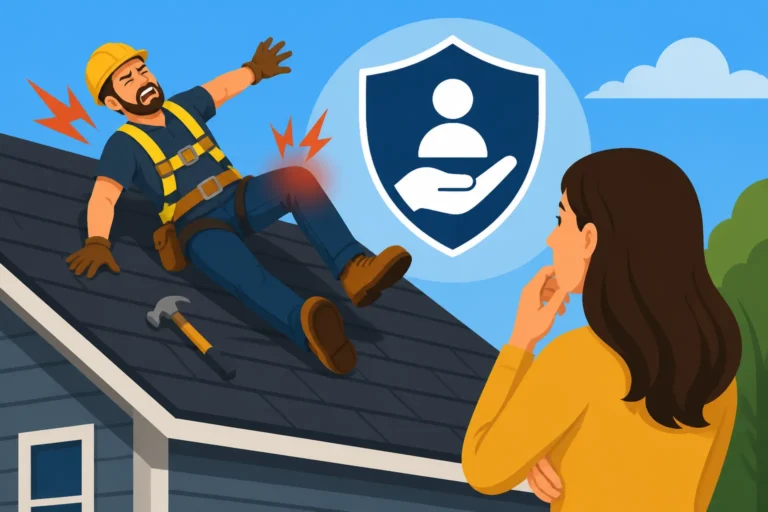
- Verify Licensing and Insurance: This step should happen before you even consider hiring a contractor, regardless of their reviews. In Texas, general contractors typically don't need a statewide license, but many cities and counties do require specific roofing licenses or registrations. Always ask for proof of both liability insurance and workers' compensation insurance. You can often verify licenses through local government websites. Skipping this step can expose you to huge financial risks if there's an accident or damage. Read more about why Licensed and Insured Roofers: Why It Matters.
- Look for Local Presence and History: Is the contractor genuinely local to your area, or are they an out-of-state company that popped up after a storm? A local company with a long-standing history in the community is generally more invested in its reputation and easier to hold accountable. Look for a physical address, not just a P.O. Box.
- Ask for References Directly: Even after reading online reviews, a reputable contractor should be happy to provide you with a list of recent customers you can call. This gives you the chance to ask very specific questions about their experience. What you hear from these references should align with the online reviews you've read. This is also a great opportunity to ask Questions to Ask a Roofing Contractor Before Hiring.
- Consult other resources: Beyond reviews, understanding general best practices for hiring is critical. For instance, knowing How to Choose a Roofing Contractor involves looking at experience, communication, and overall professionalism, not just star ratings.
What Texas-Specific Factors Reviews Should Address
Because Texas presents unique challenges for roofs, the best reviews for Texas contractors will often touch on specific regional issues. These details can give you insight into a contractor's suitability for our particular climate.
Hail and Storm Damage Expertise
Texas is infamous for its hailstorms. From the Panhandle down to Central Texas, hail can strike with devastating force, leaving homeowners scrambling for repairs. A good Texas roofer isn't just a roofer; they're a storm damage expert.
- Reviews Mentioning Insurance Claims: Look for reviews where customers specifically praise the contractor's help with navigating the insurance claims process after hail or wind damage. Did the contractor help with the inspection? Did they work well with the insurance adjuster? Many homeowners feel lost when dealing with insurance companies, so a contractor who makes this process smoother is invaluable. This is critical because Does Insurance Cover Roof Replacement is often a complex question.
- Knowledge of Local Building Codes for Storm-Prone Areas: Texas has varying building codes, especially in coastal or hail-prone areas. Some municipalities or counties might have stricter requirements for wind resistance or mandate Impact-Resistant Shingle Cost or Class 4 shingles. Reviews that implicitly or explicitly mention a contractor's understanding and adherence to these specific codes, perhaps in a city like Fort Worth known for hail, are highly beneficial. If a contractor installs a roof that doesn't meet local codes, your warranty could be voided, and you could face issues when selling your home. Understanding the Roofing Cost in Hail-Prone States is another indicator of a contractor who knows the regional challenges.
Handling Extreme Weather & Local Regulations
Beyond storms, Texas weather means extreme heat, which also impacts roofing materials and installation methods. A contractor’s reviews should demonstrate their ability to handle these conditions.
- Reviews on Dealing with Texas Heat: Roofing in 100-degree Texas summer heat is no joke. Look for comments about how the crew managed the heat, worked efficiently, took necessary precautions, and protected materials from warping or degrading. Was the project completed in a timely manner despite the heat? Did they start early to beat the worst of the day? This speaks to their planning and care for both their crew and your property.
- Understanding Specific Local Permits in Major Cities: Texas is a patchwork of local regulations. What flies in a rural county might not in a bustling city like Houston or Dallas. Reviews that mention a smooth permit process, or where the contractor clearly handled all the necessary paperwork, indicate a professional who understands the specific requirements of that locality. For example, obtaining a Roofing Permit Cost in Texas or understanding Do You Need a Roofing Permit in Texas can vary significantly from one city to another, and a good roofer manages this seamlessly. You want a contractor who pulls the correct permits and arranges for necessary inspections, ensuring your new roof is up to code.
Disclaimer
Please remember that this article provides general information and recommendations. Roofing costs, regulations, and contractor availability can vary significantly based on your specific location in Texas, the scope of your project, and current market conditions. Always consult with multiple qualified, local roofing professionals and your insurance provider for personalized advice and estimates. Ensure all contractors are properly licensed and insured before beginning any work.