Roofing Contractor License Requirements by State
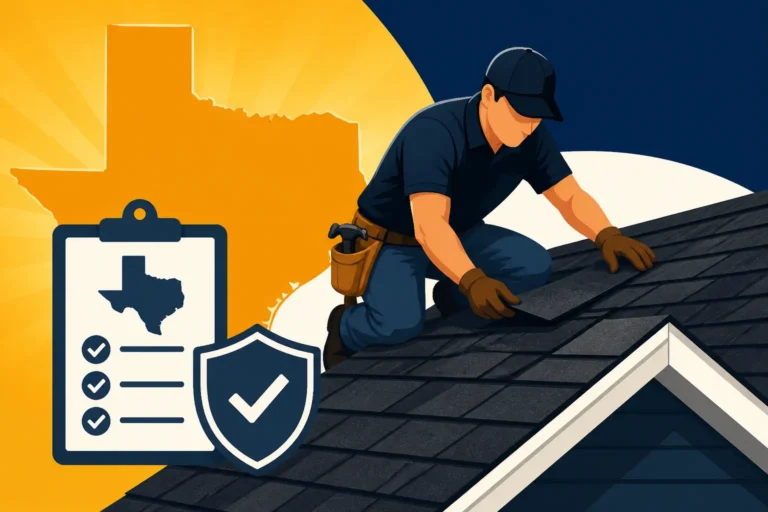
Finding a reliable roofing contractor can feel like navigating a maze, especially when you're bombarded with conflicting advice and don't know who to trust. One of the biggest hurdles homeowners face is understanding what qualifications a roofer actually needs to operate legally and competently in their area. This guide will cut through the confusion, detailing the specific roofing contractor license requirements by state, helping you make informed decisions and protect your most valuable asset: your home.
The Critical Importance of Roofing Contractor Licensing
When it comes to something as vital as your roof, simply hiring the cheapest bid or the first company that knocks on your door can lead to a world of pain. A legitimate roofing contractor's license isn't just a piece of paper; it's a testament to their professionalism, knowledge, and accountability. It offers a crucial layer of protection for you, the homeowner, ensuring that the people working on your property meet certain standards.
Protecting Homeowners from Shoddy Work
Imagine spending thousands on a new roof, only to have it start leaking six months later because of improper installation. Without a licensed contractor, your options for recourse can be severely limited. Licensing often requires contractors to demonstrate a certain level of skill and experience, reducing the likelihood of poor workmanship. These aren't just minor inconveniences; we're talking about potential water damage, mold growth, and structural issues that can cost you far more than the initial roofing project.
For instance, if a contractor installs your shingles without understanding proper nailing patterns or the importance of a watertight seal around vents and chimneys, you're setting yourself up for failure. A licensed professional, on the other hand, is expected to know how asphalt shingles are installed step by step, ensuring every component of your roof system works together as it should. This fundamental knowledge is often tested as part of the licensing process, giving you some peace of mind that your contractor knows what they're doing.
Ensuring Professional Standards and Accountability
Licensing isn't just about technical skill; it's also about business integrity. Many states require licensed contractors to carry specific types of insurance, such as general liability and worker's compensation. This is incredibly important because if a worker is injured on your property, or if your property is damaged during the roofing process, a properly insured contractor means their insurance covers the costs, not yours. This is a huge factor, and you should always verify that your roofer is Licensed and Insured Roofers: Why It Matters before any work begins.
Beyond insurance, licensing boards often have mechanisms for consumer complaints. If a licensed contractor performs substandard work or fails to uphold their end of a contract, you have a formal avenue to pursue resolution. This isn't always the case with unlicensed operators who can simply disappear, leaving you with an unfinished or faulty job and no one to turn to. Choosing a contractor listed on a reputable platform like Modernize can help ensure you're connecting with licensed professionals who are held to a higher standard.
Adhering to Local Building Codes and Safety
Every community has building codes designed to ensure the structural integrity and safety of homes. These codes cover everything from the type of materials that can be used to how a roof is properly ventilated and how many layers of shingles are legal. Unlicensed contractors might cut corners, skip necessary permits, or simply be unaware of these crucial regulations. This not only puts your home at risk but can also create legal headaches down the line, especially when it comes time to sell your house.
A licensed contractor, by contrast, is generally expected to be familiar with and adhere to all local building codes and permitting requirements. They understand that Roofing Permits: Who Pulls Them and why they are necessary. For example, if your home is in a high-wind zone, there might be specific requirements for nailing patterns or the use of specific shingle types. A licensed professional will ensure these codes are met, safeguarding your home and keeping you in compliance with local ordinances.
A State-by-State Look at Licensing Requirements
One of the biggest frustrations for homeowners is that there's no single, nationwide standard for roofing contractor licensing. It truly is a patchwork, with each state, and sometimes even individual counties or cities, setting its own rules. This variation can be bewildering, but understanding the general categories can help you navigate the landscape.
States with Comprehensive State-Level Licensing
Some states have robust, centralized licensing systems for roofing contractors. These are often states with large populations, significant construction activity, or those prone to severe weather events where quality roofing is paramount. In these states, you'll typically find a clear process involving exams, experience, insurance, and financial solvency.
California, for example, is known for its rigorous requirements. Roofing contractors must hold a C-39 Roofing Contractor license issued by the Contractors State License Board (CSLB). To obtain this, an applicant needs at least four years of journeyman-level experience, must pass both a business and law exam and a trade exam, and must post a contractor's bond. They also need to provide proof of worker's compensation insurance (if they have employees) and general liability insurance. The process is thorough, designed to ensure a high level of competency.
Similarly, Florida has strict statewide licensing due to its susceptibility to hurricanes. Contractors must pass an examination administered by the Florida Department of Business and Professional Regulation (DBPR). There are different classifications, such as "Certified Roofing Contractor" (which allows work anywhere in the state) and "Registered Roofing Contractor" (limited to specific local jurisdictions). Requirements typically include several years of experience, financial stability, and proof of liability and worker's compensation insurance. Given the intense weather, understanding High-Wind Nailing Cost Premium and Roofing Cost in Hurricane Zones is crucial, and licensed Florida contractors are typically well-versed in these specific demands.
Arizona also has a comprehensive system, requiring contractors to be licensed by the Arizona Registrar of Contractors. Licenses are classified by the type of work performed, and roofing falls under a specialty license. Applicants must pass a business management exam and a trade exam, demonstrate at least four years of experience, and provide proof of a bond and insurance. The state maintains a publicly searchable database, making it relatively easy to verify credentials.
States with Limited or Localized Licensing
Then there are states where the licensing requirements are less centralized, or where specific roofing licenses might only exist at the county or municipal level. This can be trickier for homeowners because what's legal in one town might not be in another.
In Illinois, for instance, there is no statewide roofing contractor license. Instead, licensing is handled at the local level. Chicago, for example, requires roofing contractors to be licensed by the city. This involves examinations, insurance, and a bond. However, in smaller towns or rural areas across the state, requirements might be much less stringent or non-existent, often defaulting to a general business license. This means a contractor might be legally operating in one part of Illinois without a specific roofing license, but could be unqualified or illegal in a neighboring municipality. Always double-check your local city or county regulations.
New York offers another example of a mixed bag. While there isn't a statewide roofing license per se, many major cities and counties, like New York City, Nassau County, and Suffolk County, have their own licensing requirements for home improvement contractors, which often include roofing. These local licenses typically demand exams, proof of insurance, and sometimes a bond. For instance, a contractor working in New York City would need a Home Improvement Contractor license from the Department of Consumer and Worker Protection (DCWP). Outside these specific jurisdictions, the requirements can vary greatly, sometimes only requiring a general business license.
States with No State-Level Roofing License
Perhaps surprisingly, some states have no specific statewide licensing requirements for roofing contractors. This doesn't mean you're entirely unprotected, but it does shift more responsibility onto the homeowner to do their due diligence.
Colorado is one such state. There is no state-level licensing board for general contractors or roofing contractors. Licensing is handled by individual cities and counties. In Denver, for example, contractors must obtain a license from the city's Department of Community Planning and Development. This might involve exams, insurance, and demonstrating competence. However, in more rural parts of Colorado, a general business license might be the only requirement. For homeowners in these areas, it's particularly vital to confirm that any contractor you consider has adequate insurance (general liability and worker's comp), strong references, and a solid track record.
Pennsylvania also does not have a statewide licensing program for roofing contractors. Instead, general contractors and home improvement contractors are often regulated at the local municipal level. Some townships or cities may require registration or licensing, while others do not. The state does have a Home Improvement Consumer Protection Act (HICPA), which requires contractors to register with the Attorney General's office and adhere to certain contract standards, but this is a registration, not a full-fledged licensing program involving exams and experience verification.
Here's a simplified overview of some state approaches:
| State | State-Level Roofing License | Typical Requirements (if applicable) | Where to Verify |
|---|---|---|---|
| California | Yes (C-39) | 4+ years experience, trade & business/law exams, bond, general liability & worker's comp insurance. | Contractors State License Board (CSLB) |
| Florida | Yes (Certified/Registered) | Experience (4 years for Certified), trade & business/law exams, financial solvency, general liability & worker's comp insurance. | Florida Department of Business and Professional Regulation (DBPR) |
| Arizona | Yes (Specialty) | 4+ years experience, trade & business/law exams, bond, general liability & worker's comp insurance. | Arizona Registrar of Contractors |
| Texas | No (Local only) | Varies by city/county. Some require registration/license (e.g., Dallas), others only general business license. Focus on insurance/bonds. | Local city/county permitting or planning departments |
| Colorado | No (Local only) | Varies by city/county. Some require exams/insurance (e.g., Denver), others only general business license. | Local city/county building departments |
| Illinois | No (Local only) | Varies by city/county. Chicago requires license with exams, bond, insurance. Many other areas require only a business license. | Local city/county business/licensing departments |
| New York | No (Local only) | Varies by city/county (e.g., NYC, Nassau, Suffolk have Home Improvement Contractor licenses). Typically includes exams, insurance. | Local consumer affairs or licensing departments |
| Pennsylvania | No (HICPA Registration) | State requires registration under Home Improvement Consumer Protection Act; local licenses vary. | PA Attorney General's Office (HICPA), Local municipalities |
Note: This table provides a general overview. Specific requirements can change, and it's always best to check current regulations in your specific location.
Demystifying the Licensing Application Process
For a roofing contractor, navigating the licensing process can be a significant undertaking. It’s not simply a matter of filling out a form; it often involves proving expertise, financial stability, and commitment to ethical practices. Understanding what goes into this process can help you appreciate the value a licensed contractor brings to your project.
Steps for Contractors to Obtain a License
The typical journey for a contractor seeking a state-level roofing license often looks something like this:
- Experience Verification: Most states require a certain number of years of verifiable experience in the roofing trade, often at a journeyman or supervisory level. This ensures the applicant isn't just starting out but has practical, hands-on knowledge. This experience usually needs to be documented, sometimes with employer references or project lists.
- Application Submission: The contractor submits a detailed application to the state's licensing board, providing personal information, business details, and proof of experience. This usually involves fees that can range from a few hundred to over a thousand dollars.
- Examination: This is often the most challenging part. Applicants typically need to pass two exams:
- Trade Exam: This tests their knowledge of roofing techniques, materials, safety standards, and building codes specific to the trade. It covers everything from How Asphalt Shingles Are Installed: Step by Step to proper ventilation and flashing.
- Business & Law Exam: This assesses their understanding of state construction law, contract management, labor laws, lien laws, and general business practices.
- Financial Solvency: Many states want to ensure contractors are financially stable. This might involve a credit check, providing financial statements, or posting a contractor's bond. The bond acts as a form of consumer protection, providing a pool of funds to resolve claims if the contractor fails to complete a job or performs shoddy work.
- Insurance Requirements: As mentioned, proof of general liability insurance (to cover property damage) and worker's compensation insurance (to cover employee injuries) is almost universally required for licensed contractors. These policies protect both the contractor and the homeowner.
- Background Checks: Many licensing boards conduct criminal background checks to ensure the applicant has no history of fraud or other crimes that could impact their ability to operate an ethical business.
- Continuing Education: In some states, licensed contractors are required to complete continuing education units (CEUs) to keep their license active. This ensures they stay up-to-date with the latest building codes, materials, and installation techniques.
Common Hurdles and How to Overcome Them
The licensing process is intentionally rigorous, which means contractors often face several hurdles. The sheer amount of paperwork and the waiting times for application review can be daunting. The cost associated with application fees, exam fees, study materials, bonds, and insurance premiums can also be a significant barrier for smaller businesses or new entrants.
Passing the examinations themselves requires dedicated study and a comprehensive understanding of both the trade and business regulations. Many aspiring contractors invest in specific training programs or study guides to prepare. Maintaining the license also means staying compliant with ongoing requirements, such as renewing insurance policies, keeping bonds current, and fulfilling any continuing education mandates.
For a homeowner, understanding these hurdles underscores the commitment a licensed contractor has made to their profession. It’s a clear signal that they’ve invested time, money, and effort to operate legally and competently, which often translates to a higher quality of service and greater accountability.
Verifying a Contractor's Credentials
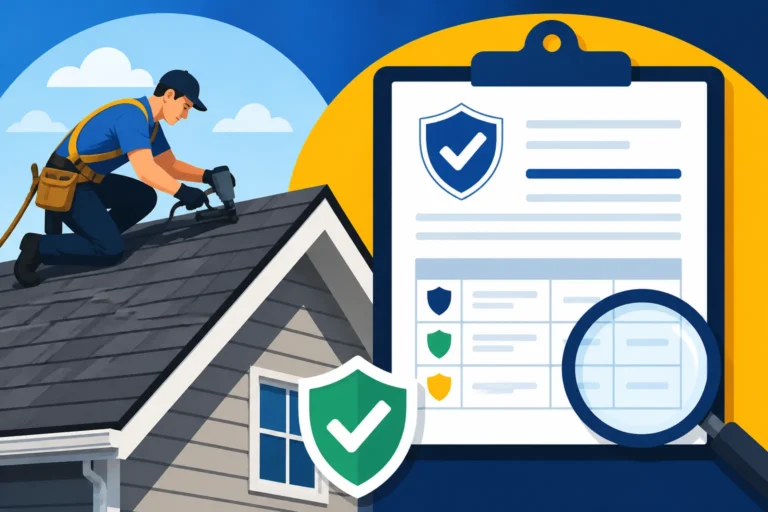
Once you've narrowed down your choices for a roofing contractor, the next crucial step is verification. Don't just take their word for it when they say they're licensed and insured. It's too easy for someone to claim credentials they don't possess. A few minutes of online research can save you a world of trouble down the line.
How to Check State Licensing Boards
The most direct way to verify a contractor's license is through the relevant state licensing board or department. Most states with centralized licensing have online databases that are publicly accessible and searchable.
For example:
- In California, you would visit the Contractors State License Board (CSLB) website. You can search by license number, contractor name, or business name to see their license status, any disciplinary actions, and whether their bond is active.
- In Florida, the Department of Business and Professional Regulation (DBPR) website allows you to search for licensed professionals, showing their license type, status, and any complaints.
- In Arizona, the Arizona Registrar of Contractors offers a similar search tool on its website.
Even in states without statewide roofing licenses, many local municipalities have their own licensing or registration systems. You would need to check the city or county's building department or consumer affairs office. For instance, if you're in Chicago, you'd check with the City of Chicago Department of Business Affairs and Consumer Protection.
When you perform a search, pay close attention to:
- License Status: Is it active, expired, suspended, or revoked?
- License Type: Does it specifically cover roofing, or is it a general contractor license that includes roofing?
- Any Disciplinary Actions: Has the contractor faced complaints or had their license suspended in the past?
- Business Name Match: Does the license belong to the company name they're operating under?
Platforms like Modernize can also streamline this process by connecting you with pre-vetted, licensed contractors in your area, reducing some of the initial legwork. However, even when using such services, a quick cross-reference with the official state board is always a smart move. When gathering quotes, understanding How to Read and Compare Roofing Estimates is also crucial, and checking the contractor's credentials should be a part of that comparison process.
Beyond the License: Insurance and References
While a license is foundational, it's not the only thing you should verify. Even a licensed contractor needs to be properly insured.
- General Liability Insurance: This covers damage to your property (e.g., if a ladder falls and breaks a window) or injuries to third parties (e.g., a passerby gets hit by falling debris). Ask for a certificate of insurance (COI) directly from the insurance provider, not just a copy from the contractor. This confirms the policy is active and covers the scope of work.
- Worker's Compensation Insurance: If the contractor has employees, this insurance covers medical expenses and lost wages if a worker is injured on your job site. Without it, you, the homeowner, could potentially be held liable for injuries. Again, request a COI directly from their insurer. This is one of the most important aspects of Questions to Ask a Roofing Contractor Before Hiring.
- References and Reviews: Ask for a list of recent clients and call them. Ask about their experience, whether the job was completed on time and within budget, and if they were satisfied with the quality of work. Check online reviews on sites like the Better Business Bureau, Google, and Yelp, but always take individual reviews with a grain of salt and look for patterns. Remember that Roofing Contractor Red Flags to Avoid include a lack of references or consistent negative reviews.
- Physical Address and Local Presence: Be wary of contractors who only have a P.O. box or an out-of-state number. A legitimate business typically has a verifiable local presence.
A comprehensive verification process, looking beyond just the license, ensures you're hiring a truly reputable and protected contractor, minimizing your personal risk.
The Risks of Hiring an Unlicensed Roofer
It might be tempting to hire an unlicensed roofer, especially if their bid comes in significantly lower than others. They might claim to save you money by cutting out "overhead" or "red tape." However, this seemingly lower cost often comes with enormous hidden risks that can far outweigh any initial savings, potentially turning your roofing project into a financial and legal nightmare.
Financial Perils and Lack of Recourse
When you hire an unlicensed contractor, you're essentially entering into an agreement with someone who is operating outside the established legal framework of the construction industry. This can lead to several severe financial perils:
- Substandard Work and No Warranty: Unlicensed roofers often lack the training, experience, and accountability of their licensed counterparts. They might use inferior materials, employ incorrect installation techniques, or simply rush the job. If the work is shoddy and your new roof fails prematurely, you'll have little to no recourse. Licensed contractors often provide their own workmanship warranty, and using a manufacturer-certified contractor often means you're eligible for enhanced manufacturer warranties from brands like GAF or Owens Corning. An unlicensed roofer can’t offer this protection, leaving you to bear the full cost of repairs or even a premature Asphalt Roof Replacement Cost: Complete Breakdown.
- No Legal Protection: If there’s a dispute over payment, quality of work, or project completion, pursuing legal action against an unlicensed contractor can be incredibly difficult. Many states have laws that penalize unlicensed contractors, making their contracts unenforceable against the homeowner, but this doesn't automatically mean you'll recover your money or get the work fixed. In some cases, you might even be limited in recovering funds you've already paid.
- Hidden Costs and Scams: Unlicensed contractors are more prone to scams, such as demanding large upfront payments and then disappearing, or continuously asking for more money for "unexpected" issues. Because they aren't regulated, they can operate with impunity. This is why understanding Roofing Deposit: How Much Is Normal and avoiding contractors who demand full upfront payment are critical precautions.
Safety Concerns and Liability for Homeowners
Beyond the financial risks, hiring an unlicensed roofer can expose you to significant safety and legal liabilities:
- Worker Injuries: If an unlicensed contractor or their crew member gets injured on your property, and they don't have worker's compensation insurance (which is highly likely for an unlicensed operation), you, the homeowner, could be held personally liable for their medical bills, lost wages, and rehabilitation costs. This could lead to a lawsuit that puts your home and savings at severe risk. Even if they claim to have insurance, always verify it independently.
- Property Damage: If the unlicensed crew damages your home or a neighbor's property during the project, and they don't have general liability insurance, guess who's on the hook? You are. Your homeowner's insurance might cover some of it, but it could lead to higher premiums or even denial of a claim if you knowingly hired an unlicensed contractor.
- Code Violations and Permits: Unlicensed roofers often skip the permitting process and ignore local building codes to save time and money. While this might seem convenient initially, it can lead to major problems. Unpermitted work can result in fines, make it difficult to sell your home, or even force you to tear off and redo the entire roof to bring it up to code, costing you thousands more. A licensed contractor understands Roofing Building Codes: What to Know and will ensure your project complies.
In essence, hiring an unlicensed roofer is a gamble that rarely pays off. The peace of mind, protection, and professionalism that come with a properly licensed and insured contractor are priceless.
Navigating the Nuances: General Contractors vs. Roofing Specialists
When you're looking to get your roof replaced, you might encounter different types of contractors. Some operate as general contractors, overseeing an entire home improvement project, while others specialize exclusively in roofing. Understanding the distinction, and when each type of license is most appropriate, can help you make an informed decision about your project.
Understanding Different License Types
In many states, the licensing system distinguishes between a general contractor and a specialty contractor.
-
General Contractor (GC) License: A general contractor's license typically covers a broad range of construction activities. Depending on the state and its specific regulations, a GC license might explicitly include roofing work. For example, in some jurisdictions, a Class A or B General Contractor license allows a contractor to perform or subcontract roofing work. These contractors are usually equipped to handle large, complex projects that involve multiple trades beyond just roofing, such as adding a new addition to your home or a major remodel that happens to include a new roof. They manage all aspects, from foundation to finish, coordinating plumbers, electricians, and roofers.
-
Roofing Specialty License: Other states or local municipalities require a specific roofing contractor license, such as the C-39 in California or the Certified Roofing Contractor license in Florida. These licenses are highly focused, meaning the contractor has proven expertise specifically in roofing systems, materials, installation techniques, and relevant codes. They live and breathe roofs. While they might partner with other specialists for related work (like gutter installation or minor fascia repair), their primary expertise and licensing are concentrated solely on the roof itself.
The key difference lies in the breadth of their expertise and the specific examinations they've passed. A general contractor has a wider but perhaps less specialized knowledge across multiple trades, while a roofing specialist has deep, concentrated expertise in everything related to your roof. For simpler, straightforward roof replacements, a dedicated roofing specialist might be the most efficient and knowledgeable choice. If your project involves structural changes, or you're doing a whole-house renovation that includes a new roof, a general contractor who then subcontracts to a qualified, licensed roofer could be more appropriate.
When a Specialty License is Crucial
While a general contractor can often handle roofing projects, there are definite scenarios where a dedicated roofing specialist with a specific license becomes invaluable:
-
Complex Roofing Systems: If your home features a particularly complex roof design, unusual materials, multiple valleys, dormers, or a very steep pitch, a specialist will likely have more experience in these intricate installations. They'll be intimately familiar with how to properly flash around chimneys, skylights, and other penetrations, which can be critical for preventing leaks down the line. Understanding the Cost of a Roof with Multiple Valleys or the Steep Roof Cost Premium often requires a specialist's eye.
-
Specific Material Expertise: While asphalt shingles are common, if you're considering other materials like slate, tile, or metal, a roofing specialist who has specific experience and licensing for those materials is essential. Their focused expertise ensures the unique installation requirements and challenges of these materials are met correctly.
-
Storm Damage and Insurance Claims: When dealing with significant storm damage, such as from hail or wind, a roofing specialist often has extensive experience working with insurance companies. They understand the nuances of assessing damage, documenting it for claims, and ensuring the replacement meets current building codes and insurance requirements. This can be a huge advantage when navigating the often-stressful process of dealing with Does Insurance Cover Roof Replacement. Many certified roofers, particularly those on platforms like Modernize, have dedicated teams to assist with insurance claims.
-
Enhanced Warranties: Many asphalt shingle manufacturers, such as GAF, Owens Corning, and CertainTeed, offer enhanced or extended warranties on their complete roofing systems. To qualify for these top-tier warranties, the roof often needs to be installed by a contractor who is specially certified by the manufacturer (e.g., GAF Master Elite, Owens Corning Platinum Preferred). These certifications are above and beyond state licensing and require specialized training, further cementing a contractor's expertise in a particular manufacturer's products. For homeowners looking for the best long-term protection, understanding Extended Roof Warranty: Worth the Cost and finding a manufacturer-certified roofer is key.
Ultimately, whether you choose a general contractor or a roofing specialist, the most important thing is to ensure that whoever is performing the roofing work is properly licensed, insured, and has a proven track record of quality workmanship. Don't hesitate to ask about their specific licenses and certifications.
Disclaimer
Please note that licensing requirements for roofing contractors are subject to change and vary significantly by state, county, and municipality. This guide provides general information and should not be considered legal advice. Always verify the current licensing, insurance, and bonding status of any contractor directly with the appropriate state and local licensing boards before hiring them for your project.