Roofing Contractor Insurance Certificate: How to Read
Getting a new asphalt roof or even a significant repair means inviting workers onto your property, and let's be honest, the thought of something going wrong can be really stressful. You're entrusting your home, your biggest asset, to a crew, and you need to know you're protected. This guide is all about demystifying one of the most crucial documents a roofing contractor should provide: their insurance certificate. We’ll break down exactly what this seemingly complex paper means and how to read it, ensuring you’re confident in your choice of contractor.
Why a Roofing Contractor Needs Insurance And Why You Care
When you hire a roofing contractor, you're not just paying for shingles and labor; you're also paying for peace of mind. That peace of mind comes largely from knowing they're properly insured. Without adequate coverage, you, the homeowner, could be left holding the bag for unexpected damages or injuries. It's not just a formality; it's a critical layer of protection.
Protecting Your Home from Accidental Damage
Imagine this: a crew is working on your roof, meticulously tearing off old shingles. Suddenly, a heavy gust of wind whips a piece of debris, or perhaps a tool slips from a worker’s hand. It crashes through your new skylight, or worse, dents the side of your car parked in the driveway. These things happen, even with the most careful contractors. This is where general liability insurance steps in.
General liability insurance covers damages to your property that are caused by the contractor or their crew during the job. It's designed to protect you from those "oops" moments that could otherwise turn into major out-of-pocket expenses. If a contractor isn't properly insured, that broken skylight or damaged car could become your problem to fix, or at the very least, a huge headache to resolve with an uninsured party. Always ask your prospective roofer for proof of this coverage, as it shields you from these unfortunate, but very real, possibilities. This is a non-negotiable part of Licensed and Insured Roofers: Why It Matters.
Safeguarding Against Worker Injuries
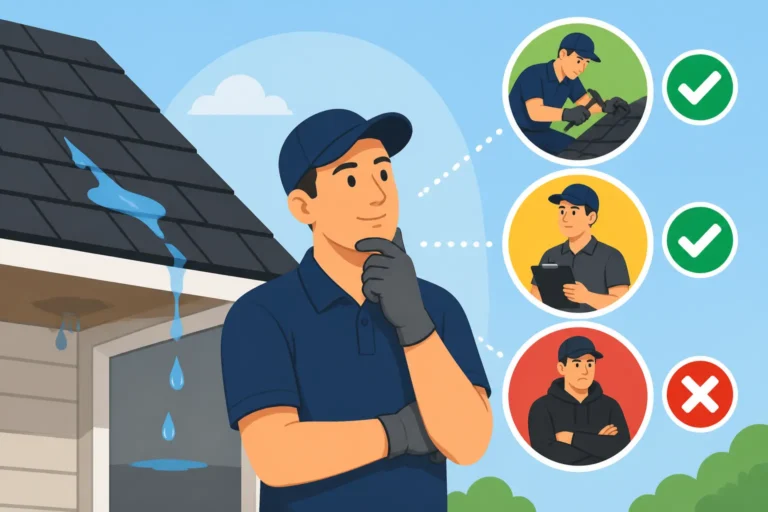
Now, let's consider another, even more serious scenario. Roofing is inherently dangerous work. Workers are often high off the ground, handling heavy materials and power tools in varying weather conditions. What if a worker slips on a damp roof and breaks a leg, or suffers a heatstroke on a scorching summer day? If your contractor carries worker's compensation insurance, then the injured employee's medical bills and lost wages are covered by that policy.
However, if your contractor doesn't have worker's compensation insurance, that injured worker could potentially sue you, the homeowner, to cover their costs. Yes, you read that right. While laws vary by state, many homeowner insurance policies explicitly exclude coverage for injuries to people working on your property unless they are direct employees of yours (which a roofing contractor's crew typically isn't). This is why verifying a roofer's insurance is so paramount. Worker's compensation is crucial to protect yourself from liability, especially if you live in a state like Florida or California where roofing licenses often mandate specific insurance coverage. What Happens If a Roofer Gets Injured on Your Property delves deeper into this potential issue.
Avoiding Financial Headaches and Lawsuits
Beyond direct damages or injuries, proper insurance minimizes a whole host of other potential financial headaches. Think about the possibility of a contractor vanishing mid-job, or doing shoddy work that leads to subsequent damage. While insurance doesn't directly cover unfinished work or poor craftsmanship (that's where a strong contract and warranty come in), it ensures the company has a legitimate financial backing. A reputable company with proper insurance is typically more stable and accountable.
It’s often a telling sign that a contractor takes their business seriously and adheres to industry standards. Firms listed on platforms like Modernize typically vet their contractors to ensure they meet a baseline of professionalism, which usually includes proper insurance. By understanding and verifying their insurance, you're not just being cautious; you're actively protecting your personal finances from unforeseen circumstances that could easily escalate into costly legal battles or unexpected expenses down the line.
Decoding the ACORD Certificate of Insurance
When a roofing contractor provides proof of insurance, it almost invariably comes in the form of an ACORD Certificate of Insurance. ACORD stands for "Association for Cooperative Operations Research and Development," and it's a standardized form used across the insurance industry to summarize coverage. It's designed to be universally understood, but without knowing what you're looking for, it can still feel like a foreign language.
Understanding the Sections of an ACORD Form
The ACORD form, often an ACORD 25 or ACORD 27, is structured to convey a lot of information in a concise format. Let's break down the key sections you'll encounter and what each means for you.
First, at the very top, you'll see "PRODUCER". This is the insurance agency or broker that issued the certificate. Below that is "INSURED", which should clearly state the full legal name of the roofing company you're hiring, along with their address. Make sure this matches the company name on your estimate and contract. This might seem minor, but it's a crucial first check for authenticity.
Next, you'll find a section titled "INSURERS AFFORDING COVERAGE". Here, the names of the actual insurance companies (like Travelers, Liberty Mutual, or Hartford) providing the various policies will be listed, often with a letter code (A, B, C, etc.) for easy reference. You'll then see a large table, which is the heart of the certificate. This table details the types of coverage, policy numbers, effective dates, and limits.
Look for entries like "COMMERCIAL GENERAL LIABILITY," "WORKER'S COMPENSATION AND EMPLOYERS' LIABILITY," and sometimes "COMMERCIAL AUTO." Each of these will have specific limits listed. For general liability, you'll typically see "EACH OCCURRENCE," "DAMAGE TO RENTED PREMISES (EACH OCCURRENCE)," "MEDICAL EXPENSE (ANY ONE PERSON)," "PERSONAL & ADV INJURY," "GENERAL AGGREGATE," and "PRODUCTS – COMP/OP AGG." Worker's compensation usually has its own set of limits, often statutory, meaning they meet state-mandated minimums.
Further down, you'll find the "DESCRIPTION OF OPERATIONS/LOCATIONS/VEHICLES" section. This is important as it provides context. It might specify the project address (your home!), the type of work being done (roof replacement), or any special conditions. Finally, at the bottom, there's "CERTIFICATE HOLDER" (which should be you or "evidence of insurance") and a "CANCELLATION" clause, which dictates how the certificate holder will be notified if the policy is canceled before its expiration date. Understanding these sections empowers you to critically review the document and ensure it's not just a piece of paper, but truly a safeguard.
Key Details to Verify on the Certificate
Now that you know the layout, let's pinpoint the absolute must-verify details. Missing any of these could leave you vulnerable.
- Insured Name and Address: As mentioned, this is foundational. The name and address under "INSURED" must precisely match the legal name of the roofing company you intend to hire. If it’s even slightly different—a different legal entity, a different address, or a “doing business as” (DBA) name that isn't clearly linked—it could be a red flag. Always confirm this.
- Policy Effective and Expiration Dates: The "POLICY EFFECTIVE DATE" and "POLICY EXPIRATION DATE" columns are critical. You need to ensure that all policies listed are current and will remain active for the entire duration of your roofing project. If a policy is about to expire or has already expired, the certificate is essentially worthless. Don't proceed until you have an updated certificate showing active coverage.
- Coverage Types and Limits: Focus on "COMMERCIAL GENERAL LIABILITY" and "WORKER'S COMPENSATION AND EMPLOYERS' LIABILITY." For general liability, most reputable contractors will carry at least $1,000,000 per "EACH OCCURRENCE." This limit indicates the maximum amount the insurance company will pay out for any single incident of damage or injury. For worker's compensation, the "LIMITS" section often states "STATUTORY" because these are typically set by state law. If the contractor claims to have worker's comp but it's not listed, or if they operate in a state like Texas where it might be optional, you need a clear explanation.
- Certificate Holder: Look for your name and address, or the words "EVIDENCE OF INSURANCE," in the "CERTIFICATE HOLDER" box. This confirms that the certificate was issued with you in mind and that you are an intended recipient of this proof of coverage. If it's blank or lists someone else, ask for a revised certificate with your information.
- Cancellation Clause: This section usually states that if the policy is canceled before its expiration, the certificate holder will receive a certain number of days' notice (e.g., "30 days' written notice"). This is important because it gives you a heads-up if the contractor's coverage lapses while they're still working on your home.
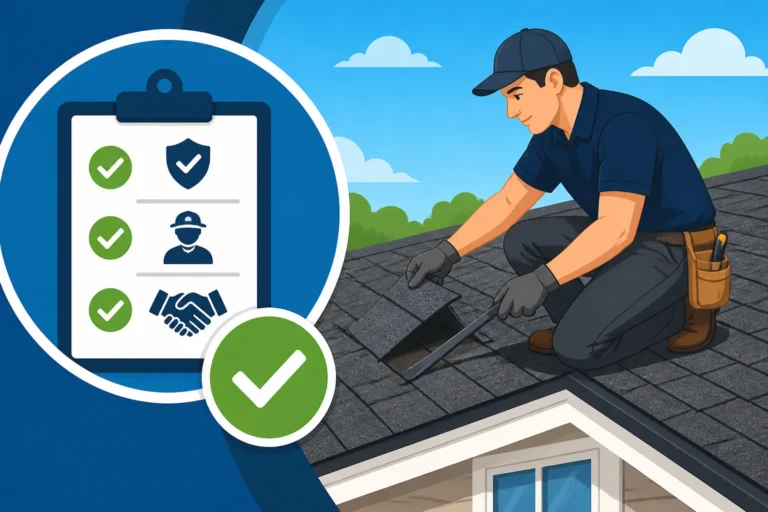
Reviewing these details thoroughly is a critical step in your contractor vetting process. It's as important as checking their references or reviewing their past work. For more on what documents to scrutinize, see How to Get Roofing Quotes and Compare Them.
What to Look for Beyond the Basics
While the core sections of the ACORD form are essential, a truly savvy homeowner knows to dig a little deeper. Sometimes, what's not explicitly stated, or what's tucked away in the fine print, can be just as important as the big numbers. This is where understanding specific endorsements and direct verification become invaluable.
Specific Endorsements and Exclusions
Insurance policies are complex documents, and the ACORD certificate is just a summary. The actual policy might contain specific endorsements (additions that modify coverage) or exclusions (items or situations specifically not covered). While you typically won't see these in detail on the certificate, the "DESCRIPTION OF OPERATIONS/LOCATIONS/VEHICLES" section can sometimes offer clues.
For example, a general liability policy might have exclusions for certain types of hazardous work or materials, or even residential construction in some niche cases. If your project involves something out of the ordinary, like working with older, potentially asbestos-containing materials (which should be handled by specialists anyway), it's worth asking the contractor if their policy has any specific exclusions that might apply. Similarly, an endorsement might explicitly add coverage for something, or it might grant "additional insured" status to certain parties. While asking for the full policy documents is usually overkill, a knowledgeable contractor should be able to briefly explain any significant endorsements or exclusions relevant to your job.
Platforms like Modernize often encourage contractors to be transparent about their full scope of work and associated coverage, helping homeowners identify any potential gaps. It's a layer of protection that goes beyond the basic certificate.
The Importance of Direct Verification
Perhaps the most critical step you can take after receiving an insurance certificate is to verify it directly with the issuing insurance carrier. Unfortunately, it's not unheard of for unscrupulous contractors to provide falsified or expired certificates. The ACORD form will list the "PRODUCER" (the insurance agency) and the "INSURERS AFFORDING COVERAGE" (the actual insurance companies).
To verify, call the insurance company (not the agent listed, if possible, but the main company number for their customer service or verification department). Provide them with the policy numbers and ask them to confirm:
- That the policy is indeed active.
- That the coverage limits match what's on the certificate.
- That the contractor's name is the correct insured party.
- That there are no significant exclusions that would affect your project.
This quick phone call (it usually takes less than five minutes) is your best defense against fraudulent certificates. It provides irrefutable proof that the insurance is legitimate and active, safeguarding your interests. This step is a cornerstone of How to Verify a Roofer's Insurance.
When a Certificate Isn't Enough
While the insurance certificate is vital, it's just one piece of the puzzle when vetting a roofing contractor. Depending on your state and municipality, there are other crucial aspects to consider. For instance, many states and local jurisdictions require roofing contractors to be licensed. A license ensures they have met certain qualifications, passed exams, and often maintain specific insurance and bonding.
For example, in states like Florida, contractors must be licensed by the Department of Business and Professional Regulation (DBPR), and part of that licensing often includes specific insurance requirements. A certificate alone doesn't prove licensure. You should always check the contractor's license number with your state's licensing board. Similarly, bonding is another form of protection, essentially a guarantee that the contractor will complete the work as agreed. While not always mandated, a bonded contractor offers an extra layer of security. Delve into Roofing Contractor License Requirements by State for more specific information relevant to your area.
Also, be aware that some smaller contractors, particularly those with a very limited number of employees, might be exempt from carrying worker's compensation insurance in certain states. If your contractor falls into this category, you need to understand the implications fully. You might consider requiring them to sign a waiver or even naming them as an "additional insured" on your homeowner's policy (though this can be complex and may increase your premiums). Always consult with your insurance agent if you're unsure about this particular situation.
Common Pitfalls and Red Flags
Navigating the world of roofing contractors can feel like a minefield, especially when it comes to verifying credentials. Knowing what to look for on an insurance certificate is one thing, but recognizing common red flags can save you a world of trouble. Many homeowners, eager to get their roof fixed, might overlook these crucial warning signs, only to regret it later.
Outdated or Altered Certificates
One of the most common tricks used by less-than-reputable contractors is providing an insurance certificate that is either expired, or worse, has been digitally altered. It's surprisingly easy for someone with basic photo editing skills to change dates, policy numbers, or even coverage limits on a PDF document.
An outdated certificate is a major red flag. If the "POLICY EXPIRATION DATE" for any of the coverages has passed, the certificate is invalid, and the contractor is essentially uninsured for that policy type. Never accept an expired certificate. Always demand an updated one. If a contractor hesitates to provide a current certificate, or if the document looks suspiciously "off"—maybe blurry text, misaligned numbers, or a strange font—trust your gut. This is precisely why the direct verification step discussed earlier is so paramount. A quick call to the insurance company directly negates any attempts at deception. Be cautious of Roofing Contractor Red Flags to Avoid to protect yourself.
Missing or Insufficient Coverage
Another significant red flag is a certificate that either completely lacks crucial coverage or shows ridiculously low limits. If a contractor has employees working on your roof but doesn't show "WORKER'S COMPENSATION AND EMPLOYERS' LIABILITY" coverage, you are taking a huge personal risk. As discussed, if an employee gets injured, you could be held liable. While some states have exemptions for very small businesses or owner-operators, you need to be fully aware of your exposure.
Similarly, if the "COMMERCIAL GENERAL LIABILITY" limits are too low—say, only $100,000 per occurrence instead of the typical $1,000,000 or more—it might not be enough to cover significant damage. Imagine a severe storm hits while they're working, causing widespread damage to your property and a neighbor's. A low limit could quickly be exhausted, leaving you on the hook for the remainder. Always compare the coverage limits with what's standard for your area and the size of the job. Most reputable contractors will carry robust coverage to protect both themselves and their clients. If you're unsure about what's considered sufficient, don't hesitate to ask for a second opinion or consult with your own insurance agent.
The "Additional Insured" Request
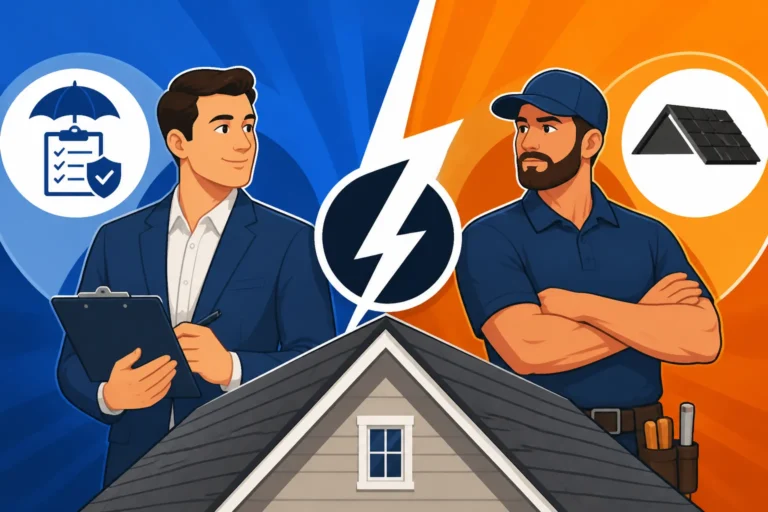
For larger projects, or if you're particularly risk-averse, you might hear the term "additional insured." This is a step beyond simply being listed as a certificate holder. When you are listed as an "additional insured" on the contractor's general liability policy, it means you gain some direct protection under their policy for claims arising from their work. This can be particularly beneficial if there's an incident, as it allows you to potentially make a claim directly against their policy without having to prove the contractor's negligence first.
However, adding a homeowner as an additional insured is not standard practice for every roofing job, especially smaller ones. Contractors may or may not agree to this, and it can sometimes involve additional costs or administrative steps. If you want this added protection, you'll need to discuss it with the contractor before signing any contracts. It would typically be noted in the "DESCRIPTION OF OPERATIONS/LOCATIONS/VEHICLES" section or via a separate endorsement. While it's an excellent layer of protection, it's something to discuss explicitly and confirm in writing, as it's not a given. Always ensure your agreement is part of What to Include in a Roofing Contract.
It’s worth noting that finding a contractor that is upfront about all these details can be facilitated through services like Modernize, which connect homeowners with vetted professionals who are expected to meet certain quality and compliance standards.
Here’s a quick summary of what to look for on that ACORD form:
| ACORD Section | What to Look For | Why It Matters |
|---|---|---|
| PRODUCER | Name of the insurance agency/broker. | Use this contact info for direct verification. |
| INSURED | Exact legal name and address of the roofing contractor. | Must match your contract; verifies who is actually covered. |
| INSURERS AFFORDING COV | Names of the insurance companies (e.g., Travelers, Hartford). | These are the companies you'll call to verify coverage directly. |
| COVERAGE TYPES | Commercial General Liability, Worker's Compensation, Commercial Auto. | Essential protections for property damage, worker injury, and vehicle incidents. |
| POLICY EFFECTIVE/EXP DATE | Ensure all policies are current and will remain active through the entire project. | An expired policy means NO coverage. |
| LIMITS | General Liability: At least $1,000,000 per occurrence. Worker's Comp: "STATUTORY." | Adequate coverage protects against significant financial loss; statutory means state-mandated. |
| DESCRIPTION OF OPS | Project address, type of work (e.g., "Roof Replacement at 123 Main St."). Also note any "Additional Insured" status. | Context for the coverage; confirms your project is covered; verifies any added protections. |
| CERTIFICATE HOLDER | Your name and address, or "Evidence of Insurance." | Confirms the certificate was issued for you; ensures you'll be notified of changes. |
| CANCELLATION | Clause detailing notice period (e.g., "30 days' written notice") if policy is canceled. | Gives you time to react if the contractor's insurance lapses during your project. |
Always remember that the most important part of this entire process is direct verification. Don't just take the certificate at face value. A brief call to the insurance provider listed on the document can save you from immense potential headaches and financial strain. It’s a small step that offers enormous protection for your roofing project and your home.
Disclaimer
Please remember that this article provides general information and should not be considered legal or professional advice. Always consult with a qualified roofing contractor, insurance professional, or legal expert for advice tailored to your specific situation and local regulations. Insurance requirements and laws vary by state and municipality.