Public Adjuster vs Roofer for Claims
When your asphalt roof suffers damage, whether from a fierce hailstorm in Texas or a sudden gust of wind ripping shingles off in Florida, the immediate stress of protecting your home is quickly followed by the daunting task of navigating an insurance claim. It’s incredibly frustrating trying to figure out who does what and who you can trust to get a fair shake, especially when you're up against a large insurance company. This guide will walk you through the distinct roles of a public adjuster and a roofing contractor, helping you understand their responsibilities and when each professional can best serve your interests during a roof insurance claim.
Understanding the Roofer's Role in an Insurance Claim
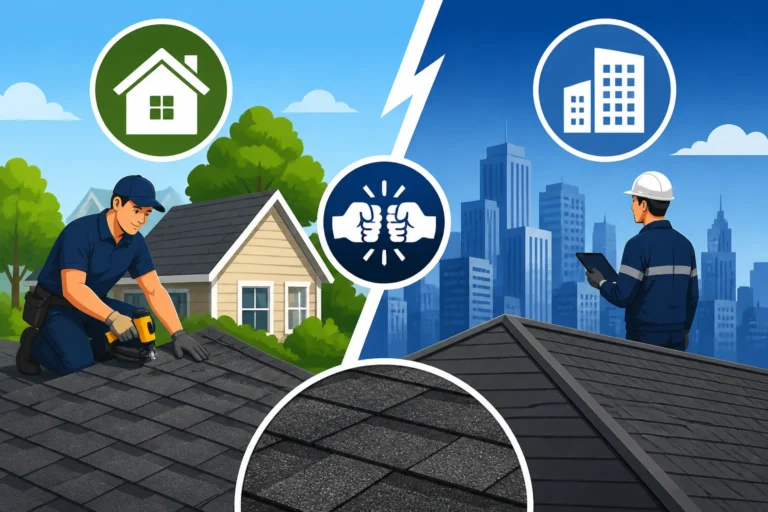
When your roof is damaged, your first thought is usually, "I need a roofer!" And you're absolutely right; a qualified roofing contractor is indispensable. However, their role in the insurance claim process specifically, while often significant, is different from that of a public adjuster. Think of your roofer as the expert on the actual physical damage and the repair or replacement necessary.
The Roofer's Primary Focus: Damage Assessment and Repair
A roofing contractor's core expertise lies in inspecting your roof, identifying all the damage, and providing an accurate estimate for the cost to repair or replace it. They are specialists in the materials, the installation process, and the local building codes. When hail leaves dents on your shingles or high winds lift a section of your roof, the roofer is the one who will get up there, take photos, meticulously document the damage, and assess its extent.
For example, if a massive thunderstorm rolls through Dallas, Texas, leaving behind hail the size of golf balls, you'd call a reputable local roofing company like one you might find through a network like Modernize. They would come out, conduct a thorough inspection, and might even climb into your attic to check for leaks or signs of hidden damage to your decking. Their primary goal is to provide a comprehensive proposal for the necessary work, ensuring that all components of your roofing system are accounted for, from the underlayment to the flashing and the new asphalt shingles. This detailed assessment is critical, not just for the repair itself, but also for substantiating your claim with your insurance provider.
Assisting with the Claims Process from a Technical Standpoint
While roofers are not licensed to negotiate your claim with the insurance company on your behalf (that’s illegal in most states for a contractor), many experienced roofing companies offer substantial assistance. They can meet with your insurance adjuster on-site, pointing out the damage they've identified and providing their professional opinion on what it will take to restore your roof to pre-storm condition. They often speak the "language" of roofing and can explain complex issues, like how wind damage can extend beyond just missing shingles to compromise the seal strips on adjacent shingles, which might not be immediately obvious to an adjuster from a different background.
They can help you understand the components of your proposed project, outlining what a full roof replacement entails, from the Cost of Roof Tear-Off and Disposal to the Cost of New Flashing and Drip Edge. They’ll also ensure their estimates align with industry standards and local building codes, which is vital because your insurance payout should cover code-compliant repairs. A good roofer will often provide an estimate formatted in a way that insurance companies understand, using pricing software like Xactimate, which many insurance adjusters also use. This can streamline the communication and reduce potential disputes over pricing.
Understanding the Public Adjuster's Role in an Insurance Claim
Now, let's talk about the public adjuster. This is a role many homeowners aren't familiar with until they find themselves in a dispute with their insurance company or feel overwhelmed by the claims process. A public adjuster is a licensed professional who works exclusively for you, the policyholder, not for the insurance company. They are your advocate, specifically tasked with navigating the intricacies of your insurance policy and negotiating the settlement of your claim.
The Public Adjuster's Primary Focus: Policy Interpretation and Negotiation
Imagine you've received an initial offer from your insurance company for roof damage, and it feels significantly lower than what your roofer quoted. This is precisely when a public adjuster steps in. Their expertise lies in understanding the complex language of insurance policies, identifying what coverage applies, and ensuring you receive a fair and full settlement according to your policy's terms. They can review your policy, interpret its clauses, and even find coverage aspects you might not have known existed.
For example, if your policy includes specific endorsements for high-wind areas or covers damage to interior property resulting from a roof leak, a public adjuster will make sure these are considered. They'll meticulously document all losses, including not just the direct roof damage but also any secondary damage to your attic, ceilings, or personal belongings caused by a leaky roof. They gather all necessary documentation, photographs, repair estimates, and even engineering reports if needed, to build a robust case for your claim. Their goal is to maximize your settlement so you can cover the actual cost of repairs and any associated damages. They can also assist with challenging a denied claim, helping you understand options if your Roof Insurance Claim Denied: What to Do.
Advocating for the Homeowner Throughout the Claim
A public adjuster takes the burden of the claims process off your shoulders. They handle all communication with your insurance company, attend inspections, present their findings, and negotiate directly with the insurer's adjuster. This can be a huge relief, especially when you're dealing with the stress of a damaged home and the complexities of insurance paperwork. They know the tactics insurance companies sometimes use to minimize payouts and are equipped to counter them effectively.
Consider a scenario where an initial estimate from the insurance company's adjuster in Colorado Springs seems to underestimate the extent of the hail damage. A public adjuster would then conduct their own independent assessment, often bringing in their own network of engineers or roofing consultants to provide an unbiased, thorough evaluation. They compile this evidence and present it to your insurer, relentlessly negotiating until a fair settlement is reached. Their compensation is typically a percentage of the final settlement, meaning they are highly motivated to get you the best possible outcome.
Key Differences and When to Choose Each
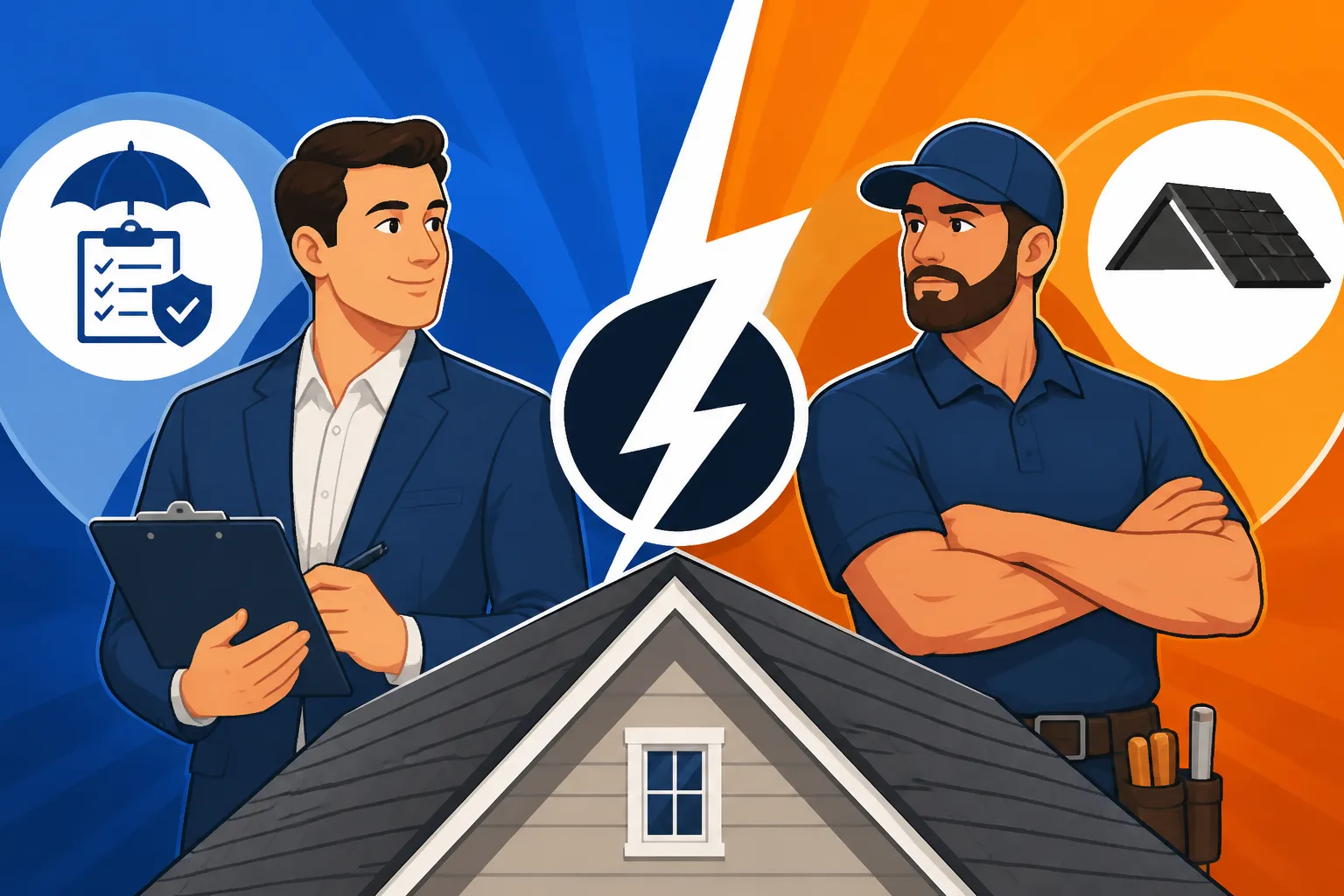
It's easy to get these roles confused because both professionals deal with your damaged roof and insurance. However, their motivations, expertise, and legal standing are fundamentally different. Knowing these distinctions will help you make an informed decision when facing a roof claim.
Who Represents Whom: Allegiance Matters
This is the most crucial difference:
- A Roofing Contractor represents their own business and their primary interest is securing the contract to repair or replace your roof. While a reputable roofer wants to do quality work and help you navigate the claim, their legal and financial allegiance is to their own company's profitability and to delivering the actual roofing service. They cannot legally or ethically represent you in the negotiation process with your insurance company. Many will provide incredible assistance and guidance, but they cannot negotiate on your behalf.
- A Public Adjuster is legally licensed and ethically bound to represent your interests as the policyholder. Their entire business model is built on advocating for you against your insurance company to achieve the maximum possible settlement. They have no vested interest in who performs the repair work, only in ensuring you receive enough money to have the work done correctly.
This distinction is vital, especially when dealing with complex claims, significant damage, or if you feel your insurance company is not being fair.
Expertise and Focus: Physical vs. Financial
Let's break down their areas of expertise:
- Roofing Contractors are experts in all things physical roof. They know shingle types, proper installation techniques, building codes like those for High-Wind Nailing Cost Premium, structural requirements, and the true cost of materials and labor. They assess the actual damage to your asphalt shingles, decking, flashing, and ventilation system. Their estimates reflect the cost to properly fix or replace these physical components. They are the best resource for understanding How a Roof Replacement Works: The Full Process.
- Public Adjusters are experts in all things insurance claims. They understand policy language, coverage limits, depreciation, deductibles, and the negotiation tactics of insurance companies. They focus on documenting your losses to align with policy terms and ensure the settlement fully compensates you for all covered damages, not just the visible roof damage but any other related losses your policy covers. They are invaluable for understanding the nuances of Does Insurance Cover Roof Replacement.
| Feature | Roofing Contractor | Public Adjuster |
|---|---|---|
| Primary Role | Assess physical damage, provide repair/replacement estimate, perform work | Interpret policy, document losses, negotiate settlement |
| Represents | Their own business (to perform services) | The policyholder (you) |
| Expertise | Roofing materials, installation, building codes, physical damage | Insurance policies, claims process, negotiation, valuation |
| Compensation | Paid for roofing services (after claim approval) | Percentage of the final insurance settlement |
| When to Engage | Immediately after damage occurs | When claim is complex, undervalued, or denied, or if you feel overwhelmed |
| Legal Authority | Cannot negotiate claim for you | Licensed to negotiate insurance claims on your behalf |
When to Engage Each Professional
Knowing when to call each professional can significantly impact your claim process and outcome.
You should always engage a roofing contractor first when your roof is damaged. They will provide that crucial initial assessment and a detailed estimate for repairs or replacement. This estimate becomes a key piece of documentation for your insurance claim. You’ll want to look for a reputable, licensed, and insured contractor who can provide a transparent estimate. They can help you with the crucial step of a Roof Damage Assessment: A Homeowner's Guide.
You should consider engaging a public adjuster if:
- Your insurance company's initial offer seems too low.
- Your claim has been denied, and you believe it should be covered.
- The damage is extensive and complex, involving more than just the roof.
- You feel overwhelmed by the insurance claims process and want an expert advocate.
- You simply don't have the time or energy to deal with the back-and-forth negotiations yourself.
For instance, if your asphalt roof was badly damaged by a microburst in Atlanta, Georgia, and the insurance adjuster only approved a partial repair for a small section of shingles, but your trusted roofer from a network like Modernize informed you that the entire roof's integrity was compromised, that's a prime situation to bring in a public adjuster. They can review your policy, reassess the damage, and challenge the insurance company's initial decision to ensure you get a full Roof Replacement Cost: Complete Breakdown.
Working Together for the Best Outcome
While distinct, these two professionals can actually complement each other, especially in complex scenarios, to ensure you get both a fair insurance settlement and a quality roof replacement.
Collaboration for a Stronger Claim
Imagine a scenario where a particularly brutal winter in Minnesota leads to significant ice dam damage, causing not just roof issues but also interior water damage. You'd first call your roofer to address the physical repair and provide an estimate for fixing the roof. They might recommend extensive work, including improved ventilation or new Ice and Water Shield Explained. Concurrently, you could engage a public adjuster. The public adjuster would take the roofer's detailed estimate and integrate it into a larger claim, ensuring that the insurance company covers not only the roof repairs but also the interior damage, the cost of temporary measures, and any other related expenses covered under your policy.
The public adjuster acts as the quarterback for the financial aspect of the claim, while the roofer is the expert on the physical scope of work. They can share documentation, clarify technical details, and ensure that the estimated costs for repair or replacement provided by the roofer are fully articulated and justified to the insurance company by the public adjuster. This collaborative approach ensures that all angles—the physical damage and the financial reimbursement—are expertly handled. It's about combining the hands-on expertise with the policy negotiation prowess.
Avoiding Potential Pitfalls and Ensuring Compliance
One common pitfall homeowners face is relying solely on a roofer who promises to "handle the entire claim" for them. While many roofers are incredibly helpful, and often have great relationships with local adjusters, they cannot legally negotiate the settlement amount on your behalf. If a roofer pushes too hard on this, it's a major red flag. Their expertise is construction, not legal insurance negotiation. A public adjuster, on the other hand, is licensed precisely for that negotiation.
When you're dealing with substantial damage, like a roof that's been totaled by a severe storm, you'll want to ensure that the process from damage assessment to final repair is smooth and compliant. This means working with a reputable roofing contractor, potentially one that is GAF Master Elite Contractors Explained or Owens Corning Platinum Preferred Explained, to ensure top-notch installation. At the same time, if the insurance company is dragging its feet or lowballing the settlement, having a public adjuster ensures that your rights are protected and you receive the funds necessary to complete the project properly, without cutting corners. They can help clarify the details around a Roofing Permit Cost and Process, ensuring all work is up to code.
Ultimately, both roofers and public adjusters serve important, distinct functions. The roofer fixes your roof, and the public adjuster helps you get the money to pay for it from your insurer. Understanding these roles and knowing when to enlist each professional can empower you to confidently navigate even the most challenging roof insurance claims, protecting your home and your peace of mind.
Disclaimer
Please remember that this information is intended for educational purposes only and should not be considered legal or financial advice. Always consult with licensed professionals, including a qualified roofing contractor and a public adjuster, to discuss your specific situation and understand your insurance policy's terms and conditions.