Local vs National Roofing Companies
Deciding on a new asphalt roof is a big step, and one of the first major hurdles homeowners face is figuring out who to trust with such a significant investment: a local roofing company or a big national chain? It's a question that brings up valid concerns about quality, cost, and accountability. This comprehensive guide is designed to thoroughly break down the unique aspects of local versus national roofing contractors, helping you understand their pros and cons so you can confidently choose the best fit for your home and peace of mind.
What Defines Local vs. National Roofing Companies?
When you start looking for a roofer, you'll quickly notice a difference in the types of companies out there. Some are clearly homegrown businesses that have been serving your community for decades, while others are part of a much larger network, possibly even spanning across multiple states. Understanding these fundamental differences is the first step to making an informed choice for your asphalt roofing project.
Understanding Local Roofing Operations
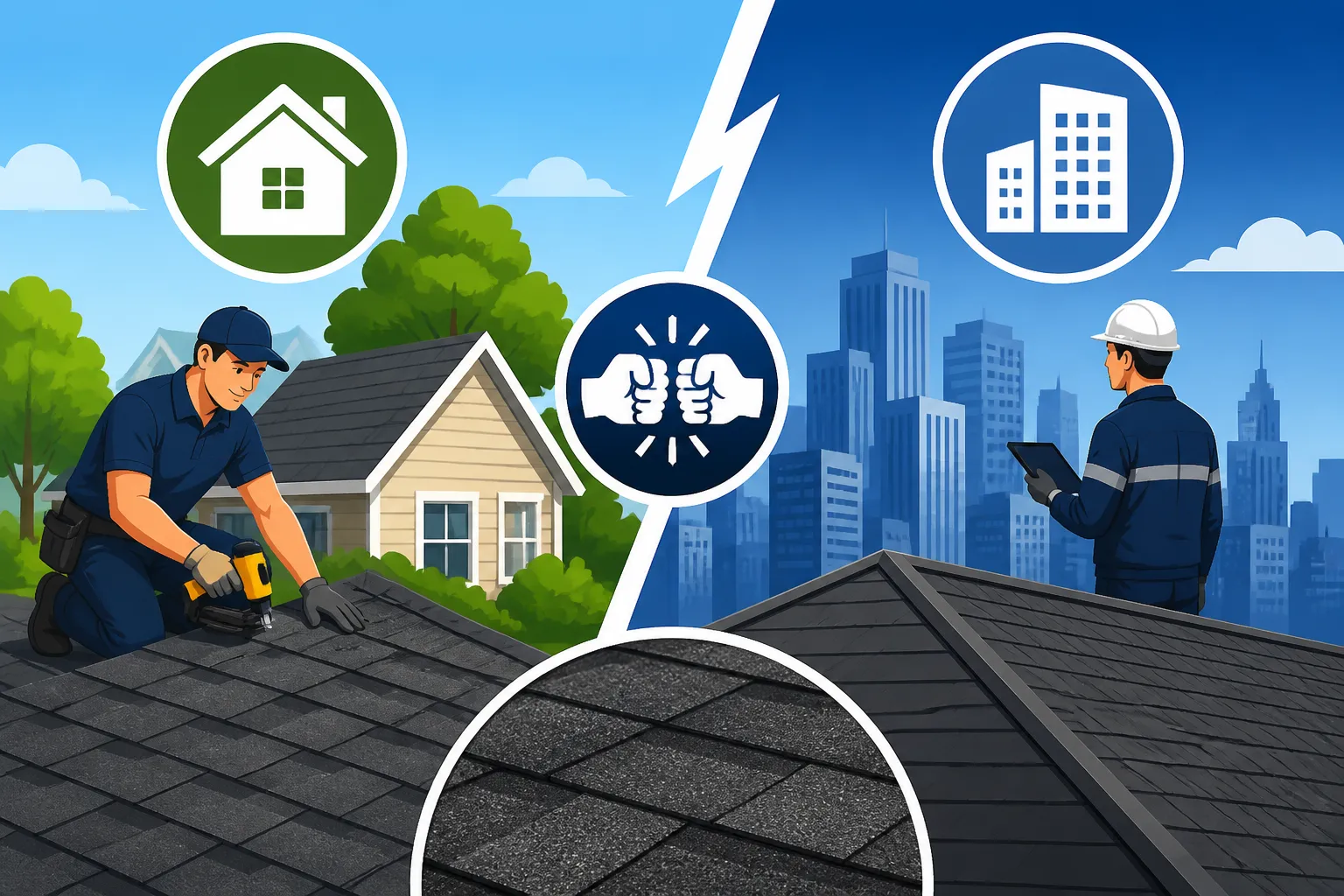
A local roofing company is typically a smaller, independently owned and operated business. Think of a contractor whose primary service area is your city, county, or a very specific region. These companies often have deep roots in the community, with owners and employees who live and work in the same neighborhoods they serve. They thrive on word-of-mouth referrals, local advertising, and building a solid reputation within their immediate area.
For example, a company like "Maple Street Roofing" in Chattanooga, Tennessee, might be run by a family that has operated in the area for two generations. Their team might consist of a few skilled crews, and the owner is likely directly involved in every project, from initial consultation to final inspection. Their business often grows organically, relying on the trust they build with each satisfied customer.
Because they're focused on a specific geographic area, local roofers are often experts in the particular challenges and requirements of that region. They know the local building codes inside and out, understand how the local climate affects asphalt shingles, and have established relationships with local suppliers and inspectors. This familiarity can be a huge asset when it comes to navigating your project smoothly.
Exploring National Roofing Chains
On the other end of the spectrum are national roofing companies. These are typically larger corporations with multiple branches or franchises operating across many states or even nationwide. They often have a standardized brand, centralized management, and extensive resources that allow them to handle a high volume of projects. While they might have local offices or teams, their overall structure and operational philosophy are dictated by a larger corporate entity.
You'll recognize these companies by their widespread advertising, their presence in multiple markets, and sometimes their ability to mobilize large crews for extensive projects, especially after widespread storm events. A national company might have a branch in Phoenix, Arizona, and another in Atlanta, Georgia, all operating under the same brand name and corporate guidelines.
These larger entities often leverage their scale to achieve efficiencies, such as bulk purchasing of roofing materials like GAF, Owens Corning, or CertainTeed shingles. They typically have sophisticated logistical systems, dedicated customer service departments, and standardized training programs for their installers. While a local office might handle day-to-day operations, the ultimate policies, warranties, and sometimes even the project management tools are set at the corporate level.
The Benefits of Choosing a Local Roofing Company
There’s a certain appeal to supporting local businesses, and when it comes to your roof, that appeal often translates into tangible benefits. Local roofers frequently offer a more personal touch and possess specific insights that can be invaluable for your asphalt roofing project.
Personalized Service and Community Accountability
One of the standout advantages of working with a local roofing company is the highly personalized service you often receive. When you hire a local team, you’re likely to interact directly with the owner or a key decision-maker from the start. This direct line of communication can lead to a more tailored experience, where your specific needs and concerns are heard and addressed with greater flexibility. It's not uncommon for a local roofer to go the extra mile because their reputation within the community is paramount. They live and breathe in the same town as their customers, meaning their accountability is deeply personal. They know they’ll run into you at the grocery store or the local high school football game, so they have a strong incentive to ensure every job is done right.
Imagine you're getting an estimate for a new roof. A local contractor might spend more time discussing your specific concerns about drainage, attic ventilation, or even the best shingle color to match your neighborhood aesthetic. They can often be more nimble and responsive to unexpected issues that arise during a project, making on-the-spot adjustments without layers of corporate approval. This level of dedication helps build trust, which is crucial when undertaking a significant home improvement like a roof replacement. If you're wondering how to vet these smaller operations, our guide on how to choose a roofing contractor can offer valuable insights.
Deep Local Market Expertise
Local roofers possess an intimate knowledge of the specific conditions and regulations in your area, which can be incredibly beneficial. They understand the local weather patterns – whether it’s the intense summer sun in Arizona, the heavy snowfall in Minnesota, or the frequent hail storms in Colorado. This understanding translates into recommendations for the most suitable asphalt shingles and underlayment, as well as proper installation techniques that can withstand the unique stresses of your climate.
Furthermore, local companies are experts on local building codes and permitting requirements. They've likely worked with your city's building department countless times, streamlining the permit acquisition process and ensuring all work complies with regional standards. For instance, in areas prone to hurricanes, local roofers will be well-versed in high-wind nailing requirements and specific flashing details that national companies might treat as a uniform standard across different climates. Their connections with local suppliers can also mean quicker access to materials and potentially better insight into what’s currently available or trending in your specific market. Knowing your local roofing building codes: what to know is critical.
Competitive and Transparent Pricing
While it's not always a guarantee, local roofing companies often have lower overhead costs compared to their national counterparts. They typically don't carry the burden of extensive corporate offices, national advertising campaigns, or multiple layers of management. This leaner operation can sometimes translate into more competitive pricing for homeowners. When you get an estimate from a local roofer, it might reflect direct costs more accurately, with fewer hidden administrative fees.
Local contractors are also often more willing to negotiate or offer flexible solutions to earn your business because each job is crucial to their livelihood and local reputation. They might be able to offer specific material substitutions or alternative approaches that save you money without compromising quality, thanks to their direct relationships with local suppliers. This transparency in pricing, coupled with a desire to maintain a strong local presence, can make them an attractive option for homeowners looking to get a great value. Our tips on how to get a lower roofing quote can also help you prepare.
The Advantages of Opting for a National Roofing Company
While local businesses offer a personal touch, national roofing companies bring their own set of powerful advantages to the table. Their scale, structure, and resources can provide a different kind of reassurance and capability that might be exactly what your project needs.
Extensive Resources and Buying Power
National roofing companies, by their very nature, operate on a much larger scale, which grants them access to extensive resources that smaller local firms might not possess. This often means they have larger workforces, enabling them to tackle bigger, more complex projects or mobilize multiple crews quickly in response to widespread storm damage. For instance, after a major hail event in a state like Texas, national chains can often deploy significant personnel and equipment to handle the surge in demand more efficiently than individual local companies might.
Their immense buying power is another significant advantage. Because they purchase materials in such vast quantities, national companies often secure better pricing on asphalt shingles from major manufacturers like GAF, Owens Corning, or CertainTeed. While these savings don't always directly translate to a lower price for the homeowner (due to their own overheads), it can mean they have consistent access to high-quality materials and can offer a broader selection of premium products. For example, if you're set on a GAF shingle roof, a national company might have preferred pricing or specific product lines available. They may also invest in specialized equipment or advanced technologies for roof measurements, safety, or installation that are simply out of reach for many local operations.
Robust Warranties and Guarantees
One of the most compelling reasons homeowners consider national roofing companies is the strength and longevity of their warranties and guarantees. A large, established corporation typically has the financial stability to stand behind its promises for the long haul. This means that if a defect arises years down the line, you have a solid corporate entity to turn to, rather than a small business that might have changed hands or even ceased operations.
National companies often offer comprehensive manufacturer warranties that are sometimes enhanced or extended due to their certified contractor status with major shingle brands. These can include material defect warranties, wind warranties, and even transferable workmanship warranties that add value if you decide to sell your home. Understanding the nuances of roofing warranties: manufacturer vs workmanship is crucial when comparing bids. These warranties often come with a clear, standardized process for claims, giving homeowners greater peace of mind knowing they are protected against potential issues.
Standardized Processes and Quality Control
Consistency and reliability are hallmarks of many national roofing companies. They typically implement rigorous, standardized processes for every aspect of a roofing project, from the initial consultation and detailed estimate to the installation and final cleanup. This means that whether your roof is being installed in Ohio or California, the company aims to maintain the same high level of quality and adherence to best practices.
These companies often have extensive training programs for their installers, ensuring that all crews are up-to-date on the latest installation techniques and safety protocols. They employ strict project management guidelines, often leveraging digital tools for tracking progress, scheduling, and communicating with homeowners. This focus on consistency means you’re less likely to encounter significant variations in workmanship from one crew to another. When looking for a trusted contractor, platforms like Modernize can help connect you with pre-vetted roofers who adhere to industry standards, regardless of their operational scale. This commitment to quality control aims to minimize errors and deliver a dependable finished product.
Navigating the Potential Downsides of Local Roofers
While local companies offer many advantages, it's also important to be realistic about their potential limitations. Understanding these can help you manage expectations and make sure a local contractor is the right fit for your specific roofing needs.
Limited Resources and Capacity
One of the most noticeable downsides of smaller local roofing companies is their potentially limited resources and capacity. Unlike national chains with vast employee pools, a local roofer might only have a few crews. This can directly impact project timelines, especially during peak season or after a major storm. If demand is high, you might find yourself waiting longer for your project to start or experience slower progress once it begins. If you're wondering how long a roof replacement takes, be aware that local companies may have less flexibility in their scheduling.
Furthermore, a local company might not have the same financial flexibility as a national one. This could mean they have fewer resources to invest in specialized equipment, advanced training, or to absorb unexpected costs that might arise during a complex roofing job. If a particular material is back-ordered, a smaller company might have fewer alternative suppliers or less leverage to expedite delivery compared to a large national buyer. This isn't to say they can't handle complex jobs, but it's a factor to consider for very large or time-sensitive projects.
Variable Quality and Consistency
The quality and consistency of work from local roofing companies can sometimes be more variable than with their national counterparts. Because local businesses often rely on the expertise and standards set by an individual owner or a small management team, the level of craftsmanship can vary significantly from one company to the next, and even from one crew to another within the same company. There's less of a corporate-mandated, uniform training program, meaning the skills and experience of the crew assigned to your project might not be as consistently high.
It's also important to be diligent in verifying credentials. While many local roofers are highly skilled and reputable, the market unfortunately also includes "fly-by-night" operators who lack proper licensing, insurance, or the necessary experience. These less scrupulous companies can offer tempting low bids but often cut corners, leading to shoddy workmanship and future problems. Homeowners need to be extra vigilant, checking references, verifying insurance, and looking out for roofing contractor red flags to avoid when dealing with smaller, lesser-known entities.
Understanding the Challenges with National Roofing Chains
Just as local roofers have their limitations, national companies also come with their own set of potential drawbacks. It's important to look beyond the slick marketing and understand where their corporate structure might not align perfectly with every homeowner's needs.
Less Personalized Customer Experience
While national roofing companies offer extensive resources, this often comes at the cost of a truly personalized customer experience. You might find yourself interacting with different sales representatives, project managers, and customer service agents throughout your project. The communication can feel more bureaucratic and less direct, making it harder to build a personal relationship with the team overseeing your roof replacement. You could feel like just another number in their system, especially if your project isn't exceptionally large or complex.
The corporate structure means decisions often need to go through multiple layers of management, which can slow down responses to unique requests or unexpected issues. If you have a specific concern during installation, getting a quick resolution might involve navigating a call center or waiting for a project manager to get approval from a regional director. This lack of direct access to decision-makers can be frustrating for homeowners who prefer a more hands-on, flexible approach to their home improvement projects.
Higher Overhead Costs and Potential for Up-selling
Despite their significant buying power, national roofing companies often have higher overhead costs than local operations. These costs include extensive corporate infrastructure, national advertising campaigns, multiple layers of management, and potentially higher administrative expenses. These additional costs are typically factored into the overall price of your roofing project, which can sometimes make national companies more expensive than comparable local options.
Furthermore, national chains sometimes operate with sales quotas or a more aggressive sales approach, which can lead to up-selling products or services you might not necessarily need or desire. They might have a standardized set of premium upgrades they push, even if a simpler, more cost-effective solution would suffice for your home. It's crucial to carefully scrutinize their estimates and ask detailed questions about every line item to ensure you're not paying for hidden costs in a roof replacement or features that don't genuinely add value for your specific situation.
Slower Response Times for Post-Installation Issues
While national companies boast robust warranties, actually getting those warranties honored or obtaining post-installation service can sometimes be a slower, more cumbersome process. Their larger, more complex operational structures can mean that scheduling a technician for a minor repair or a warranty claim requires navigating a centralized customer service system, which might involve longer wait times for appointments. The technician might need to travel from a regional hub, adding to the delay.
Unlike a local roofer who might live a few streets over and can swing by quickly, a national company's service department might have a more rigid scheduling system that prioritizes new installations or larger projects. This can be particularly frustrating if you experience a small leak or a minor issue shortly after installation and need a prompt response. While their warranty promises are strong on paper, the practical aspect of getting timely service can sometimes be a challenge.
Key Factors to Consider When Making Your Decision
Choosing between a local and national roofing company isn't about one being inherently "better" than the other. It's about finding the best fit for your specific project, preferences, and peace of mind. Here are some key factors to weigh before making your final decision.
Your Project's Scope and Urgency
The scale and timeline of your roofing project should heavily influence your choice. For a small repair, like replacing a few missing shingles or fixing a minor leak, a local roofer might offer quicker service and more focused attention. They are often more agile for smaller jobs and can fit them into their schedule more easily. Our article on roof repair vs replacement: how to decide can further guide your thinking here.
However, if you're undertaking a full asphalt roof replacement on a large, complex home, or if your roof has suffered extensive storm damage requiring immediate attention, a national company might have the larger workforce and resources to complete the job more quickly and efficiently. Their ability to mobilize multiple crews and handle large material orders can be a significant advantage in these scenarios. Consider how quickly you need the work done, and whether the company's capacity aligns with that urgency.
Researching Reputation and Credentials
Regardless of whether you lean local or national, thorough research into their reputation and credentials is non-negotiable. Don't just rely on what they tell you during the estimate. Take the time to:
- Check Online Reviews: Look at platforms like the Better Business Bureau, Google Reviews, Yelp, and industry-specific sites. Pay attention to consistent themes in customer feedback. Do people praise their communication or complain about delays?
- Ask for References: A reputable company, whether local or national, should be happy to provide contact information for recent clients. Call them and ask about their experience, the project timeline, and how any issues were handled.
- Verify Licenses and Insurance: This is absolutely critical. Ensure the company is properly licensed to operate in your state or municipality and carries comprehensive liability insurance and workers' compensation. This protects you from potential legal and financial headaches if an accident occurs on your property. Our guide on questions to ask a roofing contractor before hiring emphasizes these points.
- Manufacturer Certifications: Many top asphalt shingle manufacturers like GAF, Owens Corning, and CertainTeed offer certification programs for contractors. These certifications often mean the contractor has undergone specific training and meets certain standards, which can also lead to enhanced warranty options. Verify these certifications directly with the manufacturer if possible.
Platforms like Modernize can be a valuable resource here, helping homeowners connect with pre-vetted local and national contractors, streamlining the process of finding reliable professionals.
Comparing Estimates and Warranties
When you receive bids, don't just look at the bottom-line price. A detailed estimate should be a transparent breakdown of all costs, including materials (shingle type, underlayment, flashing, vents), labor, tear-off and disposal fees, and permit costs. Compare at least three to four estimates side-by-side, making sure they all propose similar scopes of work and materials. If one bid is significantly lower than others, it's a major red flag that corners might be cut. Our piece on how to read and compare roofing estimates provides a deep dive into this process.
Pay extremely close attention to the warranty details. Understand the difference between the manufacturer's warranty (which covers the shingles themselves) and the contractor's workmanship warranty (which covers the installation). National companies often offer more extensive, corporate-backed workmanship warranties, while local companies might rely more on manufacturer warranties or their personal guarantee. Clarify the length, coverage, and any transferability clauses of both types of warranties. A solid warranty is your long-term protection against defects and issues.
Communication and Trust
Ultimately, your roofing project will run smoother if you feel comfortable and confident with the company you've chosen. Assess their communication style during the initial consultation. Are they responsive to your questions? Do they explain things clearly, or do you feel pressured or confused? A good contractor, whether local or national, should be transparent, patient, and willing to educate you about the process.
Consider your personal preferences. Do you value the direct, often more personal relationship you can build with a local business owner? Or do you prefer the structured, perhaps more detached professionalism of a larger corporate entity? Trust is a huge factor in any home improvement project. Choose the company that instills the most confidence in their ability to deliver a quality roof and stand behind their work for years to come.
Disclaimer
Please remember that roofing projects involve inherent risks and complex technical details. The information provided in this article is intended for general guidance and informational purposes only, and does not constitute professional advice. Always consult with multiple qualified, licensed, and insured roofing contractors in your local area for specific recommendations, detailed estimates, and expert advice tailored to your property's unique needs and local building codes. Do not rely solely on the information presented here when making significant financial or construction decisions.