How to Choose a Roofer for a full replacement
The thought of a full roof replacement can be utterly overwhelming, conjuring images of massive expenses, confusing contracts, and the nagging fear of picking the wrong contractor. It's a colossal investment, and you want to ensure your home's most vital protection is in expert, trustworthy hands. This guide will walk you through the essential steps to confidently choose a roofer for a full replacement, helping you navigate the process with peace of mind and avoid common pitfalls.
Starting Your Search: Where to Find Reputable Roofers
Finding a great roofer for a full replacement isn't about picking the first name you see online. It's about careful research and due diligence to ensure you're entrusting your home to skilled, reliable professionals. Your roof is too critical an element of your home's integrity to leave to chance, so taking the time here is absolutely paramount.
Local Recommendations and Online Reviews
One of the most powerful tools in your arsenal is good old-fashioned word-of-mouth. Ask your neighbors, friends, and family who they've used for their roof replacements, especially if they’ve had a positive experience. People are often eager to share their insights, both good and bad, and a personal recommendation often comes with a level of trust that simply can't be bought. When someone you know can attest to a contractor's professionalism, quality of work, and adherence to budget and timeline, that's a huge green light.
Beyond personal connections, dive into online review platforms like Google, Yelp, and the Better Business Bureau (BBB). Pay close attention not just to the star rating, but to the content of the reviews. Look for patterns: do multiple reviews mention excellent communication, clean-up, or staying on budget? Conversely, are there recurring complaints about missed deadlines, hidden fees, or poor workmanship? It's also telling how a company responds to negative feedback; a professional, empathetic response often speaks volumes about their commitment to customer satisfaction. Remember, anyone can have an off day, but consistent issues are a serious red flag.
Utilizing Online Contractor Matching Services
In today's digital age, platforms designed to connect homeowners with contractors can be incredibly helpful. Services like Modernize can streamline the initial search by providing you with a list of pre-vetted local roofers. Instead of sifting through endless search results and calling dozens of companies yourself, these platforms do some of the heavy lifting, often connecting you with several contractors who are available for bids in your area. This can be a huge time-saver and a great way to kickstart the process of gathering multiple estimates.
When using such services, remember they are a starting point. While they help you discover potential candidates, it's still crucial to perform your own comprehensive vetting of each recommended contractor. Think of it as getting a curated list of possibilities, rather than a definitive endorsement. You'll still need to check licenses, insurance, references, and reviews, but at least you're beginning with a manageable selection of reputable firms rather than blindly searching.
Manufacturer Certifications and Industry Affiliations
A major indicator of a roofer's commitment to quality and ongoing training is their affiliation with leading shingle manufacturers. Look for contractors who hold certifications like GAF Master Elite, Owens Corning Platinum Preferred, or CertainTeed SELECT ShingleMaster. These aren't just fancy titles; they signify that the roofing company has met rigorous standards set by the manufacturer, including extensive training, a proven track record, and a commitment to using the manufacturer's products correctly.
These certifications often come with significant benefits for you, the homeowner. For example, many of these elite programs allow contractors to offer enhanced warranties that go far beyond the standard material warranty, often covering workmanship for a longer period and sometimes even offering a non-prorated period. This means that if there's an issue down the road, you have the backing of both the contractor and a major shingle manufacturer. It’s a powerful layer of protection for your investment, and something we delve into further in our guide on Manufacturer-Certified Roofers Explained.
Vetting Contractors: What to Check Before an Estimate
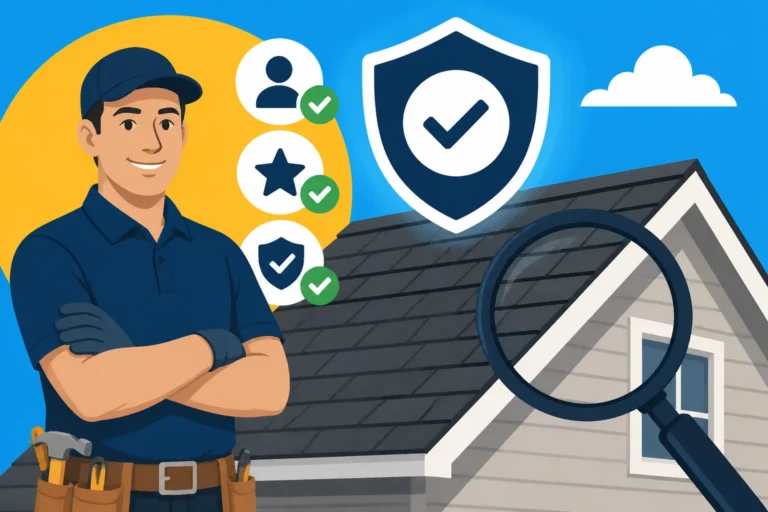
Once you've identified a few potential roofers, it's time to dig deeper before you even invite them for an estimate. This pre-screening process will save you a lot of time and heartache later on, filtering out unreliable or unqualified companies right from the start. This is where you really start to separate the wheat from the chaff.
Confirming Proper Licensing and Insurance
This is non-negotiable, absolutely paramount, and arguably the most important step. A legitimate roofing contractor must be properly licensed and insured. Licensing ensures they meet local and state requirements for competency and ethical business practices. The specific requirements can vary wildly depending on where you live, so make sure to check your state or county's contractor licensing board. We discuss these nuances in our article, Licensed and Insured Roofers: Why It Matters.
Even more critical is insurance. Ask for proof of both general liability insurance and workers' compensation insurance. General liability protects your property from any damage caused by the roofing company during the project. Imagine a worker accidentally drops a stack of shingles through your skylight – without this, you could be on the hook for repairs. Workers' compensation is equally vital; if a roofer gets injured on your property, this insurance covers their medical expenses and lost wages. Without it, you, the homeowner, could be held liable. Do not accept a contractor who cannot provide current certificates of insurance directly from their insurance carrier. A simple photocopy from their office is not enough; always verify directly with the insurer if you have any doubts.
Assessing Experience and Specialization
While a new company might offer a slightly lower bid, nothing beats experience, especially for a full roof replacement. Ask how long the company has been in business, and how many full roof replacements they complete annually. A contractor with a long-standing history in your community suggests stability and a proven track record. They’ve likely seen and solved every roofing challenge imaginable.
Furthermore, inquire about their specialization. While many roofers work with various materials, ensure they have extensive experience specifically with asphalt shingles if that's what you're getting. An expert in flat commercial roofs might not be the best choice for a steep-pitched residential asphalt shingle roof. Ask for references from past clients whose homes are similar to yours in size, style, and roofing material. A good roofer should be proud to showcase their work and connect you with satisfied customers.
Evaluating Communication and Professionalism
From your very first contact, pay close attention to how the contractor communicates. Do they answer the phone promptly, or return calls within a reasonable timeframe? Are their emails clear and professional? Do they show up on time for appointments? These might seem like minor details, but they are strong indicators of how the entire project will unfold. A contractor who is disorganized or lacks clear communication from the start will likely cause headaches once the actual work begins.
During your initial conversations, observe their professionalism. Are they respectful of your time and property? Do they seem knowledgeable and willing to answer all your questions thoroughly, without making you feel rushed or silly for asking? A good roofer should be an educator, explaining the process, materials, and options clearly, not just a salesperson pushing for a quick signature. A lack of transparency or an overly aggressive sales pitch are definite Roofing Contractor Red Flags to Avoid.
Getting and Comparing Estimates: Asking the Right Questions
Once you've narrowed your list to a few promising candidates, it's time to get detailed estimates. Remember, you're not just looking for the cheapest price; you're looking for the best value – a combination of quality work, reliable materials, and a fair price. Aim to get at least three estimates to give yourself a good comparison point. Modernize can be a valuable tool for getting several quotes quickly and easily.
The Detailed Estimate Breakdown
A comprehensive roofing estimate should be much more than just a single price. It needs to be an itemized breakdown of everything included in the project. This means detailing all materials, labor costs, permit fees, and disposal costs. A good estimate will specify the brand and type of shingles (e.g., GAF Timberline HDZ or Owens Corning Duration), underlayment (synthetic vs. felt), drip edge, flashing, and ventilation components. It should also clarify the scope of work, including tear-off of old layers, inspection of the roof deck, and any necessary repairs to the decking. Our guide on What a Roofing Estimate Should Include offers a deeper dive into this.
Be wary of vague or overly simple estimates that just state a lump sum. These can hide hidden costs or omit crucial components, leading to unpleasant surprises down the line. For instance, if an estimate doesn't mention the Cost of Roof Tear-Off and Disposal, you might find yourself with an unexpected bill for that service later.
Asking Key Questions During the Consultation
When a contractor comes to your home for an estimate, treat it as an interview. This is your chance to gather critical information and assess their expertise. Here are some essential questions to ask:
- What is your experience with houses like mine? (e.g., steep pitch, multiple dormers, older construction)
- What roofing system do you recommend and why? (They should be able to articulate the benefits of their chosen materials).
- What kind of underlayment, flashing, and ventilation will you use? (These are crucial components that impact the roof's longevity).
- How do you protect my property during the installation? (Good contractors will discuss tarps, magnetic sweeps for nails, etc.).
- What is your timeline for completion? (Understanding How Long a Roof Replacement Takes helps manage expectations).
- Who will be supervising the project daily? (You want a clear point of contact).
- What is your clean-up process? (A thorough clean-up is often a hallmark of a professional job).
- Do you pull all necessary permits? (This is crucial for legal compliance and inspections).
Make sure to listen carefully to their answers. Do they provide clear, confident explanations, or do they seem evasive or unsure? A contractor who takes the time to answer your questions thoroughly is likely one who will be attentive throughout the entire project.
Understanding Warranties and Guarantees
Warranties are your long-term protection, and they come in two main types: material warranties from the manufacturer and workmanship warranties from the contractor. A good roof replacement should come with both. Manufacturer warranties cover defects in the shingles themselves, typically ranging from 25 years for 3-tab shingles to 50 years or even lifetime for architectural or designer shingles.
The workmanship warranty, provided by the contractor, covers the quality of the installation. This is incredibly important because most roof failures are due to improper installation, not defective materials. Look for a workmanship warranty of at least 5-10 years, though some top-tier contractors, especially those with manufacturer certifications, might offer even longer periods. Always get these warranties in writing and understand what they cover, and more importantly, what they don't cover. Our article on Roofing Warranty: Workmanship vs Manufacturer breaks down these distinctions.
Sealing the Deal: Contracts, Payments, and Installation Preparation
After reviewing all your options, you're ready to make a decision. But before any work begins, there are a few critical final steps to ensure a smooth, successful roof replacement.
Reviewing the Contract Thoroughly
Never, ever sign a roofing contract without reading every single word. The contract should mirror everything discussed during the estimate phase. It should clearly outline the scope of work, materials to be used (including brand, type, and color of shingles), project timeline, total cost, payment schedule, and all warranty details. It should also include clauses about property protection, debris removal, and who is responsible for pulling permits.
Look for specific details that avoid ambiguity. For example, instead of "new shingles," it should say "GAF Timberline HDZ architectural shingles, color Charcoal." If anything in the contract differs from what was discussed, or if there are any blanks, get clarification and have it amended before signing. This document protects both you and the contractor, and a well-written contract prevents misunderstandings down the line. Our post, Roofing Contract: What to Look For, provides a helpful checklist.
Understanding Payment Schedules and Deposits
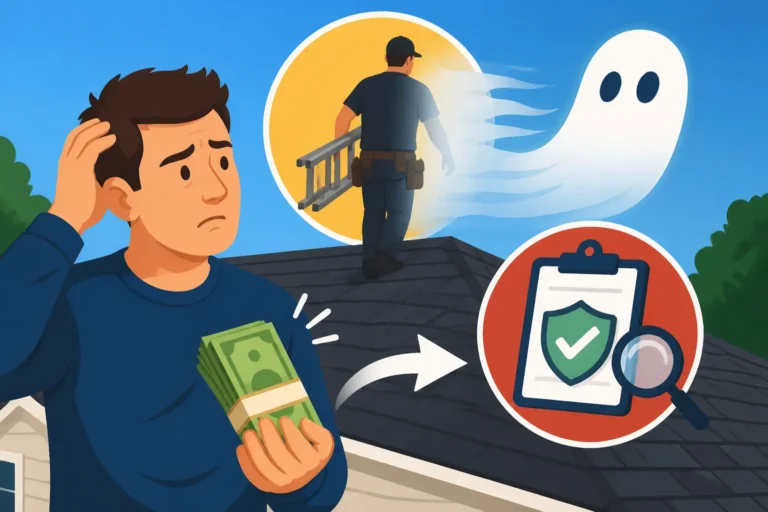
A reputable roofing contractor will typically ask for a deposit upfront, but it should never be for the full amount. In many states, there are legal limits on how much a contractor can request as a down payment. A common payment structure involves a deposit (often 10-30% of the total cost), a progress payment once materials are delivered or a significant portion of work is completed, and a final payment upon satisfactory completion of the entire project.
Be highly suspicious of any contractor who demands 50% or more upfront, or insists on full payment before any work has even begun. This is a significant red flag. Always pay by check or credit card, which provides a paper trail, rather than cash. Ensure that the payment schedule is clearly detailed in the contract. Understanding Roofing Deposit: How Much Is Normal can help you avoid predatory practices.
Preparing Your Home for Installation Day
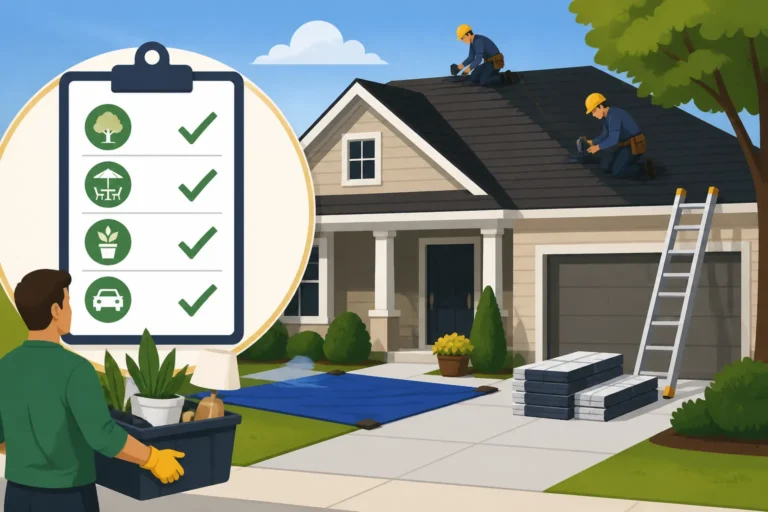
Once the contract is signed and the dates are set, you'll need to do a little prep work to ensure a smooth installation day for both you and the roofing crew. This includes things like clearing your driveway and yard of vehicles, outdoor furniture, and anything else that could be damaged or impede access. It's also a good idea to move any valuable or fragile items in your attic or near exterior walls, as the roof replacement process can create significant vibrations.
You might also want to ensure that children and pets are kept away from the work area for safety. If you have sensitive landscaping, discuss protection measures with your contractor. A good contractor will usually lay down tarps to catch debris, but taking your own precautions can’t hurt. Thinking about these details beforehand will minimize stress and potential issues once the noisy, busy work of a full roof replacement begins.
| Key Contractor Vetting Checklist | What to Look For | Why It Matters |
|---|---|---|
| Licensing | Up-to-date state/local license | Ensures legal operation & competency |
| Insurance | General Liability & Worker's Comp certificates | Protects your property and avoids liability for injuries |
| Experience | 5+ years in business, references | Indicates stability & expertise |
| Manufacturer Certifications | GAF Master Elite, Owens Corning Platinum Preferred, etc. | Access to enhanced warranties & high-quality installation |
| Online Reputation | Positive reviews on Google, BBB, Yelp | Reflects customer satisfaction & business practices |
| Clear Communication | Prompt, professional, transparent | Predicts smooth project management |
| Detailed Estimates | Itemized breakdown of costs and materials | Prevents hidden fees & misunderstandings |
| Strong Warranties | Both Manufacturer (materials) and Workmanship (installation) | Long-term protection for your investment |
| Fair Payment Terms | Reasonable deposit, progress payments | Protects you from fraud, ensures project completion |
Disclaimer
Please remember that roofing information and local regulations can change. Always consult with a qualified, licensed roofing professional and your local authorities for the most accurate and up-to-date advice specific to your situation and location. This guide is for informational purposes only and does not constitute professional advice.