How to Choose a Roofer for a rental property
Owning a rental property comes with a unique set of responsibilities, and few are as critical—or as stressful—as managing a roof replacement. It’s not just about protecting your investment; it's about minimizing disruption for your tenants, ensuring their safety, and safeguarding your cash flow. If you're an absentee landlord trying to coordinate a major renovation from a distance, the challenge intensifies exponentially. This guide is here to walk you through the specifics of choosing the right roofer for your rental property, making the process as smooth and worry-free as possible.
Understanding the Unique Challenges of Rental Property Roofing
Replacing a roof on your primary residence is one thing, but a rental property adds several layers of complexity. You’re not just thinking about your family’s comfort or your own schedule; you’re balancing the needs of your tenants, the financial implications for your business, and the logistics of managing a project potentially from afar. These unique factors mean you need a roofer who truly understands the difference.
Tenant Coordination and Access
One of the biggest hurdles when reroofing a rental property is coordinating with your tenants. Unlike your own home, you can't just tell everyone to clear out for a few days. You need a contractor who is respectful of tenants' schedules, understands the need for clear communication, and can work efficiently to minimize inconvenience. Imagine a situation where the crew shows up unannounced, blocks a tenant's driveway, or leaves debris scattered, making their living situation difficult. This can lead to complaints, lost rent, or even legal issues. A professional roofer will discuss a plan for tenant notification, access, and clean-up with you beforehand, ensuring everyone is on the same page. They might even offer to place notices on doors or provide contact information for tenants in case of immediate concerns.
Budgeting and ROI Considerations
For a rental property, every dollar spent on renovations needs to be considered through the lens of return on investment (ROI). While you want a quality roof that protects your asset, you also need to ensure the cost is justified by increased property value, longer lifespan, or reduced maintenance. This isn't just about the cheapest bid, but about finding the sweet spot between durability, aesthetics, and cost-effectiveness. A seasoned roofer who works with investment properties can help you weigh options, like choosing between standard architectural shingles for a good balance of cost and longevity, or perhaps a more durable, impact-resistant shingle if your property is in a hail-prone area, which could potentially lower insurance premiums. Understanding your overall Roof replacement ROI explained is crucial here.
Insurance and Liability for Rental Properties
The stakes for insurance and liability are higher with rental properties. If a worker gets injured on your property, or if there's damage to a tenant's belongings during the re-roofing process, you need to be sure your contractor is adequately insured. This includes general liability insurance to cover property damage and workers' compensation to protect their crew. Without proper coverage, you, as the property owner, could be held responsible for hefty medical bills or repair costs. Furthermore, your homeowners' insurance policy for a rental property might have different stipulations than one for an owner-occupied home. Always check with your insurance provider and ensure your chosen roofer can provide current certificates of insurance directly from their carrier.
Key Qualities to Look for in a Roofing Contractor for Rentals
Not every great roofer is the right roofer for a rental property. You need specific attributes that cater to the unique demands of managing an investment property. It's about more than just nailing shingles; it's about partnership and peace of mind.
Experience with Investment Properties
A contractor who regularly works on rental or multi-unit properties will understand the specific dynamics involved. They know how to handle tenant communication, keep disruptions to a minimum, and schedule work around occupied units. They're also often more attuned to the budget constraints and long-term durability needs of rental properties, as opposed to someone focused solely on high-end residential projects where budget might be less of a concern. Don't be shy about asking potential roofers if they have a portfolio of similar projects or references from other landlords. This specialized experience is invaluable. You can also leverage platforms like Modernize to find contractors who specialize in investment property renovations.
Excellent Communication Skills
This is non-negotiable, especially if you're not living next door to your rental. You need a roofer who is proactive in their communication, providing regular updates on progress, potential delays, and any unforeseen issues. They should be easy to reach by phone or email and willing to use your preferred method of communication. A contractor who goes silent for days after starting the job can be a nightmare, especially when you're trying to manage tenant expectations or your own schedule. Establishing clear communication protocols from the outset can save a lot of headaches later on.
Reliability and Timeliness
Time is money, particularly with a rental property. Delays in a roof replacement can mean lost rental income, disgruntled tenants, or even issues with insurance claims if the property remains vulnerable to further damage. You need a roofer who can commit to a realistic timeline and stick to it. Ask about their typical project duration and what measures they take to stay on schedule, even in the face of unexpected weather or material delays. A reliable contractor will have contingency plans and keep you informed. You should also consider how long a roof replacement takes in general to set realistic expectations.
Licensing, Insurance, and Warranties
This goes beyond just good practice; it’s a critical safeguard for your investment. Always confirm your roofer is properly Licensed and insured roofers: Why it matters in your state and locality. A legitimate contractor will happily provide proof of their current license and comprehensive insurance policies (general liability and workers' compensation). Furthermore, inquire about the warranties they offer, both for materials (manufacturer warranty) and their workmanship (contractor warranty). A strong warranty provides peace of mind that if issues arise down the line, you won't be left footing the bill again. Understand the differences between a Roofing Warranty: Workmanship vs Manufacturer to ensure you're fully covered.
The Vetting Process: How to Ensure You Hire the Right Roofer
Finding a great roofer for your rental property means doing your homework. Don't rush into a decision based solely on price. A thorough vetting process will protect your investment and save you from potential headaches down the line.
Getting Multiple, Detailed Estimates
Never settle for just one bid. Aim to get at least three detailed estimates from different roofing companies. These estimates should not just be a single price, but a breakdown of all costs, including tear-off, materials (shingle type, underlayment, flashing), labor, and disposal. Pay close attention to how they measure the roof, what components they plan to replace, and any optional upgrades. This allows you to compare apples to apples and avoid hidden costs. A platform like Modernize can help you easily gather multiple quotes from pre-vetted contractors in your area, simplifying this crucial first step. Understanding How to Read and Compare Roofing Estimates is key here.
Checking References and Online Reviews
Word-of-mouth is powerful, especially for rental properties where reputation for respecting tenants matters. Ask potential contractors for references from previous clients, particularly other property managers or landlords if possible. Don't just get the names; call them! Ask about their experience, the contractor's communication, adherence to budget and schedule, and how they handled any unexpected issues. In addition to references, check online review platforms like Google, Yelp, and the Better Business Bureau. Look for consistent positive feedback, but also pay attention to how they respond to negative reviews. A company that professionally addresses complaints shows a commitment to customer satisfaction.
Verifying Credentials and Financial Stability
Beyond just asking for proof of license and insurance, take the time to verify them. Call the state licensing board to confirm the license is active and check with the insurance provider directly to ensure the policies are current and adequate. A quick search with the state's Secretary of State office can also confirm if the business is officially registered and in good standing. For larger projects, you might even consider asking for a credit reference or proof of bonding, which offers an additional layer of financial protection. A financially stable company is less likely to cut corners or disappear halfway through the job. You can also explore local resources for Roofing Contractor License Requirements by State.
The Importance of a Solid Contract
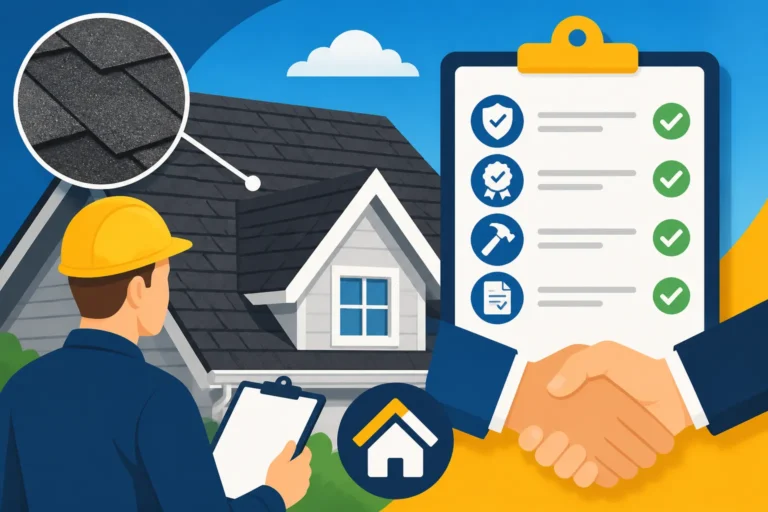
Once you've chosen a roofer, a comprehensive written contract is your best friend. This document should detail every aspect of the project: the scope of work, materials to be used (brand, color, type of shingles), start and end dates, payment schedule, warranty information, and clean-up procedures. It should also specify how change orders will be handled and what constitutes a delay. Never agree to work based on a handshake or a vague estimate. A well-written contract protects both you and the contractor and prevents misunderstandings. Make sure the contract includes provisions for tenant notification and property protection specific to a rental. Avoid any Roofing Red Flag: No Written Contract situations.
| Aspect of Contract/Estimate | Why it Matters for a Rental Property | What to Look For |
|---|---|---|
| Detailed Scope of Work | Ensures all necessary work is covered, preventing future repairs. | Specifics on tear-off, underlayment, flashing, shingle type, ventilation, disposal. |
| Material Specifications | Consistency across multiple properties, potential for long-term savings. | Brand, model, color of shingles; type of underlayment, drip edge. |
| Project Timeline | Minimizes tenant disruption and potential lost rental income. | Clear start/end dates, milestones, penalty clauses for delays (if applicable). |
| Payment Schedule | Protects your finances; aligns payments with completed work phases. | Deposit amount (usually 10-30%), progress payments, final payment upon satisfaction. Avoid large upfront payments. |
| Proof of Insurance | Critical for liability protection for you and your tenants. | Current certificates for General Liability and Worker's Compensation directly from insurer. |
| Warranty Details | Long-term protection for your investment, avoids future repair costs. | Manufacturer's warranty (duration, coverage) and contractor's workmanship warranty (duration, what it covers). |
| Tenant Communication Plan | Essential for smooth operations and tenant satisfaction. | Agreed-upon methods/timing for tenant notices, access protocols, noise considerations. |
| Clean-up Procedures | Maintains property appearance and tenant safety, avoids complaints. | Daily site clean-up, magnet sweeps for nails, disposal of all debris. |
| Permit Acquisition | Ensures legal compliance and proper inspection. | Contractor's responsibility to pull and manage all necessary Roofing Permits Explained. |
Managing the Project: Communication and Oversight for Absentee Owners
Even with the best roofer, managing a project on a rental property, especially from a distance, requires a proactive approach. It's about setting clear expectations and having systems in place to monitor progress and address concerns promptly.
Clear Communication Protocols
Before work begins, establish a crystal-clear communication plan with your contractor. This should include:
- Primary Contact: Who at the roofing company is your direct point of contact?
- Frequency of Updates: How often will you receive updates (daily, every other day, weekly)?
- Method of Communication: Email, text, phone calls?
- Emergency Procedures: What happens if an urgent issue arises?
- Tenant Point of Contact: Will tenants have a way to reach the crew foreman with immediate, on-site concerns?
For example, you might request a quick photo update via text at the end of each day, showing progress and confirming the site is clean. This helps you stay informed without needing to be physically present.
Tenant Relations During the Job
A considerate roofer understands the importance of maintaining good tenant relations. Before the project starts, work with your contractor to draft a clear, polite notice for your tenants. This notice should inform them about:
- Start and End Dates: Approximate timeline for the work.
- Working Hours: When the crew will be on-site.
- Potential Noise/Disruption: Warning about expected noise levels.
- Parking/Access Changes: If any driveways or parking spots will be temporarily blocked.
- Safety Precautions: Instructions to keep children and pets away from the work area.
- Your Contact Information: For questions or concerns they can't resolve with the on-site foreman.
A good roofer will actively participate in this process, perhaps even offering to distribute the notices. During the project, instruct your tenants to communicate any immediate concerns directly to the on-site foreman or a designated project manager, with a clear understanding that they can escalate to you if needed.
Post-Installation Inspection and Payment
Before making the final payment, always arrange for a thorough post-installation inspection. If you're an absentee owner, this might involve hiring an independent home inspector or a trusted local property manager to go over the roof with a fine-tooth comb. They should check for:
- Workmanship Quality: Are shingles properly aligned, nailed, and sealed? Is flashing correctly installed around chimneys, vents, and valleys?
- Completeness: Was all work outlined in the contract completed?
- Cleanliness: Is the property completely free of debris, nails, and packaging? This includes flower beds, driveways, and surrounding areas.
- Property Damage: Any accidental damage to siding, gutters, windows, or landscaping.
Only release the final payment once you or your representative are completely satisfied with the work and have received all necessary documentation, including lien waivers from the contractor and any subcontractors, to protect yourself from future claims. Understanding how to handle your Roofing Deposit: How Much Is Normal and subsequent payments is crucial.
Disclaimer
Please remember that this article provides general information and advice. Local building codes, regulations, and contractor licensing requirements vary significantly by location. Always consult with local authorities and qualified professionals for specific guidance tailored to your situation.