Roofing Red Flag: No Written Contract
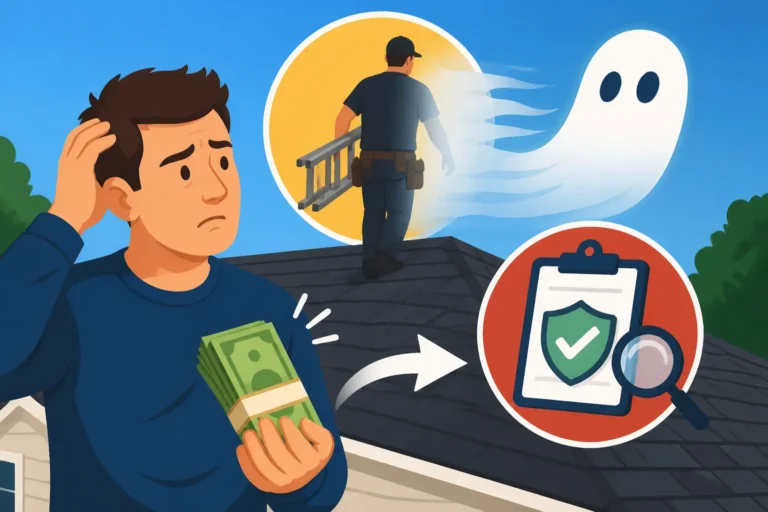
It's incredibly frustrating when you're ready to tackle a major home project like a roof replacement, only to encounter a contractor who seems hesitant about putting things down on paper. This red flag, specifically the lack of a written contract, can leave you feeling vulnerable and uncertain, especially with something as critical as your home's protection. This guide is here to walk you through why a written agreement isn't just a suggestion, but an absolute necessity for any asphalt roofing job, protecting both your investment and your peace of mind.
Why a Written Contract is Non-Negotiable in Roofing
Imagine undertaking a huge home improvement project, investing thousands of dollars, and then having nothing tangible to prove what was agreed upon. That's precisely the risk you take when you proceed with a roofing job without a solid, written contract. It's a cornerstone of good business and a safeguard for homeowners, ensuring clarity and accountability every step of the way.
Protecting Your Investment and Peace of Mind
Think about it: your roof is one of the most critical components of your home, shielding everything you own and everyone you love from the elements. When you decide it's time for a new asphalt roof, you're making a significant financial commitment, often in the tens of thousands of dollars. Without a detailed written contract, you're essentially handing over a blank check and hoping for the best. This isn't just about the money; it's about the emotional toll of uncertainty. You deserve to feel confident that the job will be done correctly, on time, and within budget, with clear expectations set from the start.
A written contract provides legal recourse if things go sideways. Let's say, for example, your new asphalt shingles start failing prematurely, or the contractor installs the wrong type of underlayment. If you only had a handshake agreement, proving what was promised versus what was delivered becomes incredibly difficult, if not impossible, in a court of law. This legal protection is paramount, acting as your shield against potential disputes and ensuring you have a clear path to resolution should any issues arise down the line. It's truly about protecting your biggest asset and avoiding undue stress.
The Dangers of Verbal Agreements
While a friendly conversation with a contractor might feel more personal or informal, relying solely on verbal agreements for a complex project like roofing is a recipe for disaster. The problem with "he-said, she-said" scenarios is that memories fade, details get misinterpreted, and intentions can be difficult to prove. What you thought was agreed upon might be entirely different from what the contractor understood. This ambiguity can lead to massive misunderstandings regarding the scope of work, materials, timeline, and even payment expectations.
Consider a situation where you and your contractor discuss using a specific brand of architectural shingles, like those from GAF or Owens Corning, and a premium synthetic underlayment. Without it explicitly stated in writing, the contractor might later claim they only agreed to standard 3-tab shingles and felt underlayment, drastically altering the quality and longevity of your roof. It's not always about malice; sometimes it's simply human error or a lapse in communication. A written contract eliminates this grey area, laying out every detail in black and white, leaving no room for doubt or forgotten commitments. It ensures both parties are on the same page, with a clear reference point to refer back to if questions arise.
What Absolutely MUST Be in Your Roofing Contract
So, you understand why you need a contract. But what exactly should it contain? A robust roofing contract isn't just a single page; it's a comprehensive document that meticulously outlines every facet of the project. It should leave no stone unturned, providing a crystal-clear roadmap for the entire roof replacement process.
Essential Project Details and Scope of Work
This is the meat and potatoes of your contract. It needs to specify, in excruciating detail, exactly what work will be performed. This includes the removal of old shingles – is it one layer or two? What about the cost of roof tear-off and disposal? It should clearly state the type and brand of new asphalt shingles being installed (e.g., GAF Timberline HDZ, Owens Corning Duration, or CertainTeed Landmark Pro), their color, and the quantity (usually measured in squares). Don't forget the underlayment – whether it's synthetic or felt – and the installation of ice and water shield in critical areas like valleys and eaves, especially if you live in a colder climate.
Beyond the main shingle installation, the contract must detail all accessory components. This means stipulating the installation of new drip edge along all eaves and rakes, the replacement of all flashing around chimneys, skylights, and vent pipes, and the type of roof ventilation system being installed, such as a ridge vent or new box vents. Any repairs to the roof decking, such as replacing rotted plywood or OSB, should also be itemized, including the cost per sheet. The more detail here, the better. A good contract will read like a recipe, leaving no guesswork as to what ingredients and steps are included.
Clear Payment Terms and Schedule
Money talks, and misunderstandings about payment can quickly sour a project. Your contract should explicitly state the total cost of the project, including all materials and labor, with no hidden fees. It needs to outline the payment schedule, which typically involves an initial deposit, followed by progress payments at various milestones, and a final payment upon satisfactory completion. For instance, a common structure might be 10-20% upfront as a deposit, 40% when materials are delivered, and the remaining 40-50% upon completion.
It’s crucial that the contract specifies the exact amounts or percentages for each payment stage and the conditions under which each payment is due. For example, the final payment should only be made after you've had a chance to inspect the completed work and are satisfied. Be wary of contractors who demand a very large upfront deposit, or even full payment before work begins, as this can be a significant red flag. You can learn more about what's normal by reading about Roofing Deposit: How Much Is Normal. The contract should also include information about how to handle any potential change orders that might impact the total cost, which brings us to our next point.
Warranties and Guarantees
A new asphalt roof is a long-term investment, and the warranties behind it are your safety net. Your contract needs to clearly outline both the manufacturer's warranty for the shingles and materials, and the contractor's warranty for their workmanship. These are two distinct but equally important protections. The manufacturer's warranty typically covers defects in the materials themselves, like premature granule loss or shingle failure. Many manufacturers, like Owens Corning or CertainTeed, offer enhanced warranties when their entire roofing system (shingles, underlayment, ventilation) is installed by a certified contractor.
The workmanship warranty, offered by the contractor, covers the quality of the installation. If shingles are improperly nailed, or flashing isn't sealed correctly, leading to a leak, this is where the contractor's warranty kicks in. A standard workmanship warranty might be 5-10 years, but some top-tier contractors offer longer periods. The contract should clearly state the duration and what is covered under each warranty. Understanding these details upfront can prevent major headaches later. For a deeper dive into these protections, check out Roofing Warranty: Workmanship vs Manufacturer.
Project Timeline and Completion Dates
No one wants a roofing project to drag on indefinitely, especially when your home is exposed to the elements. The contract should include a clear timeline, detailing the anticipated start date and a reasonable estimated completion date. While weather can certainly impact a roofing schedule, a good contractor will build in contingencies and communicate any delays promptly.
It's helpful for the contract to outline key milestones, such as when materials will be delivered, when tear-off will begin, and when the new shingles are expected to be laid. This allows you to track progress and manage your own expectations. If the contractor fails to adhere to the agreed-upon timeline without a valid reason, a clear timeline in the contract gives you leverage to address the delay.
Insurance and Licensing Information
This section is absolutely critical for your protection. The contract should explicitly state that the contractor is fully licensed and insured, and provide their license number and proof of insurance (liability and worker's compensation). Never, ever skip this step. If a worker gets injured on your property without worker's comp, you could be held liable. Similarly, if the contractor accidentally damages your home or a neighbor's property during the job, their liability insurance protects you from having to pay for the repairs out of pocket.
Asking for proof of insurance and verifying it yourself is non-negotiable. Reputable contractors are happy to provide this documentation. If they hesitate, it's a massive red flag. You can learn more about why this matters in our guide, Licensed and Insured Roofers: Why It Matters. Don't let a contractor start work until you have confirmed they are properly covered.
Dispute Resolution and Change Order Procedures
Even with the best intentions, sometimes things don't go exactly as planned. A good contract anticipates potential disagreements or necessary changes and outlines a clear process for handling them. This might include a clause for mediation or arbitration if a dispute arises, providing an agreed-upon method to resolve issues without immediately resorting to costly litigation.
Furthermore, it's not uncommon for unexpected issues to arise once the old roof is torn off, such as discovering rotted roof decking that wasn't visible during the initial inspection. The contract should detail the procedure for change orders: how they are initiated, documented, approved, and how they impact the project cost and timeline. This ensures that any additional work or costs are formally agreed upon in writing before proceeding, preventing nasty surprises on your final bill. This is essential to How to Avoid Roofing Change Order Surprises.
Recognizing the "No Contract" Red Flag and How to Respond
It’s easy to get swept up in the excitement of a new roof, especially if a contractor offers a seemingly amazing deal. But you need to keep your wits about you. A missing contract is perhaps the loudest siren song warning you away.
The Immediate Warning Signs
The most obvious sign is when a contractor simply doesn't offer a written agreement. This isn't just about forgetting to print one; it's about a fundamental disregard for professional standards. Other warning signs include:
- Pressure to start immediately: They might say they have an opening "tomorrow" and need to get started right away, implying there's no time for paperwork.
- Cash-only deals or heavy upfront payments: While a deposit is normal, demanding a very large percentage (or all) cash upfront without a formal contract is extremely risky. This is a classic scam tactic.
- Vague promises: They might give you general assurances like, "Don't worry, we'll take care of everything," without specifying details.
- Lack of official branding or documentation: If their "estimate" is scribbled on a napkin or an unbranded piece of paper, and they don't have professional letterhead for official documents, that's a problem.
- Evasive answers: When you ask specific questions about warranties, insurance, or the timeline, they give vague or deflective responses.
Any combination of these behaviors should send shivers down your spine. Your antenna should be up, and you should view these as clear indicators that you're dealing with someone less than reputable. You can find more comprehensive details on general warning signs in Roofing Contractor Red Flags to Avoid.
Why Some Contractors Avoid Contracts
Contractors who resist putting agreements in writing aren't usually doing so out of efficiency or convenience; they're often doing it for self-serving reasons. One common reason is to avoid accountability. Without a contract, they can easily dispute claims of poor workmanship, extended timelines, or unapproved material substitutions. They might be cutting corners, using substandard materials, or hiring uninsured day laborers, and they don't want a legally binding document to expose their practices.
Another reason could be to inflate costs later. If the scope of work isn't clearly defined, it's easier for them to add unexpected charges for "unforeseen" work or materials, knowing you have no written agreement to refute their claims. They might also be operating without proper licenses or insurance, and a formal contract would require them to disclose this information, which they'd rather avoid. In essence, avoiding a written contract is a way for unscrupulous individuals to operate in the shadows, making it nearly impossible for you to seek recourse if things go wrong.
Steps to Take When Faced with No Contract
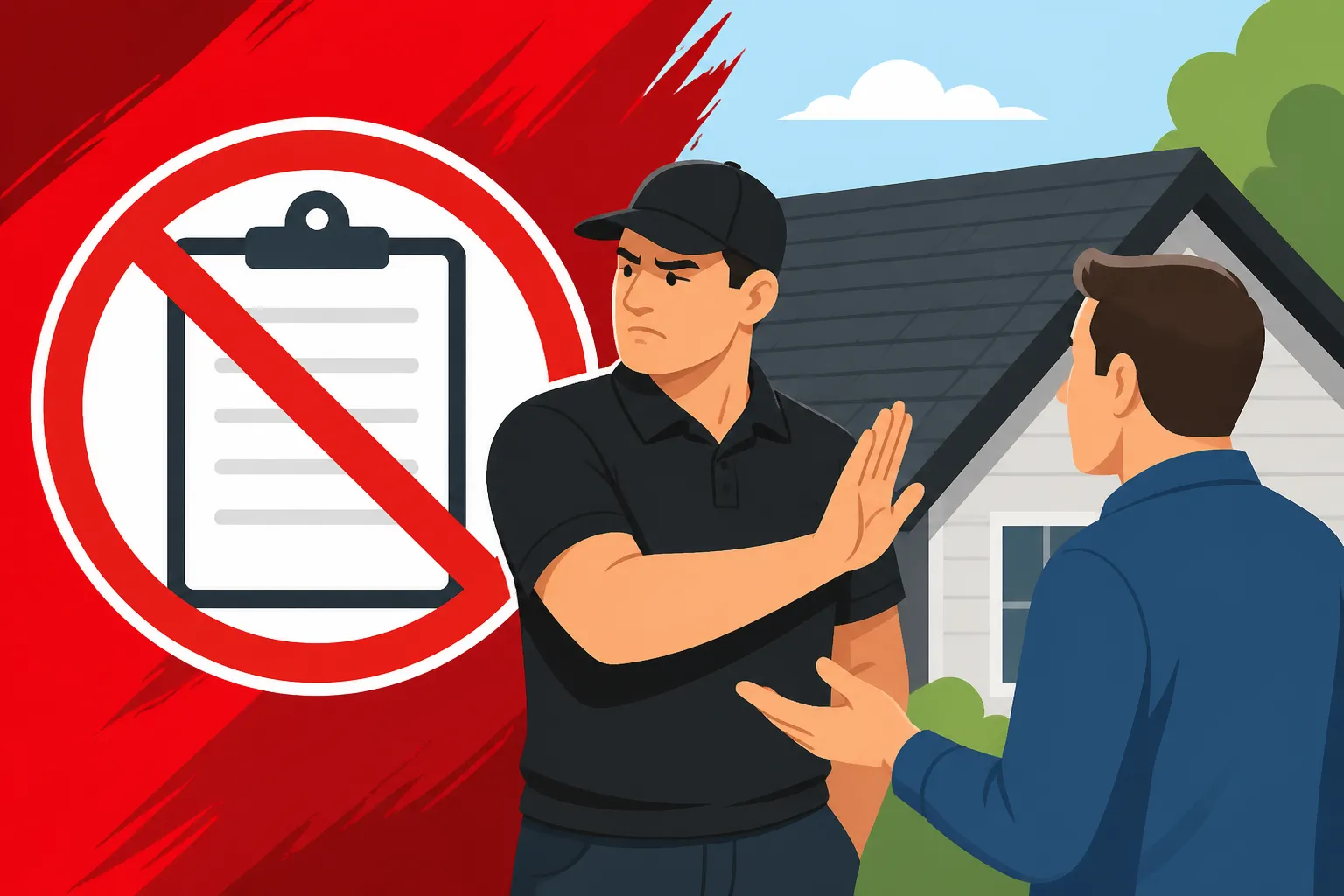
If a contractor offers to do the work without a written contract, your best course of action is simple: politely decline and walk away. This might feel awkward, especially if you've already spent time discussing the project, but it's essential for your protection. Do not proceed with the work. Do not let them bring materials to your property.
If you genuinely like the contractor and their bid, but they're resistant to a contract, explain clearly that a written agreement is a non-negotiable requirement for you. Ask them to provide a detailed, itemized contract that covers all the points we've discussed. If they still refuse or continue to provide vague excuses, consider it a definitive sign to move on. There are plenty of reputable roofing companies out there that understand the importance of clear, written agreements. It's always a good idea to get multiple bids from different companies to compare not just prices, but also their professionalism and willingness to provide thorough contracts. You'll find helpful advice on this in How Many Roofing Quotes to Get and How to Choose a Roofing Contractor. Using services like Modernize can help you connect with vetted contractors who understand the importance of proper documentation.
The Legal Ramifications of a Contract-Free Roof Job
The absence of a written contract isn't just an inconvenience; it can open a Pandora's Box of legal and financial woes, turning your dream roof into a nightmare. Understanding these risks can help you appreciate the gravity of this red flag.
Lack of Recourse for Poor Workmanship
Without a written contract detailing the scope of work, the quality of materials, and the expected standards of installation, you have very little basis to challenge poor workmanship. Imagine your new asphalt roof starts leaking just months after installation, or shingles are visibly misaligned. If your agreement was purely verbal, proving that the contractor failed to meet industry standards or uphold their end of the bargain becomes incredibly difficult in a legal setting. It's your word against theirs, and without documentation, courts typically favor the party with tangible evidence.
This means you could be stuck with a leaky, faulty roof and no way to force the original contractor to fix it. You would then have to pay another contractor to rectify the mistakes, effectively paying for the roof twice. This isn't just about a minor cosmetic issue; it's about the fundamental integrity of your home's protection. The cost to repair a damaged roof due to poor installation can be substantial, and without a contract, that burden often falls squarely on your shoulders.
Financial Liabilities and Unforeseen Costs
One of the sneakiest aspects of a contract-free job is the potential for unforeseen costs to balloon the project price. A contractor might quote a low price verbally, only to start demanding more money mid-project for "unexpected" material costs, additional labor, or items they claim weren't included in the original verbal agreement. Since there’s nothing in writing to refute their claims, you might feel pressured to pay the inflated costs just to get the job finished. This is a classic tactic used to exploit homeowners.
Furthermore, without clear payment terms, you could find yourself in a situation where the contractor demands full payment before the job is truly complete or before you've had a chance to inspect it thoroughly. They might hold your roof "hostage," threatening to walk off the job if you don't comply. This financial vulnerability is a huge stressor. A comprehensive written contract, detailing every line item and payment milestone, is your best defense against these kinds of predatory practices. It also prevents those pesky Hidden Costs in a Roof Replacement from blindsiding you.
Protecting Yourself from Liens and Lawsuits
Perhaps one of the most terrifying scenarios without a contract is the risk of mechanic's liens being placed on your property. If your contractor doesn't pay their suppliers for the asphalt shingles, underlayment, or other materials, or fails to pay their subcontractors, those unpaid parties can legally place a lien on your home. This means your property becomes collateral for the contractor's debts, even though you paid the contractor in full!
A lien can severely impact your ability to sell or refinance your home until it's resolved, which often involves you paying the contractor's debts. A proper contract includes provisions like lien waivers, where the contractor provides proof that all subcontractors and suppliers have been paid before you make final payments. Without this, you are left completely exposed. Understanding Roofing Lien Waivers Explained is crucial to protecting your property's title. When you work with a service like Modernize, they often emphasize the importance of dealing with properly vetted professionals who prioritize these protections.
Here’s a quick overview to highlight the stark difference a contract makes:
| Feature/Aspect | No Written Contract (Red Flag) | Good Written Contract (Safeguard) |
|---|---|---|
| Scope of Work | Vague verbal promises, easily disputed. | Detailed list of materials, tear-off, installation steps. |
| Cost & Payment | Ambiguous, subject to last-minute increases. | Itemized costs, clear payment schedule, deposit details. |
| Timeline | No set start/end dates, project can drag. | Agreed-upon start, estimated completion, contingency plans. |
| Warranties | Non-existent or impossible to enforce. | Specifies manufacturer & workmanship warranties. |
| Insurance/License | Contractor may be uninsured/unlicensed. | Proof of current license & liability/worker's comp insurance. |
| Dispute Resolution | Your word vs. theirs, costly legal battles. | Defined process for change orders & conflict resolution. |
| Legal Recourse | Little to no legal protection for homeowner. | Clear legal standing for both parties, protects your rights. |
| Lien Protection | High risk of mechanic's liens on your property. | Includes lien waivers, protects against unpaid suppliers. |
In the world of asphalt roofing, a written contract isn't just a formality; it's your primary line of defense. It ensures transparency, accountability, and peace of mind throughout what can be a significant home improvement project. Don't let anyone convince you otherwise. Demand a detailed contract, review it thoroughly, and don't hesitate to get legal advice if anything feels off. Your home and your wallet will thank you for it. Be sure to also read our guide on What a Roofing Estimate Should Include and How to Read and Compare Roofing Estimates to further equip yourself.
Disclaimer
This article is for general informational purposes only and does not constitute professional advice. Laws, prices and regulations vary by location and change over time. Consult a qualified professional for guidance on your specific situation.