How Many Roofing Quotes to Get
The thought of replacing your roof can be overwhelming, and one of the biggest initial hurdles is figuring out how to even begin getting quotes. It's easy to feel lost, wondering if you're getting ripped off or missing out on a better deal. This comprehensive guide will walk you through the process of obtaining roofing estimates, explaining the optimal number of quotes to get, what to look for beyond the price tag, and how to approach this crucial step in securing a new asphalt roof for your home.
The Initial Instinct vs. Reality: Why More Than One Quote is Crucial
When you realize your roof needs attention, whether it's a minor repair or a full-blown replacement, the first instinct might be to just call the first roofer you find or the one your neighbor used. You might think, "One estimate is enough, right? They'll tell me what I need." However, that singular approach often leaves homeowners vulnerable to overspending, misunderstandings, or even subpar work. Getting multiple estimates isn't about pitting contractors against each other; it's about gaining a well-rounded understanding of the project, the potential solutions, and the fair market value for your specific roofing needs.
The Pitfalls of a Single Bid
Relying on just one roofing bid is akin to buying the first car you see without test-driving any others or comparing prices. You might get lucky, but more often than not, you'll end up with buyer's remorse. A single bid doesn't give you any context for the pricing, the proposed materials, or the scope of work. How do you know if the price is fair if you have nothing to compare it against? Maybe the contractor quoted a premium asphalt shingle when a more budget-friendly, yet still high-quality, option would suffice for your home and climate. Without other quotes, you're flying blind, trusting one person's assessment implicitly, which can lead to significant financial implications. You also miss out on different contractors' perspectives on issues you might not even be aware of, like potential underlying decking problems or ventilation deficiencies.
Think about it: a contractor giving you the only bid knows they don't have direct competition for your business at that moment. This can sometimes lead to inflated prices or a less detailed proposal, assuming you're just looking for a number. It also removes the opportunity for you to truly vet their recommendations. Perhaps one contractor suggests a full tear-off and replacement, while another, upon seeing your existing roof, might propose a less invasive and more cost-effective repair if the damage is minimal. Having only one perspective means you can't challenge or understand the reasoning behind their suggestions.
Understanding the Scope of Work
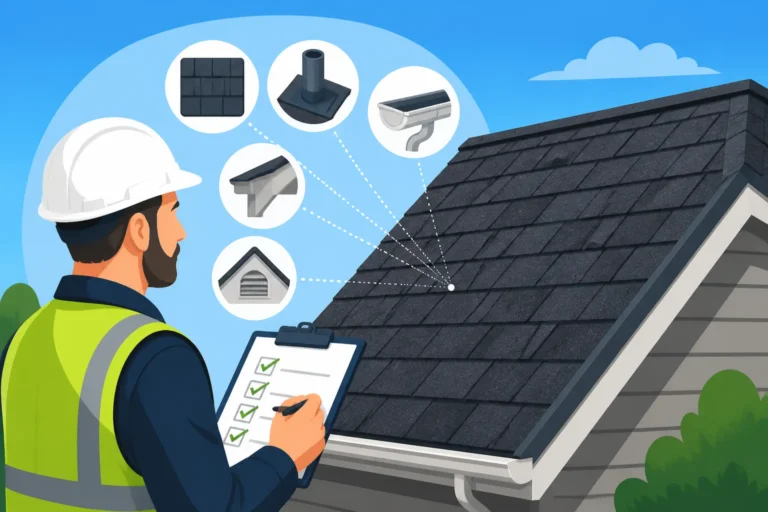
One of the most valuable aspects of getting multiple quotes is the opportunity to truly understand the proposed scope of work. When it comes to asphalt roofing, this isn't just about nailing down some shingles. It involves evaluating the existing roof deck, assessing ventilation, ensuring proper flashing around chimneys and skylights, and installing a robust underlayment system. Different contractors may have slightly different approaches or recommendations based on their experience and preferred manufacturers.
By comparing several detailed estimates, you can see if all contractors plan to address things like Cost of Roof Tear-Off and Disposal, Synthetic vs Felt Underlayment Cost, Cost of Ridge Vent Installation, or Cost of New Flashing and Drip Edge. If one contractor's bid seems significantly lower, it might not be a bargain; it could be that they've omitted crucial steps or are planning to use lower-quality materials that won't provide the long-term protection your home needs. A thorough comparison helps you identify these discrepancies and ask targeted questions, ensuring you're getting a complete and durable asphalt roofing system. It empowers you to make an informed decision, understanding exactly what you're paying for rather than just accepting a lump sum.
The Magic Number: Why Three is Often Recommended
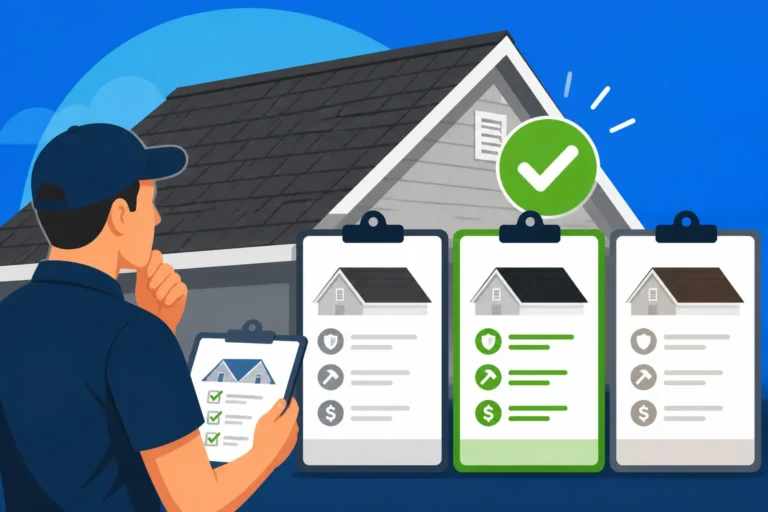
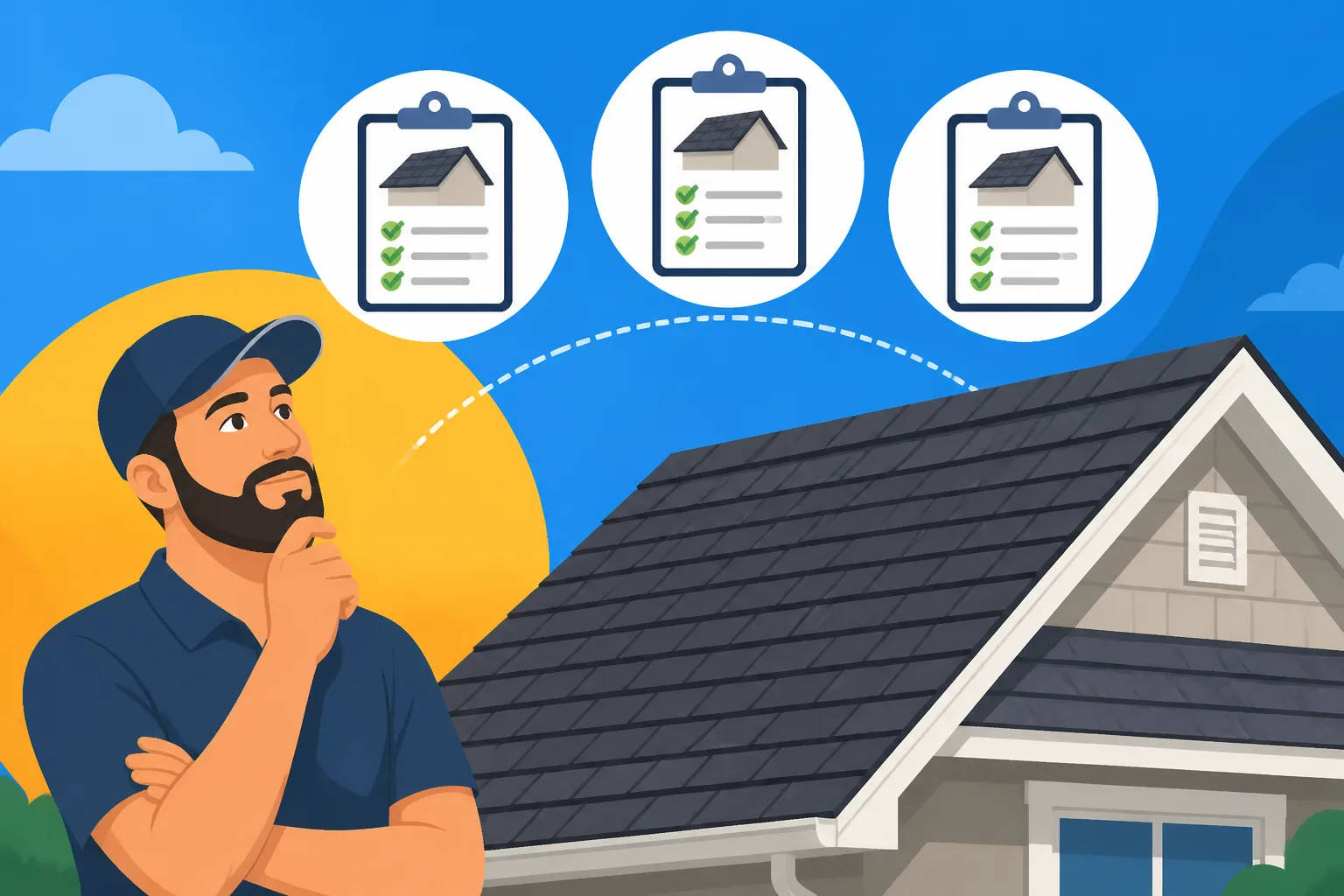
When people ask "how many roofing quotes to get," the answer you'll hear most frequently from industry experts and experienced homeowners alike is three. This isn't just an arbitrary number; it's a sweet spot that offers a comprehensive view of your options without becoming overly complicated or time-consuming. Getting three estimates allows for a healthy comparison of pricing, proposed materials, installation methods, and contractor reputations, providing a solid foundation for your decision-making process for your asphalt roof replacement.
The "Goldilocks" Zone: Not Too Few, Not Too Many
Two quotes are better than one, but sometimes two can leave you with more questions than answers. What if the two bids are wildly different? How do you know which one is closer to the true market value or the more reliable contractor? A third quote acts as a tie-breaker or a validator, helping you gauge the reasonable range for your project. If two quotes are similar, and a third is an outlier (either much higher or much lower), it gives you a strong indicator that you should investigate the outlier further or potentially dismiss it. This "Goldilocks" principle helps you find the estimate that's "just right" in terms of value, quality, and scope.
On the flip side, getting too many quotes, say five or more, can quickly lead to information overload. Each contractor will want to come to your home, perform an inspection, and present their findings. This takes a considerable amount of your time. Trying to decipher the nuances between half a dozen different proposals for asphalt shingles, warranties, and labor charges can become incredibly confusing and stressful. More isn't always better; beyond three or four, the additional insights often diminish, while the administrative burden and mental fatigue increase significantly. The goal is to gather enough data to make an educated choice, not to become a roofing expert yourself.
Comprehensive Comparisons Without Overwhelm
With three quotes in hand, you have enough diversity to compare different aspects thoroughly. You can look at the overall Asphalt Roof Replacement Cost: Complete Breakdown, but also drill down into specifics like the brand and type of asphalt shingle (e.g., GAF Shingle Roof Cost, Owens Corning Shingle Roof Cost, CertainTeed Shingle Roof Cost), the cost of permits, disposal fees, and any optional upgrades like Impact-Resistant Shingle Cost or enhanced ventilation.
Here’s a simplified example of how you might compare three quotes:
| Feature/Component | Contractor A | Contractor B | Contractor C |
|---|---|---|---|
| Shingle Type | GAF Timberline HDZ | Owens Corning Duration | CertainTeed Landmark Pro |
| Underlayment | Synthetic (basic) | Synthetic (premium self-adhering) | Felt (15lb) |
| Flashing | Aluminum, reused where possible | New pre-formed aluminum | New custom bent metal |
| Ventilation | Ridge Vent only | Ridge Vent + 2 Box Vents | Ridge Vent only |
| Warranty (Workmanship) | 10-year | 20-year | 15-year |
| Total Cost | $15,000 | $17,500 | $14,000 |
| Estimated Timeline | 2-3 days | 3-4 days | 2 days |
| Certifications | GAF Certified | Owens Corning Preferred Contractor | None |
This table immediately highlights differences that go beyond the bottom line. Contractor C is the cheapest but uses felt underlayment (which might be less durable than synthetic) and lacks manufacturer certifications. Contractor B is the most expensive but offers a premium underlayment, new custom flashing, and a longer workmanship warranty, along with a manufacturer certification. Contractor A sits in the middle with a good product and a decent warranty. This kind of comparison allows you to weigh the trade-offs, making a decision based on value rather than just the lowest price.
What to Expect from Each Quote: Beyond Just the Price
A roofing quote is far more than just a dollar amount. To make a truly informed decision, you need to dig into the details of what each contractor is proposing. This is where the real comparison happens – looking beyond the initial sticker price to understand the true value, quality, and longevity you're getting for your investment in a new asphalt roof. A good quote should be comprehensive, transparent, and leave you with a clear understanding of the work to be performed.
Detailed Breakdown of Materials and Labor
One of the first things to look for in a roofing estimate is a thorough breakdown of materials and labor. This shouldn't just be a single line item for "Roof Replacement." Instead, it should list out components like:
- Shingles: Specify the brand (e.g., GAF, Owens Corning), style (e.g., architectural, 3-tab), and color. For example, a quote might specify "GAF Timberline HDZ in Charcoal." Different shingles have different costs and lifespans, so knowing this is crucial.
- Underlayment: Specify the type (felt or synthetic) and weight/thickness. Some contractors might use a basic 15lb felt, while others might include a high-performance synthetic underlayment, which impacts durability and leak protection.
- Ice and Water Shield: If required by local code or recommended for your climate (especially in colder regions), this should be listed, specifying the areas it will cover (e.g., eaves, valleys, around penetrations).
- Flashing: Details on whether existing flashing will be reused or replaced, and the type of material (aluminum, copper). This includes step flashing, counter flashing, and valley flashing.
- Vents: Specifics on ridge vents, static vents, or powered attic fans, including quantities. Proper ventilation is key to an asphalt roof's longevity.
- Drip Edge: Mentioning its inclusion and material.
- Starter Shingles & Hip and Ridge Caps: These specialized shingles are crucial for proper installation and often specified.
- Tear-off and Disposal: Confirming if the removal of existing layers (and how many layers) is included, along with disposal costs. This can be a significant portion of the total.
- Permits: Confirmation that the contractor will pull all necessary permits. Roofing Permits Explained is a topic many homeowners overlook, but it's vital for code compliance.
- Labor: While often lumped into a total, some contractors might offer a separate labor cost breakdown, giving you insight into How Much Roofers Charge Per Hour or per square.
Without this level of detail, you can't accurately compare one quote against another. A cheaper quote might be cutting corners on crucial materials or labor, leaving you with a less durable roof in the long run. Always ensure the quote clearly outlines What a Roofing Estimate Should Include so you know exactly what you're getting.
Understanding Warranties and Guarantees
A new roof is a significant investment, and its longevity is protected by warranties. Reputable contractors will always provide clear information on the warranties included with your asphalt roofing project. There are generally two types to consider:
- Manufacturer's Warranty: This covers the roofing materials themselves, specifically the shingles. Leading brands like GAF, Owens Corning, and CertainTeed offer extensive warranties, often prorated for 25 to 50 years, or even limited lifetime warranties. These warranties typically cover defects in the manufacturing process of the shingles. However, these warranties often have specific installation requirements to be valid. For instance, using a complete roofing system from one manufacturer (shingles, underlayment, starter strips, ridge caps) and having the roof installed by a manufacturer-certified contractor can often unlock extended or non-prorated coverage.
- Workmanship Warranty: This warranty comes directly from the roofing contractor and covers the quality of their installation. If your roof leaks or experiences issues due to improper installation, the contractor is responsible for fixing it. Workmanship warranties can range from a few years to 25 years or even lifetime, depending on the contractor and their confidence in their work. This is where vetting your contractor becomes incredibly important; a long workmanship warranty is only as good as the company backing it.
It's crucial to understand the terms, conditions, and duration of both warranties. Ask who is responsible for registering the manufacturer's warranty. A truly comprehensive quote will lay out the warranty details, allowing you to compare the level of protection offered by different contractors. For more depth, refer to our guide on Roofing Warranty: Workmanship vs Manufacturer.
Contractor Credentials and Experience
Beyond the materials and warranties, a quote should also implicitly or explicitly reflect the contractor's credentials and experience. While not a line item, the professionalism of the quote itself, coupled with the information the contractor provides, speaks volumes. You should be looking for:
- Licensing and Insurance: Always verify that the contractor is licensed (if required in your state/locality) and carries adequate liability insurance and workers' compensation. This protects you from potential financial responsibility if an accident occurs on your property or if the work is shoddy. Our post on Licensed and Insured Roofers: Why It Matters goes into detail about this.
- Manufacturer Certifications: Many top shingle manufacturers offer certification programs for contractors who meet specific standards of training, experience, and business practices. For example, a GAF Master Elite Contractor or an Owens Corning Platinum Preferred Contractor can offer enhanced warranties that a non-certified roofer cannot. These certifications indicate a higher level of expertise and commitment to quality installation.
- References and Reviews: While not part of the quote itself, a good contractor will offer references or direct you to their online reviews (Google, BBB, Yelp). Take the time to check these. Past client experiences are a strong indicator of future performance.
- Physical Address and Longevity: A contractor with a long-standing local presence and a physical office often demonstrates stability and accountability. Be wary of "storm chasers" or companies that only provide a P.O. box.
Considering these credentials alongside the detailed breakdown of work and warranties ensures you're choosing a reliable, quality-focused contractor for your asphalt roofing project, not just the cheapest option.
When More Than Three Quotes Might Be Necessary
While three quotes are generally considered the sweet spot, there are specific situations where expanding your search and getting four, five, or even more estimates is not only advisable but essential. These scenarios typically involve increased complexity, significant financial discrepancies, or unique market conditions that warrant a broader investigation before committing to a contractor for your asphalt roof.
Complex Projects or Custom Asphalt Roofing
Not all roofs are created equal, and some projects inherently demand more specialized attention and, therefore, more varied opinions. If your home features a particularly steep pitch, multiple dormers, complex valleys, or integrated elements like skylights or chimneys that require intricate flashing, a standard "cookie-cutter" approach won't suffice. Similarly, if you're considering premium or custom asphalt roofing options, such as designer shingles, impact-resistant Class 4 shingles, or cool-roof shingles, the expertise required can vary significantly among contractors.
For instance, a roof with a very high pitch might incur a Steep Roof Cost Premium due to safety concerns and increased labor. A home with several intersecting rooflines and valleys might need precise flashing and sealing to prevent leaks. In such cases, one contractor might be an expert in standard architectural shingles, while another specializes in the installation of custom Malarkey Legacy or CertainTeed Presidential shingles. Getting more quotes allows you to find contractors who genuinely specialize in your specific needs, understand the unique challenges of your roof, and can offer innovative solutions or superior craftsmanship for complex details. It also helps you spot contractors who might be out of their depth, even if they offer a low price.
Widely Varying Estimates: Red Flags and Re-evaluation
You’ve diligently collected your three estimates, expecting them to be in a similar ballpark. But what if they're not? What if one quote comes in at $12,000, another at $18,000, and a third at $25,000 for what appears to be the same asphalt roof replacement? This is a huge red flag that necessitates further investigation, and potentially, more quotes.
- Extremely Low Bid: A bid that's significantly lower than others could indicate several issues. The contractor might be using substandard materials, cutting corners on labor (e.g., inadequate nailing patterns for asphalt shingles), omitting critical components like proper underlayment or ventilation, or even being unlicensed and uninsured. Sometimes it's a "bait and switch" where they tack on hefty "unexpected" charges later. Our guide on Roofing Contractor Red Flags to Avoid delves into these warning signs.
- Extremely High Bid: Conversely, a much higher bid could mean the contractor is overcharging, or perhaps they're using exceptionally premium materials or offering an extended, comprehensive warranty package that wasn't clearly articulated. It could also mean they're less experienced with your type of roof and are padding their estimate to cover potential unknowns, or they simply don't want the job but are providing a high bid just in case.
When facing such discrepancies, getting an additional one or two quotes can help clarify the situation. These extra bids can either confirm that the middle-range price is indeed the most reasonable or reveal that there's a wider, legitimate price spectrum for your project, potentially due to different levels of service or material quality. It also gives you more data points to compare the proposed scope of work and ask each contractor pointed questions about why their price differs so much from others.
Specific Geographic or Economic Situations
The number of quotes you need can also be influenced by your local market conditions.
- Limited Contractors in Rural Areas: In sparsely populated regions, you might have fewer qualified asphalt roofing contractors to choose from. If you can only find two reputable companies, you might need to broaden your search to a slightly larger radius to secure a third or fourth comparative bid, even if it means contractors traveling a bit further.
- Highly Competitive Urban Markets: In contrast, densely populated urban and suburban areas often have a plethora of roofing companies. While this offers many options, it also means you'll encounter a wider range of quality, experience, and pricing. Here, sticking to three might still be sufficient, but if you're not finding a good fit or still feel unsure, expanding your search to four or five reliable contractors can help you sift through the noise and find the best value.
- Post-Storm Scenarios: After a major storm (hail, high winds), the roofing market can be flooded with "storm chasers" alongside legitimate local businesses. In such volatile times, obtaining more quotes than usual and thoroughly vetting each contractor becomes paramount to avoid scams and ensure quality work.
In essence, if you're not feeling confident or clear after three quotes, don't hesitate to get more. Your peace of mind and the long-term integrity of your asphalt roof are worth the extra effort.
Streamlining the Quote Process: Tips for Homeowners
Getting multiple roofing quotes can feel like a part-time job, but there are ways to make the process smoother and less stressful. By being prepared, leveraging technology, and maintaining clear communication, you can gather the information you need efficiently and effectively, ultimately leading to a better decision for your asphalt roofing project.
Preparing for Contractor Visits
The more prepared you are for each contractor's visit, the more accurate and comparable your quotes will be. Here are a few tips:
- Know Your Needs (or Questions): Even if you're not a roofing expert, have a clear idea of why you think you need a new roof (e.g., leaks, age, storm damage). Prepare a list of questions to ask every contractor. These might include: What type of underlayment do you use? What's your nailing pattern for asphalt shingles? What specific steps do you take to protect my landscaping? What's your payment schedule? Our guide on Questions to Ask a Roofing Contractor Before Hiring is an excellent resource for this.
- Be Present and Take Notes: Try to be home during the initial inspection and discussion. This allows you to point out specific concerns, ask questions directly, and observe their assessment. Take notes on each contractor's presentation, their demeanor, and any unique recommendations they offer. This will be invaluable when you're comparing quotes later.
- Clear the Area: While not always necessary for the initial inspection, clearing driveways, moving patio furniture, and cutting back bushes around the house before the actual work begins will show the contractor you're organized and thinking ahead. This can also help them visualize the access points and potential staging areas, which might subtly influence their estimate for labor.
- Have Photos Ready: If you have photos of interior leaks or specific exterior damage that might not be visible from the ground, show them to the contractors. This provides a clearer picture of the issues and ensures they're addressed in the proposal.
By presenting a consistent set of information and questions to each contractor, you help them provide more consistent and comparable estimates, making your job of evaluation much easier.
Leveraging Online Platforms and Services
In today's digital age, you don't have to rely solely on word-of-mouth or flipping through the phone book to find reputable roofers. Online platforms and services can significantly streamline the process of connecting with multiple contractors:
- Lead Generation Services: Websites like Modernize specialize in connecting homeowners with pre-screened local contractors. You input your project details once, and they match you with several qualified professionals in your area who are interested in bidding on your asphalt roofing job. This can save a tremendous amount of time that you would otherwise spend researching individual companies, checking licenses, and making multiple phone calls. Modernize, for example, helps ensure you're getting proposals from contractors who are ready and willing to work on projects like yours.
- Online Review Sites: Sites like Google Reviews, Yelp, and the Better Business Bureau (BBB) are goldmines for homeowner feedback. While you shouldn't base your entire decision on online reviews, they offer valuable insights into a contractor's reputation, communication style, and quality of work. Look for patterns in reviews – consistently positive or negative feedback can be very telling.
- Manufacturer Websites: Major asphalt shingle manufacturers like GAF, Owens Corning, and CertainTeed have "find a contractor" tools on their websites. These tools typically list their certified contractors in your area, giving you immediate access to roofers who meet high standards and can offer extended warranties. This is an excellent way to find highly qualified individuals for your project.
Using these resources can help you quickly compile a list of reputable contractors, allowing you to focus your time on evaluating their proposals rather than just finding them. Modernize is particularly good for jump-starting the quote-gathering phase.
Effective Communication with Contractors
Once you have contractors visiting your home, clear and consistent communication is paramount. This ensures everyone is on the same page and helps avoid misunderstandings down the road.
- Articulate Your Expectations: Clearly state what you're looking for. Are you on a tight budget and seeking the most cost-effective asphalt shingle solution? Or are you prioritizing durability and aesthetics, willing to invest in premium options like Designer Shingle Roof Cost? Let them know if you have specific concerns, such as a problematic leak area or a desire for upgraded ventilation.
- Ask for Written Quotes: Always, always, always insist on a detailed written quote. Verbal estimates are meaningless and provide no recourse if there's a dispute. The written quote should detail everything discussed, from materials to warranties to the timeline.
- Don't Rush the Decision: Good contractors understand that homeowners need time to review quotes and make a decision. Be wary of any contractor who pressures you to sign a contract on the spot or offers steep "today-only" discounts. This is a common tactic for less reputable companies.
- Follow Up with Questions: After you receive the quotes, don't hesitate to call contractors back with follow-up questions. Clarify anything that's unclear, ask about discrepancies between bids, or request additional information about materials or processes. This shows you're engaged and helps you gain full confidence in your chosen professional.
By proactively managing communication and leveraging available tools, you can transform the often-daunting process of getting roofing quotes into a smooth, informative experience.
Making the Final Decision: It's More Than Just Cost
Once you have your detailed quotes, the real work begins: evaluating them to choose the right contractor for your asphalt roof replacement. It's tempting to simply pick the cheapest option, but as with many significant home investments, focusing solely on price can lead to costly regrets down the line. A truly informed decision involves weighing several factors to ensure you're getting the best value, quality, and peace of mind.
Evaluating Value, Not Just Price
Value in roofing is a holistic concept that encompasses the quality of materials, the reputation and reliability of the contractor, the comprehensiveness of the warranty, and the clarity of communication throughout the process. A quote that seems higher initially might actually offer superior long-term value due to:
- Higher-Quality Materials: One contractor might propose a standard 25-year 3-tab shingle, while another offers a 50-year architectural shingle. While the architectural option will have a higher Architectural Shingle Roof Cost, its extended lifespan and improved wind resistance might save you money and headaches in the long run. Always look at the specific brands and product lines. For example, some quotes might specify GAF Timberline HDZ Features Explained while others focus on a different shingle.
- Superior Workmanship and Experience: An experienced, highly-rated contractor with certified installers (like a GAF Master Elite or Owens Corning Platinum Preferred contractor) might charge more for labor. However, their expertise translates into a flawless installation that adheres to manufacturer specifications, preserving your warranty and preventing premature roof failure. This is often the difference between a roof that lasts 20 years and one that lasts 30 or more.
- Comprehensive Warranties: A contractor offering a robust 20-year workmanship warranty might have a higher upfront cost than one offering a 5-year warranty. That extended coverage means greater peace of mind for decades to come, especially when combined with a strong manufacturer warranty. Understanding How Shingle Warranties Work is vital here.
- Detailed Scope of Work: The "cheaper" quote might be missing crucial elements, like adequate attic ventilation, proper ice and water shield installation, or new flashing. A slightly higher bid that includes these essential components is offering more complete protection for your home. Remember, Cost to Replace a Roof by House Size can vary, but these underlying components are standard necessities for any quality job.
Consider the concept of "total cost of ownership." A cheaper roof that needs repairs in 5-10 years, voids its warranty due to improper installation, or fails prematurely will ultimately cost you more than a quality roof installed correctly the first time.
Trust Your Gut and Do Your Due Diligence
Beyond the numbers and line items, your personal experience with each contractor's team plays a significant role.
- Professionalism and Communication: Did the contractor arrive on time for appointments? Were they polite, knowledgeable, and willing to answer all your questions clearly and patiently? Did they provide a clear, easy-to-understand written estimate? Good communication before, during, and after the project is critical. A contractor who communicates well during the quoting phase is likely to do so during the installation.
- References and Reviews: Don't skip this step. Ask for recent references and actually call them. Ask about the quality of work, adherence to timelines, cleanliness of the job site, and how the contractor handled any unexpected issues. Combine this with checking online reviews on platforms like Google, Yelp, and the Better Business Bureau. Look for consistent positive feedback regarding their professionalism, quality, and responsiveness.
- Verify Credentials: Before signing anything, double-check their licensing and insurance. Request current certificates of insurance directly from their insurance provider, not just a copy from the contractor. This protects you in case of accidents or damage during the project.
- Review the Contract Carefully: Once you choose a contractor, ensure the final contract mirrors the agreed-upon quote and includes all details: materials, scope of work, warranty information, payment schedule, and project timeline. Make sure you understand every clause before you sign. Never pay a large upfront deposit (e.g., more than 10-30%) before work begins. Our guide on Roofing Deposit: How Much Is Normal offers more insights here.
Choosing a roofing contractor is a big decision, and it’s okay to take your time. By thoroughly comparing quotes, prioritizing value and quality over just price, and doing your due diligence, you’ll be well-equipped to select a reputable professional who will install a durable, long-lasting asphalt roof for your home. You're not just buying shingles; you're investing in your home's protection for decades to come.
Disclaimer
Please remember that this article provides general information and guidance. Roofing costs, building codes, and contractor requirements can vary significantly based on your specific location, the complexity of your project, and current market conditions. Always consult with local, qualified roofing professionals and verify all licensing, insurance, and warranty information before making any hiring or purchasing decisions.