Roofing Contractor Reviews to Trust in Florida
Finding a trustworthy roofing contractor in Florida can feel like navigating a minefield, especially with the unique weather challenges our beautiful state presents. You're not just looking for someone to nail shingles; you need a professional who understands Florida's specific building codes, hurricane-force winds, and relentless sun. This guide will walk you through how to properly evaluate roofing contractor reviews in Florida, helping you cut through the noise to find a truly reliable team for your asphalt roofing project.
The Unique Challenges of Roofing in Florida
Living in the Sunshine State means dealing with some pretty specific roofing demands. It’s not like roofing in, say, Minnesota. Our climate, prone to sudden, severe weather, creates a landscape where roofers need to be particularly knowledgeable and diligent. This environment also, unfortunately, attracts a certain type of contractor that might not always have your best interests at heart.
Hurricane Season and Storm Chasers
Every year, as the hurricane season rolls around, we all hold our breath. And when a storm does hit, leaving a trail of roof damage, it's not just local reputable companies that appear. Suddenly, you'll see a surge of "storm chasers" – contractors who swoop in from out of state, often promising quick fixes or "free" inspections, only to disappear once they've done subpar work or collected payment. These contractors often rely on high-pressure sales tactics and quick turnaround, making it harder for homeowners to do their due diligence. Their transient nature means they often don't have a local reputation to protect, making their online reviews less reliable and harder to track. It's crucial to be extra vigilant during these times and look for contractors with an established local presence and a history of positive community feedback, not just a sudden influx of generic praise.
Local Regulations and Building Codes
Florida isn't just sunny; it's also highly regulated when it comes to construction, especially roofing. Our state and local building codes are designed to ensure roofs can withstand extreme weather, particularly high winds. This means specialized knowledge is required for everything from how many nails are used per shingle to the type of High-Wind Nailing Cost Premium or specific underlayment required. A contractor working in Florida needs to be intimately familiar with these codes. If they're not, their work could fail inspections, void your insurance, or worse, leave your home vulnerable in the next storm. Reviews that mention a contractor's efficiency in passing inspections or their thoroughness in explaining code compliance are golden tickets, indicating they know their stuff when it comes to the unique demands of Roofing Building Codes: What to Know.
Why You Can't Trust Every Roofing Review
In today's digital age, online reviews are often the first place we turn when looking for any service. And while they can be incredibly helpful, it's naive to think every single one is an unbiased, accurate account. When it comes to something as significant as your roof, you really need to be a savvy detective.
The Problem with Fake Reviews
It's an unfortunate truth: fake reviews are out there, and they can skew your perception of a roofing company. Some unscrupulous companies might pay for positive reviews, ask friends and family to post glowing (but often vague) feedback, or even leave negative reviews on competitors' pages. You might see a company with hundreds of five-star reviews that all sound strangely similar or were posted within a very short timeframe. Or perhaps a reviewer has only ever posted a single review, and it's for this one roofing company. These are Roofing Contractor Red Flags to Avoid that should immediately raise your eyebrows. It's not always easy to spot them, but looking for patterns, inconsistencies, and the overall profile of the reviewer can help.
Vague Feedback and Lack of Detail
Imagine reading a review that simply says, "They were great! Five stars!" While it's positive, what does it actually tell you? Does "great" mean they were on time, professional, offered a good price, or installed the roof perfectly? Detailed feedback, even if it's mixed, is far more valuable. Look for reviews that describe specific aspects of the job: how the crew handled unexpected issues, the quality of communication, adherence to the budget, cleanup efforts, or their knowledge of specific shingle types. A review that details, for instance, how a crew leader explained how roof flashing works during installation or meticulously cleaned up after tearing off old shingles provides much more insight than a generic compliment. When you're trying to How to Vet a Roofing Company, these specific details are what truly build a picture of a contractor's competence and professionalism.
Where to Find Reliable Roofing Contractor Reviews in Florida
So, if not all reviews are created equal, where should you focus your search? There are specific platforms and indicators that tend to offer more trustworthy insights into a roofing contractor's performance and reputation in Florida.
Reputable Online Platforms
While no platform is entirely immune to manipulation, some have better safeguards and provide more context.
- Google Reviews: Often the most prominent, Google Reviews can be a great starting point. Look for a large volume of reviews over a long period, not just a recent spike. Pay attention to how the contractor responds to both positive and negative feedback. Do they offer solutions to complaints? Do they genuinely thank customers? This shows engagement and accountability. When evaluating, filter by "newest" to see recent performance, and sort by "lowest" to understand potential issues.
- Better Business Bureau (BBB): The BBB focuses on business practices and complaint resolution. A high rating (A+ is ideal) and a history of resolved complaints speak volumes. Look for whether the company is accredited, which means they've committed to BBB's standards. Complaints registered here, and how they were handled, can reveal a lot about a company's customer service and ethical standards.
- Industry-Specific Platforms: Websites like Houzz, HomeAdvisor, and even platforms like Modernize can offer valuable insights. These sites often require contractors to provide licensing information, and they may have verification processes in place. Modernize, for example, can connect you with pre-vetted local contractors, allowing you to quickly get multiple quotes and compare options based on their verified credentials and customer feedback. Always cross-reference what you find on these sites with other sources.
- Local Community Forums/Social Media Groups: Don't underestimate the power of local word-of-mouth. Join Facebook groups for your specific Florida community or neighborhood. Ask for recommendations and experiences there. People are often very candid in these settings, providing genuine, local insights that you won't find on national review sites.
Industry Certifications and Associations
Beyond general reviews, specific certifications indicate a contractor's commitment to quality and manufacturer standards. These aren't just badges; they often come with rigorous training, adherence to installation best practices, and even enhanced warranties.
- Manufacturer Certifications: Major shingle manufacturers like GAF, Owens Corning, and CertainTeed offer advanced certification programs. For instance, a GAF Master Elite Contractors Explained or an Owens Corning Platinum Preferred Explained contractor has met stringent requirements, undergone specialized training, and is often authorized to offer extended warranties that general contractors cannot. These certifications are a strong indicator of expertise and reliability, especially when dealing with specific product lines like GAF Timberline HDZ or Owens Corning Duration shingles, which are popular in Florida due to their durability and wind resistance.
- Local and State Associations: Membership in organizations like the Florida Roofing and Sheet Metal Contractors Association (FRSA) or local chapters of the National Association of Home Builders (NAHB) signifies a contractor's commitment to industry standards and professionalism. These associations often provide resources for vetting contractors and may even have their own complaint resolution processes. It shows they're invested in the local roofing community and up-to-date on Florida's specific regulations.
How to Analyze and Interpret Roofing Reviews Effectively
Now that you know where to look, the next step is understanding how to truly decipher what the reviews are telling you. It's not just about counting stars; it's about critical thinking.
Looking Beyond the Star Rating
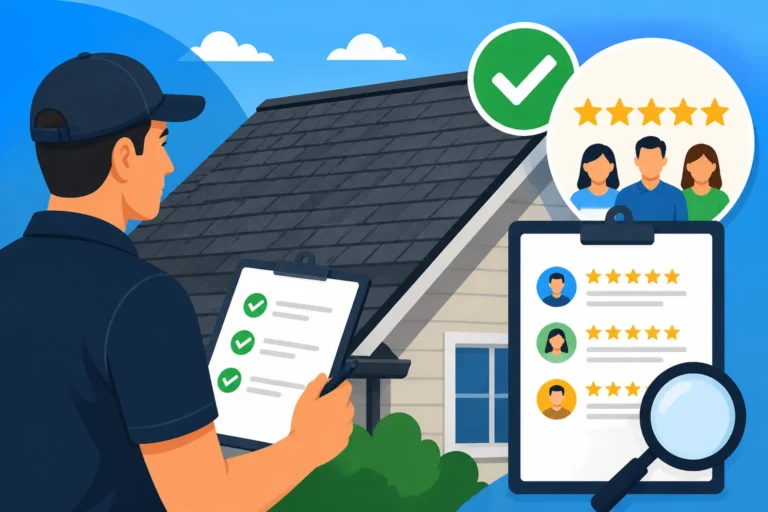
The five-star rating is a quick glance, but the real meat is in the narrative. A company with a 4.5-star average might be better than a 5-star one if the 4.5-star company has hundreds of detailed, specific reviews, while the 5-star company has only a handful of generic ones. Here's what to dig into:
- Specifics, Specifics, Specifics: Does the review mention names of crew members, specific problems encountered and solved, or details about the type of roof installed (e.g., Architectural Shingle Roof Cost)? These details make a review feel authentic and provide actionable insights into the contractor's operations.
- Consistency of Themes: Do multiple reviews highlight the same positive attributes (e.g., excellent communication, thorough cleanup, on-time completion) or recurring negative issues (e.g., poor communication, hidden costs, delays)? Consistent themes, whether good or bad, are strong indicators of a company's standard practices.
- Context of the Reviewer: Check the reviewer's profile if possible. Do they review other local businesses? How many reviews have they written? A person who regularly reviews businesses tends to be more credible than a brand-new profile with only one review.
- Responses from the Contractor: How does the company owner or manager respond to reviews, especially negative ones? A professional, empathetic response that attempts to resolve the issue publicly demonstrates a commitment to customer satisfaction, even when things go wrong.
Balancing Positive and Negative Feedback
No business is perfect, and even the best contractors will have a few less-than-stellar reviews. A completely spotless record can sometimes be a red flag in itself, suggesting active review management rather than genuine customer experience.
- Focus on Resolution: For negative reviews, look at the nature of the complaint and, more importantly, how the contractor addressed it. Was it a misunderstanding? Did they offer a viable solution? A minor issue handled professionally is a testament to good service.
- Frequency and Severity: One or two minor complaints among dozens of positive reviews are usually acceptable. However, a pattern of serious issues like shoddy workmanship, abandoned jobs, or significant hidden costs should give you pause. This is where you might spot Hidden Costs in a Roof Replacement that other homeowners have encountered.
- Recentness of Feedback: Pay more attention to recent reviews. A company's quality can change over time due to new management, different crews, or evolving business practices.
Verifying Licenses and Insurance
Reviews are great for anecdotal evidence, but official verification is non-negotiable, especially in Florida. Never, ever skip this step.
- Florida Department of Business and Professional Regulation (DBPR): This is your primary source for verifying a contractor's license in Florida. You can search by license number or company name. Ensure the license is active, not expired or suspended, and that it's for the correct type of work (e.g., Certified Roofing Contractor). This is a crucial step to confirm if they are a Licensed and Insured Roofers: Why It Matters.
- Proof of Insurance: Always ask for current certificates of insurance for both general liability and workers' compensation. Call the insurance provider directly to verify coverage. This protects you if there's damage to your property during the job or if a worker gets injured. Without proper insurance, you could be held liable. Understanding Should Your Roofer Be Bonded and Insured is paramount for homeowner protection.
Practical Steps to Vet a Florida Roofer After Reading Reviews
Reading reviews is just the beginning. The next stage involves direct interaction and documentation to solidify your choice.
Asking Targeted Questions
Once you've narrowed down your list based on reviews, it's time to engage with the contractors directly. Your goal is to see if their claims align with their online reputation and to assess their professionalism.
- Questions Derived from Reviews: If reviews mentioned great communication, ask about their communication protocol during the project. If a review highlighted their knowledge of specific materials, ask them about the best shingles for Florida's climate and why. For instance, you might ask about Cool-Roof Shingle Cost and their experience with installing them in our hot environment.
- Questions About Florida-Specifics: Inquire about their experience with local permitting processes (e.g., Roofing Permit Cost and Process), their knowledge of Florida's wind mitigation requirements, and how they handle projects during hurricane season. A good question might be, "How do you ensure your roof installations meet or exceed Florida's high-wind nailing codes?"
- Warranty and Insurance Queries: Always ask about both the manufacturer's warranty on the materials and their own workmanship warranty. Understand what each covers and for how long. Clarify how they will provide proof of workers' compensation and general liability insurance before any work begins. For a full list of essential questions, consult Questions to Ask a Roofing Contractor Before Hiring.
Requesting References and Site Visits
While reviews are public, references offer a more personal, direct insight into a contractor's work.
- Speak to Past Clients: Ask the contractor for contact information for at least three recent clients. When you call these references, ask specific questions about their experience: Was the project completed on time and within budget? Were there any unexpected issues, and how were they resolved? Would they hire the contractor again? This is a great way to confirm the positive aspects you read in reviews.
- Visit Previous Job Sites: If possible, ask if you can drive by or even see a completed project from a few years ago. This allows you to visually inspect the quality of their work and how well it has held up against Florida's elements. Look for straight lines, properly installed flashing, and overall aesthetic appeal. This helps bridge the gap between what people say in reviews and what you can see with your own eyes.
The Role of Detailed Estimates and Contracts
Once you're confident in a contractor's reputation, the final step before making a decision is to thoroughly review their proposal and contract. This is where all the verbal promises and review insights get solidified into a legally binding document.
- Comprehensive Estimates: A trustworthy contractor will provide a detailed, line-item estimate, not just a lump sum. This estimate should clearly outline all materials (shingle type, underlayment, flashing, vents), labor costs, permit fees, and disposal costs. It should also specify the scope of work, including any tear-off procedures. Compare these details closely when you How to Get Roofing Quotes and Compare Them. Any vague or unclear pricing is a red flag.
- Clear Contracts: The contract should mirror the estimate and include a clear payment schedule, project timeline, warranty details (both material and labor), and clauses for change orders. Ensure it explicitly states that the contractor is responsible for obtaining all necessary permits. Understanding Roofing Contract: What to Look For is vital to protect yourself. Never sign a contract with blank spaces or one you don't fully understand.
Remember, finding a reliable roofing contractor in Florida is a multi-step process that combines online research with diligent personal vetting. Take your time, ask tough questions, and trust your instincts. Your roof is a major investment, and choosing the right team will ensure it protects your home for years to come.
Comparing Review Platforms and Verification Methods
| Feature / Platform | Google Reviews | Better Business Bureau (BBB) | Industry-Specific Platforms (e.g., Modernize, Houzz) | Florida DBPR (License/Insurance Check) | Manufacturer Certifications (e.g., GAF, Owens Corning) |
|---|---|---|---|---|---|
| Primary Focus | Public opinion, general customer experience | Ethical business practices, complaint resolution | Project matching, qualified leads, verified pros | Official licensing, active status, insurance | Quality installation, product expertise, enhanced warranties |
| Type of Info | Star ratings, detailed comments, photos | Business rating (A+ to F), complaint history | Project portfolios, specific service reviews, quotes | License number, status, disciplinary actions, bond | Certified status, eligibility for special warranties |
| Trustworthiness | Varies; requires careful scrutiny for fakes | Generally high; emphasizes accountability | Moderate to high; often some vetting by platform | Very high; official government source | High; indicates manufacturer endorsement, training |
| Best Used For | Initial research, spotting patterns | Checking integrity, how complaints are handled | Finding vetted pros, getting multiple quotes | Essential legal verification, non-negotiable | Confirming installation expertise, warranty access |
| Key Advantage | Ubiquitous, large user base | Focus on ethical conduct | Streamlined contractor sourcing | Legal protection, ensuring compliance | Higher quality work, better warranties |
| Key Disadvantage | Susceptible to fake reviews | Less focus on granular project details | May have lead generation fees for contractors | No personal review aspect | Not all good contractors have certifications |
Disclaimer
Please note that the information provided in this article is intended for general guidance and informational purposes only, and does not constitute professional advice. Roofing regulations, costs, and contractor availability can vary significantly based on your specific location in Florida and the nature of your roofing project. Always consult with qualified and licensed roofing professionals for advice tailored to your individual circumstances.