Cool-Roof Shingle Cost
The summer heat can be absolutely brutal, sending your air conditioning bills skyrocketing and making your home feel like an oven, even with the AC blasting. Many homeowners wrestle with this relentless heat, especially when their aging asphalt roof seems to absorb every ray of sun, radiating that warmth right into their attic and living spaces. It's a frustrating cycle that leaves you wondering if there's a better way to keep cool without breaking the bank on utilities. This guide is all about diving deep into the world of cool-roof shingles, exploring what they are, what they cost, and how they can be a game-changer for your home's comfort and your wallet.
Understanding Cool-Roof Shingles: More Than Just a Color
When we talk about "cool-roof" shingles, it's not just about picking a lighter color, although that certainly helps! These aren't your grandmother's white painted roofs; we're talking about advanced technology designed to actively reflect more sunlight and absorb less heat than traditional roofing materials. This difference might seem subtle from the ground, but up on your roof and inside your home, the impact can be quite dramatic. It's about taking a proactive approach to energy efficiency right from the top of your house.
What Makes a Shingle "Cool"?
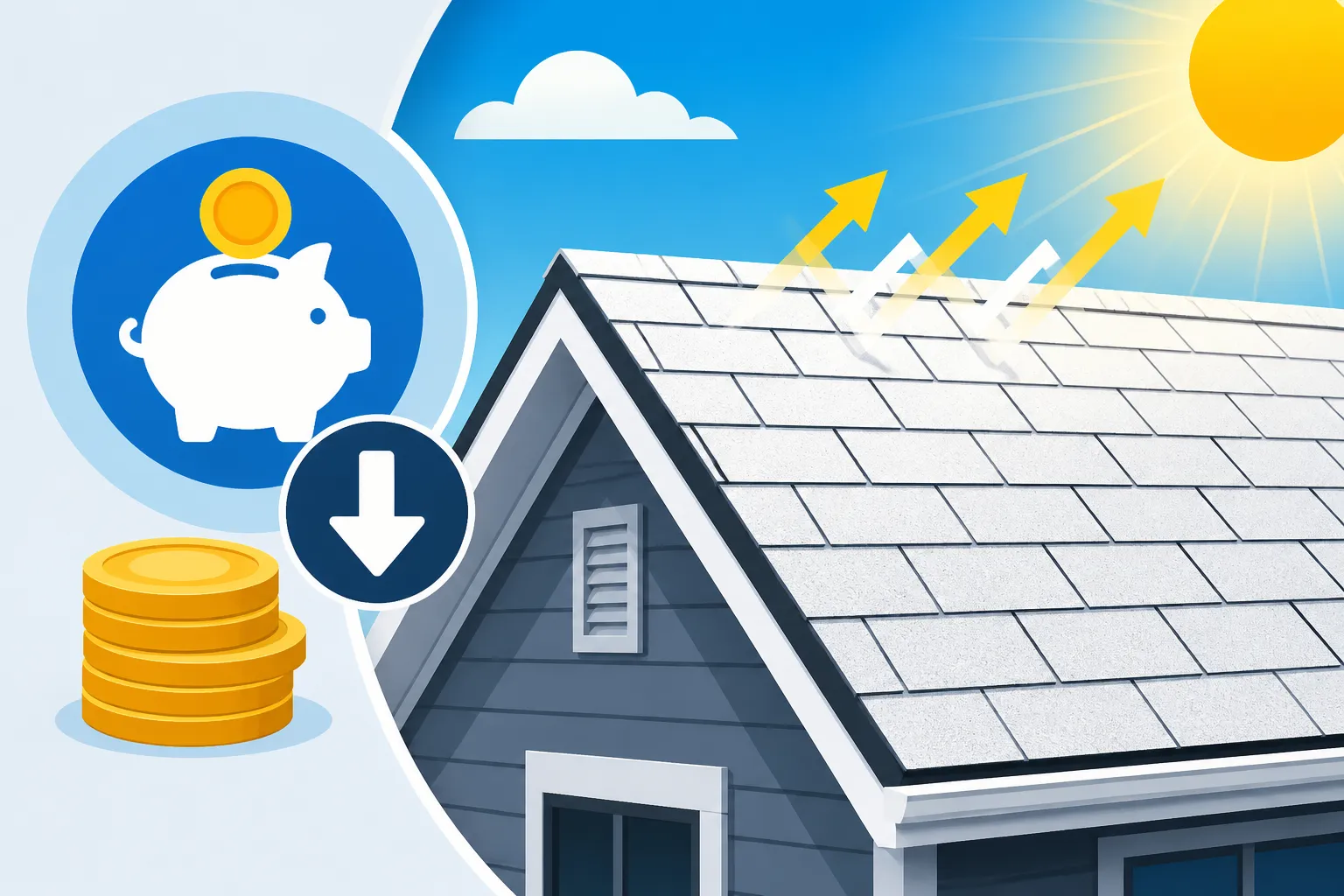
At its core, a cool-roof shingle is engineered to have a higher solar reflectance and thermal emittance compared to standard shingles. Solar reflectance, often measured by a Solar Reflectance Index (SRI), is how much solar energy (heat) a surface reflects rather than absorbs. Think of it like wearing a white shirt on a sunny day versus a black one; the white shirt reflects more heat. Cool-roof shingles use specially coated granules that are highly reflective, even in darker colors. This means you can still have a beautiful, dark gray or brown roof without it turning your attic into an inferno. The technology embeds pigments that reflect infrared (heat) radiation while still absorbing visible light, allowing for a wider range of colors.
Thermal emittance, on the other hand, refers to a material's ability to radiate absorbed heat away from itself. Even if a small amount of heat is absorbed, a high thermal emittance means the shingle quickly releases that heat back into the atmosphere rather than transferring it downwards into your home. This two-pronged approach—reflecting and radiating—is what truly defines a cool roof. Manufacturers like CertainTeed, Owens Corning, and GAF have invested heavily in developing these advanced shingle lines. For example, some of these shingles incorporate granules treated with cool pigment technology, making even deep charcoal or rich brown shades perform like much lighter colors in terms of heat reflection. This innovation means you don't have to sacrifice curb appeal for energy efficiency, which is a common concern for homeowners.
Benefits Beyond Lower Energy Bills
While saving money on your monthly utility bills is a huge draw, the advantages of installing cool-roof shingles extend far beyond just energy savings. They contribute to a more comfortable indoor environment, particularly during those scorching summer months. Imagine your home feeling noticeably cooler on a 90-degree day without your air conditioner running non-stop. This improved comfort can lead to better sleep, a more pleasant living space, and less wear and tear on your HVAC system, potentially extending its lifespan.
Beyond your immediate home, cool roofs also play a role in mitigating the urban heat island effect. In densely populated areas, dark roofs and paved surfaces absorb massive amounts of solar radiation, raising ambient air temperatures by several degrees compared to rural surroundings. By reflecting more sunlight, cool roofs help lower these surface and air temperatures, making cities cooler and more livable for everyone. This environmental benefit, while not directly putting money back into your pocket, contributes to a healthier, more sustainable community. Plus, a cooler roof surface itself experiences less thermal stress from extreme temperature fluctuations, which can potentially extend the lifespan of the shingles and the underlying roof components, offering a silent, long-term benefit for your home's structural integrity.
The Investment: How Much Do Cool-Roof Shingles Really Cost?
Let's get down to the numbers, because that's often the biggest hurdle for homeowners considering an upgrade. You've heard the buzz about cool roofs, but you're probably wondering, "How much extra am I actually going to pay for these fancy shingles?" It's true that cool-roof shingles typically come with a higher upfront cost than standard asphalt shingles, but it's important to view this as an investment in your home's long-term efficiency and comfort. The exact price tag will depend on a few key variables, from the specific shingle product you choose to the complexities of your roof itself.
Material Costs: Shingle Type and Brand Influence
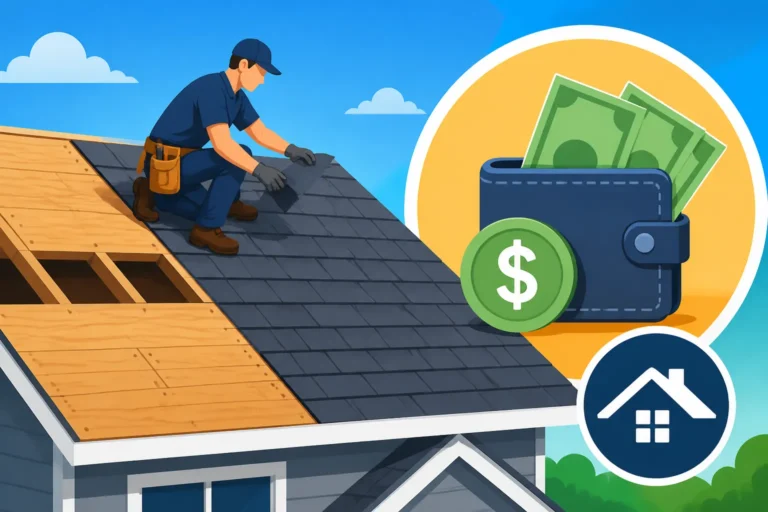
The material cost for cool-roof shingles generally ranges from $100 to $200 per square (a "square" is a roofing term representing 100 square feet of roof area). To put that into perspective, traditional architectural shingles might run you about $75 to $120 per square. So, you're looking at a premium of roughly 25% to 75% more for the materials alone.
Why the price difference? It boils down to the specialized manufacturing process and the advanced reflective granules used. Leading brands like GAF, Owens Corning, and CertainTeed offer their own lines of cool-roof shingles, each with slightly different technologies and price points. For instance, the GAF Timberline Cool Series might fall into the mid-range, while CertainTeed's Landmark Solaris or Owens Corning's Duration COOL shingles could be at a slightly higher end, depending on regional pricing and specific product features. These brands often offer varying levels of impact resistance, wind resistance, and warranties which also factor into the cost. The type of shingle also matters: while 3-tab shingles are the most basic and cheapest, most cool-roof options are available in the more durable and aesthetically pleasing architectural style, which itself carries a higher base price. For a deeper dive into different shingle costs, you might want to explore articles like Architectural Shingle Roof Cost.
Labor and Installation: The Human Factor
The labor portion of your roofing project typically accounts for 40% to 60% of the total cost, and cool-roof shingles generally don't drastically alter this ratio. However, the overall installation cost will naturally be higher because the material cost is higher. On average, you can expect to pay anywhere from $3.50 to $6.50 per square foot installed, which translates to $350 to $650 per square for the complete job, including materials and labor. So, for a typical 2,000 square foot roof (20 squares), you're looking at a range of $7,000 to $13,000.
While the process of installing cool-roof shingles is essentially the same as installing traditional asphalt shingles, the expertise of the roofing crew is paramount. A reputable contractor ensures that all components of the roof system, including proper underlayment, flashing, and ventilation, are installed correctly to maximize the performance of your cool roof and validate its warranty. Choosing a highly-rated contractor is always key, but for a premium product like cool-roof shingles, it's even more critical to ensure you get the full benefits. You'll want to choose a roofing contractor who is familiar with and experienced in installing these specialized materials. Asking questions about their experience with cool-roof systems during the estimate phase is a smart move. When you're trying to figure out your total budget, understanding How Much Does an Asphalt Shingle Roof Cost is a great starting point, as it breaks down the various components that contribute to the final price tag.
Key Factors Driving Cool-Roof Shingle Pricing
Understanding the base cost is one thing, but your specific home and location will always introduce variables that can push the price up or down. A roof replacement is a significant undertaking, and it's rare for any two projects to be exactly alike in cost. Thinking about these additional factors upfront can help you get a more realistic picture of your potential investment.
Roof Complexity and Project Scope
The shape and design of your roof play a huge role in determining the final cost. A simple, low-pitch gable roof on a single-story home will almost always be less expensive to re-roof than a multi-story home with a steep pitch, multiple dormers, skylights, chimneys, and complex valleys. Each of these architectural features requires more intricate cutting, fitting, and flashing, which adds to both material waste and labor time.
For instance, a roof with many valleys will require more specialized flashing work and careful shingle cuts, driving up both labor and material costs. Similarly, a steep roof often necessitates additional safety equipment and slower working conditions, which can lead to a Steep Roof Cost Premium. If your project also involves replacing existing skylights or adding new ones, that's another line item. Even the total size of your roof, measured in "squares," directly impacts the amount of materials needed and the time it will take for installation. A large, sprawling roof, even if relatively simple, will inherently cost more due to the sheer volume of shingles and underlayment required.
Geographical Location and Local Market Dynamics
Where you live significantly impacts roofing costs, and cool-roof shingles are no exception. Labor rates, material supply chains, and local demand all fluctuate from state to state and even city to city. For example, roofing labor rates in bustling metropolitan areas like Los Angeles or New York City will likely be higher than in smaller towns in the Midwest. This is due to a higher cost of living, increased overhead for contractors, and often greater demand.
Beyond labor, local building codes and climate conditions can also influence pricing. Some regions, particularly those prone to extreme heat or wildfires, might have specific codes or incentives that encourage cool-roof installations, potentially impacting availability or even offering rebates. Shipping costs for specialized materials can also vary, especially if the particular cool-roof shingle you want isn't readily available from local distributors. It's always a good idea to research Asphalt Shingle Roof Cost by State to get a baseline for your area, but remember that cool-roof options will likely be at the higher end of those ranges. To get an accurate sense of what you’ll pay, it's crucial to consult with local roofing professionals. Services like Modernize can help connect you with reputable contractors in your specific area who can provide tailored estimates based on local conditions and pricing.
Comparing Cool-Roof Shingles to Conventional Options
When you're looking at that higher price tag for cool-roof shingles, it's natural to wonder if the extra investment is truly worth it. The answer often lies in looking beyond the initial cost and considering the long-term financial and environmental benefits. It's a classic case of evaluating initial outlay versus ongoing savings and return on investment.
Initial Outlay vs. Long-Term Savings
Let's be frank: cool-roof shingles have a higher upfront cost. As we discussed, you might pay an extra 25-75% for the materials compared to traditional architectural shingles. For a 2,000 square foot roof, that could mean an additional $1,500 to $3,000 or more in materials, translating to a total project increase of a few thousand dollars.
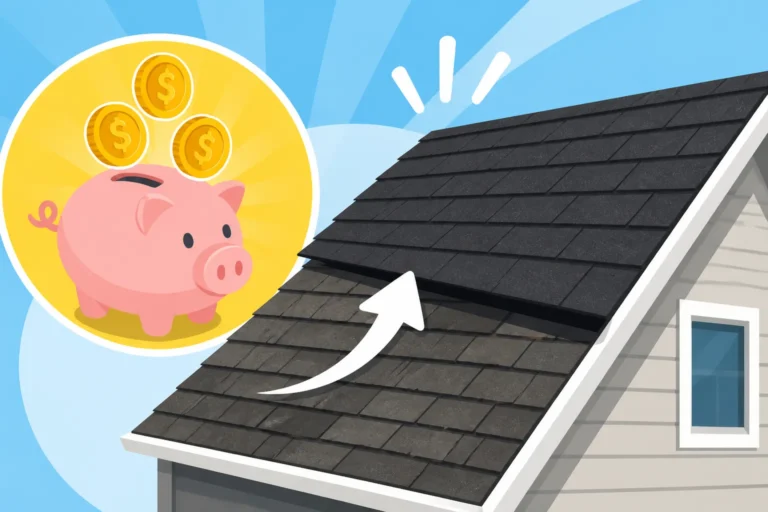
However, these shingles are designed to pay you back. By reflecting more sunlight and absorbing less heat, they keep your attic and home cooler, significantly reducing the workload on your air conditioning system. This translates directly into lower electricity bills, especially during peak cooling seasons. Energy Star estimates that cool roofs can save homeowners 7-15% on their total cooling costs. In hot climates, these savings can be even more substantial. For a household spending $300 a month on electricity in the summer, a 10% saving is $30 per month. Over the lifespan of a 20-30 year roof, those monthly savings add up considerably. Furthermore, reducing the strain on your AC unit can prolong its life, delaying the costly expense of an HVAC replacement. While a cool roof has a higher initial cost, its ability to cut down on energy bills and potentially extend the life of your HVAC system makes the Roof Replacement ROI Explained much more attractive.
Here's a simplified comparison for a hypothetical 2,000 sq ft roof:
| Feature | Traditional Architectural Shingles | Cool-Roof Architectural Shingles |
|---|---|---|
| Material Cost (per square) | $75 – $120 | $100 – $200 |
| Installed Cost (per square) | $300 – $550 | $350 – $650 |
| Total Estimated Installed Cost (20 squares) | $6,000 – $11,000 | $7,000 – $13,000 |
| Estimated Annual AC Savings | None | 7-15% of cooling costs |
| Potential Payback Period | N/A | 5-15 years (depending on climate/energy use) |
Note: These are average estimates; actual costs will vary based on location, contractor, and specific product chosen.
Considering Incentives and Rebates
Another fantastic way to offset the initial cost of cool-roof shingles is through various incentives and rebates. Governments, local utilities, and even some manufacturers recognize the energy-saving and environmental benefits of cool roofs and offer programs to encourage their adoption.
- Federal Tax Credits: While specific programs can change, the federal government has historically offered tax credits for energy-efficient home improvements, including certain cool roof installations. It's worth checking the latest IRS publications or consulting with a tax professional to see if your cool-roof project qualifies.
- State and Local Programs: Many states and municipalities offer their own incentives. For example, some cities in California or Arizona, known for their intense heat, might have significant rebate programs for cool roofs. Utility companies often provide rebates for energy-efficient upgrades, so check with your local electricity provider. These rebates could come in the form of direct cash back, reduced permit fees, or low-interest financing.
- Manufacturer Rebates: Sometimes, shingle manufacturers themselves offer promotions or rebates on their cool-roof product lines. Your roofing contractor should be able to inform you about any current manufacturer offers when providing an estimate.
These incentives can significantly reduce your effective upfront cost, making the investment much more palatable. Always ask your roofing contractor, like those found through Modernize, if they are aware of any local programs or if they can assist with the application process for rebates. Being proactive in seeking out these programs can turn a perceived "extra cost" into a smart, subsidized home improvement.
Other Costs to Factor Into Your Cool-Roof Budget
A new roof isn't just about the shingles themselves. There's a whole system underneath and around those shingles that needs attention, and overlooking these components can lead to unexpected expenses down the line. A truly comprehensive cost estimate will include these crucial elements, ensuring your cool-roof system functions optimally and lasts its full intended lifespan.
Tear-Off, Disposal, and Underlayment
Most roof replacements, especially when upgrading to a cool roof, will involve a complete tear-off of the old roofing material. This is highly recommended over simply roofing over existing shingles, as it allows for a thorough inspection of the roof deck and ensures the new system can be installed directly onto a sound surface. The cost of a Cost of Roof Tear-Off and Disposal can vary based on the number of existing layers (some homes have two or even three layers of old shingles), the weight of the materials, and local disposal fees. On average, you might expect to pay an additional $1.50 to $4.00 per square foot for tear-off and disposal.
Once the old roof is removed, a new underlayment is installed. This critical layer provides an extra barrier against moisture and enhances the overall performance of your roof. While traditional felt paper is still an option, many contractors now recommend synthetic underlayment due to its superior durability, moisture resistance, and often longer lifespan. The cost for synthetic underlayment can range from $0.75 to $2.00 per square foot. Additionally, in regions prone to ice dams or heavy rain, an "ice and water shield" is often required by code around eaves, valleys, and penetrations. This specialized self-adhering membrane offers enhanced leak protection but also adds to the material cost. These foundational elements are non-negotiable for a high-performing roof, regardless of whether you choose cool-roof shingles or traditional ones.
Permits, Inspections, and Warranty Upgrades
Navigating the administrative side of a roof replacement can feel like a chore, but it's absolutely essential. In nearly every jurisdiction, you will need a roofing permit to replace your roof. The Roofing Permit Cost and Process varies by location but typically ranges from $150 to $500, though it can be higher in some areas. This permit ensures that your new roof meets local building codes and safety standards. After installation, a local building inspector will usually perform a final inspection to confirm compliance. Don't let a contractor talk you out of a permit; skipping this step can lead to fines, difficulties with insurance claims, and complications when selling your home.
Beyond standard permits, consider the warranties available. Most cool-roof shingles come with a standard manufacturer's warranty, often covering material defects for a certain period. However, many manufacturers, especially for their premium lines, offer extended or enhanced warranties when the entire roofing system (shingles, underlayment, flashing, ventilation) is installed by a certified contractor. These upgraded warranties can provide longer coverage, often including labor costs, and offer greater peace of mind. While they might add a small percentage to the overall cost, typically a few hundred dollars, the enhanced protection over several decades can be a worthwhile investment. Always discuss warranty options with your contractor and ensure you understand the terms and registration process.
Making Smart Choices for Your Cool-Roof Project
Embarking on a roof replacement, especially with advanced materials like cool-roof shingles, is a big decision that involves a significant financial commitment. To ensure you're making the best choices and getting the most value for your money, it's crucial to approach the process strategically. This means being diligent in your research and careful in your selection of both materials and the professionals who will install them.
Seeking Multiple, Detailed Estimates
This is perhaps the single most important step in any major home improvement project. Never settle for just one quote. You should aim to get at least three detailed estimates from different, reputable roofing contractors. Why? Because estimates can vary wildly, not just in price but in what they include. A low-ball offer might seem attractive, but it could be missing crucial components like proper underlayment, tear-off, or disposal fees, or it might signal a contractor cutting corners.
When you receive estimates, don't just look at the bottom line. Take the time to understand every item listed. A good estimate for a cool-roof project should clearly break down:
- Material costs: Specific shingle brand, type, and quantity (in squares).
- Underlayment: Type (synthetic, felt) and coverage.
- Ancillary materials: Drip edge, flashing, ventilation components (ridge vents, baffles).
- Labor costs: Detailed or included in per-square pricing.
- Tear-off and disposal fees.
- Permit fees.
- Warranty information: Both material and workmanship.
- Payment schedule.
By comparing these line by line, you can spot discrepancies and ask clarifying questions. This process also gives you a feel for the contractor's professionalism and attention to detail. For a deep dive into what to look for, check out How to Read and Compare Roofing Estimates. Don't hesitate to ask contractors for references or examples of their past cool-roof installations. Websites like Modernize can be incredibly helpful in connecting you with multiple local, pre-vetted contractors, streamlining the process of gathering comprehensive bids.
The Importance of Certified Installers
When investing in a specialized product like cool-roof shingles, the quality of installation is just as important as the quality of the materials themselves. This is where manufacturer-certified installers come into play. Major shingle manufacturers like GAF, Owens Corning, and CertainTeed offer certification programs for roofing contractors who demonstrate expertise, carry proper insurance, and commit to ongoing training.
Choosing a certified contractor offers several significant advantages:
- Adherence to Best Practices: Certified installers are trained directly by the manufacturer on the proper installation techniques for their specific products. This ensures the shingles are installed correctly, maximizing their performance and lifespan, especially for the nuanced technology of cool roofs.
- Enhanced Warranties: Many of the best manufacturer warranties, particularly the comprehensive system warranties that cover both materials and labor for an extended period, are only available when the roof is installed by a certified contractor. This is huge for long-term peace of mind.
- Accountability: Certified contractors typically have a direct relationship with the manufacturer, which can provide an extra layer of accountability should any issues arise. They are invested in maintaining their certification and reputation.
While a certified contractor might not always be the cheapest option, the peace of mind, adherence to quality standards, and access to superior warranties make the slightly higher investment well worth it for a cool-roof system. You're not just buying shingles; you're buying a complete, high-performance roofing solution. Knowing How to Choose a Roofing Contractor will guide you through the process of finding the right professional for this critical home upgrade.
Disclaimer
Please note that this article provides general information and estimated costs based on industry averages and typical scenarios. Actual costs for your cool-roof shingle project will vary significantly depending on your specific location, roof size and complexity, chosen materials, local labor rates, and the contractor you hire. Always obtain multiple detailed quotes from qualified, local roofing professionals to get an accurate assessment for your individual project. This content is for informational purposes only and does not constitute professional advice.