Asphalt Roof Replacement Cost in Georgia
Facing the need for a new roof in Georgia can feel like staring down a major financial challenge, especially with all the variables involved. From the scorching summer heat and humidity to the occasional severe storm, your roof works hard, and when it's time for replacement, understanding the true cost is paramount. This guide will walk you through the asphalt roof replacement cost in Georgia, detailing what impacts your budget and how to navigate the process with confidence.
Understanding the Average Asphalt Roof Replacement Cost in Georgia
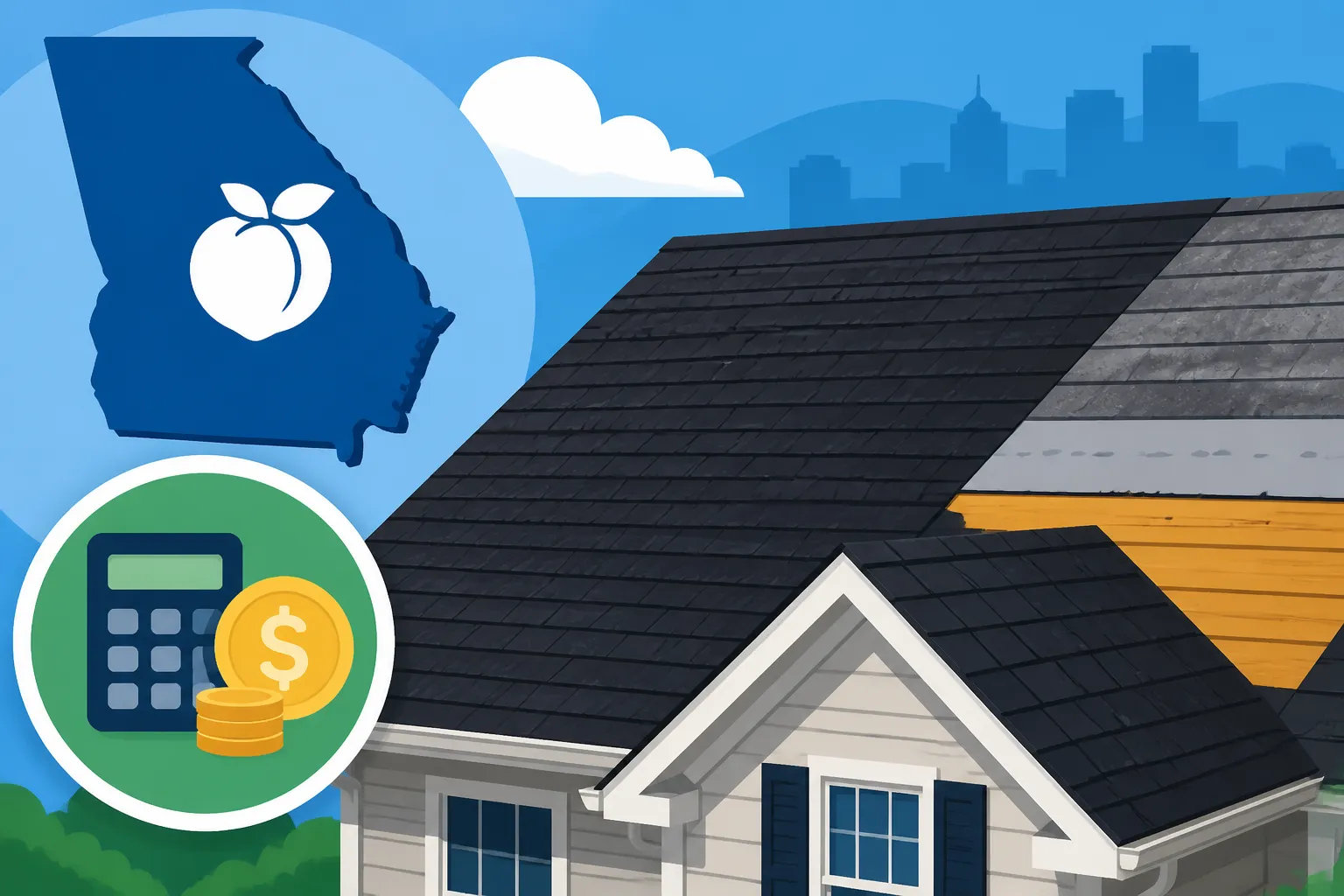
Replacing an asphalt roof in Georgia isn't a one-size-fits-all expense. The cost can fluctuate wildly depending on a myriad of factors, making it tough to pinpoint an exact figure without a detailed assessment. However, understanding the general range can help you set realistic expectations and prepare your budget. Most homeowners in Georgia can expect to pay anywhere from $6,500 to $18,000 for a complete asphalt roof replacement, with the statewide average often hovering around $10,000 to $12,000 for a typical 1,500 to 2,000 square foot home.
This broad range accounts for everything from a simple, straightforward job on a single-story ranch home with basic 3-tab shingles to a complex project on a multi-story house featuring architectural shingles, extensive roof decking repair, and premium warranties. It’s important to remember that these are just averages, and your specific situation could fall above or below this spectrum. Before diving into specifics, it's really helpful to understand How Much Does an Asphalt Shingle Roof Cost generally, as Georgia's market reflects many national trends but with local nuances.
Statewide Averages and Key Factors
When we talk about statewide averages, we're considering the vast landscape of Georgia, from the bustling metro Atlanta area down to the quieter coastal communities and agricultural regions. The size of your roof, measured in "squares" (one square equals 100 square feet), is the primary driver of material and labor costs. A larger roof naturally requires more shingles, underlayment, flashing, and more hours for installation. Beyond sheer size, the existing condition of your roof plays a significant role. If your old roof has multiple layers of shingles that need to be torn off, or if there's extensive damage to the underlying roof decking, these additional tasks will add to the overall expense.
Another often overlooked factor is the complexity of your roof. A simple gable roof, with just two main slopes, is much easier and quicker to replace than a complex roof with multiple dormers, valleys, hips, and skylights. Each of these features adds intricate cutting, fitting, and flashing work, which translates to increased labor time and material waste. The pitch, or steepness, of your roof also influences labor costs significantly; a very steep roof requires specialized safety equipment and more cautious work, leading to a "steep roof cost premium" that homeowners often encounter on their estimates.
Regional Differences: Atlanta, Savannah, and Beyond
The cost of an asphalt roof replacement in Georgia can vary considerably depending on your specific location within the state. Major metropolitan areas like Atlanta, for example, tend to have higher labor costs due and higher demand. Contractors in these areas often face higher operating expenses, which are reflected in their pricing. For instance, an asphalt roof replacement cost in Atlanta might be 10-20% higher than a comparable job in a smaller city or rural area.
Conversely, in areas with a lower cost of living and less competition among contractors, such as parts of South Georgia or smaller towns in the Piedmont region, you might find slightly more competitive pricing. Coastal regions, like Savannah or Brunswick, face unique challenges such as higher wind load requirements and the increased risk of severe weather, which can sometimes necessitate more robust materials or specific installation techniques that add to the cost. It's not uncommon for specific building codes or insurance requirements in hurricane-prone zones to drive up material specifications. When you're ready to compare options, platforms like Modernize offer a streamlined way to gather multiple bids from local contractors, helping you understand the regional nuances of pricing.
Key Elements That Drive Your Roofing Bill in the Peach State
Understanding the average cost is a great starting point, but to really make sense of your roofing estimate, you need to break down the individual components that contribute to the final price tag. From the type of shingles you choose to the hidden issues lurking beneath your old roof, each element plays a crucial role. Being informed about these factors allows you to have more productive conversations with contractors and make decisions that align with your budget and long-term goals. Many homeowners appreciate knowing the detailed breakdown of their Asphalt Roof Replacement Cost: Complete Breakdown.
Material Choices and Their Impact
The type of asphalt shingle you select is arguably the biggest material cost differentiator. In Georgia, you primarily see three types:
- 3-Tab Shingles: These are the most economical option, offering a flat, uniform appearance. While they're budget-friendly, they offer less durability and a shorter lifespan (typically 15-20 years) compared to other options. Their straightforward design means installation is usually quicker, slightly reducing labor costs.
- Architectural (Laminated) Shingles: By far the most popular choice in Georgia, these shingles are thicker, more durable, and offer a multi-dimensional look that mimics natural wood shakes or slate. They come with better wind resistance and a longer lifespan (typically 25-30 years). The aesthetic upgrade alone makes them a favored choice for many, and the cost difference from 3-tab is often well worth the investment for enhanced curb appeal and protection. Your 3-Tab vs Architectural Shingle Cost Compared will clearly show this difference.
- Designer (Luxury) Shingles: These are the premium end of asphalt shingles, designed to replicate high-end roofing materials like natural slate or cedar shakes with exceptional realism and depth. They are the heaviest and most durable, often boasting lifespans of 30-50 years and superior impact resistance. While they come with a significantly higher price tag, they offer unparalleled aesthetics and protection, making them a worthy consideration for custom homes or homeowners seeking the ultimate in style and longevity.
Beyond the shingles themselves, the underlayment material also impacts costs. While traditional felt paper is common, many Georgia homeowners are opting for synthetic underlayment due to its superior tear resistance, water protection, and longevity, especially in humid climates. This upgrade, though a small percentage of the total, offers peace of mind.
Labor Rates and Project Complexity
Labor costs represent a substantial portion of any roof replacement project, and in Georgia, these rates are influenced by several factors. The local economy, demand for roofing services, and the complexity of your specific roof all play a part. As mentioned earlier, steep roofs or those with many valleys, hips, and dormers require more specialized labor and safety measures, increasing the time and effort needed for installation. For instance, a two-story home will almost always cost more to roof than a single-story ranch of the same square footage due to the increased safety precautions and logistical challenges of working at height.
The extent of the tear-off also affects labor. If your current roof has multiple layers of shingles, removing them is a labor-intensive process that adds to the total hours and disposal fees. Each additional layer must be carefully removed and disposed of properly, which is outlined in the Cost of Roof Tear-Off and Disposal. Furthermore, the reputation and certification of the roofing crew can influence their rates. Highly experienced and manufacturer-certified installers, for example, might charge a bit more, but they often provide superior workmanship and stronger warranties, which can save you money in the long run.
Additional Costs and Unexpected Surprises
Even with a detailed estimate, unexpected costs can sometimes arise during a roof replacement. One common culprit is damaged roof decking. Once the old shingles and underlayment are removed, the underlying plywood or OSB decking might reveal rot, water damage, or structural issues. Replacing damaged decking is essential for a sound, durable roof, but it’s an added expense that can only be accurately assessed once the old roof is off. You should budget for potential Roof Decking Replacement Cost as a contingency.
Another significant "additional cost" category involves permits and code upgrades. In Georgia, most cities and counties require a roofing permit for a full replacement to ensure the work meets local building codes and safety standards. The cost of these permits varies by municipality, but it’s a non-negotiable expense. Don't worry, your chosen contractor usually handles this process. You can learn more about Roofing Permits Explained to understand what's involved. Additionally, if your existing roof ventilation is inadequate, your contractor might recommend upgrades, such as installing ridge vents or additional soffit vents, to meet current code requirements and improve your home's energy efficiency. These upgrades, while beneficial, will contribute to the total cost.
Navigating Estimates and Finding a Reputable Roofer in Georgia
Finding a reliable and trustworthy roofing contractor in Georgia is perhaps the most critical step in ensuring a smooth and successful roof replacement project. The quality of workmanship directly impacts your roof's longevity and performance. It's not just about the lowest price; it's about value, transparency, and peace of mind. Many homeowners in Georgia use resources such as Modernize to ensure they're making informed decisions and connecting with reputable local companies.
Getting Comprehensive Quotes
The golden rule for any major home improvement project is to get multiple quotes. For a roof replacement in Georgia, aim for at least three detailed estimates from different roofing companies. This allows you to compare not just the bottom-line price, but also the scope of work, material specifications, warranty offerings, and payment terms. A comprehensive quote should clearly itemize materials (shingle type, underlayment, flashing, vents), labor, tear-off and disposal, and any potential extra costs like decking repair or permit fees. Beware of estimates that are significantly lower than others; they might be cutting corners on materials, labor, or insurance, which could lead to major problems down the road.
When comparing estimates, don't hesitate to ask questions. Inquire about the specific brands of shingles they use (e.g., GAF, Owens Corning, CertainTeed), the type of underlayment, and the warranty coverage for both materials and workmanship. A good contractor will be happy to walk you through every line item and explain their recommendations. This process helps you understand How to Read and Compare Roofing Estimates effectively.
The Importance of a Vetted Contractor
Choosing the right roofing contractor goes beyond just comparing prices. It's about vetting their credentials and reputation. Always ensure your contractor is properly licensed and insured in the state of Georgia. This protects you in case of accidents or property damage during the project. Ask for proof of liability insurance and workers' compensation coverage. A reputable company will provide this without hesitation. Beyond licensing, look for contractors who are certified by major shingle manufacturers like GAF Master Elite, Owens Corning Platinum Preferred, or CertainTeed SELECT ShingleMaster. These certifications mean the contractor has met stringent standards for quality, training, and customer service, and they can often offer enhanced manufacturer warranties that an uncertified contractor cannot.
Check online reviews on platforms like Google, Yelp, and the Better Business Bureau. Ask for local references and actually call them to hear about their experiences. A good track record of satisfied customers is a strong indicator of reliability and quality workmanship. Remember, finding a reputable roofer is paramount, and understanding How to Choose a Roofing Contractor will guide you through this critical selection process.
Financing Your New Roof
A roof replacement is a significant investment, and for many Georgia homeowners, outright cash payment isn't always feasible. Fortunately, there are several financing options available. Many roofing contractors offer their own financing plans, often through third-party lenders, which can include low-interest rates or deferred payment options for qualified buyers. It’s always worth exploring these, but make sure to compare them with other possibilities.
Home equity loans or lines of credit (HELOCs) are popular choices, as they typically offer lower interest rates because they are secured by your home's equity. Another option is a personal loan, though these generally have higher interest rates and shorter repayment terms. For homeowners who have recently experienced storm damage, contacting your insurance company is a crucial first step; your policy might cover a significant portion of the replacement cost, especially if the damage is due to sudden, accidental events like hail or wind. Be sure to understand if Does Insurance Cover Roof Replacement in your specific circumstances. Planning ahead and creating a budget, even if you need to explore financing, will give you peace of mind.
Essential Considerations for Georgia Homeowners
Living in Georgia means your roof is exposed to a unique set of climatic conditions, from intense summer heat and humidity to occasional severe thunderstorms, hail, and even rare winter weather events. These factors should influence your roofing choices and the installation process to ensure maximum longevity and performance. Thinking about these specific elements will help you make the best long-term decision for your home.
Weather Challenges and Shingle Performance
Georgia's climate places specific demands on roofing materials. The hot, humid summers can accelerate the aging process of asphalt shingles, leading to issues like granule loss, blistering, or curling if the materials aren't high quality or properly installed. Granule loss is a particular concern, as it exposes the asphalt backing to harmful UV rays. Many manufacturers now offer shingles with advanced UV protection and algae-resistant granules, which can be a smart upgrade for Georgia homes, especially those prone to dark streaks caused by algae growth.
Severe weather, including strong winds from thunderstorms or even tropical depressions, and hail, is another significant concern. It's wise to consider shingles with higher wind ratings (e.g., 130 mph) and impact resistance, often rated as Class 3 or Class 4. While these might cost a bit more upfront, they can offer superior protection and potentially qualify you for insurance discounts, particularly in hail-prone areas. Ask your contractor about shingles designed for high-wind nailing patterns or those specifically engineered to withstand hail impact. A good warranty, especially a strong wind warranty, can provide immense comfort. It's important to ask Questions to Ask About Roofing Warranties to ensure you understand the coverage.
Proper Ventilation and Its Long-Term Benefits
Proper roof and attic ventilation is absolutely crucial in Georgia's climate, yet it's often an overlooked component during roof replacement. Without adequate ventilation, heat and moisture can become trapped in your attic, creating a hostile environment that shortens the lifespan of your shingles, promotes mold and mildew growth, and drives up your energy bills. This trapped heat can essentially "cook" your shingles from the underside, causing them to degrade much faster than their rated lifespan.
A balanced ventilation system, typically involving continuous soffit vents for intake and a ridge vent for exhaust, ensures a consistent airflow through the attic. This airflow helps regulate attic temperature, pushing out hot, humid air and drawing in cooler, drier air. It also helps prevent ice dams in the rare cold snaps by keeping the roof deck temperature uniform. Investing in proper ventilation during your roof replacement is a smart long-term strategy that protects your new roof, improves indoor comfort, and can save you money on utility costs. Your contractor should assess your current ventilation and recommend any necessary upgrades, explaining How Roof Ventilation Works to protect your home.
The Value of Manufacturer and Workmanship Warranties
When investing in a new asphalt roof in Georgia, the warranties that come with it are just as important as the materials themselves. You'll typically encounter two main types: the manufacturer's warranty, which covers the shingles and other roofing components for defects, and the contractor's workmanship warranty, which covers issues arising from improper installation. A standard manufacturer warranty might offer 25-30 years of coverage, but often with prorated terms, meaning the payout decreases over time.
However, if you choose a manufacturer-certified contractor (like those found through Modernize), you can often access enhanced or extended warranty programs. For example, GAF offers its Golden Pledge warranty, and Owens Corning has its System Advantage warranty. These programs often provide longer non-prorated coverage periods, cover a broader range of defects, and crucially, include coverage for the contractor's workmanship, sometimes for 25 years or more. This combined coverage gives you exceptional peace of mind that both the materials and the installation are protected. Understanding the nuances of Roofing Warranty Workmanship vs Manufacturer is vital for long-term protection of your investment.
Disclaimer
Please note that the information provided in this guide is for general informational purposes only and does not constitute professional advice. Roofing costs are estimates and can vary significantly based on location, contractor, materials, and specific project requirements. Always consult with multiple qualified and licensed roofing professionals for accurate quotes and recommendations tailored to your individual situation.