Asphalt Roof Replacement Cost in Colorado
If you're a homeowner in Colorado, the thought of needing a new asphalt roof probably comes with a significant amount of stress, especially when you start wondering about the price tag. With our unique weather patterns, from harsh hail storms to heavy snowfalls and intense sun, roofs here can take a beating, and knowing what to expect financially for a replacement is absolutely essential. This comprehensive guide is here to walk you through the asphalt roof replacement cost in Colorado, breaking down all the factors, hidden expenses, and ways to budget effectively for this crucial home investment.
Understanding Asphalt Roof Replacement Costs in Colorado
Let's face it, nobody wants to be surprised by the bill for a new roof. In Colorado, the cost of replacing your asphalt roof can vary quite a bit, much like the diverse landscapes we enjoy. While there's no one-size-fits-all answer, understanding the average costs and the main drivers behind them can help you prepare.
Average Costs and Influencing Factors
On average, homeowners in Colorado can expect to pay anywhere from $9,000 to $20,000 for a complete asphalt roof replacement. Of course, this is a broad range, and smaller, simpler roofs might fall on the lower end, while larger, more complex homes could easily exceed this. In major metropolitan areas like Denver, Aurora, or Colorado Springs, labor and material costs tend to be higher due to demand and overhead, whereas more rural parts of the state might see slightly lower rates.
What makes up this figure? A multitude of factors, really. The type of asphalt shingle you choose plays a huge role – are you going for a standard 3-tab, or a more robust architectural shingle that offers better protection and curb appeal? The sheer size of your roof, its steepness, and how many unique features it has (like dormers, valleys, or skylights) all contribute significantly to the final price. And let’s not forget Colorado’s notoriously unpredictable weather; the need for specialized, impact-resistant shingles in hail-prone areas, or reinforced installation for high winds, definitely adds to the investment.
Breaking Down the Main Cost Components
When you receive an estimate for your new roof, it's typically broken down into several key components. Understanding what these cover will make it easier to compare bids and ensure you're getting a fair price.
The largest portion of your bill usually comes from materials. This includes the asphalt shingles themselves, but also all the other essential components that make up a complete roofing system: the underlayment, drip edge, flashing, starter strips, and ridge caps. For example, if you live in an area like Parker or Centennial, where hail can be a serious issue, you might opt for Class 4 impact-resistant shingles, which offer superior protection but come at a higher price point than standard architectural shingles.
Next up is labor. This covers the cost of the roofing crew's time and expertise. Installing a roof is hard work, and good roofers are skilled tradespeople. The size and complexity of your roof will dictate how many days the crew needs and, therefore, the labor cost. You'll also see costs for disposal of your old roof, which involves tearing off the existing shingles and hauling them away. This can be a significant line item, especially if you have multiple layers of old roofing material to remove. Finally, there are often costs for permits required by your local municipality, ensuring the work is up to code. It's important to remember that all these elements combined make up the total price you'll pay for your asphalt roof replacement in Colorado. For a deeper dive, you can explore the topic of what drives asphalt roofing costs up or down.
Factors That Heavily Influence Your Colorado Roofing Bill
It's natural to want to know why one estimate might be thousands of dollars different from another. In Colorado, several key factors significantly impact your roofing bill, beyond just the basics.
Shingle Type and Quality
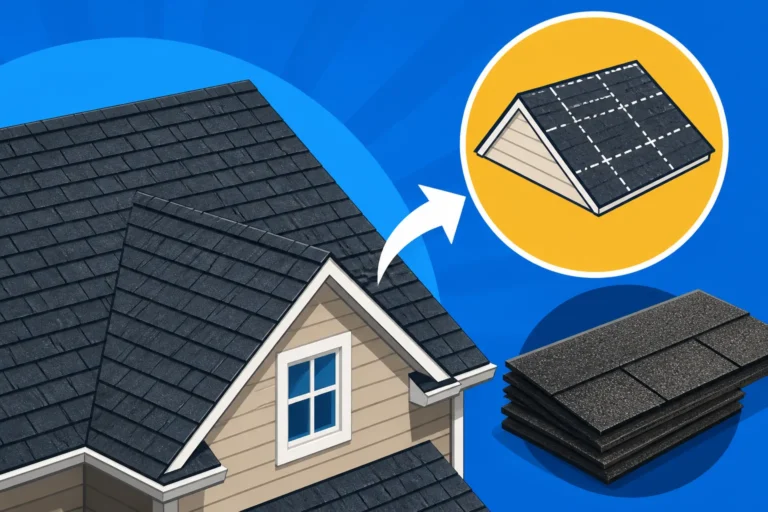
The type of asphalt shingle you select is one of the most significant cost drivers. There are generally three main categories, each offering different aesthetics, durability, and price points:
- 3-Tab Shingles: These are the most basic and economical option. They are flat, single-layer shingles designed to look like three separate tabs. While they are the cheapest upfront, they offer the lowest wind resistance and shortest lifespan, typically around 15-20 years. They're becoming less common in Colorado due to our harsh weather, but they still represent the budget-friendly choice.
- Architectural (Dimensional) Shingles: These are by far the most popular choice in Colorado. They are multi-layered, thicker, and create a more textured, dimensional look, often mimicking the appearance of natural wood shakes. Architectural shingles provide much better wind and impact resistance than 3-tab shingles and typically come with longer warranties (25-30 years). Brands like GAF Timberline HDZ and Owens Corning Duration are well-regarded options in this category. They offer a great balance of cost, durability, and aesthetic appeal.
- Luxury (Designer) Shingles: These are the premium option, designed to replicate the look of natural slate or cedar shakes with exceptional realism. They are the heaviest, thickest, and most durable asphalt shingles available, often featuring advanced impact resistance and very long warranties (30-50 years). While they come with the highest price tag, they offer unparalleled curb appeal and protection, making them a wise investment for high-end homes or areas prone to severe weather.
Given Colorado’s propensity for hail and strong winds, many homeowners are choosing impact-resistant shingles, often rated Class 4. These shingles are specially designed to withstand large hail and can even qualify you for insurance discounts. While they add to the upfront cost, the long-term savings on repairs and insurance premiums can be substantial, making them a very popular choice throughout the Front Range. You might also be interested in how 3-tab vs architectural shingle cost compared.
Roof Size, Pitch, and Complexity
Think of your roof as having its own personality – some are simple, flat, and straightforward, while others are a maze of peaks, valleys, and dormers. This "personality" directly influences your roofing cost.
First, there's size. Roofers measure roofs in "squares," with one square equaling 100 square feet. A larger roof simply requires more materials and more labor, naturally increasing the overall cost. A 2,000 square foot home might have a 20-square roof (accounting for overhangs), while a 3,000 square foot home could have a 30-square roof, and so on.
Then there's the pitch, or the steepness of your roof. A low-slope roof is easier and safer for crews to work on, requiring less specialized equipment and less time. A steep-pitch roof, common in many Colorado homes, presents greater safety challenges, requires more scaffolding or safety gear, and takes longer to install the shingles correctly. This typically adds a "steep roof cost premium" to the labor portion of your estimate.
Finally, complexity plays a huge role. Does your roof have many dormers, skylights, chimneys, or valleys? Each of these features requires intricate flashing, precise cutting of shingles, and extra attention to detail to ensure watertightness. More complex roofs demand more skilled labor and more time, driving up the total cost. A sprawling ranch home with a simple gable roof will almost always be less expensive to replace than a two-story home with a complex design and multiple roof penetrations. Understanding your roof's unique characteristics is key to anticipating the overall cost. You can also dive into the cost of a roof with multiple valleys.
Regional Differences Across Colorado
Just like the housing market, roofing costs aren't uniform across the entire state of Colorado. Where you live within the Centennial State will have a tangible impact on your final bill.
Urban vs. Rural: Expect to pay more in major metropolitan areas like the Denver-Aurora-Lakewood corridor, Boulder, and Fort Collins. These areas generally have higher labor rates, increased demand for roofing services, and higher operational costs for contractors. Permitting fees can also be higher in these more densely populated municipalities. Conversely, if you live in a smaller town on the Eastern Plains or on the Western Slope, labor costs might be slightly lower, though material delivery might add a small premium.
Mountain Regions: Roofing in Colorado's mountain communities presents its own set of challenges and, consequently, higher costs. Accessibility can be an issue, especially if your home is off the beaten path or on a steep incline. Transportation of materials to higher elevations can be more expensive. Furthermore, roofs in mountain areas often need to be built to withstand extreme snow loads and more intense UV radiation, sometimes requiring heavier-duty materials or specialized installation techniques that come with a higher price tag.
Specific Weather Risks: Different regions of Colorado face different predominant weather challenges. The Front Range, stretching from Fort Collins down to Pueblo, is notorious for hail storms. This drives many homeowners to invest in impact-resistant shingles, which, as discussed, are more expensive. Western Slope communities might deal with intense summer sun, while certain high-altitude areas battle persistent heavy snow. These environmental factors often dictate the type of materials and reinforcement needed, influencing cost. For example, if you're looking for an asphalt roof replacement cost in Colorado in a specific city, you'll find variations.
Additional Costs to Anticipate in Colorado Roofing Projects
Beyond the main components of materials and labor, there are several other costs that you should factor into your budget. Overlooking these can lead to unpleasant surprises down the road.
Permits and Local Regulations
This is one area where local rules really come into play. Almost every municipality in Colorado requires a permit for a full roof replacement to ensure that the work meets current building codes and safety standards. The cost of a roofing permit can vary significantly by city and county. For instance, a permit in Denver might range from $200-$500, while a permit in a smaller town might be less. It's crucial that your roofing contractor pulls the necessary permits before starting work. Not only is it legally required, but it also ensures that the work will be inspected, giving you an extra layer of confidence in the quality and safety of your new roof. If a contractor suggests skipping the permit, that's a major red flag. Always ask your prospective contractor about the permit process and who will handle it. To learn more, check out if you need a permit to replace a roof.
Unexpected Repairs and Upgrades
Sometimes, what's hidden beneath the surface can add to your final cost. Once the old shingles are torn off, the roofing contractor has a clear view of your roof deck (the plywood or OSB sheeting that forms the base of your roof). If there's water damage, rot, or significant sagging, sections of the roof decking may need to be replaced. This is a common discovery, especially on older roofs or where leaks have gone unnoticed. Replacing roof decking adds both material and labor costs to the project, typically ranging from $75 to $150 per sheet.
Another common upgrade or repair involves ventilation. Proper attic ventilation is critical for extending the life of your roof and maintaining energy efficiency in your home. If your current ventilation system is inadequate or damaged, your contractor might recommend adding or upgrading components like ridge vents or soffit vents. While an extra cost, improved ventilation can prevent issues like ice dams in winter and excessive heat buildup in summer, making it a worthwhile investment. An experienced contractor from a company like Modernize will conduct a thorough inspection and alert you to any such necessary repairs or upgrades, providing transparent pricing.
Debris Removal and Disposal
Tearing off an old roof generates a surprising amount of debris. Every shingle, nail, and piece of old underlayment has to go somewhere. The cost of debris removal and disposal is typically included in your overall roofing estimate, but it's worth understanding what it entails.
The crew will typically use a large dumpster or a specialized "catch-all" system to collect the old materials as they're removed from your roof. This helps protect your landscaping and keeps the job site tidy. Once the job is complete, the dumpster is hauled away, and the contents are taken to a landfill or recycling facility. In Colorado, there's a growing emphasis on recycling old asphalt shingles, which can sometimes impact the disposal cost, though it's a more environmentally friendly option.
Factors that can influence this cost include the number of layers of old shingles (each additional layer means more weight and volume to dispose of), the accessibility of your property for a dumpster, and local landfill fees. While usually a standard line item, it's good to confirm with your contractor exactly what their plan is for cleaning up and disposing of the old roof, including a final magnetic sweep of your yard to catch stray nails. This is an important part of the overall roof replacement process.
Smart Strategies for Managing Your Roofing Budget
Replacing a roof is a significant investment, but there are smart ways to approach it that can help you manage the costs without compromising quality or safety.
Getting Multiple Estimates
This is perhaps the single most important piece of advice we can offer: always get at least three, preferably five, detailed estimates from different reputable roofing contractors. Think of it like shopping for a new car; you wouldn't buy the first one you see. Each contractor will have slightly different pricing structures, material preferences, and labor costs. Comparing these bids allows you to get a true sense of the market rate for an asphalt roof replacement in Colorado and helps you spot any outliers, whether they're suspiciously low or excessively high.
When comparing estimates, don't just look at the bottom line. Scrutinize what's included in each quote. Does it specify the type of shingles, underlayment, and flashing? Does it clearly outline the tear-off and disposal costs? Are permits included? A reliable contractor will provide a comprehensive, transparent estimate. Services like Modernize can be incredibly helpful here, as they can connect you with pre-vetted local roofing professionals, making the process of gathering multiple quotes much simpler and faster. You'll also want to know how to read and compare roofing estimates.
Understanding Insurance Coverage
For many Colorado homeowners, especially those in hail-prone areas like the Front Range, homeowners insurance can play a critical role in covering the cost of a roof replacement. If your roof damage is due to a sudden, unexpected event like a hail storm or high winds, your policy may cover a significant portion of the replacement cost, minus your deductible.
The key is understanding your policy. Many standard policies in Colorado cover damage from perils like wind and hail. However, some policies might offer "Actual Cash Value" (ACV) coverage, meaning they pay out the depreciated value of your roof, while others provide "Replacement Cost Value" (RCV), which covers the cost to replace your roof at current market rates. RCV policies are generally more favorable but come with higher premiums.
If you suspect storm damage, contact your insurance company promptly to file a claim. Your insurer will send an adjuster to inspect the damage. It's often beneficial to have your chosen roofing contractor present during this inspection, as they can advocate on your behalf and ensure all damage is properly identified. Don't hesitate to ask your roofer how much is a roof replacement after hail is covered by insurance, as they deal with insurance claims regularly.
Choosing the Right Time of Year
While you can technically replace a roof at any time of year in Colorado, timing can sometimes offer slight advantages, though unpredictable weather always plays a part.
Spring and Fall: These seasons are often considered ideal for roofing projects. The temperatures are moderate, making conditions more comfortable for roofers and allowing asphalt shingles to properly seal (the sun's heat activates the sealant). Demand can be high, though, especially in the spring after winter storms reveal damage.
Summer: Summer offers long, dry days, which are great for quick project completion. However, intense heat can make working on a roof very challenging for crews, and shingles can get very hot, making them more delicate to install. Afternoon thunderstorms are also a common concern in Colorado summers, which can pause work.
Winter: Roofing in Colorado winters is possible, especially during milder stretches. However, cold temperatures can make shingles brittle and prevent them from sealing properly, potentially voiding manufacturer warranties if installed below certain temperatures. Also, snow and ice can cause significant delays. While some contractors might offer slightly lower rates in the slower winter months, the potential for weather-related delays and installation challenges often outweighs the savings.
Ultimately, the "best" time is when your roof needs replacing and when you've found a reputable contractor and secured financing.
Understanding Your Roofing Estimate: A Quick Guide
When you receive those multiple estimates, it can feel overwhelming to compare them. Here’s a simplified table to help you understand common line items you might see on an asphalt roof replacement quote in Colorado.
| Component | Description | Typical Cost Factor (per square/lineal foot/unit) | Notes for Colorado Homeowners |
|---|---|---|---|
| Shingles (Materials) | Cost of the asphalt shingles themselves (3-tab, architectural, luxury, Class 4) | $75 – $300+ per square (100 sq ft) | Class 4 impact-resistant shingles are a popular upgrade. |
| Underlayment | Synthetic or felt barrier installed beneath shingles | $1 – $3 per square foot | Essential for waterproofing, especially with snow and ice. |
| Ice & Water Shield | Self-adhering membrane for vulnerable areas (valleys, eaves) | $3 – $5 per square foot (for protected areas) | Critical for preventing ice dam damage in winter. |
| Flashing | Metal or synthetic material around penetrations (chimneys, vents, walls) | $10 – $30 per lineal foot | Ensures watertight seals in complex areas. |
| Drip Edge | Metal flashing along roof edges, directing water away | $3 – $8 per lineal foot | Required by code in many CO municipalities. |
| Ridge Vents/Caps | Ventilation at the roof peak; cap shingles cover the ridge | $10 – $25 per lineal foot | Improves attic ventilation, crucial for roof longevity in CO. |
| Starter Strips | Specially designed shingles for the first course at the eaves | $5 – $10 per lineal foot | Provides crucial wind resistance at the roof edge. |
| Labor | Cost for the roofing crew to install all components | $3 – $6+ per square foot | Varies by roof complexity, pitch, and local labor rates. |
| Tear-Off & Disposal | Removal of old roofing layers and hauling debris away | $1.50 – $4 per square foot | Higher for multiple layers or difficult access. |
| Permits | Fees paid to the city/county for inspection and approval | $150 – $500+ per project | Varies significantly by municipality. |
| Decking Replacement | Cost to replace damaged plywood or OSB sheeting (if needed) | $75 – $150+ per 4'x8' sheet (material & labor) | Common unexpected cost, especially on older roofs. |
| Dumpster/Equipment | Rental of dumpsters, lifts, safety equipment | Often included in labor/disposal | Can be a separate line item if large equipment is needed. |
This table provides a general overview, and actual costs can vary based on your specific location within Colorado, contractor, and current market conditions.
Disclaimer
Please remember that the information provided in this guide is intended for general informational purposes only and should not be considered professional advice. Roofing costs are estimates and can fluctuate significantly based on current material prices, labor availability, regional economic factors, specific project details, and the individual contractor. Always consult with multiple qualified and licensed roofing professionals for accurate estimates tailored to your specific situation and property. Homeowners are encouraged to verify all licensing and insurance details of any contractor before engaging in services.