Cool-Roof Shingle Cost Per Square
When you're facing the daunting task of replacing your roof, especially if you're looking into energy-efficient options, the jargon and pricing structures can feel like a foreign language. Homeowners often struggle to understand what "cost per square" really means for specialized products like cool-roof shingles, leaving them feeling overwhelmed and unsure how to budget. This comprehensive guide is here to break down the true cost per square for cool-roof shingles, helping you understand the numbers and make informed decisions for your home.
Understanding Cool-Roof Shingles and "Per Square" Pricing
Diving into the world of cool-roof shingles means understanding not just what they are, but also how roofing professionals talk about pricing. It's a bit like learning a new language, but once you get the hang of "per square," the whole process becomes much clearer.
What Makes a Shingle "Cool"?
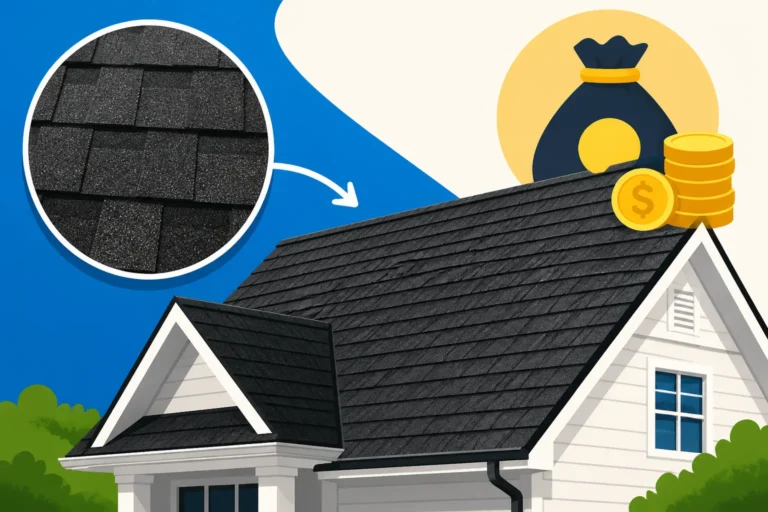
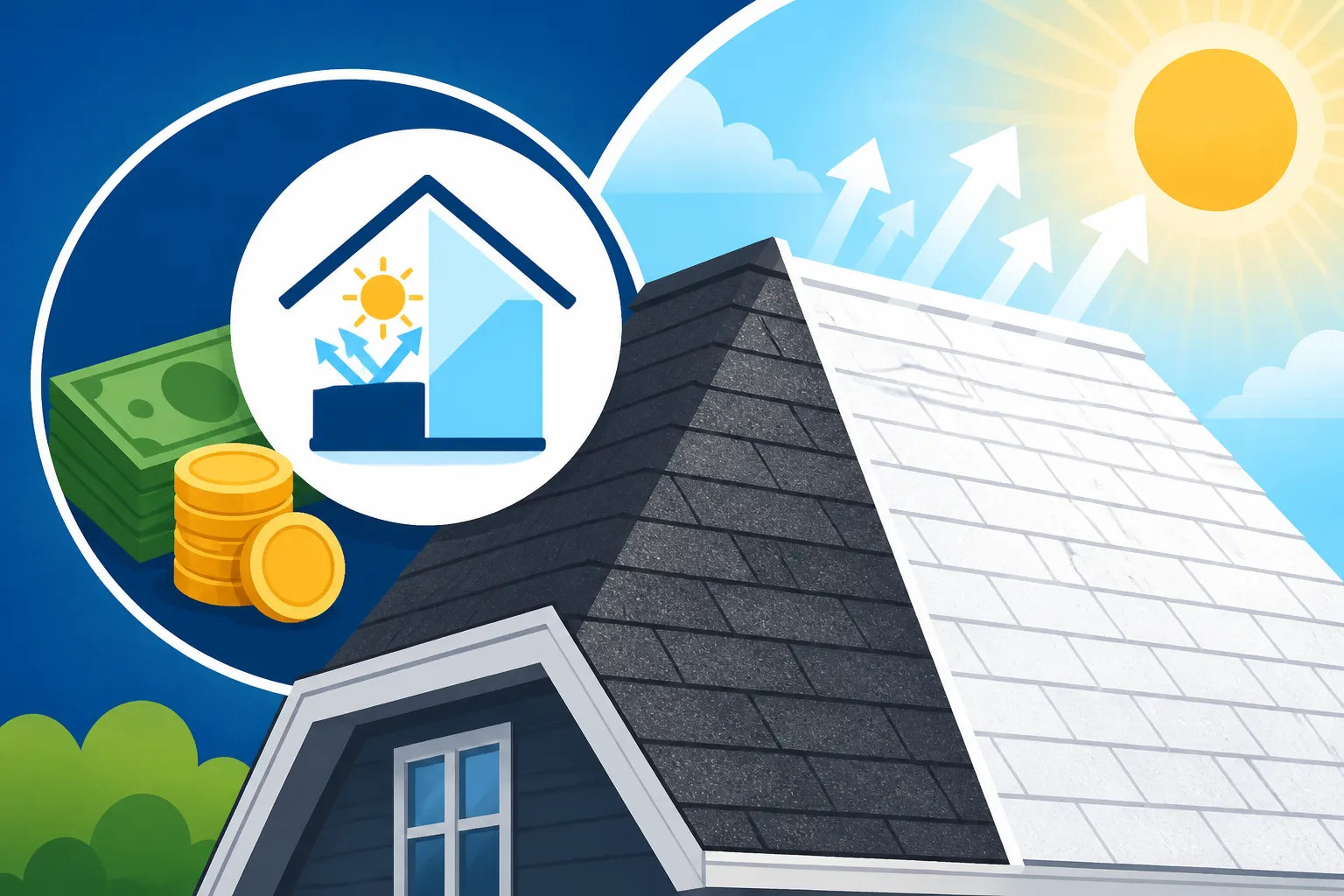
At its heart, a "cool roof" is designed to reflect more sunlight and absorb less heat than a standard roof. Think of it like wearing a light-colored shirt on a sunny day versus a dark one – the lighter one keeps you cooler. Cool-roof shingles use special granules, often infused with reflective pigments, that bounce solar radiation away from your home. This isn't just about making your attic a little less sweltering; it's about significantly reducing the amount of heat that transfers into your living space, thereby cutting down on your air conditioning costs.
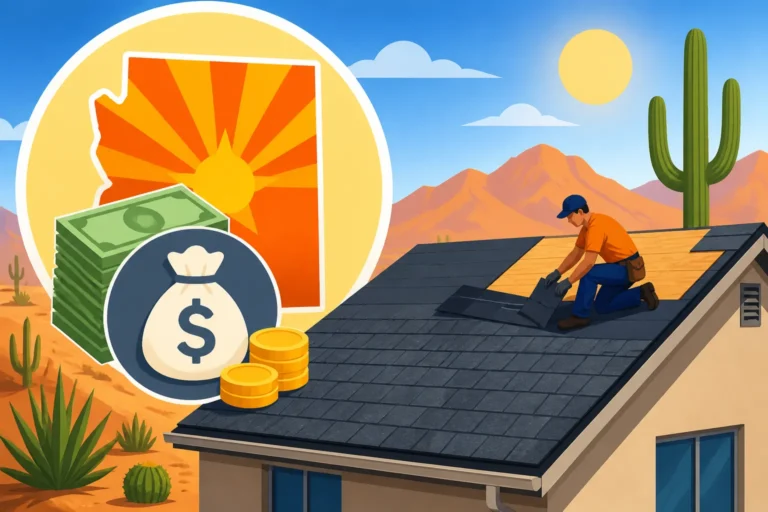
These innovative shingles, often meeting standards set by programs like Energy Star and the Cool Roof Rating Council (CRRC), offer a tangible difference, especially in warmer climates. For instance, in a hot state like Arizona or Florida, a cool roof can dramatically lower internal temperatures, sometimes by 10-15 degrees Fahrenheit, compared to a conventional asphalt roof. This translates directly into less work for your HVAC system, saving you money on your utility bills month after month. It's a smart long-term investment, particularly if you live in an area with high cooling demands.
Decoding the Roofing Square
When a roofer talks about cost "per square," they're not talking about a literal square foot. This is one of the biggest points of confusion for homeowners. In roofing, a "square" is a unit of measurement that equals 100 square feet. So, if your roof is 2,000 square feet, your roofer will refer to it as a 20-square roof. This unit simplifies material ordering and estimating labor, but it can be a bit tricky to grasp initially.
Understanding this measurement is crucial for accurately estimating your overall roof replacement cost. For example, if a roofer quotes you $300 per square for materials, and your roof is 20 squares, you're looking at $6,000 just for the shingles themselves. This standardization allows contractors to provide consistent pricing, but it's important to always clarify if the quoted "per square" price includes just materials, or if it's an installed price covering labor and other components. Don't be shy about asking for clarification – a good contractor will be happy to explain it.
The Core Cost: Cool-Roof Shingle Material Per Square
When you're trying to budget for a new cool roof, the first number you'll likely encounter is the material cost for the shingles themselves. This price varies quite a bit depending on the type, brand, and specific reflective technology used.
Average Material Costs for Cool-Roof Shingles
Generally, cool-roof asphalt shingles will come with a higher upfront material cost than traditional asphalt shingles. This is due to the specialized manufacturing processes and materials that give them their reflective properties. On average, you can expect to pay anywhere from $90 to $200 per square for the cool-roof shingle materials alone. This range can shift based on regional supply and demand, as well as the specific features of the shingle.
For context, a standard 3-tab asphalt shingle might cost $60-$90 per square for materials, while an architectural shingle, which already has a higher aesthetic appeal and durability, might run $80-$150 per square. Cool-roof options often fall on the higher end of the architectural shingle spectrum or even surpass it, reflecting their advanced technology and energy-saving benefits. It’s always a good idea to factor in this premium when planning your budget.
Brand Spotlights and Price Variations
Just like with any product, different brands offer different price points and features for their cool-roof shingles. Reputable manufacturers like GAF, Owens Corning, and CertainTeed all have robust lines of cool-roof products, each with their own unique advantages.
For example, GAF offers its Timberline CS shingles, which are known for their high reflectivity and durability, often commanding prices in the upper end of the material cost range. Owens Corning's Duration series includes cool-roof options that balance performance and affordability. CertainTeed's Landmark Solaris shingles are also popular, combining aesthetic appeal with strong solar reflective properties. The exact cost will depend on the specific shingle line and your chosen color, as darker cool-roof shingles still reflect more heat than traditional dark shingles, but lighter colors generally perform best in terms of reflectivity. When you're ready to get some quotes, make sure to ask your potential contractors about the specific cool-roof products they recommend and offer. You can even use services like Modernize to connect with local roofers who can provide tailored estimates.
Here’s a quick overview of typical material costs per square for some popular cool-roof shingle types:
| Shingle Type (Cool Roof) | Reflectivity | Average Material Cost Per Square (100 sq ft) | Key Features |
|---|---|---|---|
| Standard Architectural (Cool) | Moderate | $90 – $140 | Entry-level reflectivity, good upgrade from 3-tab |
| Premium Architectural (Cool) | High | $120 – $180 | Enhanced reflectivity, often better warranties |
| Designer/Luxury (Cool) | Very High | $150 – $200+ | Top-tier reflectivity, aesthetic appeal, durability |
Remember, these are material costs only. Installation, additional components, and regional factors will add to the final bill.
Beyond Materials: Installed Cost Per Square for Cool Roofs
While the material cost is a big piece of the puzzle, it's essential to understand that the "installed cost per square" is what truly matters for your budget. This figure encompasses everything needed to get that new, energy-efficient roof safely and properly on your home.
The Impact of Labor and Installation
Labor is a significant component of any roofing project, and cool-roof shingles are no exception. Professional roofers bring their expertise, specialized tools, and a team to ensure your roof is installed correctly and efficiently. Generally, labor costs for installing asphalt shingles, including cool-roof varieties, can range from $200 to $500 per square. This wide range accounts for differences in regional labor rates, the complexity of your roof, and the specific contractor's pricing structure.
For instance, installing a roof in a bustling metropolitan area like Los Angeles or New York will likely incur higher labor costs than in a smaller town in the Midwest. The scope of work also plays a huge role; a simple, single-story ranch home will require less labor than a multi-story house with numerous dormers, valleys, and skylights. A complete roof replacement often includes other components, like underlayment, drip edge, flashing, and ridge vents, all of which add to the labor involved. It's not just about nailing down shingles; it's about building a complete, weather-tight system. Make sure your estimate clearly breaks down the roofing material cost vs labor cost so you know exactly what you're paying for.
Geographic and Project-Specific Factors
The total installed cost per square for cool-roof shingles is heavily influenced by where you live and the specifics of your roof. For example, if you live in a hurricane-prone area like coastal Florida, building codes may require more robust installation techniques, like six-nail patterns or special adhesives, which can increase labor and material costs. Similarly, homeowners in hail-prone states like Colorado might opt for impact-resistant shingles that also have cool-roof properties, further impacting the price.
Roof complexity is another major factor. A roof with a steep pitch, multiple gables, intricate valleys, or numerous penetrations (like chimneys, skylights, or vent pipes) will naturally cost more to install per square than a simple, low-pitch roof. These elements require more cutting, more specialized flashing work, and often take more time and specialized skill. When you're comparing roofing estimates, always ensure they account for these project-specific details. You can even consider getting multiple quotes from local roofing professionals through a platform like Modernize to ensure you're getting a competitive and accurate price for your specific project.
Combining the material and labor costs, the typical installed cost for cool-roof shingles can range from $300 to $700+ per square. This comprehensive cost often includes tear-off and disposal of old shingles, installation of new underlayment, flashing, and the cool-roof shingles themselves.
Is the Investment Worth It? Benefits and Considerations
The higher upfront cost of cool-roof shingles can give homeowners pause, but it's important to look beyond the initial expense and consider the long-term benefits and potential returns. For many, the value extends far beyond just the dollar amount.
Energy Savings and Rebates
One of the primary drivers for choosing cool-roof shingles is the promise of significant energy savings. By reflecting more sunlight and absorbing less heat, these shingles keep your attic and home cooler, reducing the workload on your air conditioning system. This translates into lower electricity bills, especially during peak summer months. In hot climates, homeowners often report savings of 10% to 15% or even more on their cooling costs annually. Over the lifespan of your roof, which can be 20-30 years for architectural asphalt shingles, these savings really add up.
Beyond direct savings, many local, state, and even federal programs offer incentives, tax credits, or rebates for installing energy-efficient home improvements, including cool roofs. For example, in California, certain utilities offer rebates for cool-roof installations that meet specific reflectivity standards. The Database of State Incentives for Renewables & Efficiency (DSIRE) is an excellent resource for finding programs in your area. Always check with your local energy provider and government agencies to see what incentives might be available, as these can significantly offset the initial higher cost of cool-roof shingles. Some homeowners have saved hundreds, even thousands, through these programs.
Long-Term Value and Environmental Impact
Beyond your personal utility bill, installing cool-roof shingles offers several other long-term benefits. A cooler attic helps to extend the life of your entire roof system, as it reduces thermal shock and degradation of the materials. It also improves attic ventilation and can lead to a more comfortable indoor environment overall. Furthermore, by reducing your home's energy consumption, you're also lowering your carbon footprint, contributing to a more sustainable environment. This can be a significant draw for environmentally conscious homeowners.
From a resale perspective, an energy-efficient home with a new cool roof can be a strong selling point. Potential buyers are increasingly looking for homes that offer lower operating costs and modern features, and a cool roof checks both those boxes. While it's hard to put an exact number on the return on investment (ROI), having a cool roof contributes to the overall appeal and efficiency of your home. It’s a compelling upgrade that not only saves you money but also demonstrates a commitment to modern, sustainable living. When considering the Roof Replacement ROI Explained, a cool roof certainly adds value.
Ultimately, while the initial cost per square for cool-roof shingles is higher than for traditional options, the combination of energy savings, potential rebates, extended roof life, and environmental benefits often makes them a worthwhile investment for many homeowners, especially those in warmer climates. Understanding the Cost to Replace a Roof by House Size and the overall How Much Does an Asphalt Shingle Roof Cost will provide further context for your planning.
Maximizing Value and Finding the Right Contractor
Choosing to invest in cool-roof shingles is a significant decision, and finding the right professionals to install them is just as crucial as selecting the materials themselves. A quality installation ensures that your investment performs as expected and lasts for decades.
Getting Detailed and Transparent Quotes
The first step in maximizing the value of your cool-roof project is to gather several detailed quotes from reputable contractors. Don't settle for a quick, over-the-phone estimate. A good contractor will want to inspect your roof in person to assess its condition, measure accurately, and identify any potential complexities that might affect the cost, such as needed Roof Decking Replacement Cost or the need for new flashing around chimneys and vents. When comparing estimates, make sure they clearly outline:
- Material costs: Specific brand and type of cool-roof shingle, cost per square, and total material cost.
- Labor costs: Broken down by task or included in the per-square installation price.
- Other components: Costs for underlayment, drip edge, flashing, vents, and any necessary plywood replacement.
- Permit fees: Whether these are included and who will pull the permit.
- Waste disposal: Cost for tearing off and disposing of your old roof materials.
- Warranty information: Details on both material and workmanship warranties.
A platform like Modernize can connect you with up to four local roofing professionals, making it easier to gather and compare these essential quotes. This approach helps ensure you're getting a competitive price and a clear understanding of the full scope of work. Learning How to Read and Compare Roofing Estimates is a critical skill during this process.
Choosing the Right Roofing Partner
Once you have your quotes, it's time to choose your contractor. This is more than just picking the lowest price. Look for a contractor who is licensed, insured, and has a strong track record of quality work. Ask for references and check online reviews. Confirm that they are familiar with installing cool-roof systems and understand the specific requirements for maximizing their energy efficiency.
Consider contractors who are certified by the shingle manufacturers, such as a GAF Master Elite Contractor or an Owens Corning Platinum Preferred Contractor. These certifications often mean they have undergone specialized training and are authorized to offer enhanced warranties, which can provide additional peace of mind for your investment. Don't hesitate to ask questions, verify their credentials, and trust your gut feeling. A reputable contractor will be transparent, communicative, and committed to providing a high-quality installation that stands the test of time and delivers on the energy-saving promises of your new cool roof. You might also want to read up on Questions to Ask a Roofing Contractor Before Hiring.
Disclaimer
Please note that all cost estimates and figures provided in this article are approximate and subject to change based on market fluctuations, material availability, geographic location, specific project requirements, and individual contractor pricing. This information is intended for general guidance only and should not be considered a substitute for professional advice. Always consult with qualified roofing professionals for accurate quotes and recommendations tailored to your specific situation.