Roofing Cost in Cold Climates
Dealing with a roof that needs attention can be a significant headache, but when you throw in the brutal realities of a cold climate, the challenges, and inevitably, the costs, can really pile up. Homeowners in places like Minnesota, Michigan, or upstate New York know this struggle all too well – harsh winters don't just test your roof; they often dictate how much you'll pay to keep it sound. This comprehensive guide will walk you through the unique factors that drive roofing costs up in colder regions, helping you understand what to expect and how to budget wisely for your home's most critical protection.
Understanding the Unique Challenges of Cold Climate Roofing
When you live somewhere that sees heavy snowfall, freezing temperatures, and blustery winds for months on end, your roof isn't just shielding you from rain; it's a critical barrier against extreme elements. This constant assault means roofs in cold climates face a different set of stresses than those in warmer zones, which directly impacts everything from material selection to installation techniques and, ultimately, your wallet.
Harsh Weather Impacts on Materials and Labor
Imagine trying to work outdoors when the thermometer hovers around 20 degrees Fahrenheit, the wind is biting, and there's a fresh layer of snow on every surface. That's the reality for roofers in cold climates for a good portion of the year. Frigid temperatures make asphalt shingles brittle and harder to work with, increasing the risk of cracking during installation. This isn't just an inconvenience; it can lead to material waste and slow down the crew, extending the project timeline.
Beyond the installation, the roof itself is constantly battling the elements. Heavy snow loads put immense stress on the entire structure, from the decking to the framing. Strong winds, common in open areas or during winter storms, can lift and tear at shingles, especially if they haven't had a chance to properly seal down in warmer weather. This relentless exposure to ice, snow, and wind means materials need to be more robust, and the installation process needs to be meticulously executed to ensure long-term durability against these forces.
Increased Risk of Ice Dams and Water Damage
One of the most persistent and destructive issues unique to cold climates is the formation of ice dams. This phenomenon occurs when heat from your home escapes into the attic, warming the roof deck and melting snow. As this meltwater runs down the roof and reaches the colder eaves (which are typically not warmed by attic heat), it refreezes, creating a barrier of ice. More meltwater backs up behind this barrier, creating a literal pool of water that can seep under your shingles and into your attic, walls, and ceilings.
The damage from ice dams can be extensive and costly, ranging from ruined insulation and stained ceilings to mold growth and compromised structural integrity. Repairing these issues often involves more than just fixing the roof; it can mean interior repairs as well. This high risk of water infiltration necessitates specific preventive measures, such as enhanced insulation and ventilation to keep the roof deck uniformly cold, and specialized underlayments like ice and water shield, all of which add to the overall roofing cost. Without these crucial safeguards, you're looking at a recurring problem that will eat away at your home and your budget year after year.
Specific Cost Factors in Cold Climate Roofing
When planning a roof replacement in a colder region, it's not just about the square footage. There are several specific factors tied to the climate itself that contribute significantly to the total expense. Ignoring these can lead to unexpected costs down the line or, worse, a roof that simply isn't up to the task of protecting your home.
Material Choices and Upgrades for Durability
In cold climates, choosing the right materials isn't just a suggestion; it's a necessity for your roof's longevity and performance. Standard asphalt shingles might suffice in milder areas, but for homes battling brutal winters, investing in specific upgrades is key.
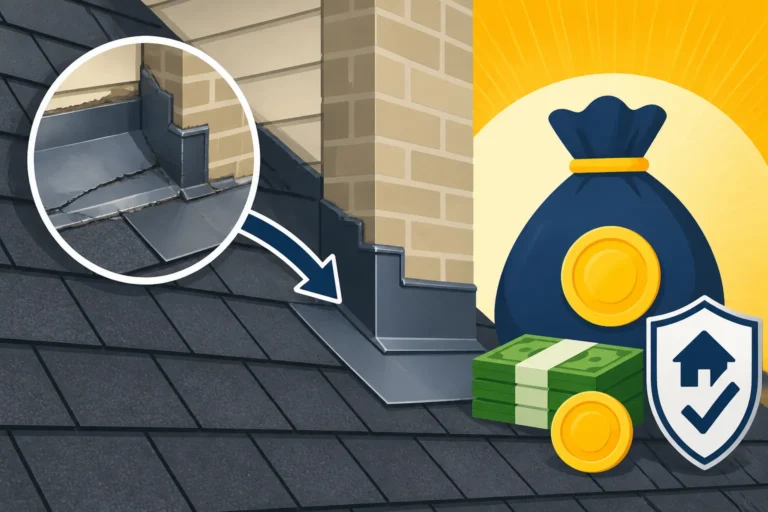
Firstly, a high-quality underlayment is paramount. While basic felt paper might be an option elsewhere, synthetic underlayment offers superior protection against moisture and can withstand harsher temperatures without tearing. Even more critical is the installation of an ice and water shield. This self-adhering membrane is applied to vulnerable areas like eaves, valleys, and around chimneys. It acts as a secondary barrier, preventing water from penetrating the roof deck even if it gets under your primary shingles due to ice dams or extreme wind-driven rain. The cost of synthetic vs felt underlayment can be significant, but the peace of mind in a harsh winter is invaluable.
Secondly, the shingles themselves should be chosen for their resilience. Look for architectural shingles that are specifically designed for severe weather performance, often boasting higher wind ratings and better flexibility in cold temperatures. Some premium shingles also feature granule adhesion technology that helps prevent premature granule loss, a common issue exacerbated by freeze-thaw cycles. Brands like GAF and Owens Corning offer lines with enhanced cold-weather performance. While these higher-grade materials will increase your upfront roofing material cost, they offer significantly better protection and a longer lifespan, potentially delaying your next roof replacement by many years.
Labor Considerations and Seasonal Surcharges
The colder the climate, the more impact it has on the labor component of your roofing project. It's not just about workers being uncomfortable; it's about efficiency, safety, and specialized techniques.
Reduced Efficiency and Shorter Workdays: In winter, daylight hours are shorter, meaning fewer productive hours each day. Frigid temperatures also reduce worker dexterity and require more frequent breaks to warm up, which naturally slows down the entire installation process. This extended timeline often translates to higher labor costs.
Safety Precautions: Working on a roof in icy conditions is inherently dangerous. Professional roofers need specialized safety equipment, and more time is spent ensuring harnesses and anchors are properly secured. Icy patches might even halt work entirely, leading to delays and rescheduling. A reputable contractor will prioritize safety, and these precautions factor into their overall pricing. You can also expect a steep roof cost premium if your roof has a significant pitch, making it even more challenging in adverse conditions.
Seasonal Demand and Supply: While it might seem counterintuitive, sometimes roofing in the off-season (deep winter) can lead to slight discounts from contractors looking to keep their crews busy. However, the inherent challenges often outweigh these potential savings. Conversely, the peak seasons (late spring, summer, early fall) in cold climates are shorter, leading to higher demand and potentially higher labor rates as contractors are booked solid. Understanding these dynamics is crucial when evaluating how much roofers charge per hour.
Equipment and Project Logistics
Beyond materials and direct labor, the logistics of a cold-climate roofing project can add to the expense.
Material Handling and Storage: Shingles and other materials are best stored in conditions that prevent them from becoming too brittle or frozen before installation. This might require heated storage units or more careful, on-site management, adding to logistics costs. Getting materials onto an icy roof deck is also more challenging and time-consuming.
Debris Removal and Disposal: Removing old shingles, especially if they are frozen to the roof deck, can be a more difficult and time-consuming process. The cost of roof tear-off and disposal also needs to account for potentially heavy, snow-laden debris. Furthermore, finding operational disposal sites in winter can sometimes be an issue, leading to longer hauls or increased fees.
Weather-Related Delays: Unpredictable heavy snowfalls or prolonged deep freezes can bring a project to a complete halt. These delays aren't just inconvenient; they can mean extra trips for the crew, extended equipment rentals, and additional labor hours for clean-up or re-securing the job site between phases. A good contractor will factor potential weather delays into their project timeline and, consequently, their pricing.
Strategies to Mitigate Roofing Costs in Cold Climates
Navigating the expenses of a roof replacement in a cold climate can feel daunting, but there are smart strategies you can employ to manage costs without compromising on quality or durability. It’s all about informed decisions and proactive planning.
Proactive Planning and Seasonal Timing
One of the biggest levers you have as a homeowner is when you choose to undertake your roofing project. While emergency repairs can happen anytime, a planned replacement offers flexibility.
The "Sweet Spot" for Installation: For many cold climate regions, the ideal time for roof installation is often late spring, summer, or early fall. During these months, temperatures are consistently above freezing, allowing asphalt shingles to properly seal down and become less brittle during handling. There are longer daylight hours, leading to greater efficiency for the roofing crew. Moreover, the ground isn't frozen, making debris disposal easier and less expensive. Planning for this window can help you avoid potential "winter surcharges" or delays that add to your overall project cost.
Early Consultation: Don't wait until spring to start looking for a contractor. Begin getting quotes and having consultations in the late winter or very early spring. This allows you to compare multiple roofing estimates, ask thorough questions, and secure a spot with a reputable roofer before their busiest season begins. You might even find some contractors offer slightly better rates for booking early. Using platforms like Modernize can help you connect with qualified, local roofing professionals who understand the nuances of cold climate installations in your area, letting you compare options efficiently.
Smart Material Selection and Energy Efficiency
Making informed choices about your roofing materials can yield long-term savings, even if the upfront cost is higher. This is particularly true in energy-demanding cold climates.
Prioritize Ice and Water Shield: We can't stress this enough. This is not an optional add-on in cold climates; it's an essential defense against ice dams and the expensive interior damage they cause. While it adds to the initial material cost, it saves you exponentially in potential repair bills down the road. Ensure your contractor installs it in all critical areas, as detailed in our guide on what is ice and water shield and why it matters.
Invest in Quality Shingles and Ventilation: Choosing architectural shingles with high wind ratings and cold-weather flexibility is a smart move. Combine this with a robust attic ventilation system, including proper soffit and ridge vents. Effective ventilation helps keep your attic cool and dry, reducing the temperature differential that causes ice dams and extending the lifespan of your shingles by preventing premature aging. Consider reading up on how roof ventilation works to understand its critical role.
Long-Term Energy Savings: A properly installed roof with good insulation and ventilation will improve your home's energy efficiency. By preventing heat loss through the attic and minimizing ice dam formation, you'll likely see a reduction in your heating bills. This long-term operational saving can help offset the initial investment in higher-quality materials and professional installation, proving that an asphalt shingle roof can be worth the money.
Finding the Right Contractor
Perhaps the most critical step in managing roofing costs and ensuring a quality job in a cold climate is selecting the right contractor. Not all roofers are equally equipped or experienced for the unique challenges presented by winter weather.
Local Expertise is Key: Prioritize local roofing companies that have a proven track record in your specific cold climate. They will be intimately familiar with local building codes, common weather patterns, and the best materials and installation techniques for your region. An experienced local roofer, perhaps one found through services like Modernize, will understand the importance of proper ice and water shield application, ventilation, and cold-weather installation protocols.
Check Credentials and References: Always verify a contractor's licensing, insurance, and manufacturer certifications. A GAF Master Elite or Owens Corning Platinum Preferred contractor, for example, has met stringent requirements and can offer enhanced warranties on their work and materials, which is a huge benefit, especially for a high-stakes investment like a cold climate roof. Don't hesitate to ask for references from past clients who had their roofs installed during colder months.
Detailed Contracts and Warranties: Ensure your roofing contract is incredibly detailed, outlining all materials (including specific underlayment and shingle types), installation methods, cleanup procedures, and payment schedules. Crucially, clarify all warranty information – both the manufacturer's warranty on materials and the contractor's workmanship warranty. Understand what these cover, especially concerning cold-weather performance and ice dam prevention, as discussed in our article on roofing warranty: workmanship vs manufacturer. A reputable contractor will be transparent about their pricing, labor rates, and any potential challenges unique to cold weather, allowing you to accurately plan for the average roof replacement cost this year.
Regional Cost Variations and What to Expect
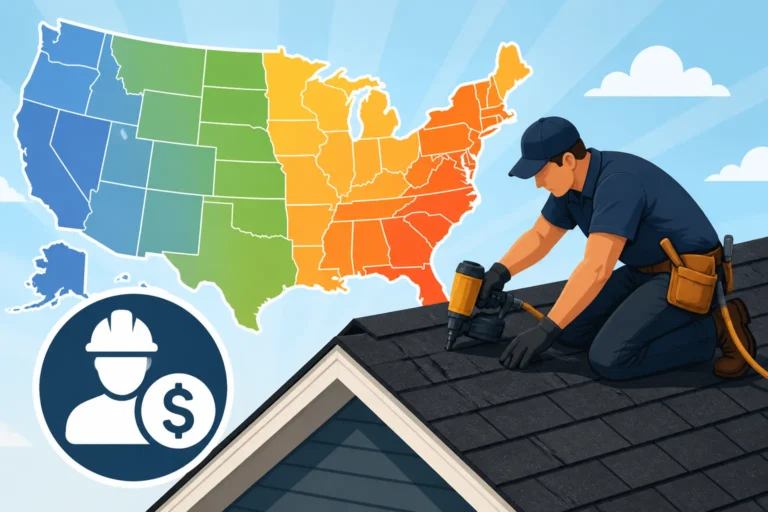
Just as the weather differs across cold climate states, so too can the cost of roofing. While universal factors like material quality and labor rates play a role, specific regional requirements and prevailing weather conditions can cause significant fluctuations.
State-Specific Considerations
The cost to replace a roof in a cold climate isn't uniform. States with notoriously harsh winters often have specific building codes designed to withstand extreme conditions, which can directly influence material and labor costs.
For example, states like Minnesota and Michigan experience severe cold, heavy snowfall, and significant freeze-thaw cycles. Their building codes often mandate substantial ice and water shield coverage (sometimes extending two feet inside the exterior wall line) and robust ventilation systems. This means a higher material cost for specialized underlayments and ventilation components, along with the labor to install them correctly. Similarly, homeowners in Colorado face not only cold and snow but also frequent hail storms, often leading them to choose impact-resistant shingles, which carry a higher price tag.
In contrast, while New York and Pennsylvania also experience cold winters, the specific microclimates within these states can lead to variations. A home in the Adirondacks, for instance, will likely face higher roofing costs due to more extreme weather and remote logistics compared to one closer to a major metropolitan area. These regional differences highlight why connecting with local roofers who understand specific state and municipal requirements is so important. These contractors will be familiar with factors like the cost of a roof with multiple valleys or the steep roof cost premium due to complex rooflines that might be prevalent in certain architectural styles common to the region.
Getting Accurate Estimates
The path to an accurate roofing cost in cold climates begins with thorough and transparent estimates. Given the complexities, you can't rely on ballpark figures.
Detailed Line-Item Breakdowns: A good estimate for a cold climate roof will provide a comprehensive, line-item breakdown. This means separating costs for:
- Shingle removal and disposal (potentially higher if old shingles are frozen).
- Roof decking replacement cost (often crucial to inspect for damage from previous ice dams).
- Underlayment (specifying synthetic and ice and water shield).
- Shingles (brand, type, warranty class).
- Flashing, drip edge, and vents (including ridge vent installation cost).
- Labor (broken down or factored into material installation).
- Permit fees (which you should always confirm are included and pulled by the contractor).
- Any extra charges for cold-weather conditions or extended timelines.
This level of detail helps you understand exactly what you're paying for and ensures that critical cold-weather components aren't overlooked.
Comparing Multiple Quotes: Always get at least three detailed quotes from different reputable, local contractors. This allows you to compare not just the bottom-line price, but also the scope of work, material specifications, and warranty offerings. Be wary of significantly lower bids, as they might indicate shortcuts in materials or labor, which can be disastrous in a cold climate. On the other hand, understanding what drives asphalt roofing costs up or down can help you differentiate between fair pricing and inflated estimates. Our guide on how to read and compare roofing estimates offers a great framework for this process.
Here's a quick comparison of key factors affecting roofing costs in cold vs. mild climates:
| Factor | Cold Climate Impact | Mild Climate Impact |
|---|---|---|
| Material Needs | Higher-grade shingles, extensive ice & water shield, robust ventilation, potentially impact-resistant for hail. | Standard shingles, less extensive ice & water shield, basic ventilation often sufficient. |
| Labor Efficiency | Reduced due to shorter days, cold, snow, ice. More breaks, specialized safety gear. | Higher efficiency, longer workdays, less specialized safety gear. |
| Installation Season | Limited ideal window (late spring to early fall). Winter work can incur surcharges or delays. | Wider ideal window, less impact from seasonal changes. |
| Building Codes | Often stricter for insulation, ventilation, ice dam prevention, wind resistance. | Generally less stringent regarding extreme weather protection. |
| Risk Factors | High risk of ice dams, freeze-thaw damage, heavy snow loads, strong winds. | Lower risk of extreme weather damage, mostly rain and heat related. |
| Project Logistics | Challenges with material brittleness, debris removal, weather delays, heated storage. | Fewer logistical challenges, easier material handling and storage. |
Disclaimer
Please remember that all cost estimates and advice provided in this guide are for informational purposes only. Roofing costs can vary significantly based on your specific location, home size, roof complexity, chosen materials, and the contractor you select. Always obtain multiple detailed quotes from licensed and insured local professionals before making any decisions.