Roof Cost Calculator: How to Estimate
Figuring out the true cost of a new roof can feel like trying to solve a puzzle with half the pieces missing. You know you need a replacement, but the sheer number of variables, from materials to labor to hidden fees, can make getting a reliable estimate feel impossible. This guide is here to demystify the process, walking you through how to use online roof cost calculators effectively and what crucial factors they often overlook, so you can approach your roofing project with confidence and a much clearer budget in mind.
Why a Roof Cost Calculator is Your Starting Point, Not Your Final Answer
It's completely understandable to want a quick ballpark figure when you're just starting to think about a major home improvement like a roof replacement. You're probably sitting there, maybe after spotting a few missing shingles or noticing some dark streaks, wondering, "How much does this really cost?" Online roof cost calculators can feel like a godsend in this initial phase, offering a rapid estimate without the pressure of a sales call. They're designed to give you a very general idea, a foundational estimate that helps you start to grasp the financial scope of the project.
However, it's crucial to understand their limitations right from the outset. Think of them as a friendly first step, like checking a weather app before planning a big outdoor event. It gives you a general forecast, but it doesn't tell you if a sudden microburst storm is going to hit your exact location. These tools often rely on averages and general market data, which can vary wildly depending on your specific home, your location, and the current economic climate.
Understanding the Initial Estimate Range
When you plug in your basic information – like square footage and zip code – into an online calculator, you'll usually get a wide range, something like "$10,000 to $25,000." This isn't just a randomly generated guess; it reflects the vast differences in roofing projects. The lower end might assume a simple, one-story home with a basic asphalt shingle and no surprises, while the higher end could account for more complex roofs, premium materials, or trickier installation scenarios. The purpose of this range is to illustrate that there's no one-size-fits-all answer.
This initial range is incredibly helpful for setting expectations and for preliminary budgeting. If you were hoping for a $5,000 roof, seeing a $10,000-$25,000 range immediately tells you that you need to adjust your financial expectations. It also allows you to begin comparing the general costs of different roofing types, like contrasting the typical cost of 3-Tab vs Architectural Shingle Cost Compared, without committing to in-person consultations just yet. It helps you decide if a full asphalt roof replacement is even feasible for you right now, or if you need to explore other financing options.
The Inherent Limitations of Digital Tools
While convenient, digital calculators simply can't capture the nuanced reality of your unique roof. They can't see the hidden damage lurking beneath your old shingles, account for unexpected repairs, or assess the intricate details of your roof's architecture. They also don't factor in the varying labor costs in your specific regional market, which can fluctuate dramatically even between neighboring towns. For instance, the labor cost for roofing in an urban center like Boston will likely be higher than in a rural area of Massachusetts.
Most calculators also won't know if your roof deck is rotting in a few spots, if your ventilation system is inadequate and needs upgrading, or if your chimney flashing is completely shot. These are all elements that add significant cost and can only be uncovered through a thorough, in-person inspection by a qualified roofing contractor. Using a tool like Modernize to connect with local roofing professionals can help bridge this gap by getting you actual eyes on your roof, rather than just relying on algorithms. The goal is to move from a general "how much does an asphalt shingle roof cost" to a precise, itemized proposal.
Key Factors Influencing Your Roof Replacement Cost
The price tag on a new asphalt roof is a sum of many individual parts, and understanding these components is key to accurately estimating your project. When you're trying to figure out your total Asphalt Roof Replacement Cost: Complete Breakdown, you'll quickly realize it's not just about the shingles themselves. There are materials, labor, tear-off, and a host of other elements that contribute to the final bill.
Let's dive into the core elements that every roof cost calculator tries to factor in, and where they sometimes fall short.
Roof Size and Complexity
This is often the first thing any calculator asks for, and for good reason. The sheer size of your roof, measured in "squares" (one square equals 100 square feet), directly impacts the amount of materials needed and the time required for labor. A larger roof means more shingles, more underlayment, more flashing, and more nails. It also translates to more hours for the roofing crew to remove the old roof and install the new one. So, if you're wondering how many squares of shingles for a 2,000 sq ft roof, you're looking at roughly 20 squares, but that's just the surface area.
Beyond just the flat area, the complexity of your roof plays an enormous role. Imagine a simple ranch home with a low-slope gable roof versus a multi-story Victorian house with numerous dormers, valleys, hips, and a steep pitch. The latter is significantly more challenging and time-consuming to work on. Each angle, each penetration (like skylights or chimneys), and each change in plane requires precise cuts, careful flashing, and often, specialized safety equipment. This complexity leads to higher labor costs, as it takes more skill and more time to execute properly. A complex roof also generates more waste, which adds to disposal fees.
Material Choices: Shingle Type and Quality
Asphalt shingles aren't a monolithic category; they come in various types, each with its own price point, durability, and aesthetic appeal. This is where your personal preferences and budget really start to shape the estimate.
- 3-Tab Shingles: These are the most basic and economical option. They are flat, single-layer shingles that offer decent protection but a shorter lifespan (typically 15-20 years) and less wind resistance. Their cost per square is generally the lowest.
- Architectural (Laminated) Shingles: Also known as dimensional shingles, these are much more popular today. They are thicker, multi-layered, and create a more textured, aesthetically pleasing look, often mimicking the appearance of wood shakes. They are more durable, offering better wind and impact resistance, and come with longer warranties (typically 25-30 years or more). Brands like GAF Timberline HDZ or Owens Corning Duration are popular architectural options.
- Designer (Luxury) Shingles: These are the premium end of the asphalt shingle spectrum. They are even thicker, heavier, and often designed to replicate natural slate or cedar shakes with remarkable realism. They offer superior durability, often boast Class 4 impact resistance, and come with the longest warranties (sometimes 40-50 years or lifetime). Their cost can be significantly higher than architectural shingles, but they also provide enhanced curb appeal and protection.
The choice of shingle type is a major cost driver, with prices often doubling or tripling from 3-tab to designer options. Furthermore, the specific brand and any special features, like algae resistance (AR) or cool-roof technology, can also add to the material cost. A reputable contractor will explain the pros and cons of each, helping you balance your budget with your desired performance and appearance.
Labor Costs and Regional Differences
Labor is a substantial portion of any roof replacement project, often accounting for 40-60% of the total cost. This includes everything from tearing off the old roof and disposing of the debris to installing the new underlayment, shingles, flashing, and vents. The cost of labor is heavily influenced by several factors:
- Regional Economic Conditions: Wages for skilled labor vary significantly from state to state and even city to city. What roofers charge per hour in, say, Dallas, Texas, might be quite different from what they charge in Denver, Colorado. This is why local contractors provide the most accurate estimates.
- Roof Complexity: As mentioned, a more complex roof requires more skilled labor and takes longer, directly increasing labor costs. A steep roof cost premium is a common charge due to increased safety measures and slower work pace.
- Crew Size and Efficiency: Larger, more experienced crews might complete a job faster, but their hourly rate might be higher. An efficient crew can sometimes save you money in the long run by reducing the overall project timeline.
- Permit and Inspection Requirements: Many localities require roofing permits to ensure the work meets local building codes. This fee, along with any necessary inspections, is typically rolled into the labor cost or listed separately. For example, understanding if you need a permit to replace a roof in your area is crucial.
- Disposal Fees: Tearing off old shingles means dealing with a lot of debris. Landfill fees and the cost of waste removal can be a significant line item, especially if you have multiple layers of old roofing.
It's important to remember that a higher labor cost doesn't necessarily mean a contractor is overcharging. It often reflects the skill, experience, insurance coverage, and professionalism of the crew. When comparing estimates, ask about what's included in the labor portion to ensure you're comparing apples to apples.
How to Use a Roof Cost Calculator Effectively
Online roof cost calculators can be a great first step, but they require a bit of savvy to get the most out of them. They provide an initial estimate, a broad stroke of what your project might cost, before you even pick up the phone to call a contractor. Think of it as doing your homework before the real test.
Inputting Accurate Information
The garbage-in, garbage-out principle applies strongly here. The accuracy of your calculator estimate depends heavily on the information you provide.
- Know Your Roof's Square Footage: This is the most crucial piece of data. Many homeowners only know their home's living space square footage, but a roof's surface area is usually larger, especially if you have overhangs, a steep pitch, or multiple gables. You can often find this information on old roofing contracts, home inspection reports, or by using online satellite tools that measure roof area. Some websites, like Google Maps, can even give you a rough idea by allowing you to measure distances. If you can't get an exact number, make an educated guess. A common rule of thumb is to add 10-30% to your home's footprint, but that's a very rough estimate.
- Identify Your Shingle Type: Try to determine if your current roof has 3-tab, architectural, or designer shingles. If you're planning an upgrade, consider which type you'd like to install. This choice dramatically impacts the material cost.
- Consider Roof Pitch/Slope: Most calculators ask for a "low," "medium," or "steep" pitch. A simple visual assessment can usually get you close. A low pitch is nearly flat, while a steep pitch means you can clearly see the roofline from the ground. The steeper the pitch, the more challenging and costly the installation.
- Count Stories/Levels: A one-story ranch home is easier and safer to roof than a three-story Victorian. This affects labor and equipment costs.
- Enter Your Zip Code: This helps the calculator factor in localized material and labor costs. Different regions have different pricing structures and even varying building codes that can influence costs. For example, asphalt roof replacement cost in Florida might differ significantly from Arizona due to climate-specific material requirements or labor demand.
Providing as much accurate detail as possible will help narrow down that wide estimate range and give you a more relevant starting point.
Interpreting Calculator Results with a Grain of Salt
Once you hit "calculate," don't take the resulting figure as gospel. Remember, it's a guide, not a quote.
- Focus on the Range: Most calculators will give you a range (e.g., $12,000 – $28,000). Your actual cost will likely fall within this range, but it's essential to understand why it's a range. It accounts for unknowns, potential upgrades, and varying market conditions.
- Averages vs. Specifics: Online tools often use national or regional averages. Your specific home might have unique features or issues that push you to the higher or lower end of that average. For example, if you have a roof with multiple valleys or skylights, your cost will naturally trend higher than a simple rectangular roof of the same square footage.
- What's Included (and What Isn't): Most calculators primarily estimate materials and basic labor. They rarely account for crucial elements like:
- Roof Decking Replacement Cost: If your underlying wood sheathing is rotted or damaged, it will need to be replaced, adding significant cost.
- Complex Flashing: Areas around chimneys, vents, and skylights require specialized flashing, which adds to material and labor costs.
- Ventilation Upgrades: If your attic ventilation is poor, a new roof might be the perfect time to upgrade to a ridge vent system, which improves energy efficiency but adds to the cost.
- Permit Fees: Local building permits are often necessary but rarely included in generic calculator estimates.
- Unforeseen Issues: Hail damage or wind damage could have led to underlying issues not visible from the ground.
- Don't Dismiss the Low End Too Quickly: While tempting, don't automatically gravitate towards the lowest number in the range. That figure usually assumes the simplest scenario with the most basic materials, and your project might be more involved. Similarly, don't panic at the high end; it often accounts for premium choices or worst-case scenarios that might not apply to you.
The best way to leverage a calculator's output is to use it as a benchmark. If you then get a professional estimate that's wildly outside this range (either suspiciously low or incredibly high), it's a red flag that warrants further investigation and perhaps another quote.
Beyond the Calculator: Getting Accurate Estimates
While online calculators are fantastic for initial budgeting, they simply can't replace the personalized attention and expertise of a professional roofing contractor. Getting actual bids from local companies is the only way to get a truly accurate Roof Cost Per Square that accounts for every detail of your unique home.
The Importance of On-Site Inspections
This is where the rubber meets the road. A reputable roofing contractor will insist on an in-person, thorough inspection of your entire roof and often your attic. Why is this so critical?
- Uncovering Hidden Damage: A satellite image or your basic input can't reveal rotting fascia boards, soft spots in the roof decking, or inadequate insulation in your attic. During an on-site inspection, a seasoned professional will walk your roof, looking for subtle signs of wear, water intrusion, or structural issues that could impact the installation and longevity of your new roof. They can identify problems like nail pops or damaged underlayment that add to the complexity and cost.
- Accurate Measurements: While satellite technology has improved, manual measurements taken by a contractor are still the gold standard for precision. They'll measure every plane, hip, valley, and ridge, ensuring they order exactly the right amount of materials. They'll also account for waste factors more accurately.
- Assessing Accessibility and Safety: How easy is it to access your roof? Are there landscaping features that need protection? Is the roof extremely steep, requiring special harnesses or scaffolding? These logistical factors directly impact labor time and cost, and only an on-site visit can properly evaluate them.
- Understanding Your Needs: During a visit, you can discuss your specific concerns, aesthetic preferences, and budget. Do you want a specific brand like Owens Corning Duration Roof Cost Installed? Are you interested in upgrading your ventilation? Do you have issues with ice dams? These conversations are vital for tailoring a solution that truly fits your needs, not just a generic estimate.
This personalized approach ensures that the estimate you receive isn't just a number, but a detailed plan addressing your home's specific requirements.
Gathering Multiple Bids from Reputable Contractors
Once you've done your preliminary research with a calculator, the next step is to solicit detailed bids from several local roofing companies. This isn't just about finding the cheapest price; it's about comparing scopes of work, materials, warranties, and contractor professionalism.
- Aim for Three to Five Bids: Getting multiple estimates allows you to compare pricing, identify any outliers, and understand the general market rate for your specific project. If one bid is drastically lower or higher than the others, it's a good idea to ask why. A surprisingly low bid could indicate a contractor cutting corners or omitting crucial steps, while a very high bid might be for premium services you don't necessarily need.
- Check Credentials and References: Always verify that contractors are licensed and insured. Ask for proof of liability insurance and worker's compensation. Look for reviews on independent sites and ask for references from past customers. A manufacturer-certified roofer, such as a GAF Master Elite Contractor or Owens Corning Platinum Preferred, often means they meet high standards and can offer enhanced warranties.
- Request Detailed, Itemized Estimates: This is crucial for truly understanding what you're paying for. A good estimate will break down costs for:
- Tear-off and disposal
- New underlayment (e.g., Synthetic vs Felt Underlayment Cost)
- Shingles (type, brand, color)
- Flashing (valleys, chimneys, vents)
- Drip edge
- Venting (e.g., Cost of Ridge Vent Installation)
- Labor
- Permit fees
- Warranty information
- Cleanup
Having an itemized list makes it much easier to compare bids side-by-side and identify any hidden costs in a roof replacement.
- Ask About Warranties: Understand both the manufacturer's warranty on the materials and the contractor's workmanship warranty. What do they cover, for how long, and are they transferable? A strong warranty offers significant peace of mind.
- Use Services That Connect You to Pros: Tools like Modernize can be incredibly helpful here. They connect homeowners with pre-vetted local roofing contractors, streamlining the process of getting multiple quotes without you having to spend hours searching and calling. It takes some of the guesswork and anxiety out of finding trustworthy professionals.
By following these steps, you move from a generic calculator estimate to concrete, comparable proposals, empowering you to make an informed decision.
Understanding the Components of a Detailed Roofing Estimate
When you finally receive those professional roofing estimates, it can still feel like a foreign language if you don't know what you're looking at. Beyond the big total number, understanding the different line items is essential to accurately compare bids and avoid surprises. This is also where you truly begin to grasp how to read and compare roofing estimates, ensuring you get the best value for your investment.
Material Costs Breakdown
This section will detail every component going onto your roof, not just the shingles.
- Shingles: This will specify the brand, type (3-tab, architectural, designer), color, and quantity (in squares). For instance, it might list "GAF Timberline HDZ – Charcoal, 25 squares." The cost per square for the shingles themselves will be a primary driver here.
- Underlayment: Whether it's traditional felt paper or synthetic underlayment, this critical layer provides an extra barrier against moisture. The estimate should specify the type and quantity. Often, ice and water shield will be listed separately for eaves, valleys, and around penetrations, as it's a higher-grade waterproof membrane required in many regions.
- Flashing: This includes materials for step flashing, counter flashing, valley flashing, and vent flashing. These metal components are crucial for diverting water away from vulnerable areas like chimneys, dormers, and wall junctions. The estimate might itemize these or include them as part of a "complete flashing system."
- Drip Edge: This metal flashing is installed along the edges of the roof to direct water off the roof and into the gutters, protecting the fascia board. It's a small but vital component that should always be included.
- Starter Shingles & Ridge Caps: These specialized shingles are used at the eaves (starter strips) and along the roof ridges and hips (ridge caps). They provide crucial protection and a finished look.
- Fasteners & Adhesives: While often lumped into labor or general materials, this includes the thousands of roofing nails, sealants, and caulking used to secure and seal your roof system.
A transparent contractor will itemize these, allowing you to see the exact materials being used and their associated costs. This helps you understand, for instance, the difference in material cost vs labor cost.
Labor and Installation Charges
This is the cost for the actual work performed by the roofing crew.
- Tear-Off and Disposal: This covers the labor for removing your old roof (or layers of old roofs) and the fees associated with hauling away and disposing of the debris. If you have multiple layers of shingles, this cost will be higher due to increased labor and disposal weight.
- Installation of New Roof System: This encompasses the labor for installing all the new materials mentioned above—from underlayment to starter shingles, field shingles, flashing, ridge caps, and vents. The complexity of your roof (pitch, number of valleys, dormers, etc.) will significantly impact this cost. Expect a premium for a multi-story roof cost premium or steep roof cost premium.
- Site Preparation and Cleanup: This often includes protecting your landscaping, driveways, and surrounding areas from debris, as well as the thorough cleanup of nails and other materials after the job is complete. This might be a separate line item or implicitly included in the overall labor charge.
- Permit Fees: While sometimes paid directly by the homeowner, reputable contractors often handle obtaining the necessary permits and include the cost in their estimate. This ensures the project complies with local building codes.
Always clarify with your contractor what their labor charges explicitly cover. A vague "installation fee" might hide some crucial details or omit necessary steps. Using a service like Modernize to connect with experienced local roofers can often ensure you get contractors who provide comprehensive, transparent estimates right from the start.
Additional Costs and Potential Upgrades
No roof replacement is ever "just" shingles and labor. There are always potential upgrades and unforeseen issues that can impact the final price.
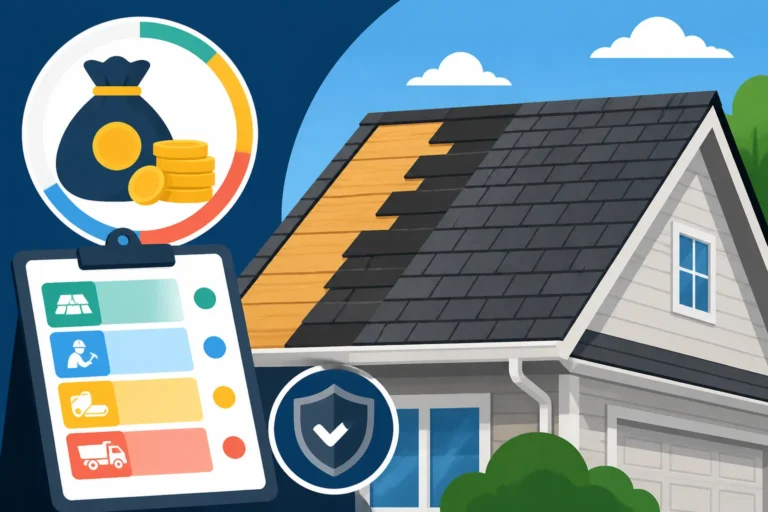
- Roof Decking Repairs/Replacement: This is one of the most common "surprise" costs. Once the old shingles are removed, the contractor might discover rotten or damaged plywood/OSB sheathing. Replacing sections of roof decking is essential for a stable, long-lasting roof, but it's an added expense.
- Ventilation Improvements: Many older homes have inadequate attic ventilation. Upgrading to a more efficient system, such as adding a continuous ridge vent or more soffit vents, can significantly extend the life of your new roof and improve your home's energy efficiency. This is a highly recommended upgrade often costing extra.
- Gutter Replacement: If your gutters are old or damaged, replacing them during a roof project can be cost-effective as equipment is already on-site. The cost to replace roof and gutters together is often less than doing them separately.
- Skylight Replacement/Repair: If you have skylights, this is an ideal time to inspect, repair, or even replace them, ensuring a watertight seal with your new roof.
- Warranty Upgrades: While all shingles come with a basic manufacturer's warranty, many contractors offer enhanced warranties (often through specific manufacturers like GAF or Owens Corning) that cover both materials and workmanship for a longer period. These often require installing a complete roofing system from that manufacturer and come at an additional cost. Understanding how roofing warranty upgrades affect the total cost is vital.
Being aware of these potential additional costs allows you to budget for contingencies and discuss them proactively with your contractor. A good contractor will bring these possibilities to your attention during the initial inspection, rather than surprising you with them mid-project.
| Component | Description | Typical Cost Driver | Calculator Accuracy |
|---|---|---|---|
| Roof Size | Total surface area in "squares" (100 sq ft) | Material quantity, labor hours | High (if accurate input) |
| Roof Complexity | Pitch, number of valleys, dormers, chimneys, skylights | Labor intensity, special tools | Low (difficult to quantify) |
| Shingle Type | 3-Tab, Architectural, Designer | Material cost, durability, aesthetics | Medium (depends on homeowner's choice) |
| Underlayment | Felt vs. Synthetic, Ice & Water Shield coverage | Material cost, moisture protection | Medium (often a standard inclusion) |
| Flashing | Metal protection around penetrations and transitions | Material cost, specialized labor | Low (varies greatly by roof) |
| Labor Rates | Cost of crew for tear-off, installation, cleanup | Regional wages, project timeline | Medium (based on zip code average) |
| Tear-Off/Disposal | Removal of old roof layers and waste management | Number of layers, local dump fees | Medium (often averaged) |
| Decking Repairs | Replacement of rotted or damaged plywood/OSB sheathing | Extent of damage, material/labor | Very Low (unforeseen) |
| Ventilation | Ridge vents, soffit vents, attic fans for airflow | Upgrade choice, installation complexity | Low (often an optional add-on) |
| Permit Fees | Local municipality fees for inspection and approval | Local regulations | Low (often omitted) |
DIY Estimation vs. Professional Assessment
It's natural to wonder how much you can save by trying to estimate things yourself, or even tackle certain aspects of a roofing project. However, when it comes to something as critical as your roof, a professional assessment is almost always the superior and safer route.
The Pitfalls of Self-Assessment
Attempting to thoroughly assess your own roof for damage or to calculate exact material needs can be fraught with challenges and even danger.
- Safety Risks: Climbing onto a ladder and walking on a roof, especially one that might be old or damaged, is inherently risky. Falls from roofs are a leading cause of construction injuries, and for an untrained homeowner, the danger is even greater. Even a slight misstep can lead to serious injury.
- Lack of Expertise to Spot Issues: You might see a missing shingle, but a professional knows how to spot granule loss, subtle cracking, blistering, or nail pops that indicate widespread wear. They can identify hail damage or wind damage that isn't immediately obvious to the untrained eye. They also know what to look for beneath the surface, checking for proper roof decking and ventilation from the attic side. Without this expertise, you might significantly underestimate the scope of work or miss critical repairs.
- Inaccurate Material Calculations: Even with a good understanding of your roof's square footage, calculating waste factors, needed starter strips, ridge caps, and flashing for complex areas can be tricky. Over-ordering leads to wasted money, and under-ordering leads to costly delays and multiple trips to the supplier.
- Ignoring Code Requirements: Local building codes dictate everything from the type of underlayment required to the nailing pattern for shingles and ventilation standards. A homeowner might unknowingly plan a project that doesn't meet these codes, leading to failed inspections, fines, or even a invalidated home insurance policy. For example, understanding the two-layer shingle rule explained by local codes is crucial.
- Time Commitment: Researching materials, understanding installation techniques, measuring accurately, and dealing with potential issues takes a significant amount of time, which many homeowners simply don't have.
For these reasons, a DIY approach to estimating a roof replacement often leads to frustration, inaccurate budgets, and potentially dangerous situations.
Why Professional Assessments Are Worth Every Penny
Investing in professional estimates from reputable contractors is not just about getting a price; it's about leveraging expertise, ensuring safety, and getting a comprehensive solution.
- Expert Diagnosis: A pro will not only tell you the cost but also why your roof needs attention. They can distinguish between minor issues and signs you need a new roof. They'll assess the condition of your current roofing system, identify underlying problems, and recommend the most appropriate solutions, not just a patch-up job. They're trained to look for everything from proper shingle sealing to signs of a sagging roof.
- Accurate and Comprehensive Quotes: Professionals provide detailed, itemized quotes that cover all aspects of the project, from tear-off to cleanup and warranties. They factor in local labor rates, current material costs, permit fees, and necessary upgrades. This level of detail helps you avoid surprises and allows for accurate budget planning, moving beyond just the average roof replacement cost this year.
- Compliance with Codes and Regulations: A licensed contractor is familiar with local building codes and will ensure your new roof meets all requirements, including proper ventilation, flashing, and fastening methods. They will pull the necessary permits, relieving you of that responsibility and ensuring your project passes inspection.
- Warranty Protection: Professional installation by a certified contractor often qualifies you for enhanced manufacturer warranties that cover both materials and workmanship for an extended period. This level of protection is rarely available for DIY projects or installations by uncertified individuals. For example, choosing a GAF Master Elite contractor means you can access superior warranty options.
- Peace of Mind: Knowing that experienced, insured professionals are handling your roof replacement provides immense peace of mind. You don't have to worry about safety hazards, botched installations, or voiding your home insurance. When you work with a service like Modernize, you're connected with contractors who have been vetted, helping you avoid roofing contractor red flags to avoid.
Ultimately, while a DIY estimate might save you a little time upfront, the potential costs—in terms of safety, unaddressed issues, financial discrepancies, and lack of warranty—far outweigh any perceived savings. A professional assessment is an investment in your home's integrity and your peace of mind.
Saving Money on Your New Asphalt Roof
Even with the best estimates, a new roof is a significant investment. However, there are smart strategies you can employ to manage costs without compromising on quality or necessary protection. Budgeting for a new roof requires a bit of foresight and knowing where to look for savings.
Prioritizing Needs vs. Wants
When faced with a range of options, it's easy to get carried away with premium features. Take a step back and identify what your roof truly needs versus what you want.
- Essential Upgrades: Some upgrades are genuinely worth the investment because they protect your home and extend the life of your roof. For example, improving attic ventilation can prevent heat and moisture buildup, which damages shingles and decking. Investing in quality underlayment and proper flashing is non-negotiable for watertight protection. If you live in an area prone to hail, a Class 4 shingle roof cost might be a smart investment to potentially lower insurance premiums and prevent future damage, making it a need over a want.
- Aesthetic Choices: While designer shingles that mimic slate are beautiful, they come with a significant price tag. If your budget is tight, opting for a high-quality architectural shingle can still give you an attractive, durable roof for considerably less. You can often find aesthetically pleasing architectural shingles in a wide array of colors that enhance your home's curb appeal without breaking the bank. Discuss with your contractor about different brands like IKO vs GAF Cost Comparison for similar shingle types to see if there are cost-effective alternatives.
- Future Savings: Sometimes, spending a little more upfront saves you a lot more down the line. For instance, choosing a shingle with a longer warranty or algae resistance (if you live in a humid climate) can prevent premature replacement or costly cleaning, ultimately saving you money over the lifespan of the roof.
By clearly distinguishing between essential investments and desirable but optional upgrades, you can make informed decisions that align with both your budget and your home's long-term needs.
Strategic Timing and Financing Options
When you undertake your roofing project can also influence the cost, and how you pay for it opens up different possibilities.
- Off-Season Installation: While not always a dramatic difference, some contractors might offer slightly better pricing during their slower seasons, typically late fall through early spring (weather permitting). During peak seasons (late spring to early fall), demand is high, and contractors are less likely to negotiate. Of course, this needs to be balanced against the comfort and safety of the crew and the curing time for sealants.
- Negotiate Wisely: Don't be afraid to negotiate with contractors, especially if you have multiple competitive bids. However, focus on getting value, not just the lowest price. Ask if they can match a competitor's price for the exact same scope of work and materials. Be wary of contractors who drop their price too easily, as it might indicate they were inflating it to begin with or are cutting corners.
- Explore Financing Options: A new roof is a major expense, and many homeowners don't have the cash readily available. Thankfully, there are several ways to finance a roof replacement:
- Home Equity Loan or HELOC: These often offer the lowest interest rates because they're secured by your home.
- Contractor Financing: Many roofing companies partner with lenders to offer financing plans, sometimes with special promotional interest rates like 0% APR roof financing options for a limited time.
- Personal Loan: While generally having higher interest rates, a personal loan can be a quick and unsecured option.
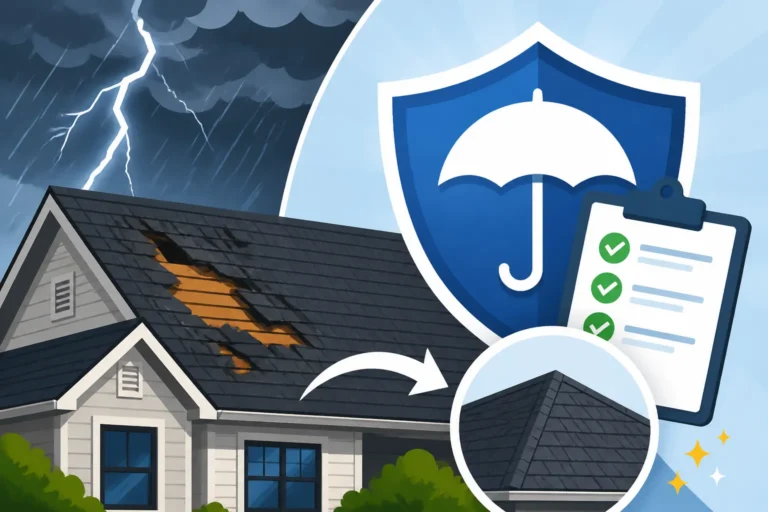
- Insurance Claims: If your roof damage is due to a covered event (like a major storm), your homeowner's insurance might cover a significant portion of the cost. Understanding if insurance covers roof replacement and how to navigate the claims process is essential.
- Manufacturer Rebates and Energy Credits: Keep an eye out for promotions from shingle manufacturers or potential local/federal energy tax credits for installing energy-efficient roofing materials (like cool-roof shingles). These can offer unexpected savings.
By being strategic about timing and exploring all available financing and savings avenues, you can significantly ease the financial burden of a new asphalt roof. The goal is to get a durable, high-quality roof that protects your home without overextending your budget.
Disclaimer
The information provided in this guide is for general informational purposes only and does not constitute professional advice. Roofing costs and regulations vary significantly by location, property specifics, and market conditions. Always consult with multiple licensed and insured roofing contractors for accurate, personalized estimates and to ensure compliance with local building codes. We do not endorse any specific brand or product.