Cost to Replace a Roof on a Ranch Home
Trying to figure out the exact cost to replace the roof on your ranch home can feel like a guessing game, filled with vague estimates and confusing numbers. You're probably wondering how your specific home's layout impacts the price, and why it seems so different from a multi-story house. This comprehensive guide will break down all the factors involved in a ranch home roof replacement, helping you understand what to expect and how to budget effectively.
Why Ranch Homes Have Unique Roofing Costs
Ranch homes, with their sprawling, single-story designs, often present a distinct set of cost considerations when it comes to roof replacement. While some aspects might lead to lower costs, others can sometimes push the price up. It’s all about understanding these nuances rather than just looking at a flat price-per-square.
Simpler Rooflines, Fewer Complexities
One of the most appealing aspects of a ranch home's roof, from a cost perspective, is often its simpler design. Unlike Victorian homes with turrets or modern builds with multiple intersecting angles and varying roof pitches, many ranch homes feature a relatively straightforward gable or hip roof. This means fewer valleys, dormers, and complex transitions.
Fewer complexities typically translate directly into lower labor costs. When roofers don't have to spend extra time cutting intricate angles, sealing numerous valleys, or working around multiple chimneys or skylights, the installation process can be significantly more efficient. Think about it: a straight run of shingles is much quicker to lay than a section requiring custom cuts and careful flashing around a chimney. Less specialized labor and fewer custom materials often mean savings for you, the homeowner. This simplified architecture is a major reason why the overall Asphalt Roof Replacement Cost: Complete Breakdown for a ranch home can sometimes be more favorable than for a more elaborate structure.
Accessibility Benefits for Contractors
Another significant advantage of most ranch homes is their single-story height. This isn't just about aesthetics; it profoundly impacts the safety and efficiency of a roofing project. Contractors can usually access the roof more easily, often requiring less extensive scaffolding or specialized safety equipment compared to a two-story or multi-story home.
Easier access means less setup and teardown time for the crew. They can get materials up and debris down with greater speed and less effort, which translates to fewer labor hours. Furthermore, the risk of falls and injuries can be lower on a single-story roof, which might even subtly influence a contractor's bid. While you might not see "easy access discount" on your estimate, the inherent ease of working on a ranch home often contributes to a more competitive overall price. This ease of access can also make inspections smoother, both for initial quotes and for post-installation checks.
Potential for Larger Footprints
While simpler rooflines and accessibility are often benefits, ranch homes can also present a challenge: their expansive footprint. Many ranch homes were designed to spread out, offering more living space on a single level. This means the actual square footage of the roof surface can be quite substantial, even for a modest-sized home.
A larger roof surface, of course, requires more materials – more shingles, more underlayment, more nails, and more flashing. It also means more time for the roofing crew to remove the old roof and install the new one. So, while the complexity per square foot might be lower, the sheer number of square feet can sometimes offset the savings from simpler designs. For example, a 2,000 sq ft ranch home might have a roof surface close to that, or even more, depending on the pitch and overhangs. Understanding that a "square" of roofing is 100 square feet helps put this into perspective. This is a crucial point when comparing a ranch home to a two-story house of similar living area; the two-story home might have a smaller roof footprint because its living space is stacked vertically.
Key Factors Influencing Your Ranch Home Roof Replacement Cost
Just like any home, the final price tag for replacing your ranch home's roof isn't just a single number; it's a culmination of several interconnected elements. Understanding these factors is key to deciphering your roofing estimates and making informed decisions.
Roof Size and Pitch
The size of your roof is arguably the most significant cost driver. It dictates the quantity of materials needed and the amount of labor required for tear-off and installation. However, it's not just the flat footprint of your house. The pitch or slope of your roof plays an equally critical role.
A low-slope roof, common in many modern ranch designs, might be easier and faster for roofers to work on, potentially reducing labor costs per square. However, extremely low-slope roofs (those below 2:12 pitch) might require specialized low-slope roofing materials, which can be more expensive than traditional asphalt shingles. Conversely, a steeper-pitched roof, while less common on classic ranch homes, increases safety challenges for roofers, slows down the installation process, and can lead to a Steep Roof Cost Premium. Roofers need more safety equipment, take more breaks, and the work is physically more demanding. When you're looking at your ranch home, consider not just its overall square footage, but also how steeply that roof rises. A home with a greater overhang or a slightly steeper pitch will have a larger roof surface area than a home with the exact same foundation footprint but minimal overhangs and a very shallow pitch. This variance alone can add several "squares" to your project, directly impacting the total material and labor required.
Material Choices
The type of asphalt shingle you choose has a massive impact on your total roof replacement cost. It’s not just about color; it’s about durability, aesthetics, and specialized features.
- 3-Tab Shingles: These are the most economical option, offering a basic, flat appearance. They typically have a shorter lifespan (15-20 years) and a lower wind resistance. While they're the cheapest upfront, they might not be the most cost-effective in the long run, especially if you live in an area prone to storms. Their simplicity means they don't offer much in the way of curb appeal, which might be a consideration if you're thinking about resale value. You can explore 3-Tab Shingle Roof Cost for a more detailed breakdown.
- Architectural (Dimensional) Shingles: These are the most popular choice for asphalt roofing today. They are thicker, more durable, and offer a multi-dimensional, textured look that mimics natural wood shakes or slate. They come with longer warranties (25-50 years) and better wind ratings. Brands like GAF Timberline HDZ or Owens Corning Duration are excellent examples of architectural shingles. While they cost more per square than 3-tab, their enhanced curb appeal, longevity, and performance often make them a better investment. This is often the sweet spot for many ranch homeowners looking for a balance of cost and value. Compare 3-Tab vs Architectural Shingle Cost Compared for a deeper dive.
- Designer (Luxury) Shingles: These are the premium end of asphalt shingles, designed to replicate the look of high-end roofing materials like natural slate or cedar shakes, but at a fraction of the cost. They are often heavier, thicker, and offer superior protection and warranties. While they provide exceptional aesthetics and performance, they come with a significantly higher price tag, which might push the cost of your ranch home's roof replacement into the higher tiers.
Beyond the shingle itself, other components also contribute to material costs, such as quality underlayment (synthetic tends to be more durable than felt), ice and water shield, new flashing, and ventilation systems. Opting for a complete roofing system from a single manufacturer, like a GAF or Owens Corning system, can sometimes qualify you for enhanced warranties, even if the upfront cost is a bit higher.
Labor Rates and Project Complexity
Labor costs are a substantial portion of any roof replacement, often accounting for 40-60% of the total price. These rates are influenced by several factors, including the local cost of living, the availability of skilled labor, and the specific complexities of your project.
Even on a ranch home, which often has simpler rooflines, complexities can arise. For instance, if your roof has multiple layers of old shingles that need to be removed – a process known as a "tear-off" – this will increase labor time and disposal fees. If the roof decking underneath is found to be rotten or damaged, requiring replacement, that's another unexpected labor and material cost. Your chosen contractor's experience and certification also play a role; highly certified roofers, such as those with GAF Master Elite or Owens Corning Platinum Preferred status, might charge a bit more but often offer superior workmanship and enhanced warranties. The speed at which a crew can work without compromising quality is directly tied to their experience and the relative ease of the job. A typical ranch home roof replacement might take 1-3 days, but unexpected issues or unusually large roofs can extend that timeframe, driving up Asphalt Roof Labor Cost Explained.
Breaking Down the Components of a Ranch Home Roof Estimate
When you receive an estimate for your ranch home's roof replacement, it shouldn't just be a single, intimidating number. A reputable contractor will provide a detailed breakdown, allowing you to see exactly where your money is going. Understanding these components is crucial for comparing bids and ensuring you're getting a fair deal.
Tear-Off and Disposal
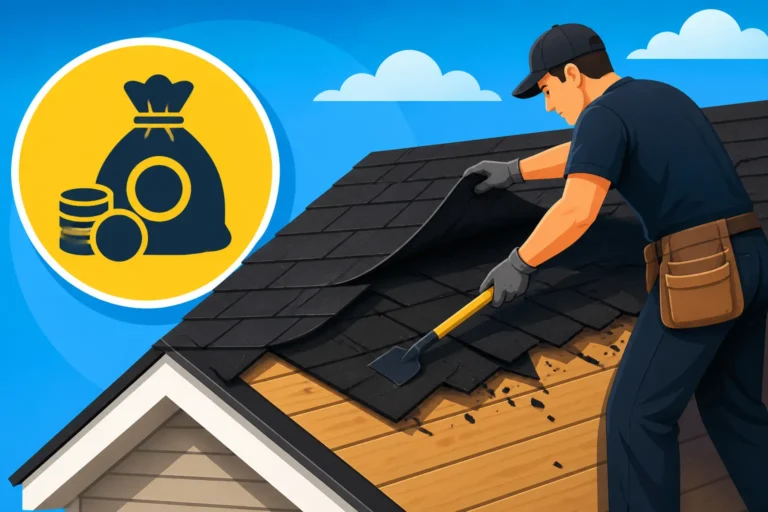
This is often the first major item on any roof replacement estimate. A complete roof replacement always involves removing the old roofing materials down to the roof decking. For many ranch homes, especially older ones, this could mean one or even two layers of existing shingles, underlayment, and any other debris.
The cost for tear-off and disposal covers the labor involved in physically stripping the old roof, as well as the fees associated with renting a dumpster and transporting the waste to a local landfill or recycling facility. The more layers of old roofing your ranch home has, the higher this cost will be. In some areas, disposal fees have risen due to environmental regulations or limited landfill space. If you're looking at an older ranch home, it's wise to assume at least one full layer tear-off. Some contractors might include this in their overall "per square" price, while others itemize it separately. Make sure it's clearly stated in your contract. You can dive deeper into Cost of Roof Tear-Off and Disposal to understand how these elements are calculated.
Underlayment and Decking Considerations
Beneath your shingles lies the underlayment, a critical barrier that provides an extra layer of protection against moisture, especially in driving rain or during periods when shingles might lift. Most modern installations use synthetic underlayment, which is more tear-resistant and waterproof than traditional felt paper.
Below the underlayment is your roof decking, typically plywood or OSB (Oriented Strand Board). When the old roof is torn off, the contractor will inspect this decking for any signs of water damage, rot, or structural issues. If decking needs to be replaced, it's an additional cost for materials and labor. For example, if a previous leak went unnoticed in your ranch home's attic, you might find a section of decking that needs to be cut out and replaced. This is why a thorough initial inspection is so important. Often, the estimate will include a small allowance for decking replacement (e.g., 1-2 sheets), but extensive damage will lead to additional charges. Understanding the differences and costs of Synthetic vs Felt Underlayment Cost can help you make an informed choice for your home.
Flashing, Vents, and Other Accessories
Your roof isn't just shingles; it's a complex system that relies on various accessories to function properly and prevent leaks. These components, while small, are vital and add to the overall cost.
- Flashing: This is thin metal (often aluminum or galvanized steel) installed around chimneys, skylights, vents, and in valleys where two roof planes meet. Its purpose is to direct water away from vulnerable areas. Old flashing is typically replaced during a full roof replacement to ensure a watertight seal. The number of chimneys, skylights, and complex valleys on your ranch home will influence the total flashing cost.
- Vents: Proper attic ventilation is crucial for your roof's longevity and your home's energy efficiency. This includes ridge vents, soffit vents, and possibly static or powered vents. The Cost of Ridge Vent Installation for your ranch home, for instance, might be a separate line item. Adequate ventilation prevents heat and moisture buildup, which can damage shingles and roof decking.
- Drip Edge: This metal flashing is installed along the edges of the roof to direct water off the fascia and into the gutters, preventing damage to the roof edge and protecting your home's exterior.
- Starter Shingles & Hip and Ridge Caps: These specialized shingles provide extra protection at the eaves and along the roof's hips and ridges, often made to match your primary shingles.
All these components are essential for a robust, long-lasting roof system and will be itemized or factored into a comprehensive estimate. Neglecting any of these can lead to premature roof failure and costly leaks down the line.
Average Costs for Ranch Home Roof Replacement by Size and Type
While giving a single, universal number for ranch home roof replacement is impossible due to the sheer number of variables, we can certainly look at general ranges and how different factors push those numbers up or down. Keep in mind, these are averages, and your specific location and contractor will always play a role. A great way to get started is by using a service like Modernize, which can connect you with local, vetted roofing professionals who understand the specific needs and costs associated with ranch homes in your area.
Typical Square Footage and Corresponding Costs
Ranch homes can vary significantly in size, from cozy 1,000 sq ft models to expansive 2,500+ sq ft footprints. The total roofing area, measured in "squares" (one square equals 100 square feet), directly correlates with material and labor costs.
Let's consider some common ranch home sizes and provide a broad cost range for a standard architectural shingle replacement, including tear-off, new underlayment, and basic accessories. These figures are national averages and can fluctuate wildly based on local market conditions, material availability, and the specific contractor.
| Ranch Home Size (Sq Ft) | Estimated Roof Area (Squares)* | Average Cost Range (Architectural Shingles) |
|---|---|---|
| 1,000 | 12-15 | $6,000 – $12,000 |
| 1,500 | 18-22 | $9,000 – $17,000 |
| 2,000 | 24-30 | $12,000 – $22,000 |
| 2,500 | 30-38 | $15,000 – $28,000 |
| 3,000 | 36-45 | $18,000 – $35,000 |
Note: Roof area is often larger than the home's heated living space due to overhangs and roof pitch. These are approximations.
It’s easy to see how a larger footprint directly impacts the cost. Remember, these are for architectural shingles, which are a popular mid-range choice. Going for a basic 3-tab shingle could bring these numbers down by 10-20%, while choosing luxury designer shingles could easily push them up by 30-50% or more. Don't forget that these numbers often represent the entire project, including removal, installation, and disposal, making up the full How Much Does an Asphalt Shingle Roof Cost for your property.
Impact of Different Shingle Types on Price
As discussed earlier, your choice of shingle type significantly influences the final cost. Ranch homes, with their often prominent roofline, can greatly benefit from the aesthetic upgrade offered by architectural or designer shingles.
- 3-Tab Shingles: Generally the most affordable option, typically ranging from $4.00 to $6.00 per square foot installed. For a 2,000 sq ft ranch home (roughly 24-30 squares), this could mean a total material and labor cost starting from $9,600 to $18,000. They provide basic protection and come with shorter warranties, usually 15-20 years. While the initial investment is lower, consider their shorter lifespan and lesser aesthetic appeal.
- Architectural Shingles: These are the sweet spot for many homeowners, offering excellent durability, curb appeal, and value. They usually cost between $5.00 and $9.00 per square foot installed. For the same 2,000 sq ft ranch home, you're looking at a range of $12,000 to $27,000. Brands like GAF Timberline HDZ and Owens Corning Duration are popular choices, offering 25-50 year warranties and better wind resistance. This is often the recommended choice for a lasting investment that enhances your home's value and protection.
- Designer/Luxury Shingles: These shingles aim for a high-end look, mimicking slate or cedar, and come with premium pricing, often $8.00 to $15.00+ per square foot installed. A 2,000 sq ft ranch roof could cost anywhere from $19,200 to $45,000 or more with these options. While expensive, they offer superior aesthetics, durability, and the longest warranties, often 50 years or even lifetime. For those who want to significantly boost their ranch home's curb appeal and can afford the investment, these are a top-tier choice. The added weight of these shingles might also require a quick check of your roof decking's structural integrity, though this is rarely an issue for properly constructed ranch homes.
The type of shingle also impacts the overall perceived quality and value of your home, something important to consider for Roof Replacement and Home Value.
One-Story vs. Split-Level Ranch Cost Nuances
While most ranch homes are single-story, there are variations like split-level or raised ranches. These distinct architectural styles can introduce different cost dynamics.
- One-Story Ranch: As previously discussed, these typically benefit from easier accessibility and simpler rooflines, often leading to more straightforward installations and lower labor costs per square. The primary cost driver here will be the sheer surface area of the roof. If you have a classic sprawling one-story ranch, expect the total number of roofing squares to be high, even if the work per square is efficient.
- Split-Level Ranch: A split-level ranch might have two or three levels that are offset from each other, resulting in multiple, distinct roof sections at different heights. This design can introduce complexities similar to a multi-story home, such as increased fall hazards, more intricate flashing requirements where roof sections meet walls, and potentially multiple gutter systems. The various roof planes can mean more cutting, more transitions, and more setup for roofers moving between different levels, all of which can increase labor time and thus the overall cost. For example, a roofer might need to transition from working on a lower garage roof section to a higher main roof section, which requires more careful safety protocols and material handling. This style usually carries a higher Roof Replacement Cost by Pitch and complexity than a purely one-story home.
Understanding these structural differences is vital when getting quotes. A contractor experienced with various ranch styles will accurately assess the labor and material needs unique to your specific home.
Regional Variations in Ranch Home Roofing Costs
The cost of replacing your ranch home's roof isn't fixed; it's a dynamic figure that shifts dramatically depending on where you live. Just like real estate prices or the cost of a gallon of milk, roofing expenses are highly localized.
State and Local Market Differences
Roofing costs are heavily influenced by the economic conditions of your specific state and even your local metropolitan area. For instance, replacing a roof on a ranch home in a high-cost-of-living state like California or New York will almost certainly be more expensive than in a state with a lower cost of living, such as Oklahoma or Alabama. This difference boils down to several factors:
- Labor Rates: Wages for skilled roofers vary significantly by region. In areas with higher average incomes, labor rates will naturally be higher. For example, a roofing crew in Los Angeles, California, needs to cover higher overheads (rent, taxes, insurance) than a crew in Topeka, Kansas, which directly impacts their hourly rates.
- Material Transportation Costs: While asphalt shingles are manufactured in many parts of the country, transportation costs from the factory to your local supplier, and then to your job site, can add up, especially in more remote areas or those far from manufacturing hubs.
- Permit Fees: Local municipalities and counties charge varying fees for roofing permits, which are often required for a full roof replacement. These can range from a few hundred dollars to over a thousand, depending on your location and the scope of the project.
- Competition: In areas with many roofing contractors, competition can sometimes drive prices down. Conversely, in regions with fewer reputable contractors or during peak demand seasons (like after a major storm), prices can be higher due to limited availability.
Websites like Modernize are great for getting a sense of local pricing by connecting you with contractors in your specific region who can provide accurate, local estimates tailored to your ranch home. This kind of localized data is essential for understanding your Asphalt Shingle Roof Cost by State.
Impact of Climate and Building Codes
Beyond the general cost of living, the climate and specific building codes in your region play a crucial role in roofing costs, especially for a ranch home that needs solid protection.
- Extreme Weather Zones: If your ranch home is located in an area prone to severe weather events like hurricanes (e.g., Florida, Gulf Coast), heavy snow (e.g., Minnesota, Colorado), or frequent hail (e.g., Texas, Oklahoma), you might face higher costs. Building codes in these areas often mandate more robust roofing systems, such as higher wind-rated shingles (e.g., Class H for 130 mph winds), enhanced nailing patterns, or thicker ice and water shield. These specialized materials and installation techniques naturally increase both material and labor costs. Homeowners in hail-prone states might even consider Impact-Resistant Shingle Cost to potentially save on insurance premiums in the long run.
- Energy Efficiency Requirements: Some regions have stricter energy efficiency codes that might influence your choice of roofing materials. For example, in warmer climates, "cool roof" shingles that reflect more solar radiation might be required or incentivized. These shingles are often more expensive than standard asphalt shingles but can lead to energy savings over time.
- Local Code Compliance: Even if your ranch home is older, a roof replacement usually requires bringing the new roof up to current building codes. This could mean adding more vents, upgrading your underlayment, or ensuring proper flashing around all penetrations. These code updates are non-negotiable and will be factored into your total project cost. A reputable contractor will always pull the necessary permits and ensure your new roof meets all local requirements. This ensures your investment is sound and compliant, avoiding issues later on.
It’s always a good idea to ask your potential roofing contractor about specific local codes and how they will impact your project's cost and scope.
Smart Strategies to Manage Your Ranch Home Roofing Budget
Replacing a roof is a significant investment for any homeowner, and for ranch homes, the costs can sometimes be substantial due to their expansive roofs. However, there are smart strategies you can employ to ensure you get a quality roof without breaking the bank.
Getting Multiple Quotes
This might seem obvious, but it's astonishing how many homeowners settle for the first quote they receive. For a major investment like a roof replacement, getting at least three, and ideally five, detailed estimates from different contractors is absolutely essential.
- Comparison is Key: Different contractors will have varying overheads, material suppliers, and labor rates. By comparing multiple quotes, you get a much clearer picture of the fair market value for your ranch home's roof replacement in your area. Don't just look at the bottom line; carefully compare the scope of work, materials specified (e.g., brand and type of shingles, underlayment), warranties offered, and payment schedules. A much lower bid could be a red flag, indicating potential shortcuts or inexperienced labor.
- In-Person Inspections: Insist on in-person inspections. Satellite or drive-by estimates can miss critical issues like damaged decking, improper ventilation, or complex flashing needs specific to your ranch home's design. A thorough physical inspection ensures the contractor fully understands the project and provides an accurate quote.
- Ask Questions: Don't be afraid to ask contractors to explain their pricing. What are the allowances for decking replacement? Are disposal fees included? What type of underlayment are they using? A good contractor will be transparent and happy to walk you through every line item. Using a platform like Modernize can help streamline this process, connecting you with several local, qualified professionals efficiently. This process is crucial for learning How to Get Roofing Quotes and Compare Them.
Understanding Warranties and Insurance
Your roof is a long-term investment, and understanding its warranties and how insurance plays a role is vital for protecting that investment.
- Manufacturer Warranties: Most asphalt shingles come with a manufacturer's warranty, covering defects in the materials themselves. These can range from 20 years for 3-tab shingles to 50 years or even "lifetime" for architectural and designer shingles. However, standard manufacturer warranties often cover only the material and are prorated, meaning the coverage decreases over time.
- System Warranties: Many top manufacturers, like GAF, Owens Corning, and CertainTeed, offer enhanced or "system" warranties if you install a complete roofing system (shingles, underlayment, ventilation, etc.) from their brand and use a certified contractor. These often provide better coverage, including labor, and are sometimes non-prorated for a period. This means if a defect occurs, the manufacturer covers the full cost of repair or replacement. Always ask about these options and ensure your contractor is certified to offer them.
- Workmanship Warranties: This is critical. Your contractor should provide a separate warranty on their workmanship, typically for 5-10 years. This protects you if issues arise due to improper installation.
- Homeowners Insurance: Before starting any work, review your homeowners insurance policy. Understand what your deductible is and if your policy covers "replacement cost value" (RCV) or "actual cash value" (ACV). RCV policies pay to replace your roof at current market prices, while ACV policies pay only the depreciated value of your old roof, leaving you to cover the difference. If your ranch home's roof was damaged by a covered peril (like a storm), understanding Does Insurance Cover Roof Replacement is paramount. Be proactive and call your insurance agent if you suspect storm damage.
Timing Your Replacement Strategically
Believe it or not, the time of year you choose to replace your ranch home's roof can sometimes influence the cost and efficiency of the project.
- Off-Peak Seasons: Spring and fall are generally the busiest seasons for roofing contractors. During these times, demand is high, and contractors may have less flexibility on pricing. If you can schedule your replacement during the late fall or early winter (in areas with mild winters), or even late summer, you might find contractors more willing to offer competitive pricing to keep their crews busy. In many parts of the country, decent weather window can allow for roofing into December.
- Weather Considerations: While trying to save money, don't compromise on quality due to bad weather. Roofing installation requires specific temperature ranges for shingles to properly seal and adhere. Extreme cold can make shingles brittle and difficult to install, while excessive heat can make them too soft. A good contractor will always prioritize proper installation conditions.
- Emergency vs. Planned: An emergency roof replacement, perhaps after severe storm damage, almost always costs more due to urgency and potentially limited contractor availability. Planning your roof replacement when your ranch home's roof is nearing the end of its lifespan allows you to get multiple quotes, choose materials at your leisure, and schedule the project at an opportune time, potentially saving you money and stress. Knowing When to Repair a Roof Leak vs Replace the Roof can save you from emergency situations.
Disclaimer
Please note that the information provided in this guide is intended for general informational purposes only and does not constitute professional financial, roofing, or legal advice. Roofing costs are highly variable and depend on numerous factors, including location, specific materials, labor rates, and the unique characteristics of your home. Always consult with multiple licensed and insured roofing contractors in your area for accurate estimates and professional recommendations tailored to your specific project. It is also advisable to check with your local municipality for any required permits or specific building codes.