Cost to Replace a Roof on a 2,000 Sq Ft House
Thinking about replacing your roof can feel like a daunting task, especially when you start trying to figure out how much it's actually going to cost. For homeowners with a house around 2,000 square feet, the price tag can vary wildly, making it tough to budget and plan. This guide is here to demystify the numbers, breaking down the factors that contribute to the total cost of replacing an asphalt shingle roof on a home of this size, so you can approach your project with confidence and clarity.
Understanding the Average Cost for a 2,000 Sq Ft Roof
When you're staring at an aging roof, wondering if it's time for a replacement, one of the first questions that pops into your head is always, "How much is this going to set me back?" For a typical 2,000-square-foot house, the cost to replace an asphalt shingle roof can range significantly, usually falling somewhere between $9,000 and $20,000, though it can go higher depending on various elements. This wide range isn't meant to frustrate you; rather, it highlights the many moving parts involved in a roofing project. It's not just about the shingles, it's about labor, underlying materials, and even the unique characteristics of your home itself.
It's tempting to want a single, concrete number, but the reality of roofing costs is far more nuanced. Think of it like buying a car: a basic sedan and a luxury SUV both get you from point A to point B, but their price tags are vastly different due to materials, features, and craftsmanship. Your roof is similar, with each component adding to the overall investment.
National Averages and Regional Differences
While a national average provides a starting point, it's rarely what you'll pay in your specific locale. Roofing costs are heavily influenced by where you live. For instance, homeowners in areas with a higher cost of living, like certain parts of California or the Northeast, will almost certainly pay more for a 2,000-square-foot roof replacement than someone in the Midwest or Southern states. This is primarily due to differences in labor rates, which account for a significant portion of the total project cost, but also local material availability and transportation expenses.
Even within a state, prices can fluctuate. A roofing project in a bustling city center like Dallas, Texas, might cost more than a similar project in a smaller, rural community just an hour away, simply because of higher overhead for contractors and increased demand for skilled labor. Weather patterns also play a role; regions prone to severe storms, like those in Florida or Colorado, might see higher costs for impact-resistant shingles or specialized installation techniques designed to withstand harsh conditions, all of which drive up the final price tag for your 2,000-square-foot home. These localized market dynamics mean that while the national average gives you a ballpark, always dig deeper into what homeowners in your specific area are actually paying. You can explore topics like how much does an asphalt shingle roof cost or Asphalt Roof Replacement Cost: Complete Breakdown for broader insights.
Breaking Down the "Square" Measurement
In the roofing world, contractors don't typically talk about square feet when measuring a roof; they talk about "squares." This can be a bit confusing for homeowners who are used to discussing their house size in square footage. A "roofing square" is a unit of measurement equal to 100 square feet. So, for your 2,000-square-foot house, you're generally looking at a 20-square roof, assuming a perfectly flat, single-story structure with no overhangs or waste.
However, roofs are rarely that simple. They have eaves, gables, hips, valleys, dormers, and other features that add to the total surface area and complexity. Furthermore, contractors always account for "waste" – shingles that need to be cut, trimmed, or are damaged during installation. This waste factor can add anywhere from 10% to 20% to the total material calculation. Therefore, your 2,000-square-foot home might actually require closer to 22-24 squares of materials to complete the job. Understanding this measurement is key to accurately comparing bids and understanding the true scope of work. To dive deeper into this, check out our guide on Roof Cost Per Square: What You'll Pay.
Key Factors Influencing Your 2,000 Sq Ft Roof Replacement Cost
The sticker price for a 2,000 sq ft roof replacement isn't pulled out of thin air. It's a careful calculation based on several intertwined elements unique to your specific home and your choices as a homeowner. Understanding these variables is crucial to both getting a fair price and selecting the right roof for your needs and budget. It’s not just about covering your head; it’s about protecting your biggest asset with materials and craftsmanship that will stand the test of time.
Shingle Type and Quality
The type and quality of asphalt shingles you choose will be one of the most significant drivers of your total cost. While asphalt shingles are generally the most affordable roofing option, there's a spectrum of quality and aesthetic appeal even within this category.
- 3-Tab Shingles: These are the most basic and economical option. They are flat, lightweight, and have a uniform appearance. While they get the job done, they typically offer the lowest wind resistance and shortest lifespan, usually around 15-20 years. For a 2,000 sq ft house, opting for 3-tab shingles would put you at the lower end of the cost spectrum, perhaps around $4.50 to $6.50 per square foot installed. They are a good choice for budget-conscious homeowners or those with rental properties.
- Architectural (Laminate or Dimensional) Shingles: These are the most popular choice today. They are thicker, heavier, and offer a multi-dimensional, textured look that mimics wood shakes or slate. Architectural shingles provide better wind resistance and a longer lifespan, often 25-30 years or more. They can cost anywhere from $5.50 to $9.00 per square foot installed for a 2,000 sq ft roof. This upgrade significantly enhances curb appeal and provides better durability, making them a wise investment for many homeowners.
- Designer (Luxury) Shingles: These are the premium asphalt shingles, offering the highest quality, most distinctive aesthetics, and best performance. They are exceptionally thick, often designed to mimic natural slate or cedar shakes with remarkable realism, and come with superior warranties and impact resistance. While they command a higher price, typically $8.00 to $12.00+ per square foot installed for a 2,000 sq ft home, they offer unmatched durability and a lifespan of 30-50 years. Brands like GAF Grand Sequoia or CertainTeed Presidential Shake are examples of these luxury options. They are ideal for homeowners seeking to maximize curb appeal, long-term protection, and potentially even reduce insurance premiums with Class 4 impact-resistant ratings.
- Impact-Resistant or Cool-Roof Shingles: Specialized shingles like Class 4 impact-resistant ones (e.g., Owens Corning Duration FLEX or Malarkey Legacy® Scotchgard™) are designed to withstand severe weather, particularly hail. They often come with a higher price tag but can lead to homeowners insurance discounts in hail-prone regions. Similarly, "cool-roof" shingles are designed to reflect more sunlight, reducing heat absorption and potentially lowering cooling costs. Both of these specialized options will add to the material cost for your 2,000 sq ft roof, often pushing them into the range of architectural or even designer shingles, but offer specific benefits.
For a detailed comparison of these options, you might find our article on 3-Tab vs Architectural Shingle Cost Compared very helpful. The choice ultimately depends on your budget, desired aesthetic, and the climate challenges your home faces.
| Shingle Type | Typical Cost Range (per sq ft installed) | Estimated Lifespan | Aesthetic Impact |
|---|---|---|---|
| 3-Tab | $4.50 – $6.50 | 15-20 years | Flat, uniform, basic |
| Architectural/Laminate | $5.50 – $9.00 | 25-30 years | Textured, dimensional, popular |
| Designer/Luxury | $8.00 – $12.00+ | 30-50 years | Premium, highly textured, mimics natural materials |
Note: These are average installed costs for the shingles themselves, not including other components of a full roof replacement. Total project cost will be higher.
Roof Pitch and Complexity
The design and geometry of your roof play a substantial role in its replacement cost. A roof's "pitch" refers to its steepness, and "complexity" involves the number of planes, valleys, hips, dormers, and other features it has. These factors directly impact the labor required, the amount of time the project will take, and the inherent safety risks for the roofing crew.
- Low-Slope or Simple Roofs: A 2,000 sq ft house with a relatively flat, low-slope roof (like a ranch style) with minimal features (few valleys, no dormers) will be the most straightforward and least expensive to replace. The crew can work quickly and safely, and there's less intricate cutting and fitting of shingles. This reduces both labor time and material waste.
- Steep-Pitch Roofs: As the roof pitch increases, so does the difficulty and danger of the job. For a steep-pitch roof (e.g., 7/12 pitch or higher), roofers often need specialized safety equipment, scaffolding, and more time to maneuver materials and install shingles accurately. This translates directly to higher labor costs. A steep roof cost premium can add 15-25% or even more to the total labor portion of your bill.
- Complex Roof Designs: A 2,000 sq ft home with multiple gables, valleys, dormers, skylights, or even a multi-story layout presents additional challenges. Each intersection, valley, and penetration (like a chimney or vent pipe) requires careful flashing and sealing to prevent leaks. This intricate work is time-consuming and requires highly skilled labor, leading to increased costs. More cuts also mean more material waste, further nudging the price upward. For example, a Cape Cod style home with numerous dormers will inherently be more expensive to roof than a simple rectangular ranch home of the same square footage.
Contractors will assess these elements during their initial inspection, as they significantly influence the overall labor estimate. A steeper or more complex roof on your 2,000 sq ft home will inevitably move your total cost towards the higher end of the spectrum.
Existing Roof Removal (Tear-Off vs. Overlay)
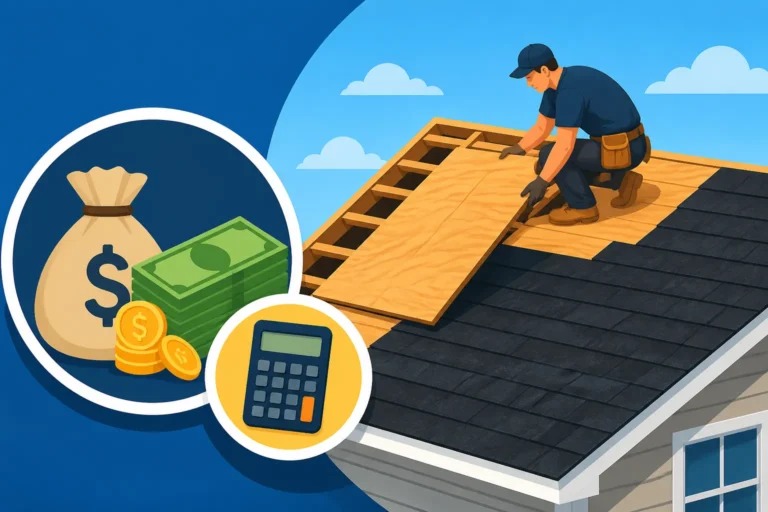
Before new shingles go down, the old ones usually need to come off. This process, known as a "tear-off," is a significant component of the overall cost. For a 2,000 sq ft roof, a full tear-off involves:
- Labor for Removal: The physical labor of stripping off old shingles, underlayment, and any damaged decking. This is dirty, strenuous, and time-consuming work.
- Disposal Fees: Shingles are heavy and bulky. You'll need a dumpster on-site, and there are fees associated with hauling away and disposing of the old roofing materials at a landfill. These fees can vary by municipality and weight.
- Decking Inspection and Repair: Once the old roof is off, the underlying roof decking (usually plywood or OSB) is exposed. This is the crucial moment for your contractor to inspect it for rot, water damage, or structural issues. Any necessary repairs or full board replacements will add to your cost.
Sometimes, homeowners consider an "overlay" or "roof over" where new shingles are installed directly over existing ones. This can seem like a cost-saving measure because it eliminates tear-off labor and disposal fees. However, building codes typically limit this to a maximum of two layers of shingles. For a 2,000 sq ft roof, if you already have two layers, a tear-off is mandatory. Even if only one layer exists, many roofing professionals recommend a full tear-off. Covering an old roof can mask underlying problems, add excessive weight to your roof structure, and potentially void new shingle warranties. While a roof over existing shingles might save a few thousand dollars upfront, it can lead to more significant issues and expenses down the line. To understand the detailed breakdown of this cost, refer to Cost of Roof Tear-Off and Disposal.
Underlayment and Other Materials
Beyond the shingles themselves, a complete asphalt roofing system for your 2,000 sq ft home relies on a host of other critical materials that provide crucial protection and contribute to the overall cost. These are not "add-ons" but essential components that ensure your roof performs as it should.
- Underlayment: This protective layer is installed directly over the roof decking before the shingles. It acts as a secondary barrier against water penetration, especially if shingles are damaged or blown off. You typically have two main options:
- Felt Underlayment: The traditional option, felt paper is generally more affordable. It's effective but can be prone to tearing and can absorb moisture, potentially causing ripples if exposed for too long.
- Synthetic Underlayment: A more modern choice, synthetic underlayment is lighter, stronger, tear-resistant, and provides superior water resistance. It's typically more expensive than felt but offers enhanced protection and is often required for extended manufacturer warranties. For a 2,000 sq ft roof, opting for synthetic can add several hundred dollars to your material costs, but many homeowners consider it a worthwhile investment for the added peace of mind. For a deeper dive into this, check out Synthetic vs Felt Underlayment Cost.
- Ice and Water Shield: In colder climates or areas prone to ice dams, an ice and water shield is a crucial component. This self-adhering, waterproof membrane is installed along the eaves, in valleys, and around penetrations like chimneys and skylights. It prevents water from backing up under shingles and seeping into your home during freeze-thaw cycles. While it adds to the material cost, typically covering only a portion of the roof, it's often a code requirement in northern states and an invaluable protection against costly water damage.
- Flashing and Drip Edge: Flashing, usually made of galvanized steel or aluminum, is critical for sealing joints and transitions on your roof, such as around chimneys, skylights, vent pipes, and where the roof meets a wall. It directs water away from these vulnerable areas. Drip edge is a metal strip installed along the eaves and rakes (slanted edges) of your roof to direct water off the roof and into the gutters, protecting the fascia and preventing water from getting underneath the shingles. These elements are non-negotiable for a watertight roof, and their cost will be factored into the overall project. They contribute to the total cost, but their protective function is paramount.
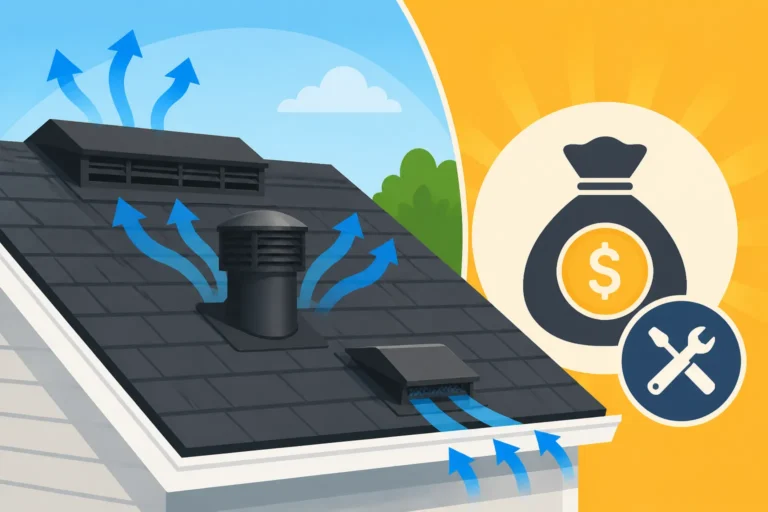
- Ridge Vents and Accessories: A proper ventilation system is vital for a healthy roof and attic. Ridge vents, installed along the peak of the roof, work in conjunction with soffit vents to create continuous airflow, preventing heat and moisture buildup. Other accessories include starter shingles (to ensure proper shingle adhesion at the eaves), hip and ridge cap shingles (to cover the peaks and hips of your roof), and fasteners (nails). All these specialized items are necessary for a complete and warrantied roofing system, each contributing a small but essential part to the overall material budget for your 2,000 sq ft home.
Labor Costs: A Significant Piece of the Puzzle
When you get a roofing estimate for your 2,000 sq ft home, you'll quickly notice that materials aren't the only major line item. Labor costs often make up 40-60% of the total project price, and for good reason. Roofing is a skilled, demanding, and often dangerous job that requires expertise, experience, and efficiency. The crew is responsible for everything from safely tearing off the old roof and preparing the decking to expertly installing the new shingles and all the intricate components that make your roof watertight.
The cost of labor reflects not just the hourly wages of the roofers, but also the contractor's overhead – things like insurance (crucial for protecting you if someone gets injured on your property!), equipment maintenance, transportation, and administrative costs. You're paying for their professionalism, their warranty on workmanship, and their ability to complete a complex project safely and correctly. Skimping on labor by choosing an unvetted or uninsured contractor can lead to serious legal and financial headaches down the road.
Hourly Rates vs. Project-Based Bids
Roofing contractors typically don't quote an hourly rate to homeowners for a full replacement job. Instead, they provide a comprehensive, project-based bid that covers all aspects of labor, materials, and overhead for your entire 2,000 sq ft roof. This is beneficial for you because it gives you a clear, fixed price upfront, preventing unexpected hourly charges if the project takes longer than anticipated.
However, understanding what goes into that project-based bid is important. Behind the scenes, the contractor has calculated the estimated hours required for the job, factoring in the roof's size (your 20 squares, plus waste), pitch, complexity, and the number of layers to be torn off. They'll also account for the size of their crew and the efficiency with which they work. For example, a larger, more experienced crew might complete your 2,000 sq ft roof faster, but their combined daily rate might be higher. The bid also incorporates profit margins and other business expenses, which are essential for a sustainable, reputable company. When you compare bids, remember that the lowest price isn't always the best value; an extremely low bid might signal corners being cut on labor quality, insurance, or material grades.
Geographic Variations in Labor Costs
Just like overall home prices and the cost of living, roofing labor rates fluctuate significantly from one region to another. A skilled roofing crew in a high-cost-of-living metropolitan area will naturally command higher wages than a crew in a rural community. For instance, the labor component for a 2,000 sq ft roof replacement in a busy market like Seattle, Washington, or Boston, Massachusetts, could be considerably higher than in a smaller city like Knoxville, Tennessee, or Omaha, Nebraska.
These geographic differences are influenced by several factors:
- Local Wage Rates: The prevailing wages for construction trades in a particular area directly impact what roofers earn.
- Cost of Living: Higher housing, food, and transportation costs in an area mean contractors need to pay their employees more to live comfortably, which gets passed on to the customer.
- Demand: In regions with booming construction or frequent storm damage, the demand for skilled roofers can drive up labor prices. After a major hurricane in Florida or a severe hailstorm in Colorado, you might see labor costs temporarily spike as contractors are in high demand.
- Regulatory Environment: Some states or municipalities have stricter licensing requirements, higher insurance minimums, or specific building codes that can indirectly add to a contractor's operational costs, which are then reflected in their labor rates.
When seeking bids for your 2,000 sq ft roof, it's wise to get quotes from multiple local contractors. Platforms like Modernize can help connect you with reputable local roofing companies, allowing you to easily compare pricing specific to your area. This will give you a realistic understanding of the average labor costs in your specific market. It’s important to research how much roofers charge per hour for your region as well.
Additional Costs and Potential Upgrades for Your New Roof
Replacing a roof on your 2,000 sq ft home isn't always a straightforward shingle-for-shingle swap. There are often other expenses that crop up, either due to necessity or as an opportunity for homeowners to upgrade their home's performance and longevity. Ignoring these potential costs could lead to unexpected budget overruns, so it's vital to factor them into your planning from the start.
Ventilation System Enhancements
A healthy roof isn't just about shingles; it's about proper ventilation. An inefficient or inadequate attic ventilation system can trap heat and moisture, leading to a host of problems including premature shingle deterioration, mold growth in the attic, and higher energy bills. During a roof replacement for your 2,000 sq ft home, it's the perfect time to assess and potentially upgrade your ventilation.
- Ridge Vents: These are installed along the entire peak of your roof, creating a continuous opening that allows hot, moist air to escape. When paired with proper intake vents (like soffit vents), they create a highly effective "passive" ventilation system. Upgrading from older, less efficient box vents or turbine vents to a continuous ridge vent can significantly improve airflow and extend the life of your new shingles.
- Soffit Vents: Located under the eaves, soffit vents allow cooler, fresh air to enter the attic. Often, older homes have blocked or insufficient soffit vents. Your contractor might recommend cleaning out blocked vents or adding new ones to ensure balanced ventilation with your new ridge vent system.
- Powered or Solar Attic Fans: For attics that struggle with heat or moisture, a powered or solar-powered attic fan can provide an extra boost. These fans actively pull hot air out of the attic, which can be particularly beneficial in hot climates. While adding these units will increase the initial cost, they can lead to long-term savings on cooling bills and better attic health.
Investing in proper roof ventilation upgrades might add a few hundred to a couple of thousand dollars to your 2,000 sq ft roof project, but it's an investment that pays dividends in shingle longevity, energy efficiency, and overall home comfort.
Structural Repairs and Decking Replacement
One of the most critical advantages of a full tear-off for your 2,000 sq ft roof is the opportunity to inspect the underlying roof decking. The decking (usually plywood or OSB) forms the structural base for your entire roofing system. If the old roof had leaks or if previous repairs weren't done correctly, you might find sections of soft, rotted, or damaged decking.
- Spot Repairs: For isolated areas of damage, a contractor will typically charge to cut out and replace individual sections of decking. This might involve replacing a few sheets of plywood or OSB, often costing $50-$100 per sheet for materials and labor.
- Extensive Damage: In cases of severe, widespread water damage or if the existing decking is too thin to meet current building codes, a more extensive roof decking replacement might be necessary. This can add a substantial cost, potentially several thousand dollars, as it involves significant labor and material expense. It’s always best to prepare for this possibility in your budget, as damaged decking must be addressed before new shingles are installed to ensure the integrity and longevity of your new roof. Our article on Roof Decking Replacement Cost goes into more detail.
- Fascia and Soffit Repairs: Sometimes, water damage extends beyond the roof decking to the fascia boards (the long, straight boards running along the edge of your roof) or the soffits (the underside of the eaves). These repairs, while not strictly part of the roofing system, are often done concurrently with a roof replacement and can add to the total project cost.
While finding damaged decking or fascia can be an unwelcome surprise, addressing these structural issues is non-negotiable for a sound, durable roof. A reputable contractor will document any damage with photos and discuss repair options and costs with you before proceeding.
Permits, Inspections, and Disposal Fees
These are the "behind-the-scenes" costs that are absolutely necessary for a compliant and safe roof replacement for your 2,000 sq ft home, yet they are often overlooked in initial budget planning.
- Permits and Inspections: In nearly all municipalities, a roofing permit is required before starting a major roof replacement project. This ensures that the work adheres to local building codes and safety standards. Your roofing contractor should be responsible for pulling the permit. The cost varies widely by location, from less than $100 to several hundred dollars. Once the work is complete, a city inspector will often conduct a final inspection to ensure everything was done correctly. This process protects you as the homeowner by guaranteeing the work meets professional standards. You can read more about this in our guide, Do You Need a Permit to Replace a Roof.
- Disposal Fees (Dumpster Rental): As mentioned earlier, the tear-off of your old roof generates a significant amount of waste. A large dumpster will be brought to your property for the duration of the project to contain these materials. The cost of dumpster rental and the associated landfill fees for disposing of shingles and other debris are always included in the overall project bid. For a 2,000 sq ft roof, this can easily amount to several hundred dollars, depending on the number of old layers being removed and local disposal rates.
- Unexpected Fees: While less common with reputable contractors, always be aware of potential hidden costs. These could include unforeseen material price increases (though a good contract should protect you from this), additional fees for complex site access (e.g., if the crew needs to hand-carry materials a long distance), or charges for protecting landscaping that wasn't covered in the initial walkthrough. Always clarify what's included and excluded in your contract.
Navigating Estimates and Saving Money
Getting a new roof for your 2,000 sq ft house is a major financial undertaking, and navigating the world of roofing estimates can feel overwhelming. It's not just about finding the lowest price; it's about understanding what you're paying for, ensuring quality, and protecting your investment for the long haul. A smart approach to this process can save you money, stress, and future headaches.
Getting Multiple Bids and What to Look For
The golden rule of any major home renovation is to get multiple estimates. For your 2,000 sq ft roof replacement, aim for at least three detailed bids from different reputable roofing contractors. This isn't just to find the cheapest option; it's to compare scopes of work, material recommendations, warranties, and contractor professionalism.
When comparing bids, don't just look at the bottom-line number. Dig into the details:
- Line-Item Breakdown: A good estimate will clearly itemize costs for tear-off, specific shingle types (with brand and model), underlayment, flashing, ventilation, dumpster fees, permits, and labor. If an estimate is vague or only provides a lump sum, ask for clarification.
- Included Services: Confirm what's included. Does it cover protection of landscaping, daily cleanup, and magnetic sweep for nails? Are permits explicitly mentioned?
- Warranties: What kind of warranty is offered on both materials (manufacturer's warranty) and workmanship (contractor's warranty)? Understand the terms and duration of each.
- Payment Schedule: A reputable contractor typically asks for an initial deposit (usually 10-30%), with subsequent payments tied to project milestones, not a large upfront payment.
- Credentials: Verify that the contractor is licensed, bonded, and insured. Ask for proof of liability and worker's compensation insurance. This protects you in case of accidents or property damage during the project.
Remember that platforms like Modernize can be a valuable resource to help you find and connect with pre-vetted, qualified roofing contractors in your area, making the process of gathering competitive and reliable bids much simpler. Take your time to read and compare roofing estimates thoroughly; don't feel pressured to sign anything on the spot.
The Value of Manufacturer-Certified Contractors
Choosing a roofing contractor who is certified by a major shingle manufacturer (like GAF, Owens Corning, or CertainTeed) can offer significant advantages, particularly for a large investment like a 2,000 sq ft roof replacement. These certifications aren't just fancy badges; they signify that the contractor has met stringent requirements set by the manufacturer.
- Demonstrated Expertise: To earn these certifications (e.g., GAF Master Elite, Owens Corning Platinum Preferred, CertainTeed SELECT ShingleMaster), contractors must demonstrate a proven track record of quality workmanship, financial stability, and adherence to installation best practices. They often undergo regular training directly from the manufacturer.
- Enhanced Warranties: This is perhaps the biggest benefit. Manufacturer-certified contractors can often offer extended, non-prorated warranties on materials and even workmanship that standard contractors cannot. For example, a GAF Master Elite contractor can offer the Golden Pledge® Limited Warranty, which covers manufacturing defects for up to 50 years and workmanship for 25 years. This provides an unparalleled level of protection for your new roof.
- Quality Assurance: Working with a certified contractor means they are held accountable to higher standards. If an issue arises, you have recourse through both the contractor and the manufacturer.
While a manufacturer-certified contractor might not always offer the absolute lowest bid for your 2,000 sq ft roof, the peace of mind and enhanced warranty protection they provide often make the slightly higher initial investment well worth it in the long run.
Understanding Warranties and Long-Term Value
A new roof for your 2,000 sq ft home isn't just an expense; it's a long-term investment in your property's protection and value. A crucial part of this investment is understanding the warranties that come with it. There are typically two main types:
- Manufacturer's Warranty (Material Warranty): This covers defects in the roofing materials themselves. For asphalt shingles, this usually covers manufacturing defects that cause the shingles to fail prematurely. Basic manufacturer warranties might be prorated (meaning their value decreases over time), but enhanced warranties offered through certified contractors can provide non-prorated coverage for many years.
- Workmanship Warranty: This warranty is provided by your roofing contractor and covers the quality of the installation. If the roof leaks or fails due to faulty installation (e.g., improper nailing, flashing mistakes), the contractor is obligated to fix it. The duration of workmanship warranties can vary, from just a few years to 10 or even 25 years with premium systems installed by certified professionals.
A robust warranty package adds significant long-term value to your 2,000 sq ft roof. It protects you from unexpected costs if something goes wrong and signals the contractor's confidence in their work. When budgeting, consider the long-term value of a comprehensive warranty against the initial cost. A slightly more expensive, high-quality roof with a superior warranty can save you far more money over its lifespan than a cheaper roof with minimal protection. It’s also important to understand your Roofing Warranty: Workmanship vs Manufacturer to make an informed decision.
Disclaimer
Please note that the cost estimates provided in this article are averages and can vary significantly based on location, specific materials chosen, contractor rates, and the unique characteristics of your home and roofing project. This content is for informational purposes only and should not be considered a substitute for professional advice. Always obtain multiple detailed quotes from licensed and insured roofing contractors in your local area for an accurate assessment of your specific roof replacement costs.