Roofing Contractor Reviews to Trust in California
Let's be real, trying to find a trustworthy roofing contractor in California can feel like searching for a needle in a haystack. With so many options and even more horror stories circulating, how do you truly know who to trust with your home's most vital protection? This guide is all about cutting through the noise, helping you understand how to evaluate roofing contractor reviews effectively so you can make an informed decision and protect your biggest investment without unnecessary stress.
The Overwhelming Challenge of Finding a Reputable Roofer in California
It’s a tale as old as time: your roof is showing its age, maybe you’ve had a leak, or a recent storm has you worried about potential damage. Suddenly, you're thrust into the daunting task of finding a roofing contractor. You jump online, and a flood of names, star ratings, and glowing (or scathing) reviews hits you. It’s enough to make anyone’s head spin! The challenge in a place like California, with its vast population and diverse regions, is amplified. You’re not just looking for any roofer; you're looking for someone who understands California’s unique climate challenges, adheres to its specific building codes, and, most importantly, someone you can genuinely trust.
From the scorching summer sun to heavy winter rains and the ever-present threat of wildfires, California roofs take a beating. This means you need a contractor who not only knows how to install a roof correctly but also understands the best materials and practices for longevity in this specific environment. A good review can be a golden ticket, but a bad one can save you a fortune in headaches. But how do you tell the difference between legitimate feedback and something less authentic? That's what we're here to unpack.
Why Reviews Are Your First Line of Defense
Think of online reviews as the modern-day word-of-mouth, but on a much larger scale. Back in the day, you’d ask your neighbor or a friend for a recommendation. Now, you’re essentially asking hundreds, if not thousands, of past customers for their unfiltered opinions. This collective wisdom can be incredibly powerful, offering insights into a contractor's professionalism, quality of work, adherence to timelines, and how they handle unforeseen issues.
However, it's not enough to just look at the star rating. A contractor with a perfect five-star average might have only a handful of reviews, while one with a slightly lower score might have hundreds, offering a more robust data set. Similarly, a single negative review can be a red herring, but a pattern of similar complaints across many reviews should raise a serious flag. Understanding the nuances of these reviews is critical to truly harnessing their power. They're your first major step in knowing how to choose a roofing contractor before you even pick up the phone.
The Unique California Context for Roofing Contractors
California presents a fascinating mix of challenges and opportunities for homeowners and contractors alike. Building codes, especially after significant weather events like the wildfires that have ravaged parts of the state, are constantly evolving. What might have been compliant five years ago might not meet current standards, particularly concerning fire resistance and energy efficiency.
Moreover, the sheer size and diversity of the state mean that a highly-rated contractor in San Diego might have a completely different operational style or cost structure than one in Sacramento or Fresno. Factors like local permitting processes, material availability, and even regional labor costs can vary wildly. This makes it even more important to focus on reviews from customers in your specific area of California, rather than relying solely on overall statewide averages.
Where to Dig for Reliable Roofing Contractor Reviews in California
Okay, you're ready to dive into the world of reviews. But where should you start looking? Not all review platforms are created equal, and knowing the strengths and weaknesses of each can help you gather a more comprehensive and accurate picture of a potential roofing contractor.
Major Online Review Platforms: Yelp, Google, and BBB
These are often the first stops for most homeowners, and for good reason: they're widely used, accessible, and generally offer a large volume of feedback.
- Yelp: Yelp is a household name for local businesses, including roofers. What's great about Yelp is its strong community aspect; users often provide very detailed narratives, sometimes with photos, which can give you a real sense of a project's outcome. Yelp also has a sophisticated algorithm designed to filter out potentially fake or less reliable reviews, though it's not foolproof. Pay attention to the "filtered reviews" section, as sometimes legitimate feedback gets caught there. When looking at a contractor, scroll through several pages of reviews, not just the first few glowing ones.
- Google Reviews: Since most people use Google for initial searches, Google Reviews often pop up immediately. These reviews are typically tied to a Google account, which can lend them a degree of authenticity. They offer star ratings and written feedback, and you can easily see the total number of reviews and the average rating. Google's ubiquity means you'll often find a higher volume of reviews here than on other platforms, making it a valuable resource for gauging overall sentiment.
- Better Business Bureau (BBB): The BBB focuses on business practices, ethics, and dispute resolution. While it offers customer reviews and ratings (A+ to F), its primary value comes from seeing if a company is accredited, how long they've been in business, and how they've handled any complaints filed against them. A high BBB rating, especially combined with few or resolved complaints, indicates a commitment to customer service and professional conduct. It’s less about project specifics and more about the company's integrity.
Niche & Industry-Specific Platforms
Beyond the major players, there are platforms specifically tailored to home services or contractor matching that can offer unique benefits.
- HomeAdvisor, Angi (formerly Angie's List), and Thumbtack: These platforms are designed to connect homeowners with local service providers. They often feature reviews from customers who found their contractors through the platform. A key advantage here is that some of these platforms, like Angi, used to require paid memberships to access reviews, which theoretically meant reviews came from more serious customers. While models have changed, they still often verify some level of interaction between the homeowner and contractor. Additionally, platforms like Modernize can be a great starting point, often pre-screening contractors for basic credentials and connecting you with qualified local roofers in California. They can help streamline the process of finding contractors that fit your specific needs and geographic area.
- Manufacturer Websites: Many reputable shingle manufacturers, like GAF, Owens Corning, and CertainTeed, offer "contractor locator" tools on their websites. These tools often highlight contractors who are certified installers of their products, such as GAF Master Elite Contractors or Owens Corning Platinum Preferred. These certifications usually mean the contractor has met specific training, insurance, and performance standards set by the manufacturer. Reviews or ratings on these sites, or contractors featured on them, can indicate a higher level of professionalism and adherence to best practices, which is crucial for maximizing the value of your roof and its warranty.
Leveraging Local California Resources
Don't forget about local, offline, or governmental resources that can provide critical information.
- California Contractors State License Board (CSLB): This is perhaps the most important resource in California. The CSLB website allows you to look up any licensed contractor by name or license number. Here, you can verify if a contractor's license is active, if they have any disciplinary actions against them, and their bond and insurance status. This goes "beyond the star ratings" and is a non-negotiable step. No matter how good the reviews, if they're not properly licensed, walk away.
- Local Community Pages and Social Media Groups: Facebook groups for local neighborhoods or Nextdoor are increasingly popular. While less formal, they can offer very current, hyper-local feedback. You might ask for recommendations or search for mentions of contractors you're considering. Be cautious, as these platforms can be prone to personal biases or unverified claims, but they can also offer genuine insights from your immediate neighbors.
Decoding the Feedback: What Makes a Review Trustworthy?
So you've found a bunch of reviews. Now what? It’s not about quantity; it’s about quality and how you interpret them. Not all reviews are created equal, and learning to read between the lines is a skill that will save you a lot of headaches and money.
Red Flags to Watch For in Reviews
There are certain patterns and characteristics in reviews that should make you hit the pause button.
- Generic, Undetailed Reviews: A string of five-star reviews that all say "Great job!" or "Very professional!" without any specifics is a red flag. Legitimate reviews often mention specific aspects of the job, the crew, the communication, or the outcome. If every positive review sounds like it could be describing any contractor, it might be artificial.
- Identical Phrasing Across Reviews: This is a huge giveaway. If multiple reviews, especially from different accounts, use the exact same unusual phrasing or praise the same niche detail, it's highly likely they are fake or solicited.
- Sudden Influx of Identical Reviews: A contractor with a long history of sporadic reviews suddenly getting a dozen five-star reviews in a single week should make you suspicious. This often happens when a contractor tries to artificially inflate their rating.
- Extreme Responses to Criticism: While no one likes bad reviews, a contractor who responds to every negative comment with aggressive, defensive, or unprofessional language shows a lack of grace and customer service. How a business handles criticism often reveals more than how it handles praise.
- No Mentions of Licenses or Insurance: While not always in a review, if a contractor's marketing materials or website don't proudly display their license number and mention they are fully insured, that’s a significant concern. You can use the CSLB to verify. Remember, knowing about Licensed and Insured Roofers: Why It Matters is paramount.
Green Lights: What Trustworthy Reviews Offer
On the flip side, what should you actively look for in the reviews that indicate a trustworthy contractor?
- Specific Details of the Project: Reviews that mention the type of shingles used (e.g., "They installed GAF Timberline HDZ and it looks fantastic!"), the estimated timeline versus actual completion, how the crew protected the landscaping, or how they handled the cleanup are invaluable. These specifics show a real customer experience.
- Consistent Praise for Communication: Roofing projects can be complex, and good communication is key. Reviews that frequently highlight a contractor's clear communication, responsiveness, and willingness to answer questions are a strong positive indicator.
- Professional Handling of Issues: Even the best contractors can encounter unforeseen problems. Reviews that describe how a contractor transparently addressed a challenge, corrected a mistake, or went above and beyond to ensure satisfaction are gold. This demonstrates integrity and problem-solving skills.
- Photos of Completed Work: A picture is worth a thousand words. If customers are posting photos of their newly installed roofs, it provides visual proof of the quality of work.
- Longevity of Positive Reviews: A contractor who has consistently received positive reviews over several years (not just in the last few months) typically signifies a stable, reliable business. This consistency shows they maintain high standards over time.
Going Beyond the Star Ratings: Comprehensive Vetting Strategies
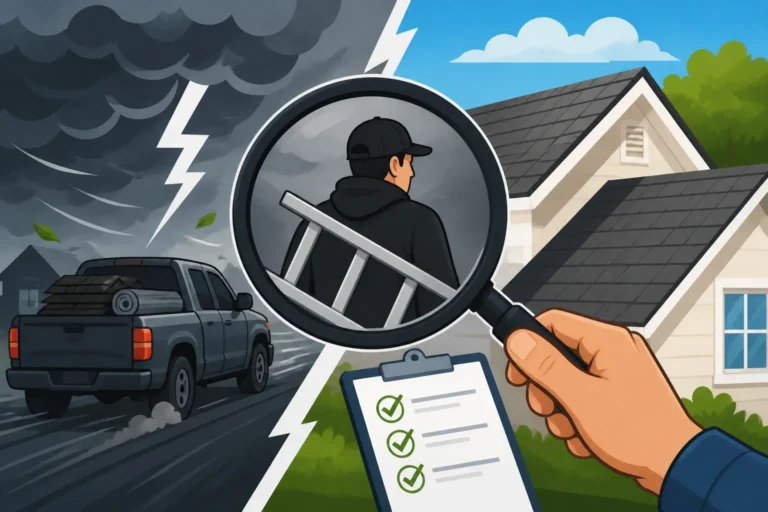
Even with the best online reviews, your due diligence shouldn't stop there. Think of reviews as a guide, not the ultimate authority. You need to conduct your own investigation to ensure you're making the best choice for your California home. This is where you put your detective hat on.
Verifying Credentials and Background
This step is non-negotiable. No amount of glowing reviews can compensate for a lack of proper licensing and insurance.
- Check the CSLB: As mentioned, always verify the contractor’s license number with the California Contractors State License Board. Ensure it's active and in good standing. Confirm they have the correct license classification (C-39 for roofing). This simple step can immediately filter out fly-by-night operators and prevent you from becoming a victim of roofing scams.
- Proof of Insurance: Ask for current Certificates of Insurance for both General Liability and Workers' Compensation. Call the insurance providers directly to verify the policies are active and cover the work being done. General liability protects your property from damage, while workers' comp protects you from liability if a worker is injured on your property. This is a crucial element when vetting any roofing company.
- Bonding: In California, licensed contractors are required to be bonded. A contractor's bond offers some financial protection if the contractor fails to complete the job or violates certain regulations. Verify this through the CSLB.
The Art of the Interview and Estimate Comparison
Once you've narrowed down a few contenders based on reviews and credentials, it's time for the personal touch. This is where you interact directly with the contractors and compare their proposals.
- Get Multiple Estimates: Never settle for just one bid. Aim for at least three comprehensive quotes. This will give you a good sense of the average Asphalt Roof Replacement Cost in your area and help you spot any outliers – bids that are too high or suspiciously low. Learn How to Get Roofing Quotes and Compare Them effectively.
- Detailed Estimates: Insist on a written, itemized estimate that clearly breaks down material costs, labor costs, permit fees, and disposal fees. It should detail the scope of work, including tear-off, underlayment, flashing, ventilation, and the specific type of shingles. A vague estimate is a major red flag, potentially leading to hidden costs in a roof replacement.
- Questions to Ask: Prepare a list of questions. Ask about their experience with similar projects, their timeline for completion (How Long a Roof Replacement Takes), their safety protocols, and how they handle unforeseen issues. Don't forget to inquire about their warranty offerings – both on materials and workmanship. The article Questions to Ask a Roofing Contractor Before Hiring provides a great starting point.
- References: Ask for a list of recent customers you can call. A reputable contractor will be happy to provide these. When you call, ask about their overall experience, communication, adherence to budget, and cleanup. Also, ask if you can drive by and see any completed projects in person.
| Feature | Major Online Platforms (Yelp, Google) | Niche Platforms (Angi, Modernize) | CSLB Website (California Specific) |
|---|---|---|---|
| Primary Focus | User-generated reviews, general business reputation | Matching homeowners with contractors, service-specific reviews | License verification, disciplinary actions, bond, insurance |
| Review Depth | Varies, can be very detailed with photos | Often more structured, may include project details | No reviews, purely factual data |
| Verification | Algorithms, user reporting (limited direct verification) | Some pre-screening, direct connection to projects (varies by platform) | Official government database, real-time status |
| Strengths | Large volume of public opinion, easy to access | Streamlined search, potentially pre-vetted options, specific service focus | Essential legal compliance check, unbiased official data |
| Weaknesses | Prone to fake reviews, broad focus, limited legal verification | Review authenticity can still be an issue, may have sales focus | No qualitative feedback on work, only legal standing |
| Best Use For | Initial sentiment check, finding general feedback | Finding specific service providers, starting point for quotes (e.g., with Modernize) | Mandatory verification for any contractor you consider |
Understanding Warranties and Contracts
A solid warranty and a clear contract are your final layers of protection. Don't overlook these critical details.
- Read the Contract Carefully: Ensure the contract spells out everything discussed, including the scope of work, materials, payment schedule, cleanup plan, and warranty information. It should also specify who is responsible for obtaining permits (usually the contractor). Never sign a contract with blank spaces.
- Manufacturer and Workmanship Warranties: Understand the distinction between the manufacturer's warranty (covering defects in the materials) and the contractor's workmanship warranty (covering installation errors). Many top-tier manufacturers like GAF, Owens Corning, and CertainTeed offer enhanced warranties when their entire "system" is installed by a certified contractor. Always clarify the terms, duration, and transferability of both warranties. Roofing Warranties: Manufacturer vs Workmanship covers this in detail.
- Payment Schedule: A reputable contractor will typically ask for a reasonable deposit (often 10-30%) and then phased payments upon completion of agreed-upon milestones. Be wary of any contractor demanding a large upfront payment or full payment before work begins, as this is a major roofing contractor red flag to avoid.
Specific Considerations for California Homeowners
California isn't just another state; it has distinct environmental and regulatory factors that should influence your roofing contractor choice and your review analysis.
Navigating California's Unique Climate Challenges
Roofers in California need to be experts in dealing with a range of environmental stressors, and reviews should ideally reflect this capability.
- Wildfire Resistance: In many parts of California, roofs must meet specific fire-resistant building codes. If you're in a high-fire risk area, look for reviews that mention a contractor's expertise in installing Class A fire-rated roofing systems or working with fire-resistant materials. A contractor who is knowledgeable about these specific requirements is crucial for your home's safety and insurance compliance.
- Rain and Wind Resilience: While California is known for its sunshine, certain regions experience intense rainy seasons and high winds, especially during El Niño years. Reviews that praise a contractor's attention to proper flashing installation (around chimneys, skylights, and valleys) or their use of robust nailing patterns for wind resistance are strong indicators of quality work suited for these conditions. Proper Ice and Water Shield Explained and superior Drip Edge: What It Does are fundamental in preventing leaks.
- Earthquake Preparedness: Though less directly about the shingles themselves, a skilled California roofer should understand the importance of secure roof decking and proper attachment methods that can withstand seismic activity. While reviews won't often detail this, it's a good question to ask the contractor during your interview.
Local Regulations and HOAs
California has diverse local ordinances and a high prevalence of Homeowners Associations (HOAs), both of which can impact your roofing project.
- Permit Requirements: Always ensure your contractor pulls the necessary permits for your roofing project. In California, most roof replacements require a permit, and skipping this step can lead to fines, difficulties with insurance claims, and issues when selling your home. Reviews that mention a smooth permitting process or a contractor who handles all the paperwork are a positive sign.
- HOA Rules: If you live in an HOA-governed community, you likely have specific rules regarding shingle colors, styles, and even approved contractors. Check your HOA's guidelines early in the process. Look for contractors whose reviews indicate experience working with HOAs, demonstrating they can navigate these specific requirements without causing delays or headaches. HOA Roof Rules Explained can save you from potential conflicts.
- Regional Specificity in Reviews: As mentioned, California is diverse. A five-star roofer in San Jose might not be the best fit for a home in the Sierra Nevada foothills. Prioritize reviews from customers in your specific city or county. This ensures the contractor has relevant experience with local codes, climate, and logistical challenges.
Trusting Your Gut and Making the Final Choice
After all the research, review analysis, and contractor interviews, you'll still need to make a decision. Trusting your gut instinct, informed by all the data you’ve gathered, is key.
You've sifted through countless opinions, verified licenses, and compared detailed estimates. You've asked tough questions and understood the nuances of warranties and contracts. This comprehensive approach, combining online review analysis with thorough personal vetting, is your best defense against bad experiences and your clearest path to a durable, well-installed asphalt roof that will protect your California home for decades to come.
Disclaimer
Please remember that the information provided in this article is for general guidance and informational purposes only. It does not constitute professional advice. Always consult with a qualified and licensed roofing contractor and your local building authorities for specific advice tailored to your situation and location. Roofing costs and regulations can vary significantly by region and change over time.