Cost of a Roof with Multiple Valleys
Navigating the world of roof replacement can feel like deciphering a secret language, especially when your home has unique architectural features. If your roof boasts multiple valleys, you're likely facing the perplexing reality that your project might cost more than a straightforward, simple-gabled roof. This guide will meticulously break down why roofs with multiple valleys command a higher price tag and what you can expect in terms of labor, materials, and overall expense.
Unpacking the Complexity of Roof Valleys and Their Cost Implications
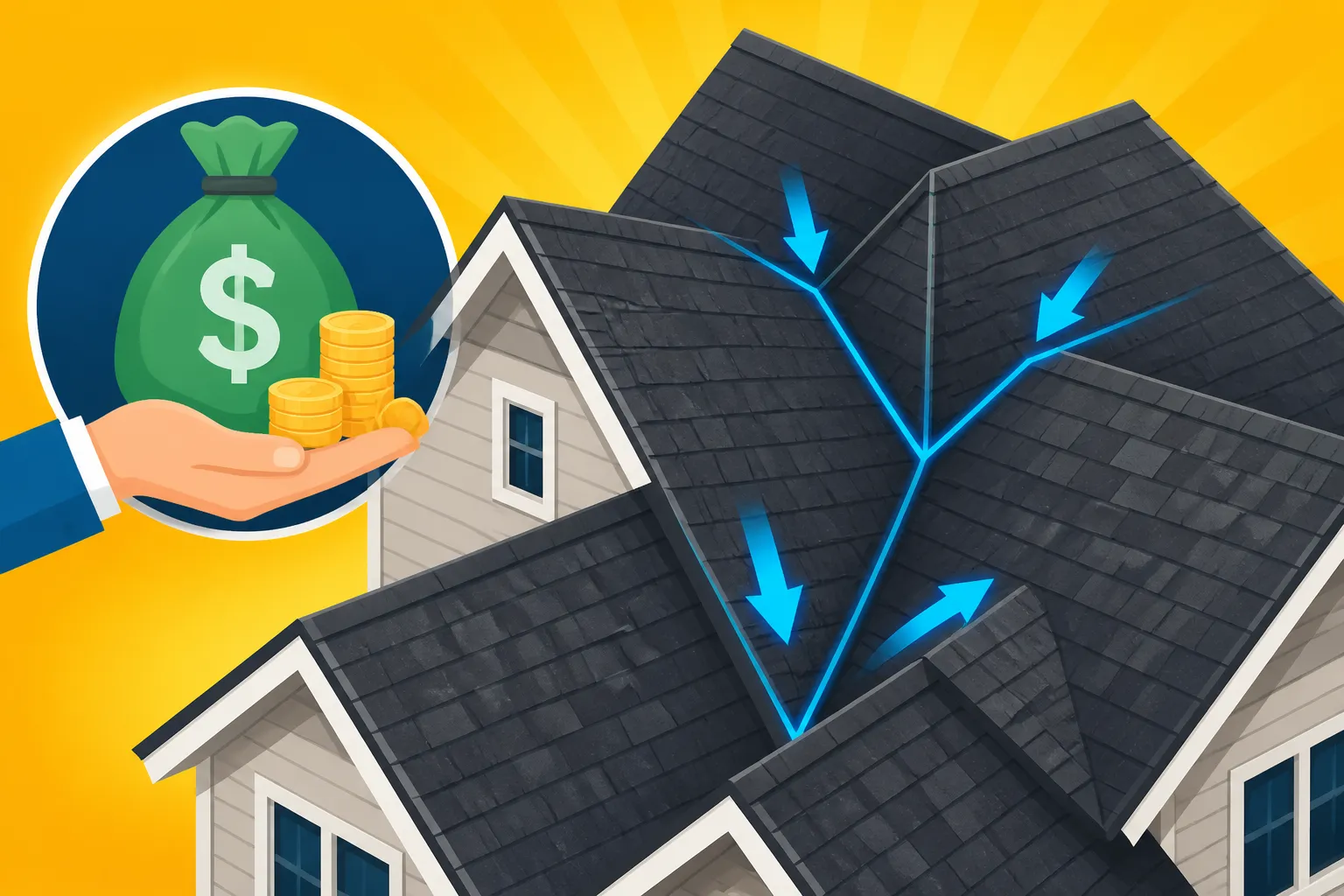
A roof valley is that critical internal angle formed where two roof planes meet and slope downwards. Think of it as a natural waterway on your roof, designed to channel rain and melting snow effectively off your home. While they add architectural interest and allow for more intricate home designs, from L-shaped ranches to T-shaped colonial homes, they also introduce a significant layer of complexity to roofing. This complexity directly translates into increased costs during installation or replacement. It’s not just about covering a surface; it’s about precisely managing water flow, preventing leaks, and ensuring long-term durability in these vulnerable areas.
The Essential Role Valleys Play in Roof Protection
Valleys are arguably some of the most critical, yet often overlooked, components of a roof's waterproofing system. Without proper design and installation, they become prime candidates for leaks, rot, and structural damage. Every shingle, every piece of flashing, and every bead of sealant in a valley must work together seamlessly to ensure water doesn't penetrate into your home. This isn't just about keeping your attic dry; persistent leaks can lead to mold growth, damage to interior ceilings and walls, and even compromise the structural integrity of your roof decking. Therefore, the additional investment in a well-constructed valley isn't merely an extra expense; it's an investment in your home's longevity and your peace of mind.
Why Multiple Valleys Jack Up the Price Tag
Imagine roofing a simple rectangular box versus roofing a structure with several wings and dormers. The latter will naturally have more corners, more edges, and, you guessed it, more valleys. Each valley represents a unique challenge for roofers, requiring more detailed work, specialized materials, and a higher degree of skill. It's like tailoring a custom suit versus buying one off the rack—the intricate cuts and precise fit come at a premium.
A roof with multiple valleys means:
- More intricate measurements and cuts: Every shingle meeting a valley needs to be custom-cut at an angle, leading to more labor time and increased material waste.
- Specialized waterproofing: Valleys are highly susceptible to water intrusion, so they require additional layers of protection like ice and water shield and often metal flashing, which adds to material costs.
- Increased labor intensity: Installers must work slower, with greater precision, and often in more awkward positions to ensure these critical areas are watertight. This translates to more man-hours and therefore higher labor costs. You can learn more about specific labor charges in our guide, "How Much Roofers Charge Per Hour".
- Higher risk of future issues: If not installed perfectly, valleys are where leaks typically start. Reputable contractors know this and factor in the extra care needed, which naturally comes with a higher price for their expertise and the enhanced warranty they might offer.
Delving into the Cost Factors for Valley-Heavy Roofs
When you receive an estimate for a roof replacement with multiple valleys, it's easy to feel overwhelmed by the numbers. But understanding the specific elements that contribute to that higher cost can help you appreciate the investment and ask the right questions. It's a combination of materials, specialized labor, and the inherent complexity of your roof's design.
Material Intensification and Increased Waste
Unlike the flat expanse of a main roof slope where shingles are laid in neat, overlapping rows with minimal waste, valleys demand a different approach.
- Ice and Water Shield: This self-adhering membrane is non-negotiable for valleys, especially in colder climates where ice dams are a concern. It's a rubberized asphalt product that creates a waterproof barrier, protecting the decking underneath. While standard roofs might only require it along eaves, a valley-heavy roof needs it running the full length of every valley. This is an additional material cost per linear foot that adds up quickly with multiple valleys. Our article on "What Is Ice And Water Shield and Why It Matters" dives deeper into this crucial component.
- Valley Metal Flashing: For "open" valley systems (which we'll discuss next), metal flashing is installed down the center of the valley to channel water. This could be painted aluminum, galvanized steel, or even copper for a premium look. The cost depends on the type of metal and its gauge, adding another layer to the material expense.
- Shingle Wastage: Here's where a lot of the hidden cost lies. When shingles are cut to fit along the valley line, a significant portion of each shingle piece often becomes unusable scrap. For a roof with many valleys, this waste factor can be substantial, sometimes increasing the amount of shingles needed by 10-15% or even more compared to a simple roof. This means you're essentially buying more material than you see on your roof, driving up your overall "Roof Cost Per Square: What You'll Pay".
The Premium for Skilled Labor and Extended Installation Time
The human element is perhaps the biggest driver of increased costs for complex roofs. Installing valleys correctly isn't a task for novices; it requires experienced, meticulous roofers.
- Precision Cutting and Fitting: Every shingle that approaches a valley needs a precise, angled cut to ensure a tight, weather-resistant fit. This takes time, skill, and careful measurement. A sloppy cut not only looks bad but also compromises the roof's ability to shed water.
- Layering and Sealing: Beyond the initial ice and water shield and metal, the shingles themselves need to be carefully layered and sometimes sealed with roofing cement along the valley line, depending on the valley method chosen. This detailed work prolongs the installation process.
- Supervision and Quality Control: With higher complexity comes a greater need for experienced supervision to ensure that each valley is installed to the highest standards, minimizing the risk of future leaks. This expertise is a valuable asset and commands a higher labor rate. Contractors often factor in a "Steep Roof Cost Premium" for homes with complex pitches and numerous valleys, acknowledging the increased difficulty and safety considerations.
When evaluating bids, it’s important to understand that a significantly lower quote for a complex roof might indicate a contractor cutting corners on labor or materials in these critical valley areas, which could lead to expensive problems down the line. Platforms like Modernize can help homeowners find vetted professionals who understand the nuances of complex roofing systems.
Decoding Different Valley Installation Methods and Their Costs
Not all valleys are created equal, and the method a roofer chooses for installation directly impacts both the aesthetics and the cost of your project. There are three primary ways to install asphalt shingles in a valley: open, closed, and woven. Each has its pros, cons, and associated price points. Understanding these differences can empower you to make informed decisions about your roof.
Open Valleys: Classic Look, Higher Material Cost
An open valley is easily identifiable by a visible strip of metal (or sometimes a similar color membrane) running down the center, creating a clear channel for water flow. The shingles are trimmed a few inches back from this center line on both sides.
Pros:
- Excellent Water Shedding: The smooth metal surface allows water, debris, and snow to flow unimpedidly off the roof, reducing the chance of buildup.
- Durability: Metal flashing is very durable and resistant to erosion from water flow.
- Aesthetics: Can create a crisp, clean line, especially with contrasting metal colors.
Cons:
- Higher Material Cost: The primary drawback is the cost of the valley metal itself. Galvanized steel, aluminum, or copper are significant expenses.
- More Labor for Metal Installation: Installing the metal requires careful fitting and sealing, adding to labor time.
- Potential for Noise: Heavy rain or hail hitting metal can be louder than on shingled sections.
Cost Impact: Open valleys typically have a higher material cost due to the metal flashing. The labor for installation is precise but might be slightly less intricate than weaving shingles, which balances out. Overall, expect a modest increase in the material portion of your "Asphalt Roof Replacement Cost: Complete Breakdown" for this method.
Closed Valleys: Shingles Overlap, Labor-Intensive
In a closed valley, the shingles from one side of the roof extend across the valley and are trimmed at an angle, while the shingles from the other side overlap them, completely covering the valley area with shingles. There are two main types of closed valleys: cut valleys and woven valleys.
Cut Valleys: The Most Common Closed Method
With a cut valley, shingles from one roof plane (usually the one with a lower slope or shorter run) are laid first, extending across the valley to the edge of the opposing roof plane. Then, shingles from the second roof plane are laid and cut to a straight line approximately 2 inches short of the first plane's edge, exposing a small portion of the underlying shingle.
Pros:
- Aesthetic Continuity: Provides a seamless look as the entire valley is covered by shingles.
- Cost-Effective Materials: No special metal flashing is required, reducing material costs.
Cons:
- Higher Labor Cost: The precise cutting of every shingle along the valley line is time-consuming and requires skill.
- Increased Shingle Waste: Significant shingle waste occurs from these custom cuts.
- Potential for Debris Accumulation: The shingle texture can sometimes trap debris more than a smooth metal valley.
Cost Impact: This is a popular option due to its clean appearance and typically lower material cost compared to open valleys. However, the increased labor for cutting and the higher shingle waste factor mean the overall installed cost can be comparable to, or even slightly higher than, an open valley.
Woven Valleys: The Traditional, Highly Skilled Method
A woven valley involves alternately overlapping shingles from both roof planes, weaving them together to create a continuous, shingle-covered valley. This is a very traditional method and is more commonly seen with 3-tab shingles, though it can be done with architectural shingles.
Pros:
- Seamless Appearance: The most aesthetically integrated look, as shingles appear to flow uninterrupted through the valley.
- No Exposed Metal: Eliminates the need for metal flashing.
Cons:
- Highest Labor Cost: This method is the most labor-intensive and requires significant skill and experience from the installer. Each shingle must be carefully aligned and woven.
- Highest Shingle Waste: Even more significant shingle waste than cut valleys, as shingles are often cut and trimmed on both sides.
- Increased Risk with Architectural Shingles: Architectural shingles are thicker and less flexible, making them harder to bend and weave tightly, which can lead to humps or unevenness in the valley. This method is often discouraged for architectural shingles for this reason.
Cost Impact: Woven valleys are almost always the most expensive option due to the extreme labor intensity and shingle waste. If your contractor suggests this method for architectural shingles, be wary and ask for detailed explanations and examples of their work. A better understanding of how different components affect the overall "What Drives Asphalt Roofing Costs Up or Down" can help you make a smart choice.
Here's a quick comparison of the typical cost impact (relative to a standard roof section):
| Valley Type | Material Cost Impact | Labor Cost Impact | Shingle Waste | Overall Cost Impact | Appearance |
|---|---|---|---|---|---|
| Open Valley | High (metal) | Moderate | Moderate | Moderate to High | Distinct, crisp metal line |
| Closed Cut Valley | Low (no metal) | High (cutting) | High | Moderate to High | Seamless shingle flow |
| Woven Valley | Low (no metal) | Very High (skill) | Very High | High | Very seamless, intricate |
Practical Tips for Managing Costs on a Valley-Rich Roof
Even though a roof with multiple valleys will inherently cost more, there are still ways to approach the project smartly and ensure you’re getting the best value for your investment. It’s all about doing your homework, asking the right questions, and prioritizing long-term durability.
Prioritize Experience Over the Lowest Bid
This is perhaps the single most important piece of advice for homeowners with complex roofs. Valleys are not the place to skimp on quality or experience. An improperly installed valley is a guaranteed leak waiting to happen, potentially leading to far more expensive repairs down the line than the savings you might have initially gained from a low-bid contractor.
- Look for Proven Expertise: Seek out roofing contractors who have extensive experience specifically with complex rooflines and multiple valleys. Don't be afraid to ask for references or even to see examples of similar projects they've completed.
- Check Certifications: Many shingle manufacturers like GAF, Owens Corning, and CertainTeed offer certification programs for contractors. These certifications often indicate a commitment to quality and proper installation techniques, including complex areas like valleys. A GAF Master Elite Contractor, for example, is trained in best practices for all roof components.
- Read Reviews: Look at online reviews and testimonials, paying close attention to comments about the contractor's attention to detail, especially for more challenging roof features. Platforms like Modernize can connect you with contractors in your area who specialize in your type of project.
Get Detailed, Itemized Estimates
When dealing with a complex roof, a simple, one-page quote just won't cut it. You need a transparent, itemized estimate that clearly breaks down costs.
- Material Breakdown: Ensure the estimate specifies the type and quantity of materials for the valleys, including ice and water shield (linear feet), valley metal (linear feet, type, gauge, and color if applicable), and an accurate estimate of shingle squares accounting for waste. Understanding the "Roofing Material Cost vs Labor Cost" split is essential.
- Labor Specification: While not always broken down to the minute, a good estimate will reflect the additional labor hours associated with valley installation compared to simpler roof sections. Ask your contractor how they factor in the complexity of valleys into their labor costs.
- Clearly Defined Scope of Work: The estimate should explicitly state the chosen valley installation method (open, cut, or woven) and confirm that all necessary protective layers will be used. Our guide on "How to Read and Compare Roofing Estimates" offers an in-depth look at what to expect.
Don't hesitate to get multiple estimates—at least three—to compare not just the bottom line, but also the proposed solutions and materials for your valleys. This can help you spot potential "Hidden Costs in a Roof Replacement" before they become surprises.
Understand Long-Term Value and Warranty Implications
While the upfront cost might seem daunting, a properly installed roof with well-executed valleys offers significant long-term value.
- Extended Roof Life: Correct valley installation prevents leaks and water damage, which are major culprits in premature roof failure. This means your roof system, including the valleys, will likely last closer to its expected lifespan, deferring the need for another replacement.
- Warranty Coverage: Many manufacturer warranties require specific installation practices, especially in critical areas like valleys, to remain valid. Ensure your chosen contractor follows these guidelines. If they are a manufacturer-certified installer, you might even qualify for enhanced warranty coverage, which can offer greater peace of mind. Check out "Roofing Warranty: Workmanship vs Manufacturer" for more details.
- Increased Home Value: A well-maintained and professionally installed roof with durable valleys adds curb appeal and protects your home's structural integrity, contributing positively to its resale value.
Remember, a roof with multiple valleys is an architectural asset that demands a higher level of craftsmanship. Investing in quality upfront will save you headaches and money in the long run.
Disclaimer
Please note that the information provided in this article is intended for general guidance and informational purposes only, and does not constitute professional advice. Roofing costs and requirements can vary significantly based on location, specific materials chosen, contractor rates, and the unique characteristics of your home and roof. It is always recommended to consult with multiple qualified and licensed roofing professionals in your local area to obtain accurate estimates and personalized advice for your specific project. Always verify contractor credentials, insurance, and references before making any hiring decisions.