Roofing Permit Cost in Texas
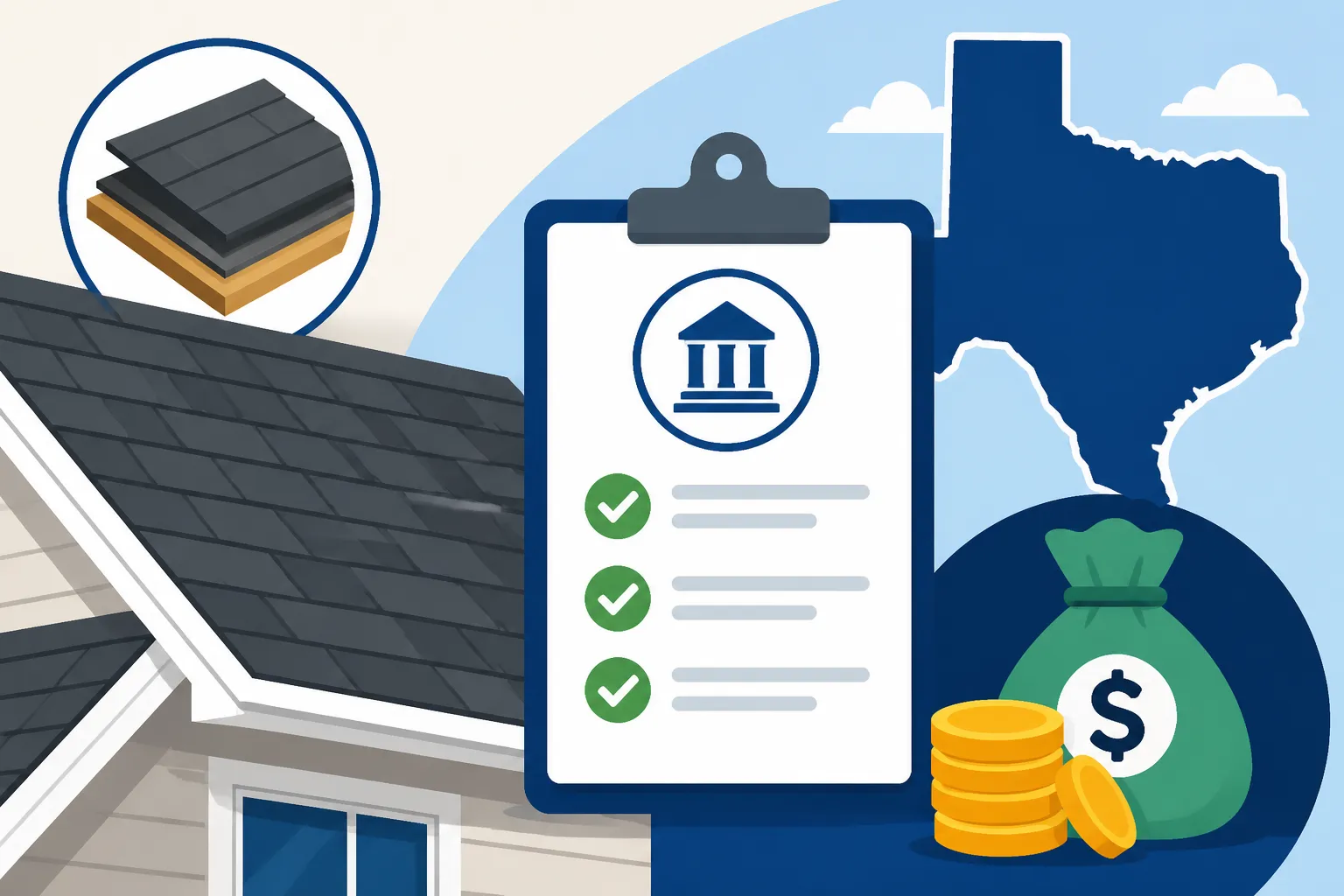
The moment you realize your Texas home needs a new roof, a million questions race through your mind – from finding a trustworthy contractor to figuring out the actual cost. But one crucial, often overlooked piece of the puzzle is the roofing permit. Many homeowners get frustrated trying to navigate the sometimes confusing and always varying local regulations and fees across the Lone Star State. This guide is here to demystify the roofing permit cost in Texas, explaining what you can expect to pay, why it matters, and how to handle the process like a pro.
Why Texas Homeowners Need to Understand Roofing Permits
It’s easy to see permits as just another hoop to jump through, an unnecessary expense adding to your already significant roof replacement costs. But in Texas, like anywhere else, a roofing permit serves several vital purposes that ultimately protect you, your property, and even your neighbors. Ignoring them can lead to serious headaches and even more significant expenses down the road.
More Than Just Bureaucracy: Safety and Compliance
Think of a roofing permit as your local government's way of ensuring that any significant work done on your home meets current safety and building codes. When you pull a permit, you're essentially telling the city or county that you're undertaking a construction project, and they'll want to verify it's done correctly. This isn't just about making things difficult; it's about making sure your new roof is installed safely and to a standard that will protect your home from Texas's often brutal weather, whether it's scorching summer heat, sudden hailstorms, or strong winds. Without a permit, you might end up with a shoddy job that fails prematurely, leaving you vulnerable to leaks, structural damage, and a voided warranty. This is a key part of understanding Roofing Building Codes: What to Know
Local Ordinances Vary Wildly Across the Lone Star State
Here’s where it gets a little tricky: Texas is a big state, and what applies in Houston might be completely different from what’s required in El Paso, Austin, or a smaller rural county. There's no single statewide roofing permit rule or fee schedule. Each city and, in some cases, each county, sets its own permit requirements and associated costs. This means you can't assume that what your friend paid in Dallas will be the same for your project in San Antonio. It's why one of the first questions you should ask your potential contractor is about local permit requirements and costs, as they should be well-versed in the specifics for your area. You’ll want to be especially aware of these regional differences when considering your overall Asphalt Roof Replacement Cost by State.
Breaking Down the Average Roofing Permit Cost in Texas
So, what are we really talking about when it comes to the price tag for a roofing permit in Texas? It's not a fixed number, unfortunately. The cost can fluctuate quite a bit, typically ranging anywhere from $75 to over $500, depending on several factors unique to your specific project and location.
What Influences the Price Tag?
The permit fee isn't just a flat rate. Local jurisdictions calculate it based on a few key variables:
- Project Valuation: This is often the biggest factor. Many Texas cities base their permit fees on the estimated cost of the roofing project. For instance, a permit fee might be a percentage of the total project cost, or it might have a tiered structure where the fee increases as the project value goes up. A full roof replacement on a large home will naturally have a higher valuation than a small repair, leading to a higher permit fee. This is a common practice you’ll find across the state.
- Scope of Work: Is it a full tear-off and replacement, or are you simply putting a new layer of shingles over an existing one (which is generally less common and often restricted by codes)? A complete replacement, which involves removing old materials, inspecting the roof deck, and installing a full new system, usually incurs a higher permit fee because it's a more extensive project requiring more detailed inspections. It's a prime example of why understanding Roofing Permits Explained is so important.
- Square Footage: Some municipalities may tie the permit fee directly to the size of your roof. The larger the roof (measured in "squares," where one square equals 100 square feet), the higher the permit fee. This reflects the increased materials and labor involved in larger projects.
- Administrative Fees: Beyond the project value, there are often base administrative fees that cover the city or county's cost of processing the application, issuing the permit, and conducting the necessary inspections. These are usually non-negotiable and vary by jurisdiction.
- Expedited Processing (if available): In some busy areas, if you need a permit fast, there might be an option for expedited processing for an additional fee, though this isn't universally available.
Common Cost Ranges in Major Texas Cities
Let's look at some typical ranges in a few of Texas's major metropolitan areas. Keep in mind, these are estimates and can change, so always verify with your local building department or a reputable local contractor.
- Houston, TX: In a sprawling city like Houston, permit fees can vary, but generally, a residential roofing permit for a full replacement might fall between $150 and $400. The city's permit fee schedule often uses project valuation to determine the exact cost. For example, a project costing $10,000 might have a different fee than one costing $20,000.
- Dallas, TX: Dallas often has similar structures to Houston, with permit costs for a residential asphalt roof replacement typically landing in the $100 to $350 range. They also use a valuation-based system, so the total cost of your new roof will influence the permit fee.
- Austin, TX: Known for its rapid growth, Austin's permit fees might be on the higher end due to its stricter adherence to building codes and high demand. You could expect to pay between $150 and $450 or more for a standard roofing permit here.
- San Antonio, TX: San Antonio's permit fees often sit in the $100 to $300 range for typical residential re-roofing projects. Like other large cities, their fee structure is usually tied to the valuation of the work.
- Fort Worth, TX: Adjacent to Dallas, Fort Worth's permit costs are often comparable, ranging from $100 to $300 for a residential roofing permit, depending on the scope and estimated project value.
Smaller towns and rural counties might have lower permit fees, sometimes as low as $50-$100, or in very rural areas, they might not even require a permit for certain types of roofing work, though this is becoming increasingly rare. It truly is a case-by-case scenario based on your precise location. This really highlights the importance of asking about Roofing Permit Cost by Area.
Here’s a quick glance at some estimated permit cost ranges for a typical asphalt roof replacement in a few major Texas cities:
| Texas City | Estimated Roofing Permit Cost Range (Residential) | Primary Fee Basis |
|---|---|---|
| Houston | $150 – $400+ | Project Valuation |
| Dallas | $100 – $350 | Project Valuation |
| Austin | $150 – $450+ | Project Valuation |
| San Antonio | $100 – $300 | Project Valuation |
| Fort Worth | $100 – $300 | Project Valuation |
| El Paso | $75 – $250 | Project Valuation/Size |
| Lubbock | $75 – $200 | Project Valuation |
Note: These are estimated ranges and actual costs can vary based on specific project details and current city ordinances.
The Permit Application Process and Potential Pitfalls
Understanding the cost is one thing, but knowing how the process works and what to avoid can save you a lot of grief. The permit application itself involves submitting detailed plans, sometimes drawings, and always an application form to your local building department.
Who Pulls the Permit: You or Your Contractor?
This is a question many homeowners have, and the answer is almost always: your roofing contractor should pull the permit. A reputable, experienced contractor is intimately familiar with the local building codes, permit requirements, and the specific process for your city or county. They know what paperwork needs to be filled out, what details need to be included (like the type of shingles, underlayment, and flashing), and how to communicate with local building officials.
Asking the contractor to handle this ensures that the permit is obtained correctly and that the work is performed to code. It also establishes their responsibility for the project's compliance. If a contractor suggests you pull the permit yourself, it can be a red flag. It might indicate they are not properly licensed, insured, or simply trying to avoid accountability. Always insist that your contractor takes care of this aspect, as it's a critical part of their job. This ties directly into Who Pulls the Roofing Permit: You or the Contractor. When interviewing potential roofers, this is one of the important Questions to Ask a Roofing Contractor Before Hiring.
What Happens If You Skip the Permit?
While it might seem like an easy way to save a few hundred dollars, trying to bypass the permit process in Texas is a risky game with potentially severe consequences. Trust me, it's not worth the short-term savings.
- Fines and Penalties: If your local building department discovers unpermitted work, they can issue hefty fines. These fines are almost always significantly more expensive than the original permit fee would have been. You might also be required to obtain a permit retroactively, which often comes with its own set of penalties and increased fees.
- Stop Work Orders: The city can issue a stop-work order, halting your roofing project mid-way. This means your home might be left exposed, and you'll incur additional costs from your contractor for delays and rescheduling.
- Forced Removal and Redoing Work: In the worst-case scenario, if the unpermitted work doesn't meet code, the city can require you to tear off the new roof and redo it correctly, with a proper permit. This is a massive financial hit, doubling your expenses and extending the project timeline considerably.
- Insurance Issues: Many homeowners' insurance policies require that any repairs or replacements be done to code. If your roof was installed without a permit and later fails, your insurance company might deny your claim, leaving you to pay for damages out of pocket.
- Difficulty Selling Your Home: When you go to sell your home, potential buyers or their inspectors will check for permits on major renovations. If they find unpermitted work, it can complicate or even derail the sale. Buyers might demand you get the work permitted retroactively or reduce the sales price. This is a significant issue covered in What Happens If You Skip a Roofing Permit.
Ultimately, skipping the permit is a gamble that rarely pays off and almost always leads to more stress and higher costs than simply doing things by the book.
Beyond the Permit Fee: Other Costs and Considerations
The permit fee itself is just one piece of the financial puzzle when getting a new roof in Texas. While it's directly related to regulatory compliance, other factors can influence your overall costs, some of which are indirectly affected by the permit process or code requirements. When you're comparing Roofing Estimates and Comparing Them, make sure to look at the full picture.
Inspection Fees and Requirements
Obtaining a permit isn't a one-and-done deal. It often triggers one or more inspections by the city or county building department. These inspections are designed to ensure that the work being done on your roof adheres to the approved plans and local building codes.
Typically, there's a mid-roof inspection (or deck inspection) after the old shingles are removed and before the new underlayment and shingles are installed. This allows the inspector to check the integrity of the roof decking and ensure any necessary repairs or replacements have been made. A final inspection usually occurs after the new roof is fully installed. Some jurisdictions include these inspection costs within the initial permit fee, while others might charge separate re-inspection fees if the work doesn't pass the first time around. Understanding Roofing Inspection: What Inspectors Check will help you know what to expect. This entire process is part of why understanding Roofing Permits Explained is so crucial.
Impact of Project Complexity and Materials
While not a direct permit cost, the type of roofing project you undertake and the materials you choose can indirectly influence how the permit fee is calculated (especially if it's valuation-based) and the overall cost of your project. For example, installing high-end designer asphalt shingles or impact-resistant Class 4 shingles might increase your total project valuation, which could then result in a slightly higher permit fee compared to a basic 3-tab shingle installation.
Beyond the permit, complex roof designs with multiple valleys, dormers, or a steep pitch often require more labor and specialized techniques, which adds to the overall cost of the job. Some municipalities might even have stricter code requirements for certain materials or installation methods, especially in high-wind zones or areas prone to hail. All these elements contribute to the broader financial commitment of a new roof, and while the permit fee is a small slice, it's a necessary one that validates the quality and compliance of these more complex installations. This is why getting multiple quotes to see the full scope of your How Much Does an Asphalt Shingle Roof Cost is so important.
Disclaimer
Please note: This article provides general information and estimates. Roofing permit costs and specific requirements in Texas are subject to change and vary by city and county. Always verify current regulations and fees with your local building department or a qualified, licensed roofing contractor before starting any roofing project.