Insurance Won’t Cover an Old Roof: Options
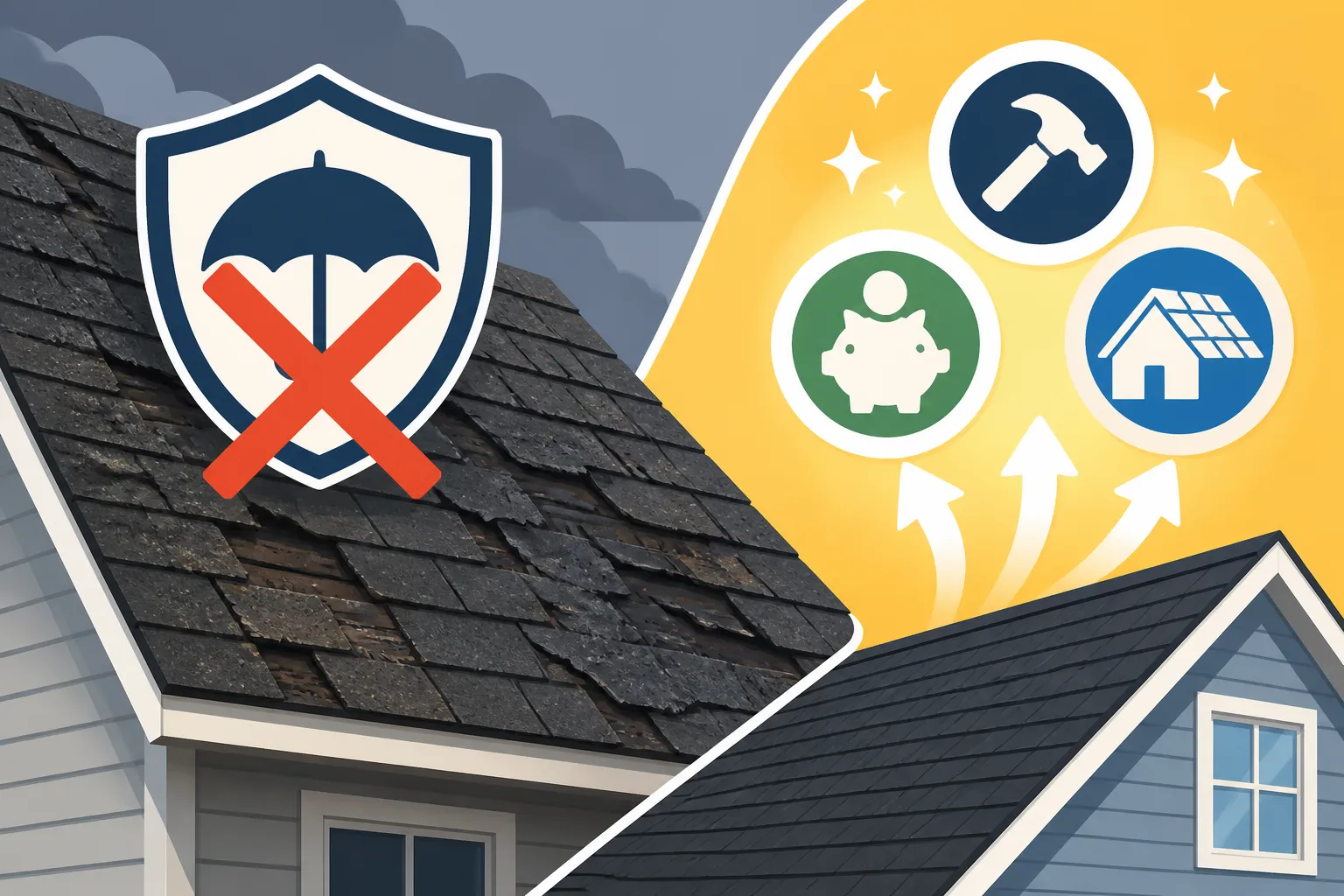
It's incredibly frustrating when you're facing roof issues, perhaps after a storm or just due to time, and then receive the crushing news: your homeowner's insurance won't cover the replacement because your roof is considered "too old." Many homeowners find themselves in this exact predicament, feeling lost and overwhelmed by the unexpected financial burden. This guide is here to walk you through why this happens and, more importantly, what actionable steps you can take when your old asphalt roof claim gets denied.
Understanding Why Your Old Roof Claim Was Denied
Let's face it, insurance policies can feel like they're written in another language, full of jargon and fine print. When your claim for an aging roof gets denied, it often boils down to a few core reasons that are standard across many insurance carriers. It's not usually personal; it's about the policy's terms and how they assess risk and damage.
The Role of Age and Depreciation
One of the biggest reasons for denial is the concept of depreciation, especially with older roofs. Just like a car loses value the moment it's driven off the lot, your roof starts to depreciate the day it's installed. Most standard homeowner policies cover damage based on either Actual Cash Value (ACV) or Replacement Cost Value (RCV).
If your policy uses ACV, it means the payout will be the cost of replacing your damaged roof, minus depreciation for its age and wear. For an older roof, this could mean the depreciated value is so low that the insurance payout barely covers a fraction of the actual replacement cost, if anything at all after your deductible. Imagine your roof is 20 years old and has a 25-year lifespan. If it gets damaged, an ACV policy might only offer a tiny percentage of the replacement cost because it's so close to the end of its expected life. This is a common point of contention and a primary reason why an insurance claim on an older roof might feel like a dead end. Understanding how your policy handles Roof Depreciation and Insurance is critical here.
Exclusions for Wear and Tear
Insurance is generally designed to cover sudden, accidental damage – think hail, wind, or a fallen tree. It's not typically there to cover the natural deterioration that happens over time. This is where the "wear and tear" exclusion comes into play. As your asphalt shingles bake in the sun, endure seasonal changes, and age, they naturally start to curl, crack, lose granules, or become brittle. These are all common Signs You Need a New Roof, but they don't always mean your insurance company will pay for it.
For instance, if an adjuster inspects your 22-year-old roof and finds widespread granule loss and extensive cracking that appears to be from prolonged sun exposure rather than a recent hail storm, they might deem it a maintenance issue or simply the roof reaching its natural end of life. In their eyes, the damage wasn't "sudden and accidental" but rather a gradual decline that proper maintenance might have prolonged, but ultimately, they aren't responsible for replacing a roof just because it's old and tired.
Insufficient Damage to Warrant Replacement
Sometimes, it's not just about age, but about the extent of the damage. Even if your roof is older and has experienced some storm damage, the insurance company might argue that the damage isn't severe enough to warrant a full replacement. They might offer to cover specific repairs, which, for an old roof, often feels like putting a band-aid on a gaping wound.
Let's say a windstorm rolls through, and a few shingles blow off your 18-year-old roof. An adjuster might come out and determine that only those specific missing shingles need to be replaced, not the entire roof. While technically a repair, finding matching shingles for an older roof can be a nightmare, and the patched area might stand out like a sore thumb. Furthermore, if the rest of the roof is in a compromised state due to age, these minor repairs might not truly solve the underlying problem, leaving you vulnerable to future issues. This is where the question of Roof Repair vs Replacement: How to Decide becomes particularly tricky.
Navigating the Aftermath of a Denied Claim
A denied claim can feel like a punch to the gut, but it's not necessarily the final word. There are steps you can take to understand the decision and potentially challenge it. Don't throw in the towel just yet!
Reviewing Your Policy and Denial Letter
The very first thing you should do, once you've had a moment to process the initial disappointment, is to thoroughly review your homeowner's insurance policy documents. Pay close attention to the sections on roof coverage, depreciation, exclusions, and the claims process. Many homeowners don't fully understand their policy until a problem arises, and now is the time to educate yourself. Look for definitions of "actual cash value" vs. "replacement cost," and note any specific clauses related to roof age or wear and tear.
Alongside your policy, carefully read the denial letter from your insurance company. It should state the specific reasons for the denial, often citing particular clauses or exclusions from your policy. Does it mention wear and tear? Depreciation? Insufficient damage? Understanding their stated reasons is crucial because it tells you exactly what you're up against and helps you formulate your next steps. Don't be afraid to call your agent or the claims department for clarification if anything in the letter is unclear.
Appealing the Decision
If you believe your claim was unfairly denied, you absolutely have the right to appeal the decision. This is not uncommon, and many homeowners successfully overturn initial denials. To appeal, you'll need to gather evidence that counters the insurance company's reasoning.
Start by getting an independent, professional roof inspection from a reputable, licensed roofing contractor. This isn't just any roofer; you want one who specializes in insurance claims and can provide a detailed report, complete with photos, explaining the nature and cause of the damage. For example, if the insurance company claimed "wear and tear," but a severe windstorm recently hit your area, your roofer might be able to identify specific wind damage that an inexperienced adjuster missed or attributed to age. They can often provide a compelling argument, perhaps using specific data about local weather events, to show the damage wasn't purely age-related. This independent assessment is often the most powerful tool in your appeal. For more specific guidance, check out How to Appeal a Denied Roof Claim.
Getting a Second Opinion on Damage
While appealing, it's also wise to get multiple opinions from different roofing contractors, especially if the denial was based on "insufficient damage." Different contractors might have different perspectives on what constitutes repairable damage versus damage that necessitates a full replacement, particularly for an older roof.
When getting these opinions, ask the roofers to provide detailed estimates for both repair and replacement, highlighting any damage they observe that points to external forces (like hail or wind) rather than just age. They might notice subtle signs of damage, like bruised shingles from hail impact, that could change the insurance company's assessment. Remember, you're looking for evidence that the damage is beyond normal wear and tear and was caused by a covered peril. These expert opinions can add significant weight to your argument that your roof truly needs to be replaced.
Exploring Your Options for Funding a New Roof
Even with a strong appeal, there's a chance your insurance company might hold firm on their denial, or only offer a limited payout. If that happens, or if you simply decide not to pursue a lengthy appeal, you'll need to explore other ways to pay for that much-needed new roof. It's a significant investment, but there are several avenues to consider.
Savings and Emergency Funds
The most straightforward way to pay for a new roof, if you're in a position to do so, is by using your personal savings or an emergency fund. While nobody wants to dip into these accounts for something as large as a roof, having the cash on hand means you avoid interest payments and can often negotiate better pricing with contractors. You have the flexibility to choose your contractor and materials without external financial constraints.
However, we know life happens, and not everyone has a hefty savings account dedicated to home repairs. If your funds are limited, it might be worth exploring whether you can cover a significant portion from savings and then use one of the other options below for the remaining balance. This hybrid approach can still save you a good chunk of money in interest fees over the long run. Planning ahead with a strategy like How to Budget for a New Roof can make a huge difference in these situations.
Home Equity and Loan Options
For many homeowners, tapping into their home's equity is a viable path. Options like a Home Equity Line of Credit (HELOC) or a Home Equity Loan (often called a second mortgage) allow you to borrow against the value of your home. These typically come with lower interest rates than personal loans or credit cards because your home serves as collateral. The interest paid on these loans can also be tax-deductible in some cases, so it's worth checking with a financial advisor.
Another option could be a personal loan. While these usually have higher interest rates than home equity products, they are unsecured, meaning you don't put your home at risk. They can be a quicker approval process and are suitable if you need funds relatively fast. Just be sure to compare rates and terms carefully. You might also consider refinancing your existing mortgage to include the cost of the new roof, especially if current interest rates are favorable. This can roll the cost into your monthly mortgage payment. Exploring various Roof Financing Options Explained is a smart move before committing.
Contractor Financing and Payment Plans
Many reputable roofing contractors understand that a new roof is a major expense and offer their own financing solutions or work with third-party lenders. These often come in the form of payment plans that allow you to spread the cost over several months or years. Some contractors even offer promotional periods with 0% interest, which can be a fantastic way to pay off a significant portion of the cost before interest kicks in.
It's always a good idea to ask about these options during your initial consultation. For example, a GAF Master Elite Contractor might offer financing options through GAF's certified program, or an Owens Corning Platinum Preferred Contractor might have options via their network. These plans can make the immediate cost much more manageable, converting a large lump sum into predictable monthly payments. Just be sure to read the fine print on interest rates and terms, and compare them against what your bank or credit union might offer. Details on specific Roof Replacement Payment Plans can vary, so always clarify with the contractor.
Government Programs and Grants
While less common and often highly localized, it's worth investigating if there are any local government programs, grants, or low-interest loans available for home improvements, especially those related to energy efficiency or structural integrity. Some states or cities have programs aimed at helping low-income homeowners or those in specific revitalization areas. For instance, some programs might offer assistance if you upgrade to a "cool roof" shingle, which reflects more sunlight and reduces energy consumption.
Check with your local city or county housing authority, community development corporations, or even state housing finance agencies. While these programs might have strict eligibility requirements and limited funding, they can offer significant financial relief if you qualify. It usually requires some research and patience, but it could pay off immensely.
Long-Term Strategies for Roof Health and Insurance
After going through the ordeal of a denied claim, you'll likely want to avoid a repeat performance in the future. Proactive measures can not only extend the life of your new asphalt roof but also improve your chances of a successful insurance claim down the line.
Proactive Maintenance and Inspections
The best defense is a good offense, and that holds true for your roof. Regular maintenance is key to preventing premature roof failure and keeping insurance companies happy. This means tasks like keeping your gutters clear of debris, trimming overhanging tree branches, and regularly checking for common issues like missing, curling, or cracked shingles.
Beyond DIY checks, consider scheduling professional roof inspections at least once every 2-3 years, or annually if you live in an area prone to severe weather. A professional roofer can spot minor issues before they escalate into major problems and provide documentation of your roof's condition. If you ever need to file a claim, having a record of regular maintenance and professional inspections demonstrates that you've been a responsible homeowner, which can work in your favor. This proactive approach can significantly extend How Long Does an Asphalt Roof Last and might even delay the next full replacement.
Understanding Your Policy's Coverage for Future Claims
Once you've got a new roof, it's the perfect time to review your homeowner's insurance policy again, or even shop around for a new one. With a brand-new roof, you might qualify for better coverage terms, including full Replacement Cost Value (RCV) rather than Actual Cash Value (ACV), which means no depreciation deduction if you suffer covered damage.
Ask your insurance agent specific questions:
- What is the lifespan they assign to a new asphalt shingle roof?
- What specific perils are covered, and what exclusions apply?
- Are there options to add coverage for "matching" if only part of your roof is damaged but replacement shingles won't match the existing ones?
- What documentation do they require for a new roof installation to ensure maximum coverage?
Knowing these details upfront can prevent future headaches and ensure you're adequately protected. It's an investment in peace of mind.
Considering Impact-Resistant Shingles for Better Coverage
If you live in an area frequently hit by hail or high winds, seriously consider upgrading to impact-resistant (Class 4) asphalt shingles with your new roof. These shingles are designed to withstand much more severe weather than standard shingles, often earning a Class 4 rating for hail resistance from Underwriters Laboratories (UL).
The benefits go beyond just durability; many insurance companies offer significant discounts on premiums for homes with Class 4 shingles because they are less likely to suffer severe damage and lead to claims. In some states, especially those in "hail alley" like Texas, Oklahoma, or Colorado, these discounts can be substantial, sometimes offsetting a good portion of the initial increased cost of the shingles over their lifespan. It's a smart long-term investment that protects your home and potentially lowers your insurance costs.
Here's a quick look at common financing options:
| Financing Option | Typical Interest Rate Range | Pros | Cons | Best For |
|---|---|---|---|---|
| Cash/Savings | 0% | No interest, full control, potential for negotiation | Requires upfront capital, depletes savings | Homeowners with sufficient emergency funds or liquid assets |
| Home Equity Line of Credit (HELOC) | 4-9% (variable) | Lower interest, flexible drawdowns, interest may be tax-deductible | Variable rates can increase, home is collateral, longer approval process | Homeowners with substantial equity and good credit score, desire flexibility |
| Home Equity Loan (HEL) | 4-8% (fixed) | Fixed rates, predictable payments, interest may be tax-deductible | Home is collateral, lump sum disbursement, slower approval process | Homeowners with substantial equity, prefer fixed payments |
| Personal Loan | 6-36% (fixed) | Unsecured (no collateral), fast approval, fixed payments | Higher interest rates, shorter repayment terms | Homeowners needing quick funds, prefer not to use home as collateral |
| Contractor Financing | 0-20%+ (variable) | Convenient, often quick approval, possible promotional 0% periods | Rates vary widely, may require excellent credit, limited lender choice | Homeowners who want to bundle financing with the roofing project |
| Refinance Mortgage | 3-7% (fixed) | Low rates, single monthly payment, interest may be tax-deductible | Closing costs, longer process, extends mortgage term, home is collateral | Homeowners with good credit, favorable rates, and a long-term plan |
Ultimately, getting a new roof when your insurance won't cover an old one is a challenge, but it's one you can overcome with careful planning, persistence, and a good understanding of your options.
Disclaimer
Please note that this article provides general information and should not be considered professional financial, insurance, or legal advice. Insurance policies, loan options, and government programs vary widely by location, individual circumstances, and current market conditions. Always consult with a qualified insurance agent, financial advisor, or legal professional to discuss your specific situation and make informed decisions.