Roofing Inspection Requirements in New York
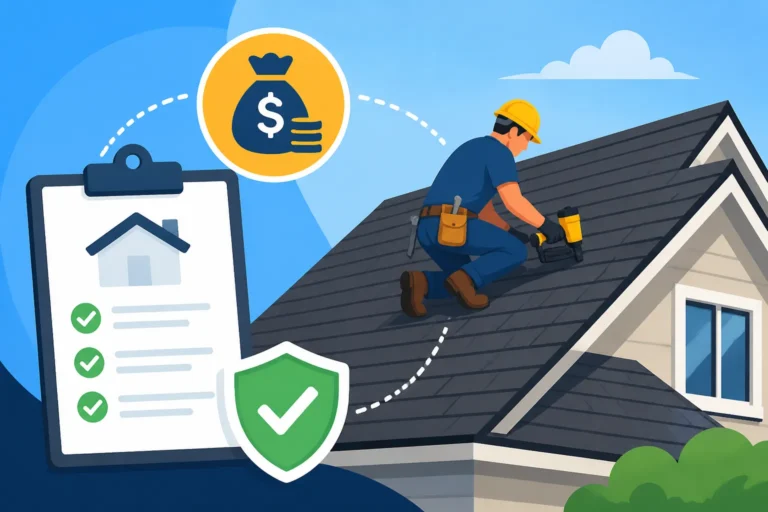
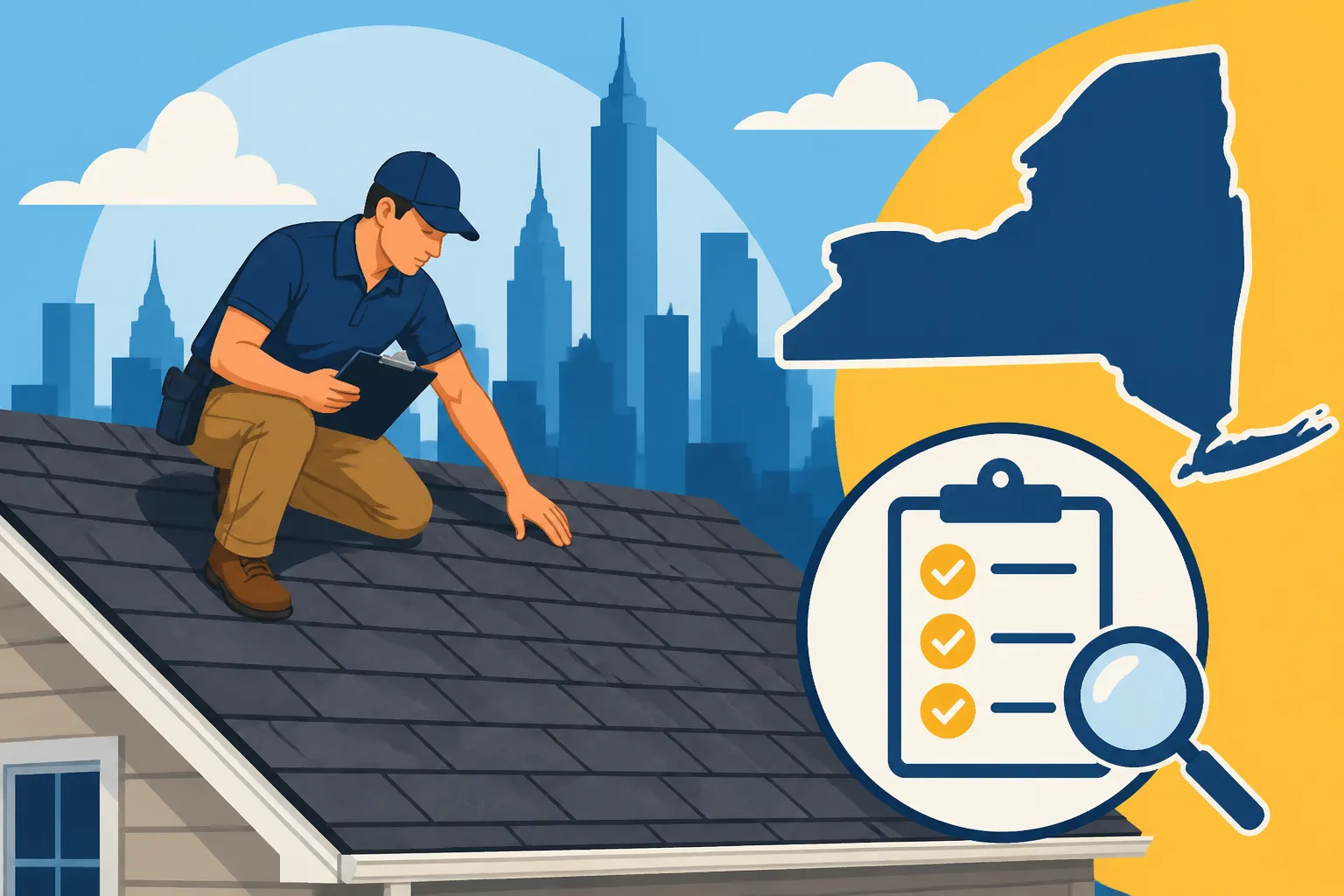
Navigating the labyrinth of rules and regulations for home renovations, especially something as critical as your roof, can feel like a daunting task. It’s easy to get lost in the jargon, wondering what hoops you need to jump through just to ensure your home is safe and sound. When it comes to roofing projects in New York, understanding the specific inspection requirements isn't just about compliance; it's about safeguarding your investment and ensuring your family's protection. This guide is here to demystify the process, walking you through everything you need to know about roofing inspection requirements across the Empire State.
Why Roofing Inspections Are Non-Negotiable in New York
Let's face it, nobody wants more bureaucracy, but when it comes to your roof, inspections are truly there for your benefit. In a state like New York, where we experience everything from heavy snow and ice storms to powerful winds and relentless humidity, a properly installed roof isn't just a nice-to-have; it's a necessity. These inspections ensure that your new or repaired roof isn't just aesthetically pleasing, but structurally sound and capable of standing up to whatever Mother Nature throws its way.
Ensuring Safety and Structural Integrity
The primary reason for mandatory roofing inspections is, quite simply, safety. Imagine investing in a new roof only to find out months later that a critical component was installed incorrectly, leading to leaks, structural damage, or even a hazardous situation. Building codes, which are enforced through these inspections, are designed to prevent such scenarios. They dictate everything from the quality of materials used to the fastening methods for shingles, ensuring that the entire roofing system can withstand typical loads and environmental stressors. For instance, inspectors will look at your roof decking to confirm it's solid and hasn't suffered any unexpected rot. If you’re wondering how a roof replacement works, it’s a detailed process that relies on adherence to these standards at every stage.
Without proper oversight, corners could be cut. A contractor might skimp on Roof Decking Replacement Cost if they think no one's watching, or use an inadequate number of nails per shingle, which could lead to them blowing off in the next strong gust. Inspections act as a crucial checkpoint, providing an independent verification that the work meets established safety benchmarks, protecting not just your home but also the roofing crew during installation and future occupants.
Protecting Your Investment and Warranty
Your roof is one of the most significant investments you'll make in your home. A proper inspection is like an insurance policy for that investment. It confirms that the work performed aligns with both manufacturer specifications and local building codes, which are often prerequisites for validating your roofing warranty. Many manufacturers, like GAF, Owens Corning, or CertainTeed, offer extensive warranties on their shingles and roofing systems, but these warranties often hinge on professional installation that complies with all applicable codes.
If an installation isn't up to snuff and bypasses inspections, you could inadvertently void your warranty, leaving you on the hook for expensive repairs down the line. Imagine a scenario where you have a beautiful new CertainTeed Landmark roof, but because the underlayment wasn't installed according to code and an inspection was skipped, a severe leak appears. The manufacturer might deny your claim, arguing that the installation wasn't compliant. An inspection helps prevent this headache, providing peace of mind that your investment is protected. It's also a clear signal that your contractor is following best practices, which is a great sign when you're learning How to Choose a Roofing Contractor.
Key Roofing Inspection Requirements Across New York State
While specific requirements can vary from one municipality to another, New York State sets a foundational standard through the New York State Uniform Fire Prevention and Building Code (NYSBC). This statewide code provides a baseline for safety and structural integrity that all local jurisdictions must meet or exceed. Understanding these general principles is the first step in preparing for any roofing project in the state.
State-Level Building Code Compliance
The NYSBC mandates that all construction, including roofing work, adheres to specific standards designed for the health, safety, and welfare of the public. For roofing, this means strict guidelines on materials, installation methods, and components. For instance, the code will outline requirements for things like proper Underlayment Explained Synthetic vs Felt, which acts as an additional barrier against water penetration, and Drip Edge What It Does, designed to direct water away from fascia and prevent water damage.
Beyond these components, the code also addresses:
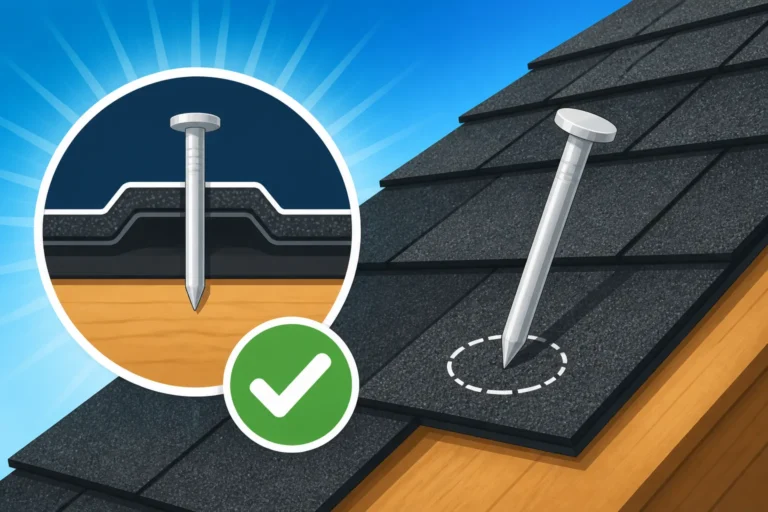
- Wind Resistance: Given New York's susceptibility to high winds, especially in coastal areas or during seasonal storms, specific nailing patterns and shingle types with higher wind resistance ratings are often required.
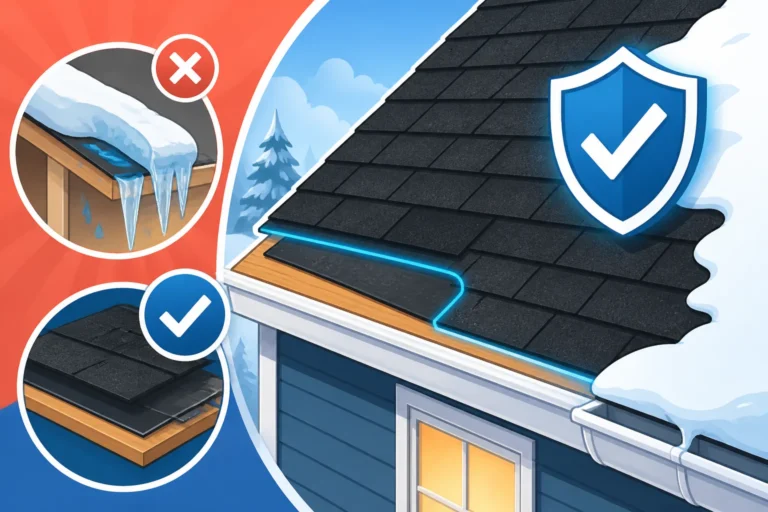
- Ice Dam Protection: Particularly in colder regions of New York, the code typically mandates the installation of ice and water shield in critical areas, like eaves and valleys, to prevent ice dams from forming and causing water infiltration. This is a crucial element that inspectors will meticulously check.
- Ventilation: Proper attic ventilation is critical for extending the life of your roof and preventing moisture buildup. The code includes provisions for adequate How Roof Ventilation Works, ensuring a balanced system of intake and exhaust vents.
- Number of Shingle Layers: The NYSBC generally limits the number of roofing layers to two, with some municipalities strictly requiring a full tear-off to ensure a proper foundation. This is detailed further in guides like How Many Layers of Shingles Are Legal.
These state-level requirements act as a minimum standard. Your local building department will then overlay their own specific ordinances, which might be even more stringent, especially in densely populated areas or those prone to severe weather.
When a Permit and Inspection Are Required
Generally, any significant roofing work in New York, whether it's a full replacement or a substantial repair, will require a building permit, and subsequently, inspections. This often includes:
- Full Roof Replacement: If you're tearing off the old roof and installing a new one, a permit is almost always necessary. This triggers multiple inspections, from the initial tear-off (to inspect the deck) to the final installation.
- Roof Overlay (Reroofing): Even if you're installing new shingles over an existing layer, a permit is usually required. The inspection here will ensure the existing structure can handle the additional weight and that the new layer is properly installed.
- Major Repairs: Extensive repairs that involve replacing a significant portion of the roof decking or a large area of shingles, especially if it affects structural integrity or alters the roof's design, will likely need a permit and inspection.
- Structural Changes: If your roofing project involves altering the roof's pitch, adding dormers, or making any changes to the structural framing, permits and inspections are definitely required.
It’s always best to assume a permit is needed and check with your local building department. Ignoring this step can lead to fines, stop-work orders, and even demands to undo and redo the work, costing you far more in the long run. If you're unsure about the process, reading Do You Need a Permit to Replace a Roof can provide a great starting point.
Navigating Local Municipality Inspections
While the state code provides a backbone, New York's municipalities often have their own specific quirks and additions when it comes to roofing inspections. What might be standard in a rural upstate town could be significantly different from the rigorous requirements of New York City.
Specific Requirements in Major New York Cities
The larger cities and more populated counties in New York tend to have more robust and frequent inspection schedules due to higher population density and unique building challenges.
- New York City (NYC): The NYC Department of Buildings (DOB) has some of the most stringent requirements in the nation. For roofing, this means not only strict adherence to materials and installation but also considerations for scaffolding, public safety during construction, and fire ratings, especially on multi-story buildings or those in historic districts. Rooftop access, proper drainage on flat roofs, and adherence to specific energy codes (like cool roof requirements for certain building types) are all meticulously checked. You'll typically need an initial permit, a rough-in inspection after tear-off, and a final inspection.
- Buffalo: In Buffalo, with its notoriously heavy snowfall, emphasis is often placed on load-bearing capacity and proper ice and water shield installation. The city's Department of Permit and Inspection Services will closely examine the structural integrity of the roof deck and ensure adequate ventilation to prevent moisture issues, which are exacerbated by prolonged cold and snow.
- Rochester: The City of Rochester's Bureau of Buildings and Zoning will also focus on winter-readiness, but might also have specific requirements for historical properties, as Rochester has many older homes. They ensure that any roofing work maintains the aesthetic and structural integrity relevant to the age and style of the property, alongside standard safety and code compliance.
For homeowners outside these major hubs, your county or town building department will be your go-to resource. Always reach out to them directly before starting any work to confirm their specific regulations, as Roofing Building Codes What to Know can differ dramatically.
Common Types of Roofing Inspections
Depending on your project and municipality, you might encounter several stages of inspection:
- Pre-Installation/Tear-Off Inspection: This often happens after the old roofing material has been removed, but before the new materials are laid down. The inspector will check the condition of the roof deck (plywood or OSB sheathing), ensuring it's free from rot, water damage, or structural issues. They'll also verify the proper installation of drip edge and sometimes the first layer of underlayment or ice and water shield. This is a critical step, as any issues with the deck need to be addressed before they are covered up by new shingles.
- Mid-Installation Inspection: Less common for simple residential re-roofs, but sometimes required for larger or more complex projects. An inspector might check specific flashing installations around chimneys, skylights, or valleys to ensure proper water diversion techniques are being followed.
- Final Inspection: This is the big one! Once all roofing work is complete, the inspector will examine the entire new roof system. They'll check the proper laying of shingles, correct nailing patterns, adequate ventilation, secure flashing, and overall workmanship. They'll also verify that any new components, like ridge vents, have been installed correctly. This final approval is crucial for closing out your permit and ensuring your project is fully compliant.
The specific sequence and necessity of these inspections will be outlined on your permit documents, so always review them carefully with your chosen contractor.
Preparing for Your Roofing Inspection
The thought of an inspector coming to scrutinize your new roof can be nerve-wracking, but with proper preparation, it can be a smooth and stress-free process. The key is working closely with a reputable, licensed contractor and understanding what to expect.
Working with a Licensed and Experienced Contractor
This is perhaps the single most important step in ensuring your roofing project passes inspection without a hitch. A good contractor understands the local codes and inspection processes inside and out. They should be able to tell you exactly what permits are needed, what inspections will occur, and what they will be checking for.
When you're comparing bids, ask prospective roofers about their experience with local permits and inspections. A contractor who has worked extensively in your specific New York municipality will be invaluable. They'll know the nuances, the common pitfalls, and the specific expectations of the local building department. Always verify their licensing and insurance; Licensed and Insured Roofers Why It Matters isn't just a suggestion, it’s a requirement for your protection. Look for contractors who are also manufacturer-certified, as this often indicates a higher level of training and adherence to best practices, which aligns with inspection standards.
What to Have Ready on Inspection Day
Preparation is key to a smooth inspection. Your contractor should handle most of this, but it's good for you as the homeowner to be aware.
Here’s a checklist of what typically helps:
- Permit Posted: The official building permit should be clearly displayed on your property, usually in a window or on a stake. This signals to the inspector that the work is authorized.
- Access: Ensure the inspector has clear, safe access to the roof. This might involve a ladder that's secured or a clear path to the attic if an interior inspection of the roof deck or ventilation is part of the process. Discuss this with your contractor ahead of time.
- Documentation: Your contractor should have plans, specifications, and any material approval documents readily available for the inspector to review. This might include product data sheets for the shingles or underlayment to verify they meet code requirements.
- Completion of Work: For a final inspection, all roofing work must be 100% complete, including proper cleanup. Don't schedule the final inspection until everything is truly finished.
It's natural to be a little anxious, but remember, the inspector is there to ensure your home's safety and compliance, not to give you a hard time. If you’ve hired a qualified contractor, they should be confident in their work meeting the requirements. If you're feeling overwhelmed, resources like How to Get Roofing Quotes and Compare Them can help you find a reliable professional.
Common Reasons for Inspection Failure and What Happens Next
Sometimes, despite everyone's best efforts, an inspection might fail. It's not the end of the world, but it's certainly frustrating. Common reasons for a failed roofing inspection in New York include:
- Improper Nailing: Shingles not being nailed with the correct number of nails, in the right location, or at the proper depth (over-driven or under-driven). This can severely compromise wind resistance.
- Inadequate Flashing: Improperly installed or missing flashing around chimneys, skylights, vents, or in valleys. This is a huge culprit for leaks and a major red flag for inspectors. If you're dealing with a Roof Leak Around a Chimney Fixes, flashing is usually the first suspect.
- Insufficient Ventilation: Not enough intake or exhaust ventilation, or a poorly balanced system, leading to heat and moisture buildup in the attic.
- Damaged Decking Not Replaced: Covering up rotted or damaged roof decking instead of replacing it as required.
- Code-Violating Materials: Using materials that don't meet the specified fire rating, wind resistance, or other code requirements for your area.
- General Workmanship Issues: Sloppy installation, misaligned shingles, or other signs of poor craftsmanship.
If your inspection fails, the inspector will provide a written report detailing the deficiencies. Your contractor will then need to correct these issues. Once the repairs are made, a re-inspection will be scheduled. It’s important to understand that your permit will not be closed out, and technically, your project isn't complete until it passes all required inspections. This is why it's so important to have a clear understanding of Roofing Permit Cost and Process from the outset.
| Inspection Type | Purpose | What's Checked (Examples) | Who Needs to Be Present (Ideally) |
|---|---|---|---|
| Pre-Installation/Deck | Verifies structural integrity of roof deck before new materials. | Plywood/OSB condition, fastening, drip edge, ice & water shield. | Contractor representative |
| Final Inspection | Confirms entire new roofing system meets all local and state codes. | Shingle installation, nailing, flashing, ventilation, cleanup. | Contractor representative |
| Special Inspections | Required for complex structures or specific code requirements (e.g., NYC). | Specific materials, roof access points, fire ratings. | Contractor representative |
Understanding these requirements can seem overwhelming, but with a reliable contractor, it's a routine part of ensuring your New York home is protected for years to come.
Disclaimer
Please remember that building codes and local regulations are subject to change. The information provided in this guide is intended for general informational purposes only and should not be considered legal advice. Always consult directly with your local municipal building department and a licensed roofing contractor in your specific New York location for the most accurate and up-to-date requirements for your project.