Underlayment Explained: Synthetic vs Felt
Many homeowners, when thinking about a new roof, tend to focus almost entirely on the shingles—their color, style, and how they'll look from the curb. What often gets overlooked is a crucial component lying beneath, the unsung hero working tirelessly to keep your home dry and protected: the roofing underlayment. This essential layer acts as your roof's secondary water barrier, and choosing the right one is paramount for your home's long-term health. This comprehensive guide will peel back the layers, so to speak, to fully explain roofing underlayment, delve into the traditional felt options versus modern synthetic alternatives, and help you understand which is best for your specific needs.
Understanding the Unsung Hero: What is Roofing Underlayment?
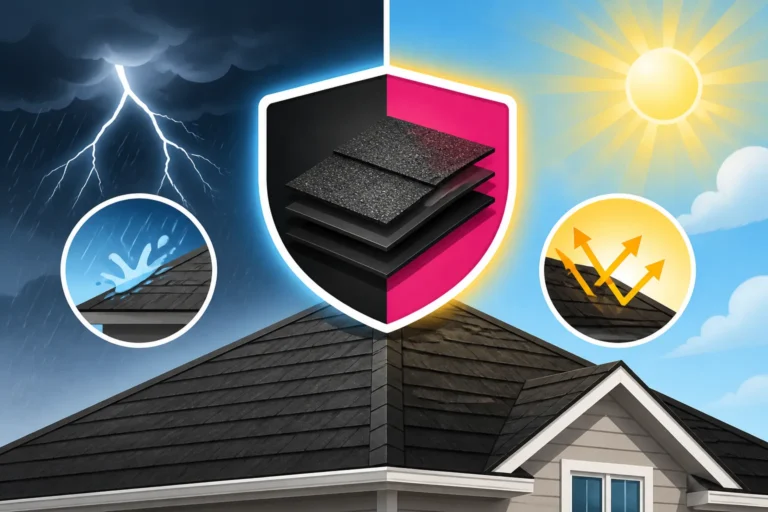
Before we dive deep into the differences, let's establish what underlayment actually is and why it's so incredibly important. Think of your roof as a complex system, a shield protecting your home from the elements. While shingles are the most visible line of defense, they aren't foolproof. Wind-driven rain, melting ice, or even just a particularly heavy downpour can find its way past the shingle layer. That's where underlayment steps in.
The Critical Role of Underlayment in Your Roofing System
Underlayment is a protective layer of material installed directly onto your roof deck, beneath the shingles. Its primary function is to provide an additional layer of weather protection, safeguarding your home from moisture intrusion even if water penetrates the primary roof covering. Without proper underlayment, your roof deck would be directly exposed to any water that gets past the shingles, leading to rot, mold, and costly structural damage over time. It's a vital part of what makes a roof watertight, working in conjunction with other components like flashing and drip edge to create a robust barrier. Beyond water resistance, underlayment also offers a few other key benefits. It provides a cleaner, smoother surface for the shingles to be installed upon, which can contribute to a better aesthetic finish and proper shingle adhesion. Furthermore, some underlayments offer a degree of UV protection for the roof deck during the installation process, which can be particularly useful in areas with intense sun exposure or if there are delays in shingle application.
Imagine a sudden, torrential downpour in the middle of your roof replacement project. If your roof deck were completely bare, exposed to the sky, that water would quickly seep into your attic, causing untold damage to insulation, ceilings, and personal belongings. With underlayment properly installed, even without the shingles, it provides a temporary shield, buying time and preventing immediate disaster. This protective quality is often underestimated until you face such a scenario. It's not just a backup; it's an integral part of the overall strategy for keeping your home dry.
Where Underlayment Sits in the Roof's Anatomy
To truly appreciate underlayment, it helps to understand its place within the full roofing system. When you look at your roof, you see the beautiful shingles. But beneath those shingles lies a meticulously engineered structure, each part playing a role. The very base of this system is the roof deck, typically made of plywood or OSB, which forms the structural foundation. Directly on top of this deck, the underlayment is rolled out and fastened.
This process is critical, as any irregularities or damage to the roof deck can impact the effectiveness of the underlayment and subsequently, the shingles. After the underlayment, various flashing elements are installed around penetrations like chimneys, skylights, and vent pipes, followed by starter shingles along the eaves. Only then do the main courses of asphalt shingles get installed, along with ridge caps at the peaks. Understanding this sequence, and knowing How a Roof Replacement Works: The Full Process helps you grasp just how essential each layer, particularly the underlayment, is to the integrity and longevity of your roof. Skipping this layer or using an inferior product is akin to building a house on a shaky foundation – it's just asking for trouble down the line.
The Old Guard: Felt Underlayment
For decades, asphalt-saturated felt underlayment was the undisputed champion of roofing protection. It's the material many of our parents and grandparents relied on, and it has a long, proven track record. But like all technologies, it has evolved, and it also comes with its own set of characteristics that are important to understand.
Organic Felt Underlayment: A Traditional Choice
Historically, felt underlayment began as a simple, organic felt paper, often made from recycled wood pulp, cellulose, or even rags. This organic base was then saturated with asphalt, giving it its distinctive black color and making it water-resistant. The asphalt acts as a binder and a waterproofing agent, helping the felt shed water rather than absorb it. You might hear it referred to by its "pounds" designation, such as 15-pound felt or 30-pound felt. This refers to the weight of a 100-square-foot roll (one roofing square), with 30-pound felt being thicker, heavier, and generally more tear-resistant than 15-pound felt.
This traditional felt, while effective, isn't truly waterproof; it's water-resistant. If it gets saturated, it can absorb some moisture and become heavier, potentially wrinkling or buckling. This can be a concern if installation takes longer than expected, exposing the underlayment to prolonged rain before the shingles are installed. Despite this, for many years, it was the standard. Its relatively low cost and widespread availability made it a practical choice for most residential asphalt shingle roofs.
Asphalt-Saturated Felt: The Evolution of a Classic
Over time, manufacturers improved upon the basic organic felt by enhancing the asphalt saturation process and sometimes adding fiberglass mats for greater strength and dimensional stability. This innovation helped to reduce some of the issues associated with traditional organic felt, such as tearing during installation or wrinkling after getting wet. The "30-pound felt" became a robust and widely trusted option for its superior durability compared to its 15-pound counterpart, especially on steeper roofs where installers needed a more resilient surface to walk on.
Even with these improvements, asphalt-saturated felt remains fundamentally different from its synthetic cousins. It still uses an organic base, which means it can be susceptible to fungal growth if exposed to moisture for extended periods, and it can become brittle in cold weather, making it more prone to cracking or tearing during installation. In hot weather, the asphalt can soften, potentially becoming sticky. Despite these limitations, it continues to be a viable option for many homeowners, particularly those on a tighter budget, or in areas where climate conditions are moderate and not subject to extreme temperature fluctuations.
Pros and Cons of Felt Underlayment
Let's break down the advantages and disadvantages of felt underlayment to give you a clearer picture:
Pros:
- Cost-Effective: Generally, felt underlayment is less expensive per square foot than synthetic alternatives, making it an attractive option for budget-conscious homeowners.
- Proven Track Record: It has been used successfully for decades, proving its ability to provide a secondary layer of protection beneath asphalt shingles.
- Good Vapor Permeability: Felt allows some moisture vapor to pass through, which can be beneficial in certain climates by allowing the roof deck to "breathe" and reducing the risk of moisture buildup within the attic.
Cons:
- Tear-Prone: Compared to synthetic options, felt underlayment is more susceptible to tearing, especially during installation, or from foot traffic on the roof.
- Weight and Bulk: Rolls of felt underlayment, particularly 30-pound felt, are heavy and bulky, making them more challenging to transport and install, especially on larger or multi-story roofs.
- Wrinkling/Buckling: If felt gets wet before shingles are installed, it can absorb moisture, leading to wrinkles or buckles. These irregularities can sometimes telegraph through the shingles, creating a less aesthetically pleasing finish and potentially compromising shingle adhesion.
- UV Degradation: Felt underlayment is not designed for prolonged exposure to UV rays. If left exposed to the sun for more than a few days, it can degrade, becoming brittle and losing its protective qualities.
- Temperature Sensitivity: It can become stiff and difficult to work with in cold weather, and soft and sticky in hot weather, impacting ease of installation.
Considering these points, felt underlayment can be a good choice for certain projects, but its limitations are why many contractors and homeowners are now leaning towards newer technologies.
The New Contender: Synthetic Underlayment
In recent decades, a new generation of roofing underlayment has emerged, challenging the long-held dominance of felt. Synthetic underlayment, often made from polypropylene or polyethylene, brings a host of modern benefits to the roofing system.
The Composition and Construction of Synthetic Underlayment
Unlike the organic base of felt, synthetic underlayments are woven or spun from polymers like polypropylene or polyethylene, often with a coating to enhance water resistance. These materials are inherently resistant to water absorption and have a much higher tear strength than traditional felt. You'll typically find them in lighter, wider rolls, which makes them easier for roofing crews to handle and install.
The manufacturing process for synthetic underlayment allows for a more consistent and durable product. Many synthetic options feature a non-skid surface, making the roof safer for installers to walk on, especially during wet conditions or on steeper pitches. This improved walkability is a significant advantage, reducing the risk of accidents during a roof replacement. Brands like Owens Corning, GAF, and CertainTeed all offer their own lines of high-quality synthetic underlayment, designed to integrate seamlessly with their shingle systems and often required for their enhanced warranties.
Key Benefits and Advantages of Synthetic Options
The rise in popularity of synthetic underlayment isn't without good reason. They offer several compelling advantages over traditional felt:
- Superior Tear Resistance: Synthetic underlayments are incredibly strong and resistant to tearing, punctures, and rips, which means fewer accidental damages during installation and better protection against high winds or debris.
- Lightweight and Easy to Install: A single roll of synthetic underlayment can cover significantly more area than a roll of felt, while being much lighter. This translates to faster installation, reduced labor costs, and less physical strain on roofing crews. Imagine carrying multiple heavy rolls of 30-pound felt up a ladder versus a single, lighter roll of synthetic! This ease of handling can be a real game-changer for contractors and homeowners alike.
- Excellent Water Resistance: Made from non-absorbent materials, synthetic underlayments shed water exceptionally well, providing a highly effective secondary water barrier. They don't absorb water, so they won't wrinkle or buckle if exposed to rain during the roofing process.
- UV Resistance: Many synthetic underlayments are designed to be UV-resistant, meaning they can be exposed to the sun for extended periods (often up to 6 months) without degrading. This flexibility is invaluable in situations where shingle installation might be delayed, such as during inclement weather or material shortages.
- Enhanced Walkability: Most synthetic products feature a textured or dimpled surface that provides superior grip for roofers, making the work environment safer, especially on steep-pitch roofs.
- Fungus and Mold Resistant: Being inorganic, synthetic underlayments are not a food source for mold or fungi, offering better protection against biological growth.
These advantages collectively make synthetic underlayment a powerful upgrade for any asphalt roofing system, promising enhanced protection and a smoother installation process.
Potential Drawbacks and Considerations
While synthetic underlayments boast many benefits, it's also important to consider potential downsides:
- Higher Initial Cost: The most significant drawback is typically the higher upfront material cost compared to felt underlayment. While installation labor might be slightly less due to easier handling, the material itself commands a premium. However, when considering the total Asphalt Roof Replacement Cost: Complete Breakdown and the long-term protection, this cost difference often becomes negligible.
- Vapor Permeability: Some synthetic underlayments act as a true vapor barrier, which can be an advantage in extremely humid climates. However, in other situations, this can trap moisture within the roof assembly if not properly ventilated, potentially leading to issues. It's crucial to understand the vapor permeability rating of the specific synthetic product you choose and ensure your attic ventilation system is adequate.
- Slippery Surface (Early Generations): While most modern synthetic underlayments feature enhanced non-skid surfaces, some older or cheaper versions could be quite slippery when dry. Always check for anti-slip properties, especially if your roof has a significant pitch.
- Less "Green": While made from recycled plastics in some cases, the production of synthetic polymers can be more energy-intensive than organic felt, and the material itself is not biodegradable. For homeowners prioritizing environmentally friendly materials, this might be a consideration.
When making your choice, it’s about weighing these factors against your budget, local climate, and the specific requirements of your home.
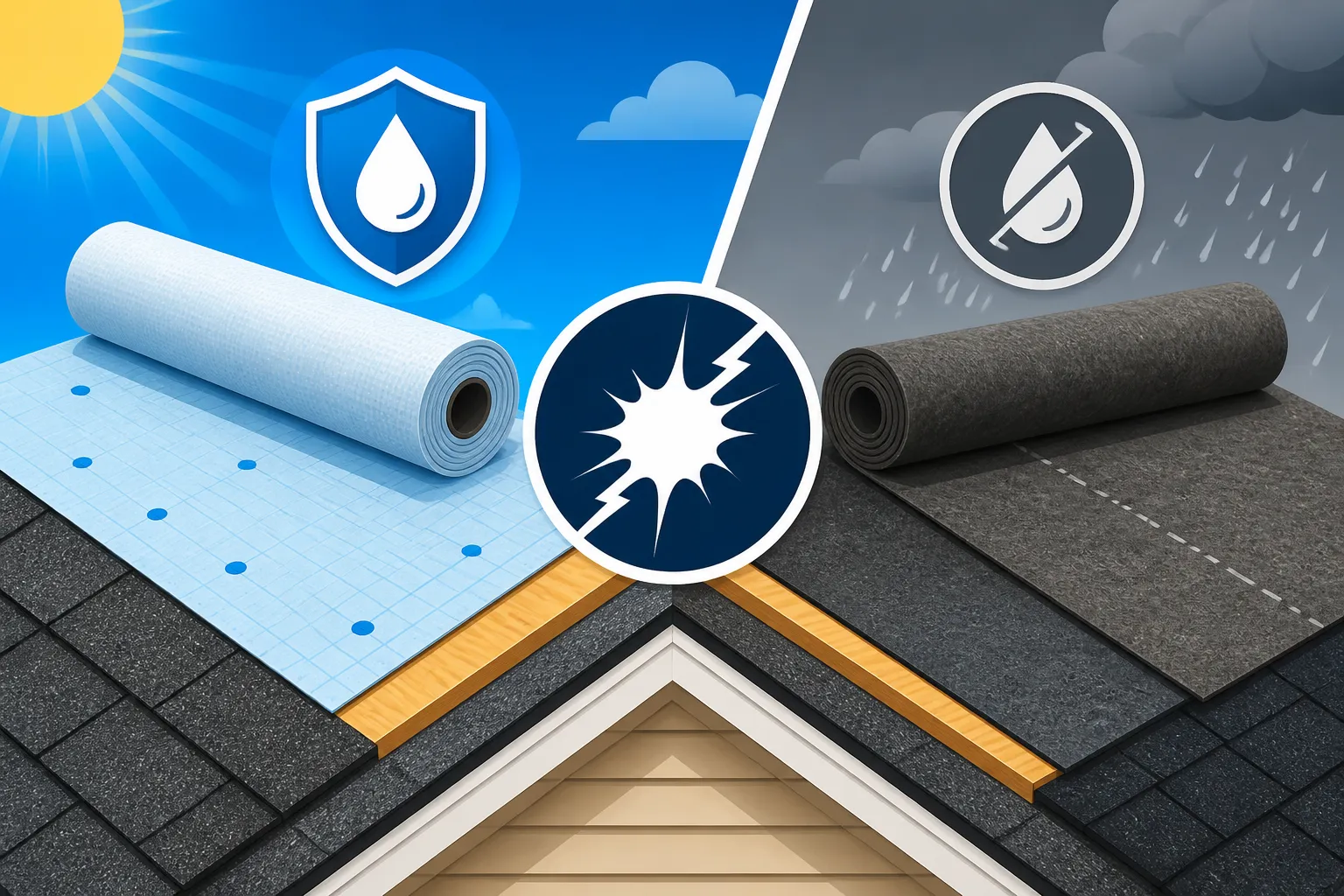
Synthetic vs. Felt: A Head-to-Head Comparison
Now that we've explored each type individually, let's put them side-by-side to highlight their key differences and help you understand which might be the better fit for your roofing project. This comparison isn't just about material properties; it's about how they perform in the real world.
Performance in Various Climates and Conditions
The climate where you live plays a significant role in determining the ideal underlayment choice.
- Extreme Heat: In scorching climates like Arizona or Florida, felt underlayment can become soft and sticky, making it difficult to work with and potentially affecting shingle adhesion. Synthetic underlayment, on the other hand, maintains its stability and integrity much better under high temperatures, and its UV resistance is a huge advantage when the sun beats down relentlessly on an exposed roof deck during installation. This allows for more flexibility in scheduling and less worry about material degradation.
- Extreme Cold: When temperatures plummet, felt becomes stiff and brittle, increasing the risk of cracking or tearing during installation. This can be a real headache for roofers in states like Minnesota or Michigan during winter months. Synthetic underlayment remains flexible and workable even in very cold conditions, making it a safer and more efficient choice for cold-weather installations.
- High Humidity/Rainfall: In regions with heavy rainfall or high humidity, like the Pacific Northwest or the Gulf Coast, synthetic underlayment's superior water resistance truly shines. Since it doesn't absorb water, it provides a much more reliable secondary barrier against leaks. Felt, if exposed to prolonged moisture, can become saturated, potentially compromising its protective qualities and leading to mildew or mold growth underneath the shingles.
- High Winds: Areas prone to strong winds, such as coastal regions or tornado alley, benefit immensely from the tear resistance of synthetic underlayment. Its ability to stay intact, even if a few shingles are ripped off, can prevent immediate water intrusion and buy time for repairs.
When you're dealing with conditions that push a roof to its limits, synthetic underlayment often proves to be the more resilient and dependable choice, offering peace of mind where it matters most.
Installation Differences and Considerations
The way each type of underlayment is installed also differs, impacting labor time, safety, and overall project efficiency.
- Handling and Application: Felt underlayment, especially 30-pound felt, is heavy and cumbersome. A standard roll of 30-pound felt covers only 200 square feet (two squares), meaning more rolls need to be transported up to the roof and positioned. Because of its weight, it can be more challenging to unroll straight and keep aligned. Synthetic underlayment rolls are typically much lighter and cover significantly more area, often 10 squares or more per roll. This makes them much easier to handle, unroll, and fasten, leading to faster installation times and less fatigue for the crew. For a large home, say a 2,500 sq ft roof, the difference in handling dozens of felt rolls versus just a few synthetic ones is substantial.
- Fastening: Both felt and synthetic underlayments are fastened to the roof deck, usually with roofing nails or staples. However, because synthetic underlayment is so much more tear-resistant, staples are often sufficient for installation, which is a quicker process than nailing. Felt typically requires more careful nailing, especially 30-pound felt, to prevent tearing during application. For detailed guidance on the process, check out How Underlayment Is Installed.
- Walkability and Safety: This is a major factor for roofers. Felt can be very slippery, especially when dry or dusty, posing a fall risk. If it gets wet, it becomes even more treacherous. Modern synthetic underlayments are engineered with enhanced anti-slip surfaces, providing significantly better traction for installers. This isn't just a comfort factor; it's a critical safety feature that can reduce the risk of accidents on the job site. This aspect is something homeowners often don't consider but is crucial for the well-being of the roofing crew.
Cost Analysis: Initial Investment vs. Long-Term Value
The cost difference between felt and synthetic underlayment is one of the most significant factors homeowners consider, but it's important to look beyond just the upfront price.
- Material Costs: On average, 15-pound felt might cost around $0.05 to $0.10 per square foot, while 30-pound felt can range from $0.10 to $0.15 per square foot. Synthetic underlayment typically starts around $0.20 to $0.30 per square foot and can go higher for premium products. So, on a 2,000 square foot roof, the material cost difference could be several hundred dollars. For a deeper dive into the numbers, read our guide on Synthetic vs Felt Underlayment Cost.
- Labor Costs: While synthetic underlayment has a higher material cost, it can sometimes offset this with reduced labor costs. Because it's lighter, easier to handle, covers more area per roll, and is faster to install, a roofing crew might be able to complete the underlayment phase of the project more quickly. This efficiency can trim down the total Asphalt Roof Labor Cost Explained.
- Long-Term Value and Durability: This is where synthetic often pulls ahead. Its superior tear resistance, UV stability, and water resistance mean it provides a more robust and longer-lasting secondary barrier. If your shingles ever get damaged by a storm, the synthetic underlayment is much more likely to hold up, preventing leaks until repairs can be made. This added protection can prevent costly interior water damage and extend the overall lifespan of your roof system. Considering the potential for preventing future repairs and protecting your home's interior, the slightly higher initial investment in synthetic underlayment often delivers superior long-term value.
Ultimately, while felt might save you a few dollars upfront, synthetic underlayment offers enhanced durability, easier installation, and superior protection, which can translate into greater peace of mind and potentially fewer future headaches.
| Feature | 15-Pound Felt Underlayment | 30-Pound Felt Underlayment | Synthetic Underlayment |
|---|---|---|---|
| Material | Asphalt-saturated organic felt | Asphalt-saturated organic felt | Woven/non-woven polypropylene/polyethylene |
| Weight | Light (15 lbs/sq) | Heavy (30 lbs/sq) | Very Light (2-5 lbs/sq equivalent) |
| Tear Resistance | Low | Moderate | High (5-10x stronger than felt) |
| Water Resistance | Good (water-resistant) | Better (water-resistant) | Excellent (highly water-resistant to waterproof) |
| Cost (per sq ft) | $0.05 – $0.10 | $0.10 – $0.15 | $0.20 – $0.30+ |
| Lifespan | ~10-15 years | ~15-20 years | ~20-50+ years (often outlasts shingles) |
| Walkability | Slippery | Moderate (can be slippery) | Excellent (anti-skid surfaces) |
| UV Exposure Time | < 3 days | < 7 days | Up to 6 months (product dependent) |
| Wrinkling/Buckling | High risk if wet | Moderate risk if wet | Low risk (stable) |
| Mold/Fungus Resist. | Low | Low | High |
Important Features and Factors to Consider
Beyond the basic material type, there are several specific features and factors of underlayment that homeowners and contractors should scrutinize. These details can significantly impact performance, longevity, and compliance with local regulations.
Weight, Tear Resistance, and Walkability
These three aspects are closely linked and have a direct bearing on both the installation process and the long-term durability of your roof.
- Weight: We've touched on this, but it bears repeating. Lighter synthetic underlayments (often equivalent to 2-5 pounds per square foot in terms of coverage but with far superior strength) mean fewer trips up the ladder for the roofing crew and less strain on their bodies. This might seem minor, but it contributes to overall project efficiency and safety.
- Tear Resistance: This is crucial. A highly tear-resistant underlayment means it can withstand the rigors of installation—foot traffic, tool drops, and the movement of materials—without developing small tears that could become future leak points. It also means better protection against strong winds that might lift or remove shingles. If a tree branch scrapes across your roof, a strong underlayment provides a better secondary defense.
- Walkability: For roofers, a safe working surface is paramount. Many synthetic underlayments are engineered with specialized coatings or textures that provide excellent grip, even on sloped roofs or in damp conditions. This anti-skid property significantly reduces the risk of slips and falls, improving job site safety. When contacting a company through a service like Modernize, you can ask them about the specific underlayment products they use and their walkability features, which demonstrates your informed interest in the quality and safety of the installation.
These features aren't just about manufacturer boasts; they translate directly to a more durable installation and a safer work environment, which ultimately benefits the homeowner.
Permeability and Vapor Barriers
The concept of "breathability" is vital in roofing, and underlayment plays a critical role in managing moisture vapor.
- Permeability: This refers to an underlayment's ability to allow moisture vapor to pass through it. Felt underlayment, particularly 15-pound felt, is generally more permeable than most synthetics. This can be an advantage in some climates by allowing any trapped moisture from the attic or living space to escape through the roof deck and underlayment, preventing condensation issues.
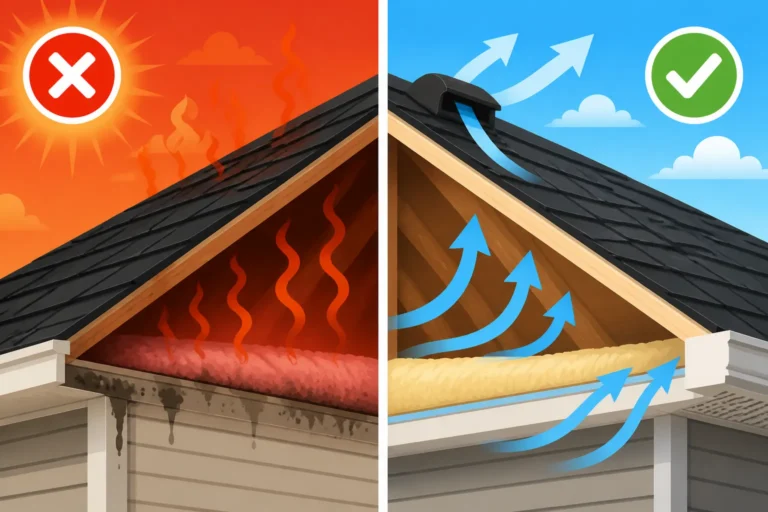
- Vapor Barriers: Some synthetic underlayments are designed to be true vapor barriers, meaning they significantly restrict the passage of moisture vapor. In certain cold climates or very humid environments, a vapor barrier on the exterior of the roof deck, combined with proper attic ventilation, can prevent warm, moist air from the interior from condensing within the roof assembly. However, if not properly balanced with interior vapor control and attic ventilation, a vapor barrier underlayment can also trap moisture, leading to mold or rot. It’s a delicate balance and requires careful consideration of your home's climate, construction, and existing ventilation. This is why discussing your specific situation with a knowledgeable contractor is so important.
The goal is always to have a system that manages moisture effectively, keeping your attic dry and preventing moisture-related problems.
Code Requirements and Manufacturer Warranties
Navigating building codes and manufacturer warranties can feel like a maze, but they are essential for ensuring a compliant and protected roof.
- Building Codes: Most local building codes specify minimum requirements for underlayment, including type, weight (for felt), and installation methods. For example, in cold climates, many codes require the installation of an Ice and Water Shield Explained along the eaves, valleys, and around penetrations, which is a specialized type of self-adhering underlayment providing enhanced protection against ice dams and wind-driven rain. Ensure your chosen contractor is well-versed in Roofing Building Codes: What to Know in your specific area, as code compliance is not optional.
- Manufacturer Warranties: Many leading shingle manufacturers, like GAF, Owens Corning, and CertainTeed, offer enhanced warranty programs that extend coverage for materials and workmanship. To qualify for these top-tier warranties, they often require the use of their proprietary "system" components, which includes their brand of synthetic underlayment, along with other items like starter shingles and ridge caps. For example, a GAF Golden Pledge Warranty requires GAF brand underlayment. Not using the specified underlayment could void the extended warranty, leaving you with only the basic material warranty. Always read the fine print on Roofing Warranties: Manufacturer vs Workmanship to understand the requirements. This aspect alone often sways homeowners toward synthetic options, as the peace of mind from an extended warranty is a significant benefit.
Installation Best Practices for Optimal Protection
Even the best underlayment won't perform optimally if it's not installed correctly. Proper installation is just as crucial as the quality of the material itself. It ensures the underlayment acts as a continuous, impenetrable barrier against water.
Preparing the Roof Deck and Proper Overlap
The foundation for effective underlayment installation begins with the roof deck itself.
- Deck Preparation: Before any underlayment is laid down, the roof deck must be clean, dry, and free of any protruding nails, debris, or damaged wood. Any old roofing materials should be completely removed during the Cost of Roof Tear-Off and Disposal phase. If there are rotten or deteriorated sections of the roof deck, they must be replaced. A smooth, solid surface ensures the underlayment lies flat and bonds correctly, especially for self-adhering products. Failure to address deck issues can lead to bumps or tears in the underlayment, creating potential leak points.
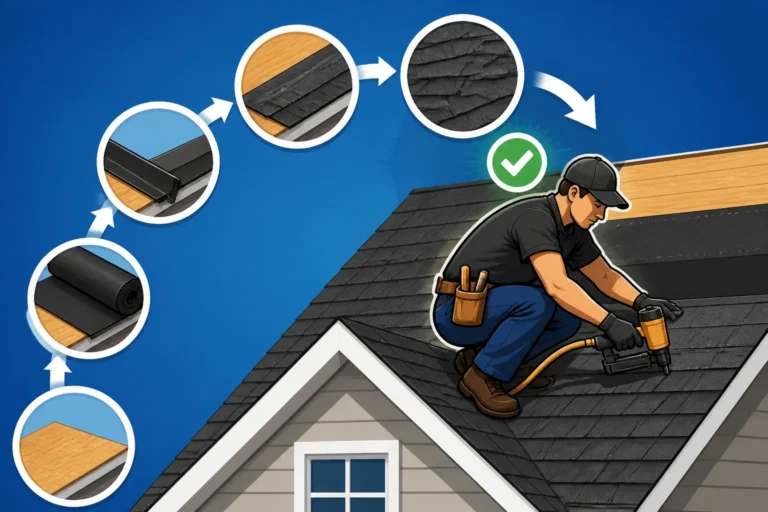
- Starting Point: Underlayment is always installed from the eaves (the lowest edge of the roof) and proceeds upwards towards the ridge. This ensures that each successive layer overlaps the one below it, creating a shingle-like effect where water naturally sheds downwards over the overlaps. This "lapped" installation is critical for water shedding.
- Proper Overlap: The amount of overlap between courses of underlayment is specified by the manufacturer and local building codes, but typically it’s at least 2 to 4 inches horizontally and 6 inches at vertical seams (where two rolls meet end-to-end). This overlap is what prevents water from seeping through the seams. If an installer rushes and doesn't provide adequate overlap, even the best underlayment can fail.
These initial steps are foundational; skimping on them can undermine the integrity of the entire roofing system.
Fastening Methods and Sealing Details
The way underlayment is secured and sealed is paramount to its performance as a water barrier.
- Fasteners: Underlayment is typically fastened using roofing nails or staples. For felt underlayment, ring-shank nails with plastic caps are often used to prevent tear-through and secure the felt firmly. Synthetic underlayments, due to their higher tear strength, can often be fastened with staples or shorter cap nails. The key is to use enough fasteners to hold the underlayment securely, especially in windy conditions, without over-driving them and tearing the material. Manufacturer specifications usually provide precise nailing patterns.
- Sealing Penetrations: Any areas where the underlayment is cut to accommodate roof penetrations—such as vent pipes, chimneys, or skylights—must be meticulously sealed. While the primary flashing around these elements provides the main seal, the underlayment acts as a crucial backup. Often, a flexible sealant or additional strips of ice and water shield are used to reinforce these areas, ensuring a watertight transition.
- Drip Edge Integration: The underlayment should overlap the top flange of the Drip Edge: What It Does along the eaves. This ensures that any water running down the underlayment flows directly into the gutters, preventing it from seeping behind the fascia board. This seemingly small detail is vital for preventing water damage along the roof's edge.
A diligent contractor will pay close attention to these details, understanding that a perfect shingle installation means nothing if the underlying water barriers are compromised.
Special Considerations for Valleys and Eaves (Ice & Water Shield)
Certain areas of the roof are inherently more vulnerable to water intrusion and require enhanced protection. This is where specialized underlayment, particularly ice and water shield, comes into play.
- Valleys: Roof valleys, where two roof planes meet, are natural channels for water runoff. They experience a higher volume of water flow and are prone to leaks. For this reason, it's standard practice, and often code-required, to install a self-adhering Ice and Water Shield Explained in valleys before the main underlayment. This rubberized asphalt membrane creates a waterproof seal that protects against intense water flow and potential ice buildup.
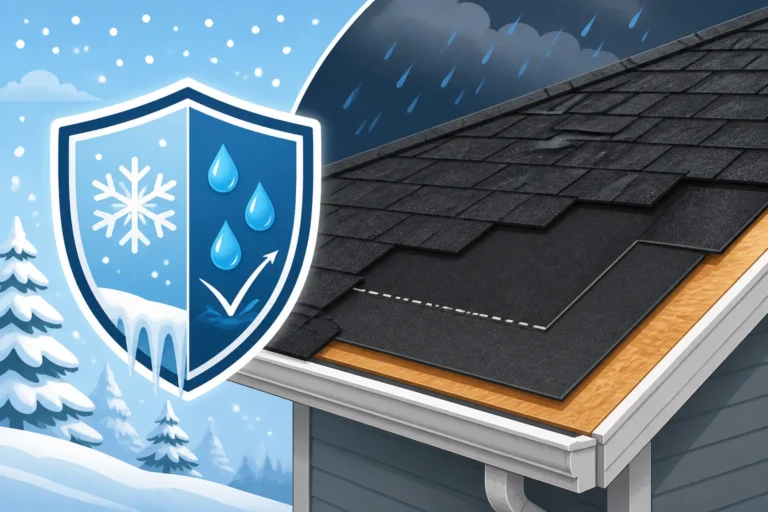
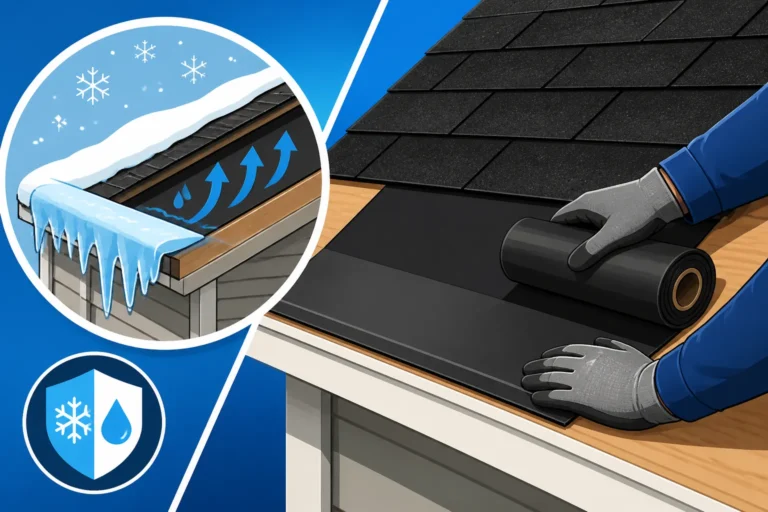
- Eaves: In regions prone to freezing temperatures and snow, ice dams are a significant concern. Ice dams form when heat escapes from the attic, melting snow on the roof, which then refreezes at the colder eaves. This ridge of ice prevents melting snow and rain from draining, causing water to back up under the shingles. To combat this, building codes often mandate the installation of ice and water shield along the eaves, typically extending at least 24 inches (or more, depending on code and climate zone) beyond the interior wall line. This self-adhering membrane forms a waterproof barrier, protecting the deck from water backup.
- Other Vulnerable Areas: Ice and water shield is also commonly used around chimney bases, skylights, and other roof penetrations where traditional flashing and underlayment might need extra reinforcement. Its ability to self-seal around fasteners makes it exceptionally effective in these critical areas.
Understanding these critical zones and ensuring the correct, enhanced underlayment is applied here is a hallmark of a high-quality roofing job that prioritizes long-term protection against the harshest elements.
Making the Right Choice for Your Home
Choosing between synthetic and felt underlayment doesn't have to be overwhelming. By considering your specific circumstances and leveraging expert advice, you can make an informed decision that provides the best protection for your investment.
Assessing Your Budget and Climate Needs
As with any major home improvement, your budget will always be a factor. While felt underlayment offers a more budget-friendly upfront cost, remember to weigh this against the potential for enhanced longevity and reduced risk of water damage that synthetic options provide. It’s not just about the Roof Cost Per Square: What You'll Pay for materials, but the overall value.
More critically, honestly assess your climate. Do you live in an area with:
- Extreme Heat or UV Exposure? Synthetic underlayment's UV resistance and temperature stability make it a clear winner here.
- Heavy Rainfall or High Humidity? The superior water resistance of synthetics offers better peace of mind.
- Frequent High Winds? Synthetic's tear strength provides a more robust secondary barrier.
- Cold Winters and Snowfall? The flexibility of synthetic in cold weather and its integral role in ice dam protection (often combined with ice and water shield) make it preferable.
If your climate is mild and consistent, felt underlayment might be an adequate and more economical choice, provided it's installed meticulously. However, if your home faces challenging weather conditions, the extra investment in synthetic underlayment is often money well spent for the increased resilience and protection it offers. Think about the long-term; a roof is a 20-30 year investment, and small savings upfront can lead to much larger expenses down the road if the underlying protection fails.
Consulting with a Qualified Roofing Professional
This is perhaps the most crucial step in making an informed decision. An experienced, reputable roofing contractor will have in-depth knowledge of various underlayment products, local building codes, and what performs best in your specific climate.
- Ask Questions: Don't hesitate to ask your potential contractors about the underlayment products they typically use. Ask why they prefer a certain brand or type, how it compares to alternatives, and what its specific warranty implications are. Inquire about its tear strength, UV exposure rating, and anti-slip properties.
- Get Detailed Estimates: Ensure that your roofing estimates clearly specify the type of underlayment to be used, its brand, and its thickness or composition. A good estimate should break down all components of the roofing system. Learning How to Read and Compare Roofing Estimates can empower you to ask the right questions and ensure you're comparing apples to apples.
- Manufacturer Certifications: Many top manufacturers offer certification programs for contractors. A GAF Master Elite or Owens Corning Platinum Preferred contractor, for example, is trained in the proper installation of their entire roofing system, including their underlayment products, and can offer enhanced warranties. When you connect with professionals through services like Modernize, you can often find contractors who hold these valuable certifications, indicating a commitment to quality.
Ultimately, a qualified roofing professional won't just tell you what to use; they'll explain why, helping you understand the value and benefits in the context of your home and your budget. They are your best resource for navigating the complexities of roofing materials and ensuring your home gets the protection it deserves.
Disclaimer
Please note that this article provides general information and should not be considered professional advice. Roofing projects involve inherent risks and complexities. Always consult with a qualified, licensed, and insured roofing contractor for specific recommendations, estimates, and safe installation practices tailored to your home and local building codes. Building codes and product specifications can vary by location and change over time.